

High Efficiency Waterproof Apparel and Rain Gear Cheap Guide
Finding reliable water protection that balances cost and performance is a common challenge for commuters and industrial users alike. Whether you are navigating city traffic on a scooter or managing outdoor work shifts, the efficiency of your waterproof apparel determines your productivity during adverse weather. This guide explores the practical attributes of high-efficiency waterproof garments, focusing on how streamlined design and material selection can provide a cost-effective solution without sacrificing essential protection.
Modern rain gear should prioritize rapid deployment and ease of maintenance. By focusing on materials like PVC, EVA, and TPU, manufacturers can deliver durable shields against precipitation that remain affordable for bulk procurement. We examine the operational logic of these garments, from their "open-and-wear" convenience to the critical care requirements that extend the lifespan of the waterproof membrane.

The Engineering Behind Rapid-Deployment Waterproof Apparel
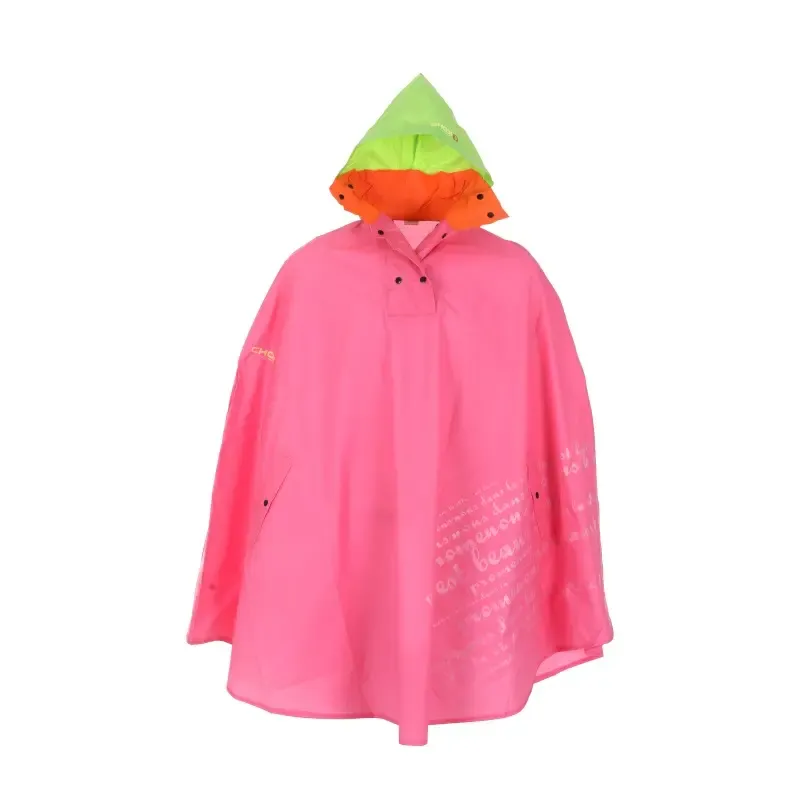
The primary value of professional waterproof garments lies in their ability to provide an immediate barrier between the user and the elements. For the modern urban traveler, particularly those using two-wheeled transport, the "time-to-protection" metric is critical. High-efficiency rain gear is engineered for a seamless transition; users simply open the garment, position it over the body, and expose the face, allowing for immediate travel without the struggle of complex fasteners or heavy layering.
From a manufacturing perspective, achieving this balance requires precise cutting and sewing. The integration of materials like PEVA and TPU ensures that the garment remains lightweight yet impermeable. By optimizing the production line—incorporating automated cutting and rigorous stapling—manufacturers can maintain tight quality tolerances while keeping the end-cost low for the buyer. This synergy of design and production allows for the creation of rain gear cheap enough for wide distribution but durable enough for daily use.
- Immediate Utility: Designed for fast donning to minimize exposure during sudden downpours.
- Material Versatility: Utilization of PVC for heavy-duty needs and EVA for lightweight, eco-friendly options.
- Streamlined Construction: Reduced seam complexity to prevent leakage points.

Material Analysis: Selecting Between PVC, EVA, and TPU
Selecting the right polymer is the most significant factor in determining the garment's longevity and cost. PVC (Polyvinyl Chloride) is traditionally favored for its extreme durability and total impermeability, making it ideal for painting clothes and heavy-duty aprons. However, for lightweight raincapes, EVA (Ethylene Vinyl Acetate) offers a softer feel and better environmental profile, providing a flexible shield that is highly resistant to cracking in colder temperatures.
For those seeking a premium balance of breathability and strength, TPU (Thermoplastic Polyurethane) represents the modern standard. It provides superior abrasion resistance and a better tactile experience compared to standard plastics. Understanding these material differences allows procurement managers to match the product to the specific environment, ensuring that the garment does not fail prematurely under operational stress.
Quality control during the material procurement phase is where the real value is created. By implementing a strict inspection system at the raw material stage, the finished product avoids common defects such as pinholes or inconsistent thickness, which are frequent failures in low-tier waterproof clothing.
Operational Maintenance and Lifespan Extension
The longevity of waterproof apparel is often determined by post-use care rather than the initial quality of the material. A common mistake among users is the application of high heat to dry the garment. It is critical to avoid using stoves or irons to flatten the raincoat, as these practices degrade the chemical bonds of PVC and EVA, leading to shrinkage, melting, or a complete loss of waterproof performance.
The recommended maintenance cycle is simple: shake off excess water, hang the garment on a balcony to allow natural evaporation, and fold it neatly for storage. This prevents the accumulation of moisture in the folds, which can lead to mold or material degradation over time. When maintained correctly, these garments provide a sustainable, long-term solution for rain protection.
For bulk users, implementing a basic care guideline for staff can significantly reduce the replacement rate of rain gear. Education on avoiding heat sources is the most effective way to ensure the investment in waterproof apparel yields the maximum return in terms of service life.
Comparative Analysis of Waterproof Material Properties
| Material Type | Durability Level | Weight Profile | Primary Application |
|---|---|---|---|
| PVC | High | Heavy | Industrial Aprons / Heavy Raincoats |
| EVA | Medium | Light | Disposable / Lightweight Capes |
| PEVA | Medium | Medium | Eco-friendly Commuter Gear |
| TPU | Very High | Medium | Premium Waterproof Apparel |
| Mixed Blend | Variable | Custom | Specialized OEM Requirements |
Evaluating Manufacturing Capabilities for Bulk Procurement
When sourcing waterproof garments at scale, the focus must shift from the individual product to the manufacturer's systemic capability. A professional setup involves a complete integrated production line—from cutting and printing to sewing, stapling, and final inspection. This integration minimizes the risk of contamination and ensures that every unit meets the same technical specifications, which is vital for brand consistency in OEM projects.
Certifications such as BSCI factory inspections provide a layer of trust, indicating that the manufacturer adheres to international social and quality standards. For buyers in Europe and the United States, these certifications are often a prerequisite for procurement. A facility with a dedicated quality inspection team and skilled workmen can offer a higher degree of customization, allowing for different styles and materials based on specific regional climate requirements.
The ability to provide cost-effective products without compromising quality depends on the manufacturer's experience in production control. By optimizing the folding and packing processes, a factory can reduce shipping volumes and costs, adding further value to the overall procurement cost for the global client.
Future Directions in Sustainable Waterproof Apparel
The industry is currently shifting toward more sustainable materials to meet global environmental regulations. The transition from traditional PVC to PEVA and TPU is part of this movement, as these materials often provide better recyclability and lower toxicity during the manufacturing process. Future developments will likely focus on increasing the "breathability" of low-cost rain gear, reducing the internal condensation that often plagues non-porous waterproof garments.
Furthermore, the integration of smarter design patterns—such as ergonomic cuts for electric scooter riders—is becoming a priority. As urban mobility evolves, the demand for apparel that offers both high visibility and high protection will increase. Manufacturers who can innovate in technology and management approach will be best positioned to meet these future needs.
For procurement managers, the goal is to find a partner who not only provides current needs but is also innovating in material science. Investing in products that anticipate these regulatory and functional shifts ensures that the supply chain remains resilient and compliant with international standards.
Frequently Asked Questions Regarding Waterproof Gear
What is the best material for a lightweight but durable raincoat?
For a balance of weight and durability, TPU is highly recommended due to its abrasion resistance. However, PEVA is an excellent cost-effective and eco-friendly alternative for lightweight applications.
Can I use an iron to remove creases from my waterproof garment?
No, you should never iron a waterproof raincoat or use a stove to dry it. High heat can melt the material or destroy the waterproof coating, permanently damaging the garment's performance.
How should I properly store rain gear to ensure it lasts?
After use, shake off excess water and hang the garment in a ventilated area like a balcony. Once dry, fold it neatly and store it in a cool, dry place away from direct heat sources.
What should I look for when choosing a bulk supplier for waterproof apparel?
Look for manufacturers with a complete production line (cutting, sewing, inspection), BSCI certification, and a proven track record of exporting to your target market to ensure quality and compliance.
Are PVC and EVA garments suitable for all weather conditions?
PVC is excellent for heavy rain and industrial use. EVA is better for light rain and colder climates as it remains flexible, whereas some low-grade PVC can become stiff in extreme cold.
Do these garments support OEM customization?
Yes, professional manufacturers can produce different styles, colors, and material blends based on customer requirements, provided they have the necessary production workshop and design team.
Technical References and Industry Sources
- ISO Standards for Protective Clothing
- OSHA Guidelines for Personal Protective Equipment
- Global Textile and Polymer Manufacturing Trends
- International Trade Regulations for Apparel Export
Selecting the right waterproof apparel requires a deep understanding of material science and manufacturing quality. By prioritizing rapid-deployment designs and adhering to strict maintenance protocols, users and businesses can achieve maximum protection and value from their investment in rain gear.
Related Industry Insights