



Camouflage Poncho Raincoat – Waterproof, Hooded, Packable

Oct . 11, 2025 14:50
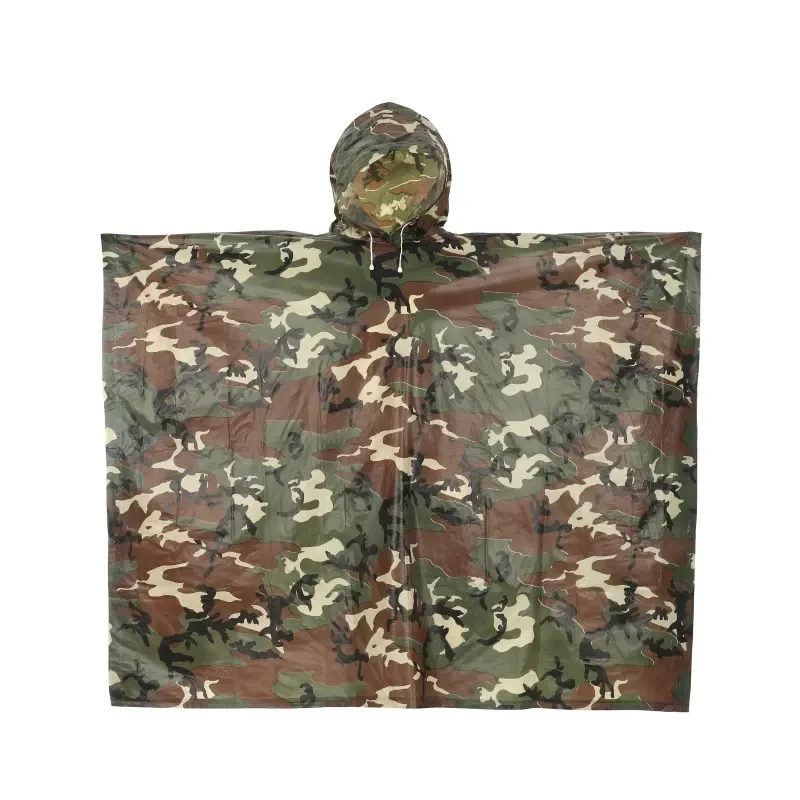
Field Notes on a Camo Workhorse: the camouflage poncho raincoat
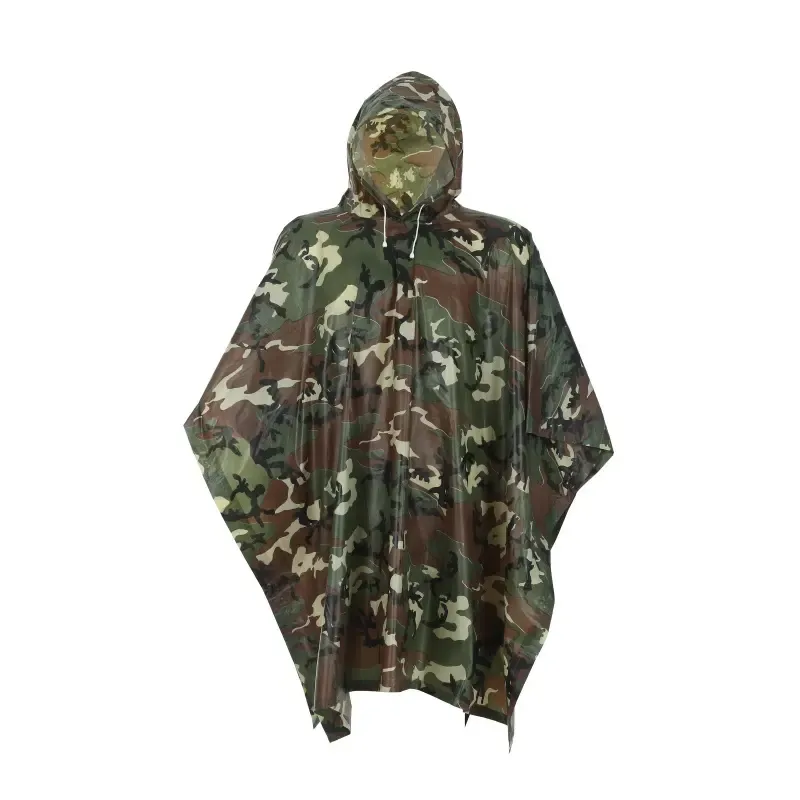
I’ve spent too many muddy mornings on logging trails and wind-whipped job sites to romanticize rainwear. What matters is simple: real waterproofing, decent coverage, and hardware that doesn’t give up after a month. The Camo Rain Coat from Shijiazhuang (Hebei, China) checks those boxes—and a couple I didn’t expect. In fact, the extra-long hem and extended rain cap sound like marketing fluff, but out in sleet they shield your pants and boots better than most “urban technical” shells.
What’s inside the build
The poncho uses PVC-coated fabric with heat-welded seams—old-school, but brutally effective. PVC isn’t featherweight, yet it’s still the go-to for forestry, construction, and security details where abrasion and chemical drips are a thing. Many customers say it feels “overbuilt,” which, to be honest, is exactly the point for field work.
| Parameter | Spec (≈, real-world use may vary) |
|---|---|
| Product | Camo Rain Coat (camouflage poncho raincoat) |
| Material | PVC-coated fabric, welded seams |
| Sizes | 50×80 in; 52×80 in |
| Waterproof rating | ≥10,000 mm H2O (ISO 811/ASTM D751) |
| Abrasion (Martindale) | ≈20,000 rubs (ASTM D4966) |
| Weight | ≈700–900 g per unit |
| Temp range | -10°C to 45°C typical |
| Design notes | Extended rain cap, lengthened hem to protect pants/feet |
| Origin | No.28, Youyi St., Shuanghe Village, Dahe Town, Shijiazhuang, Hebei, China |
Process flow and quality controls
Materials: PVC resin with plasticizer and stabilizers; polyester scrim (optional) for tear resistance.
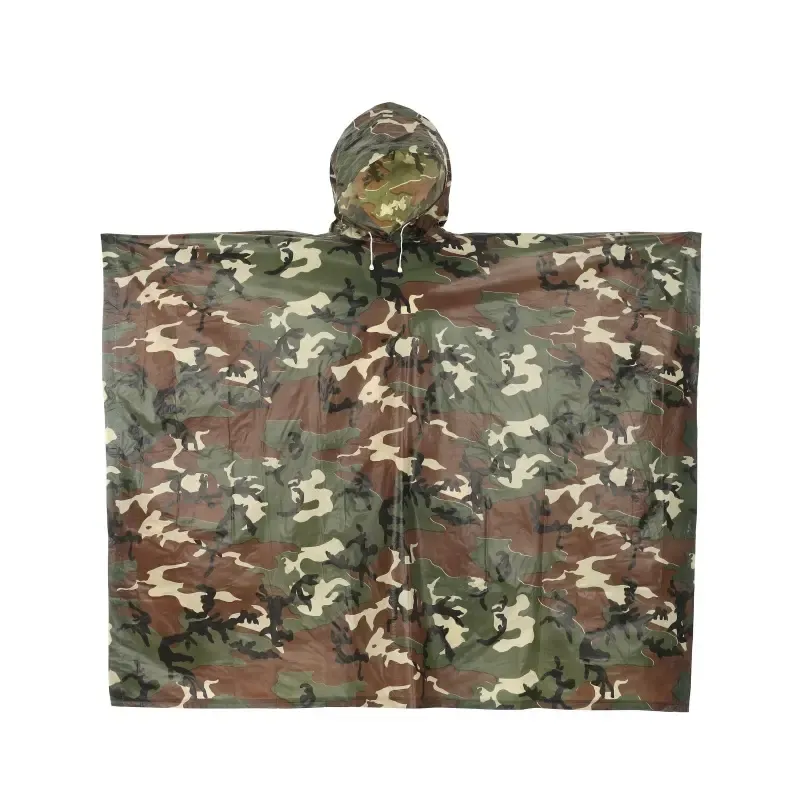
Methods: sheet calendering → lamination → pattern cutting → HF heat-welding of seams → visor/hood extension → snap/grommet install → edge binding.
Testing standards: ISO 811/ASTM D751 hydrostatic head; ASTM D4966 abrasion; EN 343:2019 waterproof/breathability classing; colorfastness ISO 105; dimensional stability AATCC 135. Service life is typically 3–5 years in trade use if cleaned and hung dry (PVC hates creases; don’t bake it in a truck cab, please).
Where it shines
Industries: forestry crews, fisheries, security, construction flaggers, event staff, and yes—weekend hunters who want coverage over a pack. Scenarios: sudden downpours, ATV mud guards, sideline coaching, emergency response kits. A supervisor in Heilongjiang told me his team prefers the camouflage poncho raincoat because “it covers the radio harness without snagging.” Fair enough.
Customization and compliance
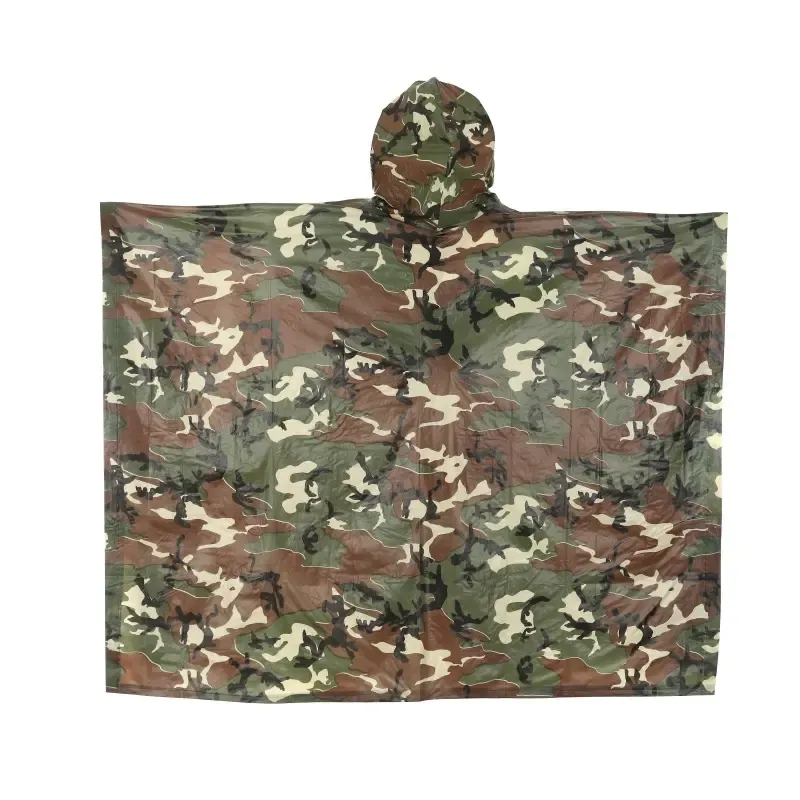
Options: camo patterns, thickness (≈0.18–0.30 mm), reflective piping, logo print, snap styles, and carton/retail packaging. Certifications available on request: EN 343 conformity, REACH SVHC screening; many shipments include factory test sheets. Breathability isn’t the point here—weatherproofing and durability are.
Vendor snapshot (what buyers compare)
| Criteria | Camo Rain Coat (Hebei) | Outdoor Brand X | Generic Importer |
|---|---|---|---|
| Material | PVC, welded seams | PU-coated, stitched+taped | PVC mix (varies) |
| Waterproof rating | ≥10,000 mm | 5,000–8,000 mm | ≈6,000 mm (claimed) |
| Lead time | 15–25 days | 30–45 days | Uncertain |
| Customization | High (pattern, thickness, reflectors) | Medium | Low |
| Price band | Value/Trade | Premium | Budget (variable) |
Field results (quick case notes)
- Coastal fishery coop ran 40 units over two monsoon weeks. Report: zero seam leaks; visor reduced fogging on safety glasses. Minor scuffing at hip where tools hang.
- Event security team used the camouflage poncho raincoat at a night festival; reflective option made staff visible to vehicles without ruining the camo aesthetic—surprisingly useful in parking zones.
Bottom line
If you want a durable, coverage-first rain layer that shrugs off abuse, this is a sensible pick. It’s not ultralight, and that’s okay. For crews who work, not pose, the trade-off pays back every wet shift.
Authoritative citations
- EN 343:2019 Protective clothing—Protection against rain. CEN.
- ISO 811:2018 Textiles—Determination of resistance to water penetration—Hydrostatic pressure test.
- ASTM D751-19 Standard Test Methods for Coated Fabrics. ASTM International.
- EU REACH Regulation (EC) No 1907/2006—SVHC guidance for articles.

Related Products
Related News

2026-04-16 02:35:36
The Ultimate Guide to Choosing a Premium Mens Rain Hoodie
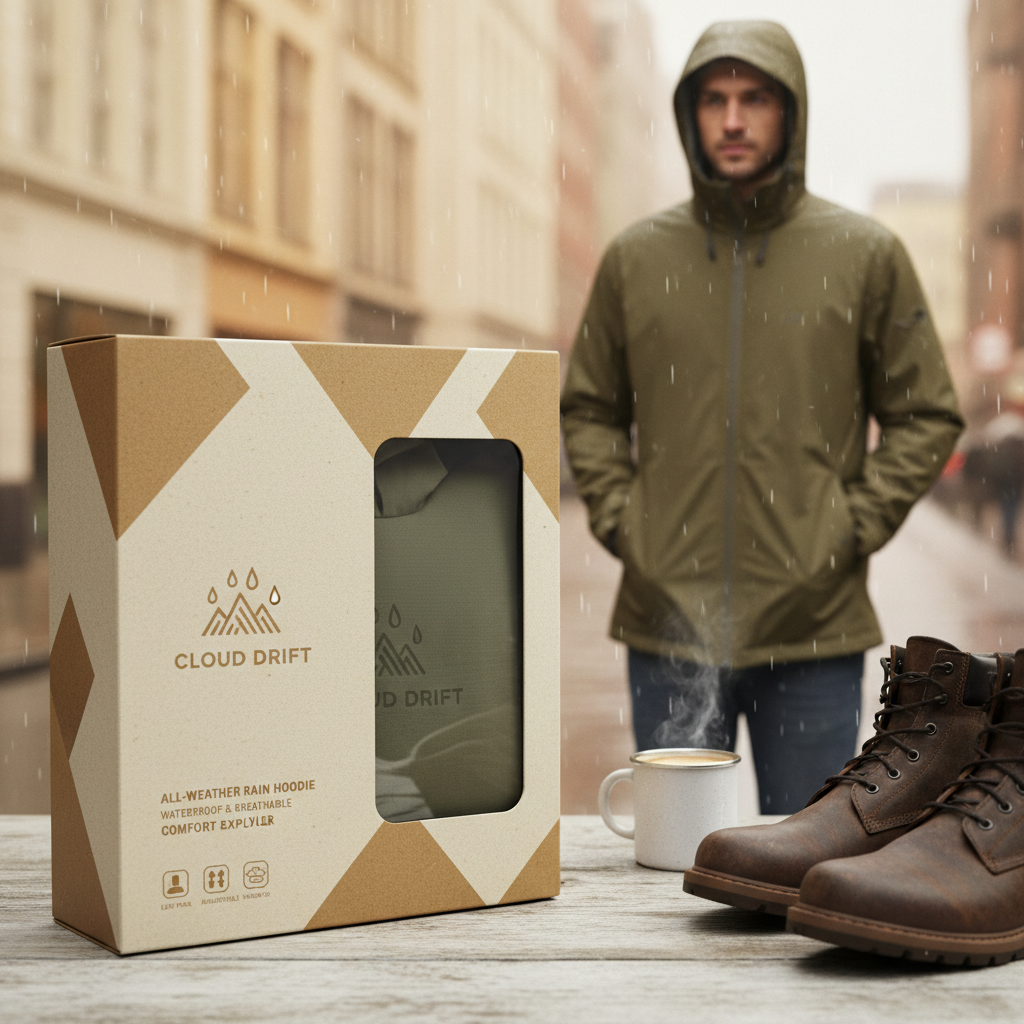
Facing unpredictable weather requires more than just a simple umbrella; it demands gear that blends functionality with modern aesthetics. A high-quality mens rain hoodie is the perfect solution for the modern man who refuses to let a downpour disrupt his day. Whether you are commuting to the office, hiking a misty trail, or running weekend errands, the right rainwear ensures you stay dry without sacrificing comfort. In this comprehensive guide, we will explore what makes a rain hoodie truly effective, from fabric technology to essential design features, helping you make an informed investment in your wardrobe.

2026-04-09 02:45:09
Best Mens Rain Coat with Removable Liner for All Weather Protection
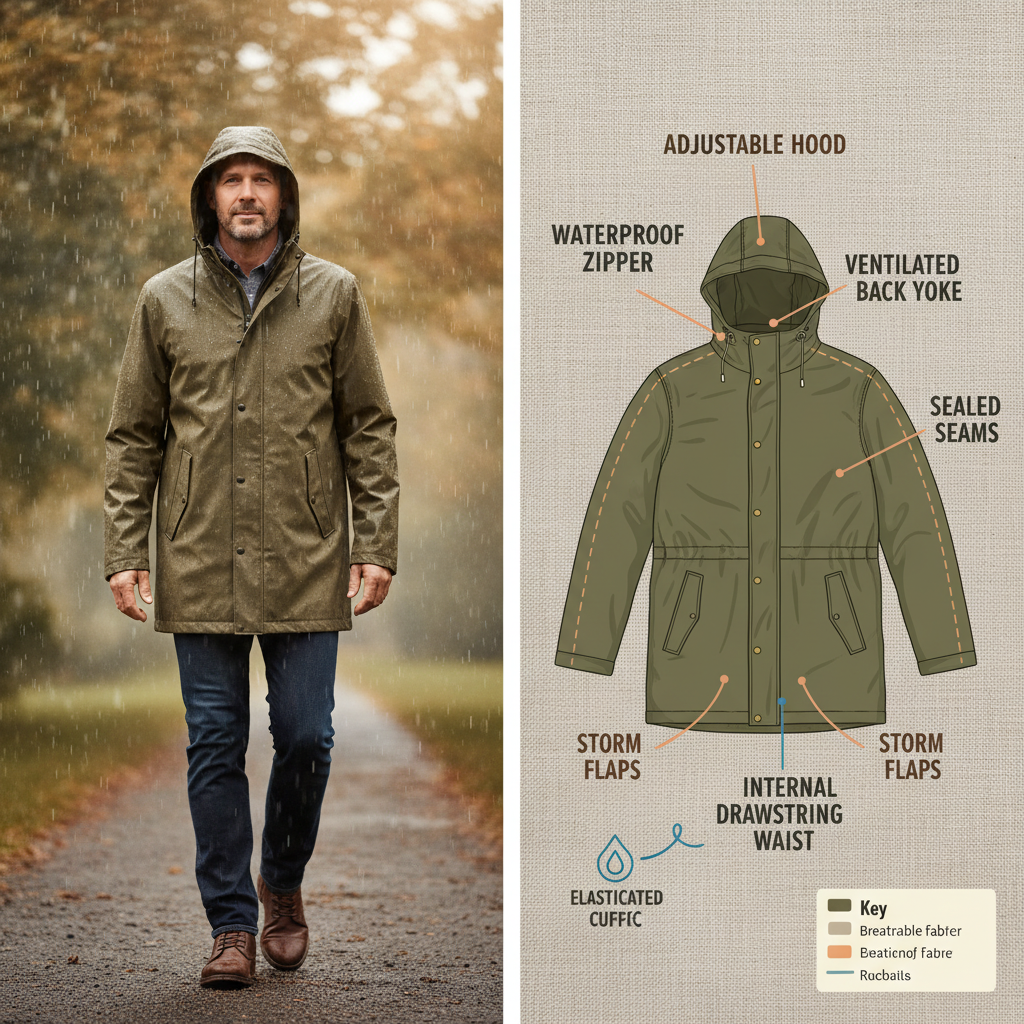
Facing unpredictable weather requires a wardrobe that is as flexible as your schedule. A mens rain coat with removable liner is the gold standard for versatility, offering a 2-in-1 solution that transitions seamlessly from a light spring drizzle to a freezing winter storm. Instead of cluttering your closet with multiple heavy jackets, a modular system allows you to customize your warmth based on the temperature. In this guide, we will explore why this specific design is essential for the modern man, how to identify high-quality materials, and how to maximize your investment for years of reliable protection.
2026-04-07 02:35:18
Comprehensive Guide to Selecting the Perfect Mens Rain Coat with Hood
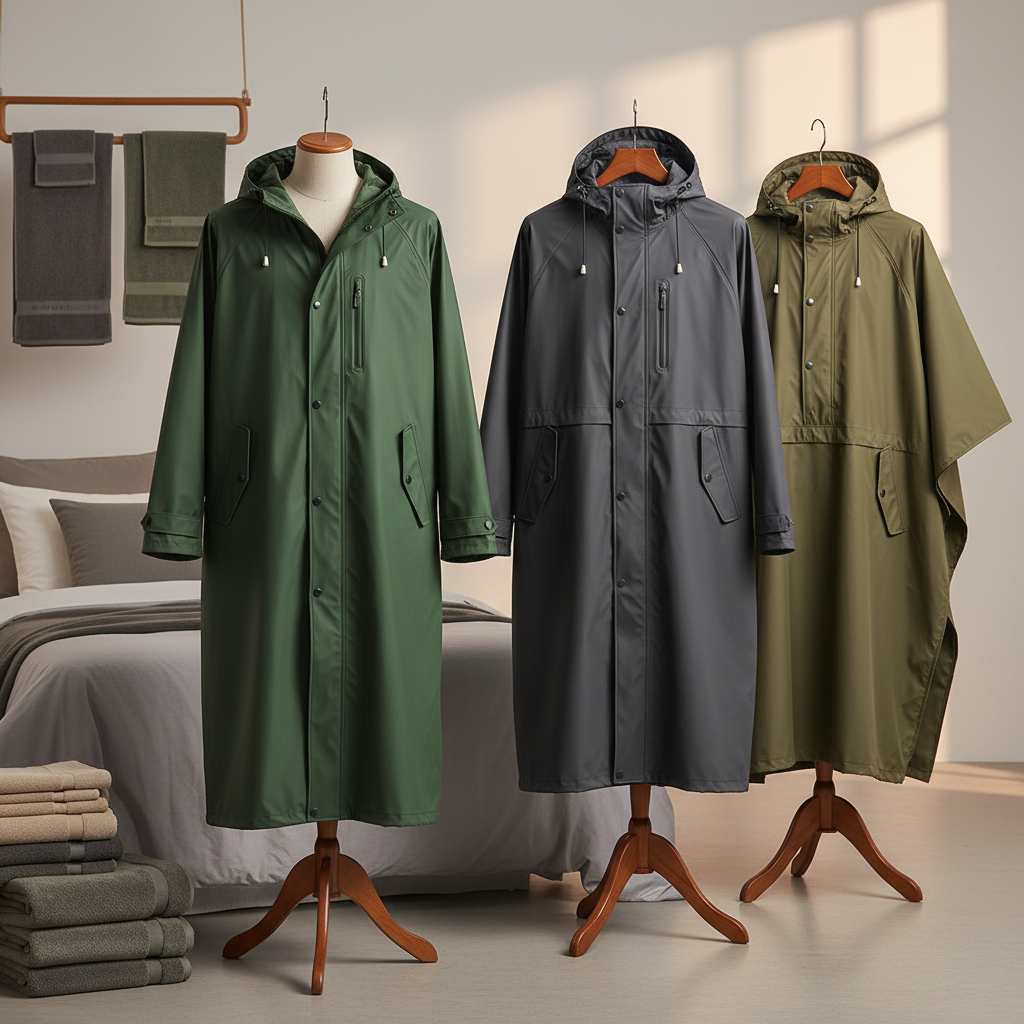
Finding the right mens rain coat with hood is crucial for staying dry and comfortable in wet weather. Whether you're commuting to work, enjoying outdoor activities, or simply running errands, a reliable raincoat can make all the difference. This article will explore the key features, benefits, and considerations when choosing a rain coat, helping you make an informed decision. We'll cover everything from materials and waterproofing to fit and style. Choosing a high-quality raincoat is an investment in your comfort and protection.
2026-04-04 02:45:18
Comprehensive Guide to Mens Rain Coat Waterproof Options and Features
Staying dry and comfortable in wet weather is crucial, and a high-quality mens rain coat waterproof is an essential part of any outdoor wardrobe. Choosing the right raincoat can make all the difference, protecting you from the elements while offering comfort and durability. This article will cover everything you need to know about waterproof raincoats, including materials, features, and how to choose the best one for your needs. We'll also highlight why SXZY Raincoat offers exceptional quality and value.

2026-03-31 02:35:27
Stylish Mens Rain Coat Dress for Ultimate Weather Protection
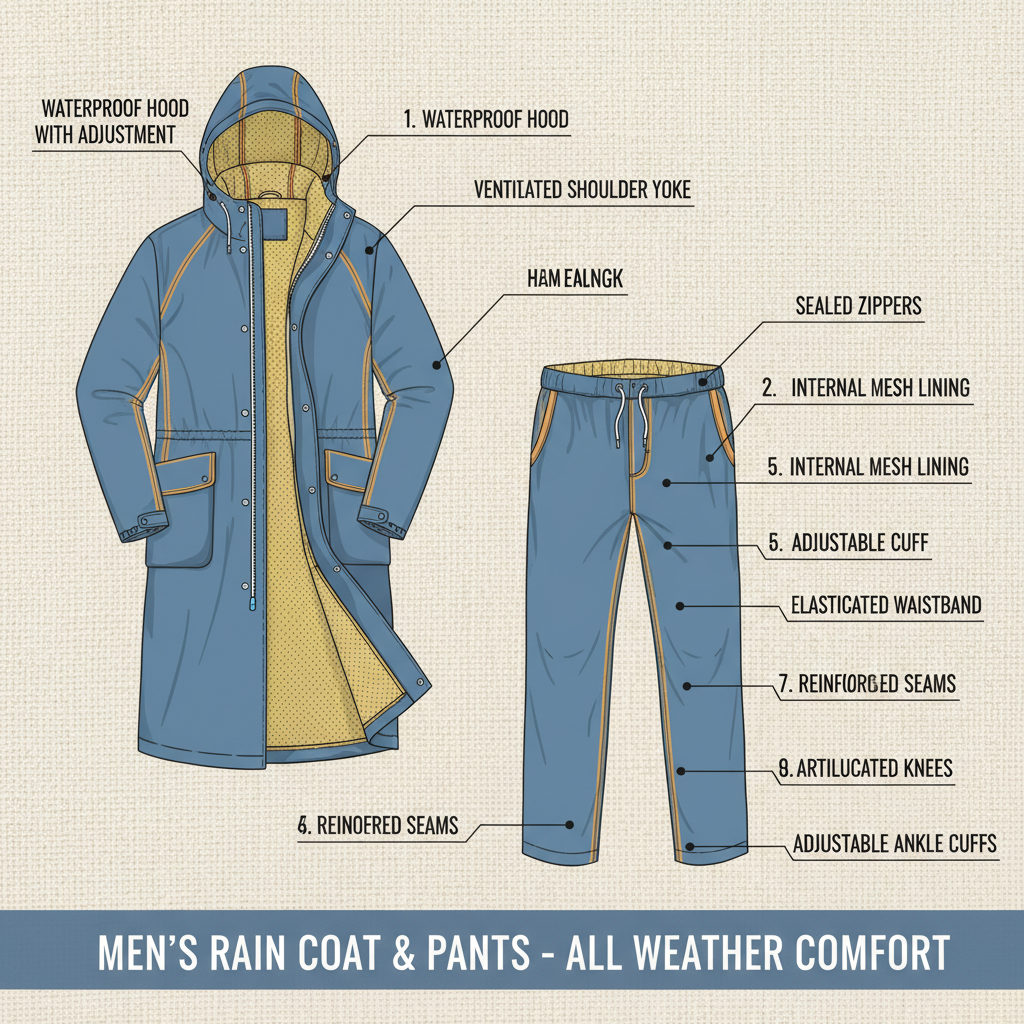
When the weather turns unpredictable, a stylish and functional mens rain coat dress is an essential addition to any wardrobe. No longer just about staying dry, rain coats have evolved into fashion statements, offering a blend of practicality and elegance. This article explores the benefits, styles, and key features to look for when choosing the perfect rain coat dress, ensuring you stay comfortable and on-trend, whatever the weather. We'll also highlight how SXZY Raincoat provides quality and style in their collection.
2026-03-28 02:55:02
Comprehensive Guide to Mens Rain Coat and Pants for Optimal Weather Protection
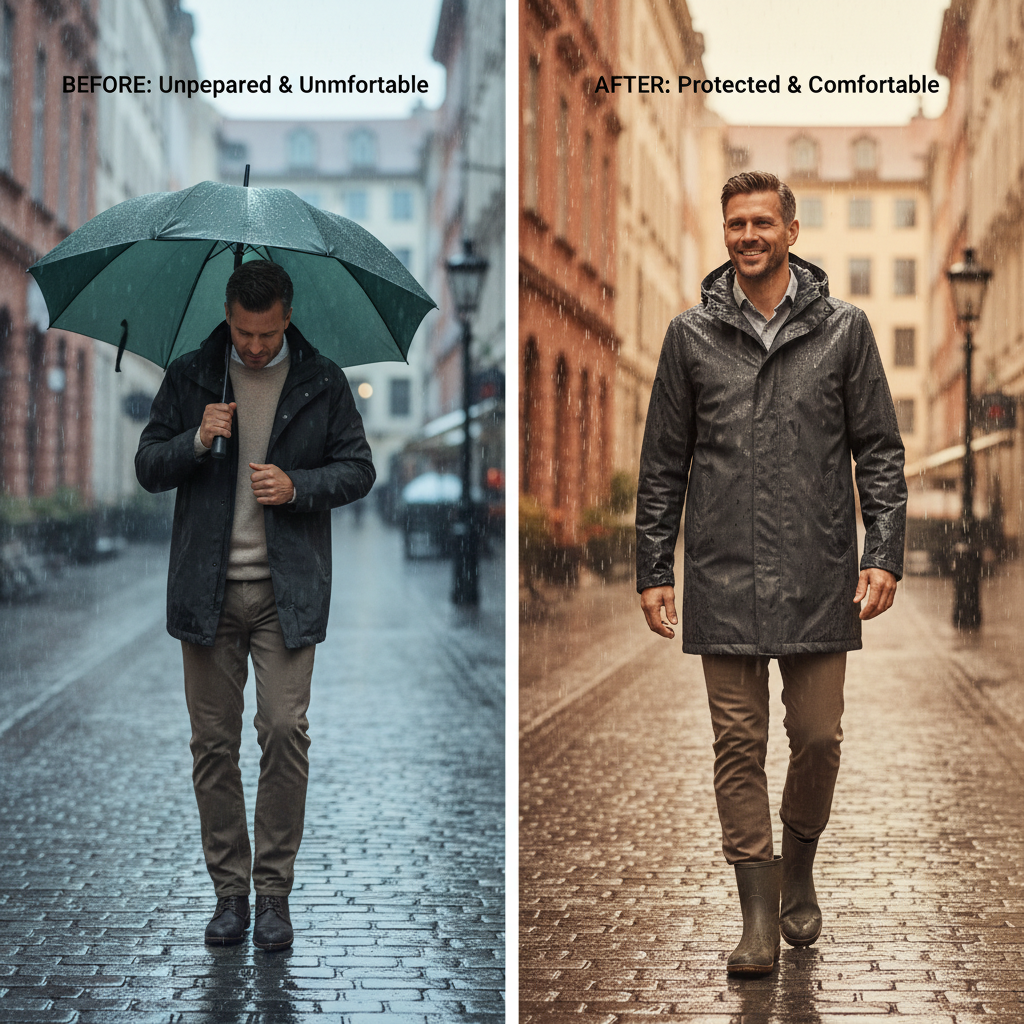
Staying dry and comfortable during inclement weather is crucial, and having the right rain gear can make all the difference. Mens rain coat and pants sets offer superior protection against rain, wind, and cold. This article will explore the benefits of owning a quality rain suit, factors to consider when choosing one, and highlight the exceptional products offered by sxzyraincoat.com. Invest in a reliable rain suit to ensure you're prepared for any weather challenge.
2026-03-26 02:35:30
Choosing the Right Mens Rain Coat for Optimal Weather Protection
Staying dry and comfortable in inclement weather is crucial, and selecting the right mens rain coat is paramount. From everyday commutes to outdoor adventures, a quality raincoat provides essential protection. This article will explore the key features to consider when choosing a mens rain coat, different types available, and how to find the perfect fit for your needs. We'll also highlight the benefits of investing in a durable and reliable raincoat that can withstand various weather conditions. The material of a mens rain coat significantly impacts its waterproofness, breathability, and durability. Common materials include PVC, polyurethane (PU), and Gore-Tex. PVC is affordable but less breathable, leading to discomfort during strenuous activity. PU offers a good balance of waterproofness and breathability. Gore-Tex is a premium option known for its exceptional waterproofness and breathability, making it ideal for demanding conditions.
2026-03-24 02:45:24
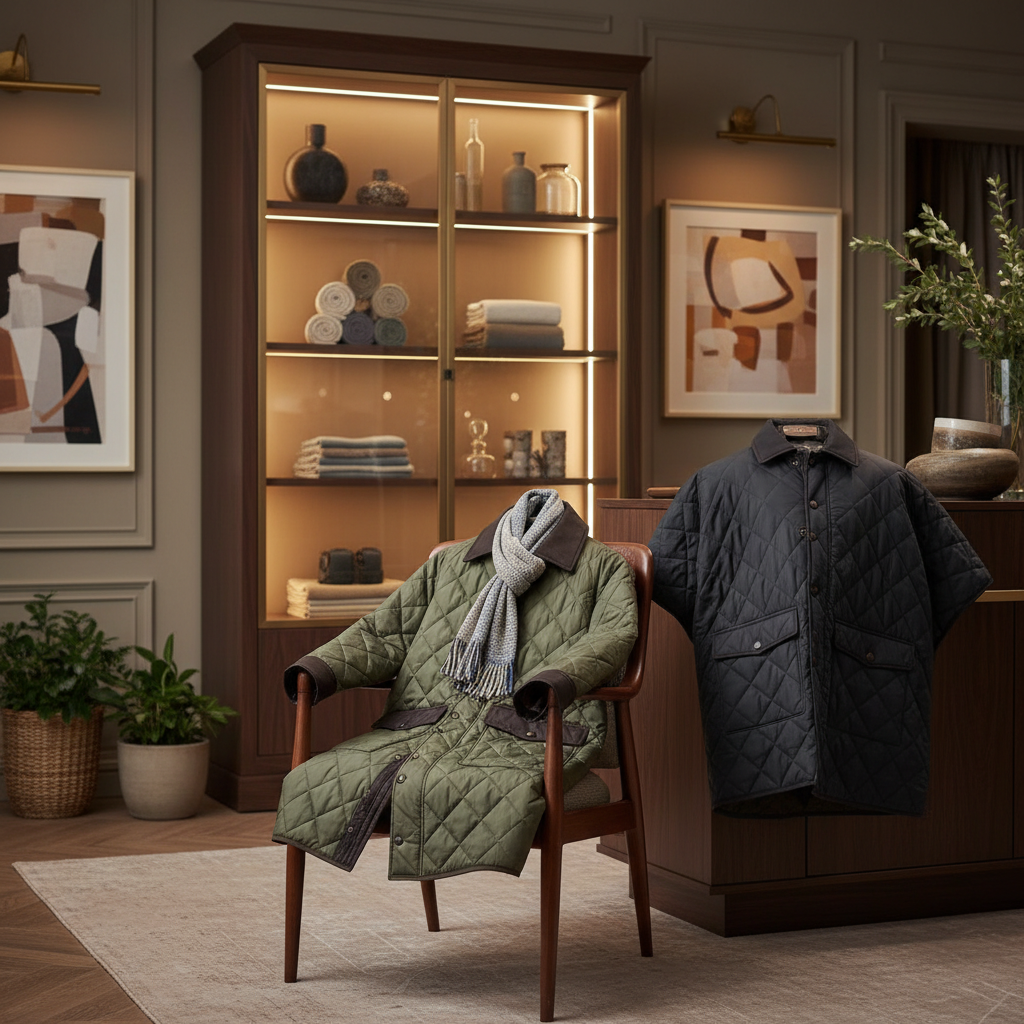
Mens Quilted Raincoat A Comprehensive Guide to Style and Weather Protection
Finding the right raincoat is essential for staying dry and comfortable, especially when navigating unpredictable weather. A mens quilted raincoat offers a fantastic blend of practicality and style. This article delves into the benefits of quilted raincoats, key features to look for, how to choose the perfect fit, and care tips to ensure longevity. We'll explore why a quilted raincoat from SXZY Raincoat is an excellent investment for any weather condition. Quilted raincoats stand out due to their unique construction. The quilting process involves stitching layers of fabric together, typically with a layer of insulation in between. This not only adds a stylish aesthetic but also provides excellent warmth and comfort. Unlike standard raincoats that can feel stiff and uncomfortable, quilted versions offer a softer, more forgiving feel. The quilted design traps air, creating an insulating barrier against the cold, making them ideal for cooler, wetter climates.


