



Camouflage Poncho Raincoat | Waterproof, Packable, Hooded

Oct . 17, 2025 13:50
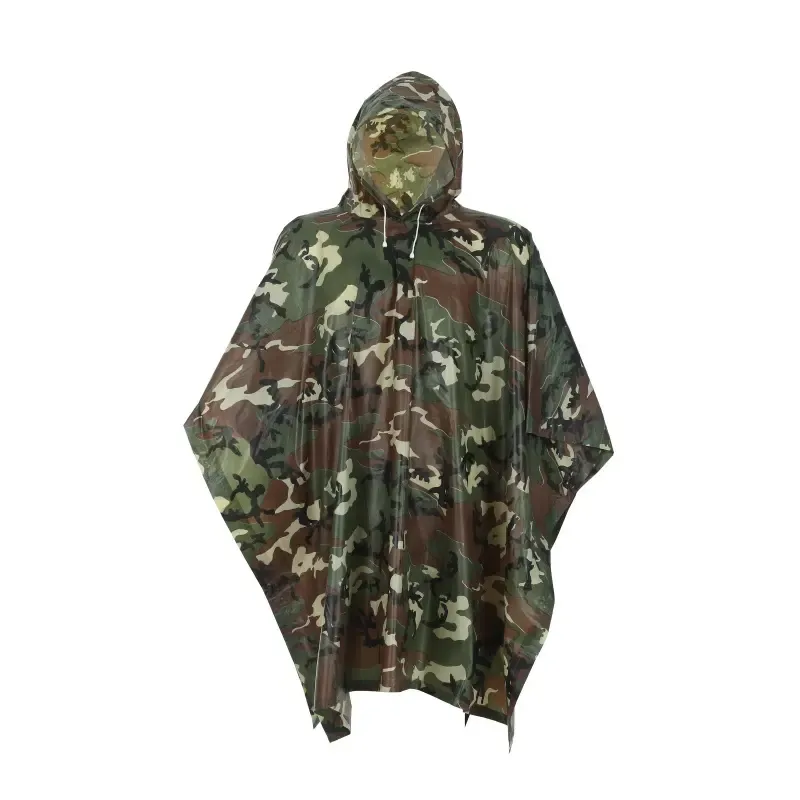
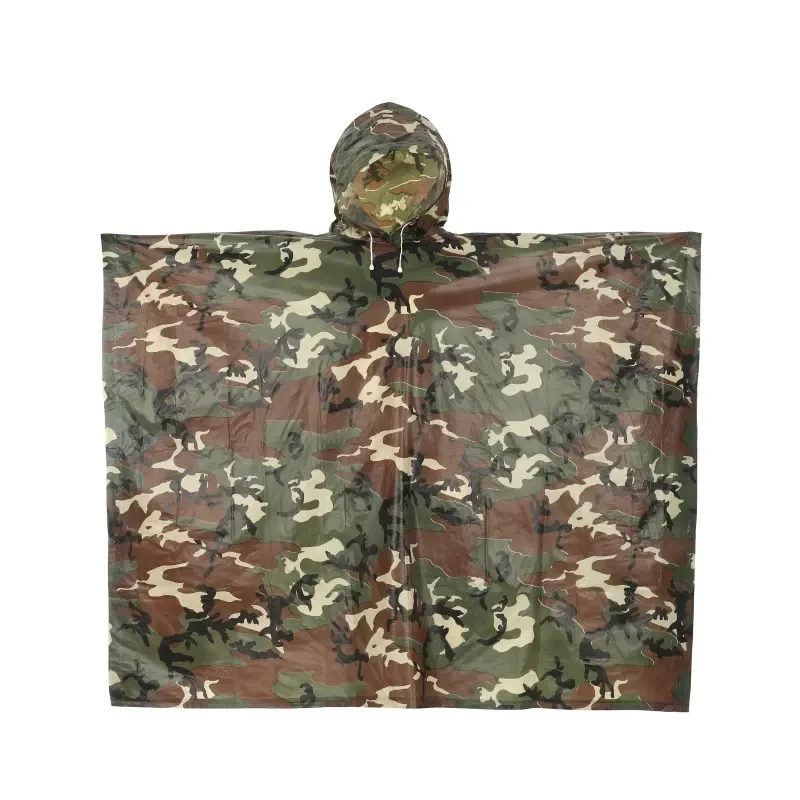
If you work outdoors or just hate arriving soaked, a camouflage poncho raincoat is one of those rare “use it anywhere” pieces that actually earns its keep. I’ve spent enough storm days around job sites and trailheads to know the difference between gimmick and gear. The Camo Rain Coat from Shijiazhuang (No.28, Youyi street, Shuanghe village, Dahe town, Hebei, China) sits solidly in the latter camp—PVC build, extended hood, longer hem to shield pants and boots. Simple, but surprisingly thoughtful.
Trends I’m seeing on the ground
Two things: versatility and longevity. Field buyers want a single layer that works as a throw-on shell, a camp tarp in a pinch, and a cover for a pack or tool bag. Also, budgets remain tight. PVC might not be trendy, but it seals out rain brutally well and shrugs off abrasion. In fact, many customers say they’re returning to camouflage poncho raincoat formats for the no-fuss reliability, especially in forestry, logistics, and range training.
Key specifications (real-world focused)
| Product Name | Camo Rain Coat |
| Material | PVC (≈0.18–0.25 mm; real-world use may vary) |
| Sizes | 50×80 in, 52×80 in |
| Waterproof rating | Hydrostatic head typically ≥5,000 mm (PVC); tested per ISO 811/AATCC 127 on request |
| Seams | High-frequency welded; leak-tested |
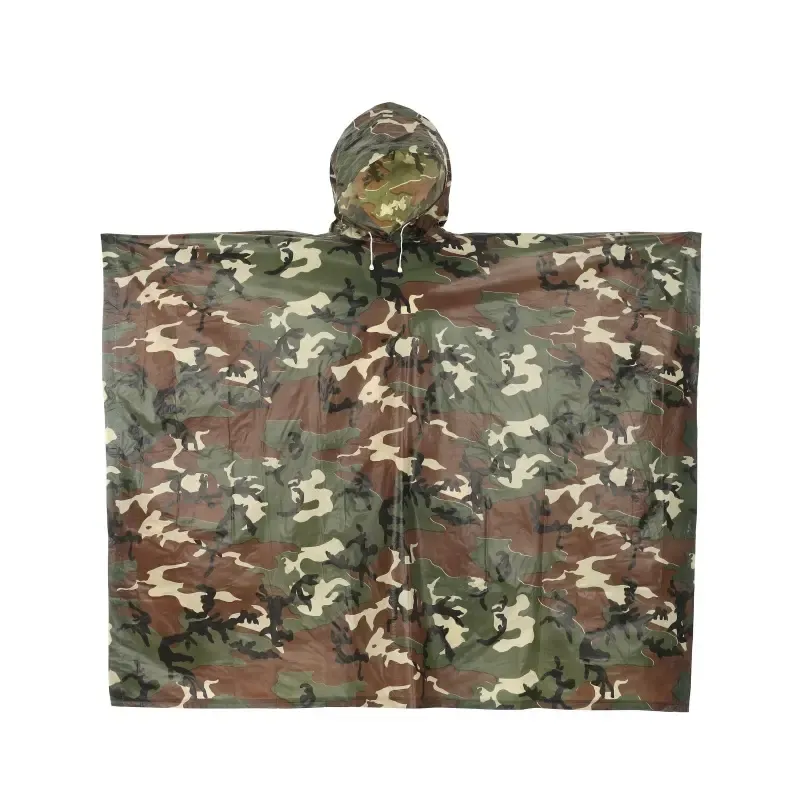
| Design | Extended hood visor; lengthened hem to protect pants/feet; grommets for tarp use |
| Service life | ≈3–5 rainy seasons with regular use and care |
| Compliance | Designed to meet EN 343 guidance; REACH-conscious materials; test reports available |
How it’s made (short version)
Materials: printed PVC film in woodland-style camo, optional scrim reinforcement for heavier-duty runs. Methods: die-cut panels, HF (radio-frequency) welded seams, visor extension added, snaps and grommets installed, final edge sealing. Testing: hydrostatic pressure (ISO 811/AATCC 127), seam strength and puncture (ASTM D751), colorfastness to light/rain (AATCC 16/35). To be honest, the welding quality matters more than thickness—and that’s where good factories pay attention.
Where it works best
- Commuting and courier work in sudden downpours
- Construction and road crews needing fast-on coverage over PPE
- Trail, fishing, and hunting—camo blends while keeping you dry
- Emergency kits: one camouflage poncho raincoat, multiple uses (groundsheet, pack cover, tarp)
Vendor snapshot (why buyers compare)
| Vendor | Material | Waterproof | MOQ | Customization | Lead Time |
|---|---|---|---|---|---|
| SXZY Camo Rain Coat | PVC (0.18–0.25 mm) | ISO 811/AATCC 127 tested (report on request) | ≈500–1,000 pcs | Sizes, print, logo, thickness | ≈20–30 days |
| Generic Marketplace Brand | Light PVC or PEVA | Basic; limited data | 1–100 pcs | Minimal | Ship-from-stock |
| Mil-Surplus Seller | Rubberized/PVC mixes | High, but variable condition | Small lots | None | Stock-dependent |
Customization notes
Common tweaks include thickness (0.18–0.30 mm), matte vs. glossy PVC, alternate camo patterns, heat-transfer logos, added chest snaps, or shifting grommet positions. Packaging (polybag vs. pouch) is usually negotiable.
Field results and feedback
A North China parcel hub trialed 600 units through late-fall storms; supervisors reported “kept loaders dry without snagging on belts,” and fewer on-shift jacket changes. A coastal angling group mentioned the visor extension “actually keeps glasses usable”—tiny detail, big quality-of-life win. Test data from a recent lot: hydrostatic head 8,000–10,000 mm; seam leakage 0 ml at 2 h (ASTM D751 setup) — lab conditions, of course.
Why this format works
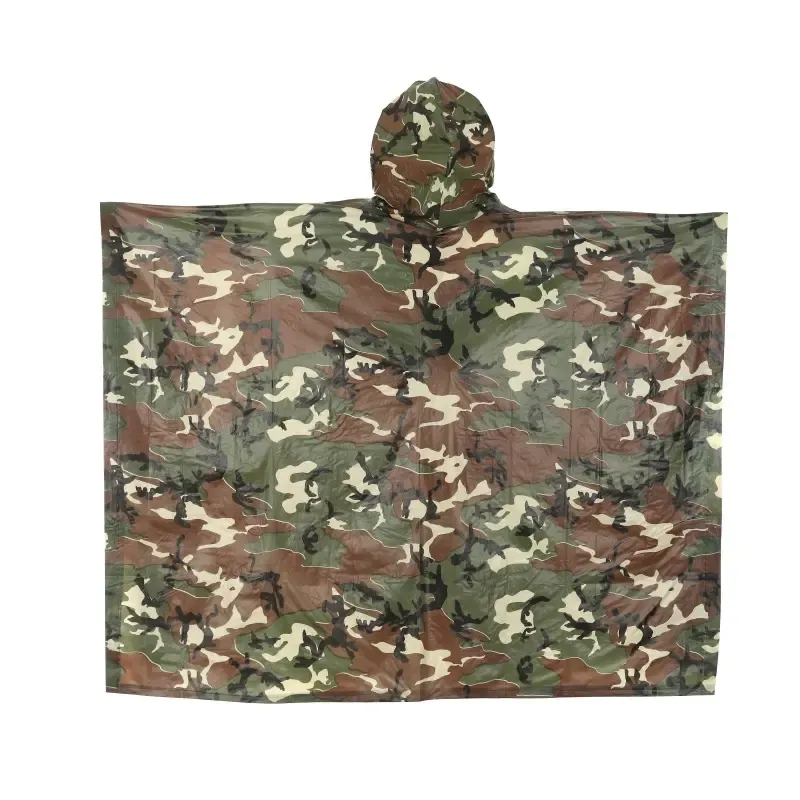
PVC plus HF-welded seams is old-school, yes, but it’s brutally effective. The extended cut means less drip into boots; you can throw it over a pack or a tool belt; and in a crunch, a camouflage poncho raincoat becomes shelter with a couple of stakes. Not fancy—just dependable.
Citations
- ISO 811: Textiles — Determination of resistance to water penetration — Hydrostatic pressure test
- AATCC 127: Water Resistance: Hydrostatic Pressure Test
- ASTM D751: Standard Test Methods for Coated Fabrics
- EN 343: Protective clothing — Protection against rain

Related Products
Related News

2026-04-16 02:35:36
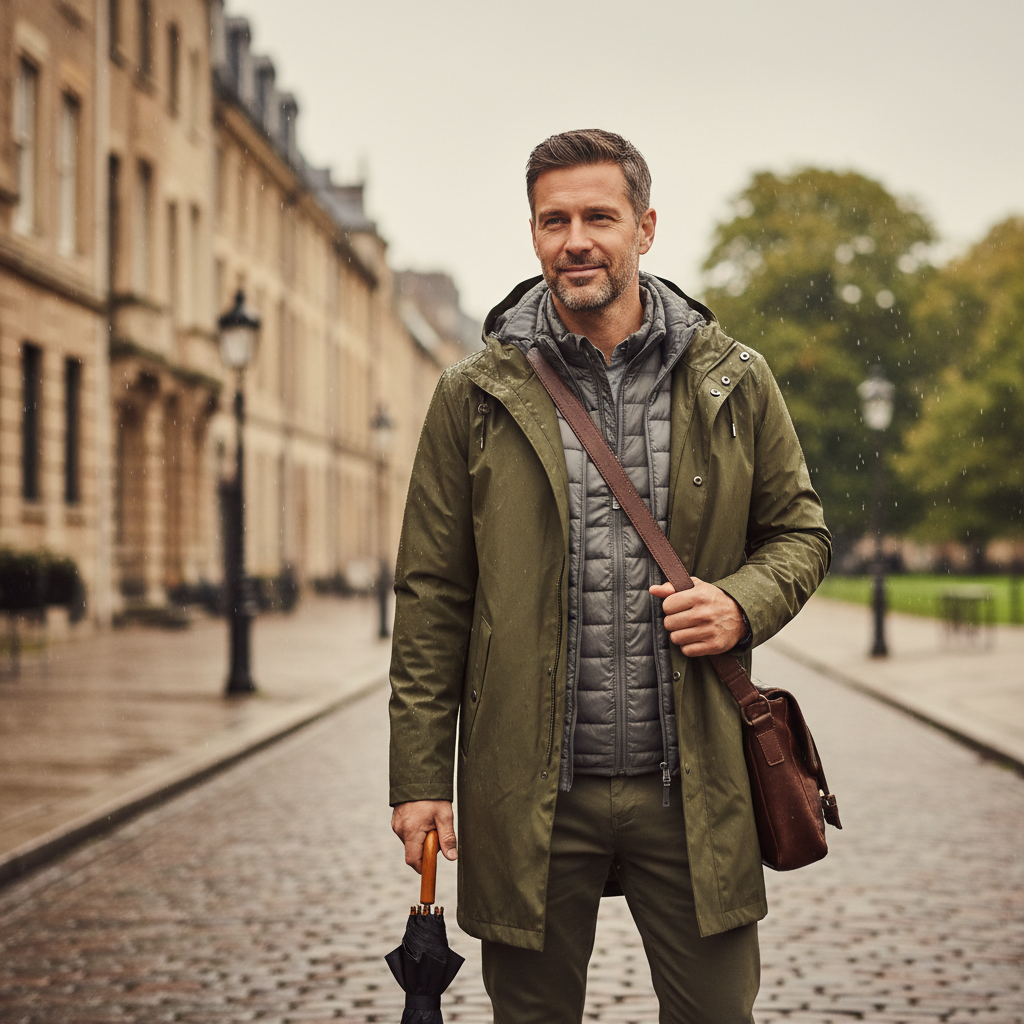
The Ultimate Guide to Choosing a Premium Mens Rain Hoodie
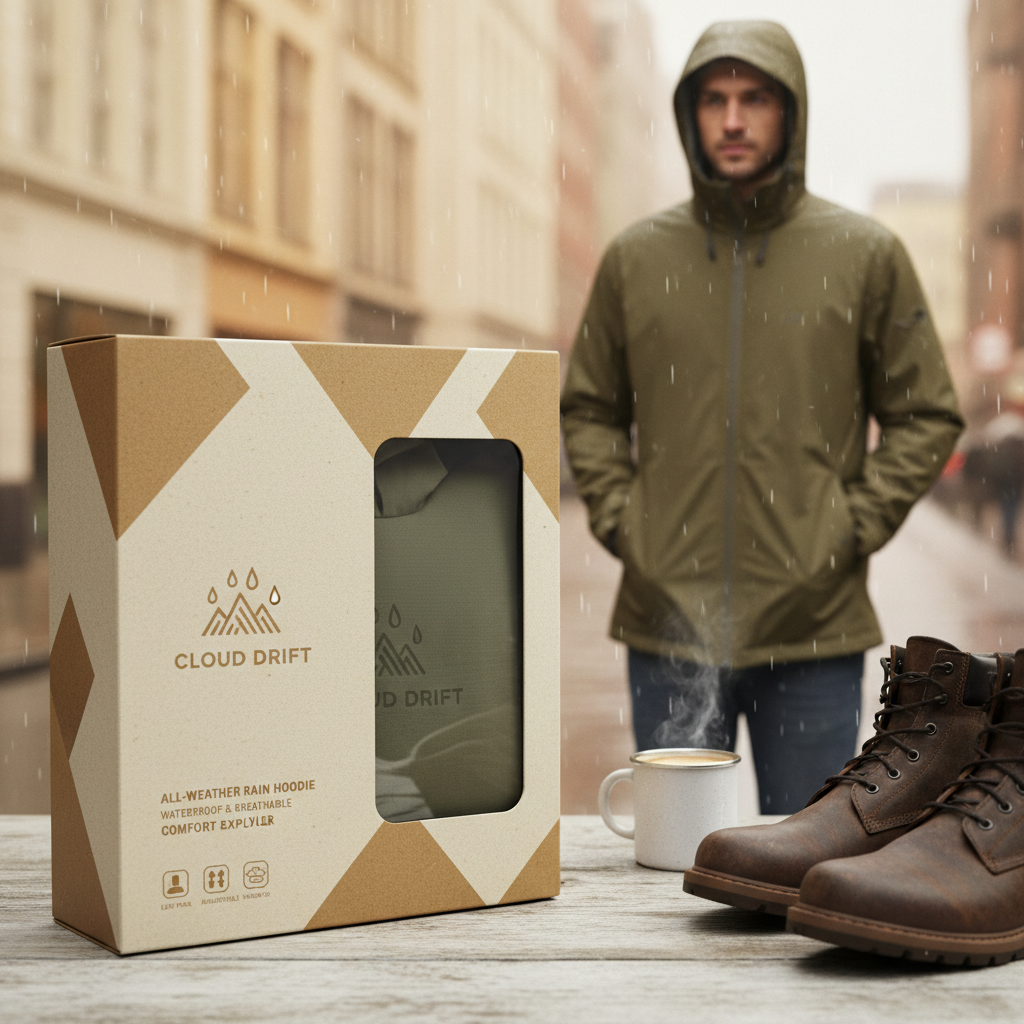
Facing unpredictable weather requires more than just a simple umbrella; it demands gear that blends functionality with modern aesthetics. A high-quality mens rain hoodie is the perfect solution for the modern man who refuses to let a downpour disrupt his day. Whether you are commuting to the office, hiking a misty trail, or running weekend errands, the right rainwear ensures you stay dry without sacrificing comfort. In this comprehensive guide, we will explore what makes a rain hoodie truly effective, from fabric technology to essential design features, helping you make an informed investment in your wardrobe.
2026-04-09 02:45:09
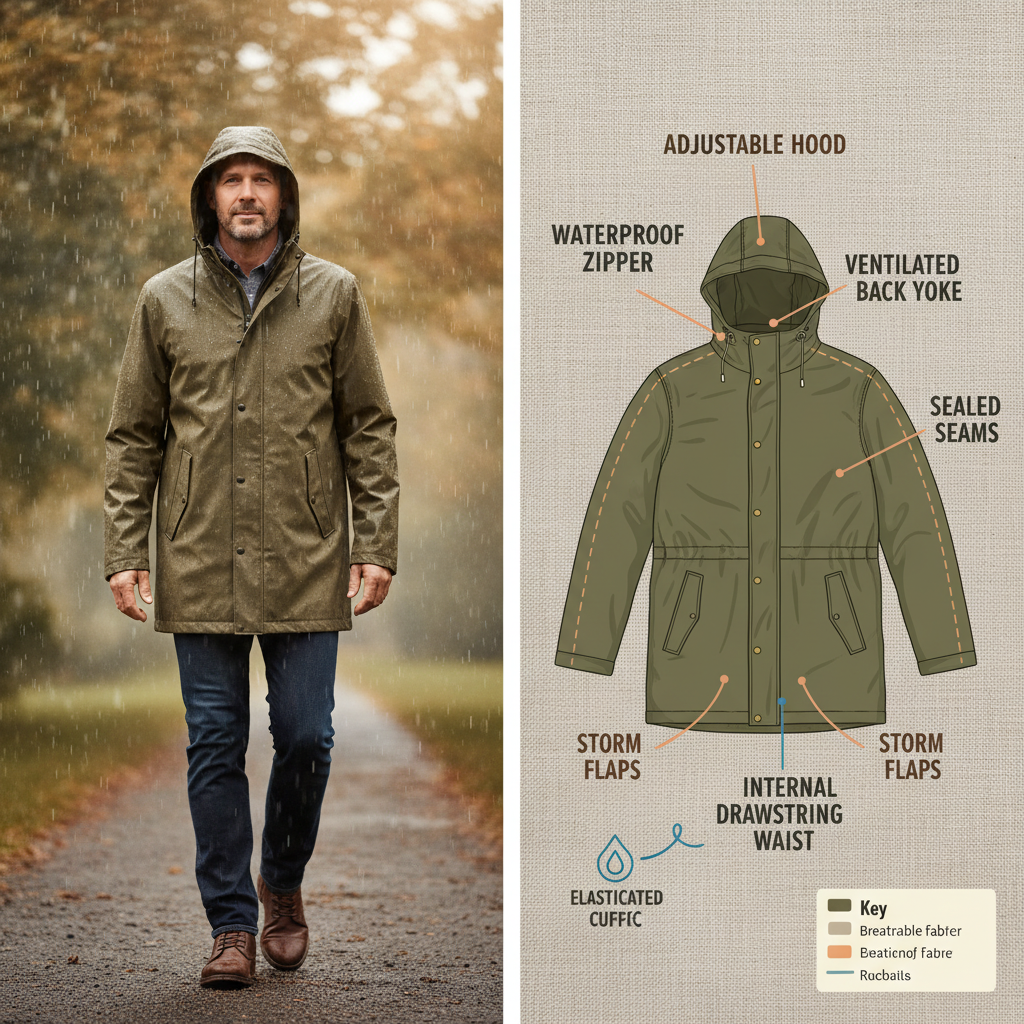
Best Mens Rain Coat with Removable Liner for All Weather Protection
Facing unpredictable weather requires a wardrobe that is as flexible as your schedule. A mens rain coat with removable liner is the gold standard for versatility, offering a 2-in-1 solution that transitions seamlessly from a light spring drizzle to a freezing winter storm. Instead of cluttering your closet with multiple heavy jackets, a modular system allows you to customize your warmth based on the temperature. In this guide, we will explore why this specific design is essential for the modern man, how to identify high-quality materials, and how to maximize your investment for years of reliable protection.
2026-04-07 02:35:18
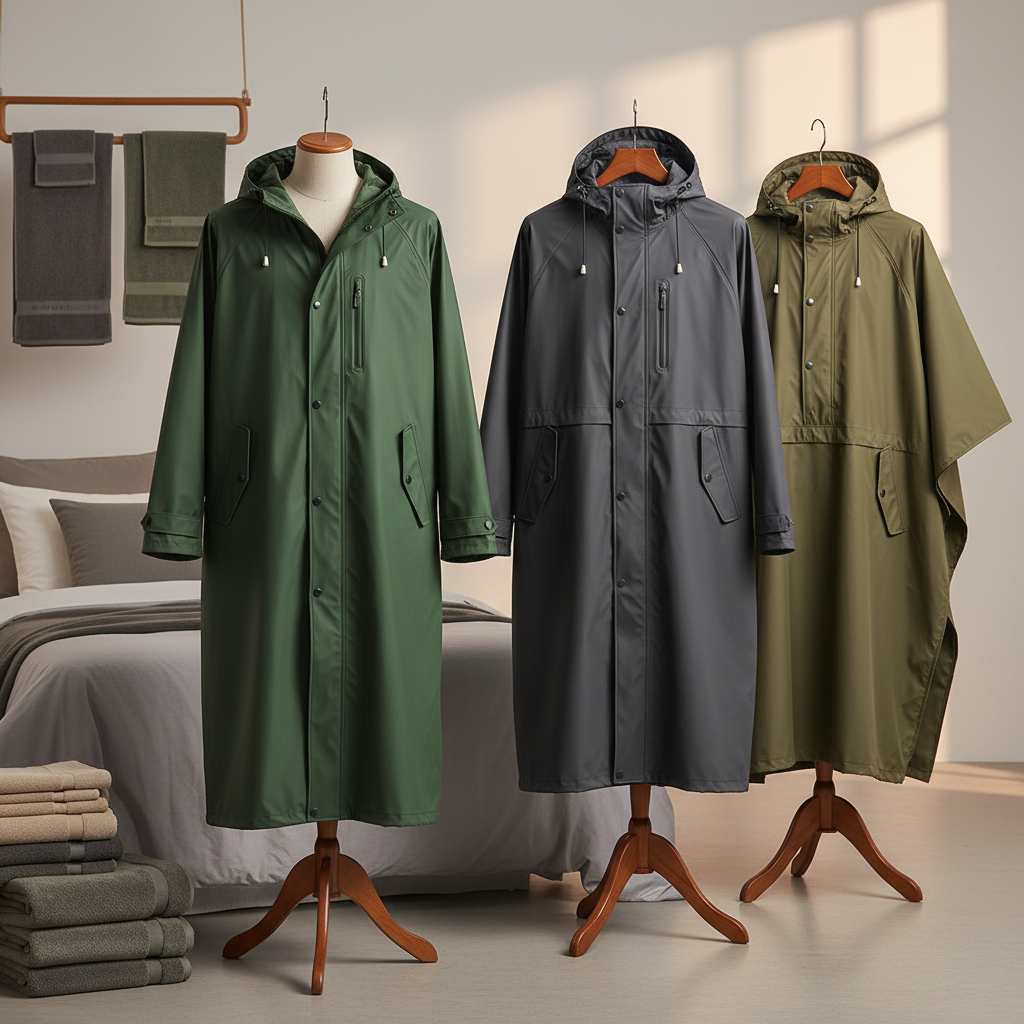
Comprehensive Guide to Selecting the Perfect Mens Rain Coat with Hood
Finding the right mens rain coat with hood is crucial for staying dry and comfortable in wet weather. Whether you're commuting to work, enjoying outdoor activities, or simply running errands, a reliable raincoat can make all the difference. This article will explore the key features, benefits, and considerations when choosing a rain coat, helping you make an informed decision. We'll cover everything from materials and waterproofing to fit and style. Choosing a high-quality raincoat is an investment in your comfort and protection.
2026-04-04 02:45:18
Comprehensive Guide to Mens Rain Coat Waterproof Options and Features
Staying dry and comfortable in wet weather is crucial, and a high-quality mens rain coat waterproof is an essential part of any outdoor wardrobe. Choosing the right raincoat can make all the difference, protecting you from the elements while offering comfort and durability. This article will cover everything you need to know about waterproof raincoats, including materials, features, and how to choose the best one for your needs. We'll also highlight why SXZY Raincoat offers exceptional quality and value.

2026-03-31 02:35:27
Stylish Mens Rain Coat Dress for Ultimate Weather Protection
When the weather turns unpredictable, a stylish and functional mens rain coat dress is an essential addition to any wardrobe. No longer just about staying dry, rain coats have evolved into fashion statements, offering a blend of practicality and elegance. This article explores the benefits, styles, and key features to look for when choosing the perfect rain coat dress, ensuring you stay comfortable and on-trend, whatever the weather. We'll also highlight how SXZY Raincoat provides quality and style in their collection.
2026-03-28 02:55:02
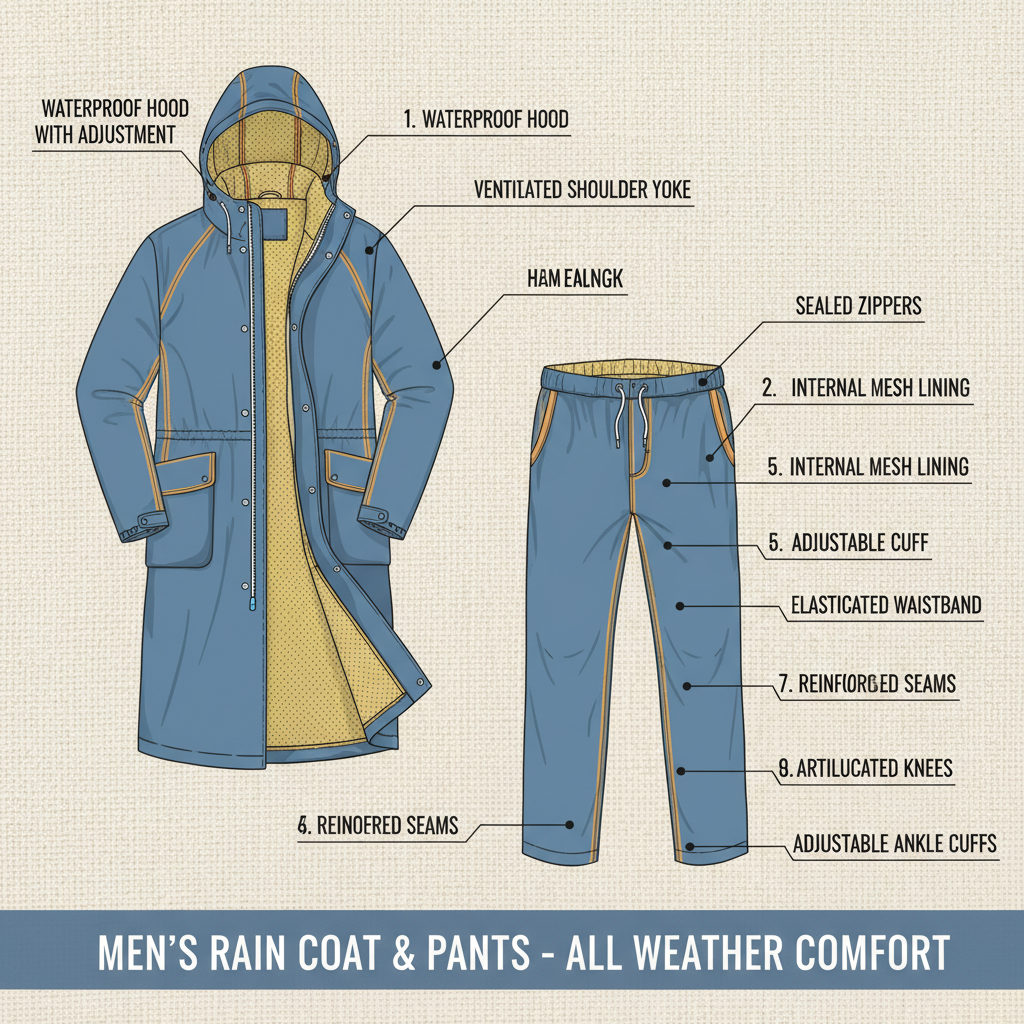
Comprehensive Guide to Mens Rain Coat and Pants for Optimal Weather Protection
Staying dry and comfortable during inclement weather is crucial, and having the right rain gear can make all the difference. Mens rain coat and pants sets offer superior protection against rain, wind, and cold. This article will explore the benefits of owning a quality rain suit, factors to consider when choosing one, and highlight the exceptional products offered by sxzyraincoat.com. Invest in a reliable rain suit to ensure you're prepared for any weather challenge.
2026-03-26 02:35:30
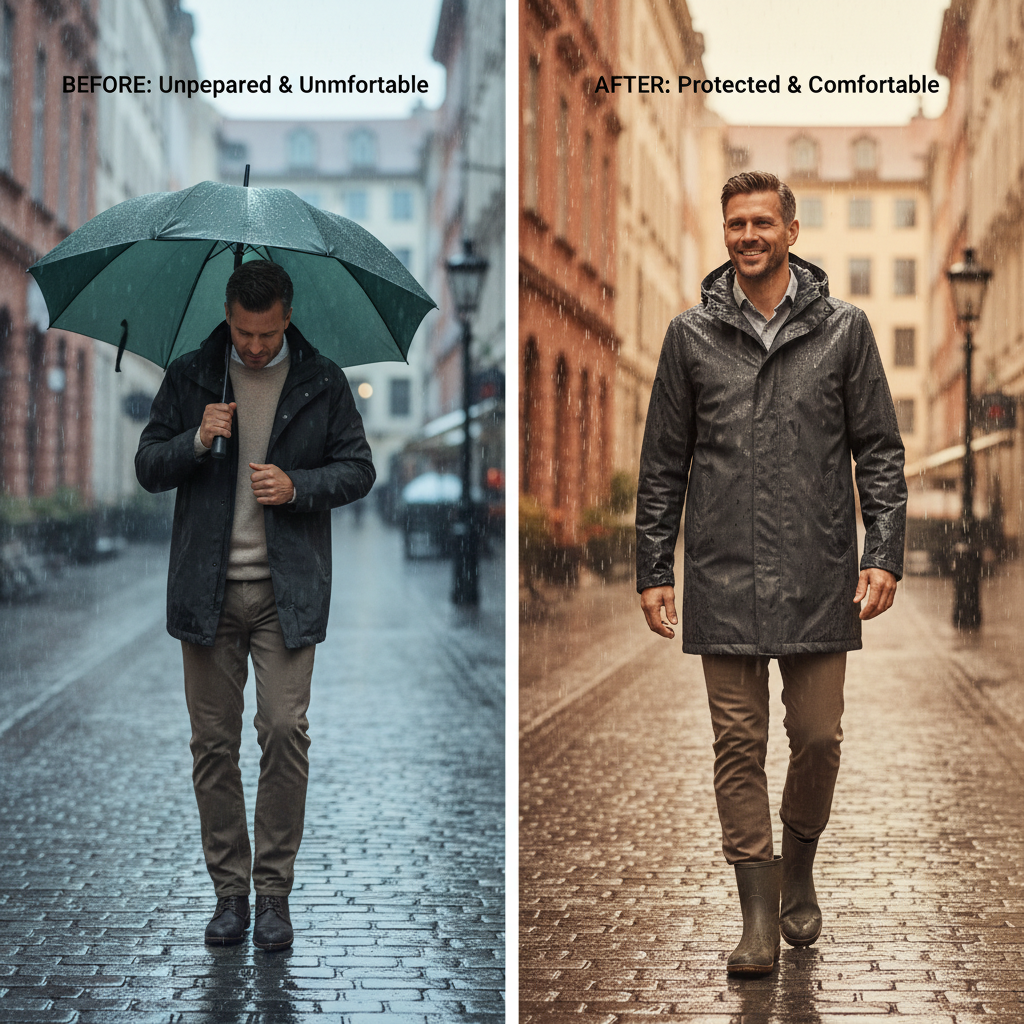
Choosing the Right Mens Rain Coat for Optimal Weather Protection
Staying dry and comfortable in inclement weather is crucial, and selecting the right mens rain coat is paramount. From everyday commutes to outdoor adventures, a quality raincoat provides essential protection. This article will explore the key features to consider when choosing a mens rain coat, different types available, and how to find the perfect fit for your needs. We'll also highlight the benefits of investing in a durable and reliable raincoat that can withstand various weather conditions. The material of a mens rain coat significantly impacts its waterproofness, breathability, and durability. Common materials include PVC, polyurethane (PU), and Gore-Tex. PVC is affordable but less breathable, leading to discomfort during strenuous activity. PU offers a good balance of waterproofness and breathability. Gore-Tex is a premium option known for its exceptional waterproofness and breathability, making it ideal for demanding conditions.
2026-03-24 02:45:24
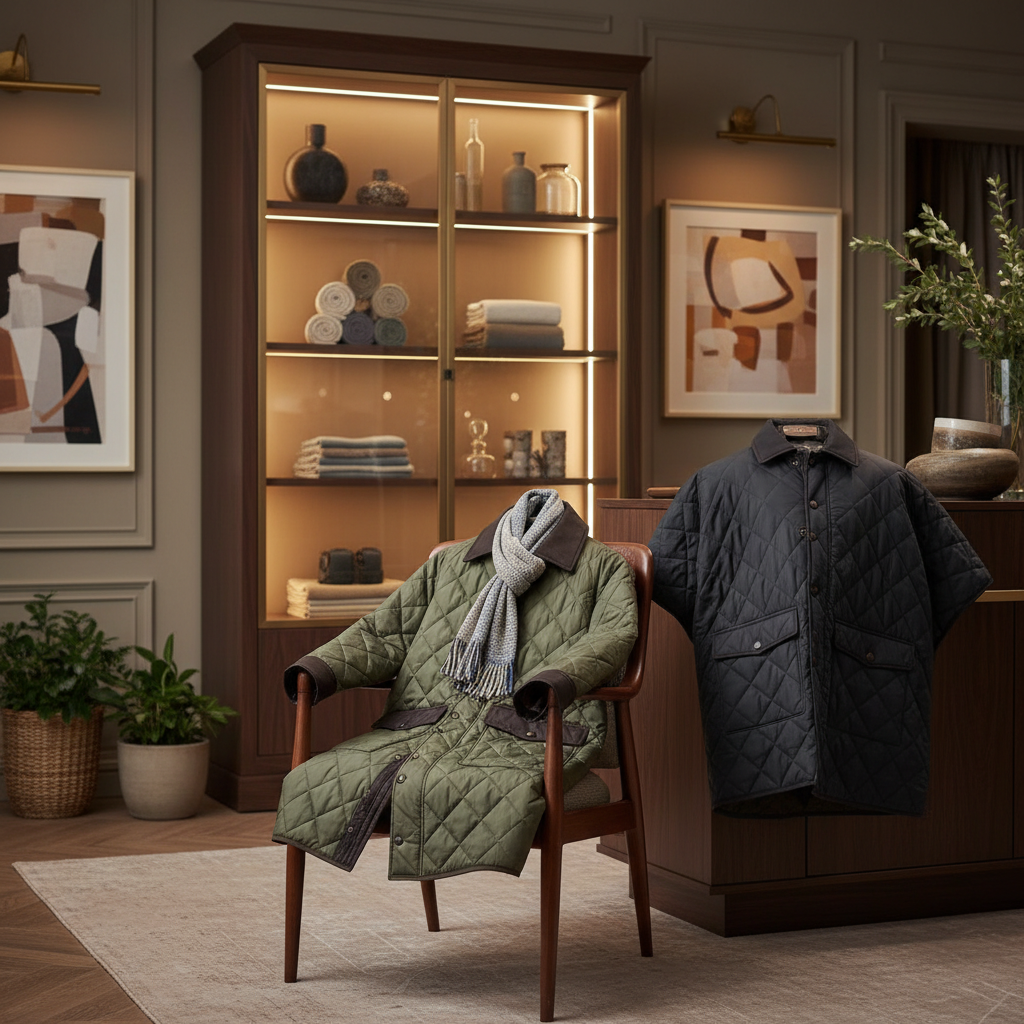
Mens Quilted Raincoat A Comprehensive Guide to Style and Weather Protection
Finding the right raincoat is essential for staying dry and comfortable, especially when navigating unpredictable weather. A mens quilted raincoat offers a fantastic blend of practicality and style. This article delves into the benefits of quilted raincoats, key features to look for, how to choose the perfect fit, and care tips to ensure longevity. We'll explore why a quilted raincoat from SXZY Raincoat is an excellent investment for any weather condition. Quilted raincoats stand out due to their unique construction. The quilting process involves stitching layers of fabric together, typically with a layer of insulation in between. This not only adds a stylish aesthetic but also provides excellent warmth and comfort. Unlike standard raincoats that can feel stiff and uncomfortable, quilted versions offer a softer, more forgiving feel. The quilted design traps air, creating an insulating barrier against the cold, making them ideal for cooler, wetter climates.


