


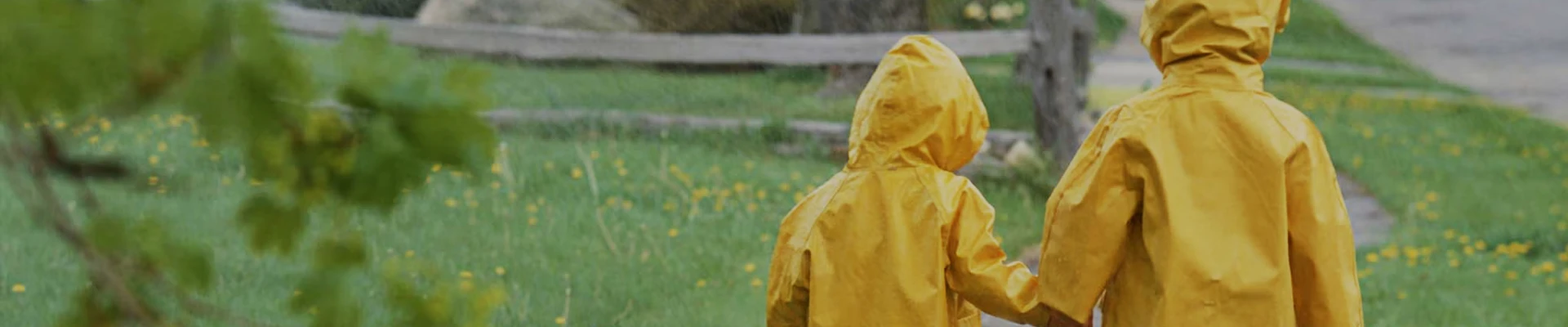
Discover Durable & Stylish Designer Rain Ponchos for Global Use

Nov . 24, 2025 14:53
Why the Designer Rain Poncho is More Than Just Weather Gear
When you hear "designer rain poncho," your mind might leap to fashion runways or stylish urban commutes. But, frankly, this simple garment carries a surprising weight globally — from humanitarian relief efforts to outdoor industry innovation. Knowing why this matters today opens up a world of practical benefits and environmental considerations that go beyond mere rain protection.
The Global Context Behind Designer Rain Ponchos
Did you know over 100 million people worldwide face frequent heavy rains and unpredictable weather conditions annually, as per data from the United Nations? Regions prone to flooding, tropical storms, or simply wet climates require reliable protective gear — and the humble rain poncho, especially the designer variety, has evolved to meet these demands.
Businesses, NGOs, and outdoor enthusiasts alike are seeking rainwear that not only offers protection but also dignity and sustainability. The challenge? Creating rain ponchos that combine durability, ease of use, and eco-friendliness without sacrificing style or comfort.
What Exactly is a Designer Rain Poncho?
In simple terms, a designer rain poncho is a waterproof garment designed to cover the wearer and sometimes their backpack or equipment, crafted with attention to style, material innovation, and usability. Unlike basic plastic coverings, these ponchos integrate technical fabrics, thoughtful cuts, and customizable fits.
Its connection to modern industry and humanitarian needs is pretty direct: during emergencies like floods or mass outdoor events, providing rain ponchos that people want to wear—versus reject—can mean the difference between discomfort and vulnerability.
Key Features That Make a Designer Rain Poncho Stand Out
1. Durability
The backbone of any effective poncho is its material. Many designer models utilize ripstop nylon or polyester coated with TPU (thermoplastic polyurethane) which resists tears and punctures. In fact, careful testing ensures these garments survive harsh wind and rain without falling apart.
2. Breathability & Comfort
It’s not enough to be waterproof. If a poncho traps sweat, people won’t wear it for long. Modern designs often include breathable membranes or vents, preventing the clammy feeling you’d expect from old-fashioned rainwear.
3. Portability & Packability
A lightweight, packable poncho is a lifesaver in both outdoor adventures and emergency kits. Many designer rain ponchos compress into pouches roughly the size of a small apple, making them ideal to stash in backpacks or vehicles.
4. Eco-Friendly Materials & Production
From recycled fabrics to non-toxic dyeing processes, these rain ponchos attempt to reduce environmental impact. Some brands even offer biodegradable options. This matters hugely given the disposable nature of some cheap rainwear flooding the market.
5. Style & Customization
No one wants to look like a walking garbage bag. Designer ponchos come in various cuts, colors, and sometimes with reflective elements for safety. Custom logos or tailored fits for organizations strengthen both brand and morale.
Mini Takeaway:
Understanding these elements can transform your view of rain ponchos from "just a raincoat" to a strategic gear choice that combines innovation, sustainability, and style.
Where Designer Rain Ponchos Make a Real Difference
In real-world terms, you’ll find these ponchos playing roles across diverse domains:
- Disaster Relief: In flooded regions of Southeast Asia or hurricane zones in the Americas, quality ponchos protect thousands, enabling health workers and displaced populations to stay dry and functional.
- Outdoor & Adventure Industry: Hikers, bikers, and festival-goers demand light yet reliable gear that won’t weigh them down.
- Remote Industrial Zones: Oil fields or mining sites often face intense weather. Durable rainwear ensures that workers keep safe, reducing downtime caused by the elements.
- Urban Daily Use: City dwellers appreciate rain ponchos that blend utility with flair, making the daily commute less grueling.
Advantages & Long-Term Value of Investing in Designer Rain Ponchos
Opting for a designer rain poncho offers more than instant dryness:
- Cost-Effectiveness: Durability means fewer replacements. Less waste, more value.
- Sustainability: Eco-conscious production lowers environmental footprints.
- Social Impact: Thoughtfully designed garments help maintain dignity in trying circumstances, boosting morale.
- Reliability: Quality materials and craftsmanship guard against weather unpredictability.
- Emotional Connection: Wearing gear that looks good and feels good fosters trust and comfort.
Product Specifications: Designer Rain Poncho Models at a Glance
| Feature | Standard Model | Premium Model | Eco Friendly Model |
|---|---|---|---|
| Material | Polyester w/ TPU coating | Ripstop Nylon + Breathable Membrane | Recycled Nylon Biodegradable Coating |
| Weight | 220g | 190g | 200g |
| Pack Size | 15 x 10 cm | 14 x 9 cm | 16 x 11 cm |
| Waterproof Rating | 5,000mm | 10,000mm | 8,000mm |
| Breathability | Low | High | Medium |
Comparing Top Designer Rain Poncho Vendors
| Vendor | Country | Price Range | Special Features | Sustainability |
|---|---|---|---|---|
| RainGuard Pro | USA | $$$ | Custom sizes, reflective trims | Partial recycled materials |
| EcoDrop | Germany | $$ | Biodegradable fabrics | 100% eco-certified |
| UrbanWick | Japan | $$$ | Highly breathable, ultra-light | Recycled components |
Emerging Trends & Innovations in Designer Rain Ponchos
The future feels exciting! We’re seeing materials infused with nano-coatings that repel water instantly, fabrics sourced from ocean plastics, and modular ponchos that adjust for use with electronic devices or backpacks.
On the policy front, ISO standards tighten on sustainable production, encouraging manufacturers to cut chemical use and waste. Automation has streamlined complex designs too — a quick switch from factory floor to waterproof prototype.
Addressing The Challenges That Rain Ponchos Face
Despite advancements, common hurdles remain:
- Balancing breathability and waterproofing: Too much waterproofing and you get sweat; too much breathability and you risk leaks.
- Cost vs. quality: Budget buyers sometimes settle for disposable plastic versions which undermine sustainability.
- Scaling production: Custom designs challenge mass manufacturing — but 3D cutting tech is helping.
Experts suggest the way forward lies in hybrid materials and collaborating directly with end users—helping those who rely on ponchos inform innovation.
FAQs About Designer Rain Poncho
Q1: How is a designer rain poncho different from standard rain gear?
A: Designer ponchos prioritize a blend of style, advanced technical fabrics, and comfort features like ventilation and packability. Unlike basic plastic ponchos, they’re meant for repeated use and often have eco-friendly credentials.
Q2: Can these rain ponchos be customized for organizational needs?
A: Absolutely. Many suppliers offer options such as custom colors, logos, and size adjustments. This makes them ideal for NGOs, event organizers, or corporate giveaways — combining branding with practical weather protection.
Q3: Are designer rain ponchos suitable for extreme weather?
A: High-end models with reinforced seams and durable materials can stand up to strong wind and sustained rain, but they aren’t a substitute for full rain suits in harsh industrial climates.
Q4: How do I care for my designer rain poncho?
A: Most ponchos require gentle washing with mild detergents and air drying. Avoid harsh chemicals or machine drying which may damage waterproof coatings.
Q5: Where can I find reliable designer rain ponchos online?
A: There are specialized providers worldwide, but for a great combo of style, durability, and availability, check out designer rain poncho selections from trusted vendors.
Final Thoughts
Far from just a splash of color on a rainy day, the designer rain poncho is a vital piece of clothing blending innovation, sustainability, and practical human need. As climate instability grows, such gear will be even more essential — offering dignity, comfort, and yes, a little flair.
If you’re ready for your next upgrade or bulk ordering, pop over to our website to explore your options and stay ahead of the rain.
References

Related Products
Related News

2026-04-16 02:35:36
The Ultimate Guide to Choosing a Premium Mens Rain Hoodie
Facing unpredictable weather requires more than just a simple umbrella; it demands gear that blends functionality with modern aesthetics. A high-quality mens rain hoodie is the perfect solution for the modern man who refuses to let a downpour disrupt his day. Whether you are commuting to the office, hiking a misty trail, or running weekend errands, the right rainwear ensures you stay dry without sacrificing comfort. In this comprehensive guide, we will explore what makes a rain hoodie truly effective, from fabric technology to essential design features, helping you make an informed investment in your wardrobe.
2026-04-09 02:45:09
Best Mens Rain Coat with Removable Liner for All Weather Protection
Facing unpredictable weather requires a wardrobe that is as flexible as your schedule. A mens rain coat with removable liner is the gold standard for versatility, offering a 2-in-1 solution that transitions seamlessly from a light spring drizzle to a freezing winter storm. Instead of cluttering your closet with multiple heavy jackets, a modular system allows you to customize your warmth based on the temperature. In this guide, we will explore why this specific design is essential for the modern man, how to identify high-quality materials, and how to maximize your investment for years of reliable protection.
2026-04-07 02:35:18
Comprehensive Guide to Selecting the Perfect Mens Rain Coat with Hood
Finding the right mens rain coat with hood is crucial for staying dry and comfortable in wet weather. Whether you're commuting to work, enjoying outdoor activities, or simply running errands, a reliable raincoat can make all the difference. This article will explore the key features, benefits, and considerations when choosing a rain coat, helping you make an informed decision. We'll cover everything from materials and waterproofing to fit and style. Choosing a high-quality raincoat is an investment in your comfort and protection.
2026-04-04 02:45:18
Comprehensive Guide to Mens Rain Coat Waterproof Options and Features
Staying dry and comfortable in wet weather is crucial, and a high-quality mens rain coat waterproof is an essential part of any outdoor wardrobe. Choosing the right raincoat can make all the difference, protecting you from the elements while offering comfort and durability. This article will cover everything you need to know about waterproof raincoats, including materials, features, and how to choose the best one for your needs. We'll also highlight why SXZY Raincoat offers exceptional quality and value.
2026-03-31 02:35:27
Stylish Mens Rain Coat Dress for Ultimate Weather Protection
When the weather turns unpredictable, a stylish and functional mens rain coat dress is an essential addition to any wardrobe. No longer just about staying dry, rain coats have evolved into fashion statements, offering a blend of practicality and elegance. This article explores the benefits, styles, and key features to look for when choosing the perfect rain coat dress, ensuring you stay comfortable and on-trend, whatever the weather. We'll also highlight how SXZY Raincoat provides quality and style in their collection.
2026-03-28 02:55:02
Comprehensive Guide to Mens Rain Coat and Pants for Optimal Weather Protection
Staying dry and comfortable during inclement weather is crucial, and having the right rain gear can make all the difference. Mens rain coat and pants sets offer superior protection against rain, wind, and cold. This article will explore the benefits of owning a quality rain suit, factors to consider when choosing one, and highlight the exceptional products offered by sxzyraincoat.com. Invest in a reliable rain suit to ensure you're prepared for any weather challenge.
2026-03-26 02:35:30
Choosing the Right Mens Rain Coat for Optimal Weather Protection
Staying dry and comfortable in inclement weather is crucial, and selecting the right mens rain coat is paramount. From everyday commutes to outdoor adventures, a quality raincoat provides essential protection. This article will explore the key features to consider when choosing a mens rain coat, different types available, and how to find the perfect fit for your needs. We'll also highlight the benefits of investing in a durable and reliable raincoat that can withstand various weather conditions. The material of a mens rain coat significantly impacts its waterproofness, breathability, and durability. Common materials include PVC, polyurethane (PU), and Gore-Tex. PVC is affordable but less breathable, leading to discomfort during strenuous activity. PU offers a good balance of waterproofness and breathability. Gore-Tex is a premium option known for its exceptional waterproofness and breathability, making it ideal for demanding conditions.
2026-03-24 02:45:24
Mens Quilted Raincoat A Comprehensive Guide to Style and Weather Protection
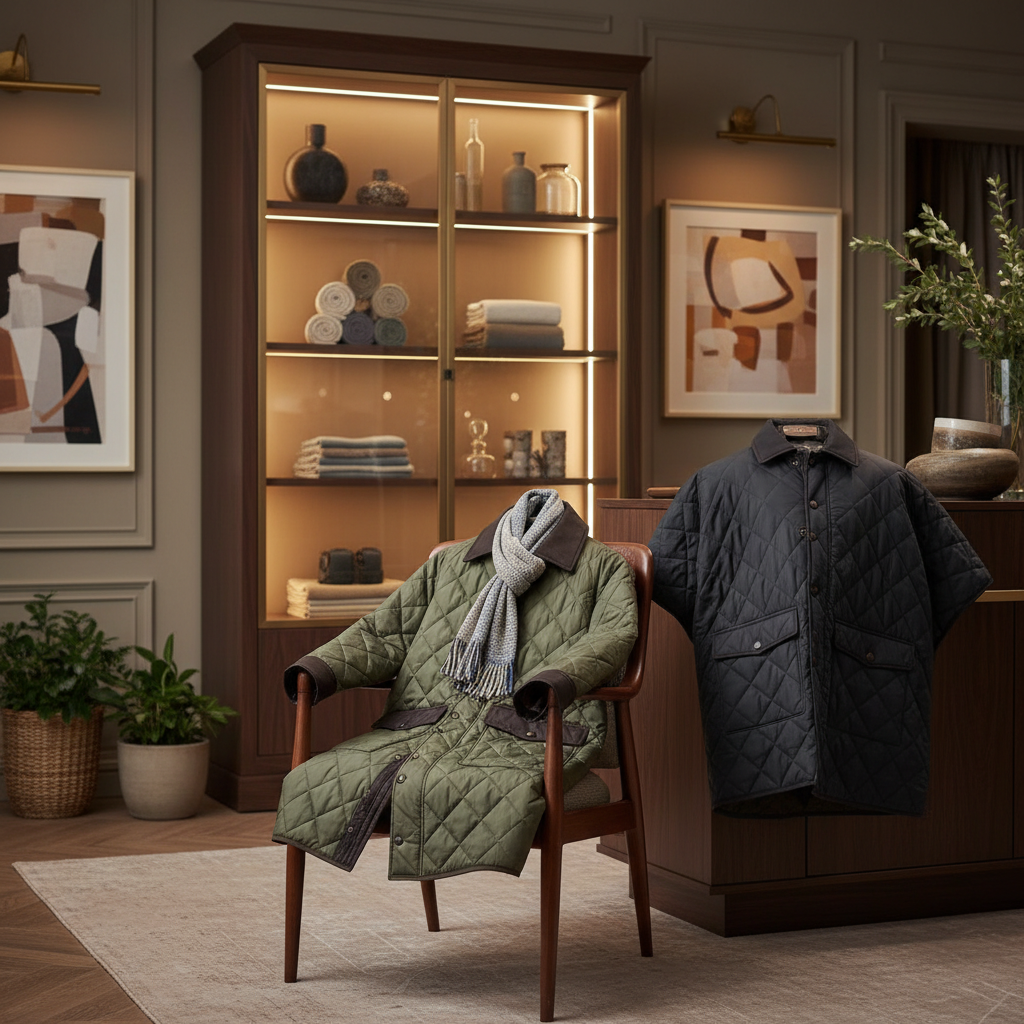
Finding the right raincoat is essential for staying dry and comfortable, especially when navigating unpredictable weather. A mens quilted raincoat offers a fantastic blend of practicality and style. This article delves into the benefits of quilted raincoats, key features to look for, how to choose the perfect fit, and care tips to ensure longevity. We'll explore why a quilted raincoat from SXZY Raincoat is an excellent investment for any weather condition. Quilted raincoats stand out due to their unique construction. The quilting process involves stitching layers of fabric together, typically with a layer of insulation in between. This not only adds a stylish aesthetic but also provides excellent warmth and comfort. Unlike standard raincoats that can feel stiff and uncomfortable, quilted versions offer a softer, more forgiving feel. The quilted design traps air, creating an insulating barrier against the cold, making them ideal for cooler, wetter climates.


