



Discover the Benefits of Long Lightweight Raincoats – Durable, Portable Weather Protection

Dec . 01, 2025 20:50
Long Lightweight Raincoat: A Global Essential for Weather Protection
When you think about weather gear, something like a long lightweight raincoat might not immediately pop up as a pressing global topic. But the reality is, as climate change makes rainfall patterns more unpredictable and extreme weather events more frequent worldwide, having reliable yet portable rain protection is crucial—not just for your daily commute, but also for humanitarian aid workers, outdoor industries, and emergency responders. Understanding the key benefits of these raincoats—combining durability, comfort, and portability—helps us appreciate their role far beyond fashion, especially as global challenges push us to rethink how we safeguard human health and productivity in rain-soaked environments.
Mini takeaway: Lightweight raincoats provide not just protection but a versatile solution in an increasingly wet world.
Why the Long Lightweight Raincoat Matters Globally
Rainfall has always been vital for life, agriculture, and ecosystems, but extreme precipitation and flooding are rising challenges. The World Bank reports that flooding affected over 100 million people annually worldwide in recent years, with that number expected to grow. Additionally, many jobs and industries—construction, logistics, outdoor tourism—demand protective gear that is both functional and minimally cumbersome. Here’s where the long lightweight raincoat comes in, serving a practical need while aiding in comfort and safety. It’s not just about staying dry; it’s about improving efficiency in challenging conditions and reducing health risks like hypothermia or illness caused by wet clothing.
Oddly enough, raincoats designed decades ago in heavier materials have struggled to keep pace with these rapid changes. The move toward long, lightweight designs helps solve the bulkiness and overheating problems seen with older models. According to ISO standards on protective clothing (ISO 13688), breathable yet waterproof garments are becoming the norm for occupational wear in wet climates.
Mini takeaway: The global rainfall challenge and modern ISO fabric standards have driven innovation toward smarter, longer, and lighter rainwear.
What Exactly Is a Long Lightweight Raincoat?
Put simply, a long lightweight raincoat is a waterproof outerwear garment that extends below the hips (often mid-thigh to calf length) while weighing less than traditional rain gear. These coats are made from high-tech synthetic fabrics such as polyurethane-coated nylons or breathable membranes like Gore-Tex, which marry protection and breathability. The "long" aspect ensures better coverage against heavy rains and windy weather, while the "lightweight" feature means less bulk and easier packability—critical when mobility counts.
This style isn’t just about fashion-forward urbanites. International aid organizations often distribute these raincoats in field operations to protect vulnerable populations from monsoon rains or flooding. In industrial zones where workers face sudden rain in remote areas, this gear means hours more of productive, safe work.
Mini takeaway: Long lightweight raincoats blend practical coverage with modern material science to meet emergency and industrial needs alike.
Core Features of a High-Quality Long Lightweight Raincoat
1. Waterproof & Breathable Fabrics
It’s a delicate dance between keeping water out and letting sweat escape. Many engineers swear by multi-layer laminates that prevent rain penetration but allow perspiration vapor to pass. It helps avoid that clammy feeling underneath and reduces overheating, which is surprisingly common in wet weather clothing.
2. Durability Without the Bulk
Lightweights raincoats often face rugged use—think branches brushing, equipment catches, or even quick abrasion from backpacks. Manufacturers balance toughness by using ripstop nylon blends or tough PU coatings. While not bulletproof, many products offer several seasons of active wear without threadbare patches.
3. Extended Coverage (Length)
The "long" style isn’t just aesthetic; it guards your lower body from getting drenched when squinting into driving rain or navigating mud. This longer length can prevent illness and slipping risks in slippery terrain.
4. Portability and Packability
Fold it small, toss it into your backpack or emergency kit. That’s key, especially in rapidly changing weather environments or travel scenarios.
5. Design Elements and Comfort
- Adjustable hoods with drawstrings to shield your face
- Storm flaps that seal zippers
- Velcro or snap cuffs stopping wind and water intrusion
- Light lining for comfort without sweating
| Specification | Details |
|---|---|
| Material | Ripstop Nylon with PU coating / Gore-Tex membrane |
| Weight | 350-600 grams (varies by size) |
| Length | Mid-thigh to calf |
| Waterproof Rating | 10,000 mm+ hydrostatic pressure |
| Breathability | 5000–10000 g/m²/24hr |
| Pack Size | Fits in palm-sized pouch |
Mini takeaway: Look out for the fabric tech and design details for real-life durability and comfort in your raincoat.
Real-World Uses of Long Lightweight Raincoats
Whether a trekker in the Pacific Northwest, a surveyor in storm-prone Southeast Asia, or humanitarian staff aiding flood-stricken regions in Bangladesh, this gear is a true workhorse. In post-disaster relief, agencies like the UNHCR distribute long lightweight raincoats to displaced populations to prevent exposure when shelter is scarce. Oddly enough, even courier companies in major rainy cities like London or Tokyo rely on slim, long coats to keep their staff dry without restricting movement.
Industrial sectors, from mining in Canada’s wet zones to offshore oil rig workers, also prefer this style for combining rain and wind protection. One company reported 25% fewer sick days after issuing their workforce these coats.
Mini takeaway: Long lightweight raincoats aren’t just fashion—they’re frontline protection across industries and geographies.
Advantages and Long-Term Impact of Using These Raincoats
- Cost Efficiency: Saves money by lasting multiple seasons, reducing need for replacements.
- Sustainability: Lightweight means less material waste; many fabrics increasingly incorporate recycled elements.
- Safety & Comfort: Reduced illness from staying dry, improved work productivity.
- Social Dignity: Keeping dry improves morale in difficult settings like refugee camps or disaster zones.
- Innovation Drive: Continuous design improvements expand applications to new sectors such as urban micro-mobility workers.
It’s fair to say, the combination of logic and emotional value here resonates with organizations aiming for resilience and humane treatment during harsh weather.
The Cutting Edge: Future Trends in Long Lightweight Raincoats
Cutting-edge fibers infused with nanotechnology now repel dirt and oil, keeping coats clean longer. Meanwhile, some brands are experimenting with bio-based PU coatings made from renewable resources, enhancing environmental footprints. Think green innovation meeting daily utility—a step towards the circular economy.
Also, digital integration is slowly emerging. Imagine raincoats with reflective LED strips manually or automatically adjustable for visibility. Automation in manufacturing to customize fit and features per user is another emerging frontier, especially for bulk corporate clients.
Mini takeaway: Future rainwear blends tech, sustainability, and personalization for smarter protection.
Overcoming Challenges
Despite advances, some users report issues like slight fabric stiffness, scent from coatings, or limited sizing options in certain markets. Others find that truly waterproof yet breathable raincoats still need to balance comfort with high protection—a tough nut to crack. The solution? Many companies now combine user feedback loops with rapid prototyping to refine design and materials swiftly.
It is also essential to educate users on care and maintenance to extend product life. Simple things like proper drying and storage prevent mold or degradation.
FAQ: Your Questions About Long Lightweight Raincoats Answered
- Q1: How do long lightweight raincoats differ from regular rain jackets?
- A1: The key difference is in coverage length and material weight. Long lightweight raincoats extend below the hips and use advanced fabrics that are breathable yet waterproof, making them ideal for prolonged wet weather and varied activity levels.
- Q2: Can these raincoats be used for heavy rain or storms?
- A2: Yes, many are rated for heavy rainfall with hydrostatic pressure ratings above 10,000 mm, but extreme storms may require additional layers or gear. Look for sealed seams and storm flaps for best protection.
- Q3: Are they easily packable for travel or emergency kits?
- A3: Definitely. Most models can fold down to a compact pouch, fitting easily into backpacks or kits — a must-have for travelers and aid workers.
- Q4: How durable are these coats when exposed to rough outdoor conditions?
- A4: While not indestructible, well-made long lightweight raincoats withstand abrasion, repeated wear, and weather for multiple seasons with proper care.
- Q5: What sizing considerations should I keep in mind?
- A5: Because of the longer cut, it’s wise to try sizes that accommodate layering underneath. Many vendors provide detailed size charts, so measure and compare.
Vendor Comparison: Choosing the Right Long Lightweight Raincoat Supplier
| Vendor | Material Quality | Price Range (USD) | Customization Options | Typical Use Cases |
|---|---|---|---|---|
| SkyShield Apparel | Gore-Tex membrane | $120–$180 | Color, logo, sizing | Outdoor, Urban commuters |
| EcoRain Solutions | Bio-PU coated Nylon | $90–$140 | Sustainable fabrics, recycled linings | Humanitarian, industrial |
| QuickDry Gear | PU coated Nylon ripstop | $60–$110 | Standard designs, bulk discounts | Corporate procurement, logistics |
Conclusion: Why Investing in a Long Lightweight Raincoat Pays Off
In the end, a long lightweight raincoat isn’t just an accessory—it’s a smart, multi-functional tool against weather unpredictability. From everyday commuters to emergency responders, these coats improve safety, comfort, and operational efficiency. As global rainfall patterns shift, investing in such gear becomes a no-brainer, especially with emerging sustainable fabrics and tech enhancements. So whether you want reliable protection during your commute or need to outfit an entire disaster relief team, consider long lightweight raincoats a worthy part of your kit.
Ready to explore your options? Check out our wide range of long lightweight raincoat selections and discover which model suits your needs best.
References & Further Reading

Related Products
Related News

2026-04-16 02:35:36
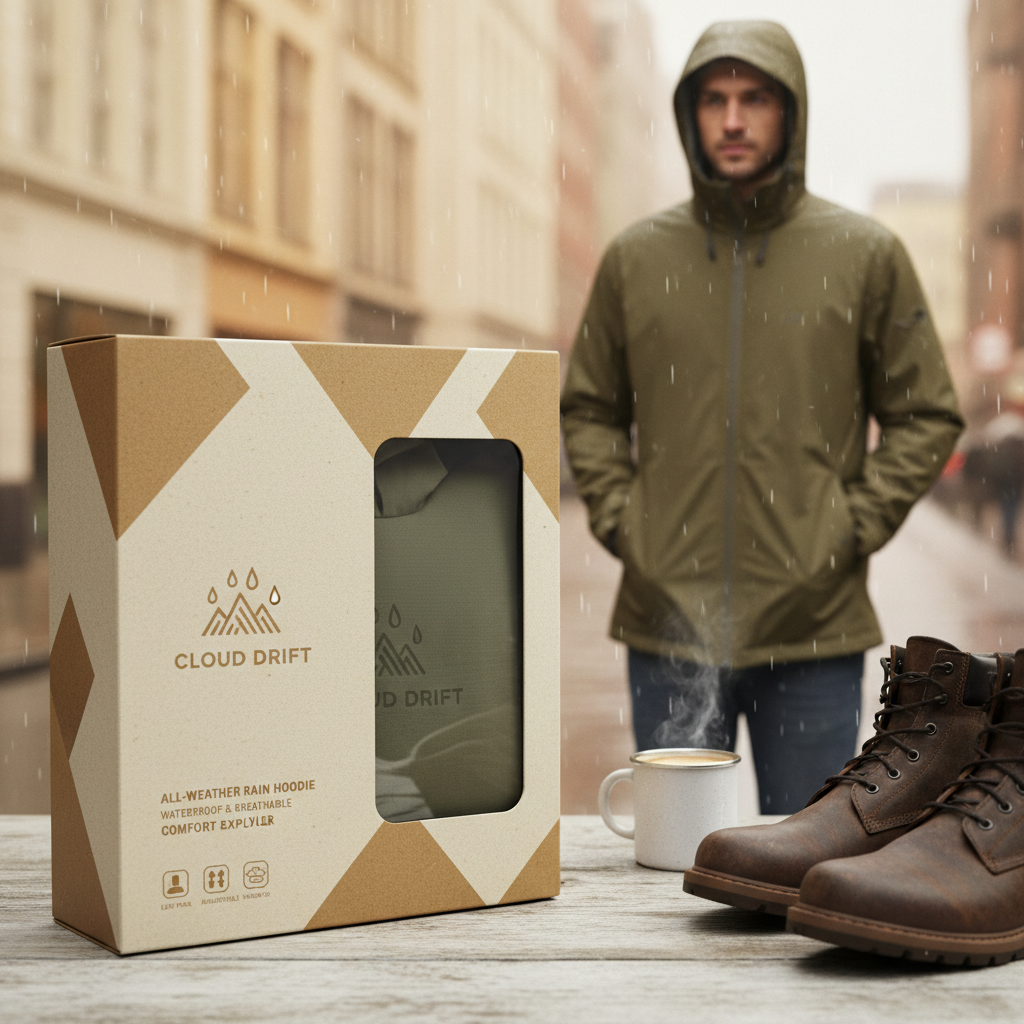
The Ultimate Guide to Choosing a Premium Mens Rain Hoodie
Facing unpredictable weather requires more than just a simple umbrella; it demands gear that blends functionality with modern aesthetics. A high-quality mens rain hoodie is the perfect solution for the modern man who refuses to let a downpour disrupt his day. Whether you are commuting to the office, hiking a misty trail, or running weekend errands, the right rainwear ensures you stay dry without sacrificing comfort. In this comprehensive guide, we will explore what makes a rain hoodie truly effective, from fabric technology to essential design features, helping you make an informed investment in your wardrobe.
2026-04-09 02:45:09
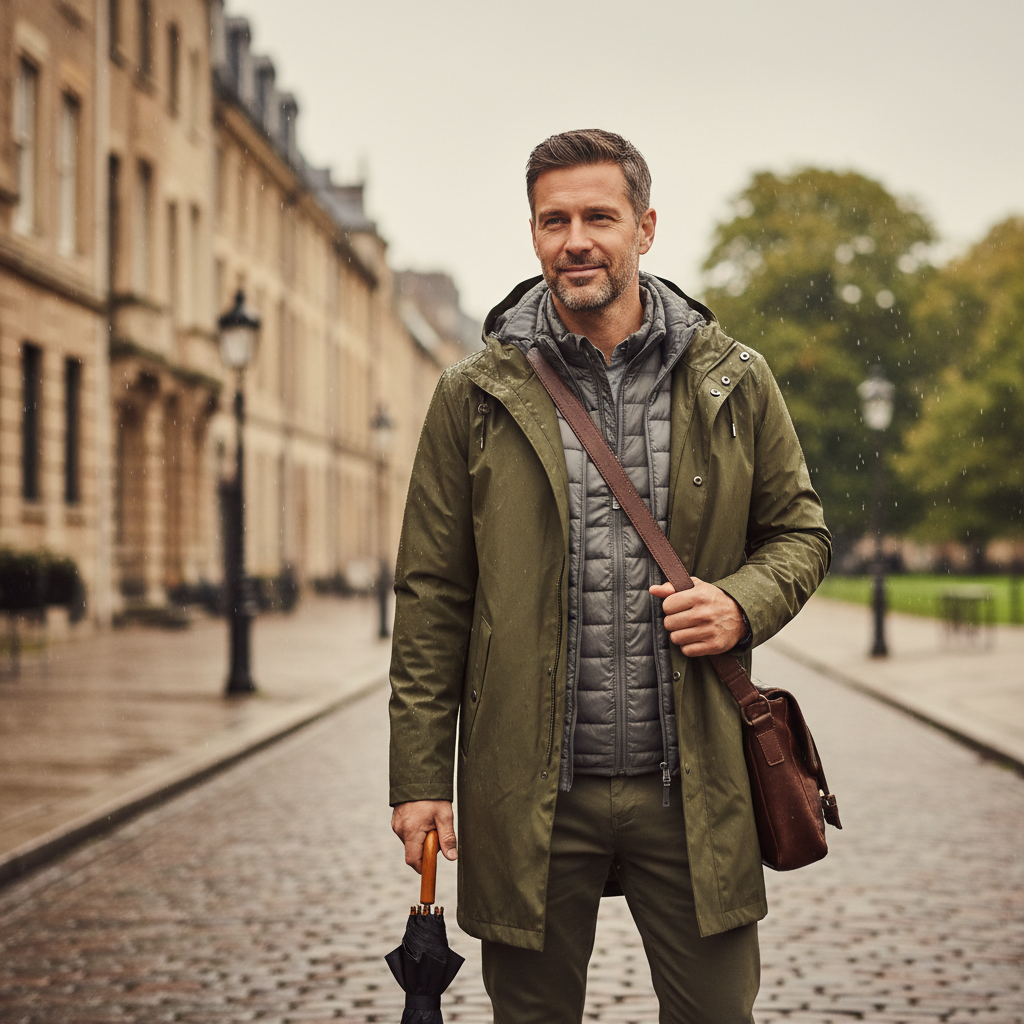
Best Mens Rain Coat with Removable Liner for All Weather Protection
Facing unpredictable weather requires a wardrobe that is as flexible as your schedule. A mens rain coat with removable liner is the gold standard for versatility, offering a 2-in-1 solution that transitions seamlessly from a light spring drizzle to a freezing winter storm. Instead of cluttering your closet with multiple heavy jackets, a modular system allows you to customize your warmth based on the temperature. In this guide, we will explore why this specific design is essential for the modern man, how to identify high-quality materials, and how to maximize your investment for years of reliable protection.
2026-04-07 02:35:18
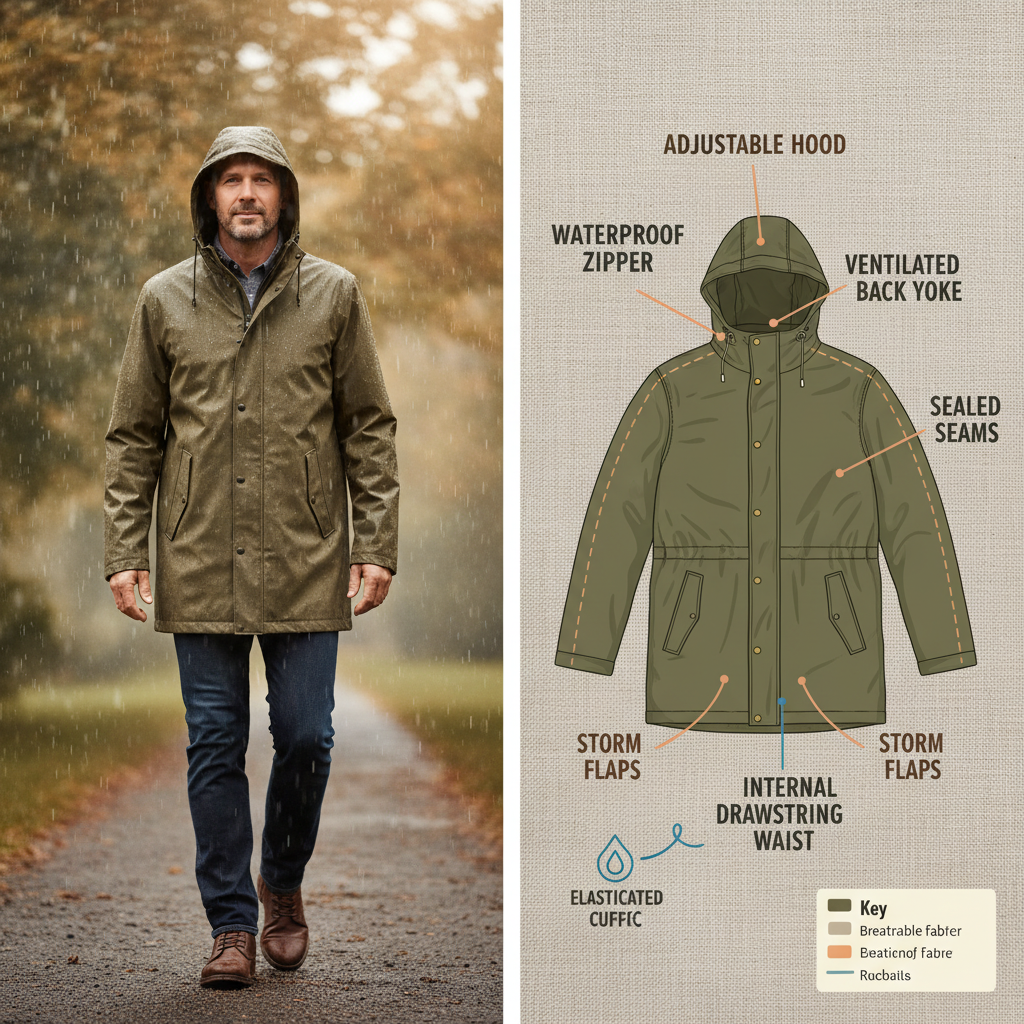
Comprehensive Guide to Selecting the Perfect Mens Rain Coat with Hood
Finding the right mens rain coat with hood is crucial for staying dry and comfortable in wet weather. Whether you're commuting to work, enjoying outdoor activities, or simply running errands, a reliable raincoat can make all the difference. This article will explore the key features, benefits, and considerations when choosing a rain coat, helping you make an informed decision. We'll cover everything from materials and waterproofing to fit and style. Choosing a high-quality raincoat is an investment in your comfort and protection.
2026-04-04 02:45:18
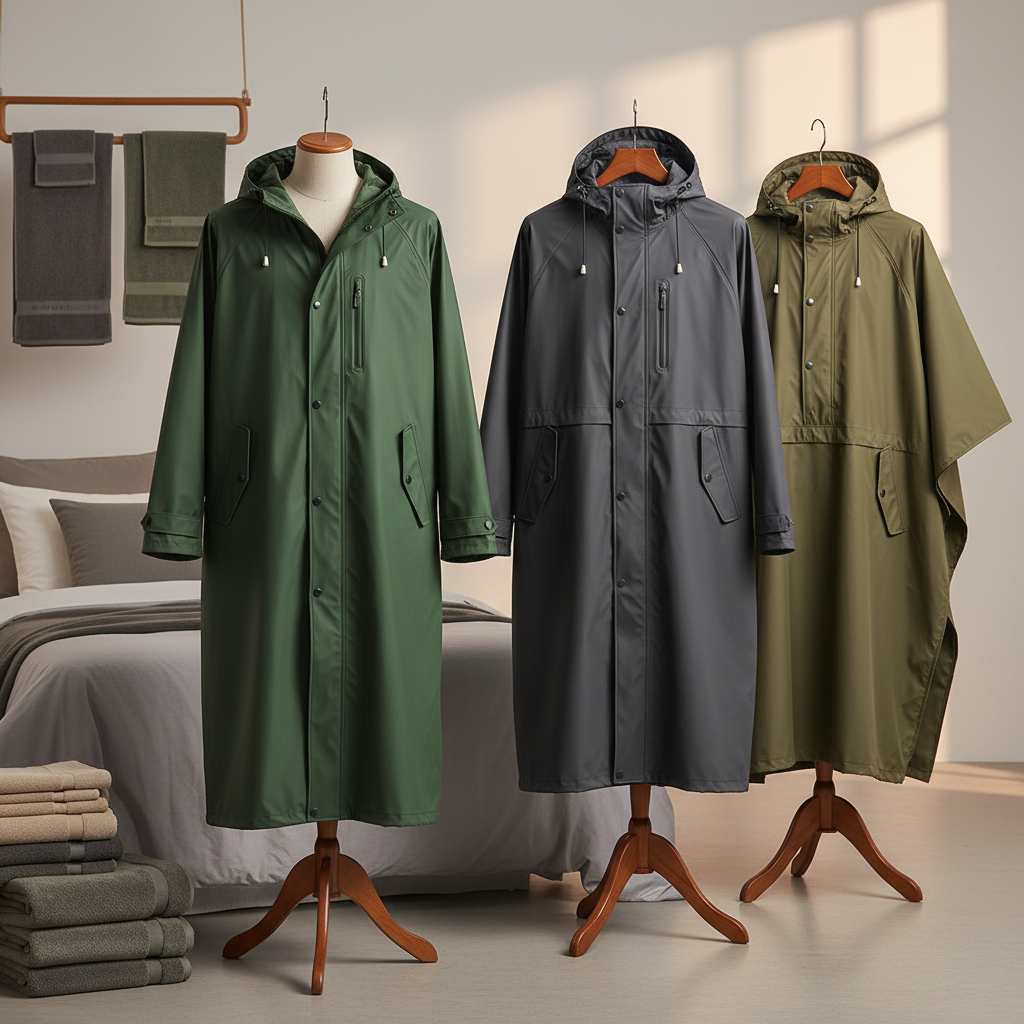
Comprehensive Guide to Mens Rain Coat Waterproof Options and Features
Staying dry and comfortable in wet weather is crucial, and a high-quality mens rain coat waterproof is an essential part of any outdoor wardrobe. Choosing the right raincoat can make all the difference, protecting you from the elements while offering comfort and durability. This article will cover everything you need to know about waterproof raincoats, including materials, features, and how to choose the best one for your needs. We'll also highlight why SXZY Raincoat offers exceptional quality and value.

2026-03-31 02:35:27
Stylish Mens Rain Coat Dress for Ultimate Weather Protection
When the weather turns unpredictable, a stylish and functional mens rain coat dress is an essential addition to any wardrobe. No longer just about staying dry, rain coats have evolved into fashion statements, offering a blend of practicality and elegance. This article explores the benefits, styles, and key features to look for when choosing the perfect rain coat dress, ensuring you stay comfortable and on-trend, whatever the weather. We'll also highlight how SXZY Raincoat provides quality and style in their collection.
2026-03-28 02:55:02
Comprehensive Guide to Mens Rain Coat and Pants for Optimal Weather Protection
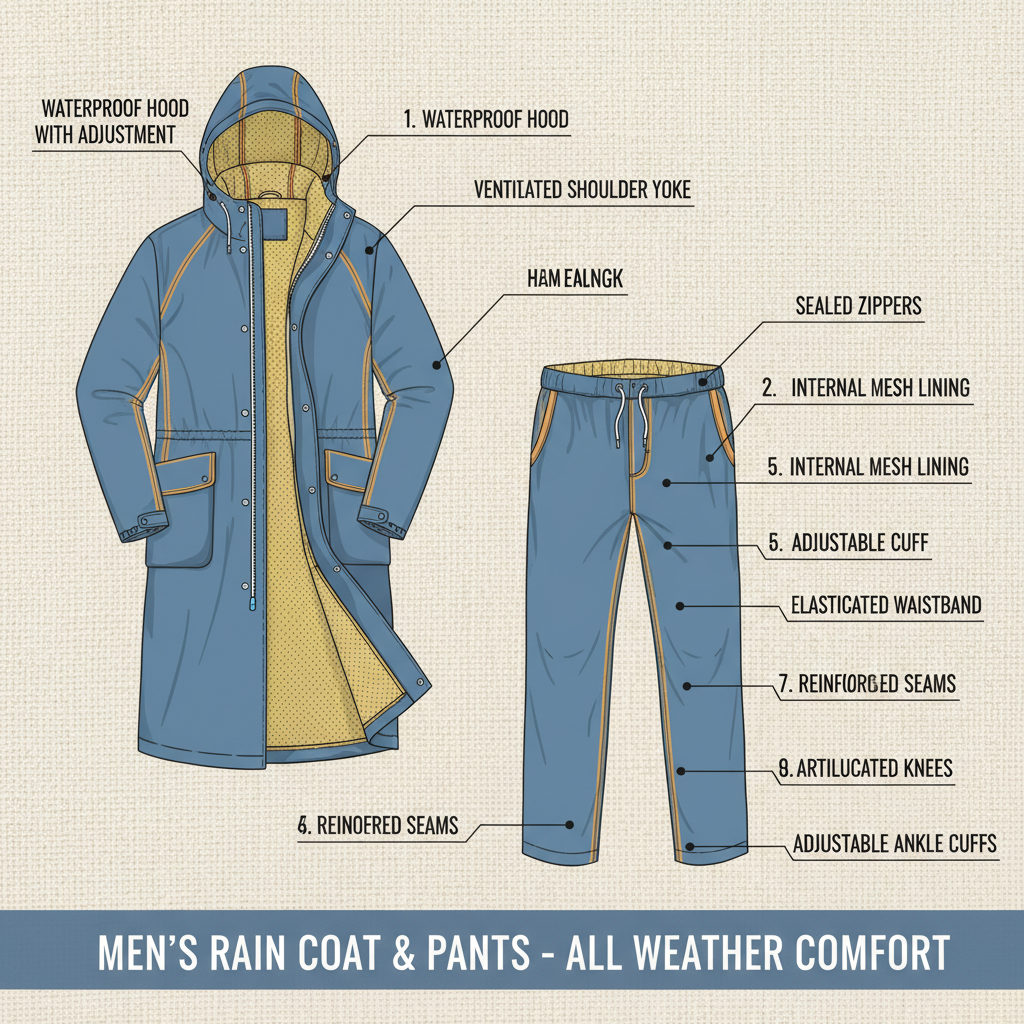
Staying dry and comfortable during inclement weather is crucial, and having the right rain gear can make all the difference. Mens rain coat and pants sets offer superior protection against rain, wind, and cold. This article will explore the benefits of owning a quality rain suit, factors to consider when choosing one, and highlight the exceptional products offered by sxzyraincoat.com. Invest in a reliable rain suit to ensure you're prepared for any weather challenge.
2026-03-26 02:35:30
Choosing the Right Mens Rain Coat for Optimal Weather Protection
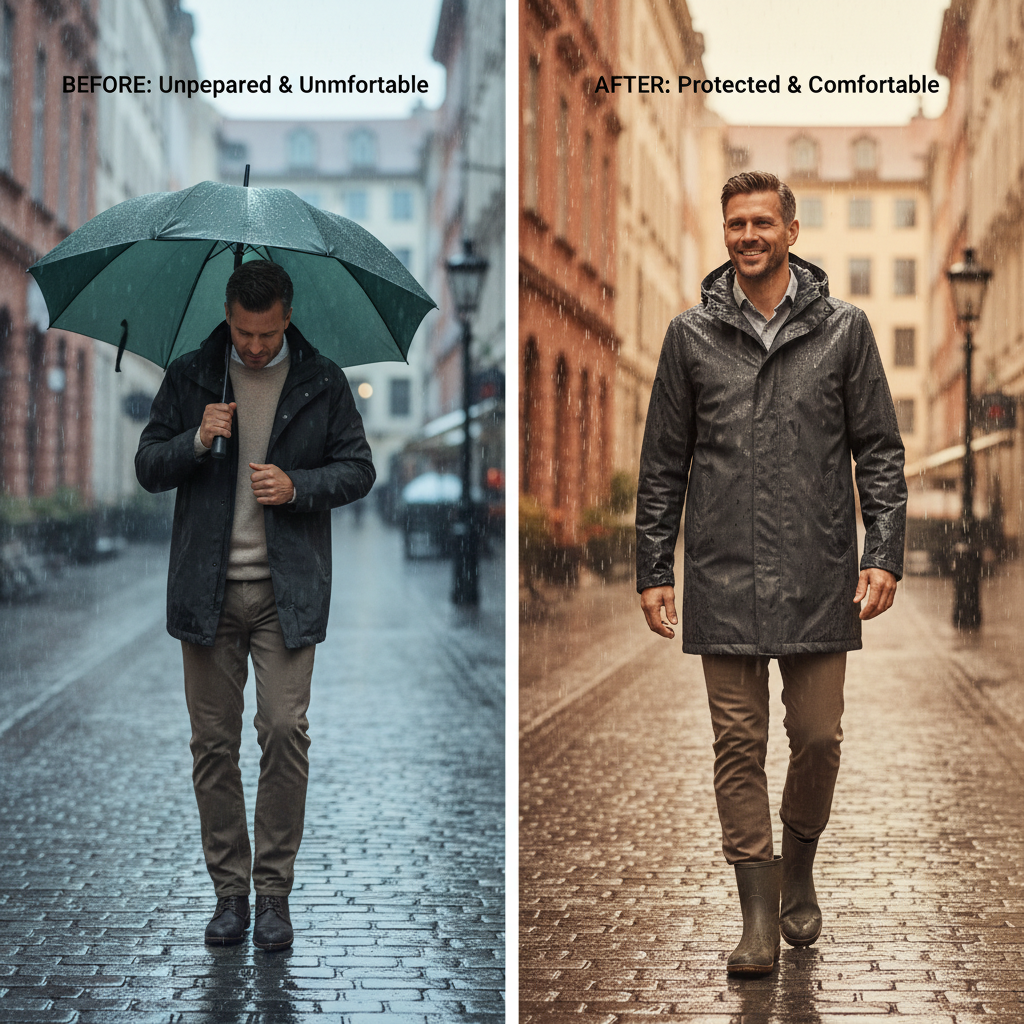
Staying dry and comfortable in inclement weather is crucial, and selecting the right mens rain coat is paramount. From everyday commutes to outdoor adventures, a quality raincoat provides essential protection. This article will explore the key features to consider when choosing a mens rain coat, different types available, and how to find the perfect fit for your needs. We'll also highlight the benefits of investing in a durable and reliable raincoat that can withstand various weather conditions. The material of a mens rain coat significantly impacts its waterproofness, breathability, and durability. Common materials include PVC, polyurethane (PU), and Gore-Tex. PVC is affordable but less breathable, leading to discomfort during strenuous activity. PU offers a good balance of waterproofness and breathability. Gore-Tex is a premium option known for its exceptional waterproofness and breathability, making it ideal for demanding conditions.
2026-03-24 02:45:24
Mens Quilted Raincoat A Comprehensive Guide to Style and Weather Protection
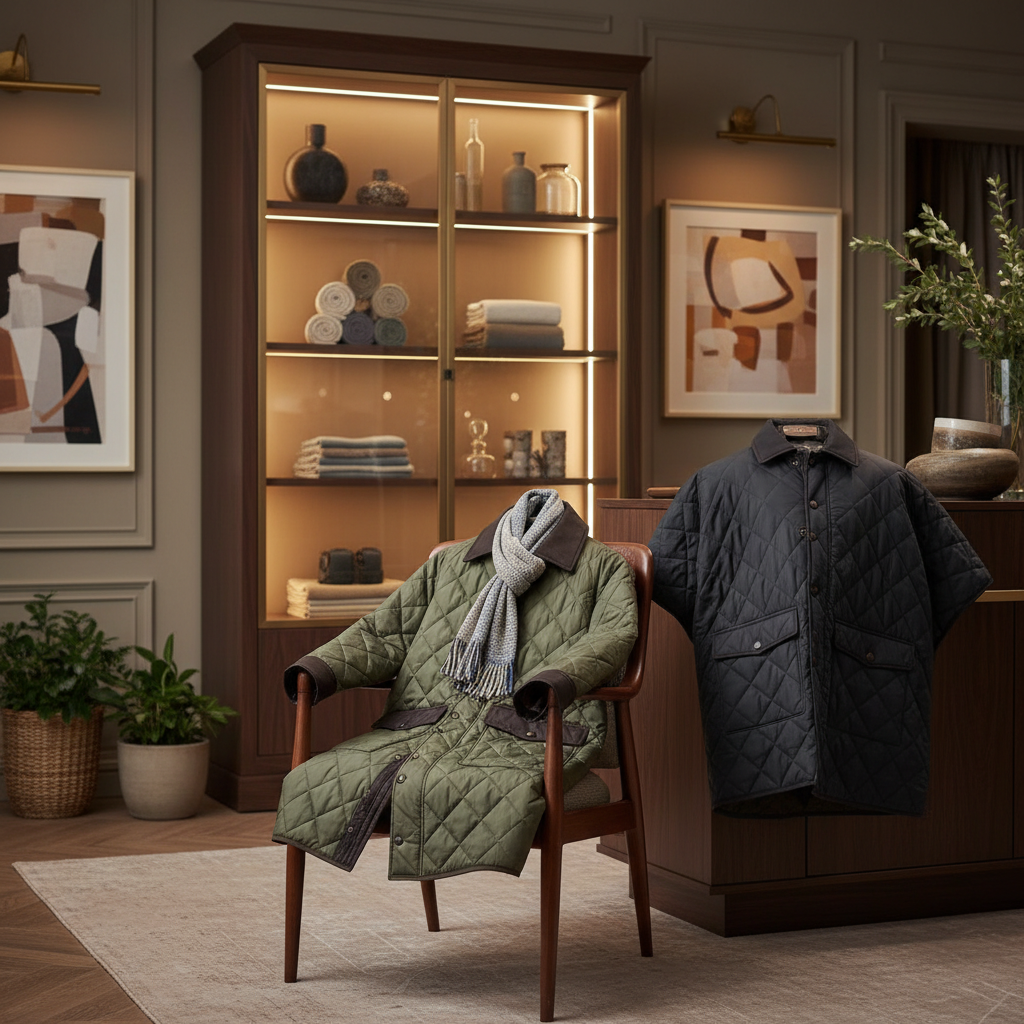
Finding the right raincoat is essential for staying dry and comfortable, especially when navigating unpredictable weather. A mens quilted raincoat offers a fantastic blend of practicality and style. This article delves into the benefits of quilted raincoats, key features to look for, how to choose the perfect fit, and care tips to ensure longevity. We'll explore why a quilted raincoat from SXZY Raincoat is an excellent investment for any weather condition. Quilted raincoats stand out due to their unique construction. The quilting process involves stitching layers of fabric together, typically with a layer of insulation in between. This not only adds a stylish aesthetic but also provides excellent warmth and comfort. Unlike standard raincoats that can feel stiff and uncomfortable, quilted versions offer a softer, more forgiving feel. The quilted design traps air, creating an insulating barrier against the cold, making them ideal for cooler, wetter climates.


