



Durable & Comfortable Full Raincoat for Men in Industrial Settings

Dec . 05, 2025 05:40
Why a Full Raincoat for Men Is Still Essential in Industrial Work
Having spent quite a few years knee-deep in all kinds of industrial environments, I can tell you that weather gear isn't just about staying dry. Oddly enough, a quality full raincoat men rely on is practically a lifeline in many situations, especially where safety meets function.
Let me share a bit. Last winter, on a site where rain poured incessantly, I noticed a crew wearing inexpensive rain ponchos. Within hours, they were soaked and miserable. Meanwhile, another team in proper full-length raincoats handled their tasks like pros. It feels like a small detail, but honestly, it shifts gears completely when the weather turns nasty.
So, what sets a good full raincoat apart in these tough jobs? First off, material choice is king. Most industrial-grade raincoats use PVC or polyurethane-coated fabrics for waterproofing—both with pros and cons. PVC’s durability wins in abrasion resistance but can feel stiff. Polyurethane offers more breathability, helping workers avoid the clammy discomfort that slows you down as much as wet clothes.
Then, cut and design take center stage. A full raincoat for men typically extends below the knees to guard against splashes, mud, or even chemical spills. Sealed seams and storm flaps over zippers are subtle but crucial features. They prevent the seepage that can sneak in through tiny gaps. I suppose not everyone notices these details, but they dramatically improve all-day comfort.
Let me toss a quick spec rundown of a classic industrial full raincoat to paint a clearer picture:
| Feature | Specification |
|---|---|
| Material | PVC coated polyester, 0.35 mm thickness |
| Waterproof Rating | 10,000 mm water column |
| Seam Construction | Heat-welded, fully sealed |
| Closure | Heavy-duty front zipper with storm flap |
| Length | Full-length to just below knees (~120 cm) |
| Accessories | Adjustable hood, elastic cuffs |
Now, if you’re asking how one vendor stacks up against another, especially when you’re considering bulk orders for your workers or site operators, here's a quick comparison of some top suppliers I’ve encountered:
| Vendor | Material Quality | Waterproofness | Durability | Customization Options |
|---|---|---|---|---|
| SXZY Raincoat | High-grade PVC polyester | Excellent (10,000 mm+) | Robust, heat-welded seams | Logo & size custom |
| ABC Gear | Standard PVC | Good (8,000 mm) | Heat-sealed seams | Limited |
| WorkSafe Supply | Polyurethane blend | Very good (9,500 mm) | Reinforced stitching | Moderate |
In real terms, what matters most is balancing durability with comfort. You want a raincoat that won’t rip the first time it catches a snag on a scaffold but also one you won’t dread wearing in long shifts. That’s why my team often recommends waterproof ratings above 8,000 mm and fully sealed seams. Also, some customization—like adding company logos—helps with gear management onsite and keeps a degree of professionalism.
One final thing: ventilation. It’s often overlooked but crucial. Especially in warmer or humid conditions, a breathable membrane or strategically placed air vents can keep the wearer cooler while still blocking water. Having been on the ground through muggy monsoon seasons, I can’t emphasize this enough.
All in all, whether you’re supplying your factory floor or outfitting a construction crew, a solid full raincoat men use day after day is a foundation piece you can’t skimp on. Moisture isn’t just an inconvenience—it’s a hazard, a distraction, and frankly, a morale killer. Do it right the first time, and you’ll notice the difference immediately.
Thanks for reading—hopefully these insights save you some headaches and soggy gear in your next project.
Stay dry and stay safe!
References:
1. Industrial Safety Gear Guide, OSHA 2023
2. Material Science of Waterproof Fabrics, Textile Journal 2022
3. Field Notes from Site Supervisors, 2021-2023

Related Products
Related News

2026-04-16 02:35:36
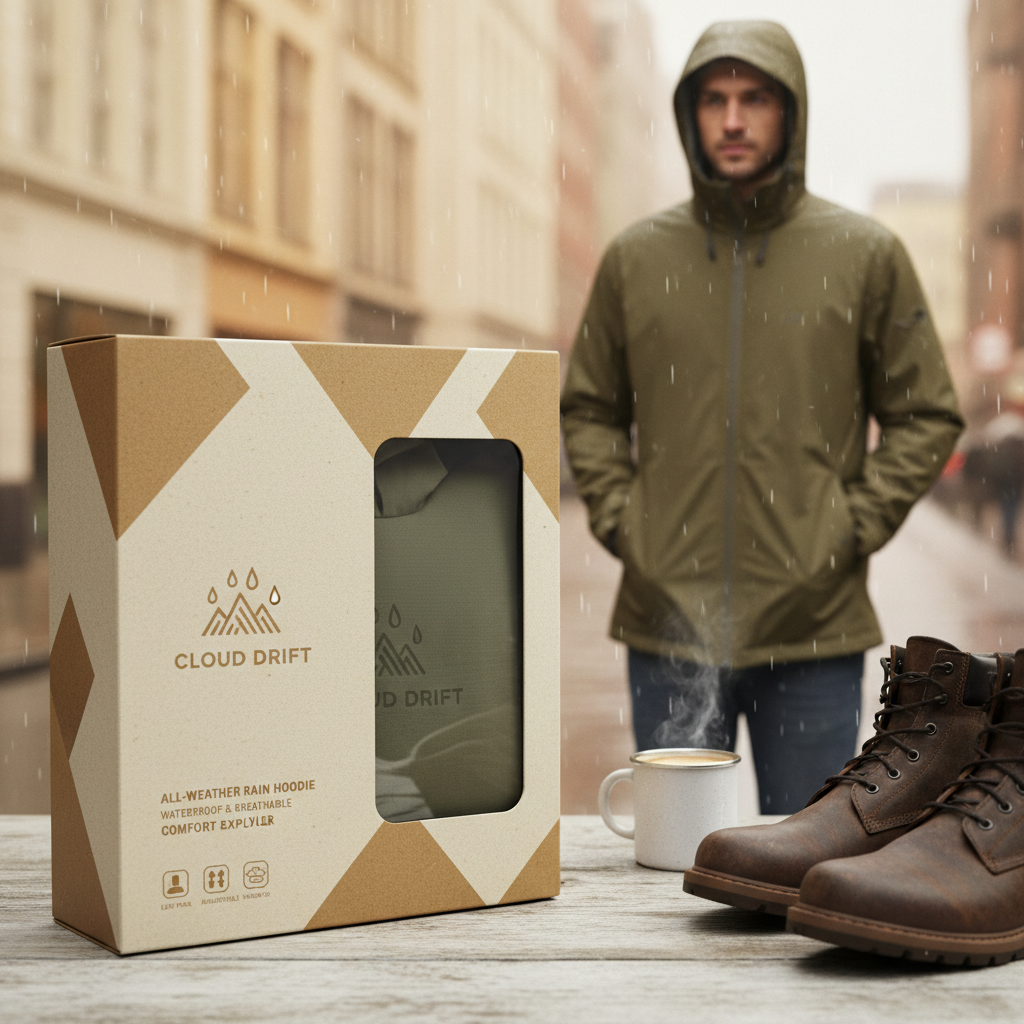
The Ultimate Guide to Choosing a Premium Mens Rain Hoodie
Facing unpredictable weather requires more than just a simple umbrella; it demands gear that blends functionality with modern aesthetics. A high-quality mens rain hoodie is the perfect solution for the modern man who refuses to let a downpour disrupt his day. Whether you are commuting to the office, hiking a misty trail, or running weekend errands, the right rainwear ensures you stay dry without sacrificing comfort. In this comprehensive guide, we will explore what makes a rain hoodie truly effective, from fabric technology to essential design features, helping you make an informed investment in your wardrobe.
2026-04-09 02:45:09
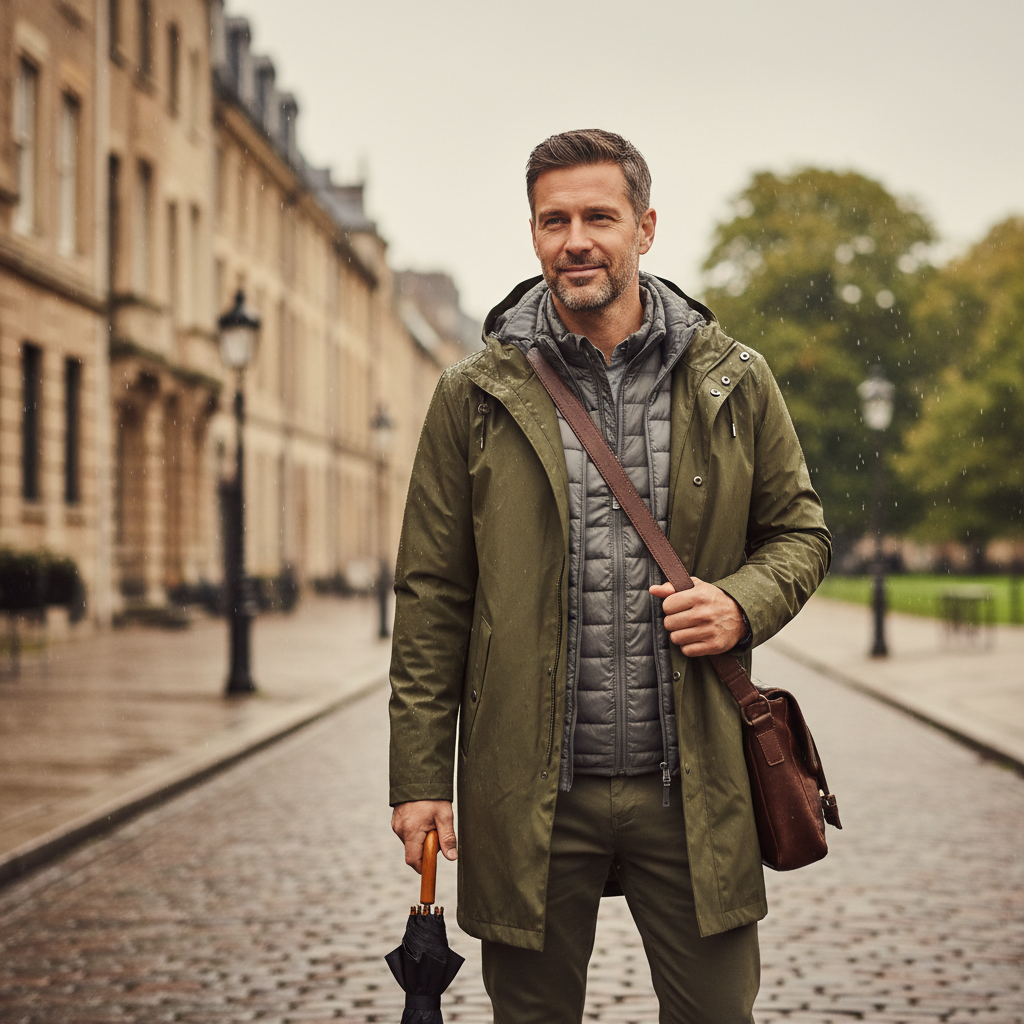
Best Mens Rain Coat with Removable Liner for All Weather Protection
Facing unpredictable weather requires a wardrobe that is as flexible as your schedule. A mens rain coat with removable liner is the gold standard for versatility, offering a 2-in-1 solution that transitions seamlessly from a light spring drizzle to a freezing winter storm. Instead of cluttering your closet with multiple heavy jackets, a modular system allows you to customize your warmth based on the temperature. In this guide, we will explore why this specific design is essential for the modern man, how to identify high-quality materials, and how to maximize your investment for years of reliable protection.
2026-04-07 02:35:18
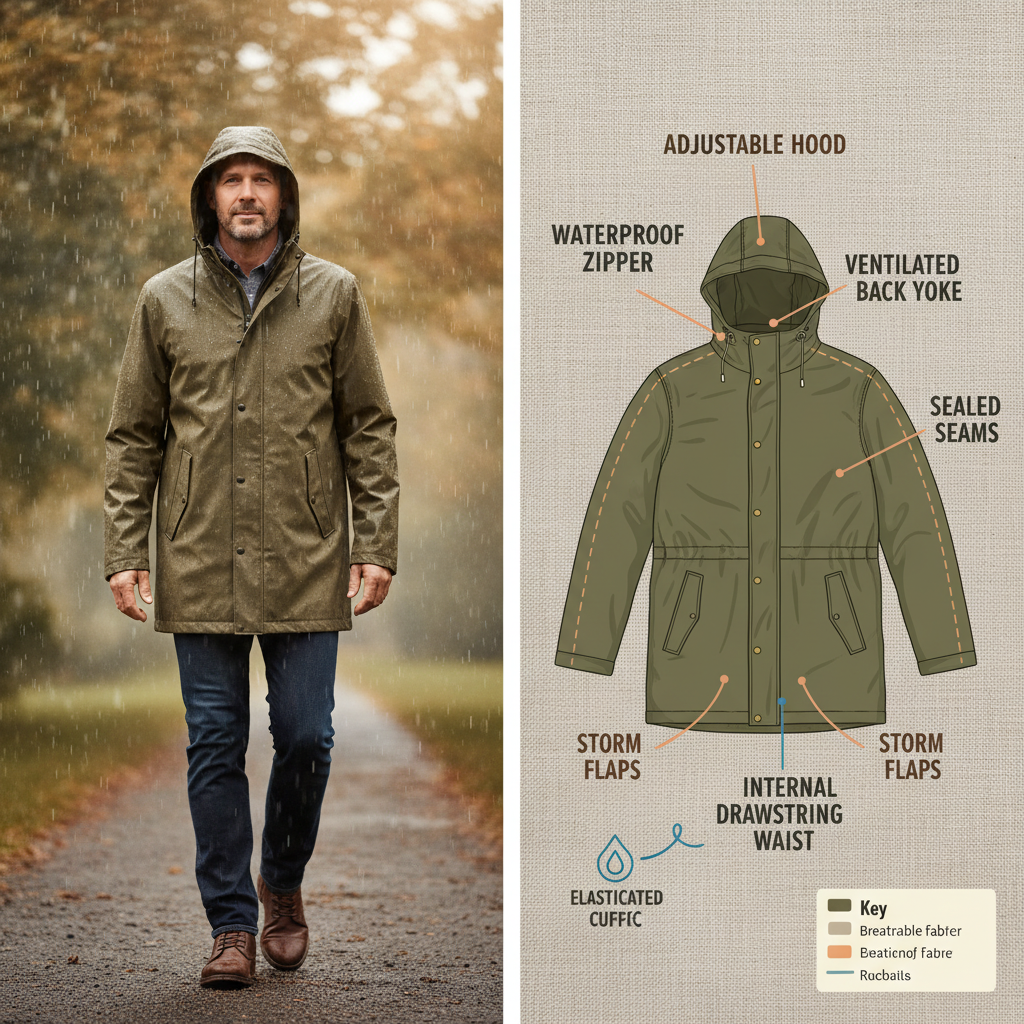
Comprehensive Guide to Selecting the Perfect Mens Rain Coat with Hood
Finding the right mens rain coat with hood is crucial for staying dry and comfortable in wet weather. Whether you're commuting to work, enjoying outdoor activities, or simply running errands, a reliable raincoat can make all the difference. This article will explore the key features, benefits, and considerations when choosing a rain coat, helping you make an informed decision. We'll cover everything from materials and waterproofing to fit and style. Choosing a high-quality raincoat is an investment in your comfort and protection.
2026-04-04 02:45:18
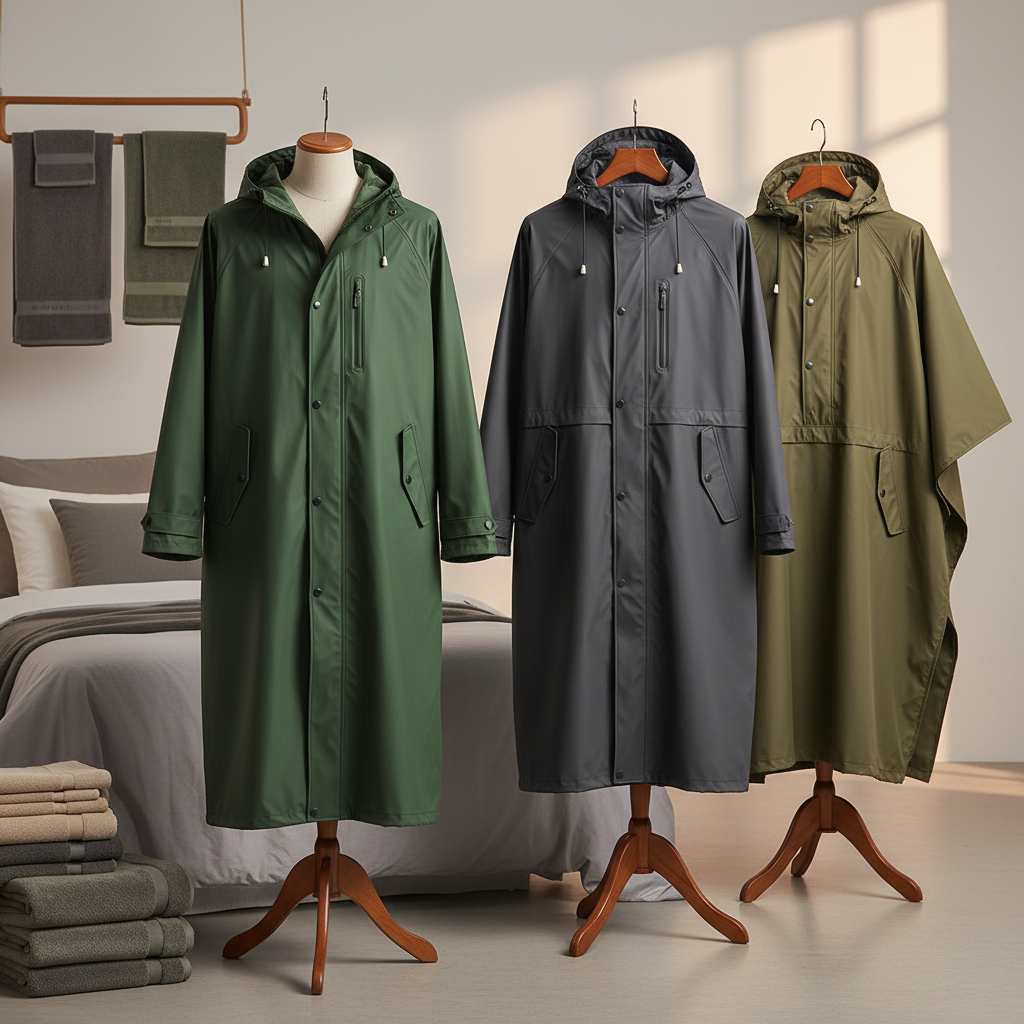
Comprehensive Guide to Mens Rain Coat Waterproof Options and Features
Staying dry and comfortable in wet weather is crucial, and a high-quality mens rain coat waterproof is an essential part of any outdoor wardrobe. Choosing the right raincoat can make all the difference, protecting you from the elements while offering comfort and durability. This article will cover everything you need to know about waterproof raincoats, including materials, features, and how to choose the best one for your needs. We'll also highlight why SXZY Raincoat offers exceptional quality and value.

2026-03-31 02:35:27
Stylish Mens Rain Coat Dress for Ultimate Weather Protection
When the weather turns unpredictable, a stylish and functional mens rain coat dress is an essential addition to any wardrobe. No longer just about staying dry, rain coats have evolved into fashion statements, offering a blend of practicality and elegance. This article explores the benefits, styles, and key features to look for when choosing the perfect rain coat dress, ensuring you stay comfortable and on-trend, whatever the weather. We'll also highlight how SXZY Raincoat provides quality and style in their collection.
2026-03-28 02:55:02
Comprehensive Guide to Mens Rain Coat and Pants for Optimal Weather Protection
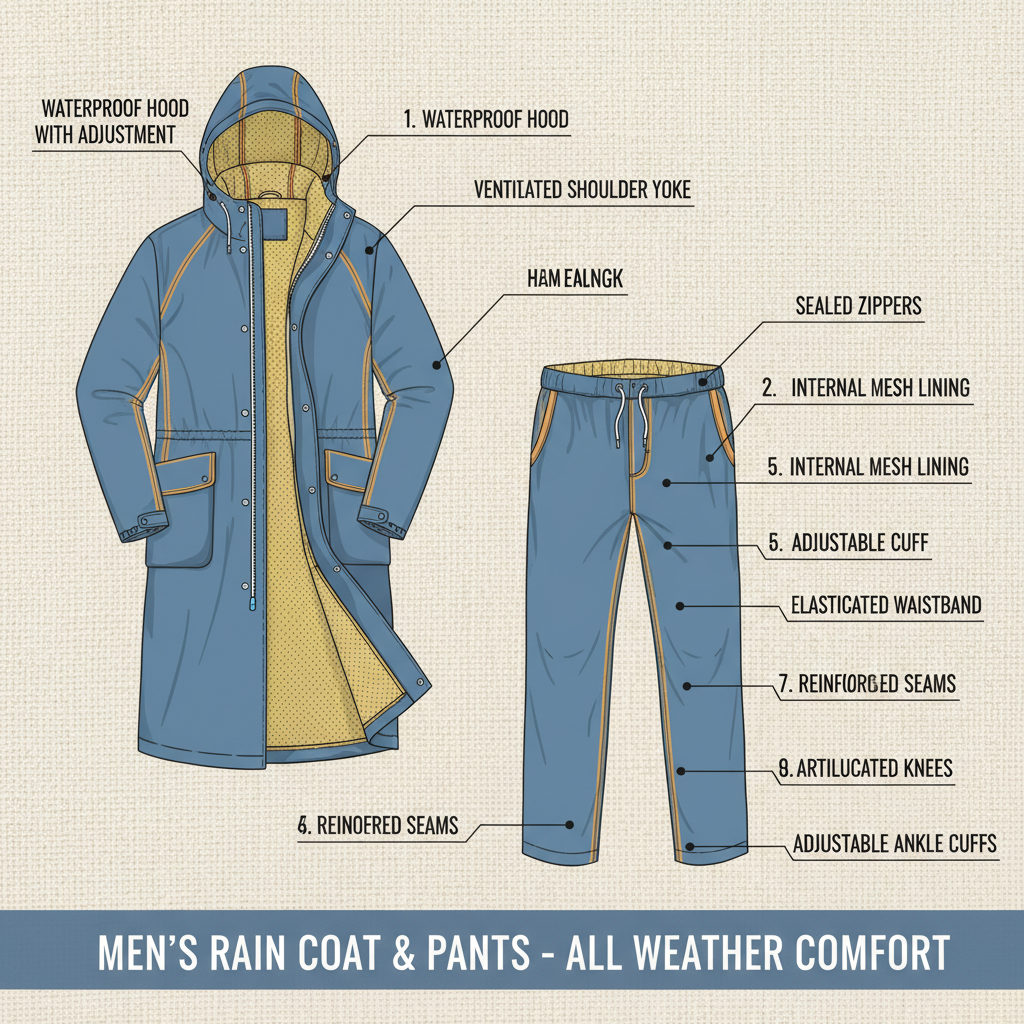
Staying dry and comfortable during inclement weather is crucial, and having the right rain gear can make all the difference. Mens rain coat and pants sets offer superior protection against rain, wind, and cold. This article will explore the benefits of owning a quality rain suit, factors to consider when choosing one, and highlight the exceptional products offered by sxzyraincoat.com. Invest in a reliable rain suit to ensure you're prepared for any weather challenge.
2026-03-26 02:35:30
Choosing the Right Mens Rain Coat for Optimal Weather Protection
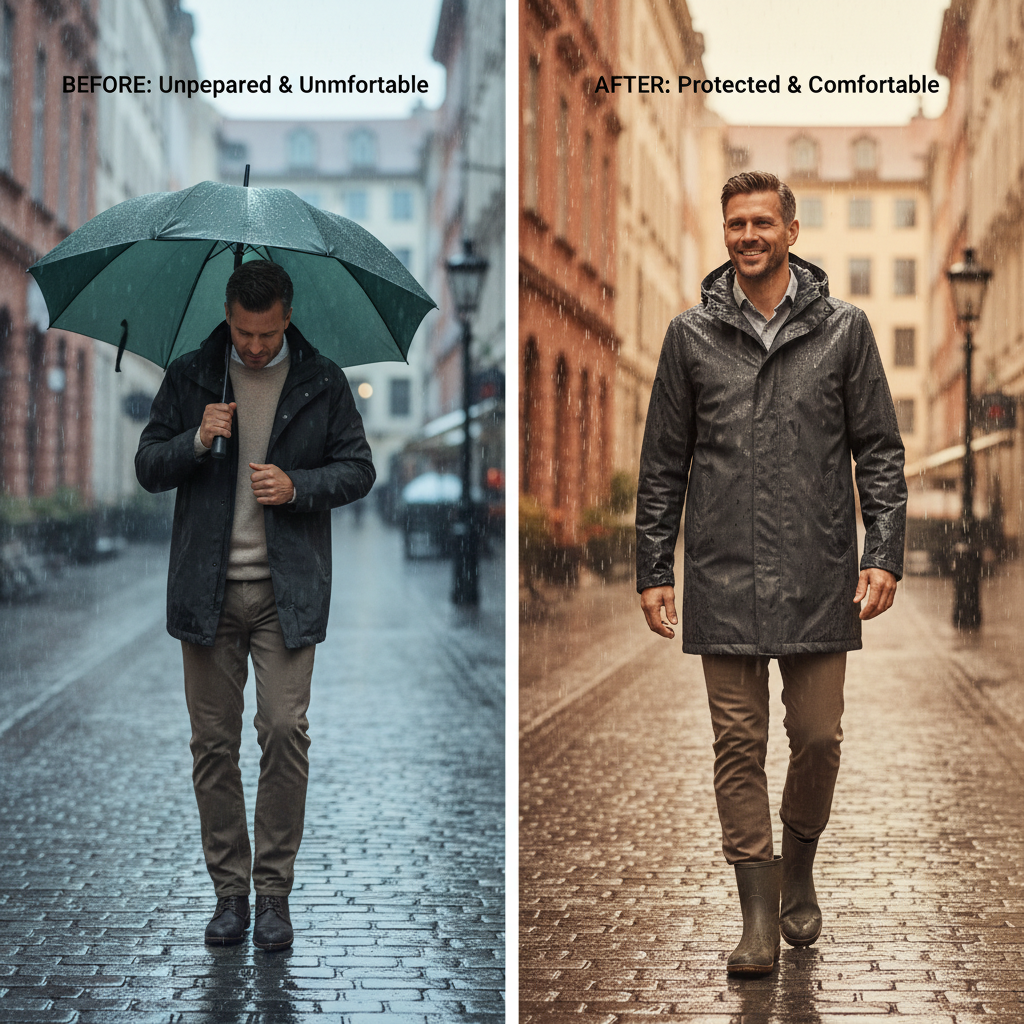
Staying dry and comfortable in inclement weather is crucial, and selecting the right mens rain coat is paramount. From everyday commutes to outdoor adventures, a quality raincoat provides essential protection. This article will explore the key features to consider when choosing a mens rain coat, different types available, and how to find the perfect fit for your needs. We'll also highlight the benefits of investing in a durable and reliable raincoat that can withstand various weather conditions. The material of a mens rain coat significantly impacts its waterproofness, breathability, and durability. Common materials include PVC, polyurethane (PU), and Gore-Tex. PVC is affordable but less breathable, leading to discomfort during strenuous activity. PU offers a good balance of waterproofness and breathability. Gore-Tex is a premium option known for its exceptional waterproofness and breathability, making it ideal for demanding conditions.
2026-03-24 02:45:24
Mens Quilted Raincoat A Comprehensive Guide to Style and Weather Protection
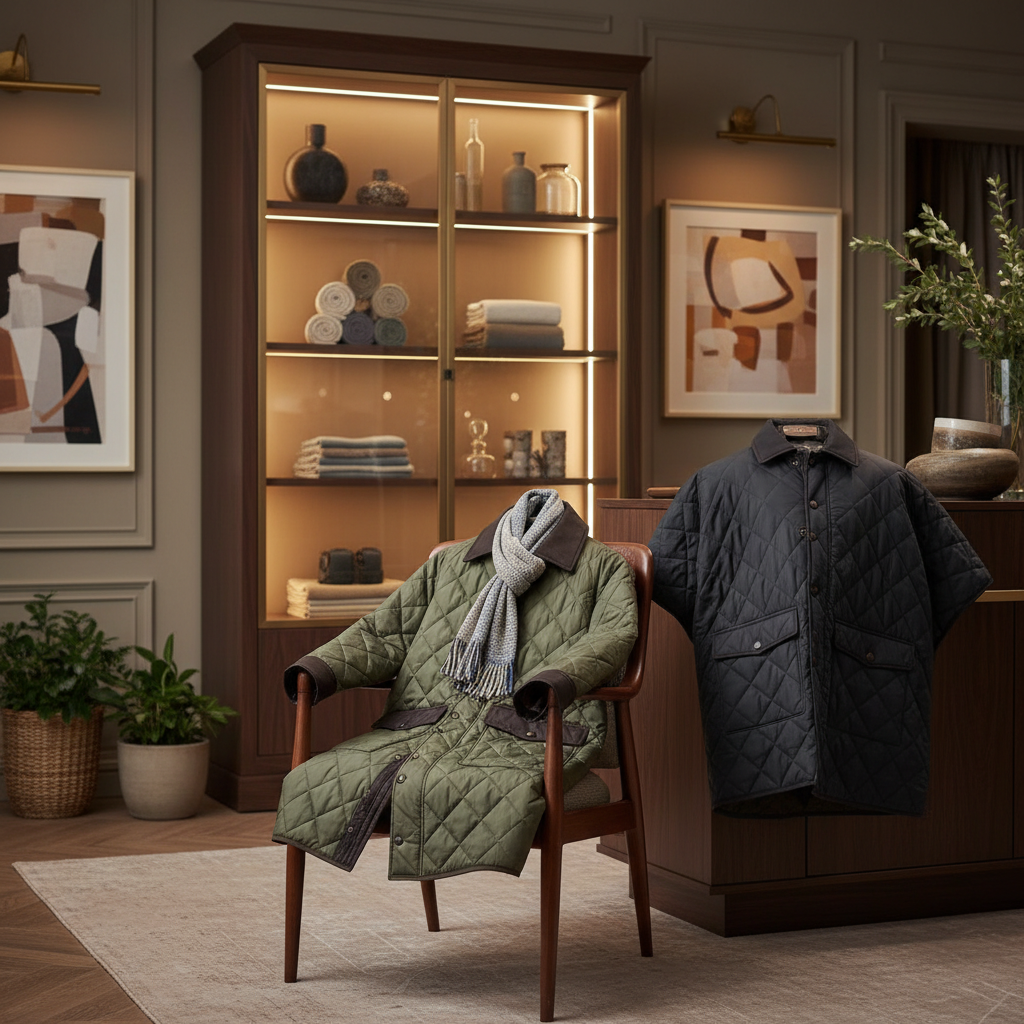
Finding the right raincoat is essential for staying dry and comfortable, especially when navigating unpredictable weather. A mens quilted raincoat offers a fantastic blend of practicality and style. This article delves into the benefits of quilted raincoats, key features to look for, how to choose the perfect fit, and care tips to ensure longevity. We'll explore why a quilted raincoat from SXZY Raincoat is an excellent investment for any weather condition. Quilted raincoats stand out due to their unique construction. The quilting process involves stitching layers of fabric together, typically with a layer of insulation in between. This not only adds a stylish aesthetic but also provides excellent warmth and comfort. Unlike standard raincoats that can feel stiff and uncomfortable, quilted versions offer a softer, more forgiving feel. The quilted design traps air, creating an insulating barrier against the cold, making them ideal for cooler, wetter climates.


