



Durable Full Rain Coats for Global Protection | Technology & Trends

Nov . 29, 2025 04:00
The Full Rain Coat: More Than Just Weather Protection
Rain. It’s a simple enough phenomenon, but on a global scale, its impact is surprisingly significant. Whether you're a city dweller rushing from your office to catch the subway, or part of a humanitarian team distributing aid in a monsoon-soaked region, the full rain coat becomes a quiet hero. This article explores why this seemingly simple garment is vital, especially in a world increasingly affected by unpredictable weather patterns, climate change, and a growing need for reliable, durable protective gear.
Why the Full Rain Coat Matters Globally
Rain affects billions annually—according to the United Nations, extreme weather-related events have surged by 40% over the past 40 years. Floods and heavy rains don’t just inconvenience; they disrupt economies, endanger lives, and challenge infrastructure. The full rain coat isn’t just about staying dry. It’s about safeguarding health, ensuring productivity, and sometimes, even saving lives.
Consider urban commuters in Asia’s megacities or relief workers in flood zones of Southeast Asia and parts of Africa. Many rely on the full rain coat for practical protection against constant downpours, but also appreciation for its lightweight, breathable design that doesn’t overheat or trap moisture. There’s a challenge here: how do you create a rain coat that balances extreme durability with comfort during extended use?
What Exactly Is a Full Rain Coat?
Simply put, a full rain coat is a garment designed to cover the body from head to thigh or knee, offering full protection from rain and wind. Unlike shorter jackets or ponchos, it incorporates features such as hoods, sealed seams, and durable waterproof materials to shield wearers in intense wet conditions.
In modern industry and humanitarian aid, the full rain coat has evolved from simple rubberized items to sophisticated gear using breathable membranes (like Gore-Tex) that provide waterproofing without stifling air flow. This blend of technology and material science makes them essential in sectors ranging from construction to emergency response.
Mini Takeaway:
A full rain coat isn’t a mere piece of clothing. It’s a convergence of comfort, safety, and technology serving millions worldwide in diverse conditions.
Core Components of a Reliable Full Rain Coat
1. Durability
Durability is crucial if the rain coat is expected to last years, especially in harsh outdoor or industrial settings. That means abrasion-resistant fabrics, reinforced stitching, and corrosion-resistant fasteners. Many engineers I’ve spoken to emphasize that cheap plastics and flimsy zippers can defeat the coat’s purpose in no time.
2. Waterproofing and Breathability
The ideal full rain coat won’t just block water from coming in but will also allow sweat to escape. This is where membranes and coatings come in. Without breathable technology, wearers end up feeling clammy and uncomfortable, defeating usability during strenuous tasks.
3. Fit and Coverage
A proper fit ensures the coat protects all vital areas, including the neck, shoulders, and thighs. Some designs feature adjustable cuffs and hemlines to guard against wind-driven rain. The hood often has a stiff bill to keep rain off the face without limiting visibility.
4. Weight and Packability
Lightweight fabrics make the coat more likely to be worn voluntarily—heavy rain gear tends to be stuffed away and forgotten. Also, compact packability is key for travelers or field workers who must carry multiple items.
5. Sustainability
Sustainability might feel like a buzzword, but it’s real here: manufacturers increasingly use recycled fabrics and green processes. Plus, durable rain coats mean fewer disposables in landfills, supporting environmental goals set by bodies like ISO and the UN’s sustainable development framework.
| Feature | Details |
|---|---|
| Material | PU-coated nylon or polyester with microporous membranes |
| Waterproof Rating | 10,000 mm (minimum) hydrostatic head |
| Breathability Rating | 5,000 g/m²/24 hrs (MVTR) |
| Seams | Fully taped and sealed |
| Weight | 450–700 grams (varies by size and model) |
| Additional Features | Adjustable hood, storm cuffs, ventilation zips, reflective strips |
Where Full Rain Coats Make a Difference
From bustling cities in Europe to the monsoon cyclone belts of South Asia, full rain coats have a surprisingly wide footprint.
- Emergency response teams: Disaster-prone areas require durable, quick-acting protective gear. A full rain coat allows responders to work confidently under continuous rain, whether during flood rescue missions or supply distributions.
- Outdoor workers: Construction crews, utility repair teams, and agricultural workers depend on reliable rain protection to maintain safety and productivity.
- Travel and daily commuting: Contemporary urban life means less tolerance for soggy clothing—and greater demand for stylish yet functional rainwear.
- Humanitarian relief: Non-governmental organizations operating in tropical or flood-prone zones often bulk purchase full rain coats to outfit volunteers and staff, ensuring consistent protection.
Interestingly, regional preferences differ—in Northern Europe, heavier, layered rain coats are common, while in Southeast Asia, leaner, more breathable designs sell better.
Mini Takeaway:
Full rain coats are a necessity transcending climate zones and industries, blending function with regional adaptation.
Advantages That Go Beyond Staying Dry
When you think about it, a full rain coat offers more than just weather protection:
- Health and safety: Keeping dry reduces risks of hypothermia, colds, and other ailments.
- Cost-effectiveness: Investing in a high-quality coat can save money by avoiding short-lived disposable alternatives.
- Psychological comfort: Feeling shielded from the elements builds confidence, especially in critical work scenarios.
- Sustainability: Choosing products with eco-conscious materials supports corporate social responsibility goals.
Looking Ahead: Trends and Innovations
Don’t underestimate how fast rain coat technology moves. Here are some trends I’ve noticed over the past couple of years:
- Advanced fabrics: Nano-coatings that self-heal tiny holes and repel dirt.
- Smart textiles: Materials that regulate temperature or integrate LED safety lighting.
- Modular designs: Attachments and layers tailored for different environments.
- Green manufacturing: Increasing use of recycled polymers and cleaner dyeing technologies.
This evolution reflects wider shifts in apparel industries towards performance and sustainability, spurred by global standards like ISO 20471 (high-visibility clothing) and ISO 14001 (environmental management).
Challenges and How They’re Being Tackled
Of course, full rain coats aren’t flawless. Common critiques include:
- Cost barriers: High-quality waterproof gear can be pricey for low-income users.
- Wear and tear: Constant exposure to harsh conditions degrades materials over time.
- Breathability limits: Even the best membranes can sometimes restrict airflow, causing discomfort during heavy activity.
The industry addresses these with innovations like hybrid fabric blends, community-based bulk purchasing to reduce unit prices, and targeted training on care and maintenance.
| Brand | Price Range | Materials Used | Sustainability | Target Market |
|---|---|---|---|---|
| StormGuard | $$ | Polyester PU coated | Uses recycled fabrics | Outdoor professionals |
| EcoShield | $$$ | Bio-based water repellent membrane | Certified green manufacturing | Humanitarian & urban |
| UrbanDry | $ | Standard PU nylon | Minimal focus | Commuters and casual users |
Full Rain Coat FAQ
1. What materials make the best full rain coat?
The best materials combine waterproofness with breathability. Popular choices include PU-coated polyester with microporous membranes like Gore-Tex or eVent, which allow sweat to escape without letting water in.
2. Can I wear a full rain coat during intense physical activity?
Yes, but look for coats with ventilation zips and breathable membranes. Lightweight designs with adjustable features help maintain comfort during exertion.
3. How do I clean and maintain my rain coat?
Use a mild detergent designed for technical fabrics, avoid fabric softeners, and reapply water repellency treatments as recommended by the manufacturer. Proper storage helps prevent damage.
4. Are eco-friendly full rain coats more expensive?
Often, yes. Sustainable materials and production processes can add cost. However, these coats tend to last longer and reduce environmental impact, offering value over time.
5. Can NGOs import full rain coats for disaster relief easily?
Most vendors support bulk orders and international shipping. NGOs should ensure compliance with import regulations and consider local climate needs when selecting products.
Final Thoughts
Understanding the full rain coat reveals an intersection of practical necessity, technological innovation, and global responsibility. Whether it’s the daily commuter braving a sudden downpour or the aid worker distributing essentials in a flood zone, the rain coat profoundly impacts comfort, safety, and effectiveness.
If you want to explore top-tier options, from basic protection to high-tech gear, browse our curated selection of full rain coat products – each designed to keep you dry and confident.
Stay dry out there; sometimes it's the little things, like the right rain coat, that make all the difference.
References

Related Products

Related News

2026-04-16 02:35:36
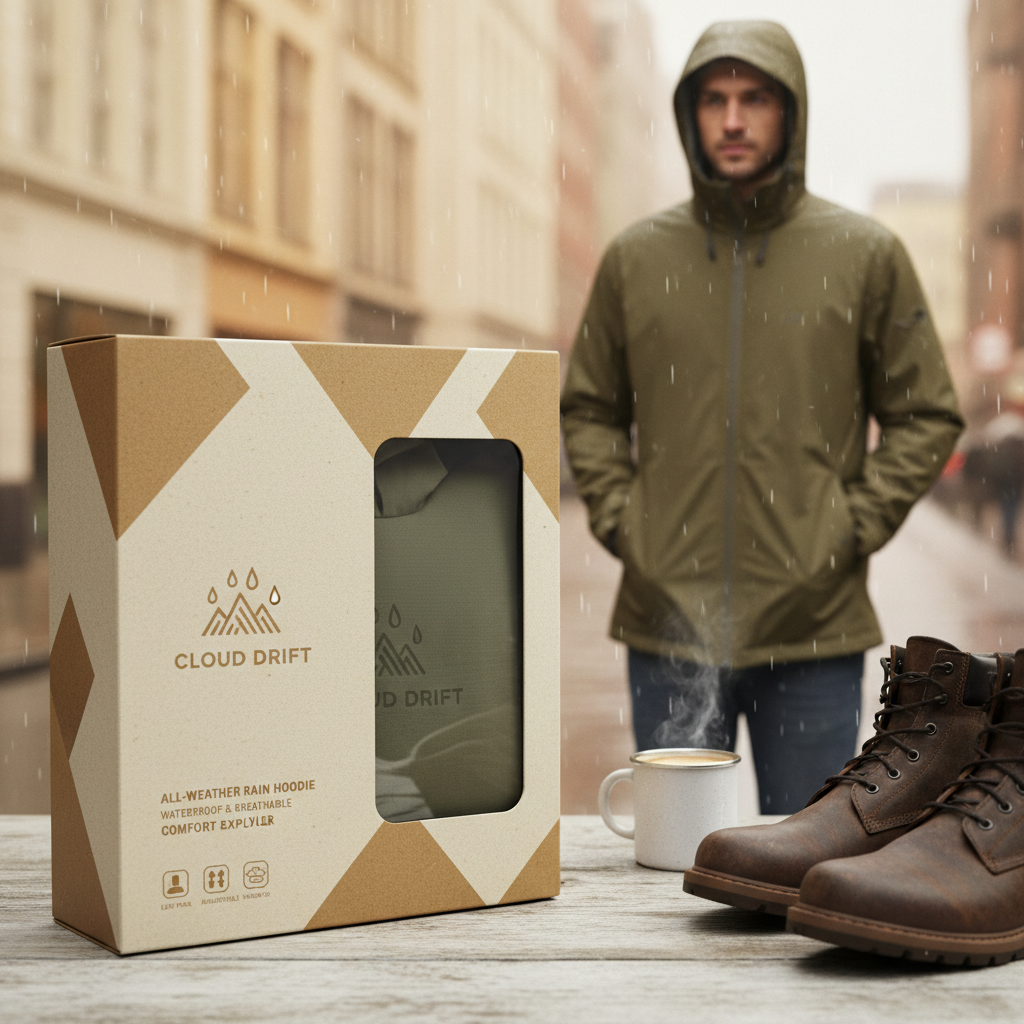
The Ultimate Guide to Choosing a Premium Mens Rain Hoodie
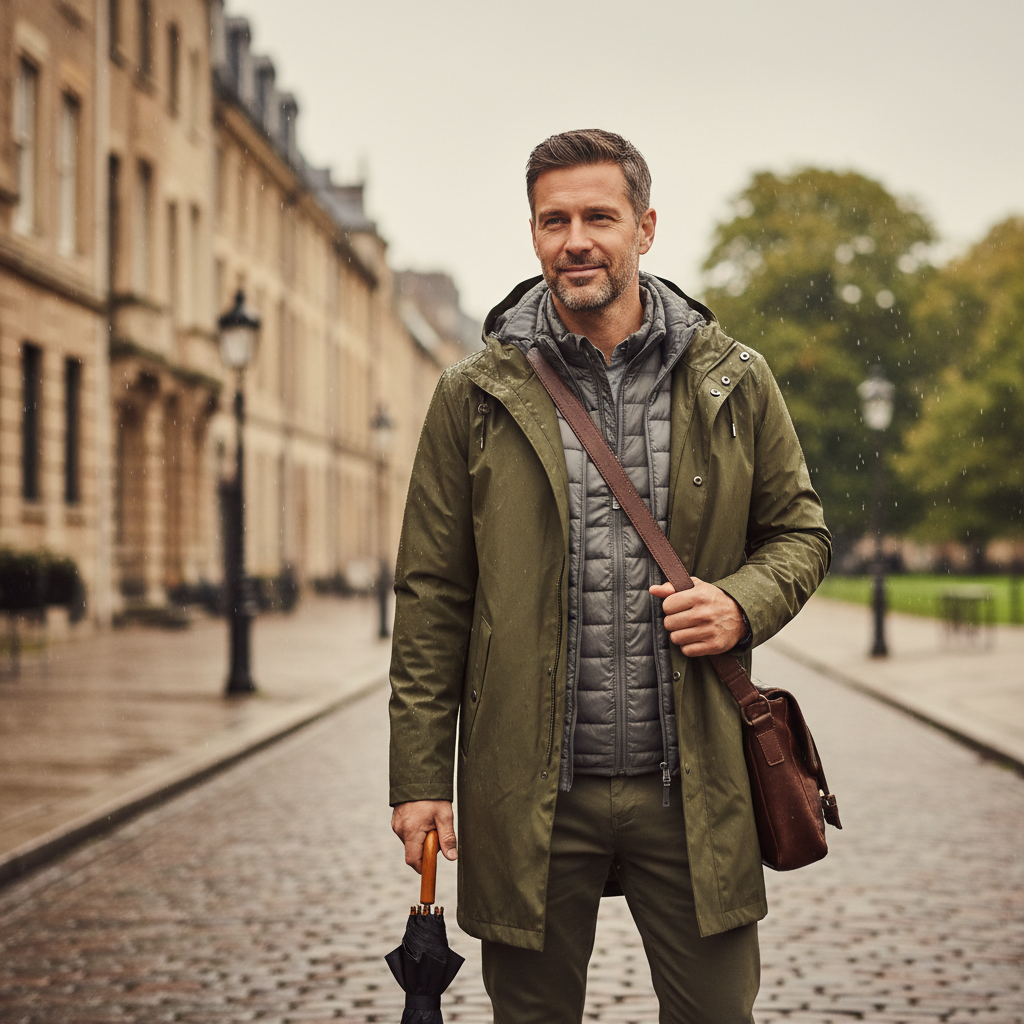
Facing unpredictable weather requires more than just a simple umbrella; it demands gear that blends functionality with modern aesthetics. A high-quality mens rain hoodie is the perfect solution for the modern man who refuses to let a downpour disrupt his day. Whether you are commuting to the office, hiking a misty trail, or running weekend errands, the right rainwear ensures you stay dry without sacrificing comfort. In this comprehensive guide, we will explore what makes a rain hoodie truly effective, from fabric technology to essential design features, helping you make an informed investment in your wardrobe.
2026-04-09 02:45:09
Best Mens Rain Coat with Removable Liner for All Weather Protection
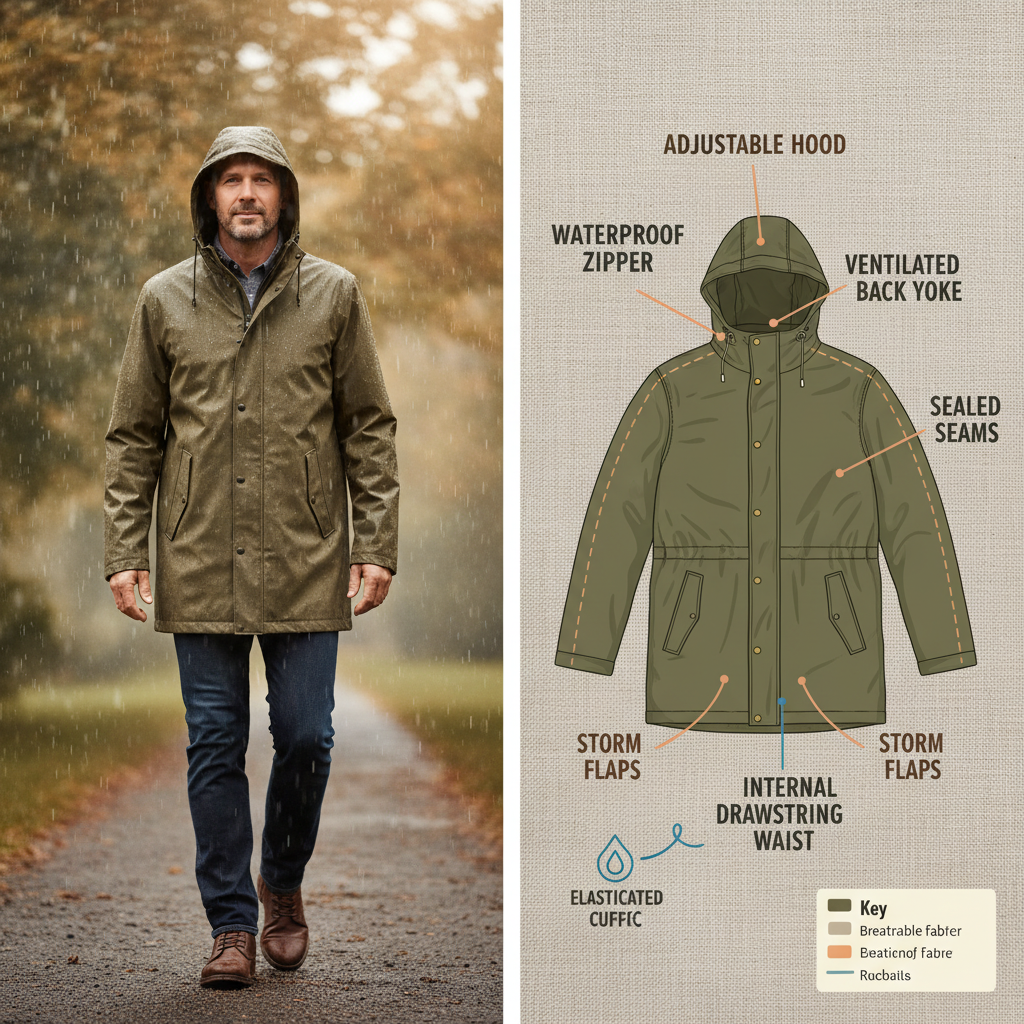
Facing unpredictable weather requires a wardrobe that is as flexible as your schedule. A mens rain coat with removable liner is the gold standard for versatility, offering a 2-in-1 solution that transitions seamlessly from a light spring drizzle to a freezing winter storm. Instead of cluttering your closet with multiple heavy jackets, a modular system allows you to customize your warmth based on the temperature. In this guide, we will explore why this specific design is essential for the modern man, how to identify high-quality materials, and how to maximize your investment for years of reliable protection.
2026-04-07 02:35:18
Comprehensive Guide to Selecting the Perfect Mens Rain Coat with Hood
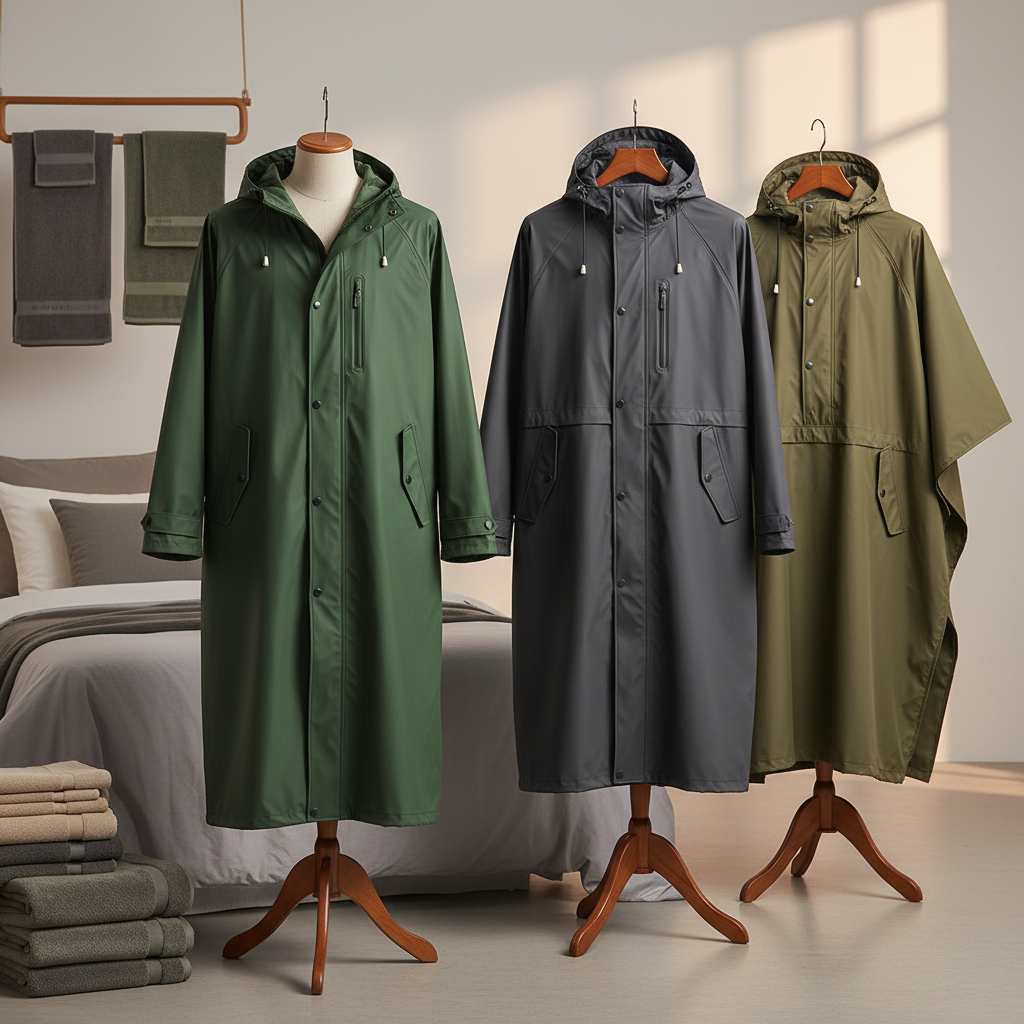
Finding the right mens rain coat with hood is crucial for staying dry and comfortable in wet weather. Whether you're commuting to work, enjoying outdoor activities, or simply running errands, a reliable raincoat can make all the difference. This article will explore the key features, benefits, and considerations when choosing a rain coat, helping you make an informed decision. We'll cover everything from materials and waterproofing to fit and style. Choosing a high-quality raincoat is an investment in your comfort and protection.
2026-04-04 02:45:18
Comprehensive Guide to Mens Rain Coat Waterproof Options and Features
Staying dry and comfortable in wet weather is crucial, and a high-quality mens rain coat waterproof is an essential part of any outdoor wardrobe. Choosing the right raincoat can make all the difference, protecting you from the elements while offering comfort and durability. This article will cover everything you need to know about waterproof raincoats, including materials, features, and how to choose the best one for your needs. We'll also highlight why SXZY Raincoat offers exceptional quality and value.

2026-03-31 02:35:27
Stylish Mens Rain Coat Dress for Ultimate Weather Protection
When the weather turns unpredictable, a stylish and functional mens rain coat dress is an essential addition to any wardrobe. No longer just about staying dry, rain coats have evolved into fashion statements, offering a blend of practicality and elegance. This article explores the benefits, styles, and key features to look for when choosing the perfect rain coat dress, ensuring you stay comfortable and on-trend, whatever the weather. We'll also highlight how SXZY Raincoat provides quality and style in their collection.
2026-03-28 02:55:02
Comprehensive Guide to Mens Rain Coat and Pants for Optimal Weather Protection
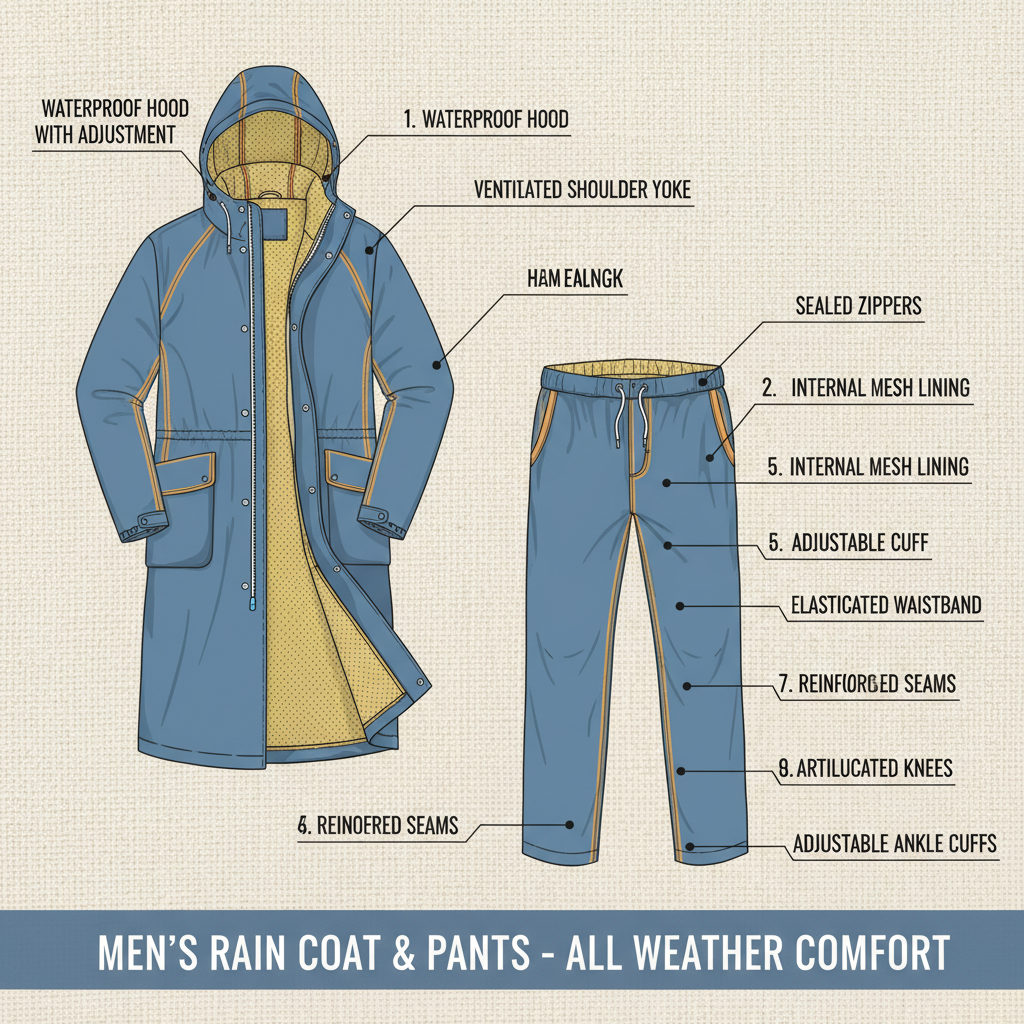
Staying dry and comfortable during inclement weather is crucial, and having the right rain gear can make all the difference. Mens rain coat and pants sets offer superior protection against rain, wind, and cold. This article will explore the benefits of owning a quality rain suit, factors to consider when choosing one, and highlight the exceptional products offered by sxzyraincoat.com. Invest in a reliable rain suit to ensure you're prepared for any weather challenge.
2026-03-26 02:35:30
Choosing the Right Mens Rain Coat for Optimal Weather Protection
Staying dry and comfortable in inclement weather is crucial, and selecting the right mens rain coat is paramount. From everyday commutes to outdoor adventures, a quality raincoat provides essential protection. This article will explore the key features to consider when choosing a mens rain coat, different types available, and how to find the perfect fit for your needs. We'll also highlight the benefits of investing in a durable and reliable raincoat that can withstand various weather conditions. The material of a mens rain coat significantly impacts its waterproofness, breathability, and durability. Common materials include PVC, polyurethane (PU), and Gore-Tex. PVC is affordable but less breathable, leading to discomfort during strenuous activity. PU offers a good balance of waterproofness and breathability. Gore-Tex is a premium option known for its exceptional waterproofness and breathability, making it ideal for demanding conditions.
2026-03-24 02:45:24
Mens Quilted Raincoat A Comprehensive Guide to Style and Weather Protection
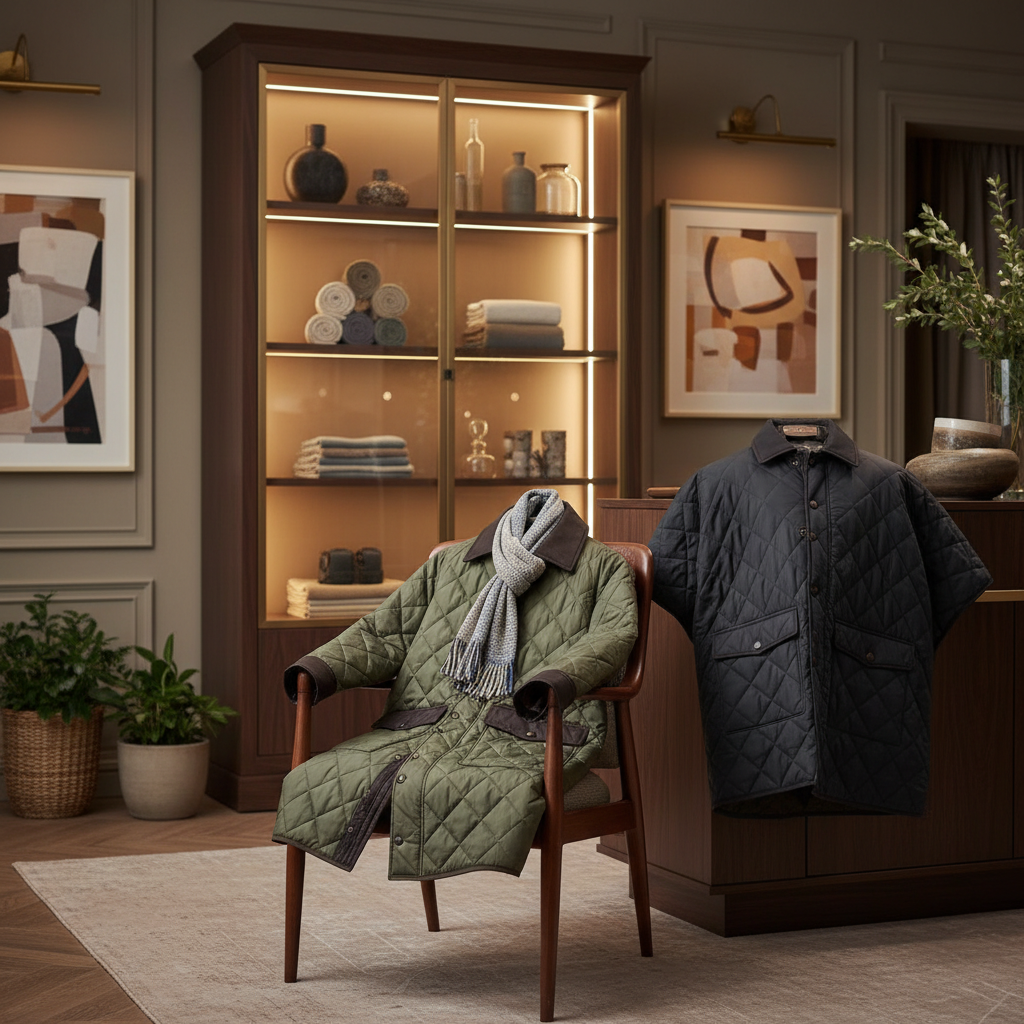
Finding the right raincoat is essential for staying dry and comfortable, especially when navigating unpredictable weather. A mens quilted raincoat offers a fantastic blend of practicality and style. This article delves into the benefits of quilted raincoats, key features to look for, how to choose the perfect fit, and care tips to ensure longevity. We'll explore why a quilted raincoat from SXZY Raincoat is an excellent investment for any weather condition. Quilted raincoats stand out due to their unique construction. The quilting process involves stitching layers of fabric together, typically with a layer of insulation in between. This not only adds a stylish aesthetic but also provides excellent warmth and comfort. Unlike standard raincoats that can feel stiff and uncomfortable, quilted versions offer a softer, more forgiving feel. The quilted design traps air, creating an insulating barrier against the cold, making them ideal for cooler, wetter climates.


