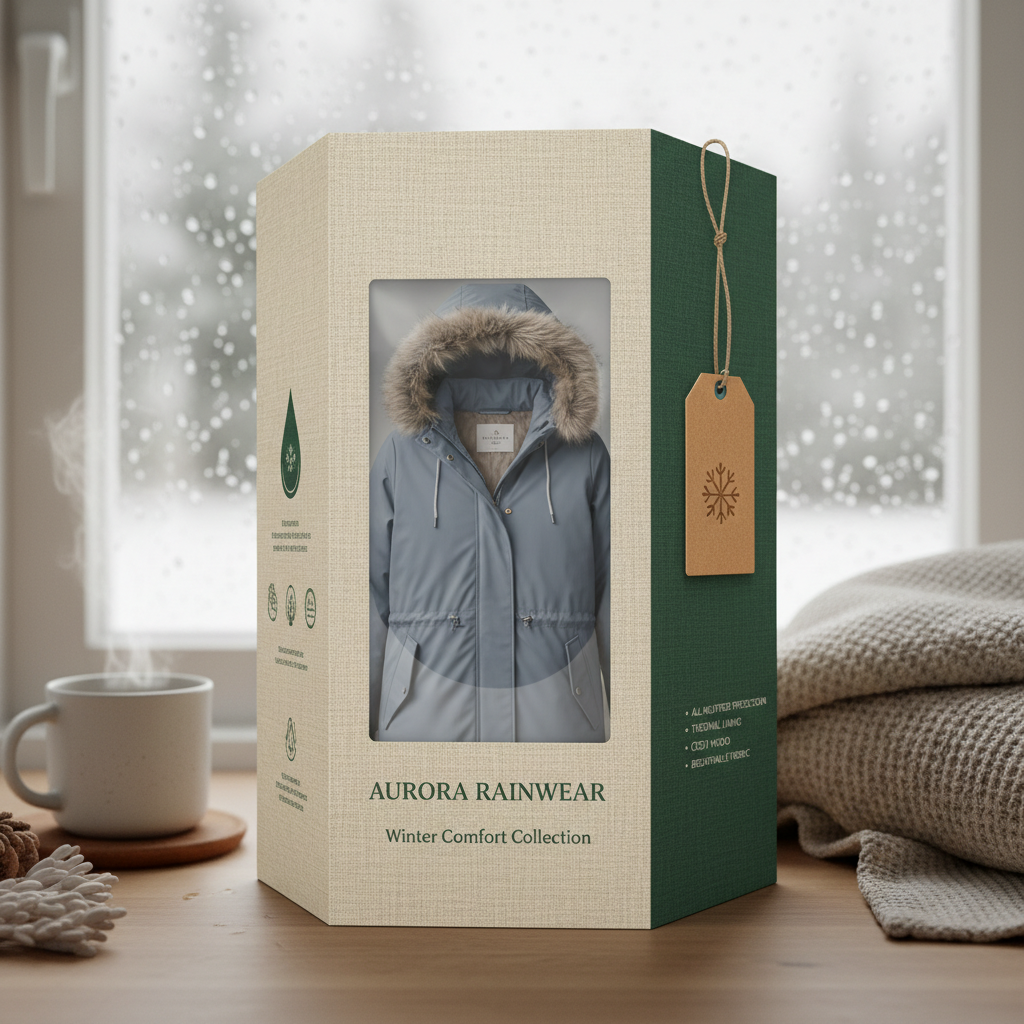
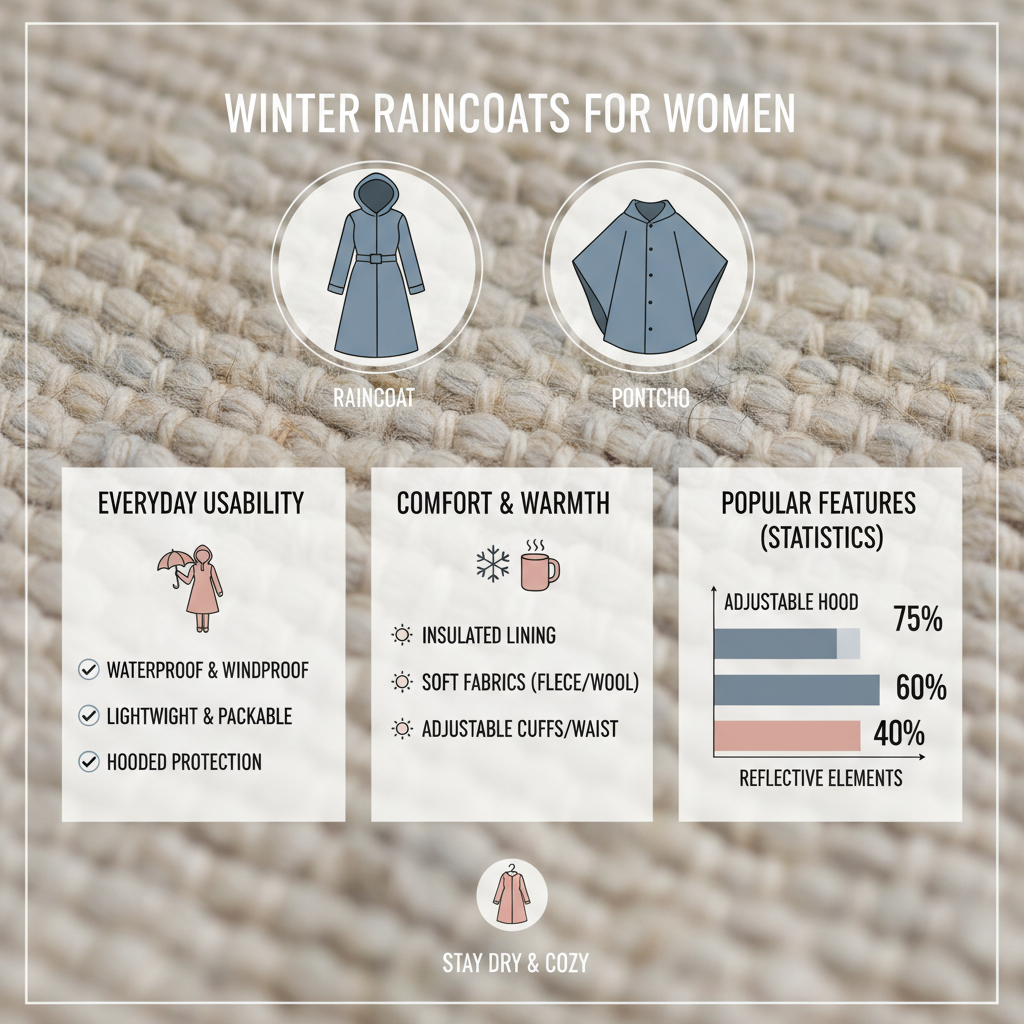
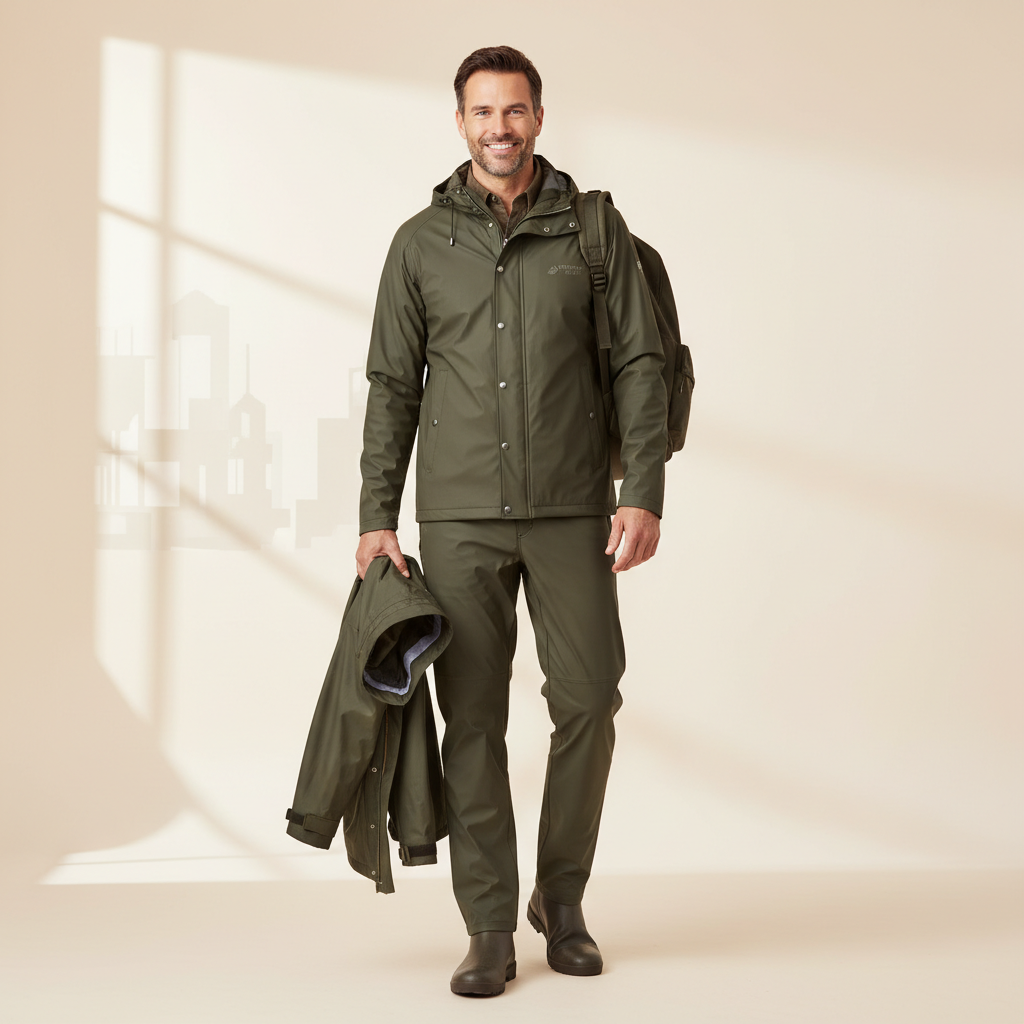
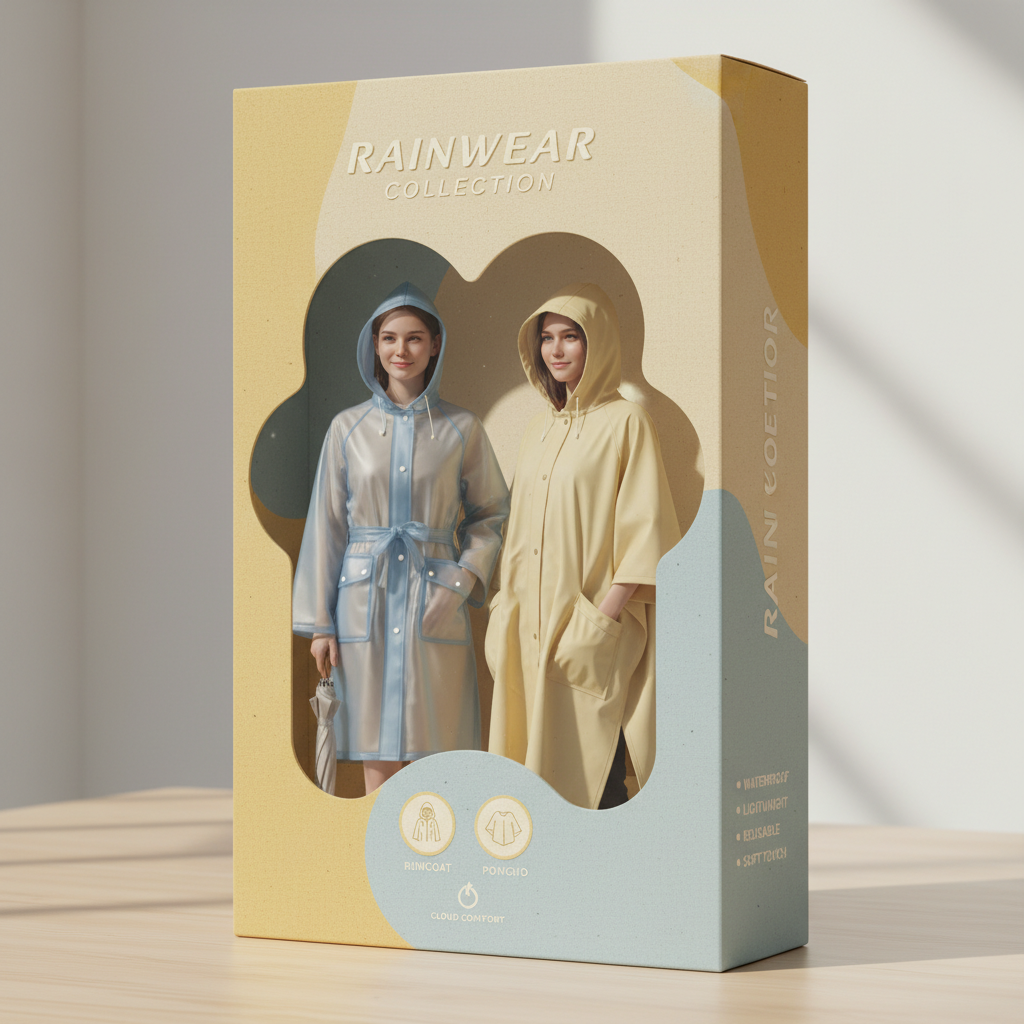
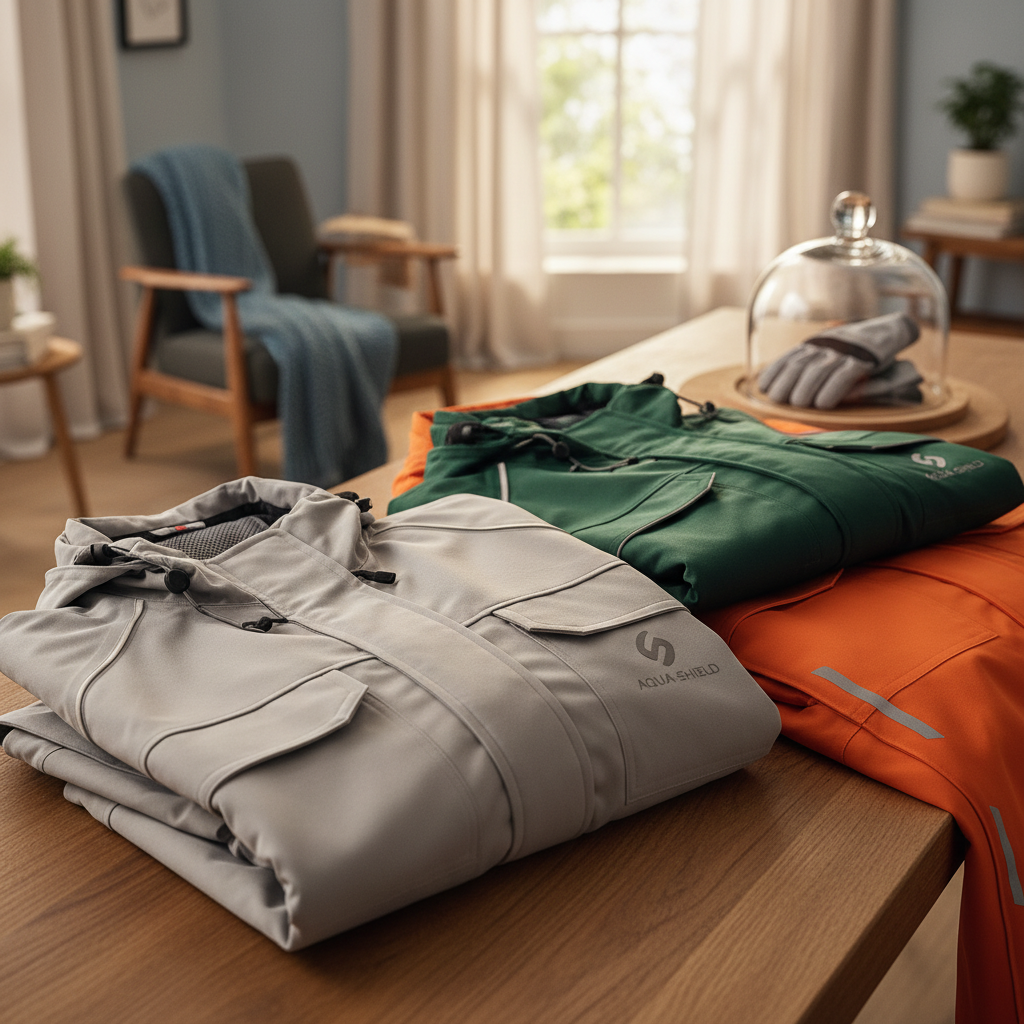
Ladies winter raincoats aren’t just about staying dry; they’re about facing the elements with confidence and practicality. From navigating city streets to braving rural conditions, a quality raincoat is an essential part of a winter wardrobe for women globally. The demand for these garments is driven by increasingly unpredictable weather patterns and a growing awareness of the importance of protective clothing. We're seeing a real shift towards durable, functional, and stylish options – not just throwaway fashion. ladies winter raincoats are increasingly sophisticated, incorporating technical fabrics and thoughtful design.
The global market for rainwear, including ladies winter raincoats, is significant and continues to expand. According to industry reports, the waterproof clothing market was valued at over $33 billion in 2023 and is projected to reach nearly $45 billion by 2030. This growth is fuelled by factors like rising disposable incomes, increased outdoor recreational activities, and the impact of climate change leading to more frequent extreme weather events. The Asia-Pacific region dominates the market, but North America and Europe represent substantial shares as well. We’re not just talking about fashion here; this is about providing essential protection for a large and growing population.
Simply put, ladies winter raincoats are waterproof or water-resistant outerwear specifically designed for women to wear during wet and cold winter conditions. They go beyond basic rain jackets by offering insulation, often through linings like fleece or down alternatives, and features tailored for harsher weather. They’re a crucial component of layering systems, offering protection against rain, snow, and wind. In today’s world, this isn’t just about comfort; it's about enabling people to continue their daily lives, work, and recreation safely, no matter the weather.
Key Factors of ladies winter raincoats
When it comes to ladies winter raincoats, several key factors dictate their performance and value. First, waterproof rating is critical; you need to know how much pressure the fabric can withstand before water starts to penetrate. This is often measured in millimeters. Second, breathability is crucial – a fully waterproof coat is useless if you’re soaked from sweat inside. Look for fabrics with a good Moisture Vapor Transmission (MVT) rate. Finally, durability comes down to the materials and construction. Reinforced seams, robust zippers, and abrasion-resistant fabrics are a must if you’re putting the coat through its paces.
Beyond the technical specs, fit and comfort are paramount. A poorly fitting coat will be uncomfortable and won’t offer adequate protection. Features like adjustable hoods, cuffs, and waistlines help dial in the fit. And don't underestimate the importance of style. A woman wants to feel good wearing her raincoat, so aesthetics matter alongside functionality.
The Evolution of ladies winter raincoats
Historically, raincoats were simple rubberized or waxed cotton garments. They were functional, but often heavy, stiff, and uncomfortable. The development of synthetic materials like PVC and polyurethane revolutionized the industry in the mid-20th century, offering lighter and more flexible options. However, these early synthetics often lacked breathability. The real game-changer came with the introduction of modern waterproof-breathable membranes like Gore-Tex in the 1970s. This technology allowed for true waterproof protection without sacrificing breathability.
Today, we’re seeing continued innovation in materials and construction techniques. Direct lamination processes, where the waterproof membrane is directly bonded to the face fabric, are becoming more common, resulting in lighter and more durable coats. We’re also seeing a focus on sustainable materials, like recycled polyester and bio-based waterproof coatings.
The design has also evolved, with manufacturers understanding women's specific body shapes and needs and creating flattering and functional styles. It's no longer about a boxy, oversized raincoat; it's about a tailored garment that performs and looks good.
Material Science in ladies winter raincoats
The core of any good ladies winter raincoat is the fabric. Nylon and polyester are the most common base materials, chosen for their strength, durability, and resistance to abrasion. However, it’s the coatings and membranes applied to these fabrics that provide the waterproof and breathable properties. Polyurethane (PU) coatings are a cost-effective option, offering good water resistance but generally lower breathability. Polytetrafluoroethylene (PTFE) membranes, like Gore-Tex, offer superior waterproofness and breathability but come at a higher price point.
Increasingly, we’re seeing the development of alternative waterproof membranes based on bio-based materials. These offer a more sustainable option, but often require trade-offs in performance. Durable Water Repellent (DWR) finishes are also crucial. These coatings are applied to the outer fabric to cause water to bead up and roll off, preventing the fabric from becoming saturated and losing its breathability. However, DWR finishes wear off over time and need to be reapplied.
The lining material also plays a role in overall comfort and warmth. Fleece linings provide excellent insulation, while smoother linings make it easier to layer garments underneath. The choice of material impacts both the cost and the overall performance of the raincoat.
Performance Metrics for ladies winter raincoats
Evaluating the performance of ladies winter raincoats isn’t just about feeling dry. There are several key metrics to consider. Waterproof Rating (Hydrostatic Head) measures the water pressure a fabric can withstand before leaking, measured in millimeters. A rating of 5,000mm is generally considered waterproof for light rain, while 10,000mm or higher is suitable for heavy rain and snow.
Breathability (Moisture Vapor Transmission – MVT) measures how much moisture vapor can pass through the fabric, preventing condensation build-up. This is measured in grams per square meter per 24 hours (g/m²/24h). Higher numbers indicate better breathability. Durability is often assessed through abrasion resistance tests, measuring the fabric’s ability to withstand wear and tear.
ladies winter raincoats Performance Ratings
Global Applications of ladies winter raincoats
The need for reliable ladies winter raincoats transcends geographical boundaries. In Northern Europe and Canada, where heavy precipitation and freezing temperatures are common, they are essential for everyday life. But the applications extend far beyond cold climates. In regions prone to monsoons, like Southeast Asia, a waterproof coat provides vital protection during the rainy season.
Industries that rely on outdoor work, such as construction, forestry, and agriculture, also heavily utilize ladies winter raincoats to ensure worker safety and productivity. Emergency responders and search and rescue teams require robust and reliable rain gear to operate effectively in challenging weather conditions.
Advantages of High-Quality ladies winter raincoats
Investing in a high-quality ladies winter raincoat offers numerous advantages. Firstly, it provides superior protection from the elements, keeping you dry and comfortable in even the harshest weather. This translates to improved health and well-being, reducing the risk of hypothermia and illness. Secondly, a durable raincoat will last for years, saving you money in the long run compared to cheaper, disposable alternatives.
Thirdly, a well-designed raincoat can enhance your outdoor experience, allowing you to enjoy activities regardless of the weather. Finally, choosing a raincoat made from sustainable materials contributes to a more environmentally responsible lifestyle.
Future Trends in ladies winter raincoats
We’re on the cusp of some exciting innovations in ladies winter raincoats. Graphene-enhanced fabrics, offering increased strength, waterproofness, and breathability, are showing promise. Self-healing fabrics, capable of repairing minor tears and abrasions, could significantly extend the lifespan of a raincoat. And we’re seeing a growing focus on personalization, with manufacturers offering customizable options in terms of fit, color, and features.
Sustainability will continue to drive innovation, with increasing use of recycled materials and bio-based coatings. Smart raincoats, incorporating sensors and connectivity features, could provide real-time weather updates and even monitor the wearer’s physiological data. And, of course, expect to see further refinements in design, focusing on both aesthetics and functionality.
The future of ladies winter raincoats is about marrying cutting-edge technology with a commitment to sustainability and user-centric design.
Summary of Key Features for Evaluating ladies winter raincoats
| Feature Category |
Key Metrics |
Importance Level (1-10) |
Typical Range |
| Waterproofing |
Hydrostatic Head |
9 |
5,000mm – 20,000mm+ |
| Breathability |
MVT (g/m²/24h) |
8 |
5,000 – 20,000+ |
| Durability |
Abrasion Resistance |
7 |
30,000+ Martindale Cycles |
| Fit & Comfort |
Adjustability, Ergonomics |
8 |
Subjective - User Preference |
| Material Composition |
Nylon, Polyester, Membrane Type |
6 |
Variable - Depends on Budget |
| Sustainability |
Recycled Content, Bio-based Materials |
5 |
Increasingly Available |
FAQS
A 10,000mm waterproof rating indicates that the fabric can withstand 10,000mm of water pressure before leaking. In practical terms, this means the raincoat is suitable for moderate to heavy rain and snow. It's generally considered a good level of waterproofness for everyday use and most outdoor activities. However, prolonged exposure to very heavy rain might eventually lead to some saturation.
Breathability is crucially important! A raincoat needs to allow moisture vapor (sweat) to escape to prevent you from feeling clammy and uncomfortable. It’s measured by MVT (Moisture Vapor Transmission) in grams per square meter per 24 hours (g/m²/24h). Higher numbers mean better breathability. Aim for at least 5,000 g/m²/24h for moderate activity and 10,000+ for vigorous activity.
A DWR (Durable Water Repellent) finish is a coating applied to the outer fabric to make water bead up and roll off. It doesn't make the fabric waterproof on its own. A waterproof membrane (like Gore-Tex) is a layer inside the fabric that physically blocks water from getting through. DWR enhances the membrane’s performance by preventing the outer fabric from becoming saturated, which can reduce breathability.
Regularly washing your raincoat is important, but use a tech wash specifically designed for waterproof fabrics. Avoid using regular detergents, fabric softeners, and bleach, as these can damage the waterproof coating. Periodically reapply a DWR treatment to restore water repellency. And store your raincoat properly – hang it up or fold it loosely to avoid creases.
Absolutely! Look for raincoats made from recycled materials (like recycled polyester) and those with PFC-free DWR treatments. PFCs (perfluorinated chemicals) are harmful to the environment. Bio-based waterproof membranes are also emerging as a more sustainable alternative. While they may not always offer the same level of performance as traditional membranes, they're a good option for those prioritizing eco-friendliness.
A well-made ladies winter raincoat, with proper care, should last for several years – typically 5-10 years or even longer. The lifespan depends on how frequently it's used, the intensity of use, and how well it’s maintained. Investing in a higher-quality coat with durable materials and construction will generally result in a longer-lasting product.
Conclusion
Ladies winter raincoats have evolved from simple protective garments to sophisticated, high-performance outerwear. Understanding the key factors – waterproofness, breathability, durability, and fit – is crucial for selecting a coat that meets your needs. The advancements in material science and design are continually improving the performance and sustainability of these essential garments.
Looking ahead, we can expect to see even more innovative materials and technologies emerge, driving further improvements in comfort, protection, and environmental responsibility. By choosing wisely and investing in quality, women can confidently face any weather challenge while enjoying the outdoors in style and comfort. For a wide selection of high-quality ladies winter raincoats, visit our website: www.sxzyraincoat.com