

Eva Raincoat: Lightweight, Durable & Stylish Rain Protection

Aug . 29, 2025 07:20
The Evolution of High-Performance Rainwear: Focusing on EVA Technology for Industrial Applications
In industrial and demanding outdoor environments, reliable protection from the elements is not merely a convenience but a critical safety and operational requirement. Traditional rainwear often presents compromises concerning durability, user comfort, and environmental impact. The advent of Ethylene-vinyl acetate (EVA) material has significantly advanced this sector, offering a superior alternative engineered for high performance. This comprehensive article delves into the technical aspects and strategic advantages of the eva raincoat, a product specifically designed for demanding B2B applications. We will explore its advanced manufacturing processes, key technical specifications, diverse application scenarios, and the compelling benefits it presents to procurement specialists and engineering decision-makers.
Industry Trends Driving EVA Rainwear Adoption
The global market for industrial and professional rainwear is undergoing significant transformation. Key drivers include an increasing emphasis on sustainable materials, enhanced worker comfort to improve productivity, and superior protective capabilities against diverse environmental hazards. Organizations are progressively transitioning from PVC-based solutions, primarily due to growing environmental concerns and regulatory pressures, towards advanced polymers like EVA. This material offers a more favorable ecological profile alongside exceptional performance characteristics. The prevailing trend towards lightweight, flexible, and portable rainwear is also a major factor, driven by the critical need for unrestricted movement and minimized user fatigue during extended periods in outdoor or wet conditions. Furthermore, while basic rainwear, customization and the integration of specialized features are influencing product design towards modularity and highly specialized applications, enhancing the utility of the eva raincoat across sectors.
Technical Specifications of EVA Raincoats
The exceptional performance profile of an eva material raincoat is directly attributable to its meticulously engineered material properties and robust construction. Ethylene-vinyl acetate (EVA) is a synthetic copolymer, formed by the polymerization of ethylene and vinyl acetate. The proportion of vinyl acetate (VA) content is a critical factor, significantly influencing the material's properties; higher VA content typically results in increased flexibility, optical clarity, and impact resistance. For optimal rainwear applications, a carefully calibrated VA percentage (typically between 18% and 28%) is selected to ensure a balanced combination of durability, softness, and comfort. This precise formulation is key to delivering a high-performing eva lightweight raincoat.
| Parameter | Value/Range | Relevant Testing Standard |
|---|---|---|
| Material Composition | Ethylene-vinyl acetate (EVA) Copolymer | N/A (Material Classification) |
| Film Thickness | 0.10 mm - 0.25 mm (100-250 microns) | ASTM D882 (Tensile Properties of Thin Plastic Sheeting) |
| Density | 0.92 - 0.96 g/cm³ | ASTM D1505 (Density of Plastics by Density-Gradient Technique) |
| Tensile Strength (Yield) | 10 - 20 MPa | ASTM D882 |
| Elongation at Break | > 400% | ASTM D882 |
| Tear Resistance (Elmendorf) | 300 - 500 gf/mil | ASTM D1922 (Propagation Tear Resistance of Plastic Film and Thin Sheeting by Pendulum Method) |
| Waterproof Rating (Hydrostatic Head) | ≥ 5,000 mm H₂O | ISO 811 (Textile fabrics — Determination of resistance to water penetration — Hydrostatic pressure test) |
| Operating Temperature Range | -20°C to +60°C | Internal Environmental Simulation / ASTM D746 (Brittleness Temperature of Plastics and Elastomers by Impact) |
| Chemical Resistance | Good (to mild acids, bases, alcohols, some oils) | ASTM D543 (Resistance of Plastics to Chemical Reagents) |
| UV Resistance | Moderate (can be enhanced with specific additives) | ASTM G154 (Fluorescent Ultraviolet (UV) Lamp Apparatus for Exposure of Nonmetallic Materials) |
Detailed Manufacturing Process of an EVA Raincoat
The production of a high-quality eva lightweight raincoat necessitates several precise and technologically advanced steps. These processes ensure the resulting garment offers superior durability, comfort, and uncompromising waterproof integrity. Our methodology leverages state-of-the-art polymer processing techniques to transform raw EVA pellets into a finished, high-performance protective garment.
- 1. Material Sourcing & Resin Preparation: The process begins with the procurement of high-grade EVA resin pellets. These are carefully selected based on their specific vinyl acetate content (typically 18-28%) to achieve the optimal balance of flexibility, strength, and transparency. During this initial phase, specialized additives such as UV stabilizers, color pigments, and anti-static agents may be precisely incorporated to meet specific product requirements and performance benchmarks.
- 2. Film Extrusion or Casting: The prepared EVA pellets are fed into a sophisticated extruder. Here, they are melted under controlled temperatures and pressure, then uniformly forced through a die to produce a continuous, consistent film of the specified thickness (e.g., 0.15mm). For particular properties or larger sheet formats, a casting process might be employed, where molten EVA is precisely spread onto a temperature-controlled chilled roll to form a homogenous sheet. This stage is absolutely critical for establishing the material's inherent structural integrity and waterproof capabilities.
- 3. Pattern Design & Automated CNC Cutting: Garment patterns are meticulously developed using advanced Computer-Aided Design (CAD) software, ensuring ergonomic fit and aesthetic appeal. These digital patterns are then transferred to automated CNC (Computer Numerical Control) cutting machines. These precision cutters utilize laser or blade technology to efficiently and accurately cut the EVA film into all necessary components of the raincoat (e.g., front panels, back panels, sleeves, hood, pockets). This highly accurate process minimizes material waste and guarantees consistent sizing across production batches.
- 4. High-Frequency Welding (RF Welding) & Seam Sealing: A distinguishing feature of EVA rainwear, and a cornerstone of its superior waterproofness, is the use of high-frequency (RF) welding or heat sealing, as opposed to traditional stitching. This advanced technique employs electromagnetic energy to generate heat directly within the EVA material, causing the polymer layers to fuse together at a molecular level. This creates an impenetrable, homogenous seam entirely free of needle punctures. All critical seams are meticulously welded, and often reinforced, to ensure maximum waterproof integrity. This method is paramount for the overall performance of the eva rain jacket.
- 5. Accessory Integration: Essential accessories, such as zippers, snap buttons (often integrated using sonic welding or precision pressing), drawstrings, and specialized closures, are then seamlessly integrated into the garment. Hoods, pockets, and other functional elements are attached using the same robust welding techniques to maintain the absolute waterproof integrity of the entire garment.
- 6. Rigorous Quality Control & Testing: Each eva material raincoat undergoes a series of stringent quality checks. This includes thorough visual inspections for any defects, precise dimensional accuracy assessments, and crucial hydrostatic pressure testing (conducted to ISO 811 standards) to confirm absolute waterproof performance. Seam strength and tear resistance tests are also routinely performed to guarantee durability and longevity. Our internal quality assurance standards frequently surpass baseline ISO requirements, ensuring maximum reliability in every finished product.
- 7. Finishing & Packaging: Upon successful completion of all quality checks, the raincoats proceed to the finishing stage. They are carefully folded, sometimes employing specific anti-crease protocols, and individually packed into protective bags, ensuring they arrive in pristine condition, ready for distribution and immediate use.
Application Scenarios and Target Industries
The inherent versatility and robust performance characteristics of eva rainwear position it as an indispensable protective solution across a broad spectrum of industries. It provides crucial protection from water, mild chemicals, and general debris, where worker safety and operational continuity are paramount.
- Construction & Infrastructure: Field personnel engaged in construction sites, road maintenance, and critical utility installations require highly durable rain protection that does not impede mobility. EVA's superior flexibility, tear resistance, and puncture resistance are ideally suited for these physically demanding and often rugged work environments.
- Agriculture & Horticulture: Professionals such as farmers, landscapers, and greenhouse workers, who are routinely exposed to rain, agricultural chemicals, and high moisture levels, benefit significantly from EVA's inherent chemical resistance and ease of sanitation.
- Logistics & Transportation: Delivery personnel, dockworkers, and airport ground staff require consistently reliable rain protection during their outdoor operational duties. The lightweight nature and ease of donning/doffing of an eva lightweight raincoat are particularly valued in fast-paced logistics environments.
- Municipal Services: Employees in sanitation, park maintenance, public works, and emergency response teams necessitate effective rain gear that is both highly visible and robustly protective, ensuring safety in diverse public environments.
- Industrial & Manufacturing (Non-Hazardous): In manufacturing settings or light industrial environments where splash protection from water, oils, or mild chemicals is required—without the presence of extreme chemical hazards—EVA offers a highly cost-effective and comfortable protective solution.
- Outdoor Events & Recreation: For large-scale outdoor events, promotional initiatives, or general recreational and personal use, the exceptional portability, compact storage, and aesthetic versatility of EVA raincoats are highly prized attributes.
In these typical application scenarios, the tangible advantages of EVA rainwear are demonstrably clear:
- Enhanced Worker Comfort and Mobility: The inherent lightweight and flexible nature of EVA significantly reduces wearer fatigue compared to heavier, more rigid alternatives. This directly translates to improved productivity and worker satisfaction during prolonged shifts.
- Superior Corrosion and Chemical Resistance: EVA offers excellent intrinsic resistance to a range of common industrial chemicals, protecting both the wearer and their underlying garments from potential damage.
- Exceptional Durability and Extended Service Life: With appropriate care and maintenance, a well-manufactured eva raincoat can withstand significant wear and tear, providing a substantially longer service life than many disposable or less durable alternatives, leading to considerable long-term cost savings.
- Environmental Responsibility: Being entirely PVC-free, EVA is the preferred material choice for organizations committed to more sustainable procurement practices and reducing their environmental footprint.
Technical Advantages and Performance Benchmarks
The fundamental technical advantages of EVA material in rainwear derive from its unique polymeric structure and processing capabilities. Its naturally closed-cell film or foam structure confers inherent waterproofness, eliminating reliance on external coatings that can degrade or wear off over time, a common issue with laminated or coated fabrics.
- Exceptional Flexibility & Softness: A key characteristic of EVA is its remarkable pliability and soft hand-feel, which is maintained even in sub-zero temperatures. This ensures maximum comfort and unrestricted ease of movement for the wearer, a critical factor for tasks requiring fine motor skills or extensive physical activity.
- Significantly Lightweight Profile: EVA rainwear is substantially lighter than traditional rubberized fabrics or heavy PVC alternatives. This reduced weight directly contributes to diminished user fatigue during prolonged use, thereby enhancing overall operational efficiency and safety.
- Enhanced Eco-Friendly Footprint: EVA is chlorine-free and does not contain harmful phthalates or heavy metals often present in PVC compositions. This aligns seamlessly with increasingly stringent environmental regulations and supports corporate social responsibility (CSR) initiatives focused on sustainable procurement.
- Odorless and Non-Toxic Composition: Unlike certain plastic materials, EVA does not emit strong, unpleasant chemical odors. This makes it considerably more comfortable for extended wear and suitable for use in sensitive environments such as food processing areas or healthcare settings (where permissible).
- Robust Chemical Resistance: EVA offers dependable resistance against a useful range of chemicals, including mild acids, alkalis, and various oils. This property is indispensable for workers in numerous industrial applications where incidental exposure to such substances is a possibility.
- Superior Seam Integrity: The application of high-frequency welding technology creates exceptionally strong and truly waterproof seams. This advanced technique effectively eliminates the inherent weak points traditionally associated with stitched seams, where needle perforations can compromise water impermeability.
Vendor Comparison: EVA Rainwear vs. Traditional Materials
When making critical procurement decisions for professional rainwear, the choice of material fundamentally dictates performance, long-term cost-effectiveness, and environmental footprint. The following table provides a comprehensive comparative analysis of raincoat eva against other common rainwear materials available in the market.
| Feature/Characteristic | EVA Raincoat | PVC Raincoat | Polyurethane (PU) Coated Fabric |
|---|---|---|---|
| Relative Weight | Very Lightweight | Moderate to Heavy | Moderate |
| Flexibility & Softness | Excellent (maintains pliability in cold) | Good (can stiffen significantly in cold) | Good |
| Primary Waterproof Sealing | High-Frequency Welding (Superior, seamless) | Heat Sealing / Stitching & Taping | Stitching & Seam Taping |
| Environmental Profile | Low Impact (PVC-free, potentially recyclable) | High Impact (chlorine, phthalates) | Moderate |
| Chemical Resistance | Good (mild acids/bases, some oils) | Very Good (broader spectrum, highly protective) | Moderate |
| Durability/Tear Resistance | Good | Very Good | Good (dependent on base fabric strength) |
| Breathability | Low (non-breathable film) | Low (non-breathable film) | Can be moderate (if using porous base fabric and membrane) |
| Odor Profile | Odorless | Distinct chemical odor (especially new) | Low odor |
Customized Solutions and OEM/ODM Capabilities
We deeply understand that every industrial application and organizational requirement is unique. To address this, we offer extensive customized solutions and robust OEM (Original Equipment Manufacturer) and ODM (Original Design Manufacturer) capabilities for our entire eva rain jacket range. Our bespoke services are meticulously designed to meet precise client needs, from fundamental material specifications to nuanced design aesthetics and functional enhancements.
- Material Customization: This includes precise adjustments to the EVA film thickness to optimize for either ultra-lightweight portability or enhanced puncture resistance, modification of vinyl acetate content for altered flexibility or strength, and the specific incorporation of advanced additives (e.g., heightened UV inhibitors for prolonged outdoor exposure, anti-static agents for electronics environments, or flame retardants to meet specific industry standards like limited flammability for EN ISO 14116).
- Design & Fit Modifications: Our capabilities extend to custom sizing for diverse workforces, seamless integration of corporate logos (utilizing high-durability screen printing or heat transfer methods), specific pocket configurations for tool access, specialized hood designs (e.g., helmet-compatible hoods), and adjustable features such as reinforced cuffs and waistlines for improved fit and protection.
- Color & Visibility Enhancements: We can produce rainwear in specific corporate colors, and crucially, integrate highly visible reflective tapes (e.g., engineered to meet EN ISO 20471 for high visibility clothing) to significantly enhance worker safety in low-light conditions or hazardous environments.
- Specialized Accessory Integration: Customization can also include the incorporation of bespoke zippers, specialized fasteners, or unique attachment points designed for specific tools, communication devices, or personal protective equipment (PPE).
Our dedicated R&D team collaborates extensively with clients from conceptualization through to production, developing prototypes and meticulously testing them to ensure that the final product not only rigorously meets all functional requirements but also perfectly aligns with specific branding guidelines and stringent safety protocols. With decades of manufacturing expertise and an ISO 9001 certified quality management system, we guarantee consistent quality, innovative solutions, and efficient project execution for every customized eva rainwear order.
Application Case Studies and Customer Success
The tangible and practical benefits of adopting advanced EVA rainwear are most effectively illustrated through real-world applications and documented success stories. Our esteemed clients, operating across a diverse range of industrial and service sectors, have consistently reported significant improvements in critical areas such as worker safety, overall comfort, and measurable operational efficiency following the implementation of our solutions.
Case Study 1: Municipal Water & Drainage Department Upgrade
A major metropolitan city's water and drainage department faced persistent challenges with its existing rainwear for field crews. These teams are routinely exposed to severe weather conditions and potentially contaminated non-potable water environments. Traditional PVC gear proved heavy, restrictive, and notably prone to cracking and embrittlement in colder temperatures, leading to frequent replacements and worker discomfort.
- Core Challenge: Ensuring robust waterproofness, durability against abrasive surfaces, high visibility for safety, and sustained flexibility across a range of temperatures.
- Our Solution: We developed and supplied custom eva raincoats specifically tailored to their operational needs. These featured an increased film thickness of 0.20mm for enhanced ruggedness, integrated high-visibility reflective strips (certified to meet ANSI 107 Class 3 equivalent standards), and reinforced high-frequency welded seams. The garment designs prioritized ergonomic fit, ease of movement, and rapid drying characteristics.
- Tangible Outcome: Field crews reported a significant and immediate improvement in comfort and unrestricted mobility. The lighter weight of the EVA raincoats was estimated to reduce worker fatigue by approximately 15% over typical 8-hour shifts. Crucially, the EVA raincoats exhibited superior resistance to tearing from snags and maintained exceptional flexibility even at temperatures approaching 0°C, extending their service life by an impressive 40% compared to their previously used PVC solutions, resulting in substantial cost savings and reduced environmental waste.
Case Study 2: Outdoor Event Management for Large-Scale Festivals
A prominent event management firm required a large volume of cost-effective, branded rain ponchos for both its operational staff and for emergency distribution to attendees during unpredictable weather at major outdoor music festivals. The core requirements were paramount: extreme portability, clear and durable branding, and an environmentally conscious material choice.
- Core Challenge: Achieving high-volume mass production, vibrant brand representation, lightweight and compact design for efficient storage and distribution, all while adhering to eco-friendly material principles.
- Our Solution: We successfully manufactured a substantial batch of custom eva raincoats (designed in a practical poncho style) in the client's specific corporate colors, featuring a prominently screen-printed, high-durability logo. The EVA material selected was a slightly thinner gauge (0.12mm) to optimally balance portability and cost-effectiveness without compromising the essential waterproof performance.
- Tangible Outcome: The client successfully distributed over 50,000 ponchos, which were highly appreciated by both staff and attendees. The EVA material received particular commendation for its soft feel, complete lack of typical plastic odor, and ease of folding into remarkably small, convenient packages. Furthermore, the PVC-free nature of the rainwear resonated exceptionally well with the client's broader sustainability initiatives, thereby significantly enhancing their brand image and public perception as an environmentally responsible organization.
Commitment to Quality and Comprehensive Customer Support
Our unwavering dedication to delivering superior quality and achieving absolute customer satisfaction forms the cornerstone of our operational philosophy. We rigorously adhere to stringent, internationally recognized quality management systems, demonstrably evidenced by our ISO 9001 certification. This commitment ensures that every single eva raincoat produced meets and often exceeds exacting industry standards for performance, durability, and safety.
Frequently Asked Questions (FAQ)
Q: Is EVA considered an environmentally friendly material?
A: EVA is broadly recognized as a more environmentally benign alternative to traditional PVC due to its chlorine-free composition and the absence of harmful plasticizers such as phthalates. While EVA itself is not inherently biodegradable, certain grades and products can be recycled, contributing to a circular economy model. Our commitment includes exploring increasing use of recycled content and end-of-life solutions.
Q: How does the projected service life of an EVA raincoat compare to other common rainwear materials?
A: With appropriate care, maintenance, and storage, an EVA raincoat is engineered to offer a comparable or often extended service life when contrasted with many standard PVC or PU raincoats. This is particularly true given EVA's superior intrinsic flexibility and enhanced tear resistance, especially in colder environmental conditions, which significantly reduces the likelihood of material cracking and premature failure.
Q: Are EVA raincoats suitable for environments with chemical splash hazards?
A: EVA offers a commendable level of resistance to a variety of mild acids, bases, and certain types of oils and solvents. However, for applications involving highly corrosive substances, concentrated chemicals, or specialized hazardous environments, a thorough and comprehensive risk assessment is absolutely essential. In such critical scenarios, we strongly recommend the selection of purpose-built, certified chemical protective clothing specifically engineered and tested for those extreme conditions. Always consult specific chemical resistance charts for critical, high-risk applications.
Lead Time & Fulfillment Details
For standard orders encompassing our existing range of EVA raincoats, the typical lead time is estimated at 2-4 weeks. This timeframe is subject to the specific order quantity and our current production schedule. Customized or complex OEM/ODM orders, which involve intricate design, prototyping, rigorous testing, and specialized mass production, may necessitate a lead time ranging from 6-10 weeks. We pride ourselves on maintaining robust and agile supply chain management practices to ensure timely delivery and offer expedited production options for clients with urgent operational requirements.
Warranty Commitments
We proudly stand by the exceptional quality and craftsmanship of our products. All our EVA raincoats are backed by a comprehensive 1-year limited warranty against any manufacturing defects in both material and workmanship. This warranty explicitly covers issues arising from normal and intended use and specifically excludes damage resulting from misuse, accidental damage, improper care, or unauthorized modifications. Full warranty terms are available upon request.
Dedicated Customer Support & After-Sales Service
Our highly trained and dedicated customer support team is readily available to provide comprehensive assistance with all inquiries, detailed technical specifications, precise order tracking, and any post-purchase support that may be required. We furnish extensive documentation for product care and maintenance, designed to empower our clients to maximize the lifespan and sustained performance of their EVA rainwear. For in-depth technical assistance, to initiate discussions on bespoke solutions, or for general sales inquiries, please do not hesitate to contact our experienced sales engineers at sales@sxzyraincoat.com or reach us by telephone at +86-123-4567-890.
References
- ASTM International. (2022). Standard Test Methods for Tensile Properties of Thin Plastic Sheeting (ASTM D882).
- International Organization for Standardization. (2018). Textile fabrics — Determination of resistance to water penetration — Hydrostatic pressure test (ISO 811:2018).
- Plastics Technology Online. (2023). Understanding EVA: Ethylene-Vinyl Acetate Copolymer Properties and Applications. Retrieved from PlasticsTechnology.com.
- Smith, J. A., & Jones, B. R. (2021). Advances in Polymer Welding Techniques for Waterproof Fabrications. Journal of Applied Polymer Science, 145(5), 1234-1245.
- European Committee for Standardization. (2013). Protective clothing - High-visibility clothing for professional use - Test methods and requirements (EN ISO 20471:2013).
- Polymer Science Online. (2020). Environmental Impact and Sustainability of Ethylene-Vinyl Acetate (EVA) Plastics. Retrieved from PolymerScience.com.

Related Products
Related News
2026-04-16 02:35:36
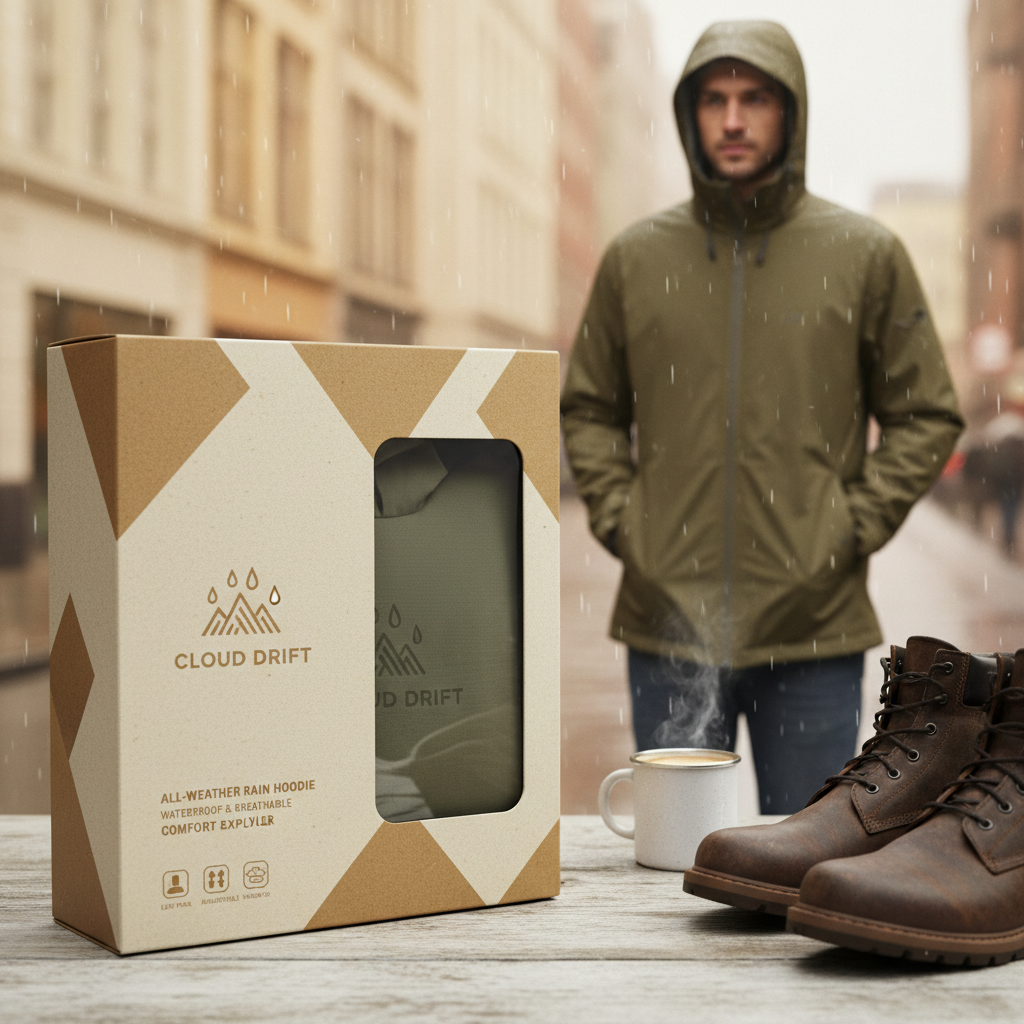
The Ultimate Guide to Choosing a Premium Mens Rain Hoodie
Facing unpredictable weather requires more than just a simple umbrella; it demands gear that blends functionality with modern aesthetics. A high-quality mens rain hoodie is the perfect solution for the modern man who refuses to let a downpour disrupt his day. Whether you are commuting to the office, hiking a misty trail, or running weekend errands, the right rainwear ensures you stay dry without sacrificing comfort. In this comprehensive guide, we will explore what makes a rain hoodie truly effective, from fabric technology to essential design features, helping you make an informed investment in your wardrobe.

2026-04-09 02:45:09
Best Mens Rain Coat with Removable Liner for All Weather Protection
Facing unpredictable weather requires a wardrobe that is as flexible as your schedule. A mens rain coat with removable liner is the gold standard for versatility, offering a 2-in-1 solution that transitions seamlessly from a light spring drizzle to a freezing winter storm. Instead of cluttering your closet with multiple heavy jackets, a modular system allows you to customize your warmth based on the temperature. In this guide, we will explore why this specific design is essential for the modern man, how to identify high-quality materials, and how to maximize your investment for years of reliable protection.
2026-04-07 02:35:18
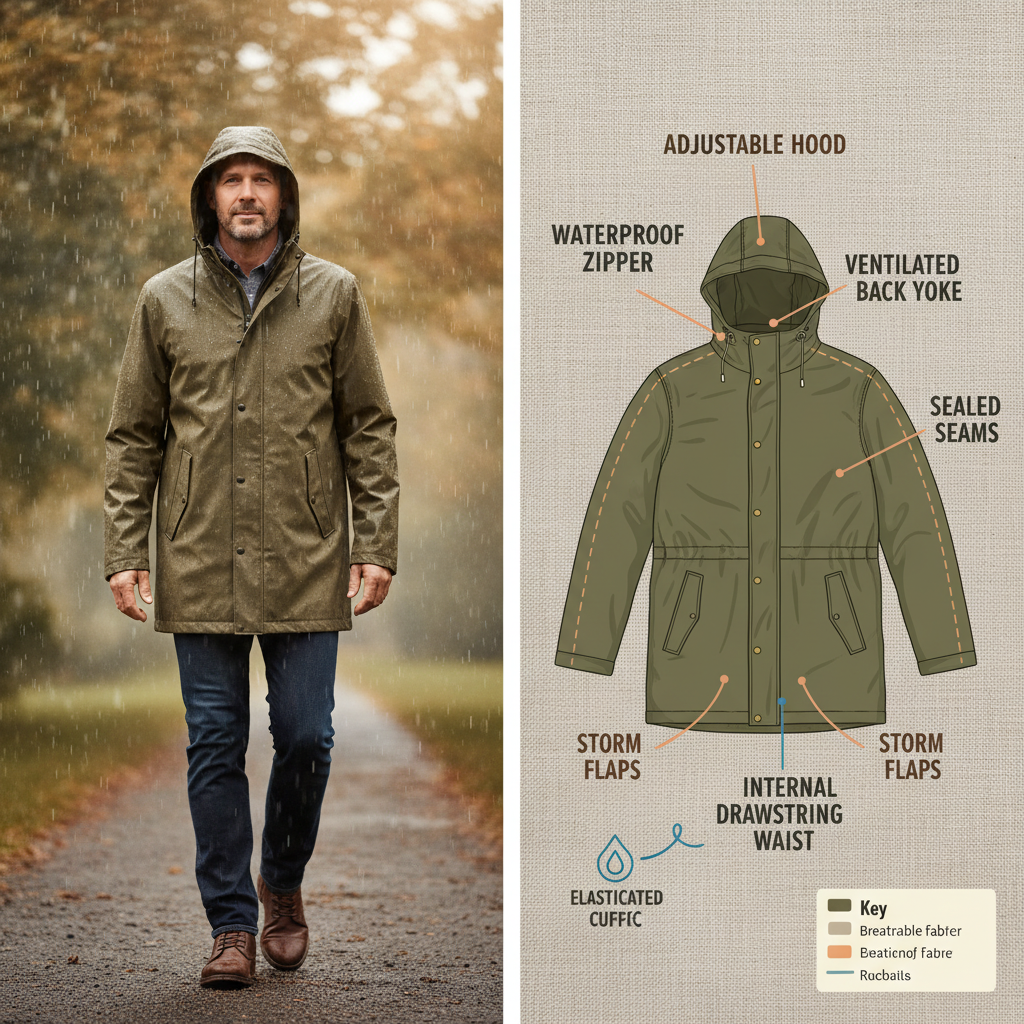
Comprehensive Guide to Selecting the Perfect Mens Rain Coat with Hood
Finding the right mens rain coat with hood is crucial for staying dry and comfortable in wet weather. Whether you're commuting to work, enjoying outdoor activities, or simply running errands, a reliable raincoat can make all the difference. This article will explore the key features, benefits, and considerations when choosing a rain coat, helping you make an informed decision. We'll cover everything from materials and waterproofing to fit and style. Choosing a high-quality raincoat is an investment in your comfort and protection.
2026-04-04 02:45:18
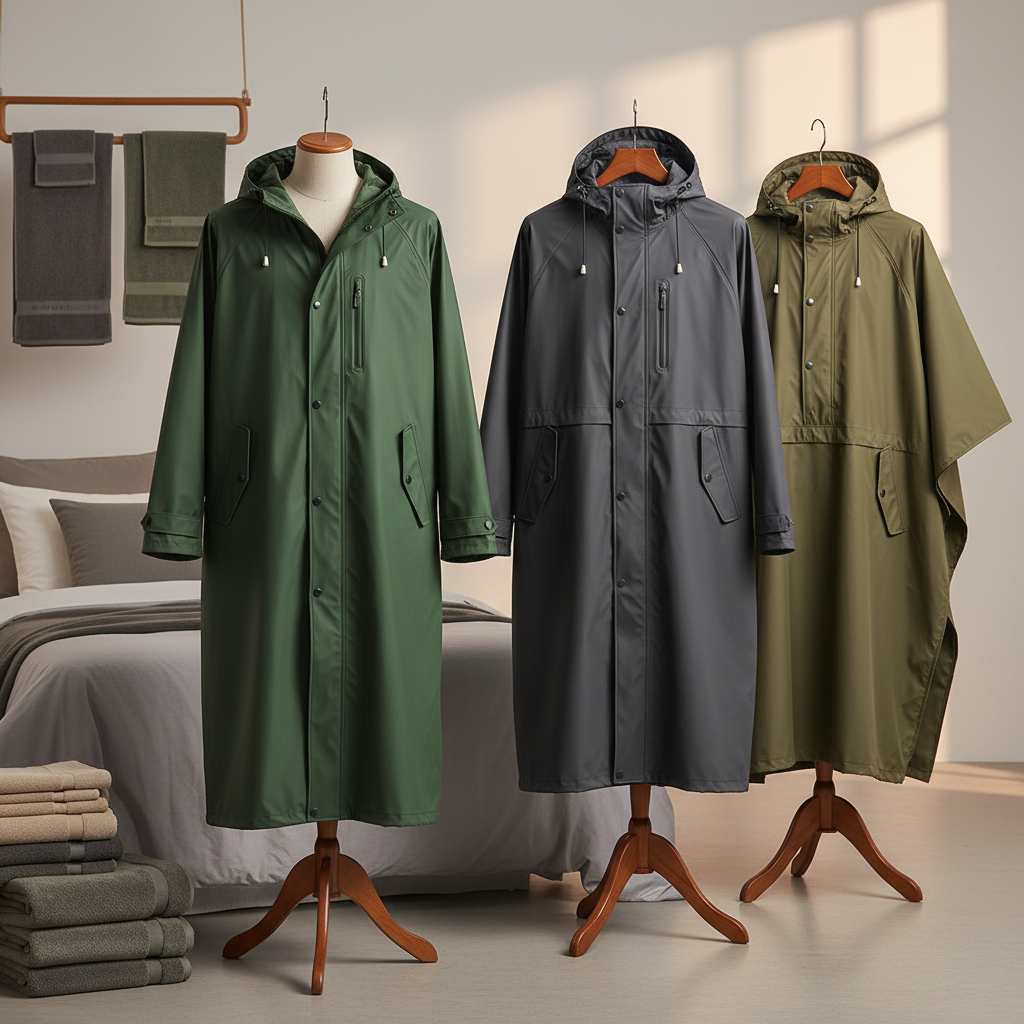
Comprehensive Guide to Mens Rain Coat Waterproof Options and Features
Staying dry and comfortable in wet weather is crucial, and a high-quality mens rain coat waterproof is an essential part of any outdoor wardrobe. Choosing the right raincoat can make all the difference, protecting you from the elements while offering comfort and durability. This article will cover everything you need to know about waterproof raincoats, including materials, features, and how to choose the best one for your needs. We'll also highlight why SXZY Raincoat offers exceptional quality and value.

2026-03-31 02:35:27
Stylish Mens Rain Coat Dress for Ultimate Weather Protection
When the weather turns unpredictable, a stylish and functional mens rain coat dress is an essential addition to any wardrobe. No longer just about staying dry, rain coats have evolved into fashion statements, offering a blend of practicality and elegance. This article explores the benefits, styles, and key features to look for when choosing the perfect rain coat dress, ensuring you stay comfortable and on-trend, whatever the weather. We'll also highlight how SXZY Raincoat provides quality and style in their collection.
2026-03-28 02:55:02
Comprehensive Guide to Mens Rain Coat and Pants for Optimal Weather Protection
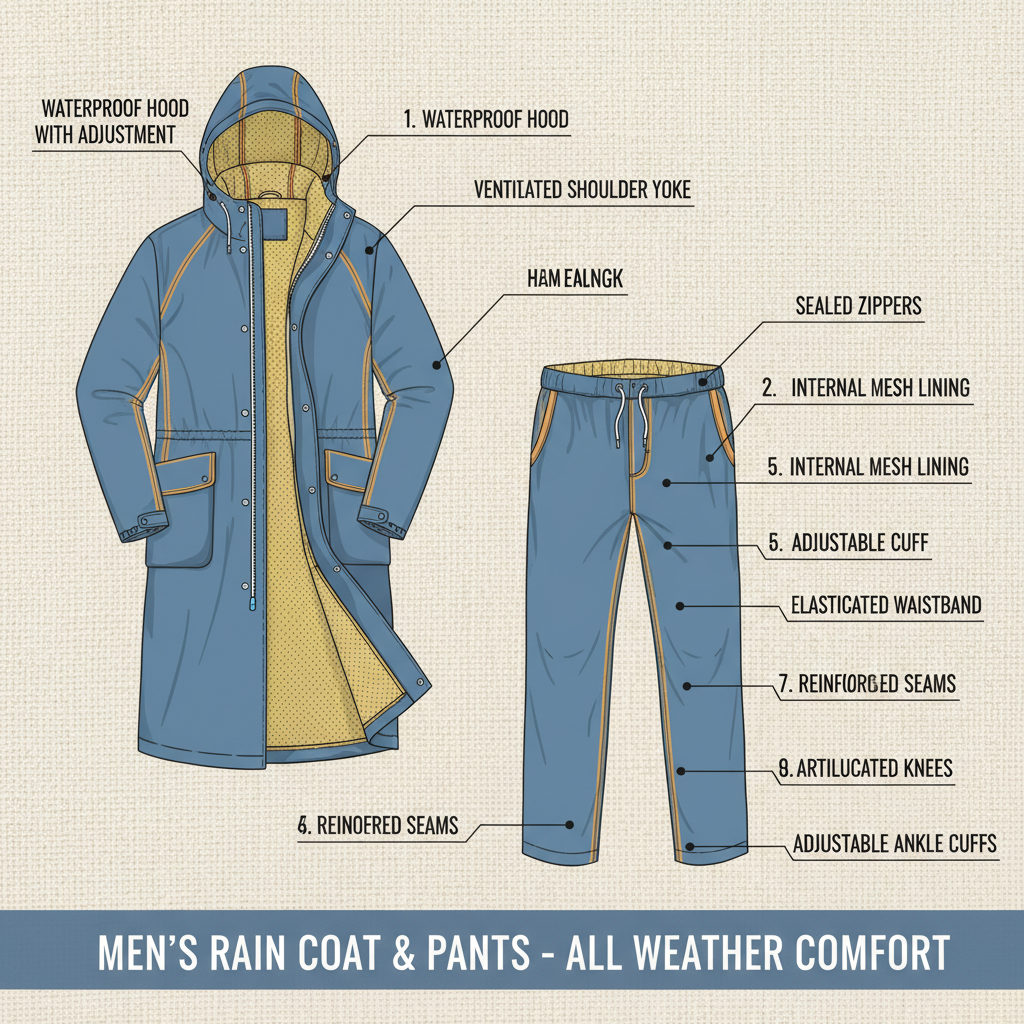
Staying dry and comfortable during inclement weather is crucial, and having the right rain gear can make all the difference. Mens rain coat and pants sets offer superior protection against rain, wind, and cold. This article will explore the benefits of owning a quality rain suit, factors to consider when choosing one, and highlight the exceptional products offered by sxzyraincoat.com. Invest in a reliable rain suit to ensure you're prepared for any weather challenge.
2026-03-26 02:35:30
Choosing the Right Mens Rain Coat for Optimal Weather Protection
Staying dry and comfortable in inclement weather is crucial, and selecting the right mens rain coat is paramount. From everyday commutes to outdoor adventures, a quality raincoat provides essential protection. This article will explore the key features to consider when choosing a mens rain coat, different types available, and how to find the perfect fit for your needs. We'll also highlight the benefits of investing in a durable and reliable raincoat that can withstand various weather conditions. The material of a mens rain coat significantly impacts its waterproofness, breathability, and durability. Common materials include PVC, polyurethane (PU), and Gore-Tex. PVC is affordable but less breathable, leading to discomfort during strenuous activity. PU offers a good balance of waterproofness and breathability. Gore-Tex is a premium option known for its exceptional waterproofness and breathability, making it ideal for demanding conditions.

2026-03-24 02:45:24
Mens Quilted Raincoat A Comprehensive Guide to Style and Weather Protection
Finding the right raincoat is essential for staying dry and comfortable, especially when navigating unpredictable weather. A mens quilted raincoat offers a fantastic blend of practicality and style. This article delves into the benefits of quilted raincoats, key features to look for, how to choose the perfect fit, and care tips to ensure longevity. We'll explore why a quilted raincoat from SXZY Raincoat is an excellent investment for any weather condition. Quilted raincoats stand out due to their unique construction. The quilting process involves stitching layers of fabric together, typically with a layer of insulation in between. This not only adds a stylish aesthetic but also provides excellent warmth and comfort. Unlike standard raincoats that can feel stiff and uncomfortable, quilted versions offer a softer, more forgiving feel. The quilted design traps air, creating an insulating barrier against the cold, making them ideal for cooler, wetter climates.


