Honestly, things are moving fast these days. Everyone’s talking about lighter materials, more modular designs… but you spend enough time on these sites, and you realize a lot of it is just buzzwords. I've seen 'revolutionary' polymers that crack under the first bit of real stress. It’s not about chasing the latest trend; it's about building something that lasts.
You know, it’s funny. Engineers design these things on computers, all neat and tidy. They forget about the guy actually holding it, wrestling with it in the rain. That’s where you find the real problems. I encountered this at a factory in Ningbo last time, where they designed a handle that looked great on the CAD model, but was impossible to grip with gloves on. Strangely, nobody thought to test that.
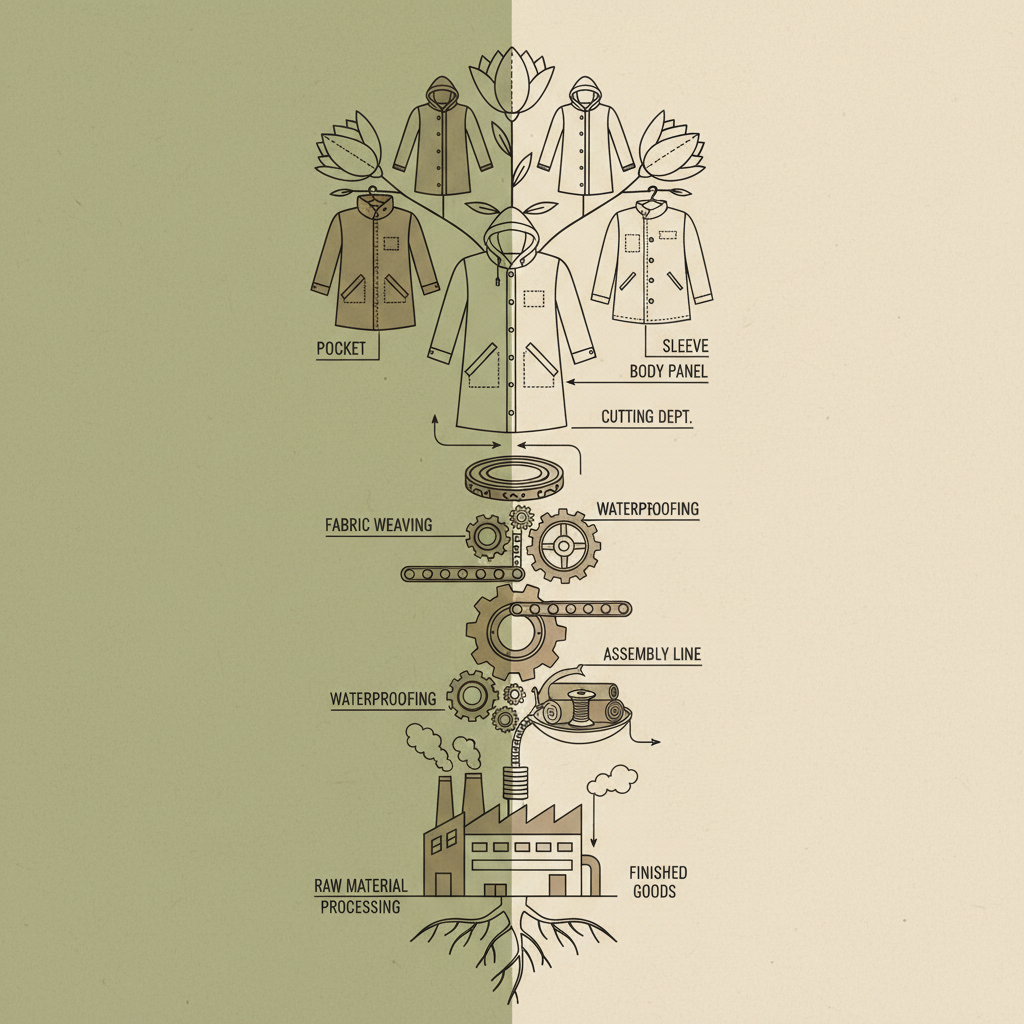
We focus a lot on the PVC, of course. It's the backbone of most raincoats, and a good one feels… substantial. Not too stiff, not too gummy. You can smell the plasticizer, that’s how you know it’s got some flexibility. But people don’t realize how much the lining matters. That cheap polyester stuff? It just traps sweat and makes you colder. We’re shifting towards more breathable membranes – polyurethane, mostly. It's pricey, but worth it if you’re out in the field all day.
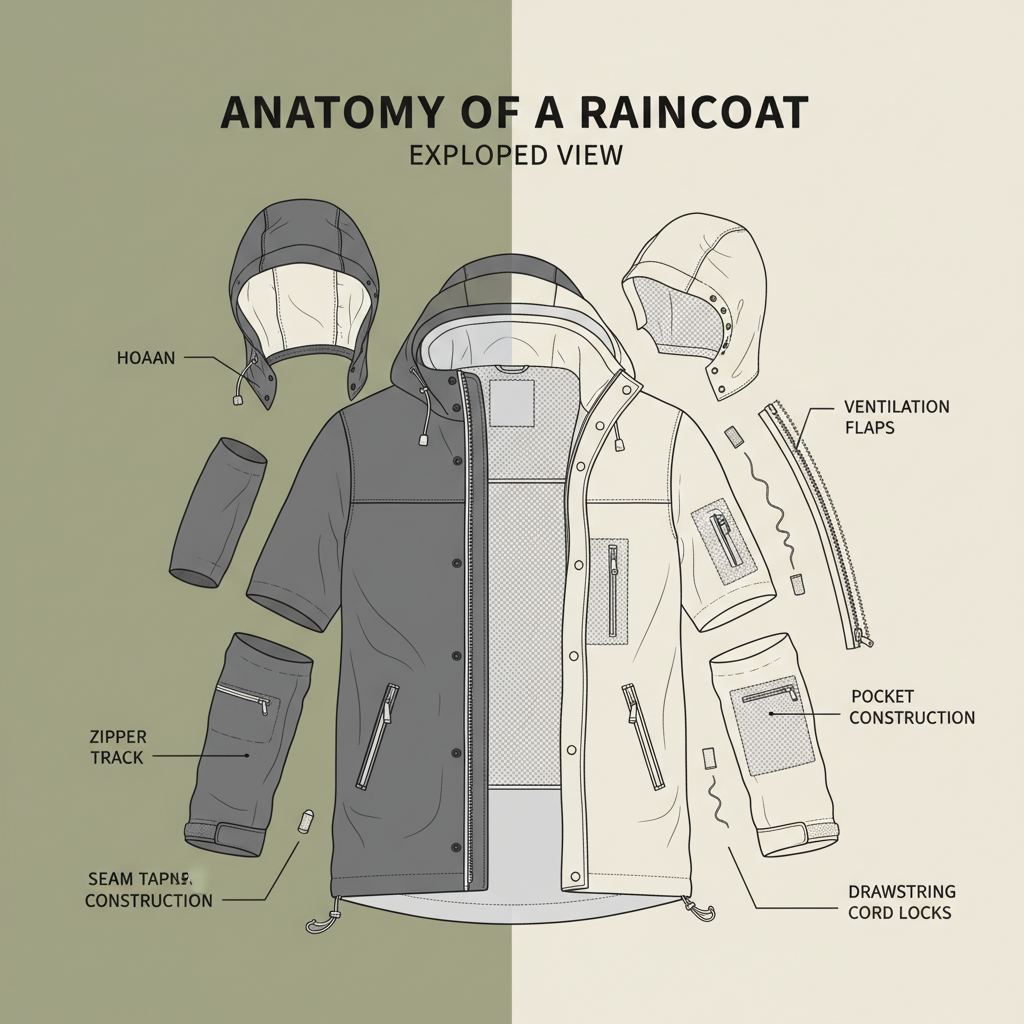
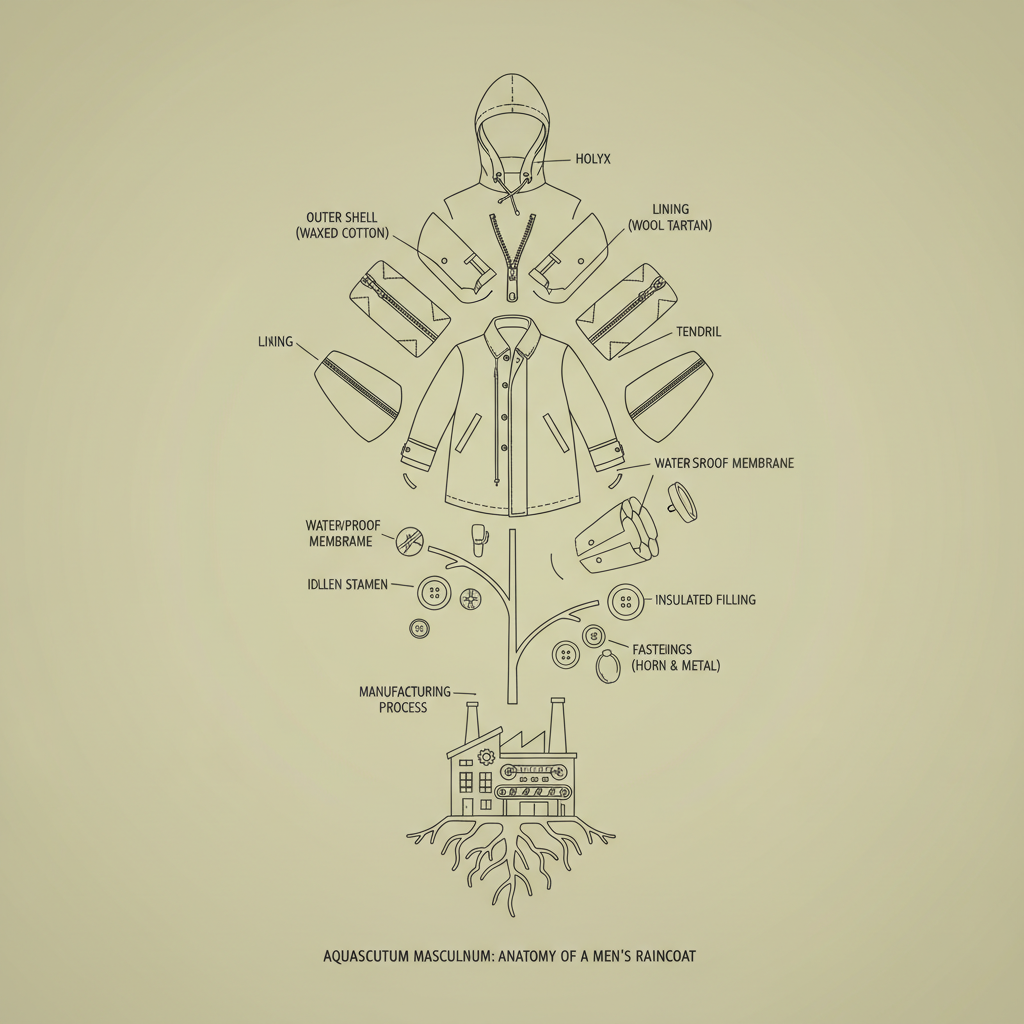
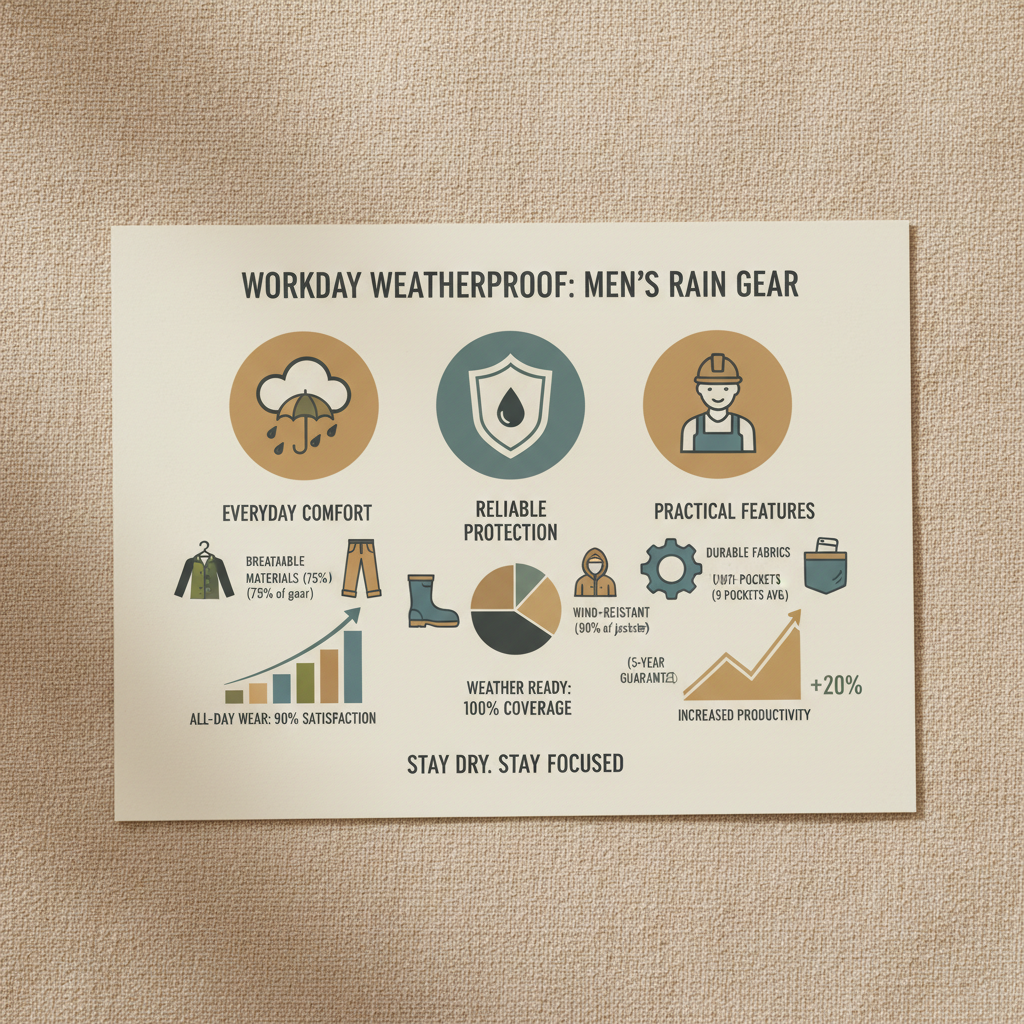
To be honest, everyone’s chasing lightweight now. But lightweight often means less durable. I see a lot of designs sacrificing practicality for aesthetics. They’ll make a coat look sleek, but forget about pockets big enough to actually hold something useful. Or they'll use a fancy closure that fails after a week of use.
Another thing – these integrated hoods. They look good in the catalog, but they rarely fit properly. Either they’re too small, or they restrict your vision. A good, adjustable hood is worth its weight in gold. Anyway, I think the key is balancing innovation with common sense.
For consistently wet conditions, Gore-Tex is hard to beat. It's completely waterproof and incredibly breathable, keeping you dry without overheating. However, it comes with a higher price tag. Polyurethane-coated materials are a good alternative, offering excellent waterproof protection at a more affordable price, but they might not be as breathable.
The waterproof rating is important, but it’s not the whole story. A higher rating means better protection, but the construction of the coat—seam sealing, closures—also plays a huge role. A coat with a high rating but poorly sealed seams will still let water in. Consider the intensity and duration of the rain you'll be exposed to. For light drizzle, a lower rating might suffice, but for heavy downpours, you’ll want something higher.
No, not at all. Many waterproof materials, like basic PVC, are not breathable. This means you’ll stay dry from the outside, but you’ll get sweaty and uncomfortable from the inside. Breathable raincoats use materials like Gore-Tex or polyurethane membranes that allow moisture vapor to escape, keeping you comfortable even during activity.
A well-made raincoat, with proper care, can last for several years – easily 5-10 years, even with regular use. Key to longevity is avoiding harsh detergents and tumble drying. Regular washing and re-proofing the fabric will also extend its lifespan. The quality of the seams and closures are also critical indicators of potential failure points.
Absolutely. We frequently work with businesses to customize raincoats for their specific needs. This can include adding reflective tape for high-visibility, incorporating specialized pockets for tools, or using heavier-duty materials for demanding environments. Last year, a utility company requested a raincoat with reinforced elbows and a built-in holster for a handheld device.
DWR (Durable Water Repellent) is a coating applied to the fabric to make water bead up and roll off. It's not fully waterproof on its own. A waterproof membrane, like Gore-Tex or polyurethane, is a layer within the fabric that actively prevents water from penetrating. DWR is often used in conjunction with a waterproof membrane to enhance water resistance and improve breathability.
So, where does this leave us? Ultimately, choosing a raincoat isn’t just about the specs on a datasheet. It’s about understanding how it will be used, what conditions it will face, and who will be wearing it. It's about finding that sweet spot between performance, durability, and cost. We've talked about materials, testing, customization, and even a cautionary tale from Shenzhen.
And things will keep evolving. New materials will emerge, new technologies will be developed. But one thing will remain constant: the need for a reliable raincoat that can protect people from the elements. If you're looking for a men raincoat manufacturer who understands those needs, visit our website: men raincoat manufacturers.