



Fluorescent Raincoat – Safety Meets Comfort and Durability

Nov . 27, 2025 18:50
The Growing Importance of Fluorescent Raincoats in Today's World
Fluorescent raincoats might sound like just another piece of weather gear — bright, cheerful, and practical. But, if you stop and think about their role in safety and visibility, especially in sectors like construction, emergency relief, and outdoor work, you realize these garments are making an increasingly critical impact worldwide. In a world that’s grappling with extreme weather, urban congestion, and the push for better occupational safety, understanding fluorescent raincoats is more than just a fashion consideration.
Why does this matter on a global scale? Consider that the International Labour Organization (ILO) estimates around 374 million non-fatal workplace accidents occur annually worldwide. Many of these could be mitigated by improving worker visibility — and that's where our luminous friend comes in.
Fluorescent Raincoat: What Is It and Why Should We Care?
At its core, a fluorescent raincoat is a waterproof outer garment dyed with fluorescent pigments designed to reflect and amplify light. These aren’t just bright colours slapped on – they interact with daylight or artificial lighting to boost visibility well beyond normal fabrics. The fluorescent raincoat fits squarely at the intersection of safety, protection against the elements, and modern industrial needs.
More than ever, industries ranging from roadway maintenance to humanitarian disaster response rely on these raincoats to keep workers and volunteers visible during downpours, fog, or dusk. Oddly enough, the right raincoat could literally save lives by reducing accidents in hazardous, low-visibility environments.
Key Features That Define a Fluorescent Raincoat
1. High Visibility & Reflectivity
The main draw is the fluorescent pigment technology. These raincoats glow under both natural and artificial light, enhancing wearer visibility up to several hundred meters. Safety standards like ISO 20471 specify the performance requirements of high-visibility garments — and fluorescent raincoats are designed to meet or exceed these guidelines.
2. Waterproof Durability
Obviously, protection from rain, wind, and sometimes even splash hazards is crucial. Most fluorescent raincoats are made from durable, waterproof materials like PVC, polyurethane, or specialized coated fabrics that prevent water ingress while maintaining breathability to some extent.
3. Comfort and Breathability
Let’s face it, if raincoats are uncomfortable, people won’t wear them. The best fluorescent raincoats balance protection with comfort, making use of mesh linings, adjustable cuffs, and lightweight fabrics so workers can wear them for extended periods without overheating or restriction.
4. Ease of Maintenance
Given their frequent use outdoors, raincoats must be easy to clean and maintain. Fluorescent coatings should retain their brightness even after multiple washes and exposure to grime, UV light, and chemicals.
5. Practical Design Elements
- Adjustable hoods for head protection.
- Multiple pockets for tools and essentials.
- Reflective stripes for extra nighttime visibility.
- Sizes and fits accommodating various body types.
Table 1: Typical Specification Overview of a Fluorescent Raincoat
| Feature | Specification | Benefit |
|---|---|---|
| Material | PVC or PU Coated Nylon | Waterproof & Lightweight |
| Visibility | Fluorescent Yellow/Orange with Reflective Tape | Enhanced Day & Night Visibility |
| Water Resistance | ≥ 10,000 mm H2O column | Keeps Dry in Heavy Rain |
| Weight | 300-400 g/m² | Comfortable for Long Use |
| Sizes | S-4XL | Fits Diverse Users |
Where and How Fluorescent Raincoats Make a Difference
From the congested streets of megacities in Southeast Asia to the harsh, rainy climates of Northern Europe, fluorescent raincoats are a ubiquitous part of the safety arsenal. They find use in:
- Construction sites: Workers in heavy machinery zones require clear visibility to avoid accidents.
- Emergency responders: Firefighters, paramedics, and disaster relief teams use them for rapid identification.
- Transportation sectors: Roadside workers and traffic controllers stay safer wearing high-visibility rain gear.
- Outdoor maintenance and utilities: Workers maintaining power lines, water treatment plants, or railways depend on them, especially during storms.
- Event staff and volunteers: Festivals or large gatherings often equip crew in fluorescent raincoats for easy identification in poor weather.
Take for instance the relief efforts after typhoons hit the Philippines: Volunteers and workers decked out in these raincoats navigate through flooded streets to deliver aid. Such gear is not merely clothing — it's lifeline gear in these scenarios.
The Many Advantages of Choosing a Fluorescent Raincoat
Beyond the obvious, which is staying dry, the benefits stack up:
- Improved Safety: Visibility drastically lowers the risk of accidents.
- Psychological Assurance: Workers and supervisors report feeling more secure and confident.
- Durability and Longevity: Good fluorescent raincoats can last several seasons, providing cost-effective protection.
- Environmentally Responsible Choices: Some manufacturers now offer raincoats made with recycled or sustainable materials.
- Compliance-friendly: Help employers meet safety and occupational health regulations.
Looking Ahead: Innovations in Fluorescent Raincoat Technology
Technology marches on. Newer fluorescent pigments with enhanced UV stability and lower environmental impact are entering the scene. There are also smart fabrics now in development that could adjust fluorescence in response to ambient light levels or include embedded sensors to monitor wearer health and location.
Also, expect manufacturers to embrace circular economy principles — recycling old raincoats, using bio-based coatings, and optimizing supply chains. The idea is to not just be visible but to do so sustainably.
Challenges and How They Are Being Tackled
Of course, no solution is perfect. Some common hurdles include:
- Color Fading: Fluorescent dyes can degrade under prolonged UV exposure.
- Breathability vs. Waterproofing: The better the waterproofing, the more challenging it is to stay comfortable.
- Cost Constraints: High-quality fluorescent raincoats can be more expensive upfront.
To address these, companies invest in better UV stabilizers, utilize microporous membranes to boost breathability, and ramp up economies of scale to reduce costs. It’s a work in progress but promising.
Vendor Comparison: Fluorescent Raincoat Suppliers
| Supplier | Product Range | Price Range | Special Features | Lead Time |
|---|---|---|---|---|
| BrightWear Co. | Basic to Premium | $30–$75 | Eco-friendly coatings | 2-3 weeks |
| SafetyPro Supplies | Industrial-Grade Only | $45–$90 | Advanced reflectivity specs | 1-2 weeks |
| FlashGuard Ltd. | Custom Designs | $50–$120 | Smart fabric integrations | 3-5 weeks |
Frequently Asked Questions About Fluorescent Raincoats
Q1: How do fluorescent raincoats improve worker safety compared to standard rain gear?
A1: Fluorescent raincoats use bright pigments and reflective strips that drastically increase a person’s visibility in low-light and adverse weather conditions. This reduces accidents by making wearers easier to see from far distances, whether under daylight, dusk, or artificial lights such as vehicle headlights.
Q2: Are fluorescent raincoats suitable for all weather conditions?
A2: Generally, yes. They are designed to be waterproof and windproof, shielding wearers from rain and chill. However, they may vary in breathability, so choosing one that fits your local climate and activity level is important for comfort during extended wear.
Q3: Can I wash a fluorescent raincoat without losing its visibility features?
A3: Most quality raincoats are engineered to retain their fluorescent colors and reflective elements after repeated washing. Always follow manufacturer care instructions — usually gentle cycles and mild detergents — to maintain longevity.
Q4: What sectors benefit most from using fluorescent raincoats?
A4: Construction, transport, emergency services, industrial maintenance, and disaster relief operations are some of the primary users. Anyone working outdoors in potentially hazardous low-visibility conditions benefits greatly.
Q5: How sustainable are fluorescent raincoats?
A5: This depends on the materials and manufacturing processes. Some manufacturers now produce raincoats from recycled or bio-based materials, and use eco-friendly fluorescent dyes. Sustainability is gaining traction as an industry priority.
Wrapping It Up: Staying Bright and Dry with the Fluorescent Raincoat
So there you have it — the fluorescent raincoat isn’t just bright fabric; it’s a safety tool, a comfort provider, and increasingly, a green product. Whether it’s keeping a construction worker safe in a storm in London or helping volunteers traverse floodwaters in Manila, its role is undeniable.
Ready to give your team or yourself that extra layer of protection and visibility? Visit fluorescent raincoat to explore options tailored for both rugged industry needs and everyday safety.
After all, staying visible and dry isn’t just good sense — it’s a matter of wellbeing and respect for the people on the front lines of work and relief.
References and Further Reading

Related Products
Related News

2026-04-16 02:35:36
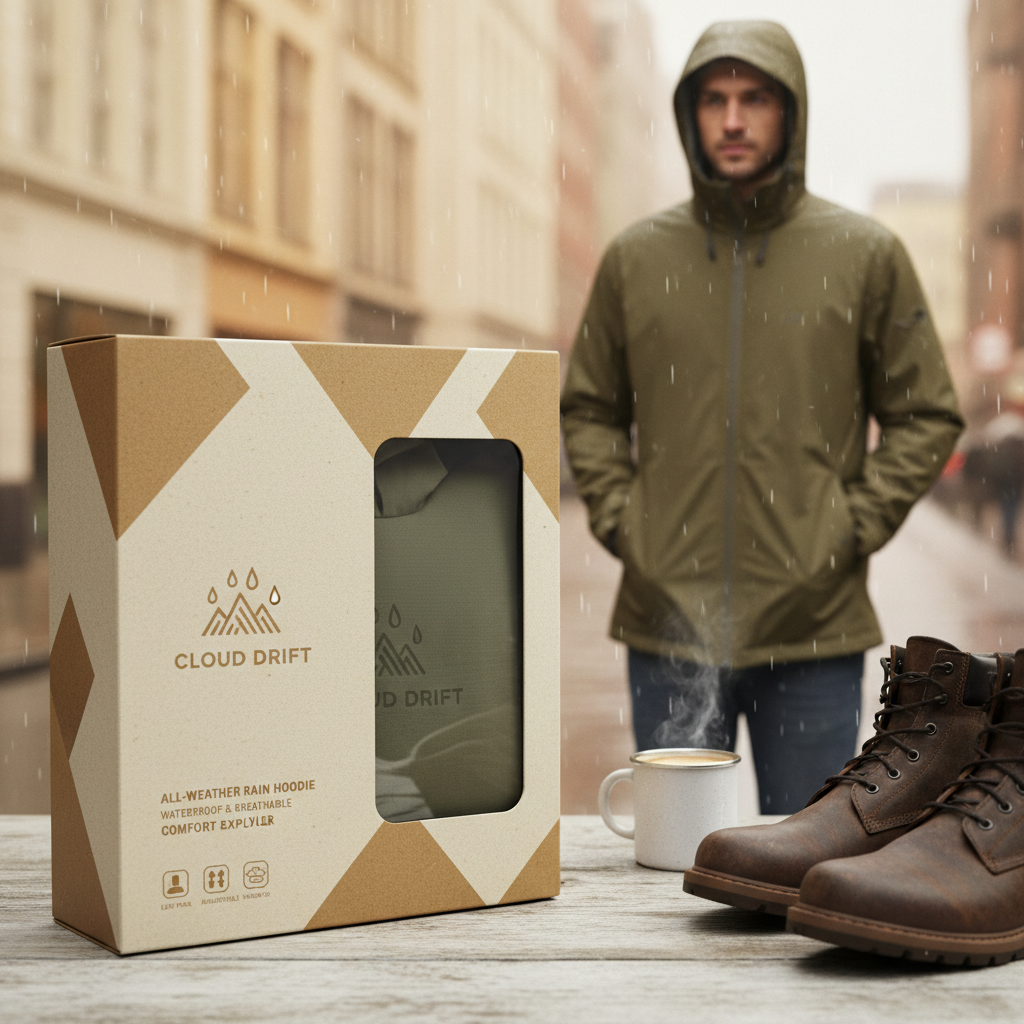
The Ultimate Guide to Choosing a Premium Mens Rain Hoodie
Facing unpredictable weather requires more than just a simple umbrella; it demands gear that blends functionality with modern aesthetics. A high-quality mens rain hoodie is the perfect solution for the modern man who refuses to let a downpour disrupt his day. Whether you are commuting to the office, hiking a misty trail, or running weekend errands, the right rainwear ensures you stay dry without sacrificing comfort. In this comprehensive guide, we will explore what makes a rain hoodie truly effective, from fabric technology to essential design features, helping you make an informed investment in your wardrobe.
2026-04-09 02:45:09
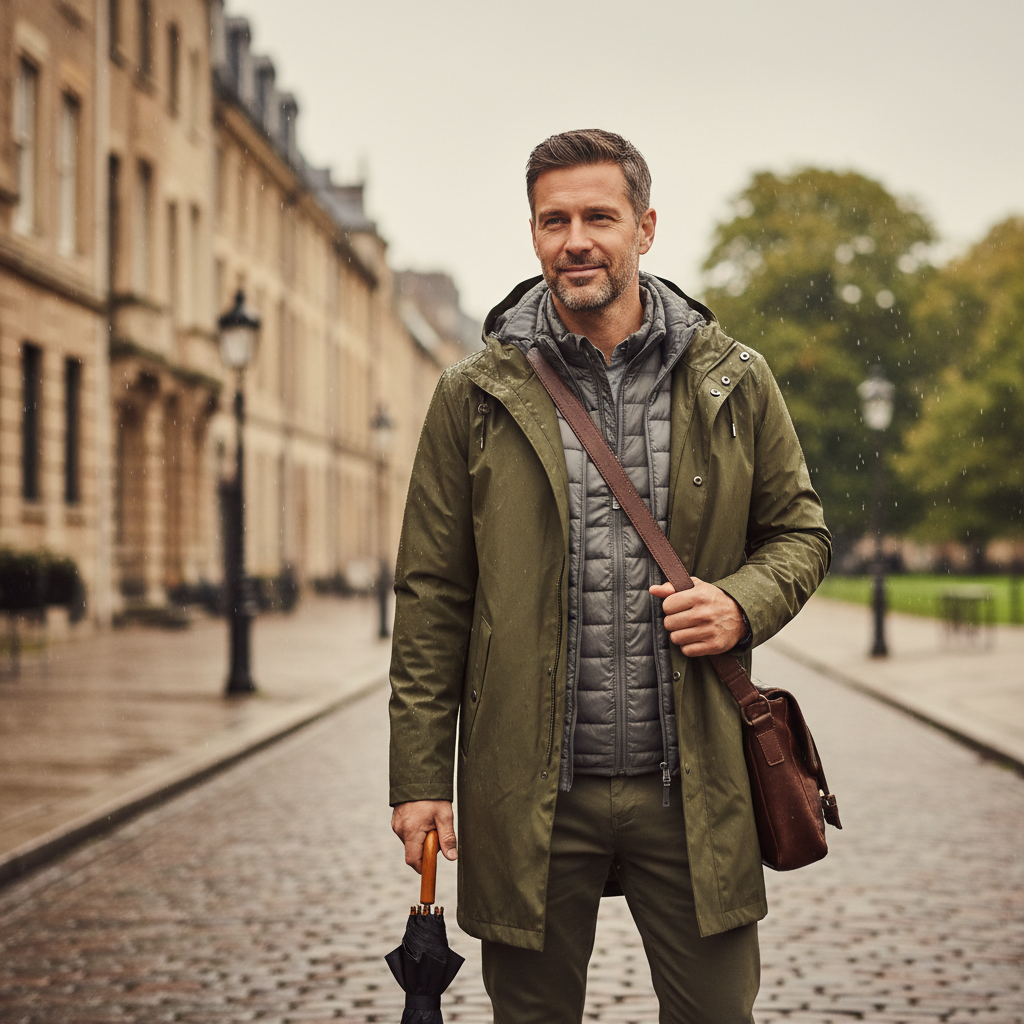
Best Mens Rain Coat with Removable Liner for All Weather Protection
Facing unpredictable weather requires a wardrobe that is as flexible as your schedule. A mens rain coat with removable liner is the gold standard for versatility, offering a 2-in-1 solution that transitions seamlessly from a light spring drizzle to a freezing winter storm. Instead of cluttering your closet with multiple heavy jackets, a modular system allows you to customize your warmth based on the temperature. In this guide, we will explore why this specific design is essential for the modern man, how to identify high-quality materials, and how to maximize your investment for years of reliable protection.
2026-04-07 02:35:18
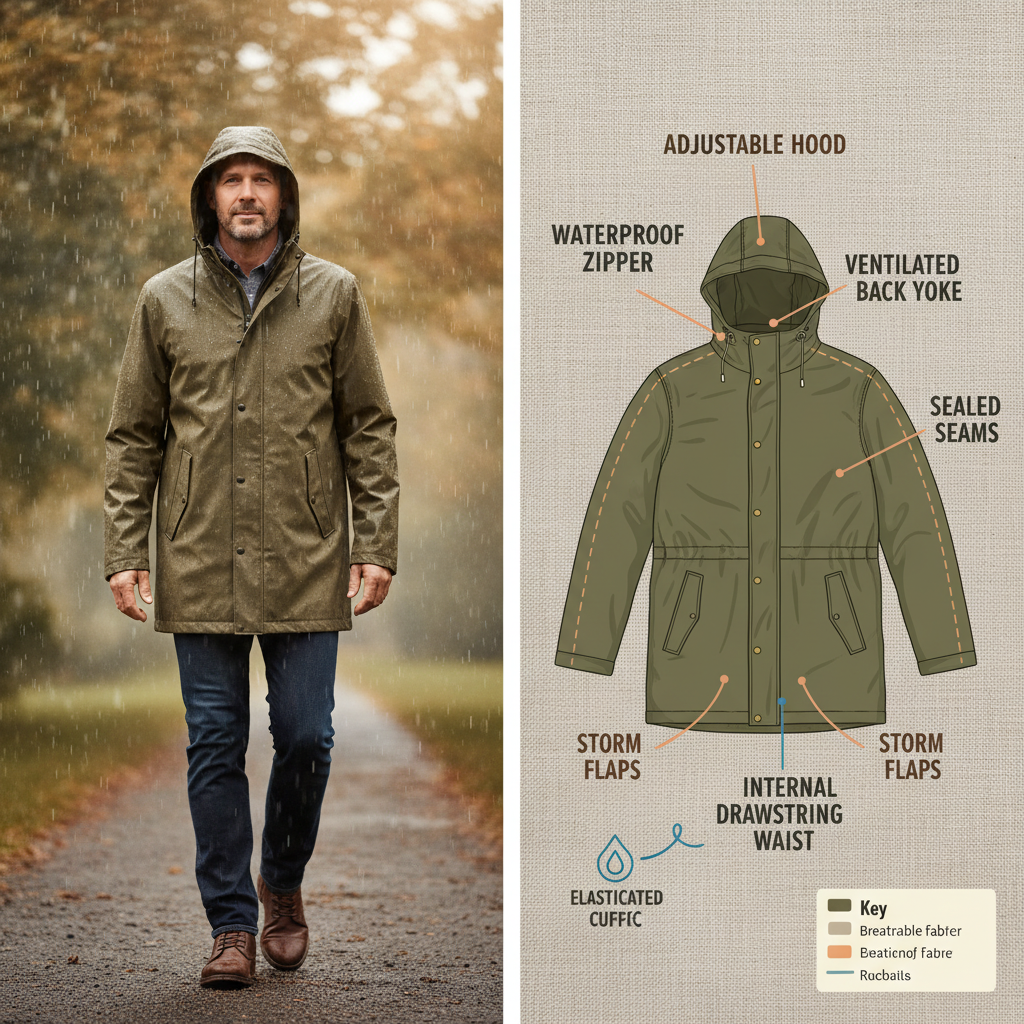
Comprehensive Guide to Selecting the Perfect Mens Rain Coat with Hood
Finding the right mens rain coat with hood is crucial for staying dry and comfortable in wet weather. Whether you're commuting to work, enjoying outdoor activities, or simply running errands, a reliable raincoat can make all the difference. This article will explore the key features, benefits, and considerations when choosing a rain coat, helping you make an informed decision. We'll cover everything from materials and waterproofing to fit and style. Choosing a high-quality raincoat is an investment in your comfort and protection.
2026-04-04 02:45:18
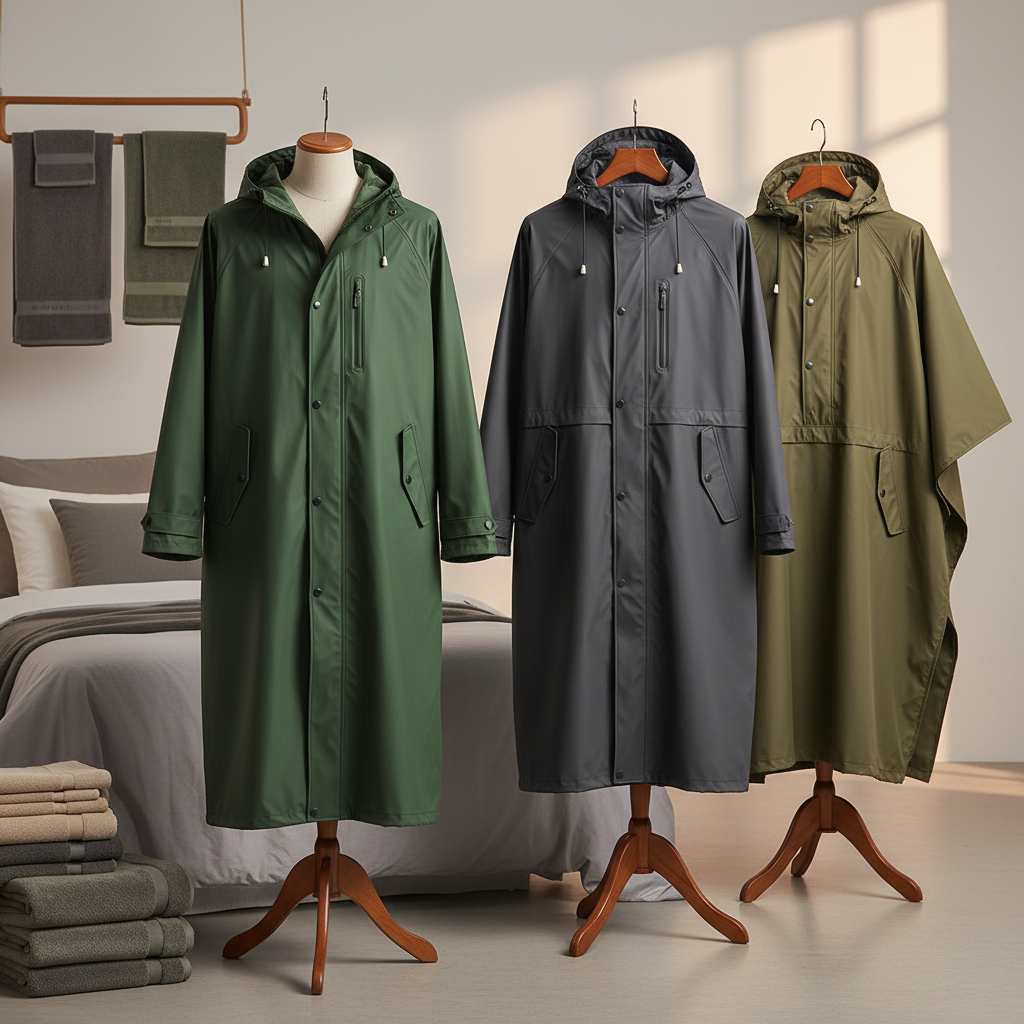
Comprehensive Guide to Mens Rain Coat Waterproof Options and Features
Staying dry and comfortable in wet weather is crucial, and a high-quality mens rain coat waterproof is an essential part of any outdoor wardrobe. Choosing the right raincoat can make all the difference, protecting you from the elements while offering comfort and durability. This article will cover everything you need to know about waterproof raincoats, including materials, features, and how to choose the best one for your needs. We'll also highlight why SXZY Raincoat offers exceptional quality and value.

2026-03-31 02:35:27
Stylish Mens Rain Coat Dress for Ultimate Weather Protection
When the weather turns unpredictable, a stylish and functional mens rain coat dress is an essential addition to any wardrobe. No longer just about staying dry, rain coats have evolved into fashion statements, offering a blend of practicality and elegance. This article explores the benefits, styles, and key features to look for when choosing the perfect rain coat dress, ensuring you stay comfortable and on-trend, whatever the weather. We'll also highlight how SXZY Raincoat provides quality and style in their collection.
2026-03-28 02:55:02
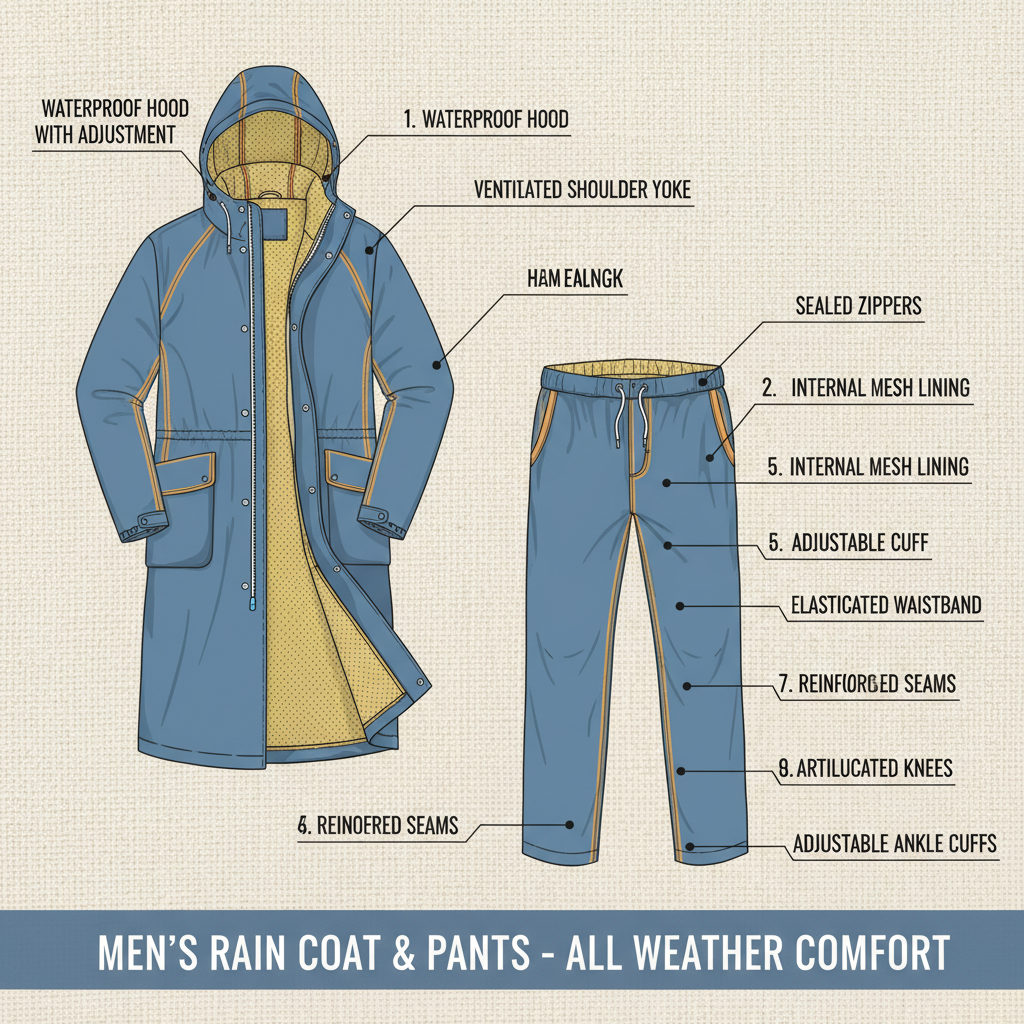
Comprehensive Guide to Mens Rain Coat and Pants for Optimal Weather Protection
Staying dry and comfortable during inclement weather is crucial, and having the right rain gear can make all the difference. Mens rain coat and pants sets offer superior protection against rain, wind, and cold. This article will explore the benefits of owning a quality rain suit, factors to consider when choosing one, and highlight the exceptional products offered by sxzyraincoat.com. Invest in a reliable rain suit to ensure you're prepared for any weather challenge.
2026-03-26 02:35:30
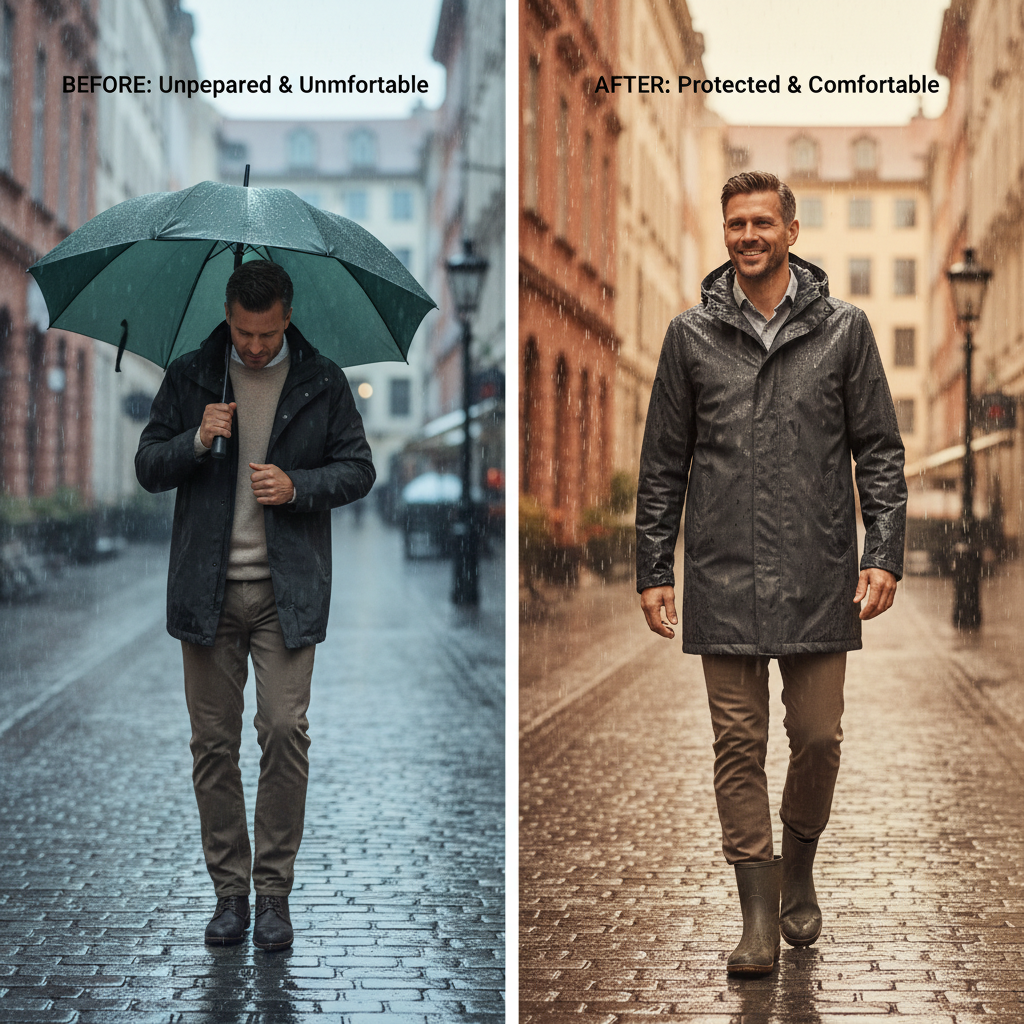
Choosing the Right Mens Rain Coat for Optimal Weather Protection
Staying dry and comfortable in inclement weather is crucial, and selecting the right mens rain coat is paramount. From everyday commutes to outdoor adventures, a quality raincoat provides essential protection. This article will explore the key features to consider when choosing a mens rain coat, different types available, and how to find the perfect fit for your needs. We'll also highlight the benefits of investing in a durable and reliable raincoat that can withstand various weather conditions. The material of a mens rain coat significantly impacts its waterproofness, breathability, and durability. Common materials include PVC, polyurethane (PU), and Gore-Tex. PVC is affordable but less breathable, leading to discomfort during strenuous activity. PU offers a good balance of waterproofness and breathability. Gore-Tex is a premium option known for its exceptional waterproofness and breathability, making it ideal for demanding conditions.
2026-03-24 02:45:24
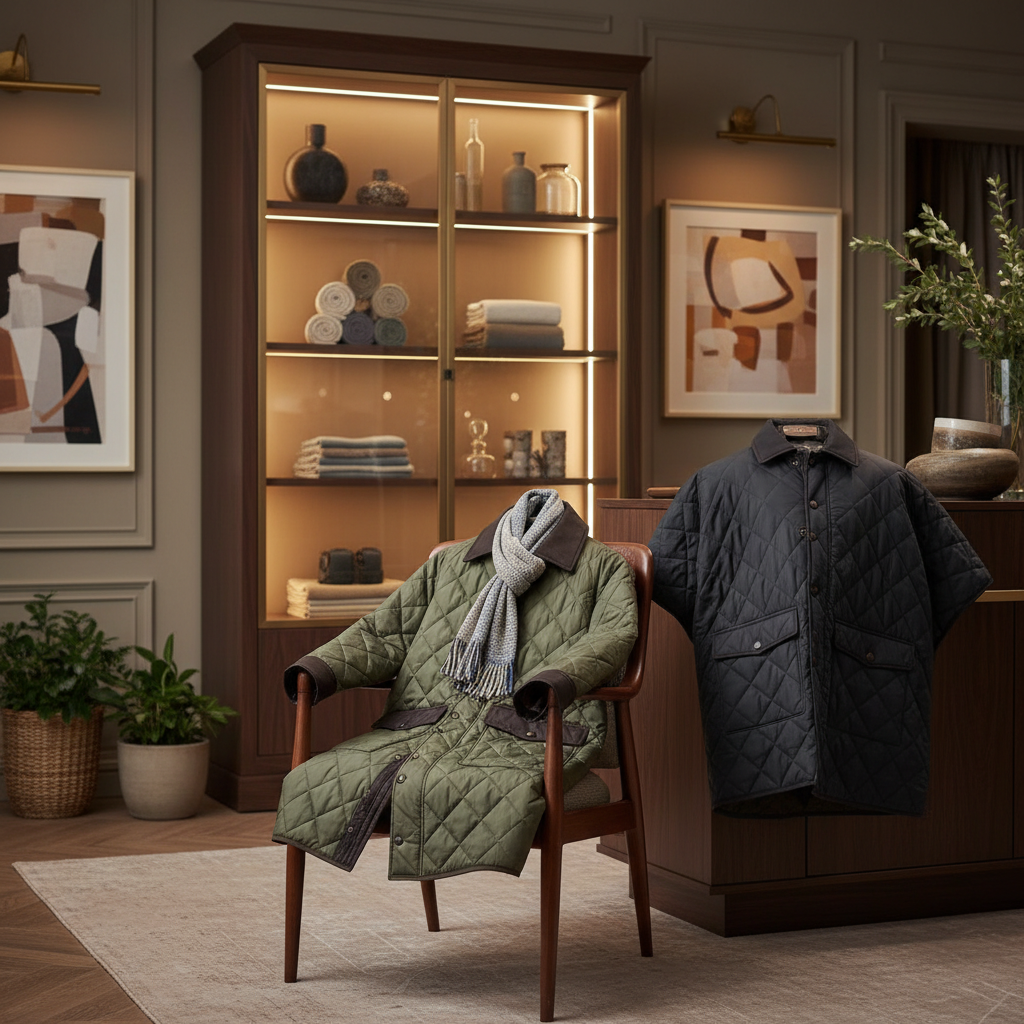
Mens Quilted Raincoat A Comprehensive Guide to Style and Weather Protection
Finding the right raincoat is essential for staying dry and comfortable, especially when navigating unpredictable weather. A mens quilted raincoat offers a fantastic blend of practicality and style. This article delves into the benefits of quilted raincoats, key features to look for, how to choose the perfect fit, and care tips to ensure longevity. We'll explore why a quilted raincoat from SXZY Raincoat is an excellent investment for any weather condition. Quilted raincoats stand out due to their unique construction. The quilting process involves stitching layers of fabric together, typically with a layer of insulation in between. This not only adds a stylish aesthetic but also provides excellent warmth and comfort. Unlike standard raincoats that can feel stiff and uncomfortable, quilted versions offer a softer, more forgiving feel. The quilted design traps air, creating an insulating barrier against the cold, making them ideal for cooler, wetter climates.


