



Formal Raincoat for Men: Style Meets Function in Modern Rainwear

Dec . 03, 2025 20:08
Understanding the Formal Raincoat for Men: A Blend of Functionality and Style
When we think about formal attire, rain protection often doesn’t get the spotlight it deserves—even though it’s quite important worldwide. The formal raincoat for men is more than just a fashion piece; it’s a practical solution that bridges the gap between professional appearance and weather readiness. This article explores what makes these coats relevant globally, why their design matters, and how they offer tangible benefits beyond just keeping dry.
Global Context: Why Formal Raincoats Still Matter
Believe it or not, the demand for formal raincoats isn’t going away anytime soon. According to the World Meteorological Organization, rainfall patterns are becoming less predictable due to climate change, which means business professionals increasingly need reliable outerwear that can handle sudden showers without sacrificing style. Corporations in major cities like London, Tokyo, and New York report that their employees prefer versatile rainwear that fits the office environment while being weatherproof.
Oddly enough, the challenge lies in combining classic tailoring with technical fabrics. The market struggles to maintain durability and comfort, especially in environments that require long hours outdoors or hurried commutes. This practical need is what drives continuous innovation in the formal raincoat sector.
Defining the Formal Raincoat for Men
Simply put, a formal raincoat for men is a protective outer garment designed specifically to complement business or formal wear, offering waterproof qualities without compromising elegance. Unlike casual rain jackets, these raincoats emphasize classic cuts, neutral color palettes, and fabric treatments that repel water but maintain breathability.
In the modern industrial or humanitarian context, these raincoats play a role where professionals—like field engineers, NGO workers, or government officials—must look the part while being shielded from elements. It’s about dignity, professionalism, and functionality in one.
Key Components of a Formal Raincoat for Men
1. Durability
At its core, durability is crucial. Formal raincoats must endure frequent exposure to rain without tearing or losing shape. Materials like bonded cotton blends or advanced synthetic fibers coated with PU (polyurethane) or PVC are popular because they can take the daily wear and remain reliable through seasons.
2. Waterproofing and Breathability
One might think waterproof means sealed shut, making the wearer sweat—yet modern raincoats balance water resistance with breathability. Technologies like Gore-Tex membranes or microporous coatings allow moisture vapor to escape while blocking rain. This technical balance is essential for comfort during long wear.
3. Style and Tailoring
Since these raincoats are “formal,” style can’t take a backseat. Slim cuts, lapels, and muted tones like navy, grey, and black are standard. Reflective trims are avoided to maintain a professional look. The attention to detail in stitching and button selection reflects high industry standards.
4. Weight and Comfort
Oddly enough, many engineers I’ve spoken with stress that the weight of the fabric affects both comfort and willingness to carry a raincoat daily. Lightweight options that still perform well are favored over heavyweight materials, which though rugged, can be cumbersome.
5. Functionality (Pockets, Collars, Hoods)
Functionality peaks with smart features like inside pockets for valuables, detachable hoods, or collars designed to keep wind and rain away without looking bulky.
Product Specification Table
| Feature | Details |
|---|---|
| Material | Bonded Cotton Blend or Technical Synthetic |
| Waterproof Rating | 10,000 mm H2O (minimum) |
| Breathability | 10,000 g/m²/24hr (minimum, Gore-Tex or equivalent) |
| Weight | Medium-weight (400–600 g) |
| Color Options | Navy, Black, Charcoal Grey |
| Additional Features | Detachable hood, inside chest pocket, storm flaps |
Global Applications & Use Cases
Interestingly, formal raincoats find vital use across numerous sectors worldwide. For instance, in London and Singapore’s financial hubs, professionals face frequent, unpredictable rainfalls but cannot compromise on appearance during client meetings—formal raincoats are a staple here.
In humanitarian missions—for example, UN field offices in Southeast Asia or Africa—officials need rainwear that respects local cultural contexts but provides protection during monsoon seasons. NGOs often source these raincoats for their teams to maintain professionalism in the field.
Furthermore, industries such as oil and gas, and telecommunications in remote wet climates rely on formal rainwear to keep their engineers dry without compromising safety uniforms underneath.
Vendor Comparison Table
| Vendor | Waterproof Tech | Price Range | Style Options | Sustainability |
|---|---|---|---|---|
| RainGuard Pro | Gore-Tex | $300–$450 | 3 colors (Navy, Black, Grey) | Recycled polyester shell |
| UrbanShield | PU Coating | $200–$350 | 4 colors | Organic cotton lining |
| Elegance Rainwear | Microporous membrane | $280–$400 | 2 colors (Black, Grey) | Low-impact dyes and process |
Advantages & Long-Term Value
Beyond looking sharp, a good formal raincoat offers considerable long-term advantages. For starters, it saves money—you won’t need to replace cheaper water-resistant jackets yearly. Sustainability also comes into play; many brands now use recycled materials or eco-friendly production methods, reducing environmental footprints.
But it isn’t just about the wallet or planet—it’s about trust and safety. To be caught in rain without adequate gear can disrupt a workday or worse. A quality raincoat enhances safety by preventing sickness and maintaining comfort, even in harsh conditions.
On an emotional level, there's a dignity in showing up dry and composed. You feel respected, your appearance earns confidence from colleagues and clients alike. And frankly, a sleek coat can boost your mood on grey days.
Future Trends & Innovations
The future of the formal raincoat for men is nicely intertwined with sustainability and smart tech advances. Newer membranes—sometimes bio-based—are entering markets, aiming for better biodegradability. Digital textile printing allows custom designs without waste, while 3D knitting techniques mean less material scraps.
One trend gaining traction is integrating smart fabrics that can adjust breathability depending on temperature or moisture sensors that alert you if your raincoat’s water repellency is wearing off. I suspect automation in manufacturing will also reduce costs, making high-quality raincoats even more accessible.
Challenges & Solutions
Of course, no product is perfect. One classic limitation is weight versus protection—thinner coats sometimes compromise protection for comfort. Another issue happens in humid climates, where breathability can’t keep up.
Designers tackle this by layering membranes, offering coatings only where needed, or using mesh ventilation discreetly. Also, many brands are exploring hybrid coats—formal in the front but with technical fabrics at underarms and back.
Frequently Asked Questions About Formal Raincoat for Men
- What fabrics are best for a formal raincoat for men?
Generally, bonded cotton blends with PU or micro-porous synthetic membranes offer the best balance of water resistance and style. Gore-Tex and similar technologies are industry favorites for breathability. - Can I wear a formal raincoat over a suit without ruining style?
Absolutely! The key is choosing a slim-fit raincoat designed specifically for layering. Avoid bulky materials; look for coats with structured shoulders and clean lines. - How do I maintain the waterproof coating on my formal raincoat?
Routine cleaning with gentle detergents and occasional reapplication of a water-repellent spray (DWR) will keep your raincoat effective. Avoid washing too frequently, which may degrade waterproof membranes. - Are formal raincoats environmentally friendly?
Increasingly so. Many manufacturers now use recycled fibers and low-impact dyeing processes. Always check product specifics if sustainability is important to you. - Where can I buy quality formal raincoats for men?
Look for reputable outerwear brands online or specialty stores that focus on business attire with weatherproof tech. For example, visit formal raincoat for men collections tailored for professionals.
Conclusion
In real terms, the formal raincoat for men is more than a seasonal purchase—it’s a long-term investment in your professional image and daily comfort. These coats combine technical fabric innovations with timeless tailoring to keep you dry, confident, and environmentally responsible. Whether you’re navigating a rainy commute or representing your company abroad, a good formal raincoat is an essential wardrobe staple.
For those interested in exploring quality options or learning more about this niche, do visit formal raincoat for men—it’s a smart place to start.
Oddly enough, once you have a reliable formal raincoat, even those stubborn drizzle-filled days become a bit more bearable.
Mini takeaway: The intersection of style, technology, and sustainability in men's formal rainwear is evolving rapidly, making now a great time to invest thoughtfully.
References:

Related Products
Related News

2026-04-16 02:35:36
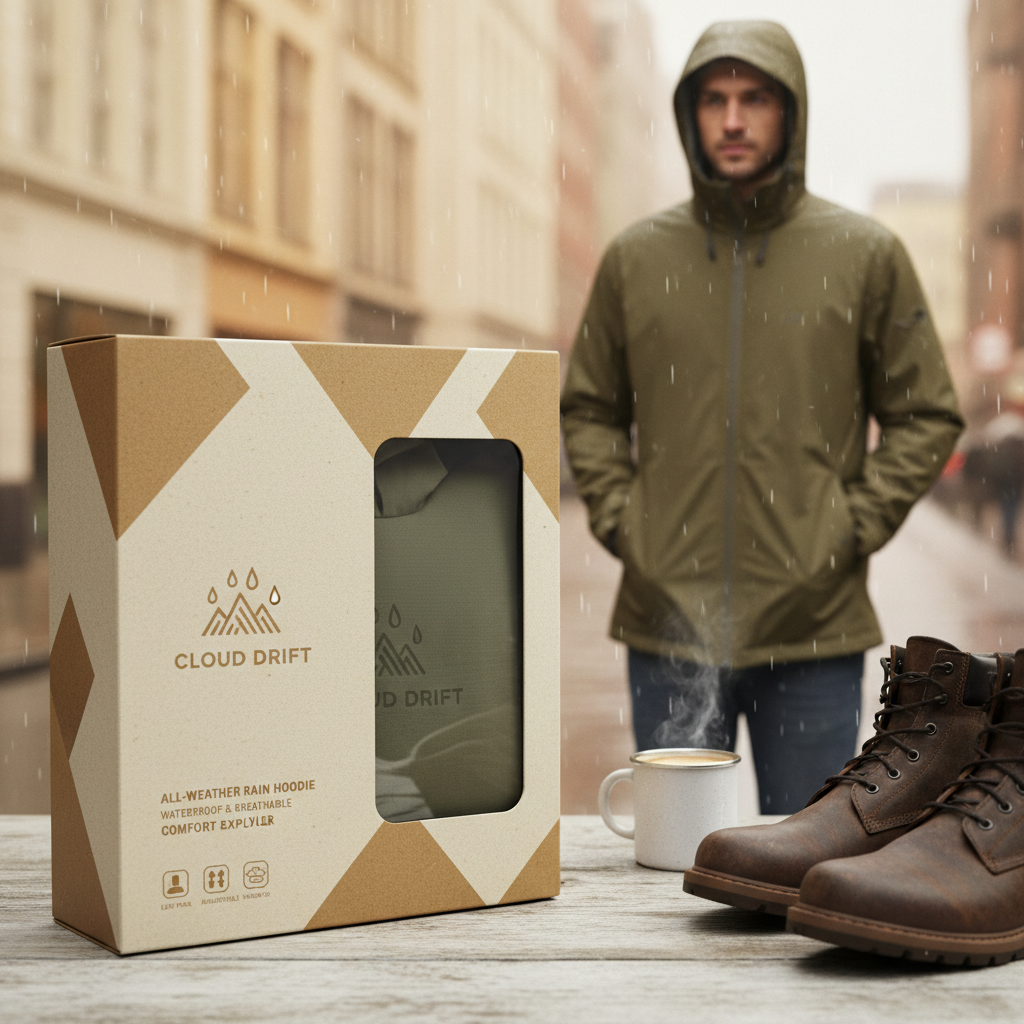
The Ultimate Guide to Choosing a Premium Mens Rain Hoodie
Facing unpredictable weather requires more than just a simple umbrella; it demands gear that blends functionality with modern aesthetics. A high-quality mens rain hoodie is the perfect solution for the modern man who refuses to let a downpour disrupt his day. Whether you are commuting to the office, hiking a misty trail, or running weekend errands, the right rainwear ensures you stay dry without sacrificing comfort. In this comprehensive guide, we will explore what makes a rain hoodie truly effective, from fabric technology to essential design features, helping you make an informed investment in your wardrobe.
2026-04-09 02:45:09
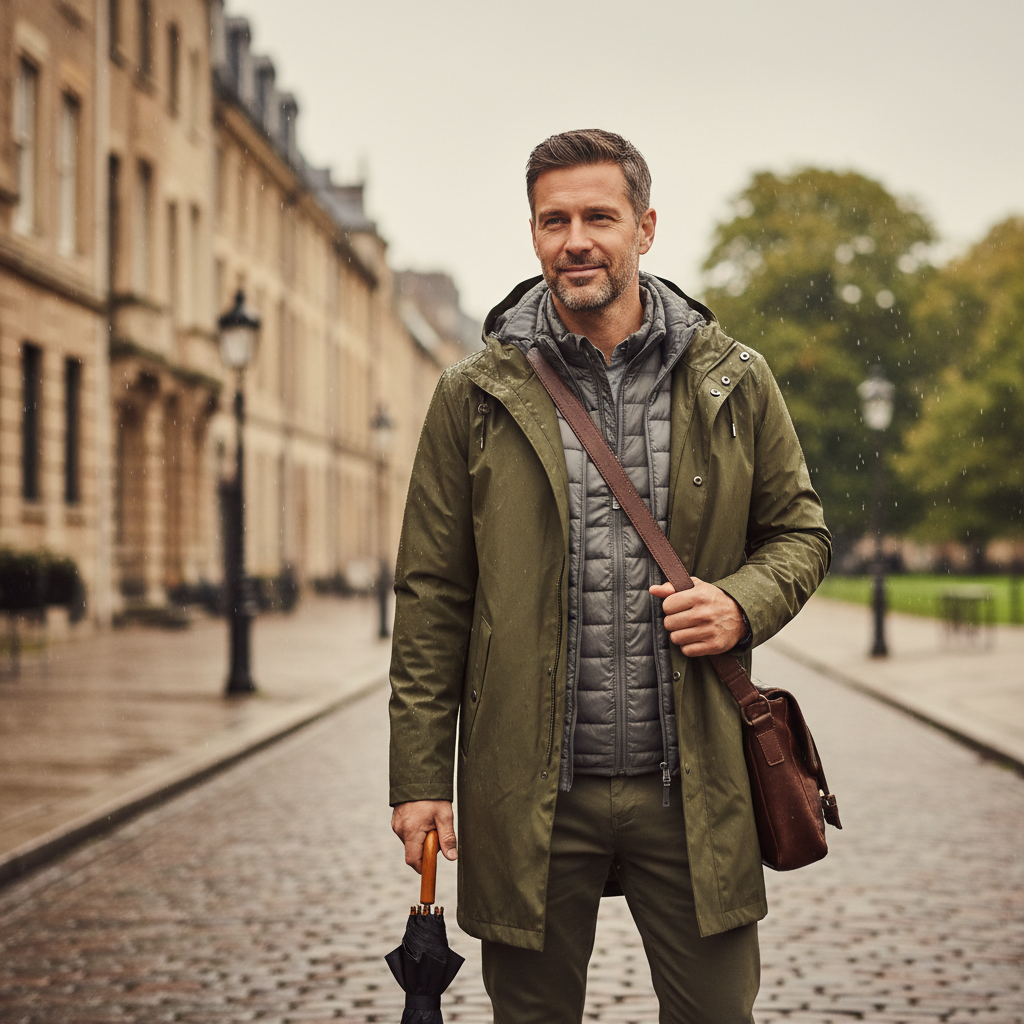
Best Mens Rain Coat with Removable Liner for All Weather Protection
Facing unpredictable weather requires a wardrobe that is as flexible as your schedule. A mens rain coat with removable liner is the gold standard for versatility, offering a 2-in-1 solution that transitions seamlessly from a light spring drizzle to a freezing winter storm. Instead of cluttering your closet with multiple heavy jackets, a modular system allows you to customize your warmth based on the temperature. In this guide, we will explore why this specific design is essential for the modern man, how to identify high-quality materials, and how to maximize your investment for years of reliable protection.
2026-04-07 02:35:18
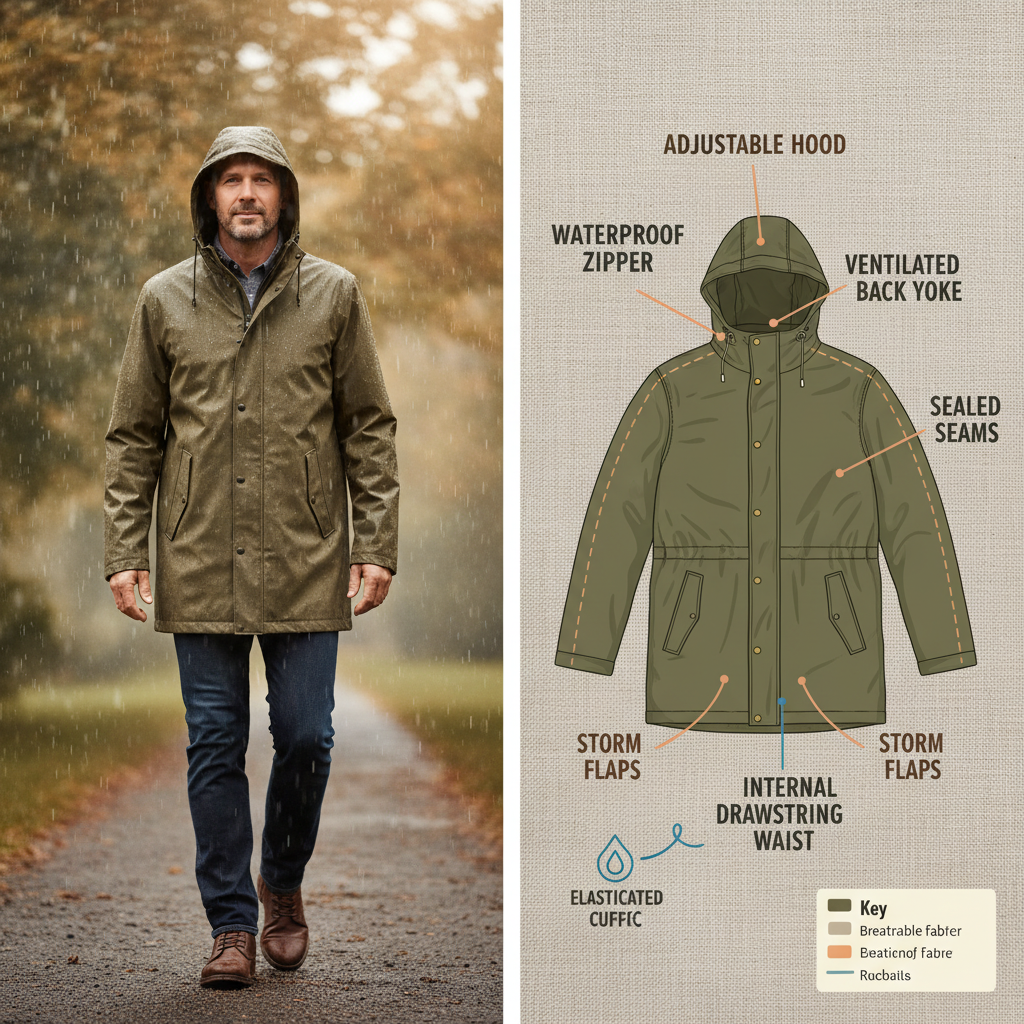
Comprehensive Guide to Selecting the Perfect Mens Rain Coat with Hood
Finding the right mens rain coat with hood is crucial for staying dry and comfortable in wet weather. Whether you're commuting to work, enjoying outdoor activities, or simply running errands, a reliable raincoat can make all the difference. This article will explore the key features, benefits, and considerations when choosing a rain coat, helping you make an informed decision. We'll cover everything from materials and waterproofing to fit and style. Choosing a high-quality raincoat is an investment in your comfort and protection.
2026-04-04 02:45:18
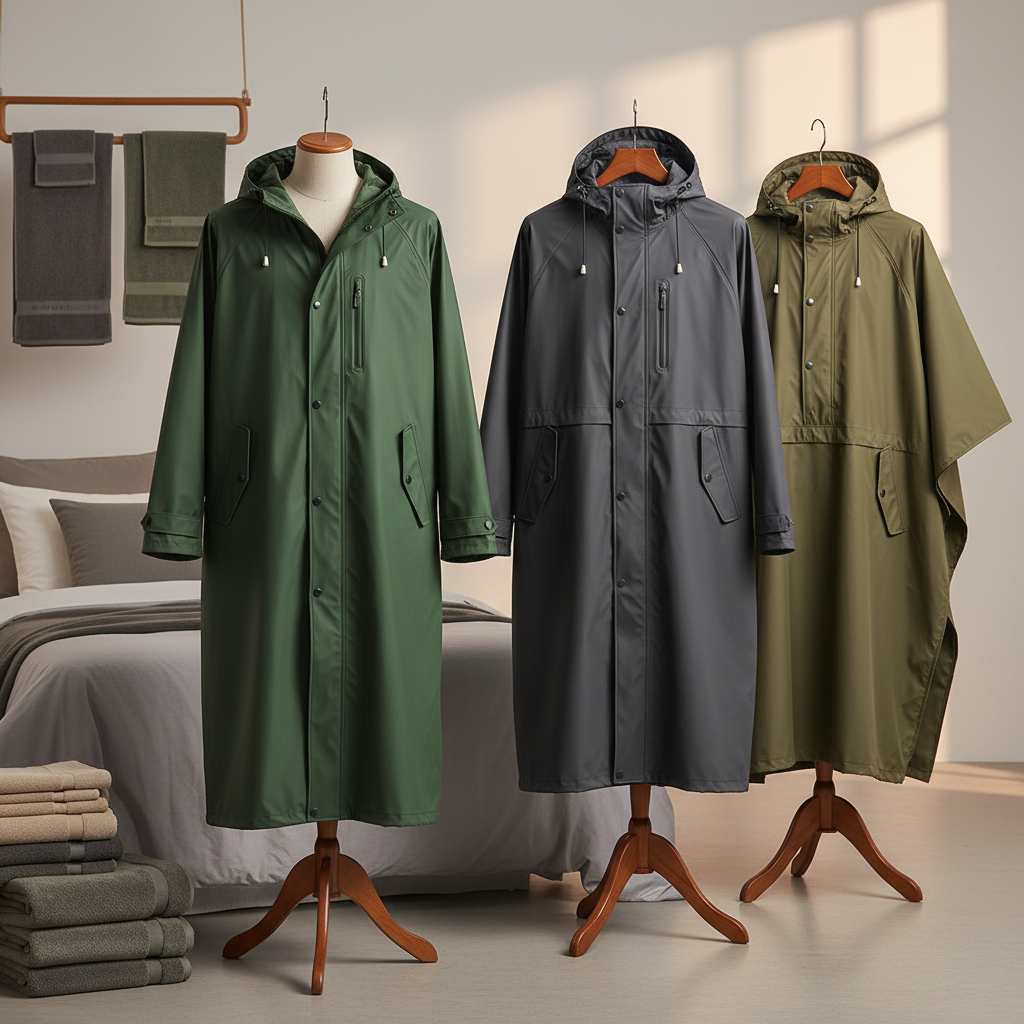
Comprehensive Guide to Mens Rain Coat Waterproof Options and Features
Staying dry and comfortable in wet weather is crucial, and a high-quality mens rain coat waterproof is an essential part of any outdoor wardrobe. Choosing the right raincoat can make all the difference, protecting you from the elements while offering comfort and durability. This article will cover everything you need to know about waterproof raincoats, including materials, features, and how to choose the best one for your needs. We'll also highlight why SXZY Raincoat offers exceptional quality and value.

2026-03-31 02:35:27
Stylish Mens Rain Coat Dress for Ultimate Weather Protection
When the weather turns unpredictable, a stylish and functional mens rain coat dress is an essential addition to any wardrobe. No longer just about staying dry, rain coats have evolved into fashion statements, offering a blend of practicality and elegance. This article explores the benefits, styles, and key features to look for when choosing the perfect rain coat dress, ensuring you stay comfortable and on-trend, whatever the weather. We'll also highlight how SXZY Raincoat provides quality and style in their collection.
2026-03-28 02:55:02
Comprehensive Guide to Mens Rain Coat and Pants for Optimal Weather Protection
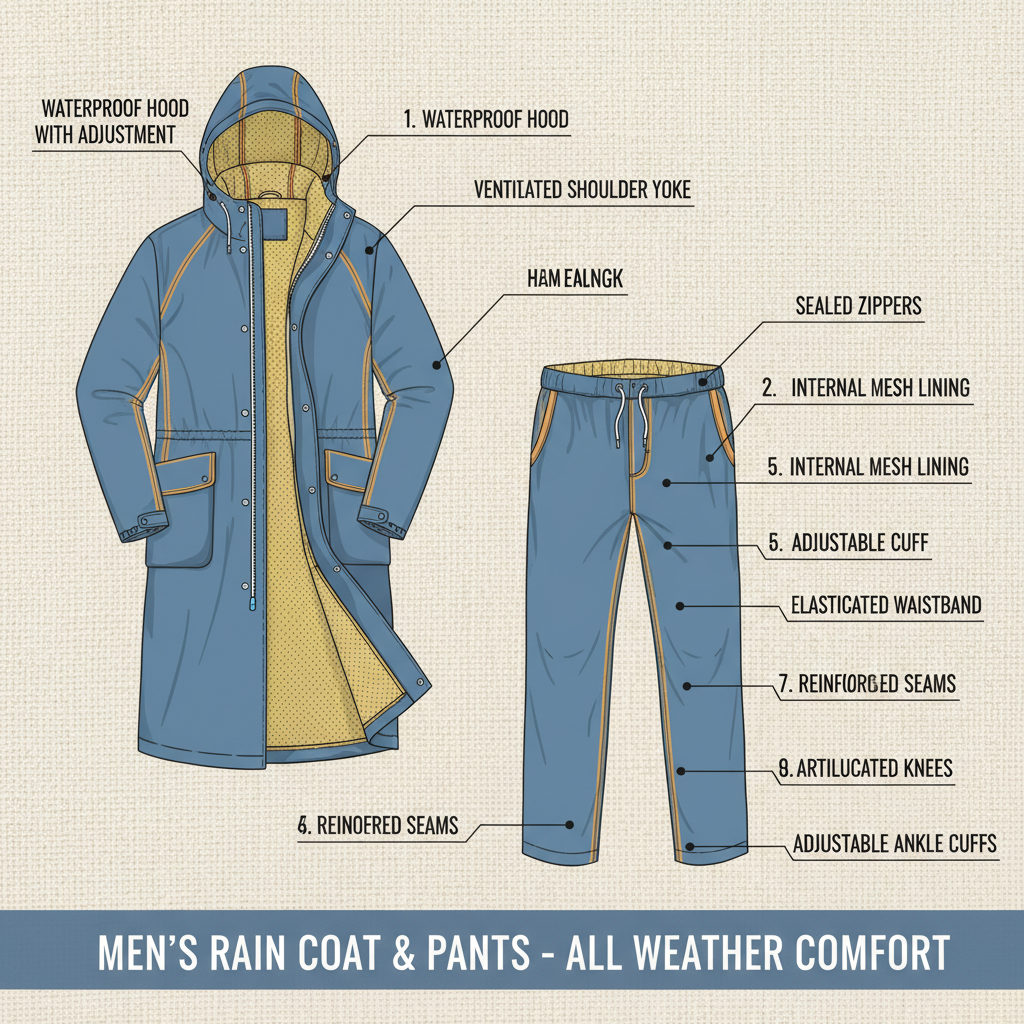
Staying dry and comfortable during inclement weather is crucial, and having the right rain gear can make all the difference. Mens rain coat and pants sets offer superior protection against rain, wind, and cold. This article will explore the benefits of owning a quality rain suit, factors to consider when choosing one, and highlight the exceptional products offered by sxzyraincoat.com. Invest in a reliable rain suit to ensure you're prepared for any weather challenge.
2026-03-26 02:35:30
Choosing the Right Mens Rain Coat for Optimal Weather Protection
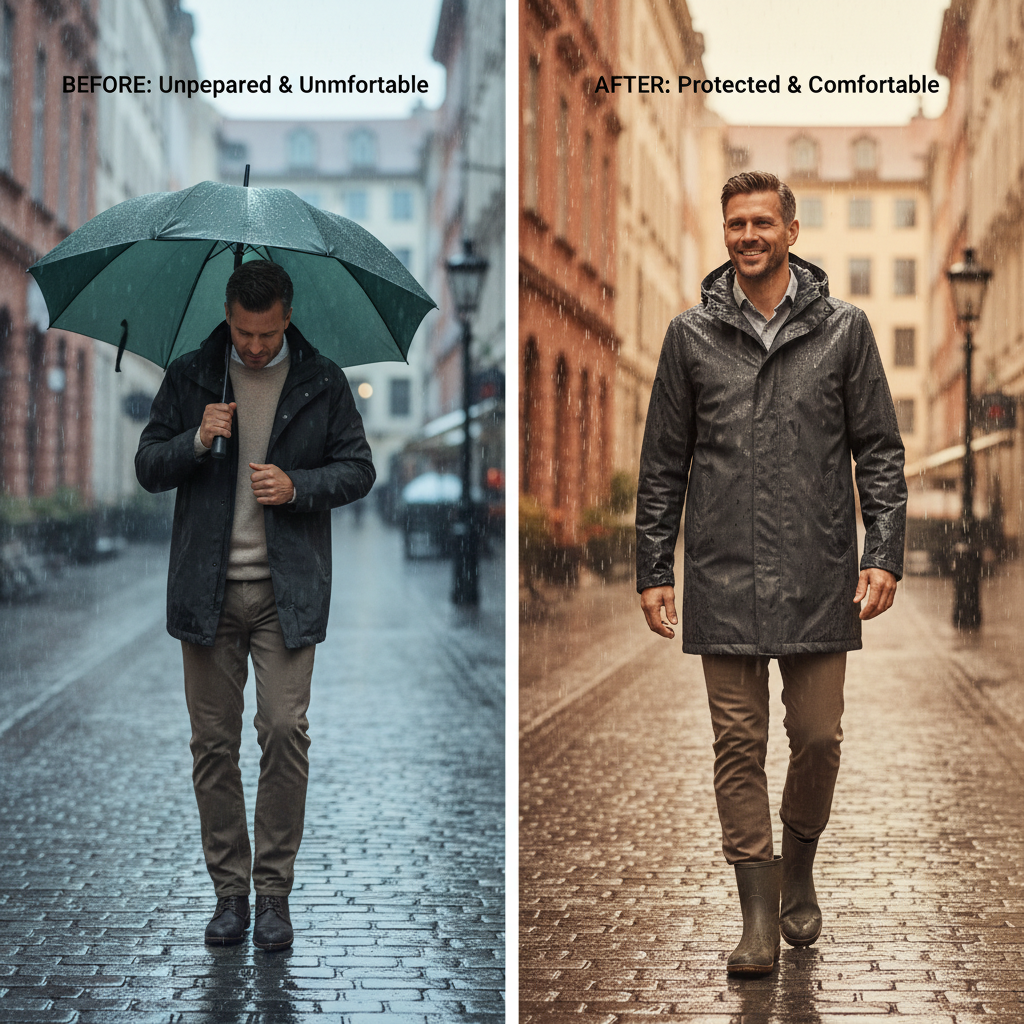
Staying dry and comfortable in inclement weather is crucial, and selecting the right mens rain coat is paramount. From everyday commutes to outdoor adventures, a quality raincoat provides essential protection. This article will explore the key features to consider when choosing a mens rain coat, different types available, and how to find the perfect fit for your needs. We'll also highlight the benefits of investing in a durable and reliable raincoat that can withstand various weather conditions. The material of a mens rain coat significantly impacts its waterproofness, breathability, and durability. Common materials include PVC, polyurethane (PU), and Gore-Tex. PVC is affordable but less breathable, leading to discomfort during strenuous activity. PU offers a good balance of waterproofness and breathability. Gore-Tex is a premium option known for its exceptional waterproofness and breathability, making it ideal for demanding conditions.
2026-03-24 02:45:24
Mens Quilted Raincoat A Comprehensive Guide to Style and Weather Protection
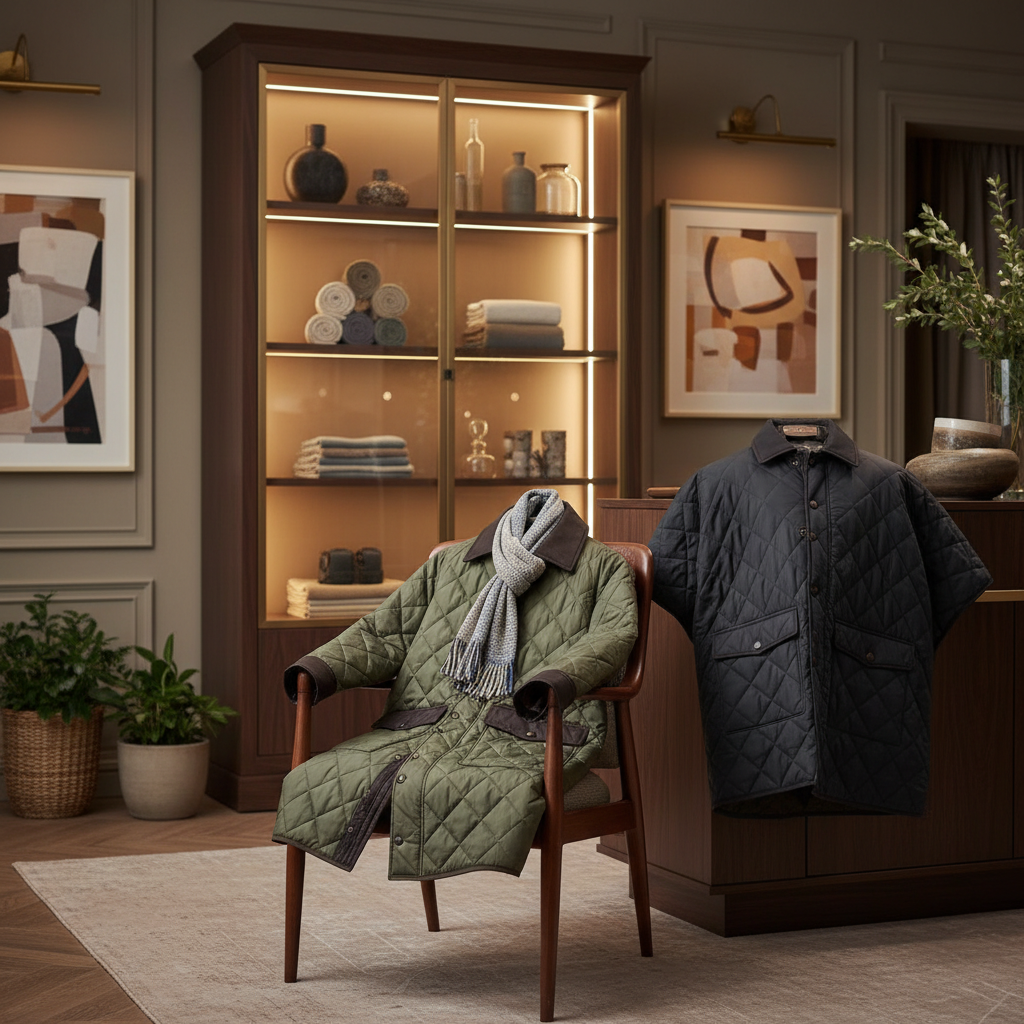
Finding the right raincoat is essential for staying dry and comfortable, especially when navigating unpredictable weather. A mens quilted raincoat offers a fantastic blend of practicality and style. This article delves into the benefits of quilted raincoats, key features to look for, how to choose the perfect fit, and care tips to ensure longevity. We'll explore why a quilted raincoat from SXZY Raincoat is an excellent investment for any weather condition. Quilted raincoats stand out due to their unique construction. The quilting process involves stitching layers of fabric together, typically with a layer of insulation in between. This not only adds a stylish aesthetic but also provides excellent warmth and comfort. Unlike standard raincoats that can feel stiff and uncomfortable, quilted versions offer a softer, more forgiving feel. The quilted design traps air, creating an insulating barrier against the cold, making them ideal for cooler, wetter climates.


