



Glossy Raincoat: Innovative Waterproof Jackets for Style and Protection

Nov . 29, 2025 15:20
Glossy Raincoat: More Than Just a Shiny Jacket
If you've ever been caught in a sudden downpour, you know the value of a reliable raincoat — but a glossy raincoat brings a little extra to the table. Beyond its sleek, reflective look, this piece of outerwear embodies innovation in materials and design, meeting global demands for protection, style, and sustainability in unpredictable climates. Understanding what makes glossy raincoats uniquely practical — and increasingly popular worldwide — helps us appreciate the subtle evolution of something so seemingly simple yet essential.
Setting the Stage: Why Glossy Raincoats Matter Globally
Rain falls everywhere, but with climate trends changing and extreme weather becoming more common, functional rainwear is no longer a luxury — it’s a necessity. According to the NASA Climate Portal, precipitation patterns are shifting, leading to heavier and less predictable rain events globally. This makes waterproof outerwear, like the glossy raincoat, indispensable — both in cities and rural areas.
Factoring in population densities in Asia, Europe, and parts of North America, the demand for quick-drying, durable, and visually appealing rain gear is soaring. Industrial workers, outdoor enthusiasts, and even humanitarian responders are all turning to glossy raincoats for their ability to keep wearers dry under challenging conditions.
But there's a problem — many traditional raincoats sacrifice either breathability or aesthetics for durability. The glossy raincoat solves this in a way that also taps into emerging sustainable materials and modern manufacturing techniques.
Mini takeaway:
- Climate changes push more people towards reliable rainwear.
- Visual appeal meets practicality in glossy raincoats.
- Innovation addresses the longstanding trade-off between durability and comfort.
What Exactly Is a Glossy Raincoat?
Simply put, a glossy raincoat is a water-resistant or waterproof coat featuring a shiny, smooth finish, often made from PVC, PU-coated polyester, or similar synthetic materials. But it's more than just texture or shine — this kind of outerwear actively combines protective qualities with trend-conscious design, often incorporating lightweight and breathable membranes to avoid the "plastic bag" feel.
In the context of modern industry and humanitarian needs, glossy raincoats serve critical functions. Construction workers need highly visible, waterproof gear that can survive harsh environments. Relief organizations require rainwear that’s easily packaged, durable, and comfortable enough for extended wear in transitional shelters or refugee camps. The shiny finish helps with visibility and sometimes even serves protective safety functions.
Mini takeaway:
- Glossy raincoats are waterproof coats with a shiny finish.
- Developed using synthetic fabrics and waterproof membranes.
- Serve both industrial and humanitarian purposes effectively.
Core Features to Consider in Glossy Raincoats
1. Durability and Weather Resistance
Since the glossy raincoat faces heavy rain, wind, and occasional abrasion, durability is paramount. Materials like PVC and polyurethane provide excellent resistance to water and mechanical wear. Many manufacturers apply reinforced seams and zippers to ensure no leaks under pressure.
2. Breathability vs. Waterproofing Balance
Traditionally, the shinier the surface, the less breathable — think vinyl encased in plastic. Innovations now bring breathable membranes (like microporous PU coatings) to the glossy raincoat, preventing overheating and sweat accumulation, so users stay dry inside and out.
3. Weight and Packability
Users appreciate rainwear that folds easily without creasing or cracking. Designers strive to reduce unit weight to less than 400 grams, making the coat ideal for urban commuting or outdoor work shifts.
4. Safety and Visibility
The glossy finish not only sheds water but reflects ambient light, increasing visibility in low-light conditions. Some variants include reflective piping or bright colors that meet occupational safety standards.
5. Environmental Sustainability
Newer glossy raincoats are shifting away from PVC toward bio-based or recyclable polymers — responding to global calls for reduced plastic waste. This brings fresh value to users mindful of their carbon footprint.
Mini takeaway:
- Durability and waterproofing remain cornerstones.
- Emerging materials improve breathability and sustainability.
- Packability and safety features cater to real-world needs.
Specifications Table: Typical Glossy Raincoat Model
| Feature | Specification |
|---|---|
| Material | Polyurethane-coated polyester with glossy finish |
| Waterproof Rating | >10,000 mm water column |
| Breathability | 8,000 g/m²/24h (MVTR) |
| Weight | 350 g (Medium size) |
| Seam Type | Fully taped and sealed |
| Visibility Feature | Reflective piping and reflective glossy surface |
| Sustainability | PVC-free, recyclable PU coating |
Real-World Applications of Glossy Raincoats
You can find glossy raincoats across many sectors: urban workers, logistics teams, outdoor sports enthusiasts, and emergency responders. In parts of Southeast Asia, where monsoon rains are intense, industrial workers rely on these coats for extended comfort and protection. Similarly, NGOs operating refugee camps in Africa and the Middle East often source glossy raincoats for distribution, balancing cost, durability, and the dignity of recipients.
Oddly enough, some fashion designers are embracing the glossy raincoat as a statement piece — a rare crossover where industrial tech meets streetwear. This is fueling interest in innovative production techniques that marry function and style without compromise.
Regions benefiting most include:
- Europe: urban mobility, cycling commuters
- Asia-Pacific: monsoon-heavy areas, construction sectors
- North America: outdoor recreation and protective industrial wear
Mini takeaway:
- Glossy raincoats serve both practical and aesthetic roles worldwide.
- They support vulnerable communities and demanding industries alike.
- Designers blur the lines between technical gear and fashion.
Comparing Top Glossy Raincoat Vendors
| Vendor | Material | Eco-Friendly? | Price Range (USD) | Lead Time |
|---|---|---|---|---|
| SXY Premium | PU-coated polyester (PVC-free) | Yes | $45–$65 per piece | 2–3 weeks |
| RainGuard Inc. | PVC with glossy lamination | No | $30–$50 per piece | 1–2 weeks |
| EcoShield Gear | Bio-based TPU glossy finish | Yes | $55–$75 per piece | 3–4 weeks |
Why Choose a Glossy Raincoat? Advantages & Long-Term Value
The benefits really stack up. On a practical level, a glossy raincoat is reliable and always ready— its water resistance beats average jackets, letting you stay dry no matter how harsh the downpour. Emotionally, it offers comfort and confidence, not to mention a bit of style. For workers, it’s their trusted shield. For aid workers, it helps preserve human dignity during difficult times.
On top of that, more brands focus on eco-friendly components, lowering the environmental cost of rainwear production. This not only aligns with global sustainability goals (like the UN’s SDGs) but resonates with increasingly conscious consumers.
All told, owning a glossy raincoat means practical weather protection, safer visibility in bad weather, and an often unseen contribution to sustainability efforts. Not a bad bundle, frankly.
What’s Next for Glossy Raincoats? Emerging Trends & Innovations
Looking ahead, expect to see more integration of smart textiles — raincoats that adapt to temperature or moisture, or fabrics that change color for safety signaling. Digital manufacturing and 3D knitting promise better fitting, more customizable coats without waste. On the material side, breakthroughs in biodegradable coatings and recycled polymers are emerging as real game changers.
Plus, legislation pushing for reduced plastic waste in manufacturing is nudging suppliers and buyers alike to opt for greener options. So your glossy raincoat 5 years from now might be shinier, smarter, and kinder to the planet.
Challenges Facing Glossy Raincoat Adoption and Solutions
That said, glossy raincoats are not without hiccups. Traditional glossy materials have sometimes caused affordability issues or discomfort from reduced breathability. Moreover, supply chain issues and inconsistent global standards can complicate international orders.
The solutions? Many manufacturers now offer modular designs for easy repair or replacement, reducing waste. Improved membrane technologies solve breathability problems. Plus, consolidated international standards under umbrella groups like ISO (ISO 811 for waterproofness, for example) help make buying and manufacturing smoother across borders.
FAQ: Things You Really Want to Know About Glossy Raincoats
Q: Are glossy raincoats suitable for everyday urban use, or just outdoor workers?
A: Glossy raincoats actually excel in both settings. Their sleek finish makes them stylish enough for city commuters, while durability and water resistance meet the tougher requirements of outdoor or industrial users.
Q: How long does a typical glossy raincoat last in heavy rain environments?
A: With proper care, most glossy raincoats last 3–5 years of frequent use. Seam sealing and quality coatings play a huge role in longevity. Still, wear and tear depend on activity level and storage.
Q: Is the glossy finish prone to cracking or peeling over time?
A: Older PVC-based raincoats often had this issue, but modern polyurethane or bio-TPU coatings are much more flexible and durable, greatly reducing cracking risk.
Q: Can glossy raincoats be recycled or disposed of sustainably?
A: Newer models made with recyclable or bio-based materials can be recycled in specialized facilities. It’s best to check vendor policies for disposal or take-back programs.
Q: How can organizations source high-quality glossy raincoats internationally?
A: Look for vendors that comply with international standards and certifications, offer clear lead times, and provide samples. Direct contact with manufacturers like SXY Premium can streamline the process.
Wrapping It Up: Why Invest in a Glossy Raincoat Today?
There’s something satisfying about owning gear that not just meets, but anticipates your needs — and glossy raincoats do just that. They blend modern materials science with practical design, offering protection, comfort, and style all rolled into one shimmery package. If you’re on the fence, consider the long-term savings of fewer replacements, the safety of being visible in wet weather, and the peace of mind that comes from supporting more sustainable manufacturing methods.
Explore more and find your perfect glossy raincoat at our supplier’s website, where innovation meets everyday practicality.
Mini takeaway:
- Glossy raincoats are a smart investment for work, travel, or daily life.
- They combine durability, style, and emerging sustainability.
- Future innovations will only make them more valuable.
References:
1. NASA Climate Data Portal
2. Wear resistance - Wikipedia
3. ISO 811: Textile waterproofness testing

Related Products

Related News

2026-04-16 02:35:36
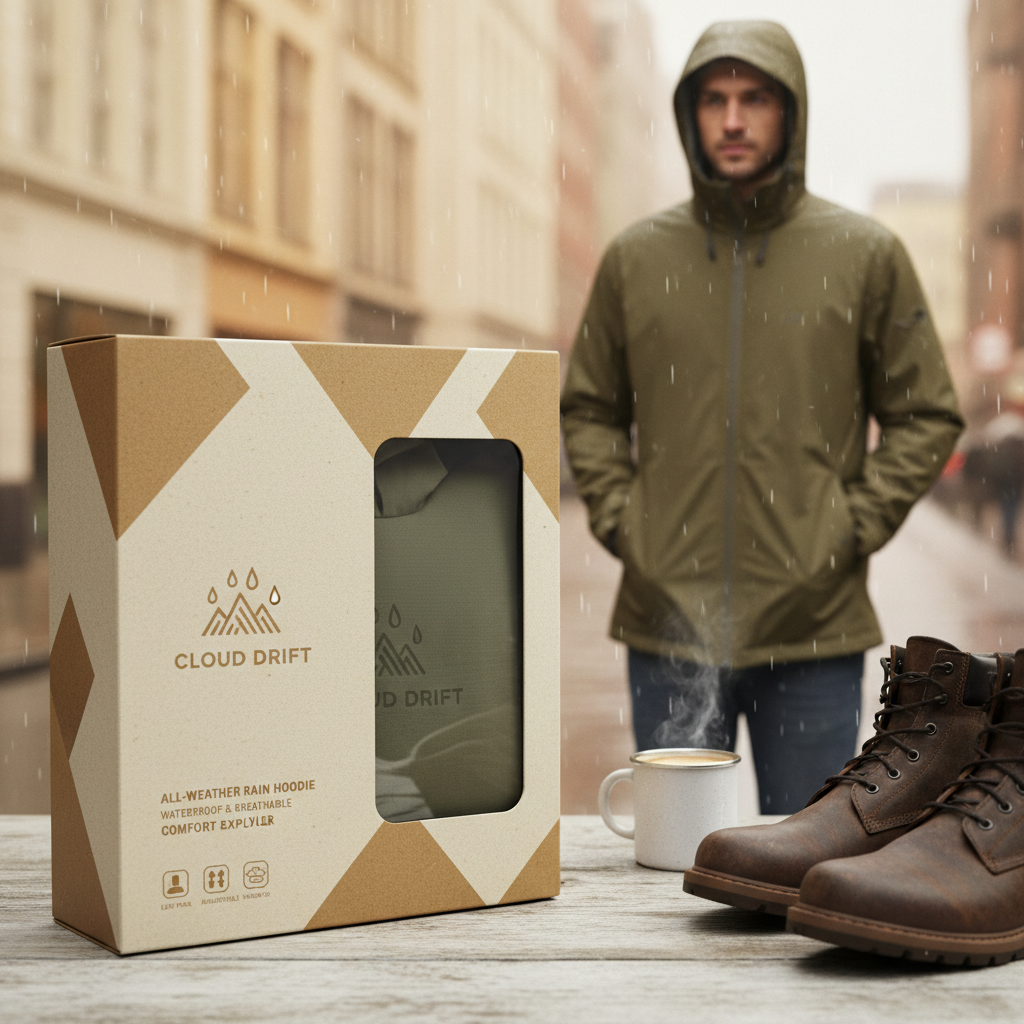
The Ultimate Guide to Choosing a Premium Mens Rain Hoodie
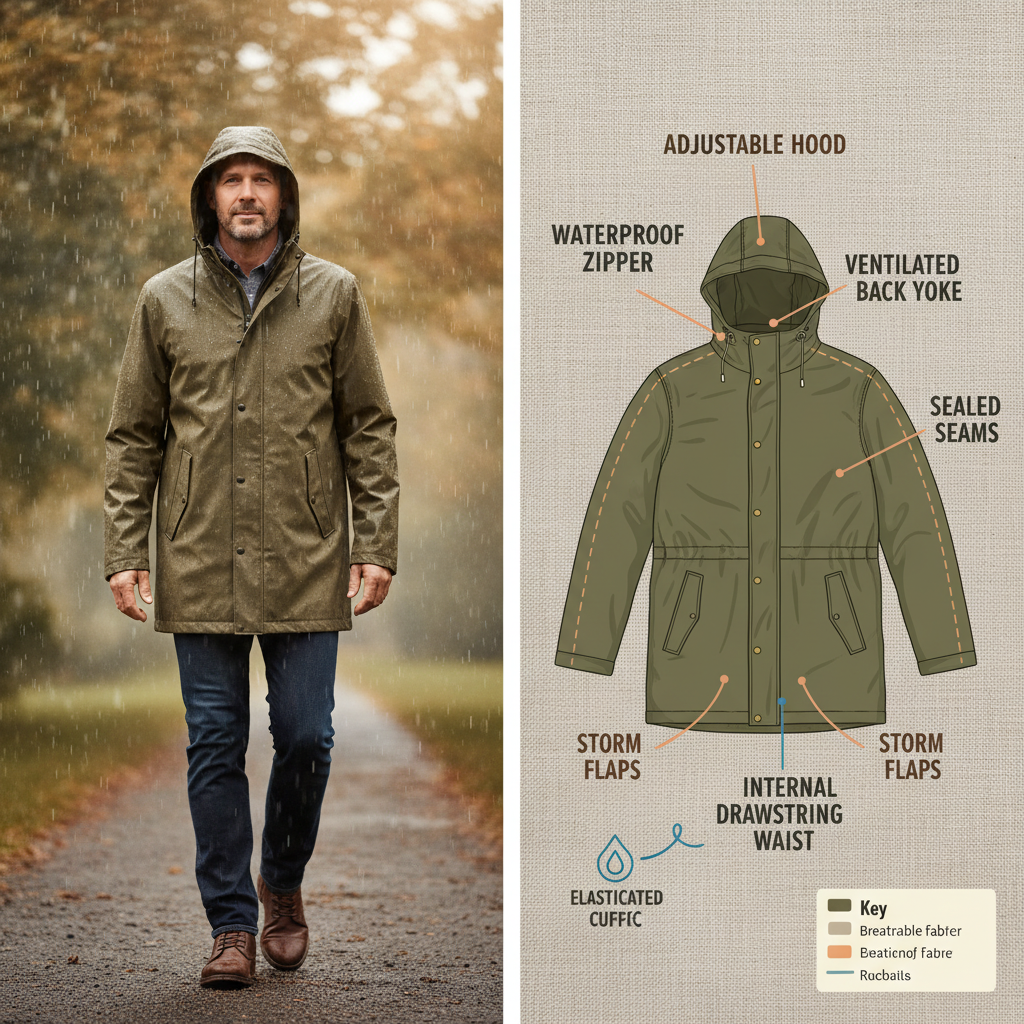
Facing unpredictable weather requires more than just a simple umbrella; it demands gear that blends functionality with modern aesthetics. A high-quality mens rain hoodie is the perfect solution for the modern man who refuses to let a downpour disrupt his day. Whether you are commuting to the office, hiking a misty trail, or running weekend errands, the right rainwear ensures you stay dry without sacrificing comfort. In this comprehensive guide, we will explore what makes a rain hoodie truly effective, from fabric technology to essential design features, helping you make an informed investment in your wardrobe.

2026-04-09 02:45:09
Best Mens Rain Coat with Removable Liner for All Weather Protection
Facing unpredictable weather requires a wardrobe that is as flexible as your schedule. A mens rain coat with removable liner is the gold standard for versatility, offering a 2-in-1 solution that transitions seamlessly from a light spring drizzle to a freezing winter storm. Instead of cluttering your closet with multiple heavy jackets, a modular system allows you to customize your warmth based on the temperature. In this guide, we will explore why this specific design is essential for the modern man, how to identify high-quality materials, and how to maximize your investment for years of reliable protection.
2026-04-07 02:35:18
Comprehensive Guide to Selecting the Perfect Mens Rain Coat with Hood
Finding the right mens rain coat with hood is crucial for staying dry and comfortable in wet weather. Whether you're commuting to work, enjoying outdoor activities, or simply running errands, a reliable raincoat can make all the difference. This article will explore the key features, benefits, and considerations when choosing a rain coat, helping you make an informed decision. We'll cover everything from materials and waterproofing to fit and style. Choosing a high-quality raincoat is an investment in your comfort and protection.
2026-04-04 02:45:18
Comprehensive Guide to Mens Rain Coat Waterproof Options and Features
Staying dry and comfortable in wet weather is crucial, and a high-quality mens rain coat waterproof is an essential part of any outdoor wardrobe. Choosing the right raincoat can make all the difference, protecting you from the elements while offering comfort and durability. This article will cover everything you need to know about waterproof raincoats, including materials, features, and how to choose the best one for your needs. We'll also highlight why SXZY Raincoat offers exceptional quality and value.

2026-03-31 02:35:27
Stylish Mens Rain Coat Dress for Ultimate Weather Protection
When the weather turns unpredictable, a stylish and functional mens rain coat dress is an essential addition to any wardrobe. No longer just about staying dry, rain coats have evolved into fashion statements, offering a blend of practicality and elegance. This article explores the benefits, styles, and key features to look for when choosing the perfect rain coat dress, ensuring you stay comfortable and on-trend, whatever the weather. We'll also highlight how SXZY Raincoat provides quality and style in their collection.
2026-03-28 02:55:02
Comprehensive Guide to Mens Rain Coat and Pants for Optimal Weather Protection
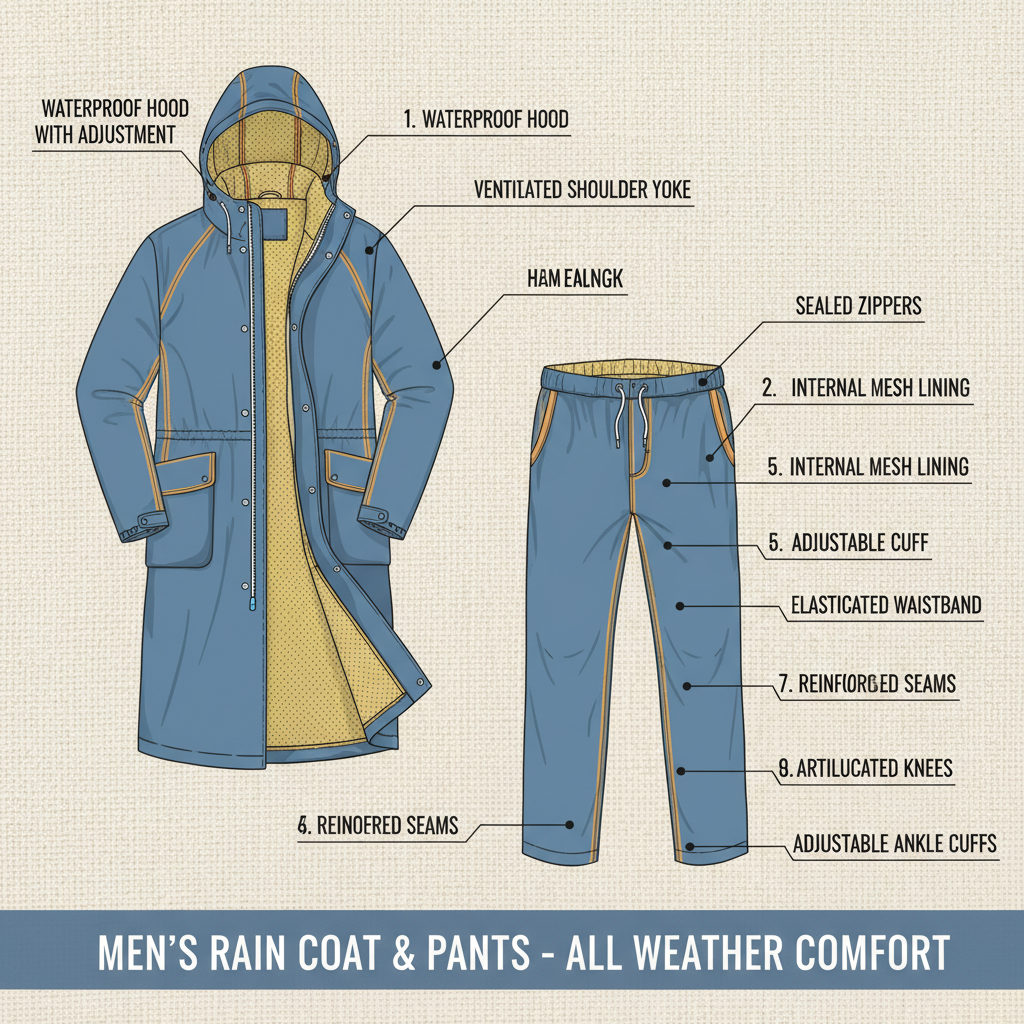
Staying dry and comfortable during inclement weather is crucial, and having the right rain gear can make all the difference. Mens rain coat and pants sets offer superior protection against rain, wind, and cold. This article will explore the benefits of owning a quality rain suit, factors to consider when choosing one, and highlight the exceptional products offered by sxzyraincoat.com. Invest in a reliable rain suit to ensure you're prepared for any weather challenge.
2026-03-26 02:35:30
Choosing the Right Mens Rain Coat for Optimal Weather Protection
Staying dry and comfortable in inclement weather is crucial, and selecting the right mens rain coat is paramount. From everyday commutes to outdoor adventures, a quality raincoat provides essential protection. This article will explore the key features to consider when choosing a mens rain coat, different types available, and how to find the perfect fit for your needs. We'll also highlight the benefits of investing in a durable and reliable raincoat that can withstand various weather conditions. The material of a mens rain coat significantly impacts its waterproofness, breathability, and durability. Common materials include PVC, polyurethane (PU), and Gore-Tex. PVC is affordable but less breathable, leading to discomfort during strenuous activity. PU offers a good balance of waterproofness and breathability. Gore-Tex is a premium option known for its exceptional waterproofness and breathability, making it ideal for demanding conditions.

2026-03-24 02:45:24
Mens Quilted Raincoat A Comprehensive Guide to Style and Weather Protection
Finding the right raincoat is essential for staying dry and comfortable, especially when navigating unpredictable weather. A mens quilted raincoat offers a fantastic blend of practicality and style. This article delves into the benefits of quilted raincoats, key features to look for, how to choose the perfect fit, and care tips to ensure longevity. We'll explore why a quilted raincoat from SXZY Raincoat is an excellent investment for any weather condition. Quilted raincoats stand out due to their unique construction. The quilting process involves stitching layers of fabric together, typically with a layer of insulation in between. This not only adds a stylish aesthetic but also provides excellent warmth and comfort. Unlike standard raincoats that can feel stiff and uncomfortable, quilted versions offer a softer, more forgiving feel. The quilted design traps air, creating an insulating barrier against the cold, making them ideal for cooler, wetter climates.


