



Lined Raincoat: Your Essential Waterproof and Insulated Outerwear

Dec . 01, 2025 18:55
Exploring the Lined Raincoat: Why It Still Matters Worldwide
When you think of rain gear, you might picture a slick, waterproof jacket. But take a step deeper, and the concept of a lined raincoat emerges—rainwear designed not only to keep you dry but to offer warmth, durability, and versatility. It's a subtle upgrade that packs benefits for everyday commuters, outdoor workers, and humanitarian responders alike. In a world increasingly affected by erratic weather patterns and environmental emergencies, understanding the lined raincoat is more than just fashion talk—it’s about preparedness and resilience.
Globally, wet weather conditions cause billions in economic loss annually, and having reliable rainwear can mean the difference between health and illness, safety and harm. With demand rising across Europe, Asia, and parts of North America, lined raincoats have carved a niche for those needing dependable protection against moisture and cold. Before you think this all sounds a bit obvious — could be seen as just layering — the technology and material science behind modern lined raincoats deserve a closer look.
Why Lined Raincoats Are a Global Necessity
According to the World Bank, climate change has altered precipitation patterns, resulting in harsher rainy seasons and more floods worldwide. This, along with expanding outdoor industries—from agriculture to logistics—drives the need for rainwear that isn’t just waterproof but also comfortable and durable over long hours. The lined raincoat addresses these issues by combining moisture barrier fabrics with insulated linings, creating wearable solutions that are both functional and adaptable. ISO standards even touch on performance metrics for such outwear, underscoring their significance in manufacturing and safety.
Take the humanitarian sector, where post-disaster relief teams operate under harsh, wet conditions. A lined raincoat is more than just fashion there—it becomes protective gear that prevents hypothermia and allows responders to work longer, more effectively. So yes, the humble lined raincoat quietly supports critical operations around the world.
What Exactly Is a Lined Raincoat?
At its core, a lined raincoat is a waterproof outer garment that includes an additional inner layer—often fleece, wool blend, or synthetic insulation—that provides warmth and comfort. Unlike simple rain jackets, these coats balance waterproofing with breathability and insulation. They seamlessly marry two essential qualities: shielding from rain and retaining body heat.
In practical terms, that means lined raincoats find their way into everyday wardrobes and specialized workwear alike. Their presence spans urban commuters facing chilly drizzles, heavy-duty industrial workers braving wet sites, and outdoor enthusiasts who crave both dryness and warmth without bulk.
What Makes a Lined Raincoat Tick? Core Components
1. Waterproof Outer Shell
This is the frontline defense, typically made from treated polyester, nylon, or proprietary membranes like Gore-Tex. The shell must be fully waterproof but also breathable enough to avoid clamminess inside.
2. Thermal Lining
The inner layer is key for insulation. It ranges from lightweight fleece to heavier wool or padded polypropylene, chosen based on intended climate and activity level.
3. Sealed Stitching & Accessories
Details matter—sealed seams prevent water ingress, while adjustable hoods and cuffs enhance fit and protection.
4. Comfort and Movement
While wearing multiple layers might feel restrictive, lined raincoats today are engineered for flexibility and ergonomic movement, essential for outdoor labor or longer commutes.
5. Durability & Sustainability
Many manufacturers incorporate recycled materials or use durable coatings that extend product life, aligning with current eco-conscious trends.
| Feature | Specification |
|---|---|
| Outer Material | Polyester with PU coating |
| Lining Material | Microfleece, 150 gsm |
| Waterproof Rating | 10,000 mm column |
| Breathability | 5,000 g/m²/24hrs |
| Weight | 650 grams (Medium size) |
Where Lined Raincoats Make a Real Difference
From the soggy moors of the UK to monsoon-hit cities in Southeast Asia, lined raincoats answer a universal call. A few use cases stand out:
- Post-disaster relief operations: NGOs like the Red Cross equip aid workers with lined raincoats to maintain warmth and dryness during flood responses.
- Industrial Outdoor Work: Construction crews, forestry, and fishery workers rely on lined raincoats for extended wet-weather protection, improving safety and comfort.
- Urban Commuters: In cities where rain is unpredictable, the reliable insulation of a lined raincoat becomes an urban necessity.
- Outdoor Sports & Hiking: Enthusiasts who need layers that adapt to temperature swings often choose lined designs for versatility.
Interestingly, regional preferences tend to favor more insulated linings in northern latitudes, while lightweight options dominate tropical regions that experience short bursts of intense rain.
Comparing Providers of Lined Raincoats
| Vendor | Price Range (USD) | Material Quality | Waterproof Rating | Eco-Friendly? |
|---|---|---|---|---|
| AquaShield Co. | $120 – $180 | Premium Polyester + Gore-Tex | 20,000 mm | Yes (Recycled fabrics) |
| StormSafe Apparel | $85 – $140 | Polyester blend | 10,000 mm | Partial (PFC-free coating) |
| GreenWeave Gear | $110 – $160 | Recycled nylon | 15,000 mm | Yes (Full sustainability badge) |
Advantages & Why Choose a Lined Raincoat for the Long Haul?
Cost-wise, a lined raincoat might seem like an investment, but add up the years saved from sickness, discomfort, and damaged gear—it often pays off. Socially, it supports dignity by allowing workers and responders to stay dry without layering bulky clothes. Emotionally, many users report a sense of security wearing lined jackets because “you just know you won’t get soaked or shiver mid-shift.” Innovation continues to drive better performance fabrics that recycle ocean plastics or integrate reflective safety elements.
Looking Ahead: Trends and Innovations in Lined Rainwear
If you thought raincoats were just old-school rain gear, think again. Manufacturers are experimenting with bio-based waterproof membranes, digital textiles that adapt insulation based on temperature, and automated manufacturing that custom-fits rainwear for optimal comfort. Sustainability remains a ticking zeitgeist: from biodegradable linings to zero-PFC coatings, the lined raincoat is evolving with the planet’s needs in mind.
Common Challenges and Clever Solutions to Maximize Use
Current hurdles include balancing warmth without bulkiness and preventing liner materials from retaining moisture. One savvy approach is vented designs with zippered openings for quick airflow and removable liners for extended seasons. Plus, some vendors integrate antimicrobial treatments to reduce odor.
FAQs About Lined Raincoats
Q1: How does a lined raincoat differ from a regular rain jacket?
A lined raincoat includes an internal insulated layer to provide warmth, whereas a typical rain jacket is often just waterproof without much insulation. This makes lined raincoats better for cold, wet conditions.
Q2: Can I wash a lined raincoat like normal clothes?
Most lined raincoats require gentle washing with technical detergent and avoiding fabric softeners to maintain waterproof membranes and insulation integrity. Always check the label instructions.
Q3: Are lined raincoats suitable for year-round use?
They are ideal for colder months or wet, chilly climates. Some models with removable linings can extend use into warmer seasons, but lightweight rain jackets might be better in summer.
Q4: Is it worth investing in an eco-friendly lined raincoat?
Yes—eco-conscious products reduce environmental impact and often feature durable construction, meaning you replace them less often, saving money and resources long-term.
Q5: Where can I find quality lined raincoats?
You’ll find excellent options from specialized outdoor retailers, workwear suppliers, or dedicated vendors. For a trusted source, visit lined raincoat suppliers that specialize in technical rainwear.
Wrapping It Up
So, what’s the story with the lined raincoat? It’s an often overlooked but crucial garment that blends comfort, protection, and durability to meet real-world needs. By investing in a quality lined raincoat, you’re not just buying weather protection—you’re choosing resilience, versatility, and long-term value. If you want to explore options or upgrade your gear, don’t hesitate to visit lined raincoat experts online. After all, staying dry and warm matters—especially when unpredictable weather decides to crash your day.
References:

Related Products
Related News

2026-04-16 02:35:36
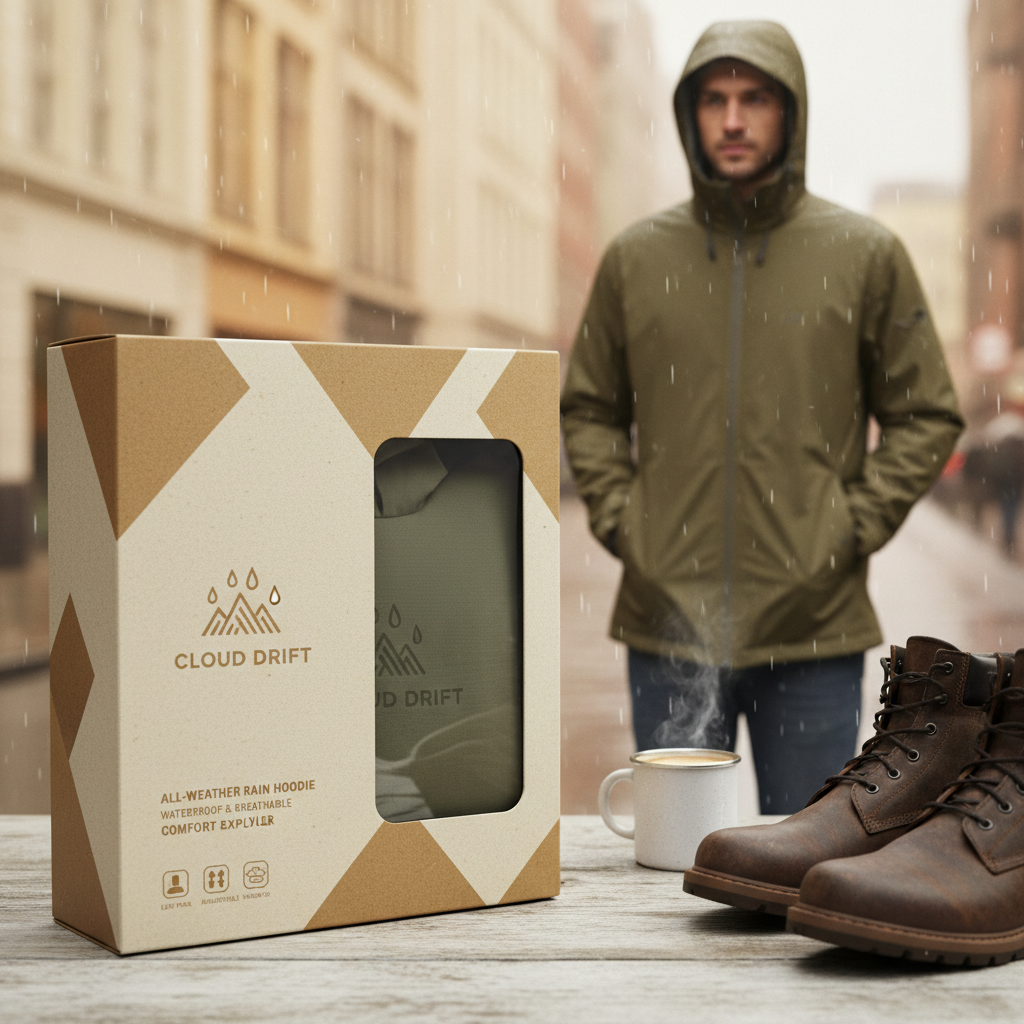
The Ultimate Guide to Choosing a Premium Mens Rain Hoodie
Facing unpredictable weather requires more than just a simple umbrella; it demands gear that blends functionality with modern aesthetics. A high-quality mens rain hoodie is the perfect solution for the modern man who refuses to let a downpour disrupt his day. Whether you are commuting to the office, hiking a misty trail, or running weekend errands, the right rainwear ensures you stay dry without sacrificing comfort. In this comprehensive guide, we will explore what makes a rain hoodie truly effective, from fabric technology to essential design features, helping you make an informed investment in your wardrobe.

2026-04-09 02:45:09
Best Mens Rain Coat with Removable Liner for All Weather Protection
Facing unpredictable weather requires a wardrobe that is as flexible as your schedule. A mens rain coat with removable liner is the gold standard for versatility, offering a 2-in-1 solution that transitions seamlessly from a light spring drizzle to a freezing winter storm. Instead of cluttering your closet with multiple heavy jackets, a modular system allows you to customize your warmth based on the temperature. In this guide, we will explore why this specific design is essential for the modern man, how to identify high-quality materials, and how to maximize your investment for years of reliable protection.
2026-04-07 02:35:18
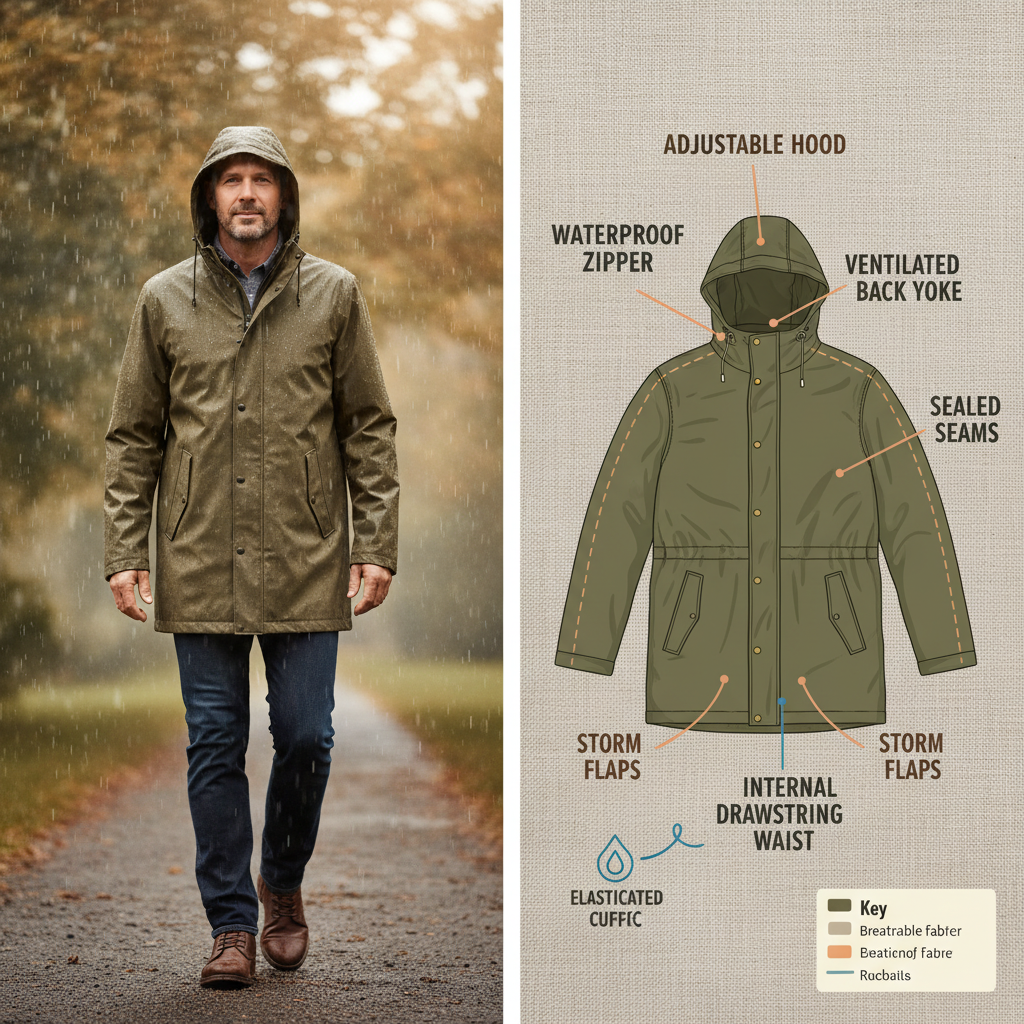
Comprehensive Guide to Selecting the Perfect Mens Rain Coat with Hood
Finding the right mens rain coat with hood is crucial for staying dry and comfortable in wet weather. Whether you're commuting to work, enjoying outdoor activities, or simply running errands, a reliable raincoat can make all the difference. This article will explore the key features, benefits, and considerations when choosing a rain coat, helping you make an informed decision. We'll cover everything from materials and waterproofing to fit and style. Choosing a high-quality raincoat is an investment in your comfort and protection.
2026-04-04 02:45:18
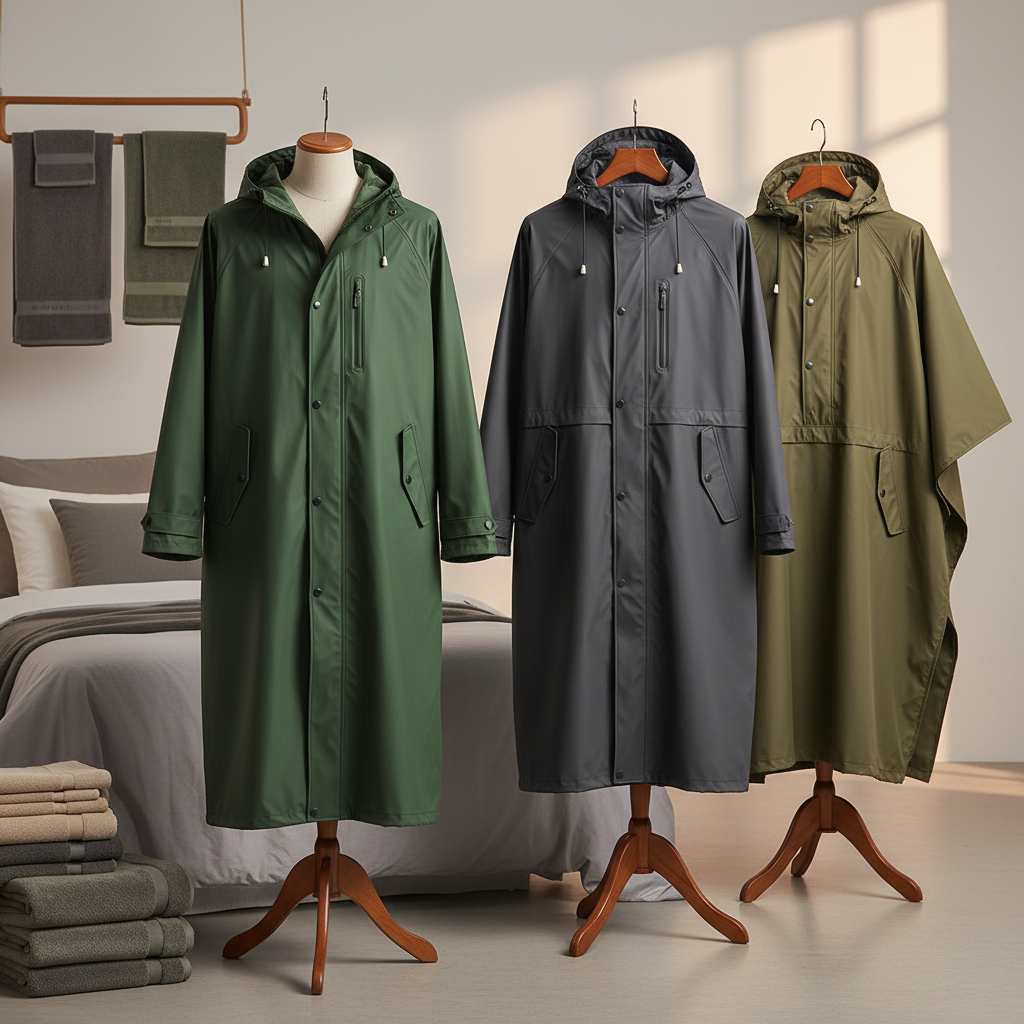
Comprehensive Guide to Mens Rain Coat Waterproof Options and Features
Staying dry and comfortable in wet weather is crucial, and a high-quality mens rain coat waterproof is an essential part of any outdoor wardrobe. Choosing the right raincoat can make all the difference, protecting you from the elements while offering comfort and durability. This article will cover everything you need to know about waterproof raincoats, including materials, features, and how to choose the best one for your needs. We'll also highlight why SXZY Raincoat offers exceptional quality and value.

2026-03-31 02:35:27
Stylish Mens Rain Coat Dress for Ultimate Weather Protection
When the weather turns unpredictable, a stylish and functional mens rain coat dress is an essential addition to any wardrobe. No longer just about staying dry, rain coats have evolved into fashion statements, offering a blend of practicality and elegance. This article explores the benefits, styles, and key features to look for when choosing the perfect rain coat dress, ensuring you stay comfortable and on-trend, whatever the weather. We'll also highlight how SXZY Raincoat provides quality and style in their collection.
2026-03-28 02:55:02
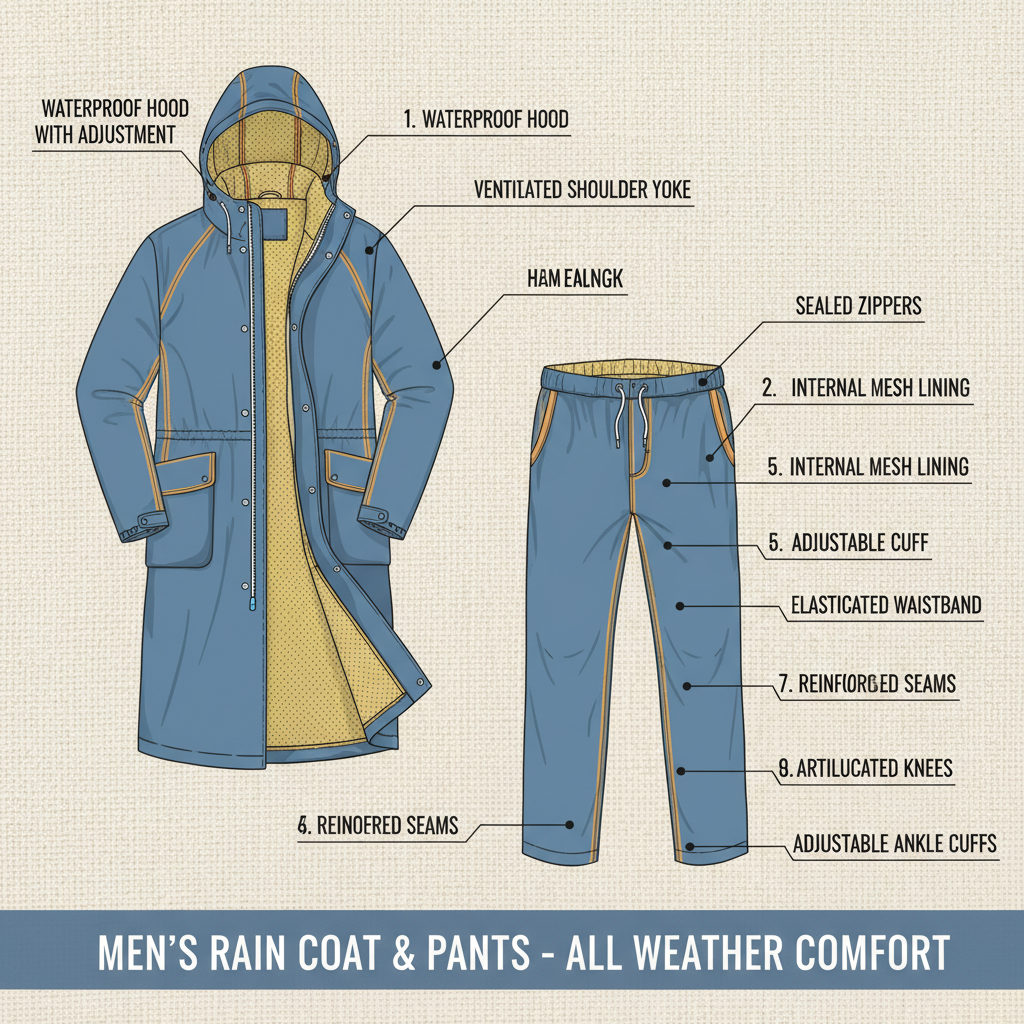
Comprehensive Guide to Mens Rain Coat and Pants for Optimal Weather Protection
Staying dry and comfortable during inclement weather is crucial, and having the right rain gear can make all the difference. Mens rain coat and pants sets offer superior protection against rain, wind, and cold. This article will explore the benefits of owning a quality rain suit, factors to consider when choosing one, and highlight the exceptional products offered by sxzyraincoat.com. Invest in a reliable rain suit to ensure you're prepared for any weather challenge.
2026-03-26 02:35:30
Choosing the Right Mens Rain Coat for Optimal Weather Protection
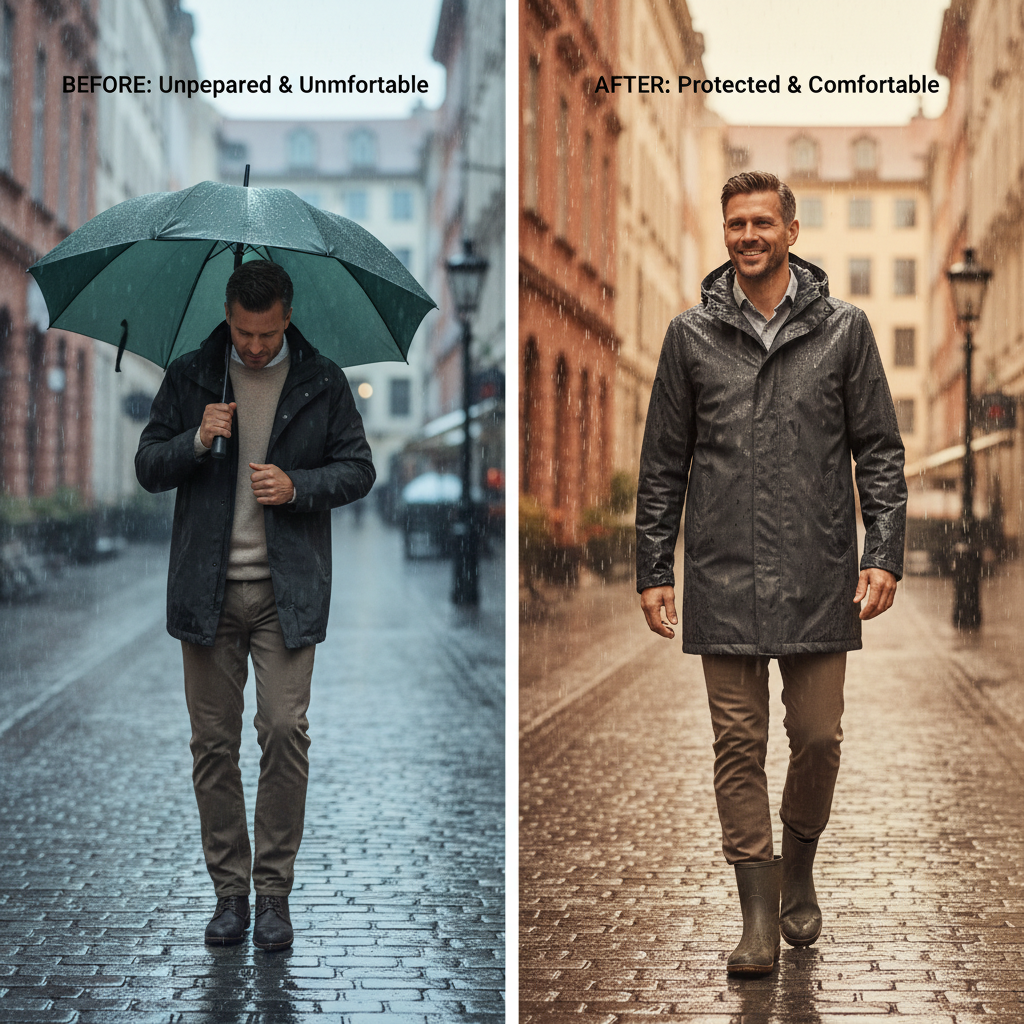
Staying dry and comfortable in inclement weather is crucial, and selecting the right mens rain coat is paramount. From everyday commutes to outdoor adventures, a quality raincoat provides essential protection. This article will explore the key features to consider when choosing a mens rain coat, different types available, and how to find the perfect fit for your needs. We'll also highlight the benefits of investing in a durable and reliable raincoat that can withstand various weather conditions. The material of a mens rain coat significantly impacts its waterproofness, breathability, and durability. Common materials include PVC, polyurethane (PU), and Gore-Tex. PVC is affordable but less breathable, leading to discomfort during strenuous activity. PU offers a good balance of waterproofness and breathability. Gore-Tex is a premium option known for its exceptional waterproofness and breathability, making it ideal for demanding conditions.
2026-03-24 02:45:24
Mens Quilted Raincoat A Comprehensive Guide to Style and Weather Protection
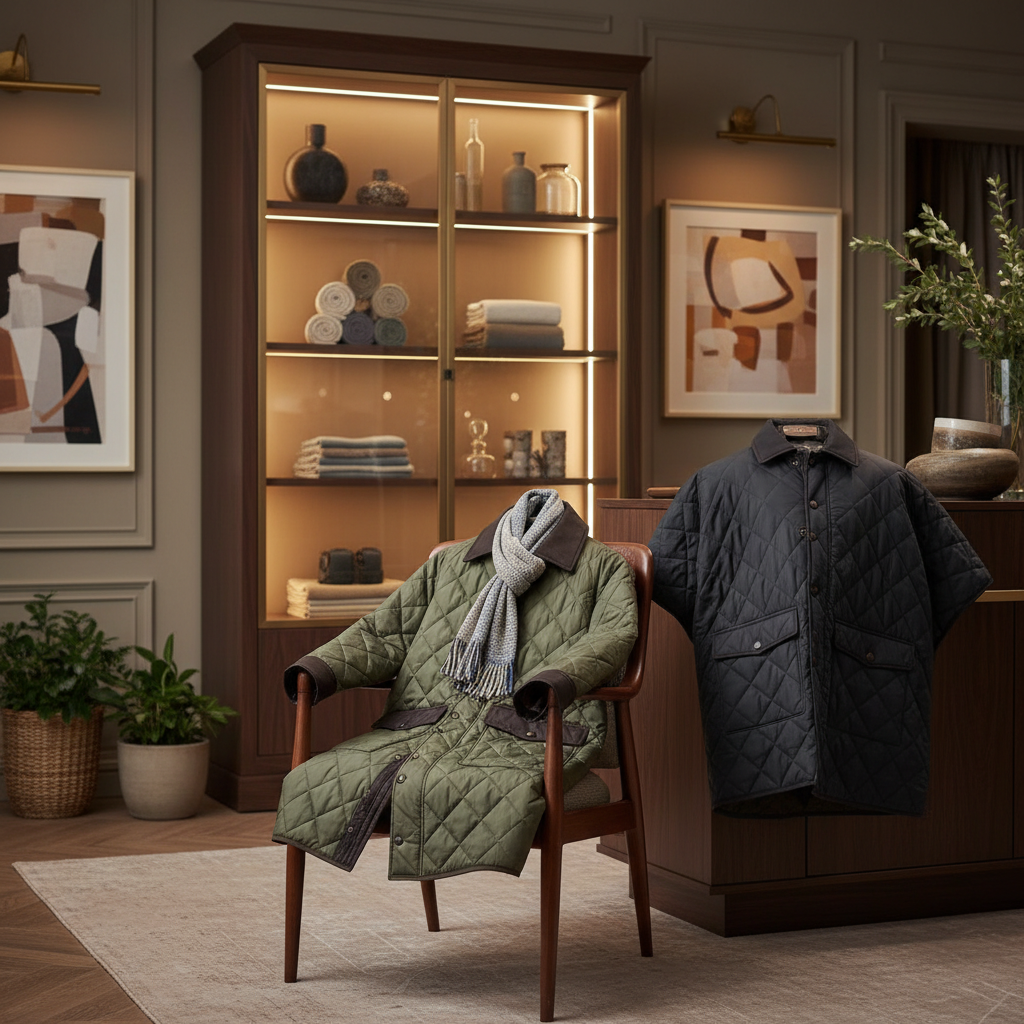
Finding the right raincoat is essential for staying dry and comfortable, especially when navigating unpredictable weather. A mens quilted raincoat offers a fantastic blend of practicality and style. This article delves into the benefits of quilted raincoats, key features to look for, how to choose the perfect fit, and care tips to ensure longevity. We'll explore why a quilted raincoat from SXZY Raincoat is an excellent investment for any weather condition. Quilted raincoats stand out due to their unique construction. The quilting process involves stitching layers of fabric together, typically with a layer of insulation in between. This not only adds a stylish aesthetic but also provides excellent warmth and comfort. Unlike standard raincoats that can feel stiff and uncomfortable, quilted versions offer a softer, more forgiving feel. The quilted design traps air, creating an insulating barrier against the cold, making them ideal for cooler, wetter climates.


