



Military Rain Poncho: Durable Protection for Tactical and Humanitarian Needs

Dec . 02, 2025 04:25
Understanding the Military Rain Poncho: A Global Essential for Protection and Mobility
When we think about gear that soldiers or aid workers depend on in challenging environments, a military rain poncho might not be the flashiest item, but it’s undeniably crucial. Globally, these versatile garments play a key role in keeping individuals dry, protected, and mobile — especially in unpredictable weather or crisis zones. Understanding what makes a military rain poncho unique, and why its design and function matter, helps us appreciate not only the product but its universal appeal in military and humanitarian fields.
Introduction: Why the Military Rain Poncho Matters Worldwide
Weather is one of those universal challenges nobody can avoid — and it can be especially disruptive in military operations or humanitarian relief missions. According to the United Nations Office for the Coordination of Humanitarian Affairs (OCHA), extreme weather events have been increasing in frequency, leaving many vulnerable populations exposed to the elements. That’s where reliable protective gear like a military rain poncho comes in: it provides a simple, effective barrier against rain and wind, which helps maintain health and operational efficiency in tough conditions.
Oddly enough, while technology races ahead in many areas, the concept of the rain poncho remains timeless because it tackles a basic survival problem. It’s a _small_ piece of equipment with outsized impact.
What Is a Military Rain Poncho?
In simplest terms, a military rain poncho is a durable, waterproof garment designed to shield the wearer from rain and wind, often with enough coverage to protect equipment as well. Unlike typical civilian rain gear, military ponchos tend to be multi-functional — some double as makeshift shelters, ground sheets, or even stretchers. Their materials are specially tested for durability and camouflage compatibility, meeting strict military standards.
These ponchos connect directly with humanitarian needs too. For displaced persons or civilians caught in floods or storms, having access to affordable, rugged rain protection can significantly reduce health risks like hypothermia or waterborne illnesses.
Key Factors of Military Rain Ponchos
1. Durability
Military rain ponchos must resist tears, abrasions, and degradation from sun or chemicals. That’s why they’re typically made from materials like ripstop nylon or polyester coated with waterproof layers. The goal is long life, even in rugged terrain.
2. Water Resistance & Breathability
Waterproof coatings keep rain out, but breathability matters to avoid sweat buildup and discomfort. Advanced ponchos balance these elements so users can wear them for extended periods.
3. Multi-Functionality
Many designs include snaps or grommets allowing the poncho to convert into a shelter, rain tarp, or emergency stretcher. This adaptability enhances its field value.
4. Camouflage and Color
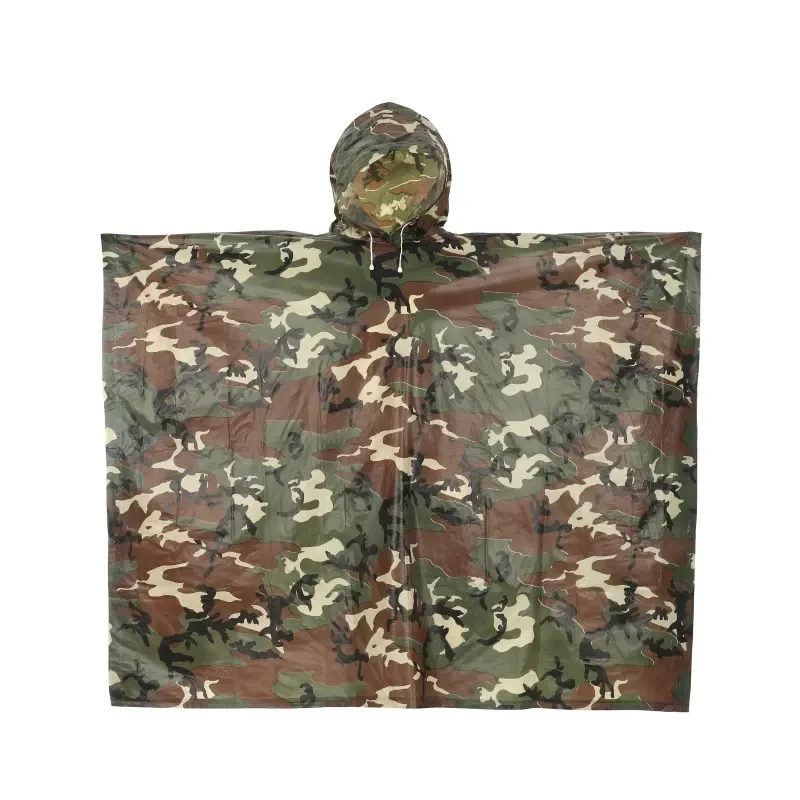
Military ponchos often respect specific camouflage patterns to aid concealment, which is critical for tactical operations. Civilian or humanitarian versions might favor high-visibility colors for safety.
5. Weight and Packability
For soldiers or aid workers, every ounce counts. An ideal poncho packs small and light yet expands to provide full coverage.
Product Specifications Snapshot
| Feature | Details |
|---|---|
| Material | Ripstop Nylon with PU Coating |
| Dimensions (Unfolded) | Approx. 84" x 54" |
| Weight | About 1.2 lbs (550 g) |
| Waterproof Rating | >10,000 mm Hydrostatic Head |
| Camouflage | MARPAT, Woodland, Desert, Others |
| Additional Features | Grommets for shelter setup, snaps for fast closure |
Global Use Cases of Military Rain Ponchos
- Military Operations: Deployed worldwide, ponchos provide soldiers with lightweight, waterproof protection that can double as emergency bedding or camouflage cover.
- Disaster Relief: In flood-prone areas like Southeast Asia or hurricane-affected Caribbean nations, relief agencies distribute ponchos to shield displaced families quickly.
- Outdoor Industry & Recreation: While less common, rugged ponchos have found fans among hikers, campers, and workers in remote industries like forestry.
- Humanitarian Aid: Organizations such as the Red Cross routinely include ponchos in their emergency kits to support vulnerable populations.
A quick example: After Typhoon Haiyan struck the Philippines in 2013, military rain ponchos became essential gear for responders and survivors alike — many improvised them into shelters when tents were scarce.
Mini takeaway: Military rain ponchos serve diverse groups worldwide, from armed forces to humanitarian missions, adapting to a range of challenging environments.
Advantages and Long-Term Value
Choosing a military-grade poncho is an investment in several layers of protection. First, there’s the obvious safety benefit — dry clothing prevents illnesses that can derail missions or relief efforts. Then, there’s cost efficiency, due to these garments' longevity and multi-use design. It’s not just about weatherproofing, but about ensuring dignity and comfort in harsh conditions — an often overlooked but vital angle.
Moreover, a good poncho fosters trust in equipment reliability, which boosts morale. Soldiers or aid workers knowing their gear won’t fail in a downpour can focus better. This kind of emotional assurance is, frankly, priceless.
Comparing Leading Military Poncho Vendors
| Vendor | Material Quality | Multi-function Features | Price Range | Global Availability |
|---|---|---|---|---|
| Alpha Tactical Gear | High (Ripstop Nylon) | Yes (Grommets, snaps) | $$$ | Worldwide |
| Bravo Defense Supplies | Medium (Polyester) | Limited | $ | Regional (Asia, Europe) |
| Charlie Outdoor Tech | High | Yes (Shelter Kit Compatible) | $$ | Global |
Emerging Trends in Military Rain Ponchos
Looking ahead, innovations in materials science promise next-level ponchos — lighter, more breathable, and environmentally friendly. Some companies are exploring bio-based, recyclable fabrics, aligning with sustainable procurement policies encouraged by international standards such as ISO 14001. Digital integration is also on the horizon; imagine ponchos with embedded sensors to monitor weather or wearer vitals in real time.
Odds are good that automation in manufacturing will lower costs and improve quality consistency, making top-tier ponchos more accessible worldwide.
Challenges & Solutions
That said, military ponchos aren’t perfect. Common issues include insufficient breathability causing overheating, or grommets that rust over time. To mitigate these, manufacturers are testing advanced waterproof membranes (like ePTFE) and rust-proof hardware. Field feedback loops — where soldiers and aid workers share real-life insights — are crucial for continual improvement.
FAQ: Common Questions About Military Rain Ponchos
- Q: How durable are military rain ponchos in extreme conditions?
A: Most military-grade ponchos are built to endure heavy rain, wind, and abrasion, often lasting several years with normal use, thanks to reinforced materials like ripstop nylon. - Q: Can a military rain poncho double as emergency shelter?
A: Yes, many come with snaps and grommets that allow soldiers or campers to create a simple tarp shelter in emergencies. - Q: Are military rain ponchos machine washable?
A: Generally, yes — but it’s best to follow manufacturer care instructions to maintain waterproof coatings and fabric integrity. - Q: What sizes are available?
A: Sizes vary but typically cover a wide range to fit over bulky uniforms or body armor. Some vendors offer customizable sizing. - Q: How does one order military rain ponchos internationally?
A: Most suppliers have export experience and can assist with shipping. Always check customs regulations and ensure compliance with import laws in your country.
Conclusion: Why the Military Rain Poncho Remains a Must-Have
In real terms, the military rain poncho is far more than a waterproof garment. It’s a symbol of preparedness and adaptability, allowing soldiers and responders to perform their duties safely and efficiently—rain or shine. Whether you’re outfitting an army or preparing emergency kits for humanitarian aid, investing in high-quality military rain ponchos pays dividends in reliability and practicality.
Curious? Check out more about these versatile rain solutions and place orders at military rain poncho.
Mini takeaway: Investing in a military rain poncho is investing in dependable protection and multifaceted utility for the long haul. It’s a small piece of gear with huge impact.
References:
1. United Nations Office for the Coordination of Humanitarian Affairs (OCHA) – Weather and Disasters
2. ISO 14001 Environmental Management System Standards
3. Wikipedia: Rain Poncho (https://en.wikipedia.org/wiki/Poncho)

Related Products
Related News

2026-04-16 02:35:36
The Ultimate Guide to Choosing a Premium Mens Rain Hoodie
Facing unpredictable weather requires more than just a simple umbrella; it demands gear that blends functionality with modern aesthetics. A high-quality mens rain hoodie is the perfect solution for the modern man who refuses to let a downpour disrupt his day. Whether you are commuting to the office, hiking a misty trail, or running weekend errands, the right rainwear ensures you stay dry without sacrificing comfort. In this comprehensive guide, we will explore what makes a rain hoodie truly effective, from fabric technology to essential design features, helping you make an informed investment in your wardrobe.
2026-04-09 02:45:09
Best Mens Rain Coat with Removable Liner for All Weather Protection
Facing unpredictable weather requires a wardrobe that is as flexible as your schedule. A mens rain coat with removable liner is the gold standard for versatility, offering a 2-in-1 solution that transitions seamlessly from a light spring drizzle to a freezing winter storm. Instead of cluttering your closet with multiple heavy jackets, a modular system allows you to customize your warmth based on the temperature. In this guide, we will explore why this specific design is essential for the modern man, how to identify high-quality materials, and how to maximize your investment for years of reliable protection.
2026-04-07 02:35:18
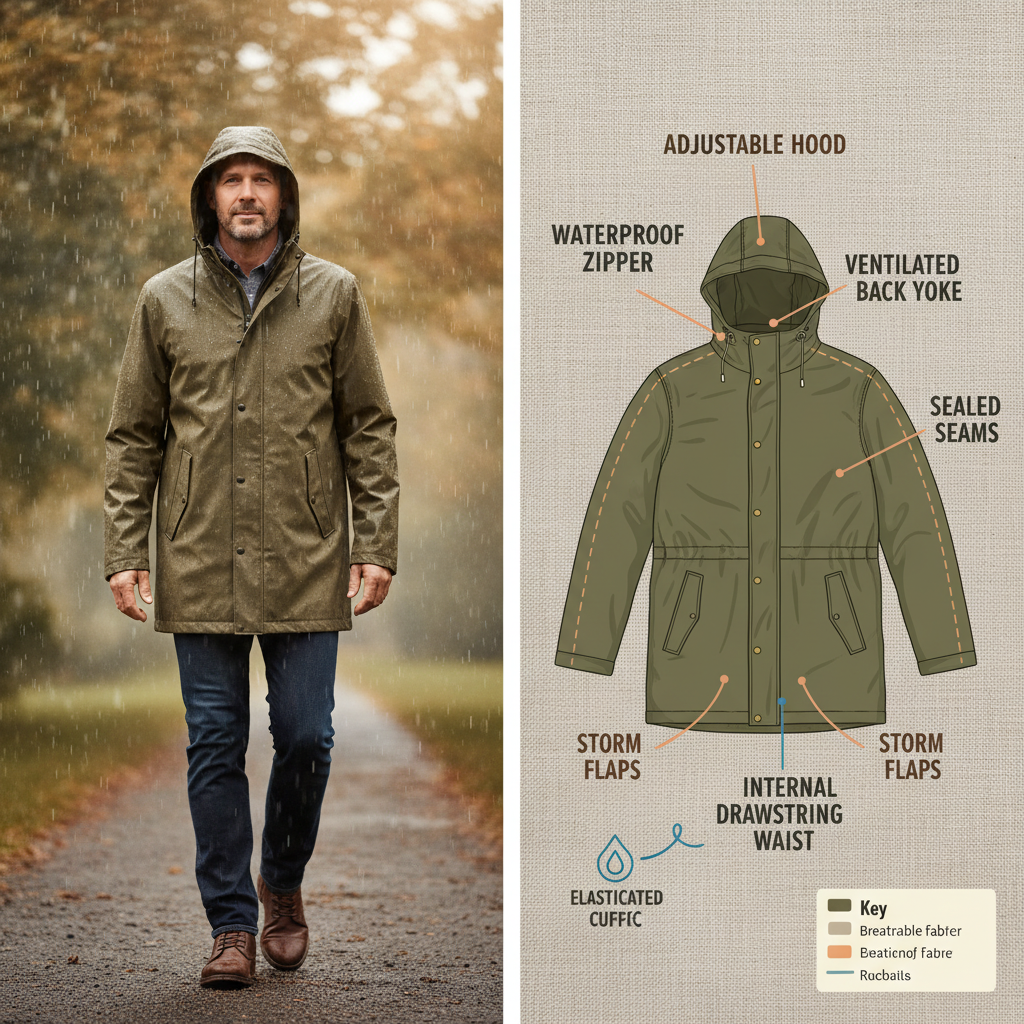
Comprehensive Guide to Selecting the Perfect Mens Rain Coat with Hood
Finding the right mens rain coat with hood is crucial for staying dry and comfortable in wet weather. Whether you're commuting to work, enjoying outdoor activities, or simply running errands, a reliable raincoat can make all the difference. This article will explore the key features, benefits, and considerations when choosing a rain coat, helping you make an informed decision. We'll cover everything from materials and waterproofing to fit and style. Choosing a high-quality raincoat is an investment in your comfort and protection.
2026-04-04 02:45:18
Comprehensive Guide to Mens Rain Coat Waterproof Options and Features
Staying dry and comfortable in wet weather is crucial, and a high-quality mens rain coat waterproof is an essential part of any outdoor wardrobe. Choosing the right raincoat can make all the difference, protecting you from the elements while offering comfort and durability. This article will cover everything you need to know about waterproof raincoats, including materials, features, and how to choose the best one for your needs. We'll also highlight why SXZY Raincoat offers exceptional quality and value.

2026-03-31 02:35:27
Stylish Mens Rain Coat Dress for Ultimate Weather Protection
When the weather turns unpredictable, a stylish and functional mens rain coat dress is an essential addition to any wardrobe. No longer just about staying dry, rain coats have evolved into fashion statements, offering a blend of practicality and elegance. This article explores the benefits, styles, and key features to look for when choosing the perfect rain coat dress, ensuring you stay comfortable and on-trend, whatever the weather. We'll also highlight how SXZY Raincoat provides quality and style in their collection.
2026-03-28 02:55:02
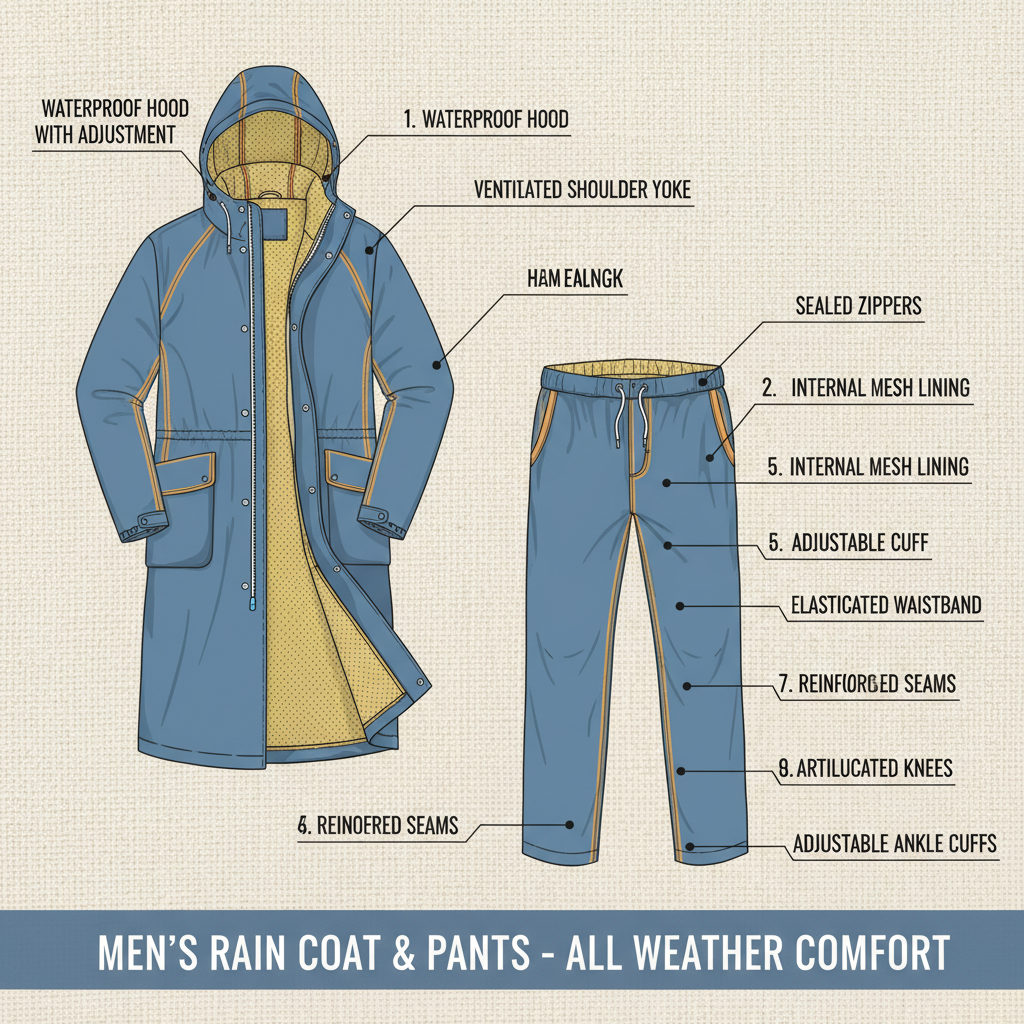
Comprehensive Guide to Mens Rain Coat and Pants for Optimal Weather Protection
Staying dry and comfortable during inclement weather is crucial, and having the right rain gear can make all the difference. Mens rain coat and pants sets offer superior protection against rain, wind, and cold. This article will explore the benefits of owning a quality rain suit, factors to consider when choosing one, and highlight the exceptional products offered by sxzyraincoat.com. Invest in a reliable rain suit to ensure you're prepared for any weather challenge.
2026-03-26 02:35:30
Choosing the Right Mens Rain Coat for Optimal Weather Protection
Staying dry and comfortable in inclement weather is crucial, and selecting the right mens rain coat is paramount. From everyday commutes to outdoor adventures, a quality raincoat provides essential protection. This article will explore the key features to consider when choosing a mens rain coat, different types available, and how to find the perfect fit for your needs. We'll also highlight the benefits of investing in a durable and reliable raincoat that can withstand various weather conditions. The material of a mens rain coat significantly impacts its waterproofness, breathability, and durability. Common materials include PVC, polyurethane (PU), and Gore-Tex. PVC is affordable but less breathable, leading to discomfort during strenuous activity. PU offers a good balance of waterproofness and breathability. Gore-Tex is a premium option known for its exceptional waterproofness and breathability, making it ideal for demanding conditions.

2026-03-24 02:45:24
Mens Quilted Raincoat A Comprehensive Guide to Style and Weather Protection
Finding the right raincoat is essential for staying dry and comfortable, especially when navigating unpredictable weather. A mens quilted raincoat offers a fantastic blend of practicality and style. This article delves into the benefits of quilted raincoats, key features to look for, how to choose the perfect fit, and care tips to ensure longevity. We'll explore why a quilted raincoat from SXZY Raincoat is an excellent investment for any weather condition. Quilted raincoats stand out due to their unique construction. The quilting process involves stitching layers of fabric together, typically with a layer of insulation in between. This not only adds a stylish aesthetic but also provides excellent warmth and comfort. Unlike standard raincoats that can feel stiff and uncomfortable, quilted versions offer a softer, more forgiving feel. The quilted design traps air, creating an insulating barrier against the cold, making them ideal for cooler, wetter climates.


