



Modern Rainwear: Innovative Waterproof Fabrics & Global Applications

Dec . 02, 2025 06:15
Understanding Modern Rainwear: Innovation Keeping You Dry in a Changing World
Rain — it’s one of those universal weather events where preparation really counts. Modern rainwear is more than just fabric and seams; it’s a blend of innovative materials, smart design, and sustainability that serves millions worldwide. Whether you’re a daily commuter, an outdoor worker, or part of a disaster relief team, understanding modern rainwear is crucial for comfort, safety, and even environmental impact.
Introduction: Why Modern Rainwear Matters Globally
Oddly enough, despite the commonness of rain, the global market for rainwear continues to evolve significantly. According to the United Nations Environment Programme, climate change is shifting rainfall patterns globally, increasing both the frequency and intensity of precipitation in many regions. This change puts more pressure on industries that rely on reliable rain protection — from construction workers in Southeast Asia to humanitarian agencies operating in flood-prone zones of sub-Saharan Africa.
With reported damages due to water exposure reaching billions in losses annually (World Bank estimates), the need for better, more versatile modern rainwear is clear. Effective rainwear reduces downtime, protects health, and can even improve morale during deployment or daily work.
What Exactly Is Modern Rainwear?
Simply put, modern rainwear refers to waterproof or water-resistant garments designed with contemporary technology and materials to keep the wearer dry and comfortable. But it’s more than old-fashioned plastic slickers or rubber ponchos — today’s rainwear often incorporates breathability, sustainability, durability, and style, reflecting the demands of modern industry and lifestyle.
For humanitarian workers, enhanced rainwear means better protection in harsh environments; for industrial users, it ensures safety without compromising agility. So, it’s not just a coat — it’s an essential tool adapted to modern needs.
Core Components of Modern Rainwear
1. Durability
Modern rainwear must withstand harsh conditions: wind, extended rain, abrasion, even chemical exposure on some worksites. New synthetic fabrics like Gore-Tex and emerging biodegradable textiles push durability while remaining flexible and lightweight.
2. Breathability
Why does breathability matter? Because no one wants to sweat inside their raincoat. Technologies that allow moisture vapor out but block water in make a huge difference in wearer comfort.
3. Cost Efficiency
Advances in manufacturing and materials efficiency have brought down costs, making quality rainwear accessible for organizations on tight budgets — NGOs, public workers, and businesses alike.
4. Sustainability
Environmental concerns drive choices toward recycled materials and eco-friendly production methods. Many brands now aim for certifications like ISO 14001 to signal their eco-credentials.
5. Adaptability
Modular features such as removable liners, adjustable hoods, and multi-layering options suit a variety of climates and use cases.
Mini Takeaway:
Modern rainwear blends durability, breathability, cost-effectiveness, sustainability, and clever design innovations to meet the diverse challenges posed by changing environments worldwide.
Global Applications & Real-World Use Cases
Modern rainwear finds its way into varied applications across industries and geographies:
- Disaster relief: In places like Bangladesh and the Philippines, relief workers rely on robust rainwear to remain operational during monsoon floods.
- Outdoor Labor: Construction and agricultural workers in Europe and North America benefit from lightweight, breathable coats that protect without slowing them down.
- Urban Commuters: In cities with frequent rain like Seattle or London, stylish rain jackets merge fashion with function.
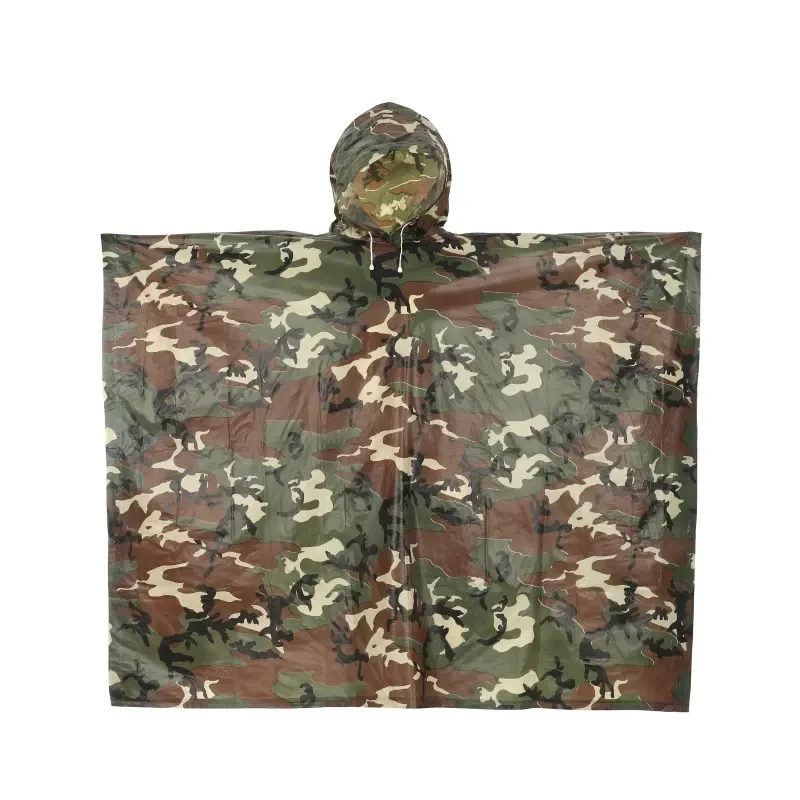
- Military & Security: Specialized coatings and camouflage patterns feature in rainwear designed for tactical use.
- Humanitarian NGOs: Low-cost, durable solutions enable overseas teams to withstand unpredictable weather during mission-critical tasks.
Advantages & Long-Term Value
Why choose modern rainwear? Here are a few key benefits that stick around beyond the first raindrop:
- Cost Savings: Fewer replacements and reduced sick days from exposure save money.
- Sustainability: Using recycled materials lowers environmental footprints.
- Safety & Dignity: High-quality rainwear protects users’ health and preserves their dignity in challenging environments.
- Innovation Trust: Users feel confident that their gear won’t fail when it matters most.
Future Trends & Innovations in Modern Rainwear
The future looks quite exciting for rainwear fabrics and tech. Here are some trends to watch:
- Smart Textiles: Embedded sensors detecting moisture or temperature changes.
- Green Production: Using renewable energy and zero-waste factories.
- Bio-Based Fabrics: Developing rainwear from algae or mushroom-derived materials.
- Customization via Automation: Tailored fit and features produced rapidly by robotic manufacturing.
Modern Rainwear Product Specifications
| Feature | Description | Typical Value |
|---|---|---|
| Water Resistance | Hydrostatic Head Rating | >10,000 mm (waterproof) |
| Breathability | Moisture Vapor Transmission Rate (MVTR) | >10,000 g/m²/24h |
| Material | Typical Fabrics Used | Polyester with TPU membrane, Gore-Tex, recycled nylon |
| Weight | Average Garment Weight | 400-700 grams |
| Sustainability | Recycled Content Percentage | 30-70% |
Vendor Comparison: Top Modern Rainwear Producers
| Vendor | Price Range | Sustainability Focus | Technology Used | Global Reach |
|---|---|---|---|---|
| AquaShield Inc. | $$$ | High (50% recycled materials) | Membrane tech, seam taping | Europe, Asia, Americas |
| EcoDry Wearables | $$ | Very High (organic & bio-based fabrics) | Natural fiber blends | North America, Europe |
| RainShield Global | $$$ | Moderate (recycled polyester blend) | 3-layer laminates, eco coatings | Global |
Challenges & Solutions in Modern Rainwear
While modern rainwear is advancing fast, no solution is perfect. Some common hurdles include:
- Cost versus accessibility: Cheapest products often lack breathability or durability. However, scalable manufacturing and material innovations promise better affordability without compromise.
- Environmental impact: Synthetic waterproof materials can be problematic. New biodegradable membranes and recycling programs are promising answers.
- Design trade-offs: Balancing waterproofness with ventilation remains tricky—but hybrid fabrics and venting mechanisms improve comfort drastically.
Frequently Asked Questions About modern rainwear
- What fabrics make modern rainwear breathable and waterproof?
- Fabrics like Gore-Tex and TPU laminates use microporous membranes allowing vapor out but blocking water in. New bio-based blends also enhance breathability while being eco-friendly.
- How long does modern rainwear typically last under heavy use?
- With proper care, modern rainwear can last 3-5 years or more even in tough conditions, offering durable protection for workers and travelers alike.
- Is sustainable rainwear more expensive?
- Initially yes, but economies of scale and innovation are driving prices down. Investing in sustainability often saves money long-term via durability and environmental benefits.
- Can modern rainwear be customized for specific industries?
- Absolutely. Manufacturers offer customization in colors, reflective elements, and additional features tailored to sectors like construction, healthcare, or military use.
Conclusion: The Lasting Value of Modern Rainwear
To sum it up, modern rainwear represents a fascinating intersection of technology, sustainability, and human-centered design. It protects millions from the elements with smarter materials and thoughtful engineering. In an era of climate uncertainty, having reliable rain gear isn’t a luxury—it’s essential.
If you want to explore the latest advancements, or maybe upgrade your team’s gear with trusted suppliers, visit modern rainwear and discover options that blend innovation with practicality.
Stay dry, stay safe, and trust your rainwear to keep up with the times.
References:

Related Products
Related News

2026-04-16 02:35:36
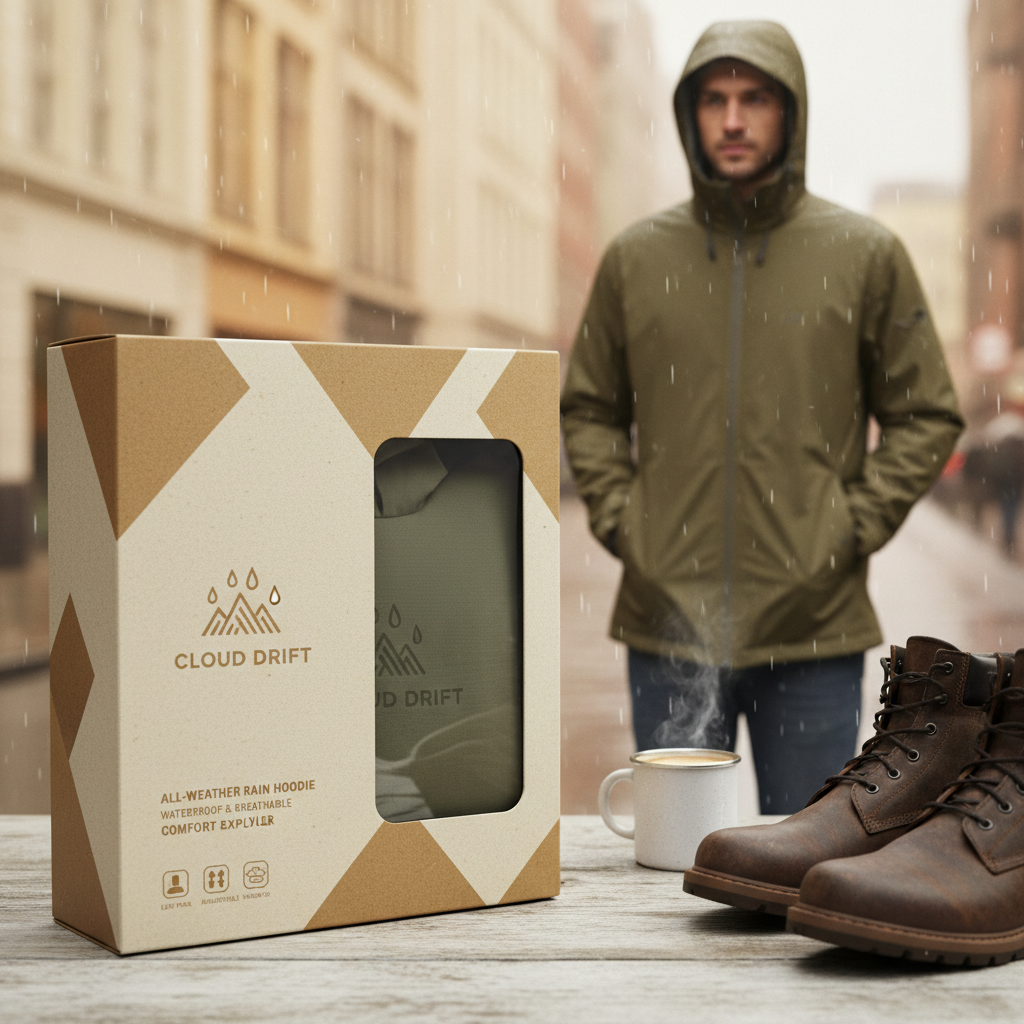
The Ultimate Guide to Choosing a Premium Mens Rain Hoodie
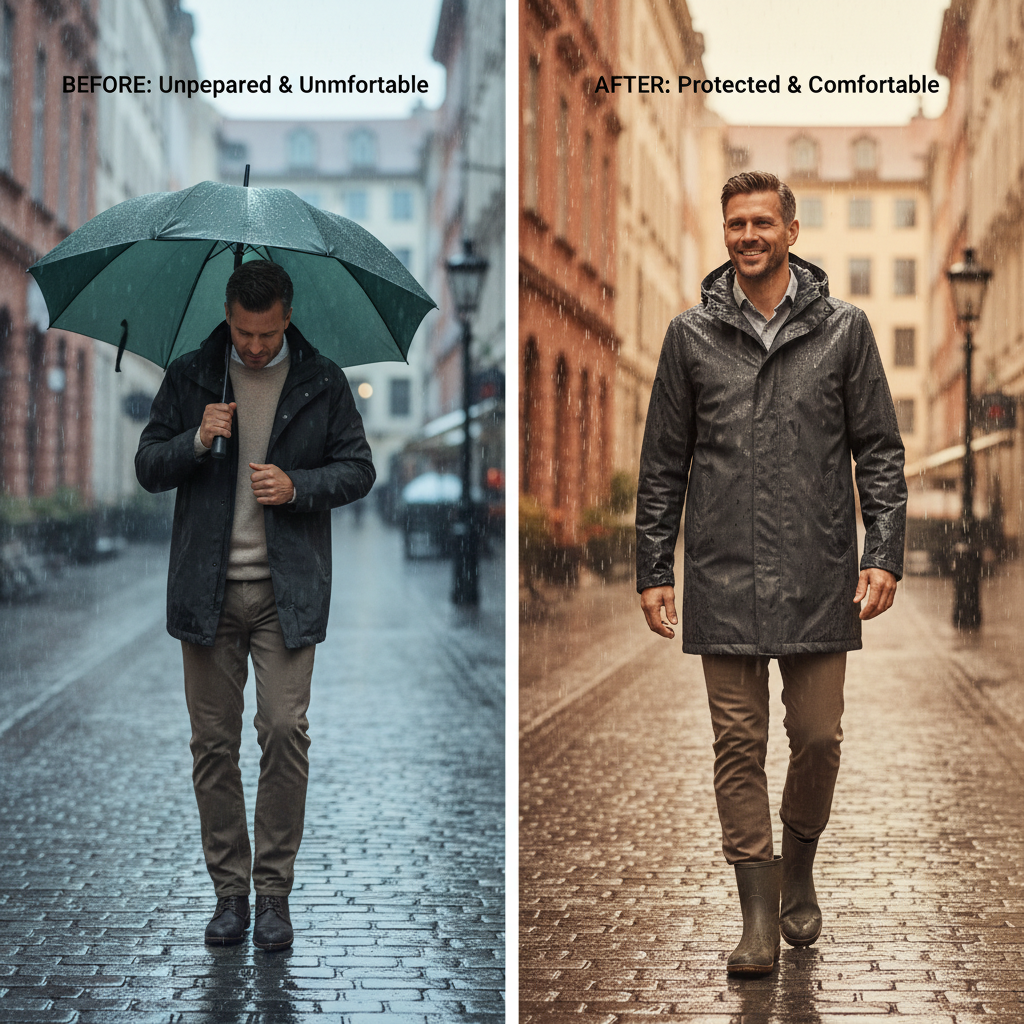
Facing unpredictable weather requires more than just a simple umbrella; it demands gear that blends functionality with modern aesthetics. A high-quality mens rain hoodie is the perfect solution for the modern man who refuses to let a downpour disrupt his day. Whether you are commuting to the office, hiking a misty trail, or running weekend errands, the right rainwear ensures you stay dry without sacrificing comfort. In this comprehensive guide, we will explore what makes a rain hoodie truly effective, from fabric technology to essential design features, helping you make an informed investment in your wardrobe.
2026-04-09 02:45:09
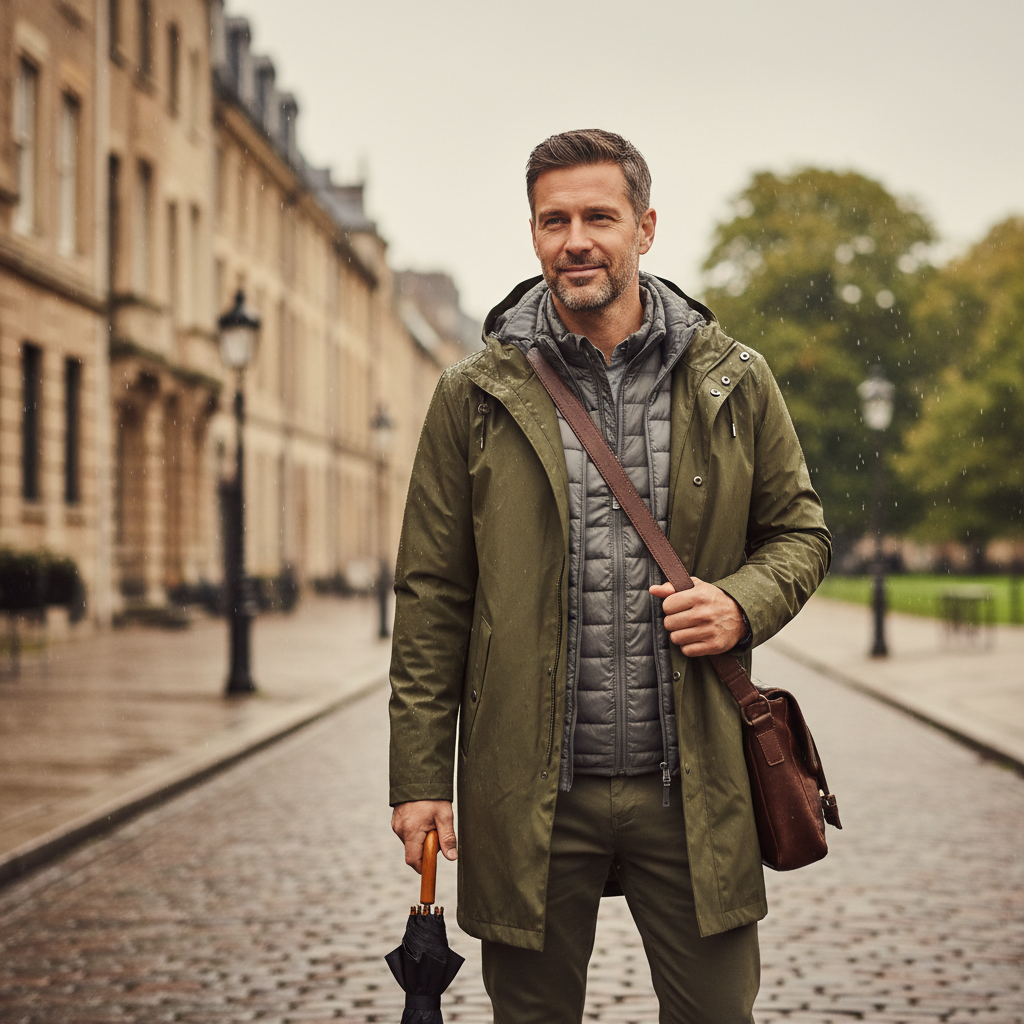
Best Mens Rain Coat with Removable Liner for All Weather Protection
Facing unpredictable weather requires a wardrobe that is as flexible as your schedule. A mens rain coat with removable liner is the gold standard for versatility, offering a 2-in-1 solution that transitions seamlessly from a light spring drizzle to a freezing winter storm. Instead of cluttering your closet with multiple heavy jackets, a modular system allows you to customize your warmth based on the temperature. In this guide, we will explore why this specific design is essential for the modern man, how to identify high-quality materials, and how to maximize your investment for years of reliable protection.
2026-04-07 02:35:18
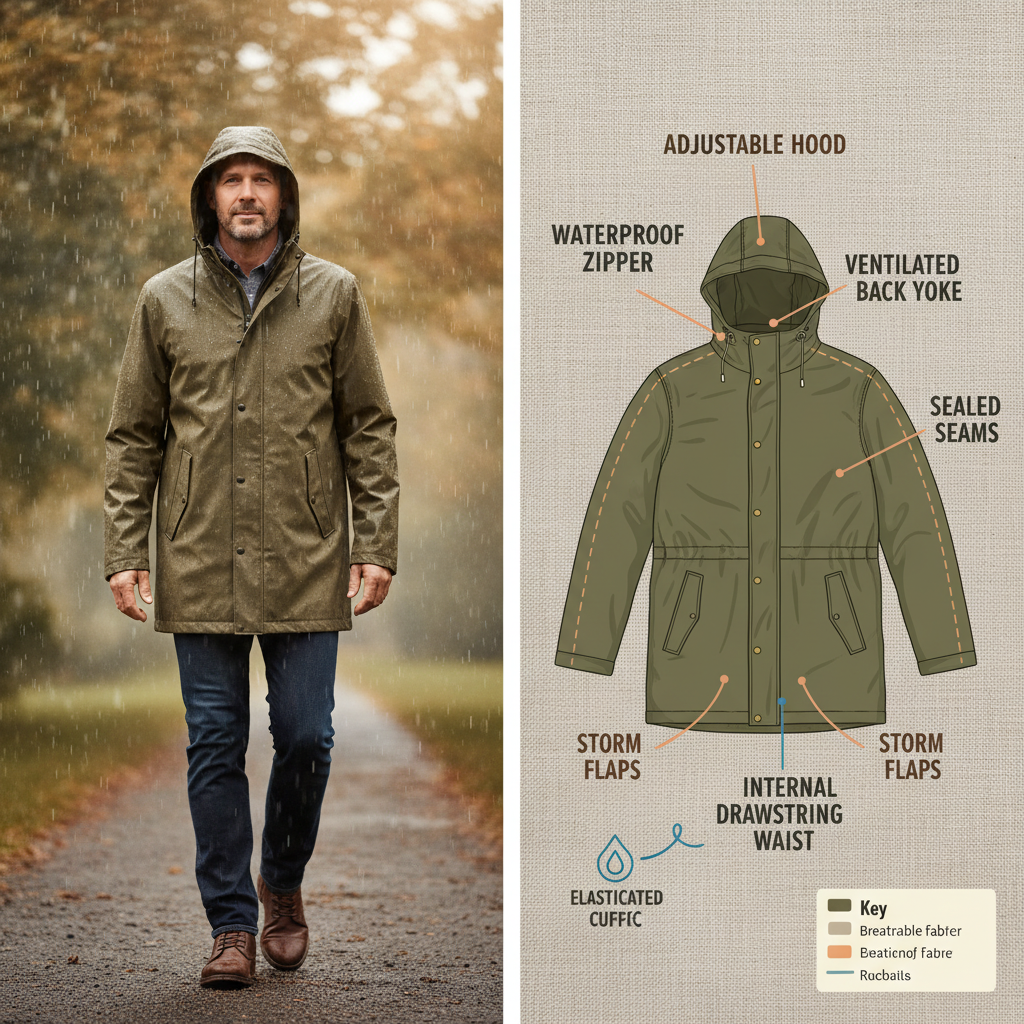
Comprehensive Guide to Selecting the Perfect Mens Rain Coat with Hood
Finding the right mens rain coat with hood is crucial for staying dry and comfortable in wet weather. Whether you're commuting to work, enjoying outdoor activities, or simply running errands, a reliable raincoat can make all the difference. This article will explore the key features, benefits, and considerations when choosing a rain coat, helping you make an informed decision. We'll cover everything from materials and waterproofing to fit and style. Choosing a high-quality raincoat is an investment in your comfort and protection.
2026-04-04 02:45:18
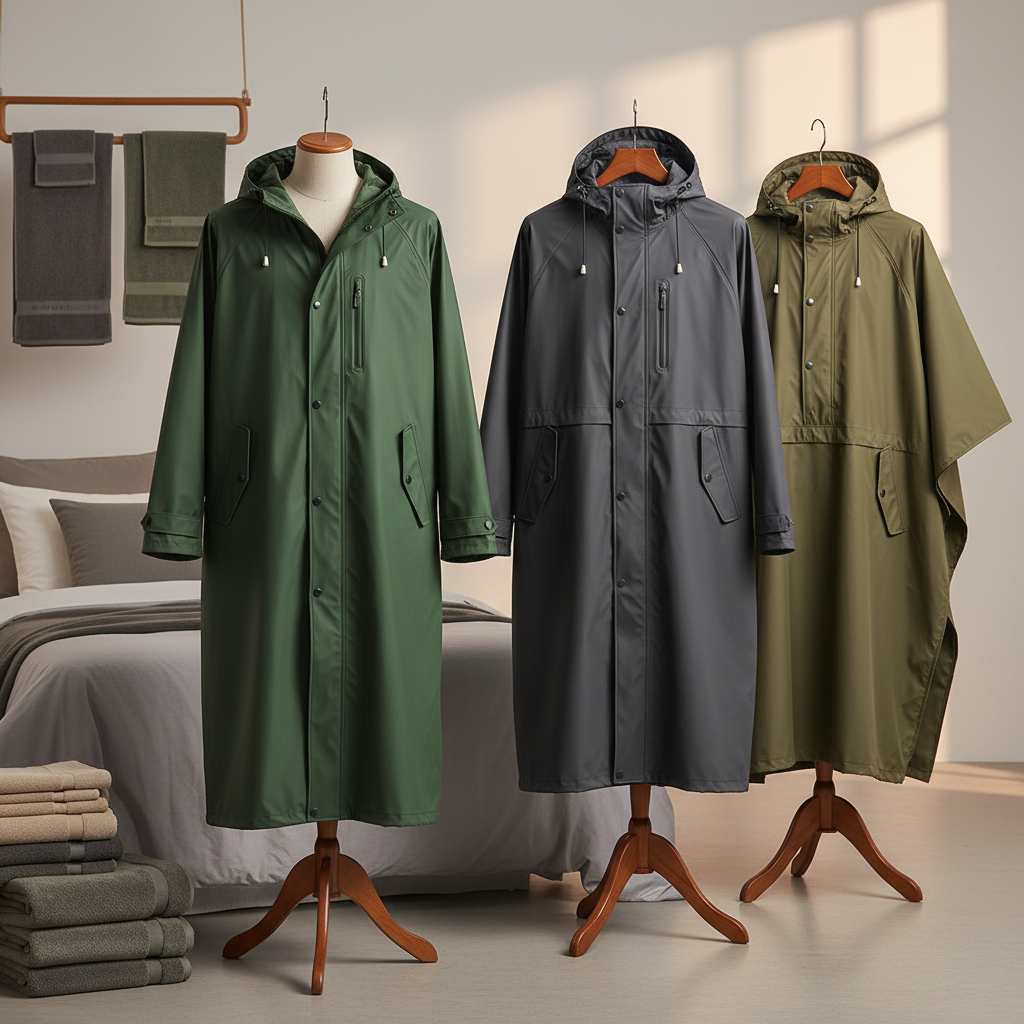
Comprehensive Guide to Mens Rain Coat Waterproof Options and Features
Staying dry and comfortable in wet weather is crucial, and a high-quality mens rain coat waterproof is an essential part of any outdoor wardrobe. Choosing the right raincoat can make all the difference, protecting you from the elements while offering comfort and durability. This article will cover everything you need to know about waterproof raincoats, including materials, features, and how to choose the best one for your needs. We'll also highlight why SXZY Raincoat offers exceptional quality and value.

2026-03-31 02:35:27
Stylish Mens Rain Coat Dress for Ultimate Weather Protection
When the weather turns unpredictable, a stylish and functional mens rain coat dress is an essential addition to any wardrobe. No longer just about staying dry, rain coats have evolved into fashion statements, offering a blend of practicality and elegance. This article explores the benefits, styles, and key features to look for when choosing the perfect rain coat dress, ensuring you stay comfortable and on-trend, whatever the weather. We'll also highlight how SXZY Raincoat provides quality and style in their collection.
2026-03-28 02:55:02
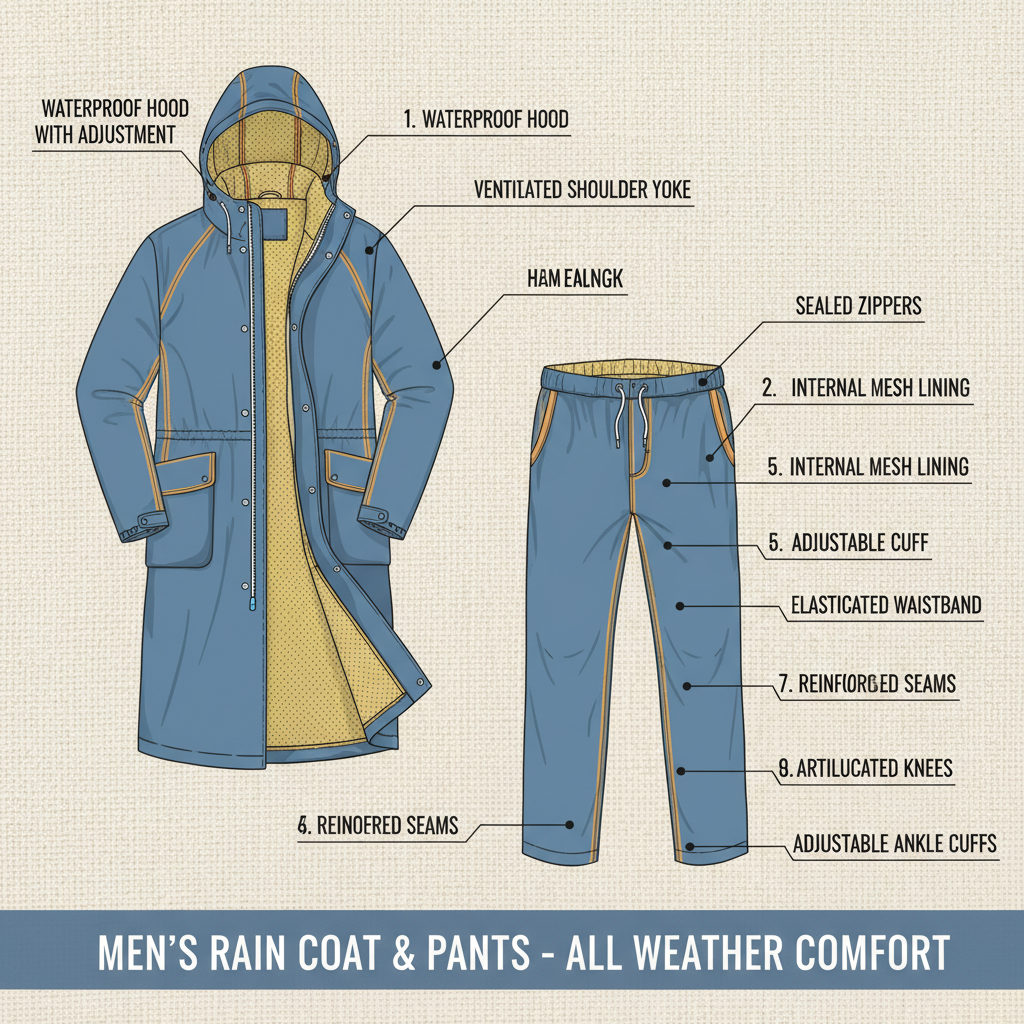
Comprehensive Guide to Mens Rain Coat and Pants for Optimal Weather Protection
Staying dry and comfortable during inclement weather is crucial, and having the right rain gear can make all the difference. Mens rain coat and pants sets offer superior protection against rain, wind, and cold. This article will explore the benefits of owning a quality rain suit, factors to consider when choosing one, and highlight the exceptional products offered by sxzyraincoat.com. Invest in a reliable rain suit to ensure you're prepared for any weather challenge.
2026-03-26 02:35:30
Choosing the Right Mens Rain Coat for Optimal Weather Protection
Staying dry and comfortable in inclement weather is crucial, and selecting the right mens rain coat is paramount. From everyday commutes to outdoor adventures, a quality raincoat provides essential protection. This article will explore the key features to consider when choosing a mens rain coat, different types available, and how to find the perfect fit for your needs. We'll also highlight the benefits of investing in a durable and reliable raincoat that can withstand various weather conditions. The material of a mens rain coat significantly impacts its waterproofness, breathability, and durability. Common materials include PVC, polyurethane (PU), and Gore-Tex. PVC is affordable but less breathable, leading to discomfort during strenuous activity. PU offers a good balance of waterproofness and breathability. Gore-Tex is a premium option known for its exceptional waterproofness and breathability, making it ideal for demanding conditions.
2026-03-24 02:45:24
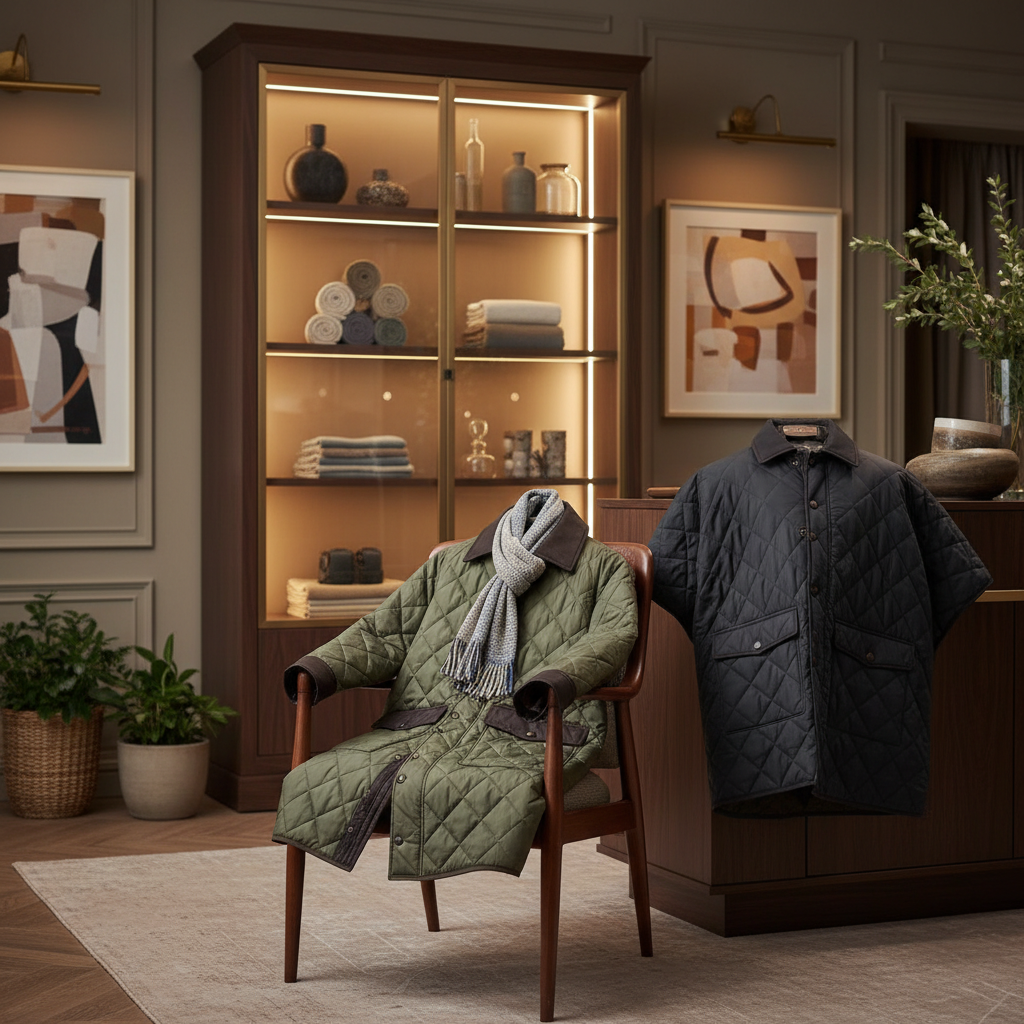
Mens Quilted Raincoat A Comprehensive Guide to Style and Weather Protection
Finding the right raincoat is essential for staying dry and comfortable, especially when navigating unpredictable weather. A mens quilted raincoat offers a fantastic blend of practicality and style. This article delves into the benefits of quilted raincoats, key features to look for, how to choose the perfect fit, and care tips to ensure longevity. We'll explore why a quilted raincoat from SXZY Raincoat is an excellent investment for any weather condition. Quilted raincoats stand out due to their unique construction. The quilting process involves stitching layers of fabric together, typically with a layer of insulation in between. This not only adds a stylish aesthetic but also provides excellent warmth and comfort. Unlike standard raincoats that can feel stiff and uncomfortable, quilted versions offer a softer, more forgiving feel. The quilted design traps air, creating an insulating barrier against the cold, making them ideal for cooler, wetter climates.


