



Motorcycle Raincoat: Essential Waterproof Gear for Safety & Comfort

Dec . 02, 2025 07:30
Understanding the Motorcycle Raincoat: Essential Gear for Riders Worldwide
For millions of motorcycle enthusiasts, commuters, and delivery workers globally, the motorcycle raincoat isn’t just a piece of clothing — it’s a lifeline. It protects riders from unpredictable weather, keeps them safe, and ensures their journey continues regardless of downpours or squalls. But beyond simple waterproofing, understanding what makes a good motorcycle raincoat can deeply impact safety, comfort, and even economic sustainability, especially in regions with heavy seasonal rains or challenging weather conditions.
Global Context: Why the Motorcycle Raincoat Matters
According to the World Bank, over 50% of the global population lives in areas with significant rainy seasons or monsoon climates. Combine that with the increasing number of motorbike users — estimated at nearly 300 million worldwide — and you begin to see why the motorcycle raincoat plays a crucial global role. In developing countries especially, motorcycles are a primary mode of transport for millions who cannot afford cars and rely on two wheels for commuting, work, and even emergency services.
Yet, the challenge remains: how do riders stay dry, safe, and comfortable when rains are heavy? Ordinary rainwear might keep water off but often lacks the durability or ergonomic design needed for riding. That’s where motorcycle-specific raincoats come in, designed with unique factors tailored to real-world riding conditions.
Defining the Motorcycle Raincoat
Put simply, a motorcycle raincoat is a waterproof outer garment designed specifically for motorbike riders. Unlike regular rain jackets, it incorporates features like reinforced seams, extended backs to cover the rider while seated, reflective strips for night safety, and breathable fabrics that allow moisture to escape without letting rain in. In humanitarian and industrial contexts, these raincoats often serve as critical gear to keep workers and responders protected in wet, hazardous environments.
Oddly enough, this piece of clothing intersects with broader needs — from road safety initiatives promoted by global bodies like ISO, to disaster relief logistics where dry, comfortable mobility gear can mean the difference between a successful mission or not.
Core Components & Key Factors of Motorcycle Raincoats
1. Waterproofing & Breathability
The backbone of any raincoat is its waterproof layer, often made from polyurethane or PVC laminates. But simply blocking water isn’t enough; breathability, usually provided by microporous membranes (e.g., Gore-Tex alternatives), is vital to avoid overheating under the coat and reduce interior moisture build-up.
2. Durability & Tear Resistance
Riders expect their gear to last through impacts, abrasions, and repeated wear. Reinforced stitching, abrasion-resistant fabrics, and protective coatings help extend a coat’s life, making them more than just temporary rain shields.
3. Safety Features
Reflective panels and high-visibility color options enhance rider visibility, especially under adverse weather or low-light conditions. Some raincoats even incorporate armor pockets to fit protective pads, marrying rain protection with crash safety.
4. Fit & Design Considerations
Versatility counts: adjustable cuffs, extendable hoods compatible with helmets, and longer back lengths cater to the specific demands of riding posture and gear layering. This also includes ventilation zippers for climate control.
5. Cost Efficiency
While premium coats can be pricey, their longevity and safety features often justify the investment — especially when contrasted with the cost of riding in inadequate gear that wears out or endangers the user.
Motorcycle Raincoat Product Specifications
| Feature | Specification | Benefit |
|---|---|---|
| Material | Polyurethane-Coated Polyester | Waterproof, lightweight, and durable |
| Waterproof Rating | 10,000 mm (Hydrostatic Head) | Keeps out heavy rain |
| Breathability | 5,000 g/m²/24hrs | Prevents overheating and sweat buildup |
| Reflective Accents | High-visibility strips on sleeves and back | Enhances night-time safety |
| Weight | Approx. 450g | Light enough for daily commuting |
Global Applications and Use Cases
Regions like Southeast Asia, South America, and parts of Africa see intense seasonal rainfall paired with widespread motorcycle use — these are prime markets for motorcycle raincoats. In countries like Vietnam or Indonesia, riders rely on these coats not just for commuting but as part of courier services and informal economy setups.
In post-disaster relief, responders need gear that keeps them operational despite torrential rains and muddy conditions. Motorcycle raincoats become essential equipment, offering immediate weather protection and high mobility in chaotic, waterlogged zones.
Remote industrial areas — think hydroelectric plants or logging camps — also demand reliable rain protection. Here, the combination of durability and adaptability in rainwear keeps workers safe and productive.
Vendor Comparison: Motorcycle Raincoat Brands
| Brand | Price Range | Key Features | Warranty |
|---|---|---|---|
| StormShield Pro | $70 - $90 | Ultra-breathable, reflective stripes, helmet-compatible hood | 2 years |
| RainRider X | $50 - $65 | Lightweight, compact, budget-friendly | 1 year |
| AquaMoto Elite | $95 - $120 | Armor pockets, advanced waterproof membrane, reinforced seams | 3 years |
Advantages and Long-Term Benefits
The investment in a quality motorcycle raincoat pays off in a few tangible ways. Firstly, there is the direct cost saving from avoiding illness and downtime caused by prolonged exposure to rain and cold. Then there is the social impact; riders who stay dry and visible contribute to fewer accidents and less medical emergencies.
From a sustainability perspective, reliable rain gear that lasts reduces waste and consumption. Emotionally, riders often report feeling a stronger sense of dignity and confidence when protected properly — it’s about feeling respected by the gear as much as by the road.
Emerging Trends and Innovations
Looking ahead, the motorcycle raincoat industry is embracing new materials like bio-based waterproof membranes, which reduce environmental footprints. Smart textiles that regulate temperature or integrate with digital safety alerts are on the horizon, offering futuristic upgrades.
Government policies in some regions are starting to mandate reflective gear, pushing the market toward higher safety standards. Digital commerce platforms provide easier access and customization globally, a real game-changer.
Common Challenges and How Experts Address Them
Often, users complain about raincoats feeling too hot or bulky. The balance between waterproofing and breathability is tricky. Experts now recommend layered solutions and vent systems to mitigate this problem.
Durability in extreme climates can still be an issue, so companies are testing tougher fabrics and seam-sealing technologies. Oddly enough, even the color choices influence longevity since darker fabrics sometimes suffer UV breakdown quicker.
FAQ: Frequently Asked Questions About Motorcycle Raincoats
- Q: Can I wear a motorcycle raincoat over my regular gear?
A: Yes, most are designed to be roomy and adjustable to fit over protective clothing like jackets and pants, though it’s good to check sizing charts for comfort and mobility. - Q: How do I care for my motorcycle raincoat to ensure it lasts?
A: Hand wash or use gentle cycles with mild detergents. Avoid fabric softeners and heat drying to maintain waterproof coatings. - Q: Are there eco-friendly options for motorcycle raincoats?
A: Yes, some brands use recycled or bio-derived fabrics and are moving toward sustainable production—look for certifications like Bluesign® or OEKO-TEX®. - Q: What’s the difference between a motorcycle raincoat and a regular raincoat?
A: Motorcycle raincoats include features tailored to riding — like longer backs, reflective accents, and hood designs that fit helmets — optimizing both safety and comfort.
Conclusion
At its core, the motorcycle raincoat is more than just protection from rain. It’s a thoughtfully engineered garment that supports safety, sustainability, and rider confidence worldwide. As urban mobility evolves and climate patterns shift, staying ahead with quality rain gear becomes a non-negotiable for riders.
If you’re interested in exploring durable, reliable options, or want more expert advice, be sure to visit our website: https://www.sxzyraincoat.com. Because a ride in the rain doesn’t have to be a struggle; it can be a smooth journey.
In real terms, investing in the right motorcycle raincoat feels like investing in peace of mind — and that’s priceless.
References:

Related Products
Related News

2026-04-16 02:35:36
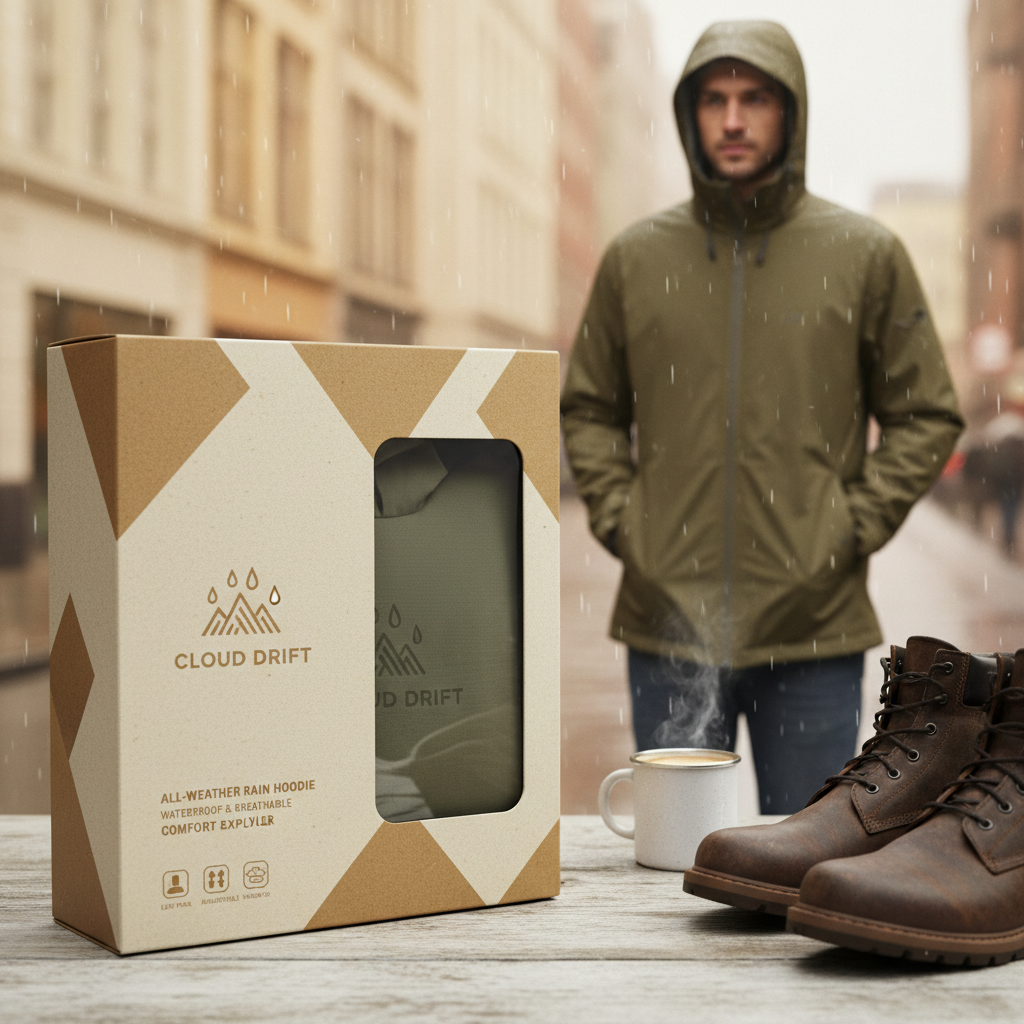
The Ultimate Guide to Choosing a Premium Mens Rain Hoodie
Facing unpredictable weather requires more than just a simple umbrella; it demands gear that blends functionality with modern aesthetics. A high-quality mens rain hoodie is the perfect solution for the modern man who refuses to let a downpour disrupt his day. Whether you are commuting to the office, hiking a misty trail, or running weekend errands, the right rainwear ensures you stay dry without sacrificing comfort. In this comprehensive guide, we will explore what makes a rain hoodie truly effective, from fabric technology to essential design features, helping you make an informed investment in your wardrobe.
2026-04-09 02:45:09
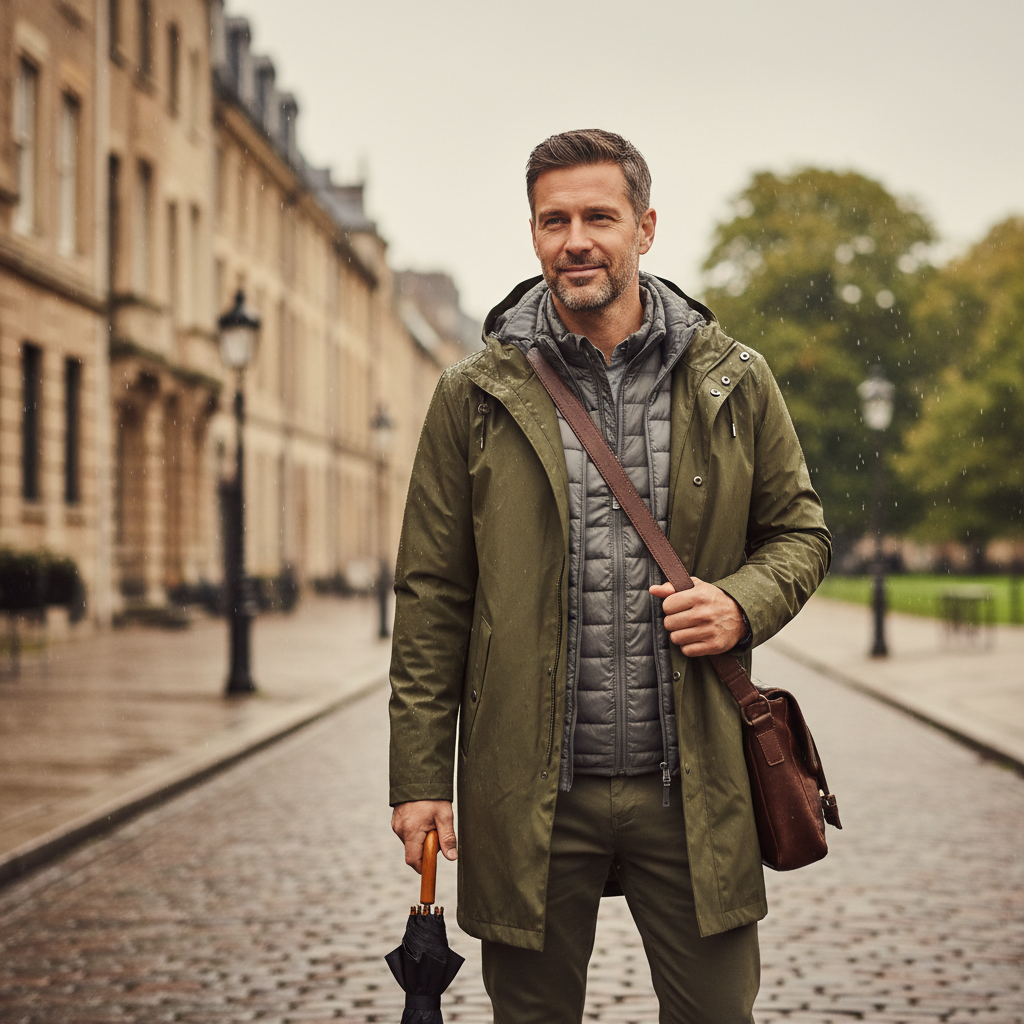
Best Mens Rain Coat with Removable Liner for All Weather Protection
Facing unpredictable weather requires a wardrobe that is as flexible as your schedule. A mens rain coat with removable liner is the gold standard for versatility, offering a 2-in-1 solution that transitions seamlessly from a light spring drizzle to a freezing winter storm. Instead of cluttering your closet with multiple heavy jackets, a modular system allows you to customize your warmth based on the temperature. In this guide, we will explore why this specific design is essential for the modern man, how to identify high-quality materials, and how to maximize your investment for years of reliable protection.
2026-04-07 02:35:18
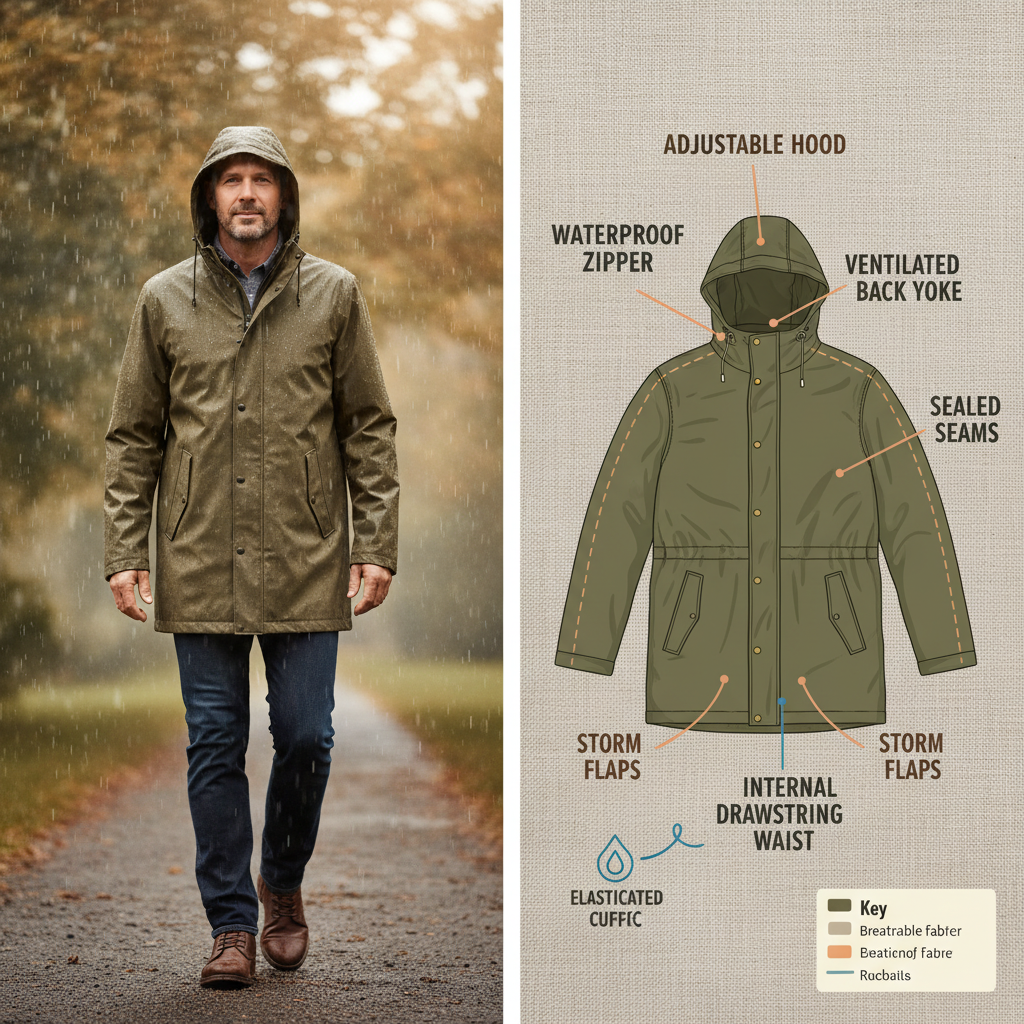
Comprehensive Guide to Selecting the Perfect Mens Rain Coat with Hood
Finding the right mens rain coat with hood is crucial for staying dry and comfortable in wet weather. Whether you're commuting to work, enjoying outdoor activities, or simply running errands, a reliable raincoat can make all the difference. This article will explore the key features, benefits, and considerations when choosing a rain coat, helping you make an informed decision. We'll cover everything from materials and waterproofing to fit and style. Choosing a high-quality raincoat is an investment in your comfort and protection.
2026-04-04 02:45:18
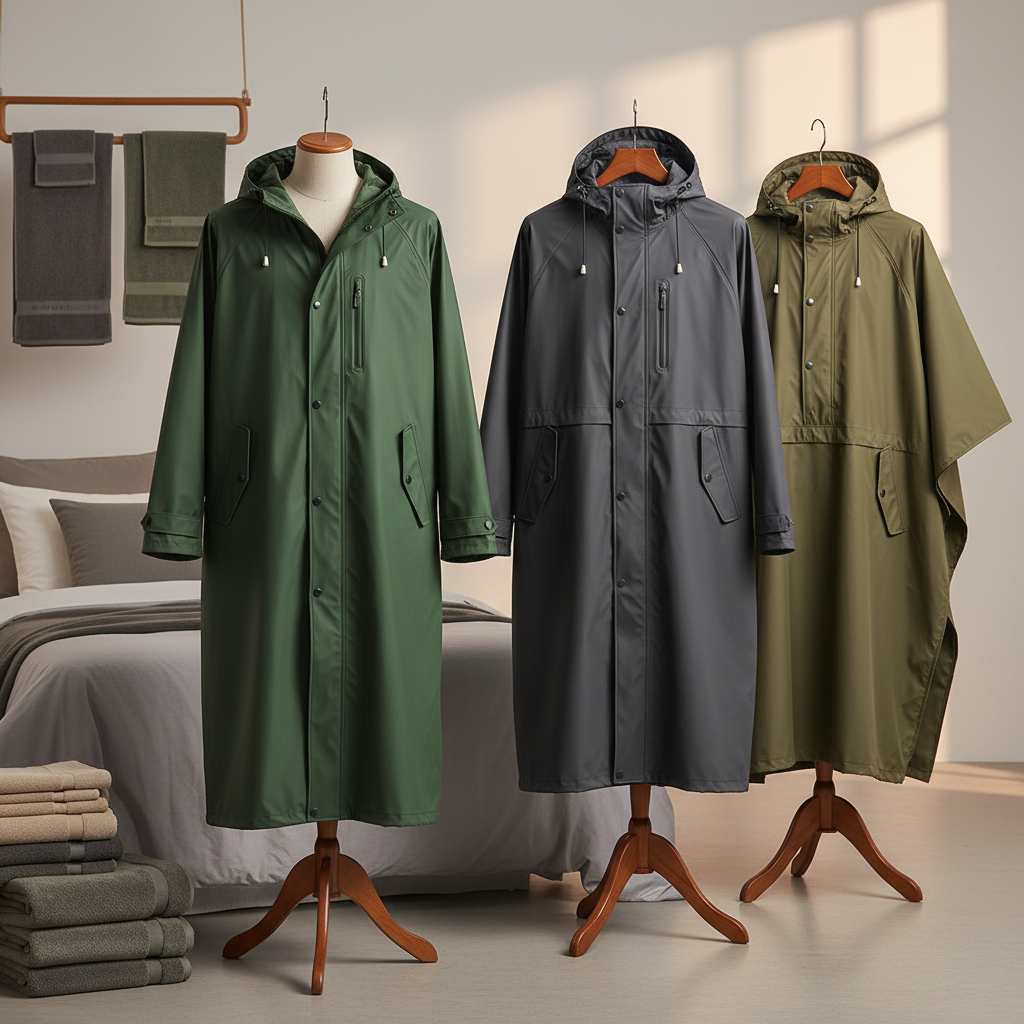
Comprehensive Guide to Mens Rain Coat Waterproof Options and Features
Staying dry and comfortable in wet weather is crucial, and a high-quality mens rain coat waterproof is an essential part of any outdoor wardrobe. Choosing the right raincoat can make all the difference, protecting you from the elements while offering comfort and durability. This article will cover everything you need to know about waterproof raincoats, including materials, features, and how to choose the best one for your needs. We'll also highlight why SXZY Raincoat offers exceptional quality and value.

2026-03-31 02:35:27
Stylish Mens Rain Coat Dress for Ultimate Weather Protection
When the weather turns unpredictable, a stylish and functional mens rain coat dress is an essential addition to any wardrobe. No longer just about staying dry, rain coats have evolved into fashion statements, offering a blend of practicality and elegance. This article explores the benefits, styles, and key features to look for when choosing the perfect rain coat dress, ensuring you stay comfortable and on-trend, whatever the weather. We'll also highlight how SXZY Raincoat provides quality and style in their collection.
2026-03-28 02:55:02
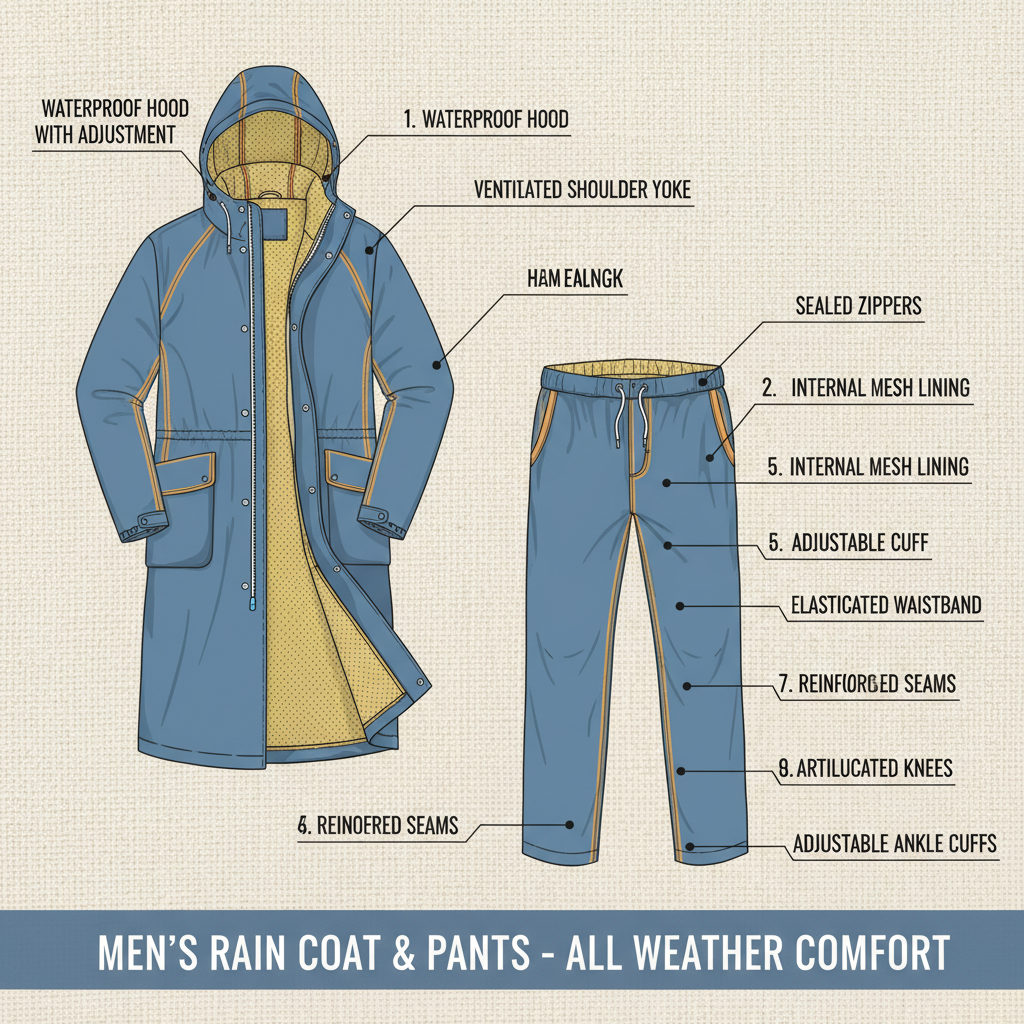
Comprehensive Guide to Mens Rain Coat and Pants for Optimal Weather Protection
Staying dry and comfortable during inclement weather is crucial, and having the right rain gear can make all the difference. Mens rain coat and pants sets offer superior protection against rain, wind, and cold. This article will explore the benefits of owning a quality rain suit, factors to consider when choosing one, and highlight the exceptional products offered by sxzyraincoat.com. Invest in a reliable rain suit to ensure you're prepared for any weather challenge.
2026-03-26 02:35:30
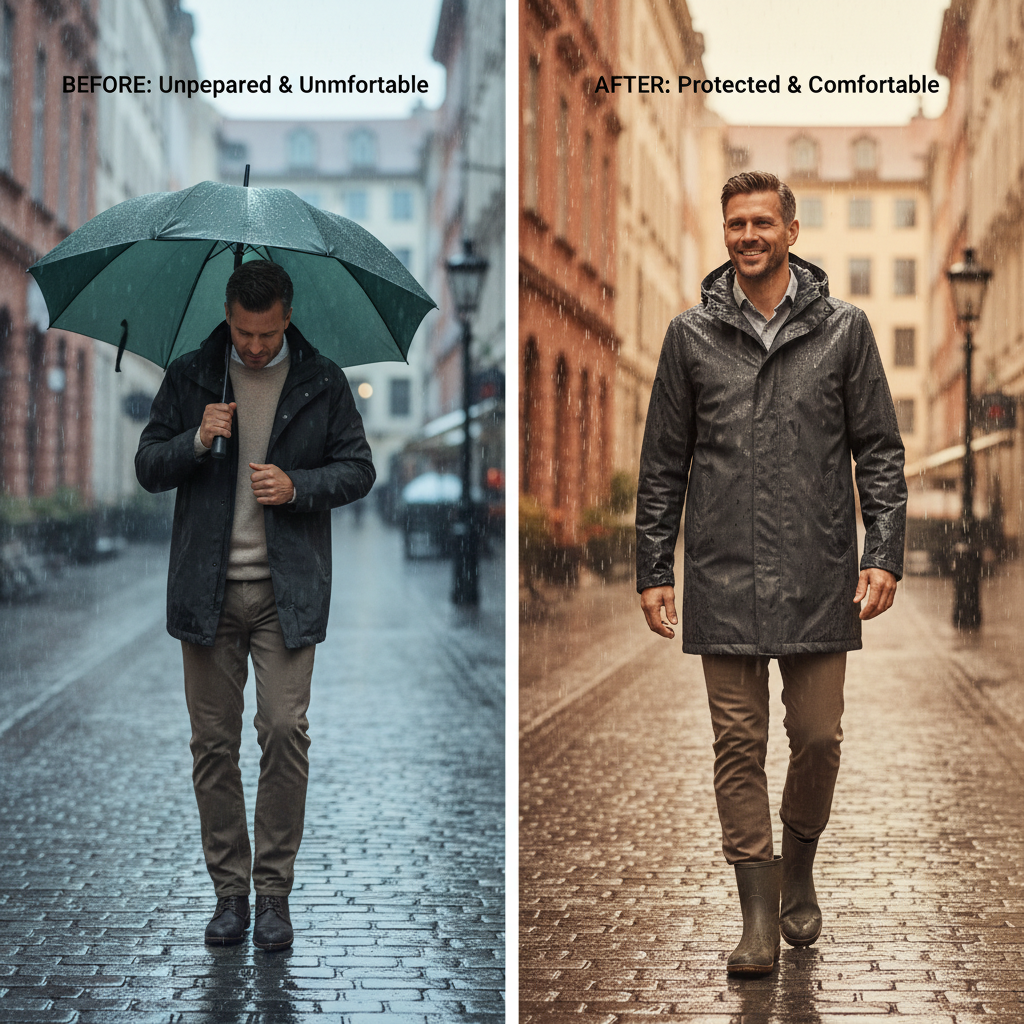
Choosing the Right Mens Rain Coat for Optimal Weather Protection
Staying dry and comfortable in inclement weather is crucial, and selecting the right mens rain coat is paramount. From everyday commutes to outdoor adventures, a quality raincoat provides essential protection. This article will explore the key features to consider when choosing a mens rain coat, different types available, and how to find the perfect fit for your needs. We'll also highlight the benefits of investing in a durable and reliable raincoat that can withstand various weather conditions. The material of a mens rain coat significantly impacts its waterproofness, breathability, and durability. Common materials include PVC, polyurethane (PU), and Gore-Tex. PVC is affordable but less breathable, leading to discomfort during strenuous activity. PU offers a good balance of waterproofness and breathability. Gore-Tex is a premium option known for its exceptional waterproofness and breathability, making it ideal for demanding conditions.
2026-03-24 02:45:24
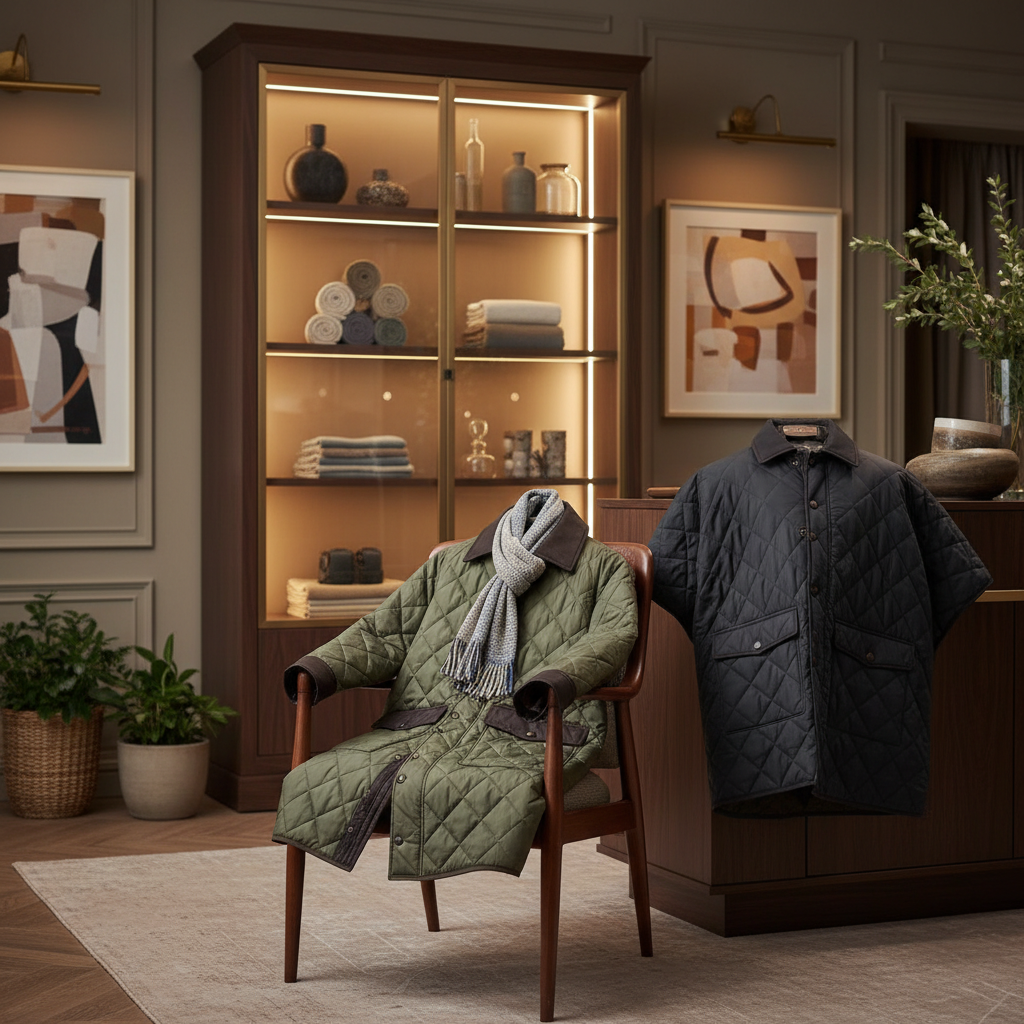
Mens Quilted Raincoat A Comprehensive Guide to Style and Weather Protection
Finding the right raincoat is essential for staying dry and comfortable, especially when navigating unpredictable weather. A mens quilted raincoat offers a fantastic blend of practicality and style. This article delves into the benefits of quilted raincoats, key features to look for, how to choose the perfect fit, and care tips to ensure longevity. We'll explore why a quilted raincoat from SXZY Raincoat is an excellent investment for any weather condition. Quilted raincoats stand out due to their unique construction. The quilting process involves stitching layers of fabric together, typically with a layer of insulation in between. This not only adds a stylish aesthetic but also provides excellent warmth and comfort. Unlike standard raincoats that can feel stiff and uncomfortable, quilted versions offer a softer, more forgiving feel. The quilted design traps air, creating an insulating barrier against the cold, making them ideal for cooler, wetter climates.


