



Plastic Raincoat Guide: Durable, Affordable Weather Protection Globally

Dec . 02, 2025 16:22
Plastic Raincoat: Essential Protection in a Rain-Ready World
Plastic raincoats—those translucent, flexible shields against rain—may seem ordinary. Yet, their significance reaches far beyond the everyday downpour. Globally, with extreme weather events more frequent than ever (thanks, climate change), having reliable, affordable protection is vital for many industries and humanitarian efforts. Understanding plastic raincoats means appreciating not only their practicality but their role in sustainability, safety, and social welfare.
Introduction: Why Plastic Raincoats Matter Globally
According to meteorological data collected by the World Bank, nearly 60% of the world’s population experiences at least some seasonal rain, often heavy enough to disrupt daily life. In regions prone to flooding or monsoons, plastic raincoats offer immediate and affordable protection, especially where infrastructure lags behind weather demands. Oddly enough, these simple garments are a front-line defense for workers in construction, outdoor vendors, and relief teams working in disaster zones.
But there’s a challenge: traditional rainwear made from heavier or less flexible materials can be costly, do not pack easily for swift deployment, or falter under sustained rain. This is where plastic raincoats excel, blending low price with lightweight convenience.
Mini takeaway: Plastic raincoats are more than rain-shielding—globally, they play a big role in managing weather challenges, especially in less developed or disaster-prone areas.
What Is a Plastic Raincoat?
Simply put, a plastic raincoat is a garment made predominately from synthetic plastics such as polyethylene or PVC designed to be waterproof and lightweight. These materials create a barrier that repels water, keeping wearers dry during wet weather. The plastic raincoat’s role goes beyond casual use—it’s integral to many industrial and humanitarian efforts needing quick, reliable weather protection.
For instance, during emergencies—say, after floods or hurricanes—plastic raincoats are distributed rapidly to affected populations. Their durability and low production cost make them ideal for mass distribution, meeting a critical need instantly.
Mini takeaway: Plastic raincoats are straightforward protective garments with versatile applications in both everyday life and critical emergency relief.
Key Components of Plastic Raincoats
1. Durability
Though lightweight, these raincoats are surprisingly sturdy. Depending on material type and thickness, they resist tearing and withstand wind and rain for extended periods.
2. Waterproofing
Plastic materials used are inherently waterproof. Seams and closures are designed to enhance this property, preventing leaks—a necessity for outdoor workers and emergency responders.
3. Cost Efficiency
Compared to natural-fiber options or multi-layered fabric rainwear, plastic raincoats are extremely affordable to produce at scale. This translates into accessible pricing, especially crucial in developing markets.
4. Portability
Because they’re thin and foldable, plastic raincoats pack easily—no bulky backpacks needed. This trait is invaluable in relief scenarios and outdoor jobs requiring mobility.
5. Environmental Aspects
Critically, some modern plastic raincoats integrate environmentally friendly plastics or biodegradable additives, though this is still a work in progress industry-wide.
| Feature | Details |
|---|---|
| Material | Polyethylene (PE), Polyvinyl Chloride (PVC) |
| Thickness | 0.02 mm - 0.10 mm (varies by purpose) |
| Weight | Lightweight (approx. 100-150 grams per coat) |
| Waterproof Rating | 100% water resistance |
| Usability | Disposable or reusable, depending on design |
Global Applications and Use Cases
From street vendors in Southeast Asia to outdoor workers in Europe, plastic raincoats serve broad demographics. They’re mainstays in transportation hubs where sudden rain can ground commuters or disrupt cargo operations.
Moreover, plastic raincoats are heavily deployed by NGO relief teams assisting in flood-prone nations like Bangladesh, Philippines, or parts of Africa. In these regions, rapid distribution of weatherproof gear can mean the difference between illness and health.
Military and emergency services also rely on plastic raincoats during extended outdoor operations—offering protection while being easy to carry and replace.
Mini takeaway: Plastic raincoats’ fusion of simplicity and effective protection makes them indispensable worldwide—in industries, emergency responses, and daily urban life.
Advantages and Long-Term Value
- Cost-Effectiveness: Low production costs translate to wide affordability.
- Social Impact: Providing dignity and health protection during adverse weather, especially in vulnerable communities.
- Reliability: Waterproof integrity protects against sickness associated with prolonged wet exposure.
- Sustainability Efforts: Ongoing innovations aim to reduce plastic waste generated by disposable raincoats.
Emotionally, these raincoats represent safety and care in harsh conditions—it feels like a small shield, yes, but one that bridges everyday life and extraordinary moments.
Future Trends & Innovations in Plastic Raincoats
There’s an exciting shift toward biodegradable and recycled materials reducing environmental footprint without sacrificing quality. Some vendors incorporate nanotechnology coatings to improve breathability yet maintain waterproofing.
Automation in production means faster turnaround, meeting sudden demand spikes caused by weather extremes or crises. Simultaneously, digital tracking of distributed plastic raincoats helps NGOs manage inventory better during emergencies.
Challenges & Solutions
Plastic raincoats aren’t perfect. Disposal remains an ecological headache, especially when produced en masse as single-use items. Also, some wearers complain about the 'plastic smell' or lack of ventilation. But researchers are tackling these issues by exploring odor-reducing treatments and eco-friendly polymers.
Further, programs promoting recycling or multi-use designs help alleviate waste worries, making plastic raincoats a more sustainable choice for the future.
Mini takeaway: While challenges exist, the industry’s proactive approach promises better materials and smarter usage soon.
Vendor Comparison: Leading Plastic Raincoat Manufacturers
| Vendor | Material | Recyclability | Price Range (USD) | Special Features |
|---|---|---|---|---|
| EcoShield Corp | Recycled PE | Yes (70%) | 1.50 - 3.00 | Biodegradable additives |
| RainGuard Ltd. | PVC | No | 0.80 - 2.50 | Extra tear resistance |
| ClearCover Inc. | PE Film | Limited (30%) | 1.00 - 2.20 | UV resistant coating |
Frequently Asked Questions About Plastic Raincoats
- What makes plastic raincoats preferable to fabric rain jackets?
- Plastic raincoats are generally lighter, more affordable, and fully waterproof with less complex manufacturing. Fabric jackets often require coatings and can be bulkier, while plastic raincoats provide instant protection and portability.
- How long does a typical plastic raincoat last under heavy use?
- Most plastic raincoats used in industrial or relief settings last several weeks with careful handling. Thin disposables may last for a single event, but thicker models offer multi-use durability.
- Are plastic raincoats recyclable?
- Depending on the material—especially polyethylene—many plastic raincoats can be recycled, but this varies widely by region and vendor. Biomaterials and biodegradable plastics are emerging solutions to reduce waste.
- Can plastic raincoats be customized for branding or organizational use?
- Absolutely. Many manufacturers offer printable options where logos or safety instructions are affixed directly onto the plastic, useful for NGOs or corporate branding in outdoor work.
Conclusion
All in all, plastic raincoats are humble yet indispensable tools across the globe—balancing cost, convenience, and protection. They represent a pragmatic solution to a basic human need and show promising strides toward greener production and smarter distribution. Curious to explore high-quality plastic raincoats tailored for your needs? Dive in at our website for the latest selections.
In the unpredictable dance of climate and human activity, sometimes protection comes down to simple, effective plastic sheets.
References

Related Products
Related News

2026-04-16 02:35:36
The Ultimate Guide to Choosing a Premium Mens Rain Hoodie
Facing unpredictable weather requires more than just a simple umbrella; it demands gear that blends functionality with modern aesthetics. A high-quality mens rain hoodie is the perfect solution for the modern man who refuses to let a downpour disrupt his day. Whether you are commuting to the office, hiking a misty trail, or running weekend errands, the right rainwear ensures you stay dry without sacrificing comfort. In this comprehensive guide, we will explore what makes a rain hoodie truly effective, from fabric technology to essential design features, helping you make an informed investment in your wardrobe.

2026-04-09 02:45:09
Best Mens Rain Coat with Removable Liner for All Weather Protection
Facing unpredictable weather requires a wardrobe that is as flexible as your schedule. A mens rain coat with removable liner is the gold standard for versatility, offering a 2-in-1 solution that transitions seamlessly from a light spring drizzle to a freezing winter storm. Instead of cluttering your closet with multiple heavy jackets, a modular system allows you to customize your warmth based on the temperature. In this guide, we will explore why this specific design is essential for the modern man, how to identify high-quality materials, and how to maximize your investment for years of reliable protection.
2026-04-07 02:35:18
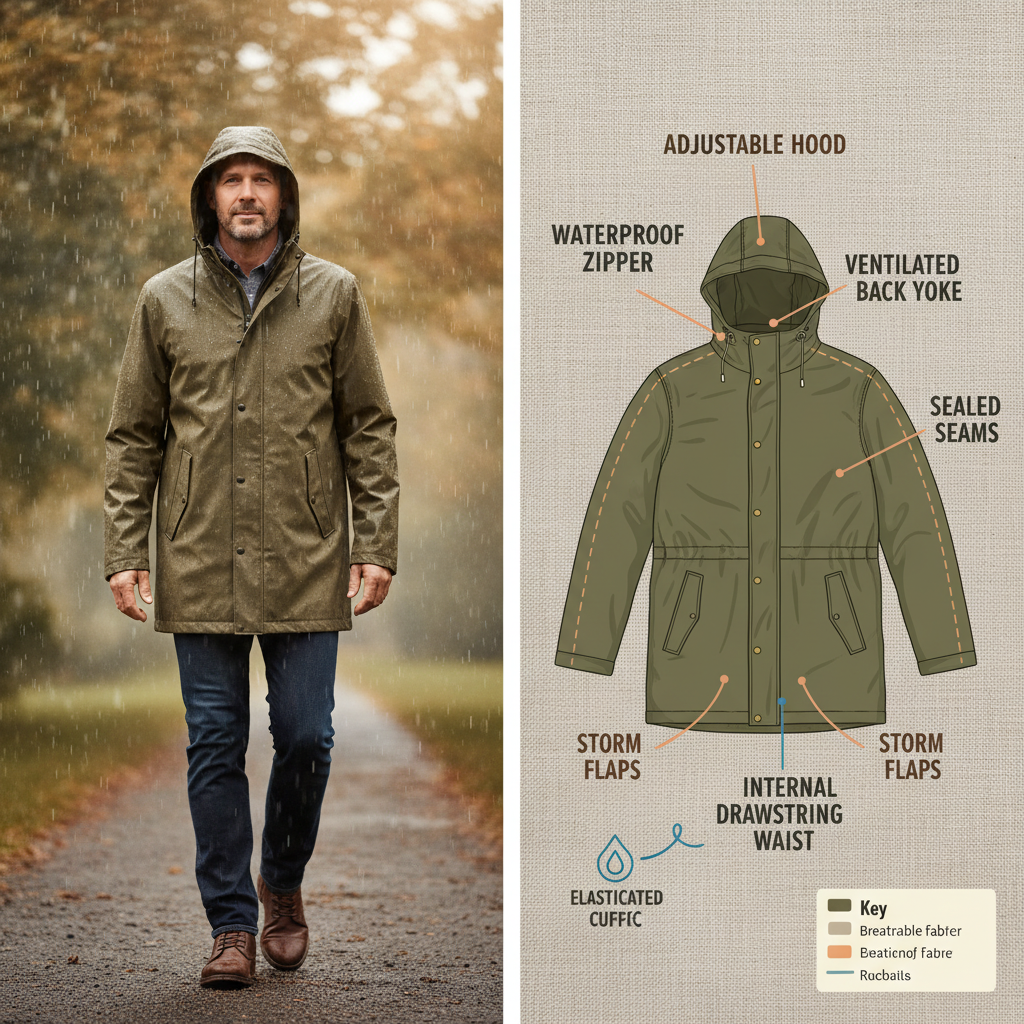
Comprehensive Guide to Selecting the Perfect Mens Rain Coat with Hood
Finding the right mens rain coat with hood is crucial for staying dry and comfortable in wet weather. Whether you're commuting to work, enjoying outdoor activities, or simply running errands, a reliable raincoat can make all the difference. This article will explore the key features, benefits, and considerations when choosing a rain coat, helping you make an informed decision. We'll cover everything from materials and waterproofing to fit and style. Choosing a high-quality raincoat is an investment in your comfort and protection.
2026-04-04 02:45:18
Comprehensive Guide to Mens Rain Coat Waterproof Options and Features
Staying dry and comfortable in wet weather is crucial, and a high-quality mens rain coat waterproof is an essential part of any outdoor wardrobe. Choosing the right raincoat can make all the difference, protecting you from the elements while offering comfort and durability. This article will cover everything you need to know about waterproof raincoats, including materials, features, and how to choose the best one for your needs. We'll also highlight why SXZY Raincoat offers exceptional quality and value.

2026-03-31 02:35:27
Stylish Mens Rain Coat Dress for Ultimate Weather Protection
When the weather turns unpredictable, a stylish and functional mens rain coat dress is an essential addition to any wardrobe. No longer just about staying dry, rain coats have evolved into fashion statements, offering a blend of practicality and elegance. This article explores the benefits, styles, and key features to look for when choosing the perfect rain coat dress, ensuring you stay comfortable and on-trend, whatever the weather. We'll also highlight how SXZY Raincoat provides quality and style in their collection.
2026-03-28 02:55:02
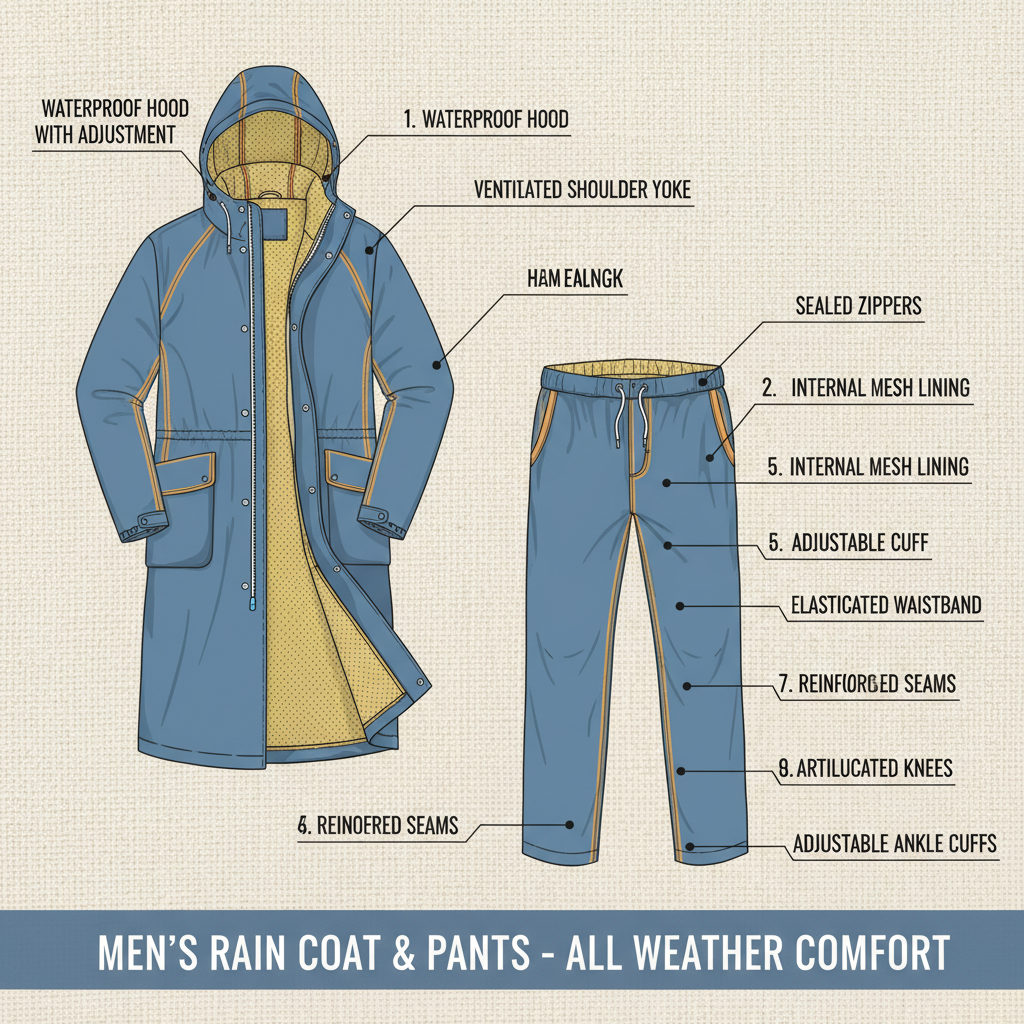
Comprehensive Guide to Mens Rain Coat and Pants for Optimal Weather Protection
Staying dry and comfortable during inclement weather is crucial, and having the right rain gear can make all the difference. Mens rain coat and pants sets offer superior protection against rain, wind, and cold. This article will explore the benefits of owning a quality rain suit, factors to consider when choosing one, and highlight the exceptional products offered by sxzyraincoat.com. Invest in a reliable rain suit to ensure you're prepared for any weather challenge.
2026-03-26 02:35:30
Choosing the Right Mens Rain Coat for Optimal Weather Protection
Staying dry and comfortable in inclement weather is crucial, and selecting the right mens rain coat is paramount. From everyday commutes to outdoor adventures, a quality raincoat provides essential protection. This article will explore the key features to consider when choosing a mens rain coat, different types available, and how to find the perfect fit for your needs. We'll also highlight the benefits of investing in a durable and reliable raincoat that can withstand various weather conditions. The material of a mens rain coat significantly impacts its waterproofness, breathability, and durability. Common materials include PVC, polyurethane (PU), and Gore-Tex. PVC is affordable but less breathable, leading to discomfort during strenuous activity. PU offers a good balance of waterproofness and breathability. Gore-Tex is a premium option known for its exceptional waterproofness and breathability, making it ideal for demanding conditions.

2026-03-24 02:45:24
Mens Quilted Raincoat A Comprehensive Guide to Style and Weather Protection
Finding the right raincoat is essential for staying dry and comfortable, especially when navigating unpredictable weather. A mens quilted raincoat offers a fantastic blend of practicality and style. This article delves into the benefits of quilted raincoats, key features to look for, how to choose the perfect fit, and care tips to ensure longevity. We'll explore why a quilted raincoat from SXZY Raincoat is an excellent investment for any weather condition. Quilted raincoats stand out due to their unique construction. The quilting process involves stitching layers of fabric together, typically with a layer of insulation in between. This not only adds a stylish aesthetic but also provides excellent warmth and comfort. Unlike standard raincoats that can feel stiff and uncomfortable, quilted versions offer a softer, more forgiving feel. The quilted design traps air, creating an insulating barrier against the cold, making them ideal for cooler, wetter climates.


