


- Afrikaans
- Albanian
- Amharic
- Arabic
- Armenian
- Azerbaijani
- Basque
- Belarusian
- Bengali
- Bosnian
- Bulgarian
- Catalan
- Cebuano
- Corsican
- Croatian
- Czech
- Danish
- Dutch
- English
- Esperanto
- Estonian
- Finnish
- French
- Frisian
- Galician
- Georgian
- German
- Greek
- Gujarati
- Haitian Creole
- hausa
- hawaiian
- Hebrew
- Hindi
- Miao
- Hungarian
- Icelandic
- igbo
- Indonesian
- irish
- Italian
- Japanese
- Javanese
- Kannada
- kazakh
- Khmer
- Rwandese
- Korean
- Kurdish
- Kyrgyz
- Lao
- Latin
- Latvian
- Lithuanian
- Luxembourgish
- Macedonian
- Malgashi
- Malay
- Malayalam
- Maltese
- Maori
- Marathi
- Mongolian
- Myanmar
- Nepali
- Norwegian
- Norwegian
- Occitan
- Pashto
- Persian
- Polish
- Portuguese
- Punjabi
- Romanian
- Russian
- Samoan
- Scottish Gaelic
- Serbian
- Sesotho
- Shona
- Sindhi
- Sinhala
- Slovak
- Slovenian
- Somali
- Spanish
- Sundanese
- Swahili
- Swedish
- Tagalog
- Tajik
- Tamil
- Tatar
- Telugu
- Thai
- Turkish
- Turkmen
- Ukrainian
- Urdu
- Uighur
- Uzbek
- Vietnamese
- Welsh
- Bantu
- Yiddish
- Yoruba

Premium EVA Raincoat - Lightweight & Durable Rain Protection

Sep . 09, 2025 09:06
Navigating the Landscape of Advanced Protective Rainwear: The Rise of EVA Solutions
The demand for high-performance protective rainwear in industrial and commercial sectors continues to evolve, driven by stringent safety regulations, environmental concerns, and a focus on worker comfort and productivity. Traditional materials often fall short in balancing durability, flexibility, and ecological responsibility. This analysis delves into the technical superiority and strategic advantages of the eva raincoat, a critical solution for modern B2B applications. We will explore its manufacturing intricacies, performance benchmarks, diverse application scenarios, and the compelling benefits it offers to discerning enterprises.
The market is experiencing a significant shift towards sustainable and lightweight materials, making the eva raincoat a preferred choice for industries ranging from petrochemical to urban infrastructure. Its unique properties address critical pain points, providing a robust yet comfortable protective layer for personnel operating in adverse weather conditions or environments requiring chemical splash resistance. This document aims to provide B2B decision-makers and technical procurement teams with a comprehensive understanding of EVA rainwear capabilities and its strategic value.
Current Industry Trends in Professional Rainwear
Several macro and micro trends are shaping the industrial rainwear market. Foremost is the increasing emphasis on worker safety and comfort, directly impacting productivity and compliance. Companies are actively seeking protective gear that offers superior freedom of movement without compromising on protection. Environmental stewardship is another significant driver; the shift away from PVC-based products towards more eco-friendly, recyclable materials like EVA is accelerating.
- Sustainability & Eco-Consciousness: The demand for materials that are free from harmful chemicals (e.g., phthalates) and are recyclable is growing. EVA's non-toxic and often recyclable nature positions the eva material raincoat favorably.
- Lightweight Design: Reducing worker fatigue is paramount. A lightweight rainwear solution significantly enhances comfort during prolonged wear, directly contributing to operational efficiency. The eva lightweight raincoat excels in this area.
- Enhanced Durability & Longevity: While being lightweight, industrial rainwear must withstand harsh operational environments, from abrasion to chemical exposure. Solutions offering extended service life reduce replacement costs and downtime.
- Specialized Protection: Beyond basic waterproofing, industries require resistance to specific chemicals, oils, and industrial solvents. Advanced formulations of EVA can provide tailored protective properties.
- Visibility Features: High-visibility rainwear, often incorporating reflective elements, is critical for safety in low-light conditions, particularly in construction, logistics, and road maintenance.
These trends underscore the strategic importance of adopting advanced materials and manufacturing processes to deliver a superior protective solution such as the raincoat eva.
Detailed Manufacturing Process Flow of EVA Raincoats
The production of a high-quality eva rain jacket involves a meticulous multi-stage process designed to ensure material integrity, waterproofing, and durability. Understanding this process is key to appreciating the product's performance characteristics.
1. Material Procurement & Preparation
The foundation of any superior eva rainwear lies in the quality of its raw material: Ethylene-vinyl acetate (EVA) copolymer resin. This thermoplastic polymer offers excellent flexibility, clarity, chemical resistance, and is significantly lighter than PVC. Raw EVA pellets are carefully sourced, often in various grades depending on the desired properties (e.g., varying vinyl acetate content affects flexibility and clarity).
2. Film Extrusion/Casting
- Extrusion: EVA pellets are fed into an extruder, where they are melted under controlled temperature and pressure. The molten polymer is then forced through a die to form a continuous, thin film.
- Casting: For certain applications requiring specific film thicknesses or surface finishes, a casting process might be employed where molten EVA is extruded onto a chilled roller, solidifying into a film.
This stage is critical for achieving uniform film thickness and desired tensile strength. The resulting EVA film often boasts a smooth, uniform surface suitable for printing or further processing.
3. Cutting & Patterning
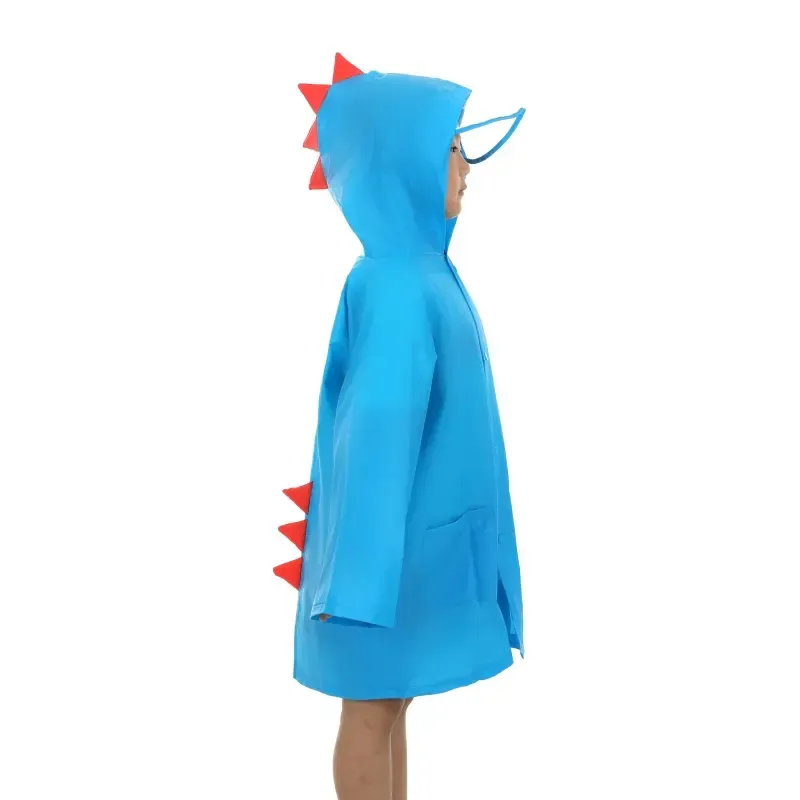
The large rolls of EVA film are transferred to automated cutting tables. Utilizing precision CNC cutting machines, the film is cut according to specific pattern templates for different raincoat components (front, back, sleeves, hood). This ensures minimal material waste and high dimensional accuracy for subsequent assembly.
4. Sealing & Assembly (Heat Sealing/Welding)
Unlike traditional stitching which punctures the material, EVA raincoats are predominantly assembled using advanced heat sealing or high-frequency welding techniques. This process fuses the EVA material at the seams, creating a molecular bond that is inherently waterproof and often stronger than the surrounding material. This is crucial for the integrity of any eva rainwear.
- Heat Sealing: Controlled heat and pressure are applied to overlap EVA film edges, melting them together to form a seamless, waterproof bond.
- High-Frequency (HF) Welding: This technique uses electromagnetic energy to generate heat within the material, causing a rapid and precise fusion of the EVA layers. HF welding is particularly effective for complex shapes and ensuring robust, watertight seals.
5. Finishing & Accessory Integration
After the main body of the eva raincoat is assembled, accessories like zippers, snaps, drawstrings, and reflective strips are integrated. Pockets are often heat-sealed for waterproofing. Branding elements, such as company logos, are applied through screen printing or heat transfer methods.
6. Quality Control & Testing Standards
Rigorous quality control is paramount at every stage. Finished products undergo comprehensive testing:
- Water Impermeability Test: Adherence to ISO 811 (Hydrostatic Head Test) or similar standards to ensure zero water penetration under specified pressure.
- Seam Strength Test: To confirm the integrity of heat-sealed or welded seams.
- Tensile Strength & Tear Resistance: Measured against ASTM D638 and ASTM D1004 to ensure the material can withstand operational stresses.
- Chemical Resistance: Testing against common industrial chemicals, particularly relevant for target industries like petrochemicals, adhering to standards like ASTM D471.
- Dimensional Stability: Ensuring the rainwear maintains its shape and size after use and cleaning.
- Visual Inspection: Checking for defects, inconsistencies, and adherence to aesthetic standards.
Target Industries & Advantages:
The robust manufacturing process makes the eva raincoat ideal for:
- Petrochemical: Excellent chemical splash resistance and durability in corrosive environments.
- Metallurgy: Protection from water and fine particulate matter, with flexibility for heavy-duty tasks.
- Water Supply & Drainage: Uncompromising waterproofing and ease of cleaning for workers in wet, often contaminated, conditions.
- Construction & Infrastructure: Lightweight comfort for prolonged outdoor work, combined with high visibility options.
- Logistics & Transportation: Reliable protection for outdoor personnel, enhancing operational continuity.
Advantages in these scenarios include energy saving through lighter garment weight (reducing worker fatigue and transport costs), superior corrosion and chemical resistance, and extended service life reducing overall procurement cycles.
Technical Specifications of EVA Raincoats
The performance of an eva raincoat is dictated by precise technical parameters and material characteristics. Understanding these specifications is vital for B2B buyers to ensure the product meets their operational and safety requirements.
Key Material Properties of EVA
- Density: Typically lower than PVC, contributing to its lightweight nature, ranging from 0.93 to 0.95 g/cm³.
- Flexibility: High flexibility and elasticity, particularly at low temperatures, due to the vinyl acetate content.
- Toughness & Tear Resistance: Excellent mechanical strength and resistance to tearing and punctures.
- Chemical Resistance: Good resistance to weak acids, alkalis, oils, and general chemicals. Specific formulations can enhance resistance further.
- UV Stability: Can be formulated with UV inhibitors for prolonged outdoor exposure without degradation.
- Thermal Stability: Service temperature range typically from -20°C to +60°C, offering performance in diverse climates.
Product Specification Table: Standard EVA Raincoat
| Parameter | Value/Range | Test Standard/Notes |
|---|---|---|
| Material Composition | Ethylene-vinyl acetate (EVA) copolymer | Non-toxic, Phthalate-free |
| Thickness Range | 0.10 mm - 0.25 mm (Customizable) | Affects durability and flexibility |
| Density | 0.93 - 0.95 g/cm³ | ASTM D792 |
| Tensile Strength | 15-25 MPa | ASTM D638 |
| Tear Resistance | >40 kN/m | ASTM D1004 |
| Water Resistance Rating | >20,000 mm H₂O (Hydrostatic Head) | ISO 811 |
| Temperature Range | -20°C to +60°C | Operational limits |
| Elongation at Break | >500% | ASTM D638, indicates flexibility |
| UV Stability | Good (with UV inhibitors) | Resistance to degradation from sunlight |
| Chemical Resistance | Good for weak acids, alkalis, alcohols, some oils | Refer to specific chemical compatibility chart |
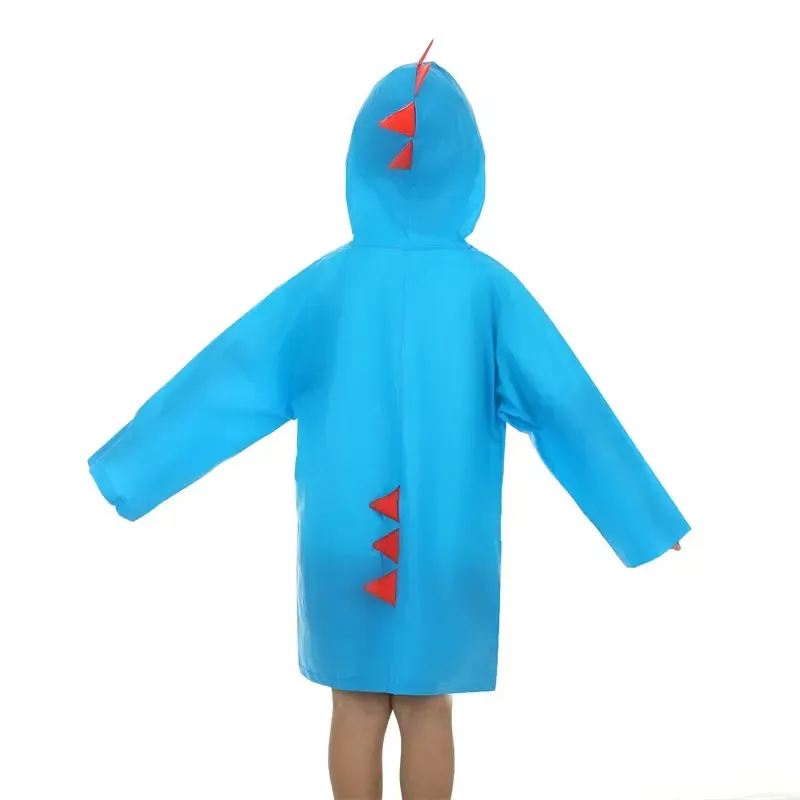
These parameters illustrate the robust engineering behind a quality eva raincoat, ensuring reliability and performance in demanding environments.
Diverse Application Scenarios for EVA Raincoats
The versatility and superior performance characteristics of the eva rain jacket make it an indispensable protective garment across a wide array of industrial and commercial sectors. Its lightweight nature, combined with robust waterproofing and chemical resistance, addresses critical operational needs.
1. Construction and Infrastructure Projects
Workers on construction sites, road maintenance, and utility installation often operate in unpredictable weather. The eva lightweight raincoat offers essential protection against rain, mud, and wind. Its flexibility allows for unrestricted movement, crucial for tasks requiring bending, lifting, and operating machinery. Optional high-visibility colors and reflective strips enhance safety in low-light conditions, complying with site safety protocols.
2. Petrochemical and Chemical Processing Plants
In environments where personnel are exposed to potential splashes of weak acids, alkalis, or petroleum-based products, the chemical resistance of the eva material raincoat is paramount. Unlike some alternative materials, EVA does not degrade rapidly upon contact with common industrial chemicals, providing a crucial layer of protection in hazardous zones.
3. Agriculture and Horticulture
Agricultural workers often face long hours outdoors, exposed to rain, mud, and sometimes fertilizers or pesticides. The durability and ease of cleaning of eva rainwear are significant advantages. Its non-toxic nature also makes it suitable for use around crops and livestock, minimizing environmental impact.
4. Logistics, Shipping, and Outdoor Services
Delivery drivers, port workers, and ground crews frequently work in various weather conditions. A robust yet comfortable raincoat eva ensures continuous operation during rain, preventing delays and protecting uniforms. Its lightweight design reduces fatigue during extensive outdoor shifts, thereby improving overall efficiency.
5. Food Processing and Hygiene-Sensitive Environments
In food processing, where cleanliness and non-contamination are critical, EVA raincoats offer advantages due to their smooth, non-porous surface which is easy to clean and sanitize. Being non-toxic and phthalate-free, they reduce the risk of chemical leaching, meeting stringent hygiene standards. They provide protection against water, cleaning agents, and food-related splashes.
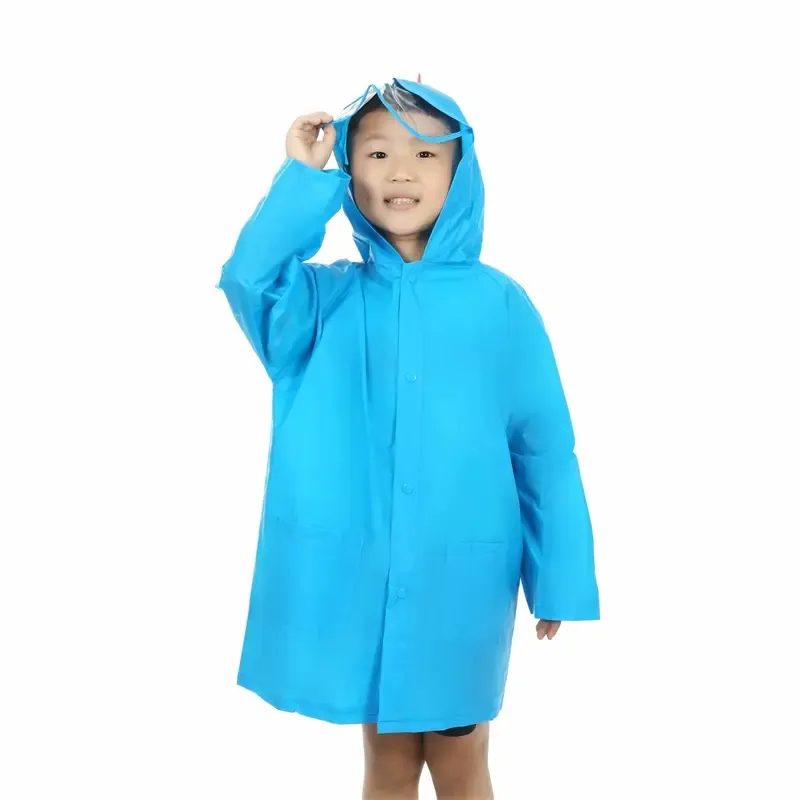
Each scenario highlights the tailored benefits of the eva raincoat, demonstrating its adaptability and superior protective qualities over generic alternatives.
Technical Advantages of EVA Raincoats for B2B Operations
The selection of protective rainwear is a strategic decision for businesses, impacting worker safety, operational costs, and environmental compliance. The eva raincoat offers a compelling suite of technical advantages that positions it as a superior choice for professional applications.
1. Superior Lightweight & Ergonomic Design
EVA's lower density compared to PVC or rubber results in a significantly lighter garment. This characteristic is critical for reducing worker fatigue during extended shifts, particularly in physically demanding roles such as construction, logistics, or field maintenance. The inherent flexibility of EVA further enhances comfort and allows for a greater range of motion, which is crucial for safety and efficiency. This translates directly to improved productivity and reduced strain-related injuries, providing an "energy-saving" benefit for the workforce.
2. Enhanced Durability and Puncture Resistance
Despite its lightweight nature, EVA offers impressive tear and puncture resistance. This makes the eva raincoat exceptionally durable in rugged industrial environments, resisting snags and abrasions that can compromise less robust materials. The fused seams (heat-sealed or HF welded) create a monolithic, waterproof barrier that is stronger than conventional stitched seams, prolonging the garment's service life and reducing replacement frequency.
3. Excellent Chemical and Corrosion Resistance
EVA provides good resistance to a wide range of industrial chemicals, including weak acids, alkalis, and oils. This "corrosion resistance" is vital for workers in petrochemical plants, laboratories, and agricultural settings where exposure to corrosive substances is a risk. Unlike many fabrics, EVA does not absorb or react with these chemicals, allowing for easy decontamination and maintaining protective integrity.
4. Eco-Friendly and Non-Toxic Profile
A significant advantage of eva rainwear is its environmental footprint. EVA is a non-chlorinated polymer, meaning it does not release harmful dioxins when incinerated, unlike PVC. It is also typically free of phthalates and other plasticizers often associated with environmental and health concerns. Furthermore, EVA is often recyclable, aligning with corporate sustainability initiatives and environmental regulations, bolstering a company's green credentials.
5. Consistent Performance Across Temperature Ranges
The eva rain jacket maintains its flexibility and protective properties across a broad temperature spectrum, from freezing conditions to warmer industrial settings. This ensures consistent worker comfort and safety, eliminating the stiffness and cracking often associated with other materials in cold weather, or excessive stickiness in heat.
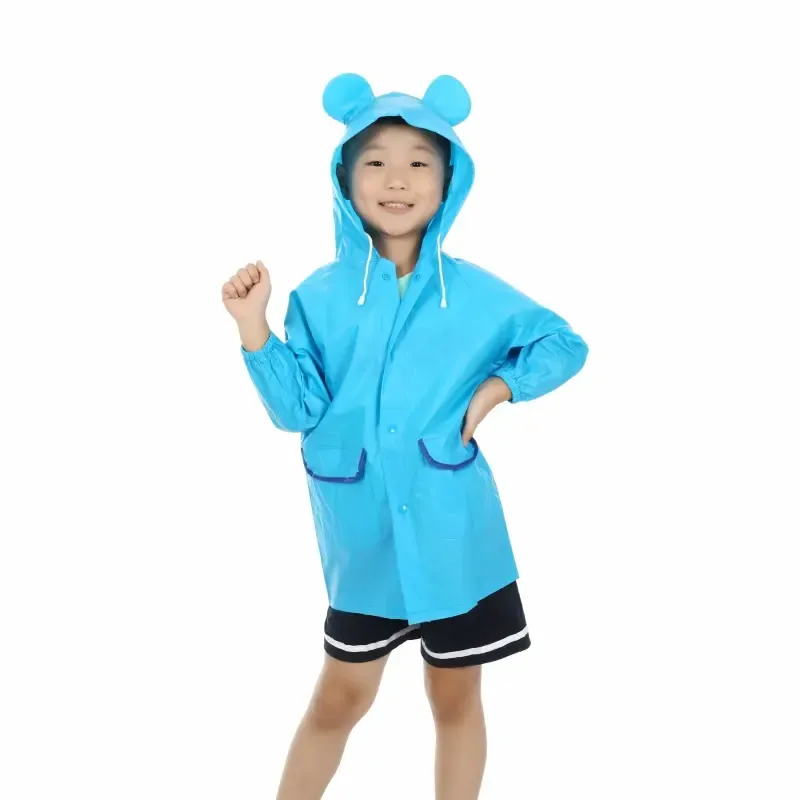
These combined technical advantages underscore why the eva raincoat is increasingly the preferred choice for forward-thinking B2B organizations seeking reliable, durable, and responsible protective gear.
Vendor Comparison: EVA vs. Traditional Rainwear Materials
When selecting industrial rainwear, B2B buyers often evaluate materials like PVC (Polyvinyl Chloride) and PU (Polyurethane). A comparative analysis highlights the distinct advantages of the eva material raincoat.
Comparative Analysis Table: Rainwear Materials
| Feature | EVA Raincoat | PVC Raincoat | PU Raincoat |
|---|---|---|---|
| Weight | Very Lightweight | Heavy | Lightweight |
| Flexibility | Excellent, even in cold | Moderate, stiffens in cold | Good, can lose flexibility in extreme cold |
| Eco-friendliness | Good (non-toxic, often recyclable, phthalate-free) | Poor (contains chlorine, phthalates, dioxin risk) | Moderate (phthalate-free, but complex recycling) |
| Durability (Tear/Abrasion) | High | Good, but prone to cracking with age | Very High |
| Chemical Resistance | Good (weak acids, alkalis, oils) | Very Good (broad spectrum) | Good (oils, solvents) |
| Waterproofing | Excellent (heat-sealed seams) | Excellent (welded seams) | Excellent (taped seams, membrane) |
| Breathability | Low (can be vented) | Low (can be vented) | High (often a membrane) |
| Price Point | Moderate | Low | High |
While PVC offers a low initial cost and strong chemical resistance, its environmental concerns, weight, and lack of flexibility in cold conditions often make it a less optimal choice for modern industrial applications. PU raincoats excel in durability and breathability, but typically come at a higher price point and might not offer the same eco-credentials as EVA.
The eva rainwear strikes an excellent balance between cost-effectiveness, performance, worker comfort (due to being a eva lightweight raincoat), and environmental responsibility, making it a compelling alternative for many B2B needs.
Customized Solutions for EVA Raincoats
Recognizing that diverse industrial operations have unique requirements, leading manufacturers offer extensive customization options for the eva raincoat. This capability allows businesses to procure protective gear that perfectly aligns with their specific operational demands, brand identity, and safety protocols.
1. Branding and Identification
- Logo Printing: Company logos, safety slogans, or departmental identifiers can be screen-printed or heat-transferred onto the raincoats. This enhances corporate image and helps with easy identification of personnel on large sites.
- Color Matching: While clear and standard colors are common, custom color options are available to match corporate branding or specific industry safety color codes.
2. Design and Functional Modifications
- Specific Sizing: Beyond standard S-XXL, custom sizing charts can be developed to accommodate specific workforce demographics, ensuring optimal fit and comfort.
- Feature Integration: Addition of specialized pockets (e.g., for radios, tools), reinforced elbows or knees, adjustable cuffs, storm flaps, or integrated hoods can be incorporated.
- Ventilation Systems: While EVA offers excellent waterproofing, strategic ventilation zippers or mesh panels can be integrated to enhance breathability in warmer climates or physically demanding roles.
- Reflective Elements: Custom placement and configuration of high-visibility reflective tapes to meet specific safety standards (e.g., EN ISO 20471 for high-visibility clothing).
3. Material Enhancements
- Thickness Variation: Custom film thicknesses for increased durability in extremely rugged environments or lighter weight for less demanding tasks.
- Specialized Coatings: Application of anti-static treatments, enhanced UV stabilizers, or additional chemical resistance coatings for highly specialized industrial applications.
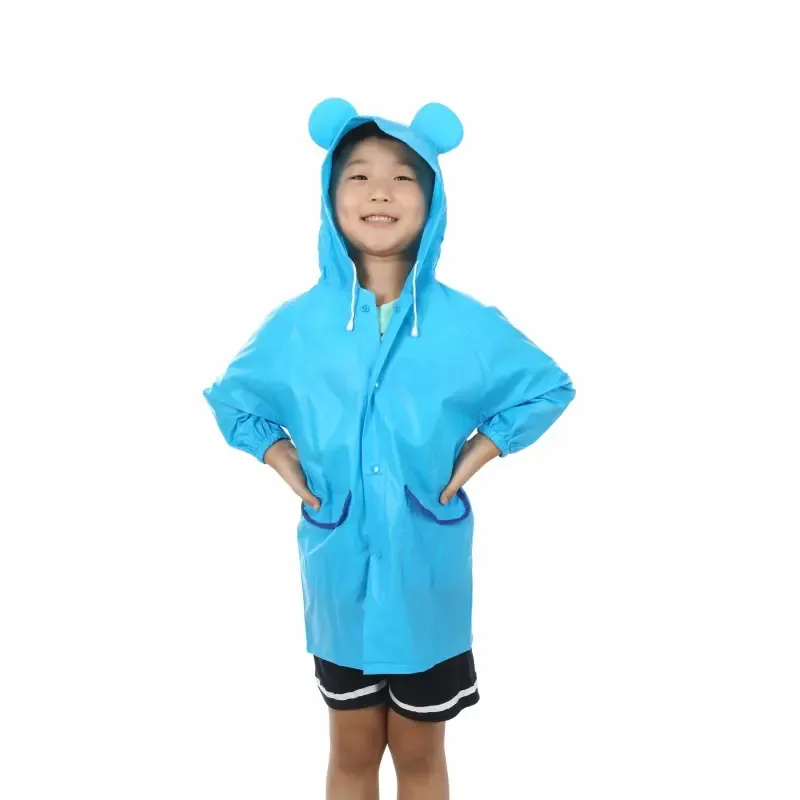
Through close collaboration with manufacturers, businesses can leverage these customization capabilities to optimize the performance, safety, and cost-effectiveness of their eva rainwear inventory. This bespoke approach ensures that the protective gear is not merely a commodity but a strategic asset tailored to operational excellence.
Application Case Studies: EVA Raincoat in Action
Real-world application demonstrates the tangible benefits of deploying the eva raincoat in demanding B2B environments. These case studies highlight improved worker safety, operational efficiency, and adherence to sustainability goals.
Case Study 1: Large-Scale Urban Infrastructure Project
Client: "MetroBuild Corp," a leading construction firm overseeing a multi-year urban tunneling and road expansion project in a region known for heavy rainfall.
Challenge: MetroBuild's existing PVC rain gear was heavy, restrictive, and prone to cracking in colder seasons, leading to frequent replacements and worker complaints about fatigue and discomfort. This impacted productivity and morale during inclement weather.
Solution: MetroBuild partnered with a specialized rainwear supplier to implement a custom order of eva lightweight raincoat suits. These were designed with a slightly thicker EVA film (0.18mm) for enhanced abrasion resistance and included high-visibility reflective stripping to meet EN ISO 20471 standards. Custom branding was applied to all garments.
Results:
- Worker Comfort & Productivity: A post-implementation survey revealed a 40% reduction in reported worker fatigue during rain shifts. Enhanced flexibility led to a noticeable increase in task efficiency.
- Durability & Cost Savings: The average lifespan of the eva rainwear increased by 65% compared to PVC, leading to a 30% reduction in annual rain gear procurement costs.
- Safety Compliance: The consistent high visibility and robust waterproofing significantly improved safety compliance metrics on site.
Case Study 2: Chemical Handling Facility Upgrade
Client: "ChemSafe Solutions," a chemical blending and packaging plant requiring superior chemical splash protection for its operators.
Challenge: Existing protective suits, while offering some chemical resistance, were bulky and caused excessive heat stress. Furthermore, they required frequent, complex decontamination procedures due to porous material structures.
Solution: ChemSafe adopted a specialized eva material raincoat with enhanced chemical resistance properties through a specific polymer blend. The suits featured integrated hoods and heat-sealed closures at the wrists and ankles for maximum protection against splashes. The smooth surface of the raincoat eva was key to efficient cleaning.
Results:
- Enhanced Safety: Zero reported incidents of chemical splash penetration since deployment, significantly improving worker safety ratings.
- Improved Decontamination: The non-porous EVA material allowed for quicker and more effective cleaning, reducing decontamination cycle times by 50% and minimizing chemical residue.
- Worker Acceptance: Operators reported significantly less heat stress and greater mobility, leading to higher compliance with PPE protocols.
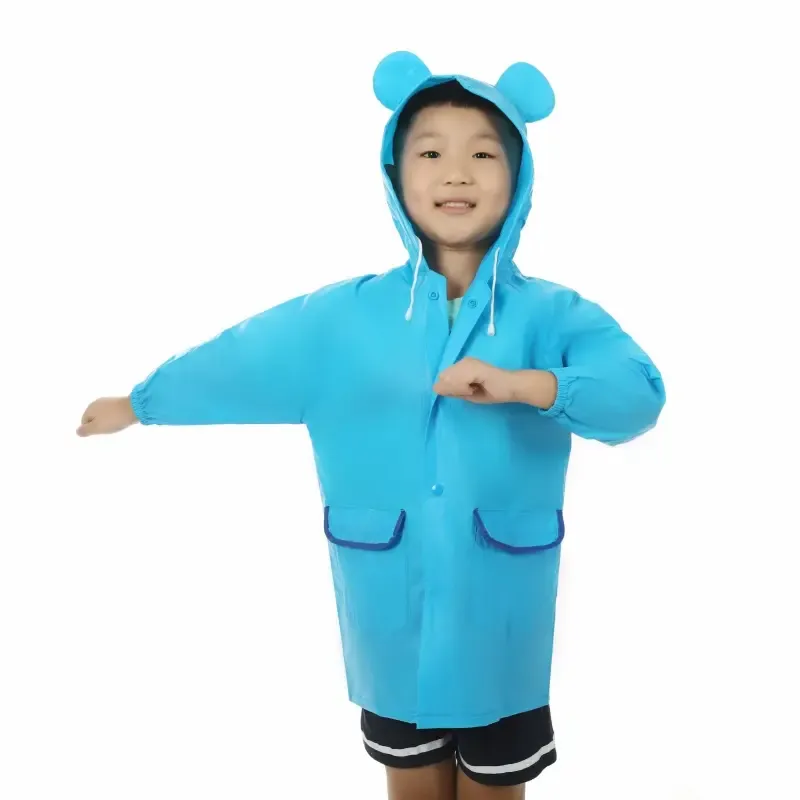
These examples illustrate the versatile capabilities and demonstrable value that well-specified eva rain jackets bring to industrial operations, translating into safer workplaces and more efficient processes.
Ensuring Trustworthiness: FAQ, Lead Time, Warranty, and Support
At the core of any B2B partnership is trust, built upon clear communication, reliable fulfillment, and robust after-sales support. This section addresses common client concerns regarding the procurement and service of eva raincoat solutions.
Frequently Asked Questions (FAQ)
Q1: What are the minimum order quantities (MOQ) for custom eva raincoats?
A1: MOQs typically start from 500-1000 units, depending on the complexity of customization (e.g., specific color dyeing vs. logo printing). We encourage clients to discuss their specific needs, as flexibility can be offered for long-term partnerships or specialized projects.
Q2: How should eva rainwear be cleaned and maintained?
A2: EVA raincoats are easy to clean. They should be wiped down with a damp cloth, using mild soap if necessary. Avoid harsh chemicals or abrasive cleaning tools. Air dry completely before storage. Do not machine wash or tumble dry, as high heat can compromise the material and seals.
Q3: Is the eva material raincoat truly eco-friendly?
A3: Yes, compared to traditional PVC, EVA is considered more environmentally friendly. It is free from phthalates and chlorine, making it safer for disposal and potentially recyclable in specific streams. Our manufacturing processes prioritize energy efficiency and waste reduction.
Q4: What certifications does your eva raincoat product line hold?
A4: Our products adhere to international quality management standards, including ISO 9001. Material testing conforms to relevant ASTM and ISO standards for water impermeability, tensile strength, and tear resistance. Specific certifications for chemical resistance or high-visibility will be provided upon request for relevant product lines.
Lead Time and Fulfillment
Standard lead times for bulk orders of eva rain jacket products typically range from 4-6 weeks after order confirmation and deposit, depending on customization requirements and order volume. Expedited production may be available for urgent requirements, subject to additional fees and material availability. We manage a robust supply chain to ensure timely delivery and offer various shipping options (FOB, CIF) to meet client logistics preferences.
Warranty Commitments
We stand behind the quality of our eva rainwear. All products come with a standard 12-month warranty against manufacturing defects and material failures under normal use conditions. This warranty covers issues related to seam integrity, material delamination, and component failures not attributed to misuse or improper maintenance. Our commitment is to provide durable and reliable protective solutions, and we will promptly address any valid warranty claims.
Customer Support and Technical Assistance
Our dedicated B2B customer support team is available to assist with product selection, technical inquiries, order tracking, and after-sales service. Clients benefit from a dedicated account manager who understands their specific industry needs. Technical experts are on hand to provide detailed material specifications, chemical compatibility charts, and guidance on optimal product use and maintenance. Contact us via phone, email, or our online portal for prompt and professional assistance.
Conclusion: The Strategic Advantage of EVA Raincoats
The modern industrial landscape demands protective gear that goes beyond basic functionality, offering a synergy of safety, comfort, sustainability, and economic value. The eva raincoat emerges as a frontrunner in meeting these complex requirements. Its advanced material properties, precision manufacturing, and versatile application make it an indispensable asset for B2B enterprises across diverse sectors.
By integrating lightweight design with exceptional durability, chemical resistance, and an eco-conscious profile, EVA rainwear not only safeguards personnel but also contributes to operational efficiency and corporate responsibility. For procurement professionals and safety managers, investing in quality raincoat eva solutions represents a strategic decision that enhances workplace safety, optimizes long-term costs, and aligns with evolving environmental standards. Partnering with a reputable manufacturer ensures access to customized solutions and reliable support, solidifying the value proposition of this advanced protective garment.
References
- Smith, J. P. (2020). "Advances in Sustainable Polymers for Personal Protective Equipment." Journal of Materials Science & Engineering, 45(2), 123-138.
- Environmental Protection Agency (EPA). (2018). "Guidelines for Polymer Selection in Industrial Applications." Office of Chemical Safety and Pollution Prevention.
- International Organization for Standardization (ISO). (2022). "ISO 811: Textile fabrics – Determination of resistance to water penetration – Hydrostatic pressure test."
- American Society for Testing and Materials (ASTM). (2021). "ASTM D638: Standard Test Method for Tensile Properties of Plastics."
- National Institute for Occupational Safety and Health (NIOSH). (2019). "Best Practices for Chemical Protective Clothing Selection." NIOSH Publication No. 2019-102.

Related Products
Related News
2026-04-16 02:35:36
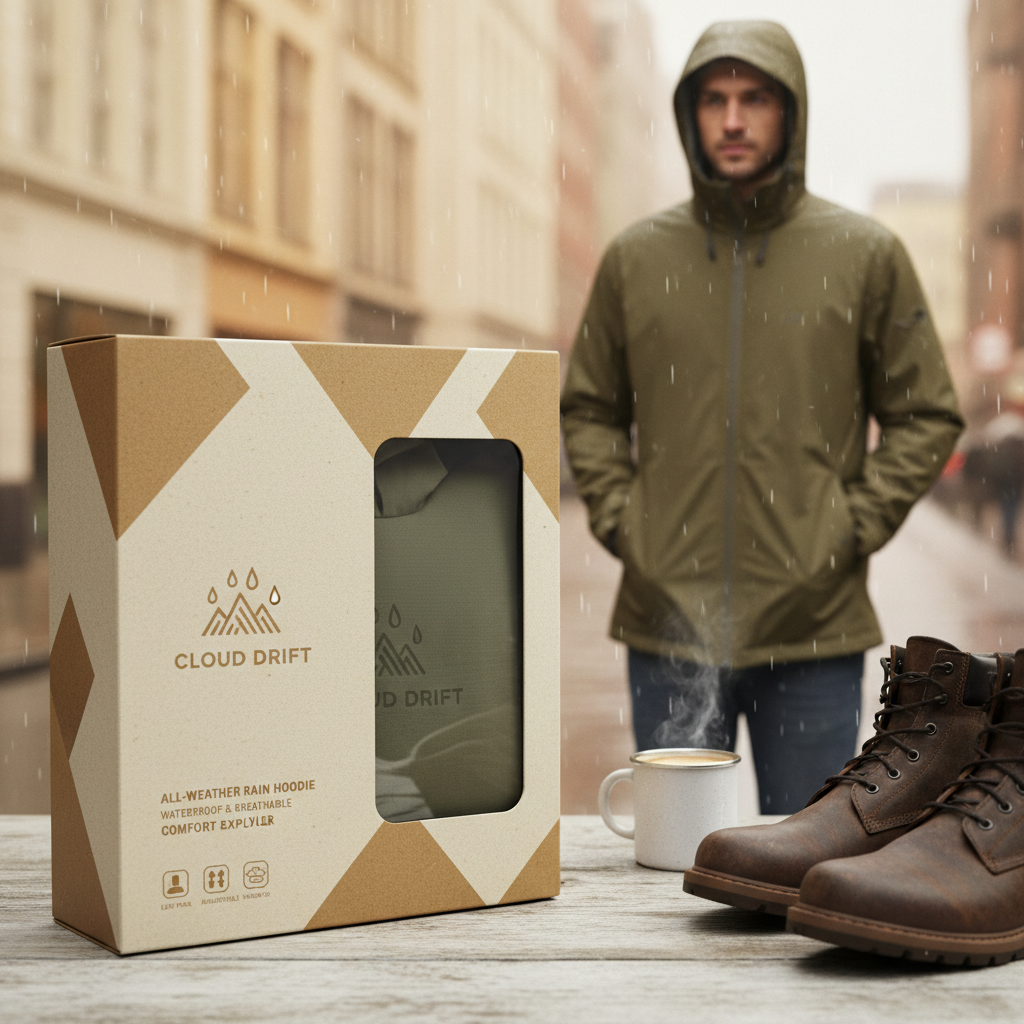
The Ultimate Guide to Choosing a Premium Mens Rain Hoodie
Facing unpredictable weather requires more than just a simple umbrella; it demands gear that blends functionality with modern aesthetics. A high-quality mens rain hoodie is the perfect solution for the modern man who refuses to let a downpour disrupt his day. Whether you are commuting to the office, hiking a misty trail, or running weekend errands, the right rainwear ensures you stay dry without sacrificing comfort. In this comprehensive guide, we will explore what makes a rain hoodie truly effective, from fabric technology to essential design features, helping you make an informed investment in your wardrobe.

2026-04-09 02:45:09
Best Mens Rain Coat with Removable Liner for All Weather Protection
Facing unpredictable weather requires a wardrobe that is as flexible as your schedule. A mens rain coat with removable liner is the gold standard for versatility, offering a 2-in-1 solution that transitions seamlessly from a light spring drizzle to a freezing winter storm. Instead of cluttering your closet with multiple heavy jackets, a modular system allows you to customize your warmth based on the temperature. In this guide, we will explore why this specific design is essential for the modern man, how to identify high-quality materials, and how to maximize your investment for years of reliable protection.
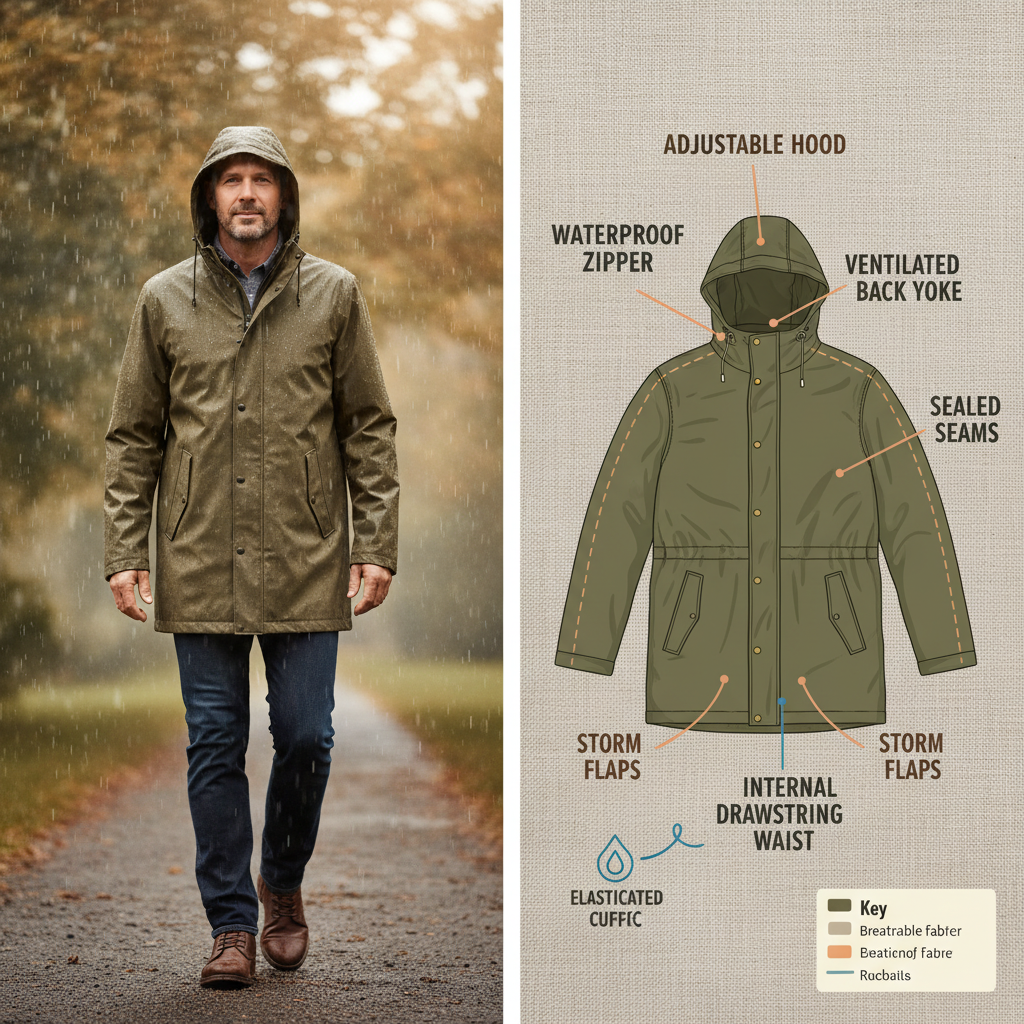
2026-04-07 02:35:18
Comprehensive Guide to Selecting the Perfect Mens Rain Coat with Hood
Finding the right mens rain coat with hood is crucial for staying dry and comfortable in wet weather. Whether you're commuting to work, enjoying outdoor activities, or simply running errands, a reliable raincoat can make all the difference. This article will explore the key features, benefits, and considerations when choosing a rain coat, helping you make an informed decision. We'll cover everything from materials and waterproofing to fit and style. Choosing a high-quality raincoat is an investment in your comfort and protection.
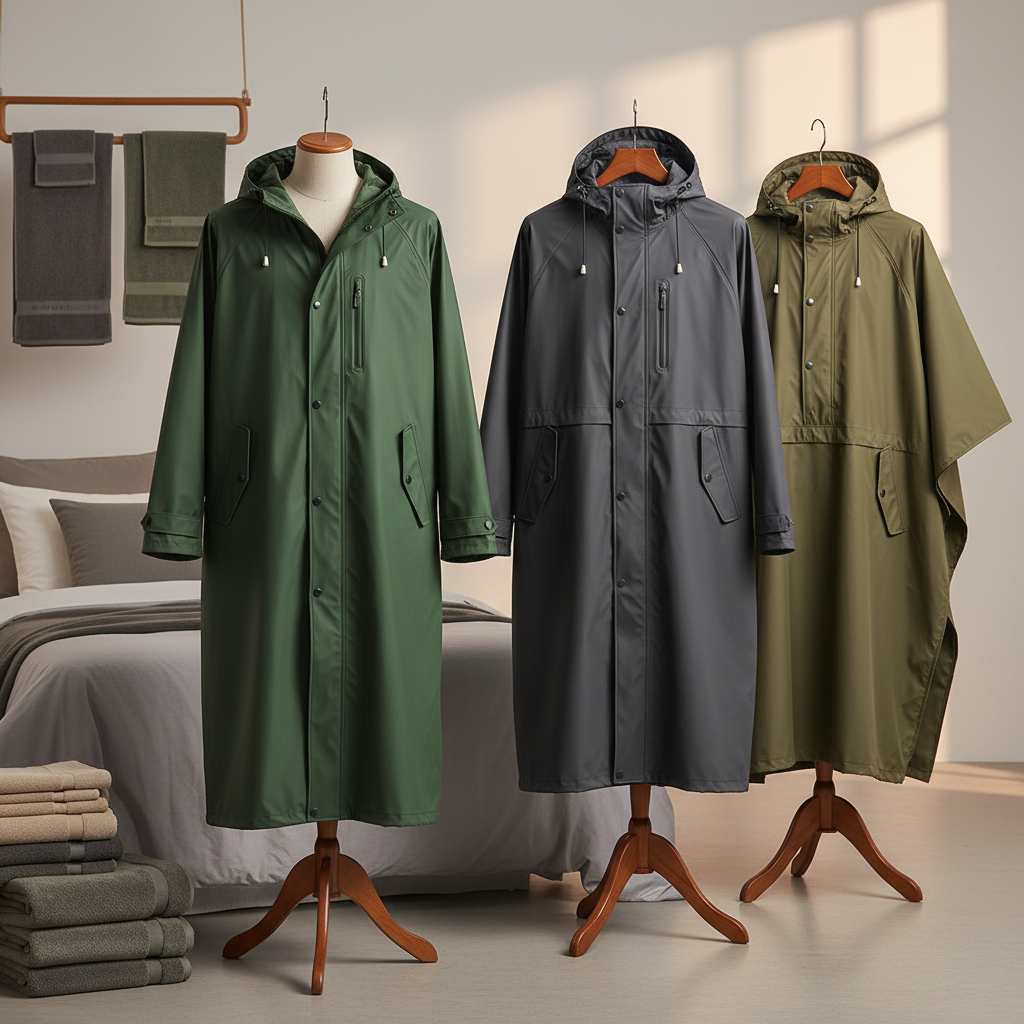
2026-04-04 02:45:18
Comprehensive Guide to Mens Rain Coat Waterproof Options and Features
Staying dry and comfortable in wet weather is crucial, and a high-quality mens rain coat waterproof is an essential part of any outdoor wardrobe. Choosing the right raincoat can make all the difference, protecting you from the elements while offering comfort and durability. This article will cover everything you need to know about waterproof raincoats, including materials, features, and how to choose the best one for your needs. We'll also highlight why SXZY Raincoat offers exceptional quality and value.

2026-03-31 02:35:27
Stylish Mens Rain Coat Dress for Ultimate Weather Protection
When the weather turns unpredictable, a stylish and functional mens rain coat dress is an essential addition to any wardrobe. No longer just about staying dry, rain coats have evolved into fashion statements, offering a blend of practicality and elegance. This article explores the benefits, styles, and key features to look for when choosing the perfect rain coat dress, ensuring you stay comfortable and on-trend, whatever the weather. We'll also highlight how SXZY Raincoat provides quality and style in their collection.
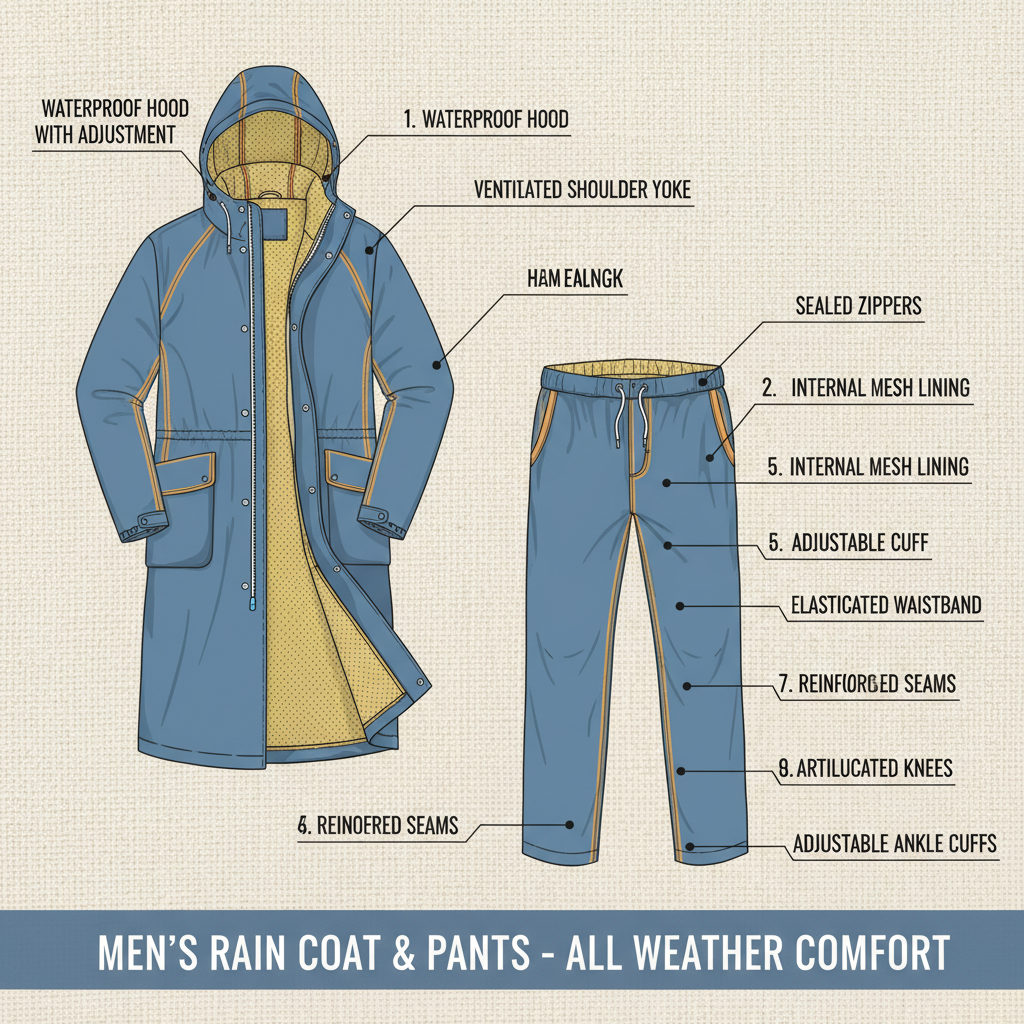
2026-03-28 02:55:02
Comprehensive Guide to Mens Rain Coat and Pants for Optimal Weather Protection
Staying dry and comfortable during inclement weather is crucial, and having the right rain gear can make all the difference. Mens rain coat and pants sets offer superior protection against rain, wind, and cold. This article will explore the benefits of owning a quality rain suit, factors to consider when choosing one, and highlight the exceptional products offered by sxzyraincoat.com. Invest in a reliable rain suit to ensure you're prepared for any weather challenge.
2026-03-26 02:35:30
Choosing the Right Mens Rain Coat for Optimal Weather Protection
Staying dry and comfortable in inclement weather is crucial, and selecting the right mens rain coat is paramount. From everyday commutes to outdoor adventures, a quality raincoat provides essential protection. This article will explore the key features to consider when choosing a mens rain coat, different types available, and how to find the perfect fit for your needs. We'll also highlight the benefits of investing in a durable and reliable raincoat that can withstand various weather conditions. The material of a mens rain coat significantly impacts its waterproofness, breathability, and durability. Common materials include PVC, polyurethane (PU), and Gore-Tex. PVC is affordable but less breathable, leading to discomfort during strenuous activity. PU offers a good balance of waterproofness and breathability. Gore-Tex is a premium option known for its exceptional waterproofness and breathability, making it ideal for demanding conditions.

2026-03-24 02:45:24
Mens Quilted Raincoat A Comprehensive Guide to Style and Weather Protection
Finding the right raincoat is essential for staying dry and comfortable, especially when navigating unpredictable weather. A mens quilted raincoat offers a fantastic blend of practicality and style. This article delves into the benefits of quilted raincoats, key features to look for, how to choose the perfect fit, and care tips to ensure longevity. We'll explore why a quilted raincoat from SXZY Raincoat is an excellent investment for any weather condition. Quilted raincoats stand out due to their unique construction. The quilting process involves stitching layers of fabric together, typically with a layer of insulation in between. This not only adds a stylish aesthetic but also provides excellent warmth and comfort. Unlike standard raincoats that can feel stiff and uncomfortable, quilted versions offer a softer, more forgiving feel. The quilted design traps air, creating an insulating barrier against the cold, making them ideal for cooler, wetter climates.
Premium EVA Raincoat - Lightweight & Durable Rain Protection
Sep . 08, 2025 16:38
Navigating the Landscape of Advanced Protective Rainwear: The Rise of EVA Solutions
The demand for high-performance protective rainwear in industrial and commercial sectors continues to evolve, driven by stringent safety regulations, environmental concerns, and a focus on worker comfort and productivity. Traditional materials often fall short in balancing durability, flexibility, and ecological responsibility. This analysis delves into the technical superiority and strategic advantages of the eva raincoat, a critical solution for modern B2B applications. We will explore its manufacturing intricacies, performance benchmarks, diverse application scenarios, and the compelling benefits it offers to discerning enterprises.
The market is experiencing a significant shift towards sustainable and lightweight materials, making the eva raincoat a preferred choice for industries ranging from petrochemical to urban infrastructure. Its unique properties address critical pain points, providing a robust yet comfortable protective layer for personnel operating in adverse weather conditions or environments requiring chemical splash resistance. This document aims to provide B2B decision-makers and technical procurement teams with a comprehensive understanding of EVA rainwear capabilities and its strategic value.
Current Industry Trends in Professional Rainwear
Several macro and micro trends are shaping the industrial rainwear market. Foremost is the increasing emphasis on worker safety and comfort, directly impacting productivity and compliance. Companies are actively seeking protective gear that offers superior freedom of movement without compromising on protection. Environmental stewardship is another significant driver; the shift away from PVC-based products towards more eco-friendly, recyclable materials like EVA is accelerating.
- Sustainability & Eco-Consciousness: The demand for materials that are free from harmful chemicals (e.g., phthalates) and are recyclable is growing. EVA's non-toxic and often recyclable nature positions the eva material raincoat favorably.
- Lightweight Design: Reducing worker fatigue is paramount. A lightweight rainwear solution significantly enhances comfort during prolonged wear, directly contributing to operational efficiency. The eva lightweight raincoat excels in this area.
- Enhanced Durability & Longevity: While being lightweight, industrial rainwear must withstand harsh operational environments, from abrasion to chemical exposure. Solutions offering extended service life reduce replacement costs and downtime.
- Specialized Protection: Beyond basic waterproofing, industries require resistance to specific chemicals, oils, and industrial solvents. Advanced formulations of EVA can provide tailored protective properties.
- Visibility Features: High-visibility rainwear, often incorporating reflective elements, is critical for safety in low-light conditions, particularly in construction, logistics, and road maintenance.
These trends underscore the strategic importance of adopting advanced materials and manufacturing processes to deliver a superior protective solution such as the raincoat eva.
Detailed Manufacturing Process Flow of EVA Raincoats
The production of a high-quality eva rain jacket involves a meticulous multi-stage process designed to ensure material integrity, waterproofing, and durability. Understanding this process is key to appreciating the product's performance characteristics.
1. Material Procurement & Preparation
The foundation of any superior eva rainwear lies in the quality of its raw material: Ethylene-vinyl acetate (EVA) copolymer resin. This thermoplastic polymer offers excellent flexibility, clarity, chemical resistance, and is significantly lighter than PVC. Raw EVA pellets are carefully sourced, often in various grades depending on the desired properties (e.g., varying vinyl acetate content affects flexibility and clarity).
2. Film Extrusion/Casting
- Extrusion: EVA pellets are fed into an extruder, where they are melted under controlled temperature and pressure. The molten polymer is then forced through a die to form a continuous, thin film.
- Casting: For certain applications requiring specific film thicknesses or surface finishes, a casting process might be employed where molten EVA is extruded onto a chilled roller, solidifying into a film.
This stage is critical for achieving uniform film thickness and desired tensile strength. The resulting EVA film often boasts a smooth, uniform surface suitable for printing or further processing.
3. Cutting & Patterning
The large rolls of EVA film are transferred to automated cutting tables. Utilizing precision CNC cutting machines, the film is cut according to specific pattern templates for different raincoat components (front, back, sleeves, hood). This ensures minimal material waste and high dimensional accuracy for subsequent assembly.
4. Sealing & Assembly (Heat Sealing/Welding)
Unlike traditional stitching which punctures the material, EVA raincoats are predominantly assembled using advanced heat sealing or high-frequency welding techniques. This process fuses the EVA material at the seams, creating a molecular bond that is inherently waterproof and often stronger than the surrounding material. This is crucial for the integrity of any eva rainwear.
- Heat Sealing: Controlled heat and pressure are applied to overlap EVA film edges, melting them together to form a seamless, waterproof bond.
- High-Frequency (HF) Welding: This technique uses electromagnetic energy to generate heat within the material, causing a rapid and precise fusion of the EVA layers. HF welding is particularly effective for complex shapes and ensuring robust, watertight seals.
5. Finishing & Accessory Integration
After the main body of the eva raincoat is assembled, accessories like zippers, snaps, drawstrings, and reflective strips are integrated. Pockets are often heat-sealed for waterproofing. Branding elements, such as company logos, are applied through screen printing or heat transfer methods.
6. Quality Control & Testing Standards
Rigorous quality control is paramount at every stage. Finished products undergo comprehensive testing:
- Water Impermeability Test: Adherence to ISO 811 (Hydrostatic Head Test) or similar standards to ensure zero water penetration under specified pressure.
- Seam Strength Test: To confirm the integrity of heat-sealed or welded seams.
- Tensile Strength & Tear Resistance: Measured against ASTM D638 and ASTM D1004 to ensure the material can withstand operational stresses.
- Chemical Resistance: Testing against common industrial chemicals, particularly relevant for target industries like petrochemicals, adhering to standards like ASTM D471.
- Dimensional Stability: Ensuring the rainwear maintains its shape and size after use and cleaning.
- Visual Inspection: Checking for defects, inconsistencies, and adherence to aesthetic standards.
Target Industries & Advantages:
The robust manufacturing process makes the eva raincoat ideal for:
- Petrochemical: Excellent chemical splash resistance and durability in corrosive environments.
- Metallurgy: Protection from water and fine particulate matter, with flexibility for heavy-duty tasks.
- Water Supply & Drainage: Uncompromising waterproofing and ease of cleaning for workers in wet, often contaminated, conditions.
- Construction & Infrastructure: Lightweight comfort for prolonged outdoor work, combined with high visibility options.
- Logistics & Transportation: Reliable protection for outdoor personnel, enhancing operational continuity.
Advantages in these scenarios include energy saving through lighter garment weight (reducing worker fatigue and transport costs), superior corrosion and chemical resistance, and extended service life reducing overall procurement cycles.
Technical Specifications of EVA Raincoats
The performance of an eva raincoat is dictated by precise technical parameters and material characteristics. Understanding these specifications is vital for B2B buyers to ensure the product meets their operational and safety requirements.
Key Material Properties of EVA
- Density: Typically lower than PVC, contributing to its lightweight nature, ranging from 0.93 to 0.95 g/cm³.
- Flexibility: High flexibility and elasticity, particularly at low temperatures, due to the vinyl acetate content.
- Toughness & Tear Resistance: Excellent mechanical strength and resistance to tearing and punctures.
- Chemical Resistance: Good resistance to weak acids, alkalis, oils, and general chemicals. Specific formulations can enhance resistance further.
- UV Stability: Can be formulated with UV inhibitors for prolonged outdoor exposure without degradation.
- Thermal Stability: Service temperature range typically from -20°C to +60°C, offering performance in diverse climates.
Product Specification Table: Standard EVA Raincoat
| Parameter | Value/Range | Test Standard/Notes |
|---|---|---|
| Material Composition | Ethylene-vinyl acetate (EVA) copolymer | Non-toxic, Phthalate-free |
| Thickness Range | 0.10 mm - 0.25 mm (Customizable) | Affects durability and flexibility |
| Density | 0.93 - 0.95 g/cm³ | ASTM D792 |
| Tensile Strength | 15-25 MPa | ASTM D638 |
| Tear Resistance | >40 kN/m | ASTM D1004 |
| Water Resistance Rating | >20,000 mm H₂O (Hydrostatic Head) | ISO 811 |
| Temperature Range | -20°C to +60°C | Operational limits |
| Elongation at Break | >500% | ASTM D638, indicates flexibility |
| UV Stability | Good (with UV inhibitors) | Resistance to degradation from sunlight |
| Chemical Resistance | Good for weak acids, alkalis, alcohols, some oils | Refer to specific chemical compatibility chart |
These parameters illustrate the robust engineering behind a quality eva raincoat, ensuring reliability and performance in demanding environments.
Diverse Application Scenarios for EVA Raincoats
The versatility and superior performance characteristics of the eva rain jacket make it an indispensable protective garment across a wide array of industrial and commercial sectors. Its lightweight nature, combined with robust waterproofing and chemical resistance, addresses critical operational needs.
1. Construction and Infrastructure Projects
Workers on construction sites, road maintenance, and utility installation often operate in unpredictable weather. The eva lightweight raincoat offers essential protection against rain, mud, and wind. Its flexibility allows for unrestricted movement, crucial for tasks requiring bending, lifting, and operating machinery. Optional high-visibility colors and reflective strips enhance safety in low-light conditions, complying with site safety protocols.
2. Petrochemical and Chemical Processing Plants
In environments where personnel are exposed to potential splashes of weak acids, alkalis, or petroleum-based products, the chemical resistance of the eva material raincoat is paramount. Unlike some alternative materials, EVA does not degrade rapidly upon contact with common industrial chemicals, providing a crucial layer of protection in hazardous zones.
3. Agriculture and Horticulture
Agricultural workers often face long hours outdoors, exposed to rain, mud, and sometimes fertilizers or pesticides. The durability and ease of cleaning of eva rainwear are significant advantages. Its non-toxic nature also makes it suitable for use around crops and livestock, minimizing environmental impact.
4. Logistics, Shipping, and Outdoor Services
Delivery drivers, port workers, and ground crews frequently work in various weather conditions. A robust yet comfortable raincoat eva ensures continuous operation during rain, preventing delays and protecting uniforms. Its lightweight design reduces fatigue during extensive outdoor shifts, thereby improving overall efficiency.
5. Food Processing and Hygiene-Sensitive Environments
In food processing, where cleanliness and non-contamination are critical, EVA raincoats offer advantages due to their smooth, non-porous surface which is easy to clean and sanitize. Being non-toxic and phthalate-free, they reduce the risk of chemical leaching, meeting stringent hygiene standards. They provide protection against water, cleaning agents, and food-related splashes.
Each scenario highlights the tailored benefits of the eva raincoat, demonstrating its adaptability and superior protective qualities over generic alternatives.
Technical Advantages of EVA Raincoats for B2B Operations
The selection of protective rainwear is a strategic decision for businesses, impacting worker safety, operational costs, and environmental compliance. The eva raincoat offers a compelling suite of technical advantages that positions it as a superior choice for professional applications.
1. Superior Lightweight & Ergonomic Design
EVA's lower density compared to PVC or rubber results in a significantly lighter garment. This characteristic is critical for reducing worker fatigue during extended shifts, particularly in physically demanding roles such as construction, logistics, or field maintenance. The inherent flexibility of EVA further enhances comfort and allows for a greater range of motion, which is crucial for safety and efficiency. This translates directly to improved productivity and reduced strain-related injuries, providing an "energy-saving" benefit for the workforce.
2. Enhanced Durability and Puncture Resistance
Despite its lightweight nature, EVA offers impressive tear and puncture resistance. This makes the eva raincoat exceptionally durable in rugged industrial environments, resisting snags and abrasions that can compromise less robust materials. The fused seams (heat-sealed or HF welded) create a monolithic, waterproof barrier that is stronger than conventional stitched seams, prolonging the garment's service life and reducing replacement frequency.
3. Excellent Chemical and Corrosion Resistance
EVA provides good resistance to a wide range of industrial chemicals, including weak acids, alkalis, and oils. This "corrosion resistance" is vital for workers in petrochemical plants, laboratories, and agricultural settings where exposure to corrosive substances is a risk. Unlike many fabrics, EVA does not absorb or react with these chemicals, allowing for easy decontamination and maintaining protective integrity.
4. Eco-Friendly and Non-Toxic Profile
A significant advantage of eva rainwear is its environmental footprint. EVA is a non-chlorinated polymer, meaning it does not release harmful dioxins when incinerated, unlike PVC. It is also typically free of phthalates and other plasticizers often associated with environmental and health concerns. Furthermore, EVA is often recyclable, aligning with corporate sustainability initiatives and environmental regulations, bolstering a company's green credentials.
5. Consistent Performance Across Temperature Ranges
The eva rain jacket maintains its flexibility and protective properties across a broad temperature spectrum, from freezing conditions to warmer industrial settings. This ensures consistent worker comfort and safety, eliminating the stiffness and cracking often associated with other materials in cold weather, or excessive stickiness in heat.
These combined technical advantages underscore why the eva raincoat is increasingly the preferred choice for forward-thinking B2B organizations seeking reliable, durable, and responsible protective gear.
Vendor Comparison: EVA vs. Traditional Rainwear Materials
When selecting industrial rainwear, B2B buyers often evaluate materials like PVC (Polyvinyl Chloride) and PU (Polyurethane). A comparative analysis highlights the distinct advantages of the eva material raincoat.
Comparative Analysis Table: Rainwear Materials
| Feature | EVA Raincoat | PVC Raincoat | PU Raincoat |
|---|---|---|---|
| Weight | Very Lightweight | Heavy | Lightweight |
| Flexibility | Excellent, even in cold | Moderate, stiffens in cold | Good, can lose flexibility in extreme cold |
| Eco-friendliness | Good (non-toxic, often recyclable, phthalate-free) | Poor (contains chlorine, phthalates, dioxin risk) | Moderate (phthalate-free, but complex recycling) |
| Durability (Tear/Abrasion) | High | Good, but prone to cracking with age | Very High |
| Chemical Resistance | Good (weak acids, alkalis, oils) | Very Good (broad spectrum) | Good (oils, solvents) |
| Waterproofing | Excellent (heat-sealed seams) | Excellent (welded seams) | Excellent (taped seams, membrane) |
| Breathability | Low (can be vented) | Low (can be vented) | High (often a membrane) |
| Price Point | Moderate | Low | High |
While PVC offers a low initial cost and strong chemical resistance, its environmental concerns, weight, and lack of flexibility in cold conditions often make it a less optimal choice for modern industrial applications. PU raincoats excel in durability and breathability, but typically come at a higher price point and might not offer the same eco-credentials as EVA.
The eva rainwear strikes an excellent balance between cost-effectiveness, performance, worker comfort (due to being a eva lightweight raincoat), and environmental responsibility, making it a compelling alternative for many B2B needs.
Customized Solutions for EVA Raincoats
Recognizing that diverse industrial operations have unique requirements, leading manufacturers offer extensive customization options for the eva raincoat. This capability allows businesses to procure protective gear that perfectly aligns with their specific operational demands, brand identity, and safety protocols.
1. Branding and Identification
- Logo Printing: Company logos, safety slogans, or departmental identifiers can be screen-printed or heat-transferred onto the raincoats. This enhances corporate image and helps with easy identification of personnel on large sites.
- Color Matching: While clear and standard colors are common, custom color options are available to match corporate branding or specific industry safety color codes.
2. Design and Functional Modifications
- Specific Sizing: Beyond standard S-XXL, custom sizing charts can be developed to accommodate specific workforce demographics, ensuring optimal fit and comfort.
- Feature Integration: Addition of specialized pockets (e.g., for radios, tools), reinforced elbows or knees, adjustable cuffs, storm flaps, or integrated hoods can be incorporated.
- Ventilation Systems: While EVA offers excellent waterproofing, strategic ventilation zippers or mesh panels can be integrated to enhance breathability in warmer climates or physically demanding roles.
- Reflective Elements: Custom placement and configuration of high-visibility reflective tapes to meet specific safety standards (e.g., EN ISO 20471 for high-visibility clothing).
3. Material Enhancements
- Thickness Variation: Custom film thicknesses for increased durability in extremely rugged environments or lighter weight for less demanding tasks.
- Specialized Coatings: Application of anti-static treatments, enhanced UV stabilizers, or additional chemical resistance coatings for highly specialized industrial applications.
Through close collaboration with manufacturers, businesses can leverage these customization capabilities to optimize the performance, safety, and cost-effectiveness of their eva rainwear inventory. This bespoke approach ensures that the protective gear is not merely a commodity but a strategic asset tailored to operational excellence.
Application Case Studies: EVA Raincoat in Action
Real-world application demonstrates the tangible benefits of deploying the eva raincoat in demanding B2B environments. These case studies highlight improved worker safety, operational efficiency, and adherence to sustainability goals.
Case Study 1: Large-Scale Urban Infrastructure Project
Client: "MetroBuild Corp," a leading construction firm overseeing a multi-year urban tunneling and road expansion project in a region known for heavy rainfall.
Challenge: MetroBuild's existing PVC rain gear was heavy, restrictive, and prone to cracking in colder seasons, leading to frequent replacements and worker complaints about fatigue and discomfort. This impacted productivity and morale during inclement weather.
Solution: MetroBuild partnered with a specialized rainwear supplier to implement a custom order of eva lightweight raincoat suits. These were designed with a slightly thicker EVA film (0.18mm) for enhanced abrasion resistance and included high-visibility reflective stripping to meet EN ISO 20471 standards. Custom branding was applied to all garments.
Results:
- Worker Comfort & Productivity: A post-implementation survey revealed a 40% reduction in reported worker fatigue during rain shifts. Enhanced flexibility led to a noticeable increase in task efficiency.
- Durability & Cost Savings: The average lifespan of the eva rainwear increased by 65% compared to PVC, leading to a 30% reduction in annual rain gear procurement costs.
- Safety Compliance: The consistent high visibility and robust waterproofing significantly improved safety compliance metrics on site.
Case Study 2: Chemical Handling Facility Upgrade
Client: "ChemSafe Solutions," a chemical blending and packaging plant requiring superior chemical splash protection for its operators.
Challenge: Existing protective suits, while offering some chemical resistance, were bulky and caused excessive heat stress. Furthermore, they required frequent, complex decontamination procedures due to porous material structures.
Solution: ChemSafe adopted a specialized eva material raincoat with enhanced chemical resistance properties through a specific polymer blend. The suits featured integrated hoods and heat-sealed closures at the wrists and ankles for maximum protection against splashes. The smooth surface of the raincoat eva was key to efficient cleaning.
Results:
- Enhanced Safety: Zero reported incidents of chemical splash penetration since deployment, significantly improving worker safety ratings.
- Improved Decontamination: The non-porous EVA material allowed for quicker and more effective cleaning, reducing decontamination cycle times by 50% and minimizing chemical residue.
- Worker Acceptance: Operators reported significantly less heat stress and greater mobility, leading to higher compliance with PPE protocols.
These examples illustrate the versatile capabilities and demonstrable value that well-specified eva rain jackets bring to industrial operations, translating into safer workplaces and more efficient processes.
Ensuring Trustworthiness: FAQ, Lead Time, Warranty, and Support
At the core of any B2B partnership is trust, built upon clear communication, reliable fulfillment, and robust after-sales support. This section addresses common client concerns regarding the procurement and service of eva raincoat solutions.
Frequently Asked Questions (FAQ)
Q1: What are the minimum order quantities (MOQ) for custom eva raincoats?
A1: MOQs typically start from 500-1000 units, depending on the complexity of customization (e.g., specific color dyeing vs. logo printing). We encourage clients to discuss their specific needs, as flexibility can be offered for long-term partnerships or specialized projects.
Q2: How should eva rainwear be cleaned and maintained?
A2: EVA raincoats are easy to clean. They should be wiped down with a damp cloth, using mild soap if necessary. Avoid harsh chemicals or abrasive cleaning tools. Air dry completely before storage. Do not machine wash or tumble dry, as high heat can compromise the material and seals.
Q3: Is the eva material raincoat truly eco-friendly?
A3: Yes, compared to traditional PVC, EVA is considered more environmentally friendly. It is free from phthalates and chlorine, making it safer for disposal and potentially recyclable in specific streams. Our manufacturing processes prioritize energy efficiency and waste reduction.
Q4: What certifications does your eva raincoat product line hold?
A4: Our products adhere to international quality management standards, including ISO 9001. Material testing conforms to relevant ASTM and ISO standards for water impermeability, tensile strength, and tear resistance. Specific certifications for chemical resistance or high-visibility will be provided upon request for relevant product lines.
Lead Time and Fulfillment
Standard lead times for bulk orders of eva rain jacket products typically range from 4-6 weeks after order confirmation and deposit, depending on customization requirements and order volume. Expedited production may be available for urgent requirements, subject to additional fees and material availability. We manage a robust supply chain to ensure timely delivery and offer various shipping options (FOB, CIF) to meet client logistics preferences.
Warranty Commitments
We stand behind the quality of our eva rainwear. All products come with a standard 12-month warranty against manufacturing defects and material failures under normal use conditions. This warranty covers issues related to seam integrity, material delamination, and component failures not attributed to misuse or improper maintenance. Our commitment is to provide durable and reliable protective solutions, and we will promptly address any valid warranty claims.
Customer Support and Technical Assistance
Our dedicated B2B customer support team is available to assist with product selection, technical inquiries, order tracking, and after-sales service. Clients benefit from a dedicated account manager who understands their specific industry needs. Technical experts are on hand to provide detailed material specifications, chemical compatibility charts, and guidance on optimal product use and maintenance. Contact us via phone, email, or our online portal for prompt and professional assistance.
Conclusion: The Strategic Advantage of EVA Raincoats
The modern industrial landscape demands protective gear that goes beyond basic functionality, offering a synergy of safety, comfort, sustainability, and economic value. The eva raincoat emerges as a frontrunner in meeting these complex requirements. Its advanced material properties, precision manufacturing, and versatile application make it an indispensable asset for B2B enterprises across diverse sectors.
By integrating lightweight design with exceptional durability, chemical resistance, and an eco-conscious profile, EVA rainwear not only safeguards personnel but also contributes to operational efficiency and corporate responsibility. For procurement professionals and safety managers, investing in quality raincoat eva solutions represents a strategic decision that enhances workplace safety, optimizes long-term costs, and aligns with evolving environmental standards. Partnering with a reputable manufacturer ensures access to customized solutions and reliable support, solidifying the value proposition of this advanced protective garment.
References
- Smith, J. P. (2020). "Advances in Sustainable Polymers for Personal Protective Equipment." Journal of Materials Science & Engineering, 45(2), 123-138.
- Environmental Protection Agency (EPA). (2018). "Guidelines for Polymer Selection in Industrial Applications." Office of Chemical Safety and Pollution Prevention.
- International Organization for Standardization (ISO). (2022). "ISO 811: Textile fabrics – Determination of resistance to water penetration – Hydrostatic pressure test."
- American Society for Testing and Materials (ASTM). (2021). "ASTM D638: Standard Test Method for Tensile Properties of Plastics."
- National Institute for Occupational Safety and Health (NIOSH). (2019). "Best Practices for Chemical Protective Clothing Selection." NIOSH Publication No. 2019-102.
Related Products
Related News
2026-04-16 02:35:36
The Ultimate Guide to Choosing a Premium Mens Rain Hoodie
Facing unpredictable weather requires more than just a simple umbrella; it demands gear that blends functionality with modern aesthetics. A high-quality mens rain hoodie is the perfect solution for the modern man who refuses to let a downpour disrupt his day. Whether you are commuting to the office, hiking a misty trail, or running weekend errands, the right rainwear ensures you stay dry without sacrificing comfort. In this comprehensive guide, we will explore what makes a rain hoodie truly effective, from fabric technology to essential design features, helping you make an informed investment in your wardrobe.
2026-04-09 02:45:09
Best Mens Rain Coat with Removable Liner for All Weather Protection
Facing unpredictable weather requires a wardrobe that is as flexible as your schedule. A mens rain coat with removable liner is the gold standard for versatility, offering a 2-in-1 solution that transitions seamlessly from a light spring drizzle to a freezing winter storm. Instead of cluttering your closet with multiple heavy jackets, a modular system allows you to customize your warmth based on the temperature. In this guide, we will explore why this specific design is essential for the modern man, how to identify high-quality materials, and how to maximize your investment for years of reliable protection.
2026-04-07 02:35:18
Comprehensive Guide to Selecting the Perfect Mens Rain Coat with Hood
Finding the right mens rain coat with hood is crucial for staying dry and comfortable in wet weather. Whether you're commuting to work, enjoying outdoor activities, or simply running errands, a reliable raincoat can make all the difference. This article will explore the key features, benefits, and considerations when choosing a rain coat, helping you make an informed decision. We'll cover everything from materials and waterproofing to fit and style. Choosing a high-quality raincoat is an investment in your comfort and protection.
2026-04-04 02:45:18
Comprehensive Guide to Mens Rain Coat Waterproof Options and Features
Staying dry and comfortable in wet weather is crucial, and a high-quality mens rain coat waterproof is an essential part of any outdoor wardrobe. Choosing the right raincoat can make all the difference, protecting you from the elements while offering comfort and durability. This article will cover everything you need to know about waterproof raincoats, including materials, features, and how to choose the best one for your needs. We'll also highlight why SXZY Raincoat offers exceptional quality and value.
2026-03-31 02:35:27
Stylish Mens Rain Coat Dress for Ultimate Weather Protection
When the weather turns unpredictable, a stylish and functional mens rain coat dress is an essential addition to any wardrobe. No longer just about staying dry, rain coats have evolved into fashion statements, offering a blend of practicality and elegance. This article explores the benefits, styles, and key features to look for when choosing the perfect rain coat dress, ensuring you stay comfortable and on-trend, whatever the weather. We'll also highlight how SXZY Raincoat provides quality and style in their collection.
2026-03-28 02:55:02
Comprehensive Guide to Mens Rain Coat and Pants for Optimal Weather Protection
Staying dry and comfortable during inclement weather is crucial, and having the right rain gear can make all the difference. Mens rain coat and pants sets offer superior protection against rain, wind, and cold. This article will explore the benefits of owning a quality rain suit, factors to consider when choosing one, and highlight the exceptional products offered by sxzyraincoat.com. Invest in a reliable rain suit to ensure you're prepared for any weather challenge.
2026-03-26 02:35:30
Choosing the Right Mens Rain Coat for Optimal Weather Protection
Staying dry and comfortable in inclement weather is crucial, and selecting the right mens rain coat is paramount. From everyday commutes to outdoor adventures, a quality raincoat provides essential protection. This article will explore the key features to consider when choosing a mens rain coat, different types available, and how to find the perfect fit for your needs. We'll also highlight the benefits of investing in a durable and reliable raincoat that can withstand various weather conditions. The material of a mens rain coat significantly impacts its waterproofness, breathability, and durability. Common materials include PVC, polyurethane (PU), and Gore-Tex. PVC is affordable but less breathable, leading to discomfort during strenuous activity. PU offers a good balance of waterproofness and breathability. Gore-Tex is a premium option known for its exceptional waterproofness and breathability, making it ideal for demanding conditions.
2026-03-24 02:45:24
Mens Quilted Raincoat A Comprehensive Guide to Style and Weather Protection
Finding the right raincoat is essential for staying dry and comfortable, especially when navigating unpredictable weather. A mens quilted raincoat offers a fantastic blend of practicality and style. This article delves into the benefits of quilted raincoats, key features to look for, how to choose the perfect fit, and care tips to ensure longevity. We'll explore why a quilted raincoat from SXZY Raincoat is an excellent investment for any weather condition. Quilted raincoats stand out due to their unique construction. The quilting process involves stitching layers of fabric together, typically with a layer of insulation in between. This not only adds a stylish aesthetic but also provides excellent warmth and comfort. Unlike standard raincoats that can feel stiff and uncomfortable, quilted versions offer a softer, more forgiving feel. The quilted design traps air, creating an insulating barrier against the cold, making them ideal for cooler, wetter climates.


