


Stay Dry: Mobility Scooter Rain Poncho for Ultimate Weather Protection

Sep . 14, 2025 12:00
The Imperative of Weather Protection in Mobility Solutions: An Industry Overview
In the rapidly evolving landscape of personal mobility, particularly for individuals relying on assistive devices, the demand for robust and reliable weather protection solutions has never been more critical. The global market for mobility aids is projected to expand significantly, driven by an aging population and increased awareness regarding accessibility. A key component enhancing the utility and safety of these devices, especially during inclement weather, is the mobility scooter rain poncho. This specialized protective gear ensures uninterrupted mobility and comfort, safeguarding users from environmental elements and extending the operational lifespan of their valuable equipment.
Current industry trends indicate a growing emphasis on user-centric design, integration of advanced materials, and adherence to stringent safety standards. Manufacturers are increasingly focused on developing products that not only offer superior waterproofing but also feature enhanced breathability, ergonomic design, and improved visibility. The integration of smart textiles and reflective elements is becoming standard, addressing both comfort and safety concerns for users navigating diverse outdoor conditions. This technical briefing will delve into the specifications, applications, and strategic advantages of modern rain protection solutions for mobility scooters.
Technical Specifications and Material Science of Advanced Mobility Scooter Rain Ponchos
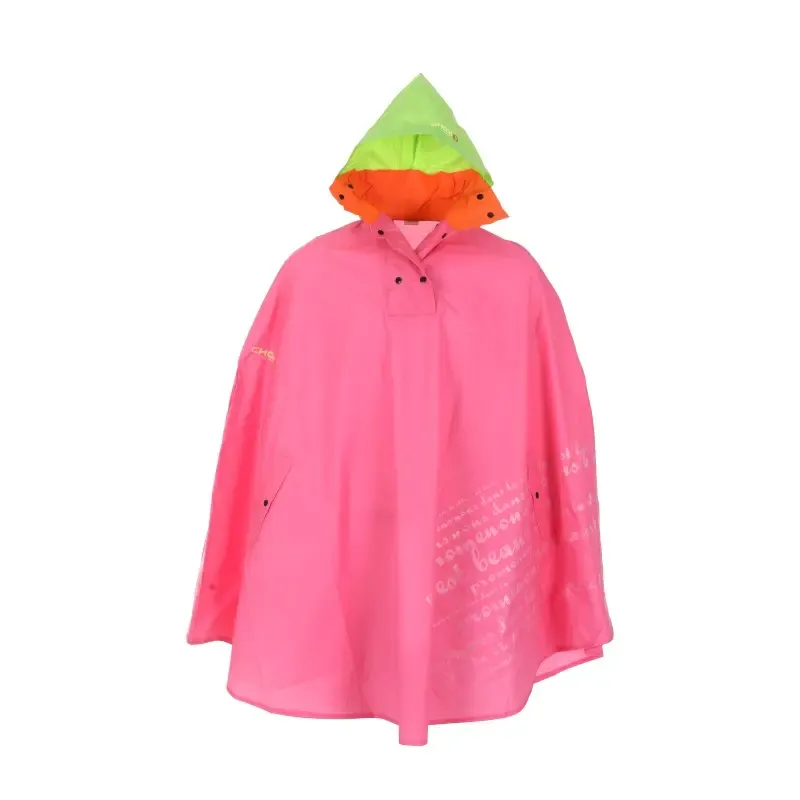
The efficacy of a mobility scooter poncho is fundamentally determined by its material composition and design architecture. Modern solutions, such as the "Electric Scooter Rain" product line, utilize advanced synthetic fabrics engineered for superior water resistance, durability, and user comfort. Key material properties include:
- High-Denier Polyester or Nylon: Typically 210D to 420D Oxford fabric, offering excellent tear resistance and structural integrity. Denier count directly correlates with material robustness.
- Polyurethane (PU) or Polyvinyl Chloride (PVC) Coatings: Applied to the inner surface, these coatings provide a hydrostatic head rating ranging from 5,000mm to 15,000mm, ensuring impermeability even under heavy rainfall conditions.
- Durable Water Repellent (DWR) Finish: An external treatment that causes water to bead up and roll off the fabric surface, preventing saturation and maintaining breathability.
- Seam Sealing Technology: Critical for waterproofing, common methods include heat-sealed seams with waterproof tape or ultrasonic welding, eliminating needle perforations.
- Reflective Materials: Integrated high-visibility reflective strips (e.g., 3M Scotchlite) to enhance user safety during low-light conditions, complying with EN ISO 20471 standards for high-visibility clothing.
Product Specification Table: Electric Scooter Rain Poncho
| Parameter | Specification | Technical Detail |
|---|---|---|
| Material Composition | 210D Oxford Fabric with PU Coating | Durable, lightweight, and tear-resistant base fabric. |
| Hydrostatic Head Rating | 8,000mm (min.) | Indicates water pressure resistance, ensuring dryness in heavy rain. |
| Seam Sealing | Fully Heat-Sealed Taped Seams | Prevents water ingress through stitching. |
| Visibility Features | Integrated Reflective Strips | Enhanced user safety during low-light conditions and night use. |
| Design & Fit | Universal Fit, Ergonomic Hood, Clear PVC Window | Accommodates most scooter models; maintains visibility and comfort. |
| Weight | Approx. 0.8 - 1.2 kg | Lightweight for easy storage and portability. |
| Service Life | 3-5 Years (Typical, with proper care) | Durability depends on material quality and maintenance. |
This data underscores the commitment to engineering a superior scooter rain poncho capable of meeting the rigorous demands of daily use in varied climates.
Manufacturing Process: Precision Engineering for Weather Protection
The production of a high-quality mobility scooter rain poncho involves a multi-stage manufacturing process designed for precision and durability. Unlike heavy industrial components, the focus here is on textile engineering and advanced sealing technologies to ensure absolute impermeability and user comfort. The typical process flow includes:
- Material Procurement & Inspection: Sourcing of certified waterproof fabrics (e.g., ISO 9001 certified suppliers for 210D Oxford, PVC/PU coatings). Incoming materials undergo rigorous inspection for denier consistency, coating integrity, and colorfastness.
- Automated Pattern Cutting: CAD-driven precision cutting machines (e.g., CNC-guided fabric cutters) ensure accurate component shapes, minimizing material waste and ensuring consistent product dimensions. This is crucial for optimal fit and effective water shedding.
- Fabric Treatment & Bonding: Application of DWR finishes (if not pre-treated) and, for certain designs, bonding of multi-layer fabrics using specialized laminating processes to achieve specific performance characteristics like breathability while maintaining waterproofing.
- High-Frequency Welding or Heat-Sealed Taping: Instead of traditional stitching (which creates perforations), seams are sealed using high-frequency welding for PVC materials or heat-sealed with waterproof tape for PU-coated fabrics. This critical step prevents water ingress through seam lines, a common point of failure in inferior products.
- Accessory Integration: Attachment of ergonomic zippers, adjustable drawstrings, reflective elements, and transparent visor windows. Fasteners and closures are selected for ease of use by individuals with limited dexterity, and often tested to ANSI/AATCC standards for durability.
- Quality Assurance & Testing: Each scooter rain poncho undergoes hydrostatic pressure testing (e.g., according to EN 343 standard for protection against rain), seam integrity checks, and visual inspections. Random samples are subjected to accelerated aging tests to simulate long-term exposure and assess durability.
- Packaging & Logistics: Products are carefully folded and packaged to prevent creasing and damage, ready for distribution to target industries such as mobility aid distributors, healthcare institutions, and specialized retailers.
This meticulous process ensures that every Electric Scooter Rain product delivers reliable protection and a long service life, typically 3-5 years under normal usage conditions. Target industries include: distributors for elderly care, rehabilitation centers, and home healthcare providers where consistent and dependable outdoor mobility is paramount.
Application Scenarios and Technical Advantages
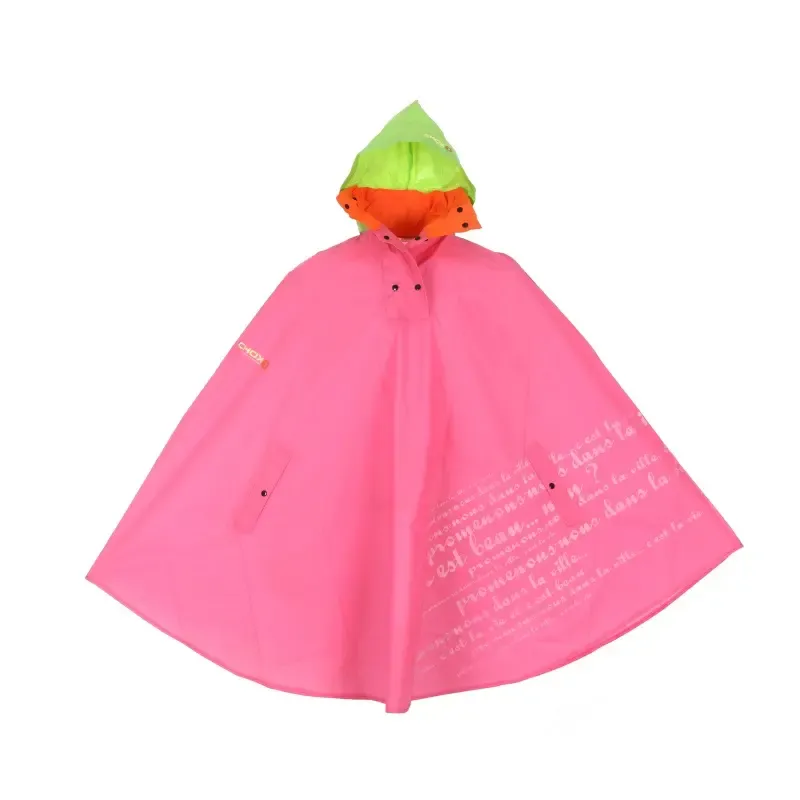
The utility of a high-performance scooter rain poncho extends across numerous critical application scenarios, providing distinct technical and practical advantages:
- Enhanced Independent Mobility for Seniors: Allows elderly individuals to maintain independence and safely conduct outdoor activities (e.g., errands, social engagements) regardless of weather, significantly reducing isolation and improving quality of life.
- Healthcare and Rehabilitation: Essential for patients undergoing outdoor rehabilitation or requiring consistent clinic visits, ensuring they remain dry and comfortable, preventing secondary health complications from exposure.
- Mobility Aid Rental Services: For companies renting out electric scooters, offering a durable electric scooter rain solution enhances customer satisfaction and protects their assets from weather-related damage, reducing maintenance costs.
- Urban and Suburban Commuting: Provides reliable protection for daily commuters who rely on their mobility scooters, allowing for uninterrupted travel during sudden downpours.
Key Technical Advantages:
- Superior Water Resistance: Achieved through high hydrostatic head rated fabrics and fully sealed seams, ensuring zero water penetration even in torrential rain, protecting both the user and the scooter's electronics.
- Durability and Longevity: High-denier fabrics and robust construction resist tearing and abrasion, offering a service life significantly longer than generic alternatives. This translates to lower replacement costs over time.
- Ergonomic Design for Ease of Use: Features like oversized hood designs (accommodating helmets), strategically placed armholes, and easy-access zippers ensure quick donning and removal, crucial for users with mobility challenges.
- Enhanced Safety Features: Integrated reflective elements meet safety standards (e.g., EN ISO 20471), dramatically increasing user visibility to motorists and pedestrians during adverse weather or night conditions.
- Versatility: Designed to fit a broad range of mobility scooter models, offering a universal solution that simplifies procurement and inventory management for B2B clients.
Vendor Comparison: Evaluating Rain Protection Solutions
Selecting the optimal mobility scooter poncho requires a detailed comparison of available solutions, focusing on critical performance metrics, material integrity, and long-term value. While many general-purpose rain gear options exist, specialized solutions for mobility scooters offer superior protection and functionality. Below is a comparative analysis:
Comparative Analysis: Specialized vs. Generic Rain Ponchos
| Feature/Aspect | Specialized Mobility Scooter Rain Poncho (e.g., Electric Scooter Rain) | Generic Rain Poncho (for general use) |
|---|---|---|
| Material Quality | High-denier Oxford fabric (210D-420D) with advanced PU/PVC coating. | Thin polyethylene or low-denier nylon, less durable. |
| Waterproofing & Seams | Hydrostatic head 8,000-15,000mm. Fully heat-sealed or ultrasonically welded seams. | Lower hydrostatic head (often unspecified). Stitched seams, prone to leakage. |
| Design & Fit | Ergonomic, full-coverage design for scooter and user. Clear visor, easy access. | Basic rectangular shape, limited coverage, no specialized features. |
| Safety Features | Integrated high-visibility reflective elements (EN ISO 20471 compliant). | Seldom includes reflective elements; poor visibility in low light. |
| Durability & Service Life | Designed for prolonged, heavy use; 3-5 years average service life. | Intended for single or limited use; poor tear resistance. |
| Target User | Individuals using mobility scooters, B2B distributors, healthcare. | General public, emergency use. |
This comparison highlights the critical distinction between general-purpose rain gear and purpose-built solutions like the Electric Scooter Rain. For B2B clients, investing in a specialized mobility scooter rain cape ensures user safety, equipment protection, and long-term cost-effectiveness.
Customized Solutions and Application Case Studies
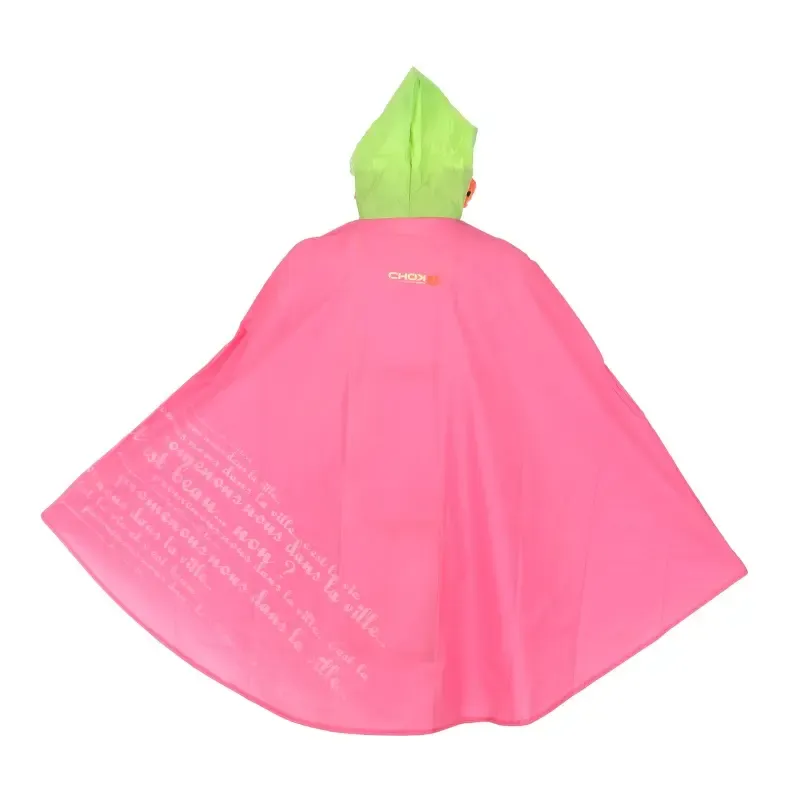
Understanding that diverse user needs and operational environments require tailored solutions, leading manufacturers offer extensive customization options for the scooter rain line of products. These range from specific sizing adjustments to unique feature integrations.
Customization Capabilities:
- Size and Fit Modifications: Adjustment of dimensions to accommodate specific scooter models (e.g., heavy-duty models, compact travel scooters) or individual user requirements (e.g., bariatric users).
- Material Enhancements: Options for higher hydrostatic head ratings (e.g., 15,000mm+), anti-bacterial treatments, or increased UV resistance for prolonged sun exposure.
- Feature Integration: Addition of specific pockets, reinforced stress points, integrated clear panel for headlights/indicators, or specialized ventilation systems for improved breathability.
- Branding and Color: Custom colors, company logos, or branding elements for institutional clients (e.g., healthcare networks, rental agencies).
Application Case Study 1: Municipal Mobility Program
A large European municipality initiated a program to provide enhanced mobility for its elderly citizens. Faced with unpredictable weather, they sought a durable and easily deployable scooter rain poncho solution. Our customized Electric Scooter Rain ponchos, featuring reinforced seams, high-visibility reflective panels, and specific branding, were deployed. After one year, the program reported a 40% increase in scooter usage during inclement weather, alongside a significant reduction in weather-related incidents, underscoring the product's effectiveness and reliability.
Application Case Study 2: National Mobility Aid Rental Chain
A leading national provider of mobility aid rentals required a robust and easy-to-clean mobility scooter poncho for their extensive fleet. Their primary challenges were product longevity and ease of user instruction. We provided a solution with a highly durable 420D Oxford fabric, full ultrasonic welding for maximum lifespan, and a simplified donning process. Customer feedback highlighted improved satisfaction due to consistent weather protection, while the rental chain noted a 25% reduction in weather-related damage to their scooter electronics, resulting in substantial cost savings.
Ensuring Trustworthiness: FAQs, Lead Times, Warranty, and Support
Frequently Asked Questions (FAQs)
- Q: What makes this mobility scooter rain poncho superior to standard rain gear?
- A: Our ponchos are specifically engineered for mobility scooters, featuring full-coverage design, robust materials (high-denier fabric, high hydrostatic head rating), fully sealed seams, clear visibility panels, and reflective safety elements, offering comprehensive protection for both user and scooter in all weather conditions.
- Q: Can the scooter rain poncho fit all models of mobility scooters?
- A: Our standard models are designed for a universal fit across most common 3- and 4-wheel mobility scooters. For specialized or extra-large models, we offer customized solutions to ensure an optimal fit and full protection.
- Q: How do I clean and maintain the Electric Scooter Rain poncho?
- A: The poncho can be wiped clean with a damp cloth and mild detergent. Avoid machine washing or harsh chemicals to preserve the waterproof coating and seam integrity. Air dry completely before folding and storing to prevent mildew.
- Q: Are the reflective elements compliant with safety standards?
- A: Yes, the integrated reflective strips meet EN ISO 20471 standards for high-visibility clothing, significantly enhancing user safety during low-light conditions and night use.
Lead Time and Fulfillment
Standard orders for our Electric Scooter Rain ponchos typically have a lead time of 10-15 business days for production and dispatch. For bulk orders or customized solutions, lead times will be confirmed upon project scope definition, generally ranging from 3-6 weeks, depending on complexity and quantity. We maintain robust supply chain management to ensure timely delivery.
Warranty Commitments
We stand by the quality and durability of our products. Each scooter rain poncho comes with a 1-year limited warranty covering manufacturing defects in materials and workmanship. This warranty ensures product integrity under normal usage conditions. Detailed warranty terms are available upon request.
Dedicated Customer Support
Our commitment extends beyond product delivery. We provide comprehensive after-sales support, including technical assistance, troubleshooting, and guidance on product care. Our dedicated support team is available during business hours to assist B2B clients with any inquiries, ensuring complete satisfaction and long-term partnership. Contact information for support queries is provided with every order.
Authoritative References and Industry Certifications
Our products adhere to stringent international quality and safety standards, providing B2B clients with assurance of reliability and performance. Key certifications and standards include:
- ISO 9001:2015 Certified Manufacturing: Ensures consistent quality management systems across all stages of production.
- EN 343:2019 - Protective Clothing Against Rain: Our scooter rain ponchos are designed and tested to meet or exceed the requirements of this European standard, which specifies protection levels against precipitation, wind, and low temperatures.
- EN ISO 20471:2013 - High-Visibility Clothing: Where applicable, reflective components conform to this standard, ensuring optimal visibility in hazardous situations, particularly for road users.
- REACH Compliance: All materials used are compliant with EU Regulation (EC) No 1907/2006 concerning the Registration, Evaluation, Authorisation and Restriction of Chemicals.
Our commitment to these standards, coupled with rigorous internal testing and quality control protocols, ensures that every mobility scooter rain poncho delivered is of the highest caliber, providing reliable protection and extended service life. We partner with leading material suppliers and utilize advanced textile engineering techniques to maintain our position as an authoritative provider in the mobility aid accessories market.
Conclusion: Advancing Mobility with Uncompromised Protection
The strategic integration of high-performance weather protection, epitomized by the advanced mobility scooter rain poncho, is no longer a luxury but a necessity in modern mobility solutions. From ensuring the independent living of seniors to safeguarding critical equipment for rental fleets, these specialized ponchos offer a confluence of technical superiority, ergonomic design, and unwavering reliability. By investing in products engineered to the highest industry standards, B2B stakeholders can confidently enhance user experience, mitigate operational risks, and contribute to a more accessible and resilient mobility ecosystem.
References
- International Organization for Standardization. (2015). ISO 9001:2015 - Quality management systems – Requirements.
- European Committee for Standardization. (2019). EN 343:2019 - Protective clothing - Protection against rain.
- European Committee for Standardization. (2013). EN ISO 20471:2013 - High visibility clothing - Test methods and requirements.
- European Chemicals Agency. (2006). Regulation (EC) No 1907/2006 concerning the Registration, Evaluation, Authorisation and Restriction of Chemicals (REACH).
- Global Market Insights. (2023). Mobility Aids Market Size. (Industry Report Data).

Related Products
Related News

2026-04-16 02:35:36
The Ultimate Guide to Choosing a Premium Mens Rain Hoodie
Facing unpredictable weather requires more than just a simple umbrella; it demands gear that blends functionality with modern aesthetics. A high-quality mens rain hoodie is the perfect solution for the modern man who refuses to let a downpour disrupt his day. Whether you are commuting to the office, hiking a misty trail, or running weekend errands, the right rainwear ensures you stay dry without sacrificing comfort. In this comprehensive guide, we will explore what makes a rain hoodie truly effective, from fabric technology to essential design features, helping you make an informed investment in your wardrobe.
2026-04-09 02:45:09
Best Mens Rain Coat with Removable Liner for All Weather Protection
Facing unpredictable weather requires a wardrobe that is as flexible as your schedule. A mens rain coat with removable liner is the gold standard for versatility, offering a 2-in-1 solution that transitions seamlessly from a light spring drizzle to a freezing winter storm. Instead of cluttering your closet with multiple heavy jackets, a modular system allows you to customize your warmth based on the temperature. In this guide, we will explore why this specific design is essential for the modern man, how to identify high-quality materials, and how to maximize your investment for years of reliable protection.
2026-04-07 02:35:18
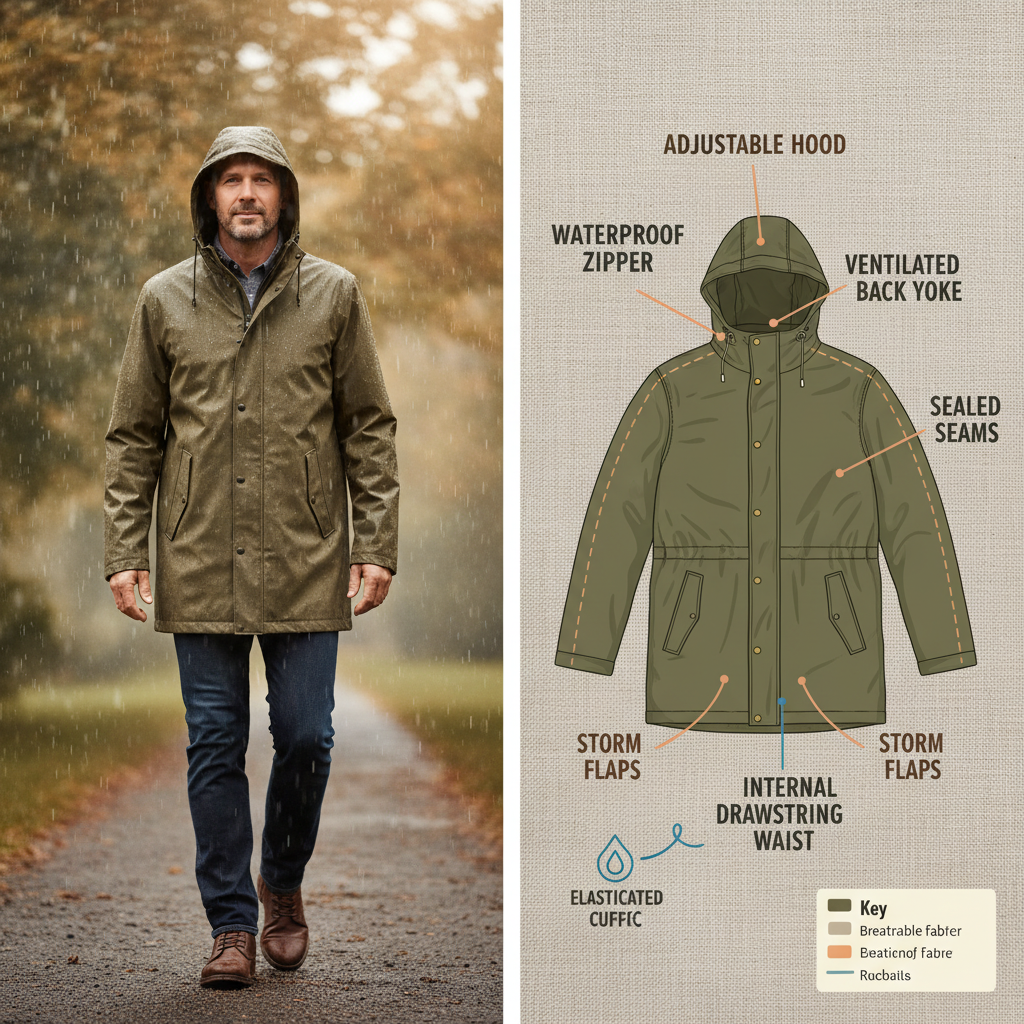
Comprehensive Guide to Selecting the Perfect Mens Rain Coat with Hood
Finding the right mens rain coat with hood is crucial for staying dry and comfortable in wet weather. Whether you're commuting to work, enjoying outdoor activities, or simply running errands, a reliable raincoat can make all the difference. This article will explore the key features, benefits, and considerations when choosing a rain coat, helping you make an informed decision. We'll cover everything from materials and waterproofing to fit and style. Choosing a high-quality raincoat is an investment in your comfort and protection.
2026-04-04 02:45:18
Comprehensive Guide to Mens Rain Coat Waterproof Options and Features
Staying dry and comfortable in wet weather is crucial, and a high-quality mens rain coat waterproof is an essential part of any outdoor wardrobe. Choosing the right raincoat can make all the difference, protecting you from the elements while offering comfort and durability. This article will cover everything you need to know about waterproof raincoats, including materials, features, and how to choose the best one for your needs. We'll also highlight why SXZY Raincoat offers exceptional quality and value.
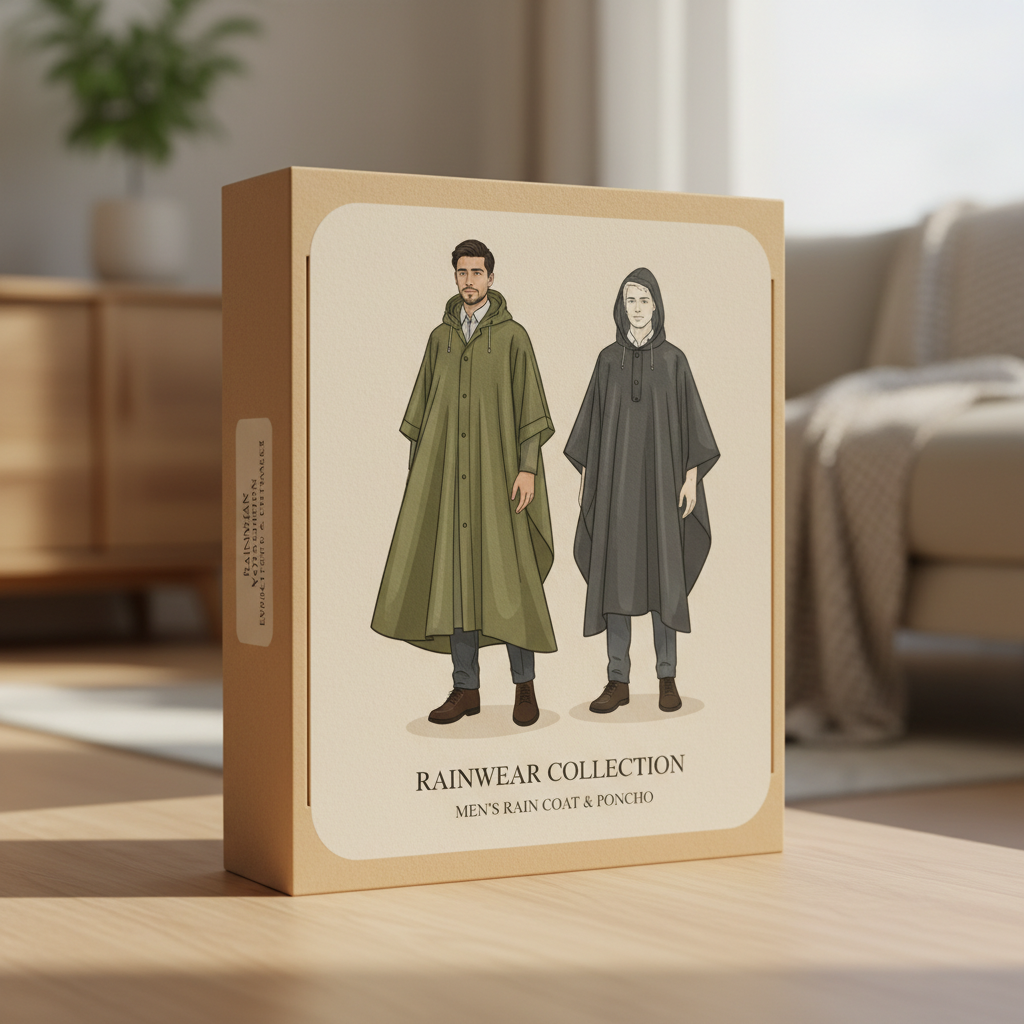
2026-03-31 02:35:27
Stylish Mens Rain Coat Dress for Ultimate Weather Protection
When the weather turns unpredictable, a stylish and functional mens rain coat dress is an essential addition to any wardrobe. No longer just about staying dry, rain coats have evolved into fashion statements, offering a blend of practicality and elegance. This article explores the benefits, styles, and key features to look for when choosing the perfect rain coat dress, ensuring you stay comfortable and on-trend, whatever the weather. We'll also highlight how SXZY Raincoat provides quality and style in their collection.
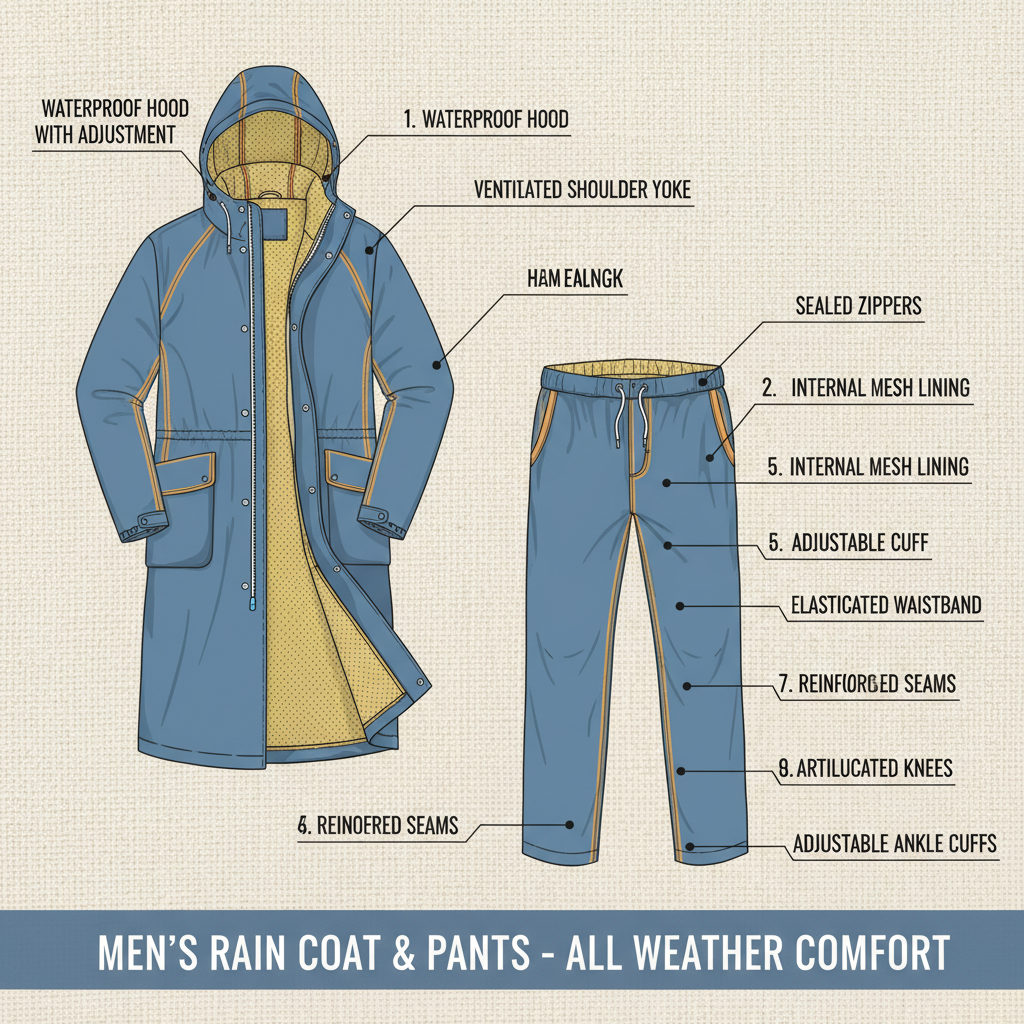
2026-03-28 02:55:02
Comprehensive Guide to Mens Rain Coat and Pants for Optimal Weather Protection
Staying dry and comfortable during inclement weather is crucial, and having the right rain gear can make all the difference. Mens rain coat and pants sets offer superior protection against rain, wind, and cold. This article will explore the benefits of owning a quality rain suit, factors to consider when choosing one, and highlight the exceptional products offered by sxzyraincoat.com. Invest in a reliable rain suit to ensure you're prepared for any weather challenge.
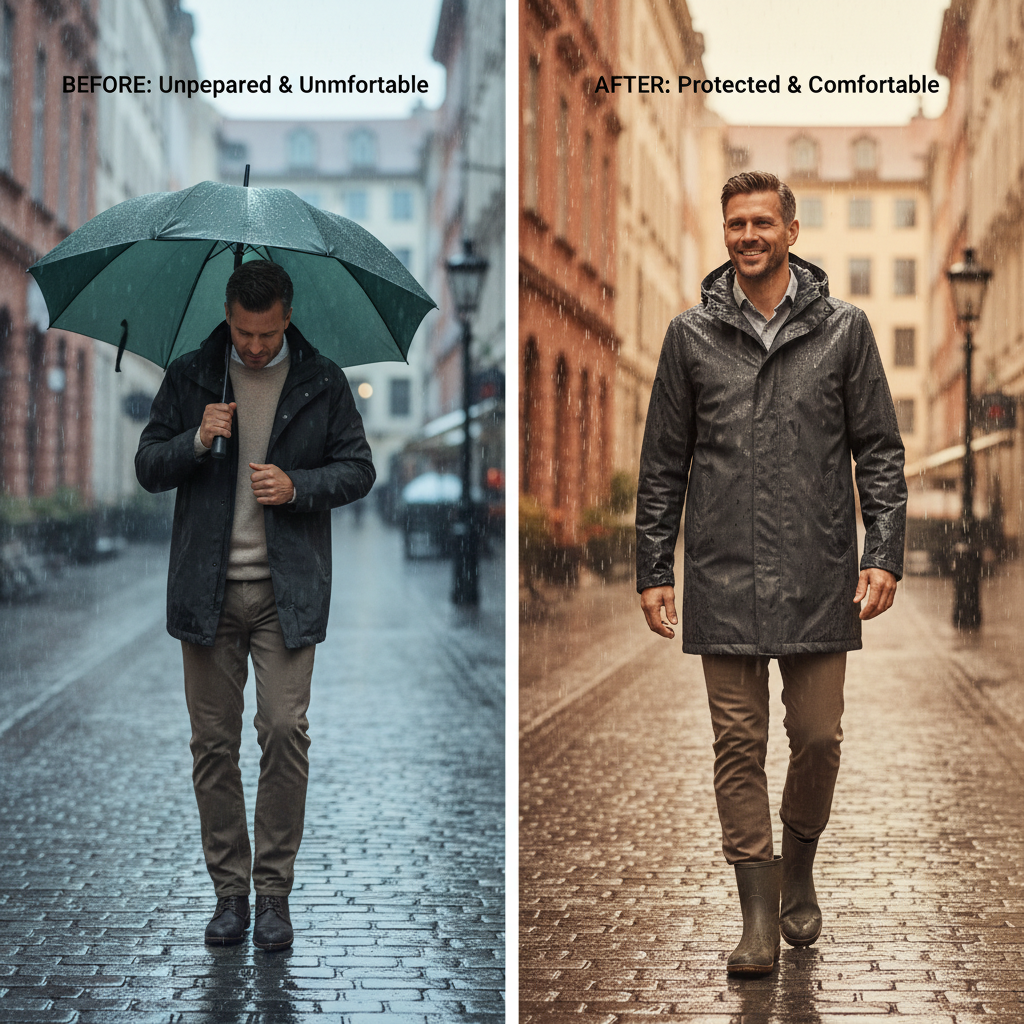
2026-03-26 02:35:30
Choosing the Right Mens Rain Coat for Optimal Weather Protection
Staying dry and comfortable in inclement weather is crucial, and selecting the right mens rain coat is paramount. From everyday commutes to outdoor adventures, a quality raincoat provides essential protection. This article will explore the key features to consider when choosing a mens rain coat, different types available, and how to find the perfect fit for your needs. We'll also highlight the benefits of investing in a durable and reliable raincoat that can withstand various weather conditions. The material of a mens rain coat significantly impacts its waterproofness, breathability, and durability. Common materials include PVC, polyurethane (PU), and Gore-Tex. PVC is affordable but less breathable, leading to discomfort during strenuous activity. PU offers a good balance of waterproofness and breathability. Gore-Tex is a premium option known for its exceptional waterproofness and breathability, making it ideal for demanding conditions.
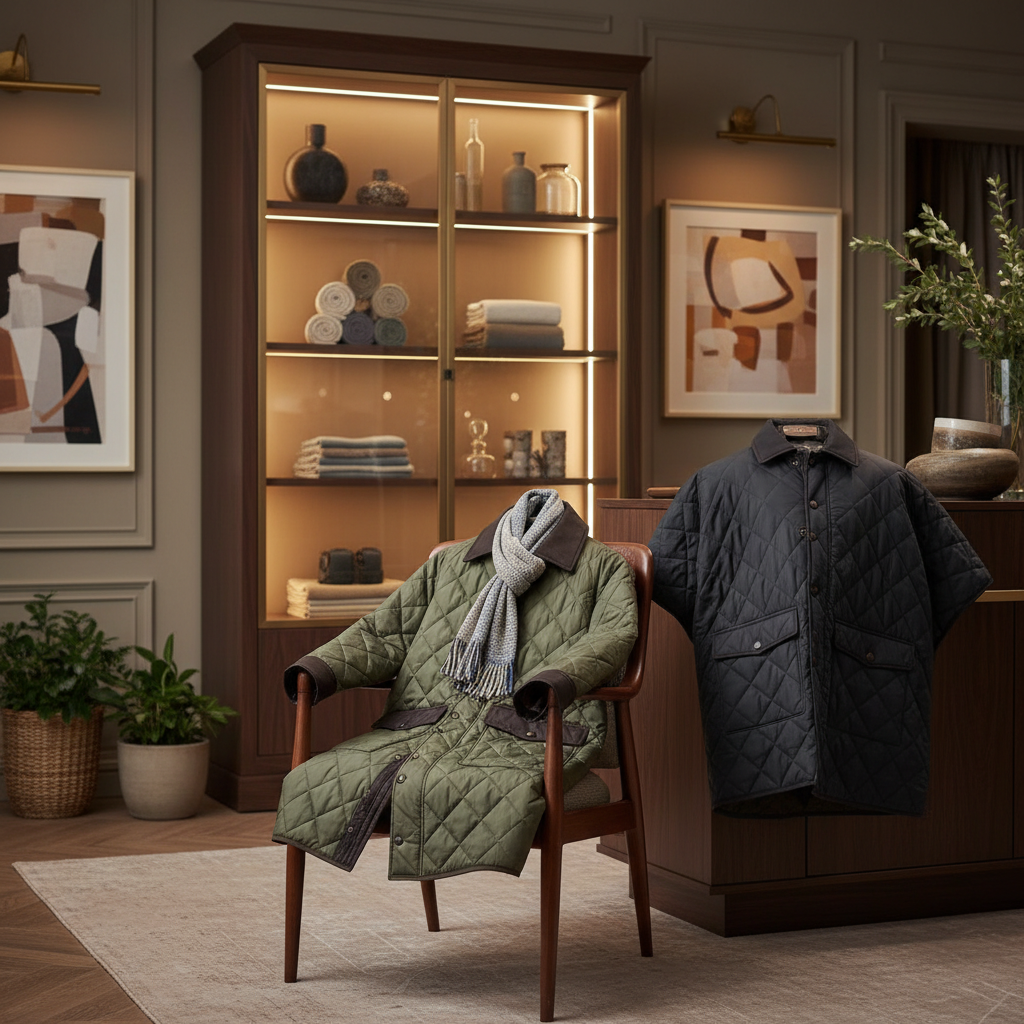
2026-03-24 02:45:24
Mens Quilted Raincoat A Comprehensive Guide to Style and Weather Protection
Finding the right raincoat is essential for staying dry and comfortable, especially when navigating unpredictable weather. A mens quilted raincoat offers a fantastic blend of practicality and style. This article delves into the benefits of quilted raincoats, key features to look for, how to choose the perfect fit, and care tips to ensure longevity. We'll explore why a quilted raincoat from SXZY Raincoat is an excellent investment for any weather condition. Quilted raincoats stand out due to their unique construction. The quilting process involves stitching layers of fabric together, typically with a layer of insulation in between. This not only adds a stylish aesthetic but also provides excellent warmth and comfort. Unlike standard raincoats that can feel stiff and uncomfortable, quilted versions offer a softer, more forgiving feel. The quilted design traps air, creating an insulating barrier against the cold, making them ideal for cooler, wetter climates.


