



The Complete Guide to Choosing a Nice Raincoat: Tips, Trends & Top Brands

Dec . 02, 2025 09:20
Why a Nice Raincoat Matters: More Than Just Staying Dry
At first glance, a nice raincoat might seem like just another item hanging in your closet — a simple shield against the rain. But peel back a layer, and you’ll find it’s a surprisingly important product, touching global industries, social initiatives, and even humanitarian relief. Understanding what makes a raincoat “nice” isn’t just a fashion curiosity; it plays a critical role in personal comfort, worker safety, and sustainable manufacturing worldwide.
Global Context: The Big Picture Behind Your Raincoat
Around the world, rainfall impacts billions—whether through daily weather patterns or increasingly frequent extreme storms linked to climate change. According to the UN Climate Solutions, weather-related disasters threaten livelihoods and economies globally. A reliable raincoat can be a surprisingly small but effective piece of this puzzle.
In industrial sectors like construction, transportation, or agriculture, workers spend hours exposed to harsh weather. A quality raincoat protects them, reducing health risks and downtime. Oddly enough, such a garment also shows up in humanitarian kits after flooding or typhoons—improving dignity and protection for displaced communities. But not every raincoat is created equal.
Mini takeaway: The demand for a nice raincoat ties into global efforts to protect people and economies from a changing climate and unpredictable weather.
What Really is a “Nice Raincoat”?
So, what sets a nice raincoat apart? In simple terms, it’s a raincoat designed with superior materials, thoughtful construction, and comfort in mind, ensuring durability and proper protection. It often includes features like breathable waterproof fabrics, adjustable hoods, sealed seams, and ergonomic cuts.
The link between a nice raincoat and modern humanitarian or industrial needs is really about efficiency and resilience. When responders race to deliver aid in wet conditions, or when workers need to stay dry and safe on the job site, these raincoats are the difference between comfort, risk, and effectiveness.
Mini takeaway: A nice raincoat combines function and comfort, essential for modern workers and aid efforts alike.
Core Components of a Nice Raincoat
1. Durability
The outer layer must withstand abrasive surfaces and constant wear. Tap water and mud won’t wear it down – but quality materials like PU-coated nylon or polyester do the trick.
2. Water Resistance and Breathability
Waterproof doesn’t mean suffocating. Good raincoats balance keeping water out while letting sweat evaporate. Technologies like Gore-Tex or other microporous membranes are often used.
3. Comfort and Fit
Adjustable hoods, cuffs, and articulated sleeves make a huge difference. It’s about function meeting movement so the wearer can be active without fuss.
4. Weight and Packability
Lightweight fabrics enhance mobility and make the raincoat easy to carry or store — practical for urban commuters or field workers.
5. Safety Features
Reflective strips or bright colors improve visibility during poor weather, which can be critical for safety in work environments or on roads.
| Feature | Description | Benefit |
|---|---|---|
| Material | PU-coated Nylon or Polyester | Durable and waterproof |
| Waterproof Rating | > 10,000 mm water column | Keeps heavy rain out |
| Breathability | 5,000–10,000 g/m²/24hr | Allows moisture escape |
| Weight | 300–400 g per jacket | Light enough for daily use |
| Additional Features | Reflective strips, adjustable hood | Safety and comfort |
Mini takeaway: A great raincoat’s core strengths lie in balancing durability, comfort, and usability for everyday or professional use.
Global Applications and Use Cases
Raincoats aren’t just for city strolls. You’ll find them integral in:
- Emergency Relief: After floods or typhoons in Southeast Asia or the Caribbean, NGOs distribute raincoats to displaced families to restore dignity and shelter.
- Industrial Sectors: Construction workers in Canada or miners in Australia rely on protective rainwear to continue work safely in harsh weather.
- Outdoor Tourism & Sports: National Parks in Europe supply lightweight raincoats for hikers, supporting sustainable tourism.
- Urban Commuters: Cities with high rainfall like London or Seattle see an enormous market for functional, stylish raincoats.
Vendor Comparison: Top Raincoat Manufacturers
| Brand | Material Quality | Price Range | Sustainability Features |
|---|---|---|---|
| StormShield | Gore-Tex membrane, PU coated | $150–$300 | Recycled fabrics, eco-friendly dyes |
| RainPro | Polyester with PU coating | $60–$120 | Limited sustainability initiatives |
| EcoRain | Recycled nylon membranes | $120–$250 | 100% recyclable, biodegradable packaging |
Mini takeaway: Your choice depends on balancing price, performance, and how green the product really is.
Advantages and Long-Term Value of a Nice Raincoat
A well-made raincoat brings practical advantages beyond keeping you dry. For workers, it means safety from temperature drops and reduced colds/flus. For refugees or outdoor enthusiasts, it’s a layer of dignity and security. And from a buying perspective, investing in a quality raincoat means fewer replacements—a win for both wallet and environment.
Emotionally, having reliable protection against storms fosters a sense of trust and preparedness. It’s easy to overlook, but that psychological comfort counts.
Mini takeaway: Nice raincoats deliver on safety, sustainability, and emotional comfort — a rare combo.
Future Trends & Innovations
Manufacturers are experimenting with smart fabrics that self-clean or regulate temperature, integrating IoT sensors to detect weather changes. There’s also a growing shift to use bio-based polymers by companies aiming to reduce plastic waste, inspired by ISO standards on sustainable textiles (ISO 14001).
On the policy side, some countries encourage rainwear producers to adopt fair labor practices and carbon-neutral production, nudging the industry toward greater responsibility.
Challenges & Expert Solutions
Despite advances, balancing full waterproofing with breathability remains tough. Cheap raincoats often skimp on seam sealing or use materials that trap moisture inside. Designers are exploring layered fabrics and venting systems, but trade-offs persist.
Another common issue: disposing of old raincoats. Biodegradable coatings and take-back schemes from vendors like EcoRain help address waste.
FAQ: Common Questions About Nice Raincoats
- Q: How can I tell if a raincoat is truly waterproof and breathable?
A: Look for specs like waterproof rating (measured in mm water column) and breathability levels (g/m²/24hr). Certified membranes like Gore-Tex are a good indicator, and sealed seams are critical. - Q: Are lightweight raincoats less durable?
A: Not necessarily. Advances in synthetic fabrics allow for thin yet strong materials, though very cheap coats often compromise durability. - Q: What’s the best way to care for a raincoat?
A: Regularly clean it with mild soap and reapply waterproof treatments as needed. Avoid harsh detergents that damage coatings. - Q: Can raincoats be made sustainably without sacrificing performance?
A: Yes. Biobased materials and recycled fabrics are emerging as effective options, though prices tend to be slightly higher.
Conclusion
So, a nice raincoat is more than just fashion or weather gear—it’s a small yet significant player in global health, industry safety, and sustainability. Investing in quality means comfort, durability, and peace of mind for many use cases. If you’re looking to explore or purchase a raincoat that balances all these elements, check out a nice raincoat. Trust me, you won’t regret the difference.
Small reflection: Often, the simplest gear—like a reliable raincoat—embodies complex innovations and social values quietly working behind the scenes.
References

Related Products
Related News

2026-04-16 02:35:36
The Ultimate Guide to Choosing a Premium Mens Rain Hoodie
Facing unpredictable weather requires more than just a simple umbrella; it demands gear that blends functionality with modern aesthetics. A high-quality mens rain hoodie is the perfect solution for the modern man who refuses to let a downpour disrupt his day. Whether you are commuting to the office, hiking a misty trail, or running weekend errands, the right rainwear ensures you stay dry without sacrificing comfort. In this comprehensive guide, we will explore what makes a rain hoodie truly effective, from fabric technology to essential design features, helping you make an informed investment in your wardrobe.
2026-04-09 02:45:09
Best Mens Rain Coat with Removable Liner for All Weather Protection
Facing unpredictable weather requires a wardrobe that is as flexible as your schedule. A mens rain coat with removable liner is the gold standard for versatility, offering a 2-in-1 solution that transitions seamlessly from a light spring drizzle to a freezing winter storm. Instead of cluttering your closet with multiple heavy jackets, a modular system allows you to customize your warmth based on the temperature. In this guide, we will explore why this specific design is essential for the modern man, how to identify high-quality materials, and how to maximize your investment for years of reliable protection.
2026-04-07 02:35:18
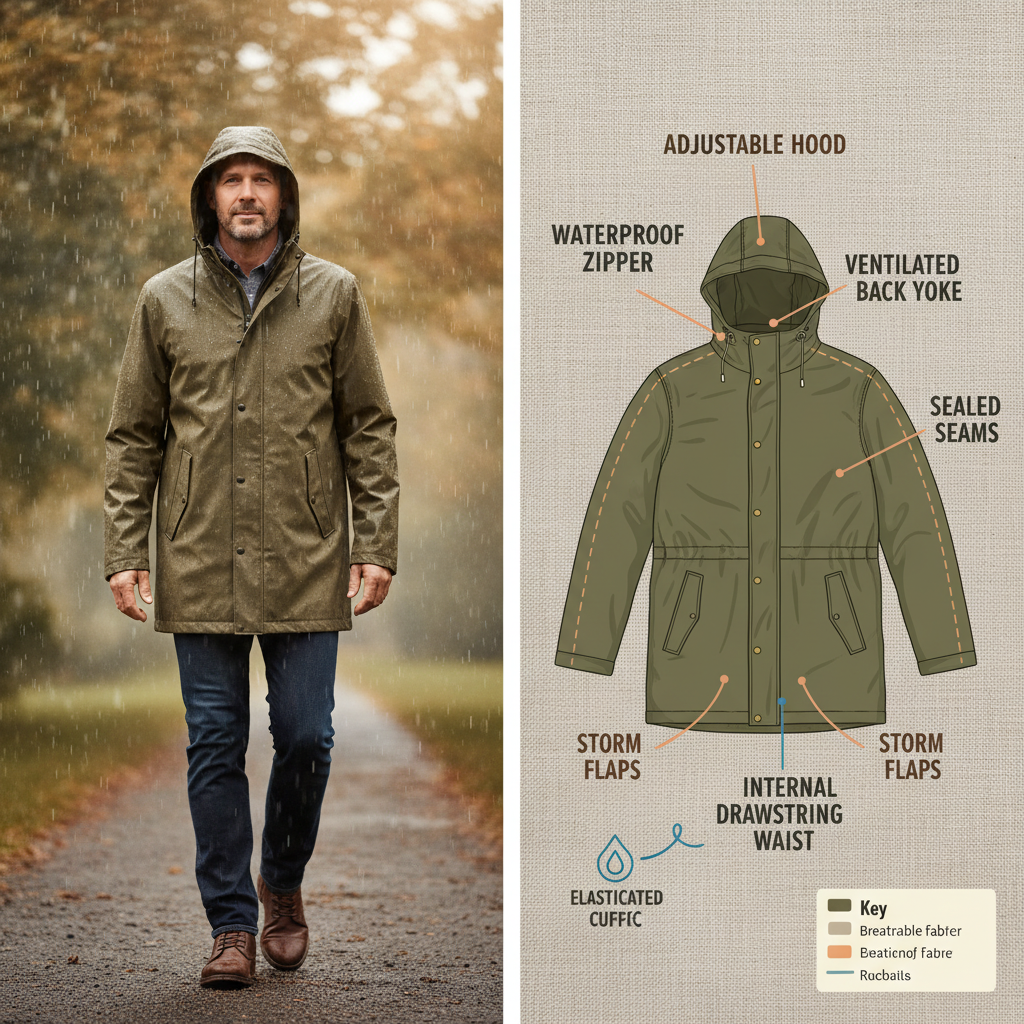
Comprehensive Guide to Selecting the Perfect Mens Rain Coat with Hood
Finding the right mens rain coat with hood is crucial for staying dry and comfortable in wet weather. Whether you're commuting to work, enjoying outdoor activities, or simply running errands, a reliable raincoat can make all the difference. This article will explore the key features, benefits, and considerations when choosing a rain coat, helping you make an informed decision. We'll cover everything from materials and waterproofing to fit and style. Choosing a high-quality raincoat is an investment in your comfort and protection.
2026-04-04 02:45:18
Comprehensive Guide to Mens Rain Coat Waterproof Options and Features
Staying dry and comfortable in wet weather is crucial, and a high-quality mens rain coat waterproof is an essential part of any outdoor wardrobe. Choosing the right raincoat can make all the difference, protecting you from the elements while offering comfort and durability. This article will cover everything you need to know about waterproof raincoats, including materials, features, and how to choose the best one for your needs. We'll also highlight why SXZY Raincoat offers exceptional quality and value.

2026-03-31 02:35:27
Stylish Mens Rain Coat Dress for Ultimate Weather Protection
When the weather turns unpredictable, a stylish and functional mens rain coat dress is an essential addition to any wardrobe. No longer just about staying dry, rain coats have evolved into fashion statements, offering a blend of practicality and elegance. This article explores the benefits, styles, and key features to look for when choosing the perfect rain coat dress, ensuring you stay comfortable and on-trend, whatever the weather. We'll also highlight how SXZY Raincoat provides quality and style in their collection.
2026-03-28 02:55:02
Comprehensive Guide to Mens Rain Coat and Pants for Optimal Weather Protection
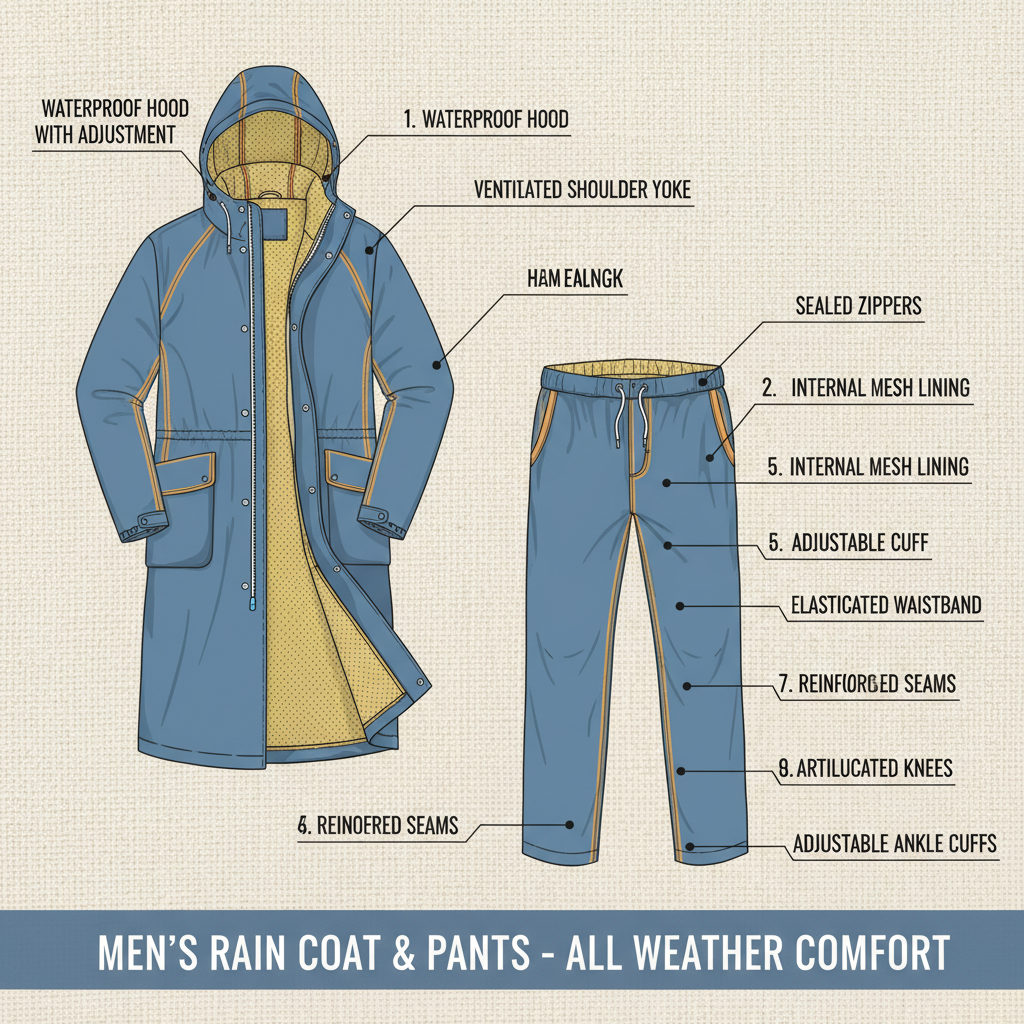
Staying dry and comfortable during inclement weather is crucial, and having the right rain gear can make all the difference. Mens rain coat and pants sets offer superior protection against rain, wind, and cold. This article will explore the benefits of owning a quality rain suit, factors to consider when choosing one, and highlight the exceptional products offered by sxzyraincoat.com. Invest in a reliable rain suit to ensure you're prepared for any weather challenge.
2026-03-26 02:35:30
Choosing the Right Mens Rain Coat for Optimal Weather Protection
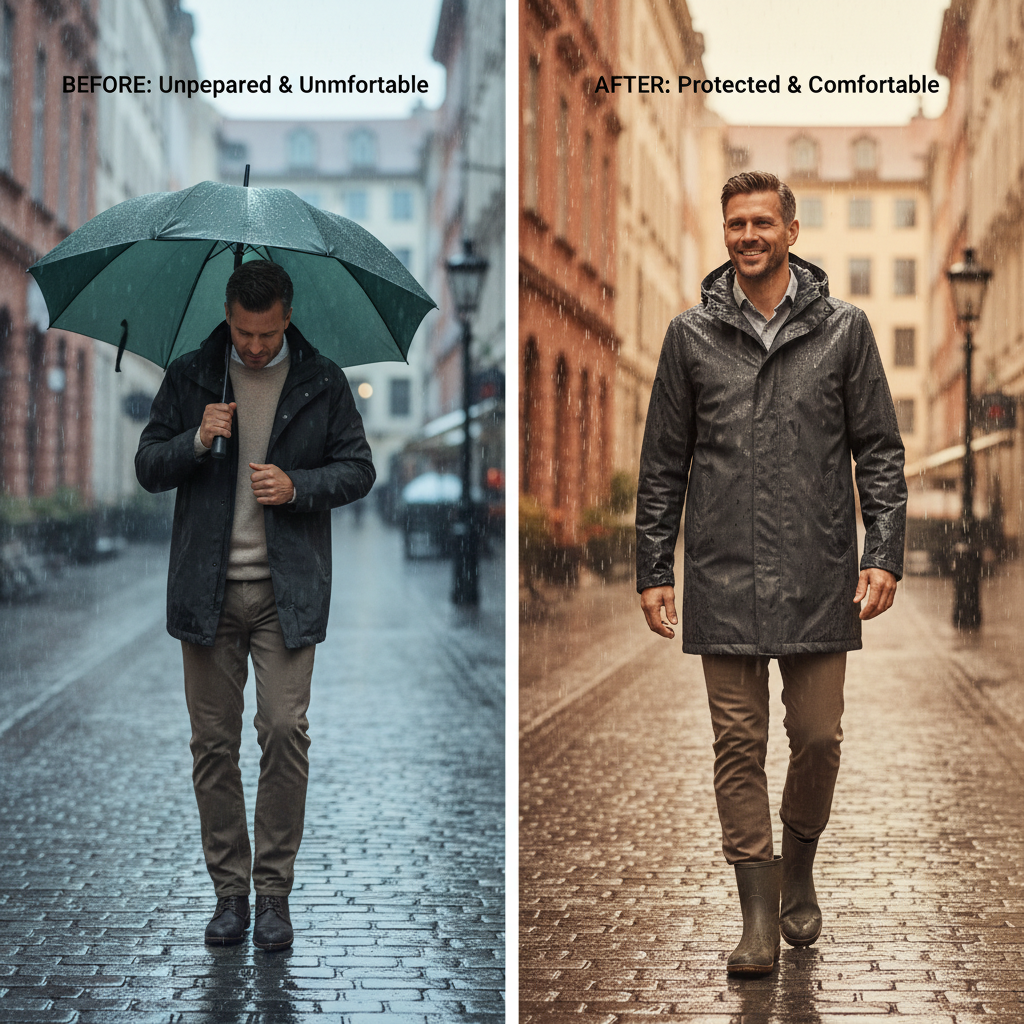
Staying dry and comfortable in inclement weather is crucial, and selecting the right mens rain coat is paramount. From everyday commutes to outdoor adventures, a quality raincoat provides essential protection. This article will explore the key features to consider when choosing a mens rain coat, different types available, and how to find the perfect fit for your needs. We'll also highlight the benefits of investing in a durable and reliable raincoat that can withstand various weather conditions. The material of a mens rain coat significantly impacts its waterproofness, breathability, and durability. Common materials include PVC, polyurethane (PU), and Gore-Tex. PVC is affordable but less breathable, leading to discomfort during strenuous activity. PU offers a good balance of waterproofness and breathability. Gore-Tex is a premium option known for its exceptional waterproofness and breathability, making it ideal for demanding conditions.
2026-03-24 02:45:24
Mens Quilted Raincoat A Comprehensive Guide to Style and Weather Protection
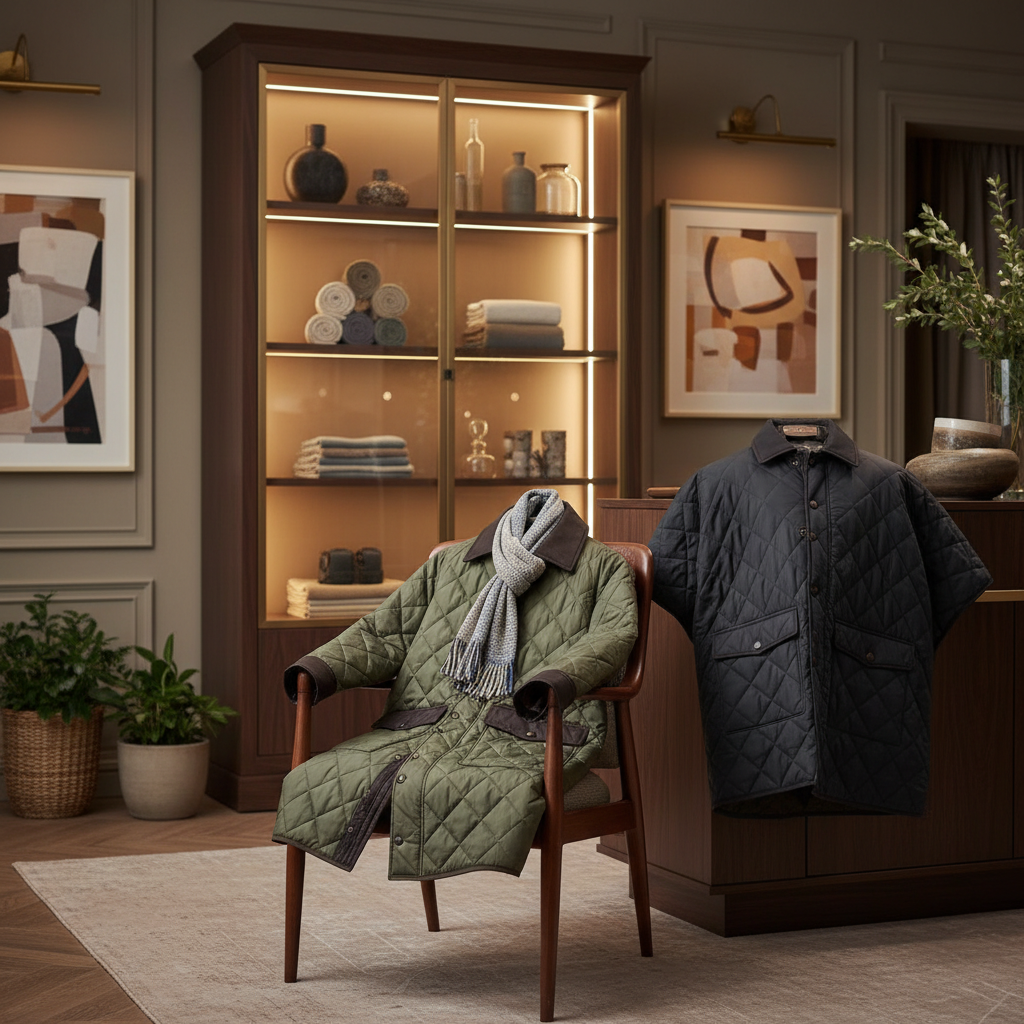
Finding the right raincoat is essential for staying dry and comfortable, especially when navigating unpredictable weather. A mens quilted raincoat offers a fantastic blend of practicality and style. This article delves into the benefits of quilted raincoats, key features to look for, how to choose the perfect fit, and care tips to ensure longevity. We'll explore why a quilted raincoat from SXZY Raincoat is an excellent investment for any weather condition. Quilted raincoats stand out due to their unique construction. The quilting process involves stitching layers of fabric together, typically with a layer of insulation in between. This not only adds a stylish aesthetic but also provides excellent warmth and comfort. Unlike standard raincoats that can feel stiff and uncomfortable, quilted versions offer a softer, more forgiving feel. The quilted design traps air, creating an insulating barrier against the cold, making them ideal for cooler, wetter climates.


