



The Ultimate Guide to Choosing a Cycling Rain Poncho for Every Rider

Nov . 24, 2025 15:28
Why the Cycling Rain Poncho Deserves a Spot in Every Commuter’s Gear
When you think about rain gear for cyclists, the classic jacket probably comes to mind first. But there’s a clever, often underestimated alternative that has been quietly making waves around the globe: the cycling rain poncho. This simple piece of apparel — basically a waterproof cape designed to accommodate a biker and their bike — isn’t just convenience wrapped in a slick waterproof shell. The story behind its relevance touches on sustainability, urban mobility, and even disaster resilience.
Worldwide, millions rely on bicycles as their primary mode of transportation. According to the United Nations (UN), cycling usage surged by some 30% across cities from 2010 to 2020, a movement fueled by climate commitments and urban congestion. Of course, one big hurdle always lurks: rainy days. Enter the cycling rain poncho, answering a global need for accessible, efficient weather protection, without the bulk or specialized gear costs that affect many low-income or developing regions.
Defining the Cycling Rain Poncho: What Makes It Tick?
Simply put, a cycling rain poncho is a waterproof, loose-fitting garment designed to quickly cover not only the cyclist but also their handlebars, basket, or even the bike frame. Unlike traditional rain jackets, the design leaves plenty of room and prevents that awkward wet lap problem many riders face. Thanks to cleverly positioned hoods and sometimes transparent panels, visibility and comfort don't get compromised.
The cycling rain poncho concept is deeply connected to the push for affordable, accessible cycling gear worldwide. For humanitarian or disaster relief operations — where quick, mass distribution of protective gear is crucial — such ponchos can be life-savers. They offer protection without significant production costs or complex sizing requirements.
Core Components Behind Effective Ponchos
Material Durability and Waterproofing
Most quality cycling rain ponchos employ lightweight yet durable synthetic fabrics like PVC-coated polyester or TPU laminates. These materials excel in being waterproof while remaining breathable — crucial when you’re pedaling uphill.
Design Adaptability
The poncho must allow freedom of movement, accommodate baskets or backpacks, and shield bike controls. Snaps, drawstrings, and elastic edges often help ensure a snug fit on various bike types, from city cruisers to mountain bikes.
Portability and Storage
One reason many cyclists swear by ponchos is their ease of folding and carrying — they often tuck into tiny pouches or saddlebag compartments, unlike bulky jackets or rain suits.
Visibility and Safety Features
Some models come with reflective strips or bright colors to boost rider safety during gloomy weather, helping meet safety regulations or personal preferences.
Cost Efficiency
Compared to full cycling rain suits, ponchos are often far cheaper to manufacture and buy, making them suitable for large-scale distribution programs or casual riders alike.
How They’re Used Around the World: Real Stories
In Southeast Asian cities like Jakarta and Ho Chi Minh City, where motorcycles and bicycles dominate, cycling rain ponchos are a common sight. Riders use them to shield against sudden tropical downpours, often opting for bright colors to help manage dense traffic safely.
Meanwhile, in parts of Europe, ponchos have been embraced by urban commuters seeking lightweight gear that folds easily into backpacks. Some NGOs even distribute them during floods or cyclone relief in Africa, providing dry protection in the aftermath when infrastructure support is limited.
In fact, companies developing bicycle-sharing programs in colder, wetter regions have started including ponchos as part of their rider packages — a small but thoughtful touch that reduces canceled rides on rainy days.
Typical Product Specification Table
| Feature | Specification |
|---|---|
| Material | PVC-coated Polyester (210T) / TPU Laminated |
| Weight | Approx. 220 grams |
| Dimensions (Folded) | 15 x 12 x 5 cm pouch |
| Waterproof Rating | 10,000 mm hydrostatic head |
| Visibility Features | Reflective Tape & High-visibility Colors |
| Size | One size fits most (unisex) |
Comparing Top Vendors for Cycling Rain Ponchos
Choosing the right supplier matters — especially if you’re outfitting a whole fleet or distributing in humanitarian projects. Here’s a rough vendor comparison based on materials, delivery, and warranty.
| Vendor | Material Quality | Lead Time | Warranty | Price Range (per unit) |
|---|---|---|---|---|
| RainFox Ltd. | High-grade TPU laminated | 2-3 weeks | 1 year limited | $7-$12 |
| EcoGear Apparel | Recycled PVC-coated polyester | 3-4 weeks | 6 months | $6-$10 |
| UrbanShield Co. | TPU & TPU blend with reinforced seams | 1-2 weeks | 2 years | $9-$15 |
Long-Term Benefits: Why Cyclists and Organizations Stick with Ponchos
From a sustainability viewpoint, using a cycling rain poncho cuts down on the need for multiple bulky rain jackets that people rarely use or wash properly. It’s a simple, reusable layer that lasts years and doesn’t burden landfills.
On an emotional level, many riders appreciate the sense of freedom that comes with a poncho — no sweaty clinging fabrics, no restricted movements, and quick on/off convenience. It’s kind of like wearing an umbrella that moves with you, rather than against you.
And for NGOs or city transport authorities, the poncho is a reliable partner for mass bike fleets, saving money on maintenance and reducing rain cancellations. That kind of trust pays off in rider satisfaction, too.
Upcoming Trends Sparking Innovation in Rain Gear
Materials science is advancing quickly — there’s talk about biodegradable waterproof fabrics and even smart textiles that adapt permeability based on weather changes. Imagine a poncho that lets air in when you sweat, but seals tight against sudden rain.
Policy-wise, some cities are encouraging more cycling by subsidizing high-quality weather gear. Here and there, smart LED light strips get integrated into poncho designs, adding active safety features.
Combined with digital transformations such as app-linked weather alerts, these ponchos become part of a larger ecosystem — not just a shield, but a connected accessory.
Tackling Challenges: Is There a Rain Poncho Perfect for All?
Truth be told, no product fits everyone perfectly. Some riders complain about wind catching the loose fabric, creating drag or instability in high-speed situations. Others find the poncho a bit awkward for multi-gear cycling or mountain biking.
Experts suggest reinforcing edges with adjustable straps or integrating lightweight fibreglass rods to maintain shape. Innovations in materials also help reduce wind interference without sacrificing breathability.
For buyers, knowing exactly what terrain and riding style they’ll face helps a lot in choosing the right design variant — and many vendors offer customization options worth exploring.
FAQ: Quick Answers for Potential Buyers
- Q: Can a cycling rain poncho be used in heavy rain without soaking through?
A: Yes, top-quality ponchos made from TPU-laminated fabrics or PVC-coated polyesters provide excellent waterproofing. Their hydrostatic head rating of around 10,000 mm means they resist heavy downpours effectively, keeping both rider and bike dry. - Q: Are cycling rain ponchos suitable for all bike types?
A: Most are designed to fit city and commuter bikes best due to basket space and handlebar coverage. Mountain bike riders may need sturdier designs with reinforced edges or shorter lengths for better mobility. - Q: How compactly do ponchos pack for carrying?
A: Ponchos typically fold down to a small pouch roughly the size of a softcover book — perfect for stashing in backpacks or saddle bags without adding bulk or weight. - Q: Can organizations purchase cycling rain ponchos in bulk for relief efforts?
A: Absolutely. Many manufacturers offer bulk pricing, customized branding, and rapid delivery, ideal for NGOs or municipal projects distributing gear after floods or during the rainy season.
Final Thoughts: Ready to Cycle Through Any Storm?
Ponchos might just be the unsung heroes of cycling rainwear. Bringing together accessibility, functionality, and affordability, they empower cyclists around the world to ride confidently even when the clouds burst. If you’re curious to explore a robust selection of cycling rain ponchos, why not start by checking out cycling rain poncho vendors who balance quality with value? There’s a good chance you’ll find one that fits your lifestyle and weather prowess perfectly.
References

Related Products
Related News

2026-04-16 02:35:36
The Ultimate Guide to Choosing a Premium Mens Rain Hoodie
Facing unpredictable weather requires more than just a simple umbrella; it demands gear that blends functionality with modern aesthetics. A high-quality mens rain hoodie is the perfect solution for the modern man who refuses to let a downpour disrupt his day. Whether you are commuting to the office, hiking a misty trail, or running weekend errands, the right rainwear ensures you stay dry without sacrificing comfort. In this comprehensive guide, we will explore what makes a rain hoodie truly effective, from fabric technology to essential design features, helping you make an informed investment in your wardrobe.
2026-04-09 02:45:09
Best Mens Rain Coat with Removable Liner for All Weather Protection
Facing unpredictable weather requires a wardrobe that is as flexible as your schedule. A mens rain coat with removable liner is the gold standard for versatility, offering a 2-in-1 solution that transitions seamlessly from a light spring drizzle to a freezing winter storm. Instead of cluttering your closet with multiple heavy jackets, a modular system allows you to customize your warmth based on the temperature. In this guide, we will explore why this specific design is essential for the modern man, how to identify high-quality materials, and how to maximize your investment for years of reliable protection.
2026-04-07 02:35:18
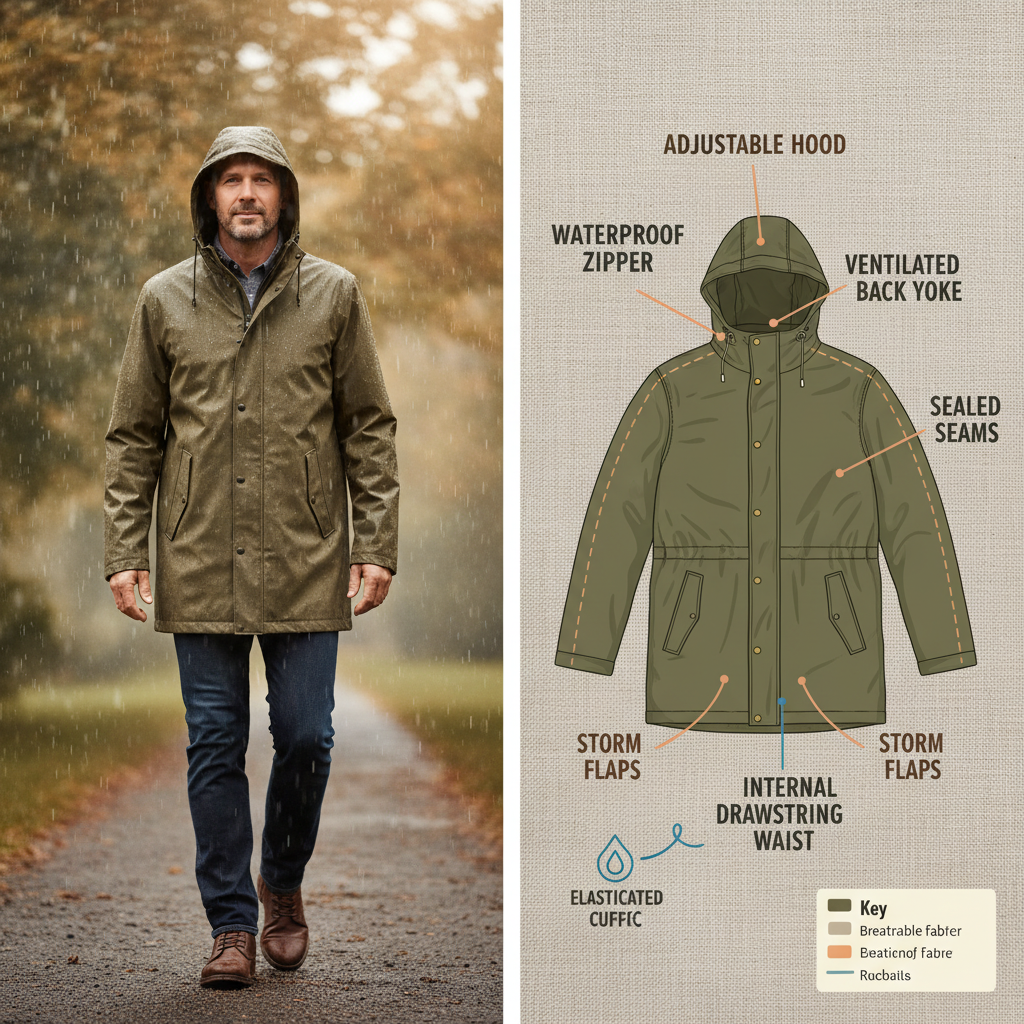
Comprehensive Guide to Selecting the Perfect Mens Rain Coat with Hood
Finding the right mens rain coat with hood is crucial for staying dry and comfortable in wet weather. Whether you're commuting to work, enjoying outdoor activities, or simply running errands, a reliable raincoat can make all the difference. This article will explore the key features, benefits, and considerations when choosing a rain coat, helping you make an informed decision. We'll cover everything from materials and waterproofing to fit and style. Choosing a high-quality raincoat is an investment in your comfort and protection.
2026-04-04 02:45:18
Comprehensive Guide to Mens Rain Coat Waterproof Options and Features
Staying dry and comfortable in wet weather is crucial, and a high-quality mens rain coat waterproof is an essential part of any outdoor wardrobe. Choosing the right raincoat can make all the difference, protecting you from the elements while offering comfort and durability. This article will cover everything you need to know about waterproof raincoats, including materials, features, and how to choose the best one for your needs. We'll also highlight why SXZY Raincoat offers exceptional quality and value.

2026-03-31 02:35:27
Stylish Mens Rain Coat Dress for Ultimate Weather Protection
When the weather turns unpredictable, a stylish and functional mens rain coat dress is an essential addition to any wardrobe. No longer just about staying dry, rain coats have evolved into fashion statements, offering a blend of practicality and elegance. This article explores the benefits, styles, and key features to look for when choosing the perfect rain coat dress, ensuring you stay comfortable and on-trend, whatever the weather. We'll also highlight how SXZY Raincoat provides quality and style in their collection.
2026-03-28 02:55:02
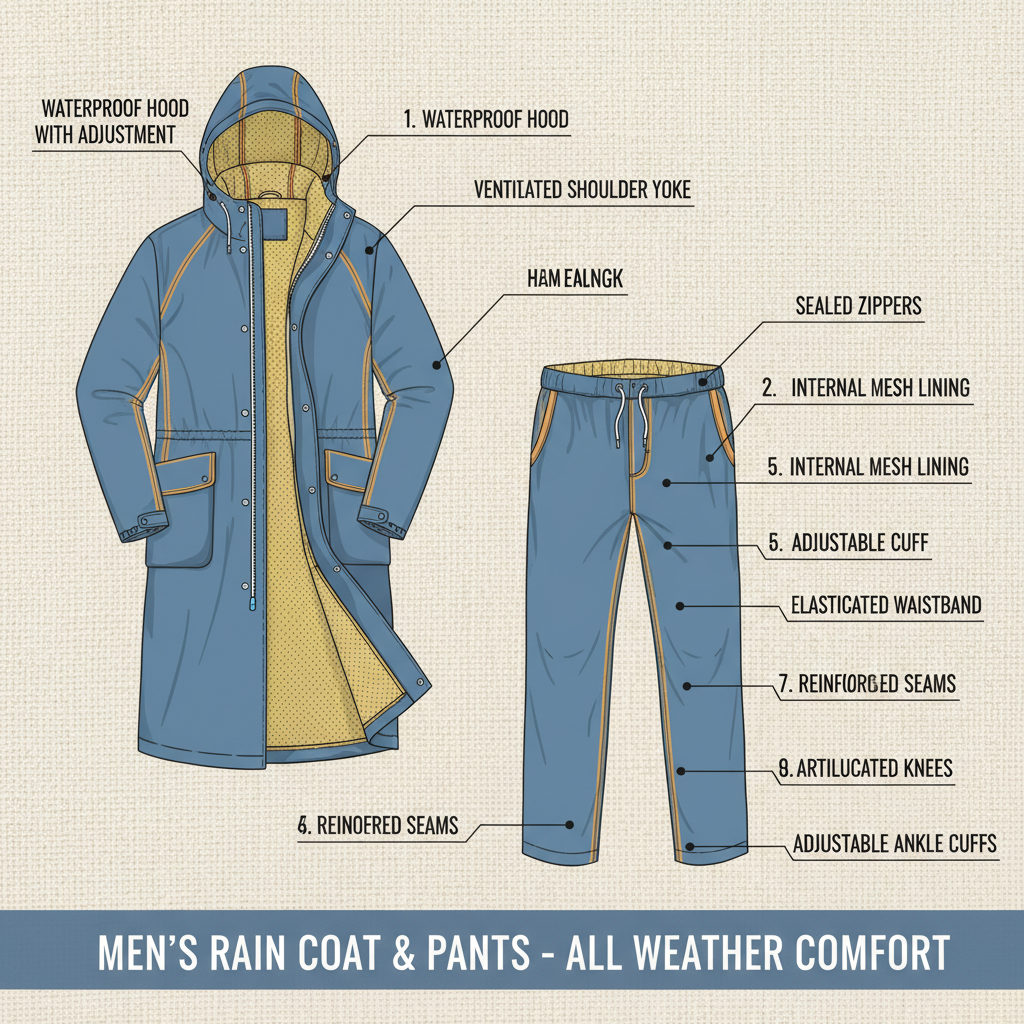
Comprehensive Guide to Mens Rain Coat and Pants for Optimal Weather Protection
Staying dry and comfortable during inclement weather is crucial, and having the right rain gear can make all the difference. Mens rain coat and pants sets offer superior protection against rain, wind, and cold. This article will explore the benefits of owning a quality rain suit, factors to consider when choosing one, and highlight the exceptional products offered by sxzyraincoat.com. Invest in a reliable rain suit to ensure you're prepared for any weather challenge.
2026-03-26 02:35:30
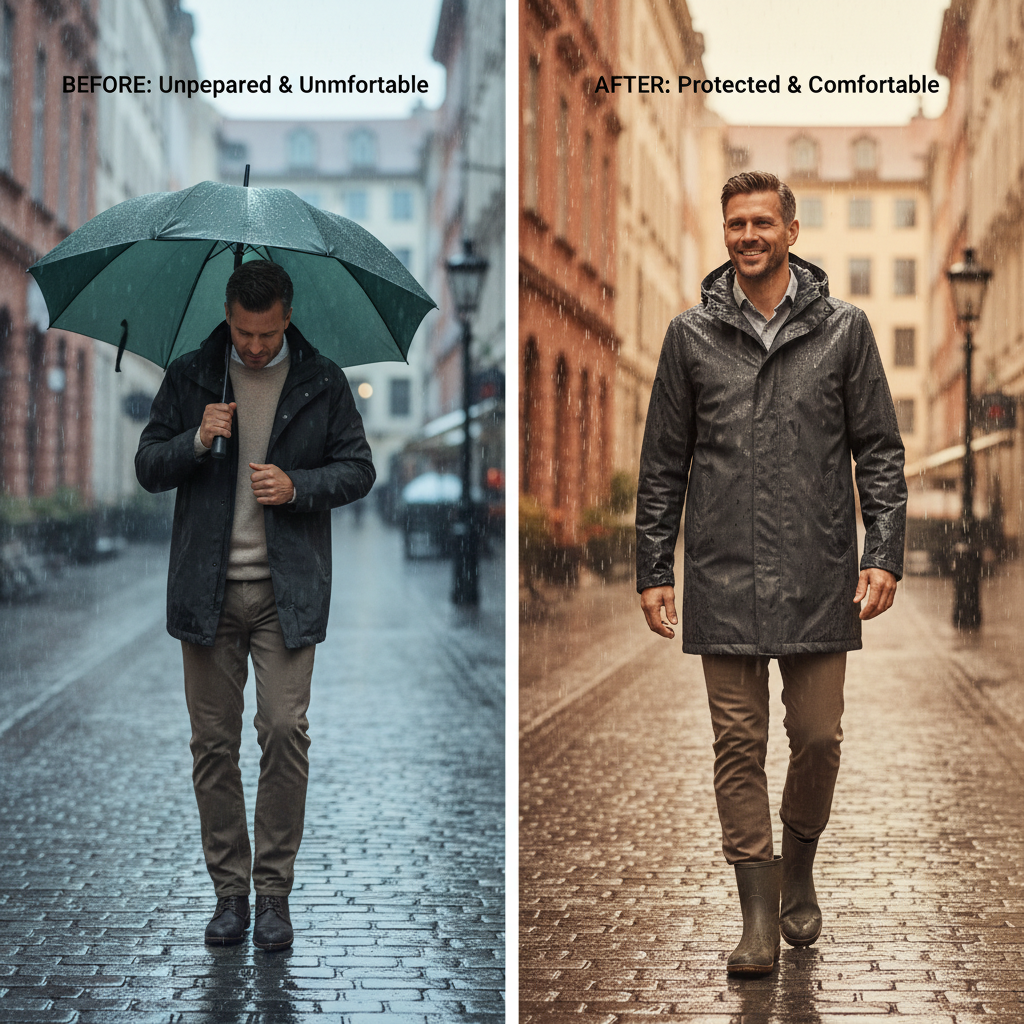
Choosing the Right Mens Rain Coat for Optimal Weather Protection
Staying dry and comfortable in inclement weather is crucial, and selecting the right mens rain coat is paramount. From everyday commutes to outdoor adventures, a quality raincoat provides essential protection. This article will explore the key features to consider when choosing a mens rain coat, different types available, and how to find the perfect fit for your needs. We'll also highlight the benefits of investing in a durable and reliable raincoat that can withstand various weather conditions. The material of a mens rain coat significantly impacts its waterproofness, breathability, and durability. Common materials include PVC, polyurethane (PU), and Gore-Tex. PVC is affordable but less breathable, leading to discomfort during strenuous activity. PU offers a good balance of waterproofness and breathability. Gore-Tex is a premium option known for its exceptional waterproofness and breathability, making it ideal for demanding conditions.
2026-03-24 02:45:24
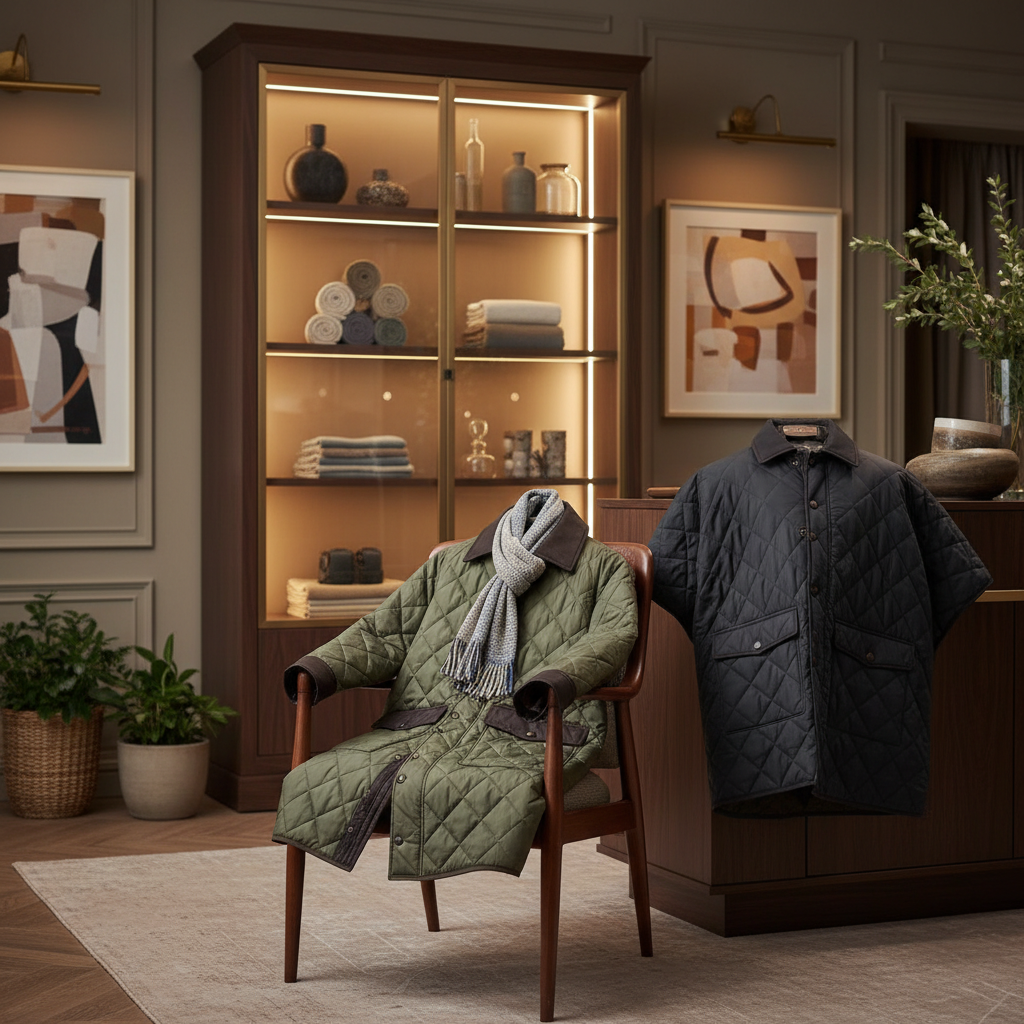
Mens Quilted Raincoat A Comprehensive Guide to Style and Weather Protection
Finding the right raincoat is essential for staying dry and comfortable, especially when navigating unpredictable weather. A mens quilted raincoat offers a fantastic blend of practicality and style. This article delves into the benefits of quilted raincoats, key features to look for, how to choose the perfect fit, and care tips to ensure longevity. We'll explore why a quilted raincoat from SXZY Raincoat is an excellent investment for any weather condition. Quilted raincoats stand out due to their unique construction. The quilting process involves stitching layers of fabric together, typically with a layer of insulation in between. This not only adds a stylish aesthetic but also provides excellent warmth and comfort. Unlike standard raincoats that can feel stiff and uncomfortable, quilted versions offer a softer, more forgiving feel. The quilted design traps air, creating an insulating barrier against the cold, making them ideal for cooler, wetter climates.


