



Why a Full Body Raincoat Is Essential for Complete Weather Protection

Nov . 28, 2025 20:00
The Full Body Raincoat: More Than Just a Simple Protective Wear
Rain—it's arguably one of nature’s least discriminating elements. Whether you’re in bustling urban streets of Tokyo or working on remote construction sites in the Amazon, staying dry is a universally shared challenge. Enter the full body raincoat, a piece of gear that’s simple in concept but complex in its global importance.
Why does understanding this humble garment matter? Globally, more than 1.6 billion people live in areas with heavy rainfall or frequent wet weather (source). For outdoor workers, emergency responders, and even everyday commuters, the right rainwear doesn’t just prevent discomfort—it can mean the difference between staying healthy and risking illness or accident. Let’s dig deeper.
Global Relevance: Why Full Body Raincoats Matter Today
In today’s fast-paced, outdoor-focused industries, staying dry isn’t a luxury—it’s a necessity. Consider that according to the World Meteorological Organization, in many parts of Asia and Africa, seasonal rains are becoming increasingly unpredictable due to climate change (WMO report).
Workers in sectors like agriculture, logistics, and disaster relief rely heavily on durable waterproof clothing. Unfortunately, many standard raincoats protect only the upper torso, leaving legs and feet more exposed—leading to discomfort, slips, and even prolonged cold exposure. The full body raincoat, which extends protection to cover most of the body, responds to this challenge by maximizing waterproof coverage while maintaining mobility and breathability.
Mini Takeaway:
With extreme weather events on the rise worldwide, full body raincoats serve as a critical protective tool—not just for comfort, but for health and operational effectiveness.
What Exactly Is a Full Body Raincoat?
Simply put, a full body raincoat is designed to cover not just the torso and arms, but also the legs and sometimes even feet or head. Often fashioned as a one-piece suit or an oversized coat combined with waterproof pants, it aims to keep the wearer dry from head to toe.
In modern contexts—from humanitarian missions in flood zones to industrial sites prone to sudden downpours—this gear is indispensable. It’s not just about rain protection; it’s about maintaining work continuity, reducing downtime, and ensuring safety under tough, wet conditions.
Core Components That Make a Full Body Raincoat Work
1. Waterproof Materials
Durability begins at the fabric level. Common materials include PVC, polyurethane (PU) laminates, and breathable fabrics like Gore-Tex. Each offers a balance of waterproofing and breathability to avoid the "clammy" feel inside.
2. Seam Sealing and Construction
Raincoats are only as good as their seams. Fully taped or welded seams prevent water entry through stitching holes, a crucial detail that separate a basic jacket from a genuinely protective full body raincoat.
3. Design and Fit Considerations
Many engineers emphasize adjustable cuffs, hood designs, and ankle closures to seal out moisture. Plus, a well-thought silhouette balances coverage with freedom of movement, important when someone needs to climb ladders or work on uneven terrain.
4. Ease of Use and Portability
Foldable, lightweight designs with compact carrying pouches ensure the raincoat can be carried anywhere—even in a small bag or vehicle glove box.
5. Additional Features
Reflective strips for safety during low-light conditions, ventilation flaps for airflow, and reinforced sections for abrasion resistance round out the useful extras.
Mini Takeaway:
The smartest full body raincoats combine high-performance materials with practical design details that meet the day-to-day demands of diverse users.
Using Full Body Raincoats Around the Globe
From the rice paddies of Southeast Asia to the ports of northern Europe, full body raincoats play a starring role. Let’s look at specific examples:
- Disaster Relief Operations: Agencies working in flood-affected areas like Bangladesh use full body rain suits for emergency teams deployed in flooded zones—ensuring safety during rescue and cleanup.
- Industrial Zones: In oil fields or mining sites where wet conditions combine with hazardous materials, fully enclosed raincoats with added chemical resistance are essential.
- Agricultural Work: Farmers in tropical regions rely on durable rainwear during monsoon seasons, improving productivity despite relentless rains.
- Commuters & Outdoor Enthusiasts: Urban dwellers and hikers alike appreciate the all-over coverage when caught in torrential downpours.
Mini Takeaway:
Practical full body rainwear transcends industries—from safety to convenience it’s a simple solution tailored globally.
Product Specification Table
| Feature | Details |
|---|---|
| Material | PVC Coated Polyester / PU Laminated Nylon / Gore-Tex Variant |
| Waterproof Rating | 10,000 mm water column or above |
| Seams | Fully taped or welded seams |
| Weight | About 800-1200 grams (medium size) |
| Sizes | S, M, L, XL, XXL |
| Additional Features | Adjustable hood, reflective strips, ventilation zips, reinforced knees |
Comparing Leading Full Body Raincoat Vendors
| Vendor | Material Quality | Price Range (USD) | Bulk Order Options | Special Features |
|---|---|---|---|---|
| StormSafe Gear | High-grade PVC coated nylon | $45-$65 | Yes, volume discounts | Reflective tape, heat sealed seams |
| AquaShield Pro | PU laminated breathable fabric | $60-$85 | Custom branding & bulk pricing | Ventilation flaps, reinforced knees |
| EcoRainwear Ltd. | Recycled Gore-Tex material | $75-$100 | Yes, focused on green solutions | Biodegradable packaging, adjustable hood |
Advantages and Long-Term Value of Full Body Raincoats
When you first don one, the immediate feeling is usually relief—the kind you get when something finally just works. From a practical standpoint, these raincoats protect against hypothermia risks by keeping users dry in prolonged wet conditions, which is vital in occupational safety (ISO 20471 addresses high-visibility protective clothing standards).
Environmentally, opting for rainwear made from recycled or sustainable materials helps reduce plastic waste. I’ve also noticed many organizations choosing these raincoats as part of their corporate responsibility strategy, especially in regions prone to flooding.
From a social angle, for people exposed to rain daily—street vendors, hospital staff, or school children—full body raincoats preserve dignity and comfort. It’s a subtle, yet powerful, form of workplace or community respect.
Emerging Trends & Innovations
Oddly enough, the rainwear industry is riding a wave of innovation. Nanotechnology coatings, for instance, promise ultra-lightweight waterproofing that lasts longer and resists dirt. Digital printing on raincoats enables rapid customization for large teams.
Sustainability is another trend — brands are exploring biodegradable fabrics and recycled plastics, reflecting a broader environmental awareness. Integration with wearable tech—think embedded sensors that monitor temperature or humidity inside the suit—is also being tested.
Common Challenges & Practical Solutions
Despite advances, breathability is still a major hurdle. Many fabrics either trap too much moisture inside or aren’t fully waterproof in tougher storms. Layering remains a practical solution for users often caught in extended periods of rain.
Also, fit can be tricky. Too tight, and mobility is compromised; too loose, and cold air sneaks in. Vendors now offer sizing guides and adjustable fasteners on sleeves and hems to tackle this.
Finally, affordability is a concern in developing regions. NGOs and governments increasingly look for durable yet cost-effective models—often purchasing in bulk or sourcing locally produced options.
FAQ: Practical Questions About Full Body Raincoats
- Q1: How do full body raincoats differ from regular rain jackets?
- A1: The primary difference is coverage. Full body raincoats protect the entire body, including legs, while regular jackets typically cover only the torso and arms. This full coverage ensures better protection from rain, especially in heavy downpours or flooded conditions.
- Q2: What materials are best for durability and breathability?
- A2: PU laminated fabrics and Gore-Tex varieties are often recommended. They provide waterproofing without sacrificing breathability, preventing excessive sweating and moisture build-up inside the garment.
- Q3: Can full body raincoats be easily packed for travel?
- A3: Yes. Many models fold down compactly into small pouches, making them convenient for commuters or outdoor adventurers who need a lightweight, portable solution.
- Q4: Are there specialized raincoats for industrial or hazardous environments?
- A4: Absolutely. Industrial full body raincoats often have chemical-resistant coatings, reinforced knees, and high-visibility elements to meet safety regulations in dangerous workplaces.
- Q5: How do organizations typically source bulk raincoats?
- A5: Bulk orders are usually placed directly with manufacturers or large suppliers who offer customization, volume discounts, and ensure compliance with quality standards. NGOs often coordinate via tenders or trusted procurement platforms.
Conclusion: Staying Dry Is Just the Beginning
The full body raincoat goes beyond a mere weather shield—it’s a key asset for health, safety, and productivity in countless global contexts. As weather patterns shift unpredictably, the demand for reliable rainwear grows, fueling ongoing innovation and adaptation.
If you’re exploring solutions for yourself or your team, don’t overlook the value of investing in well-designed full body rain protection that’s both durable and comfortable. Curious to learn more or find your perfect fit? Visit our website: full body raincoat.
Final thought:
Sometimes the best innovations hide in simple, everyday objects—full body raincoats prove that staying dry can be a sophisticated science and a vital global need.
References:
- Wikipedia: Average Annual Precipitation
- World Meteorological Organization
- ISO 20471 - High Visibility Protective Clothing

Related Products

Related News

2026-04-16 02:35:36
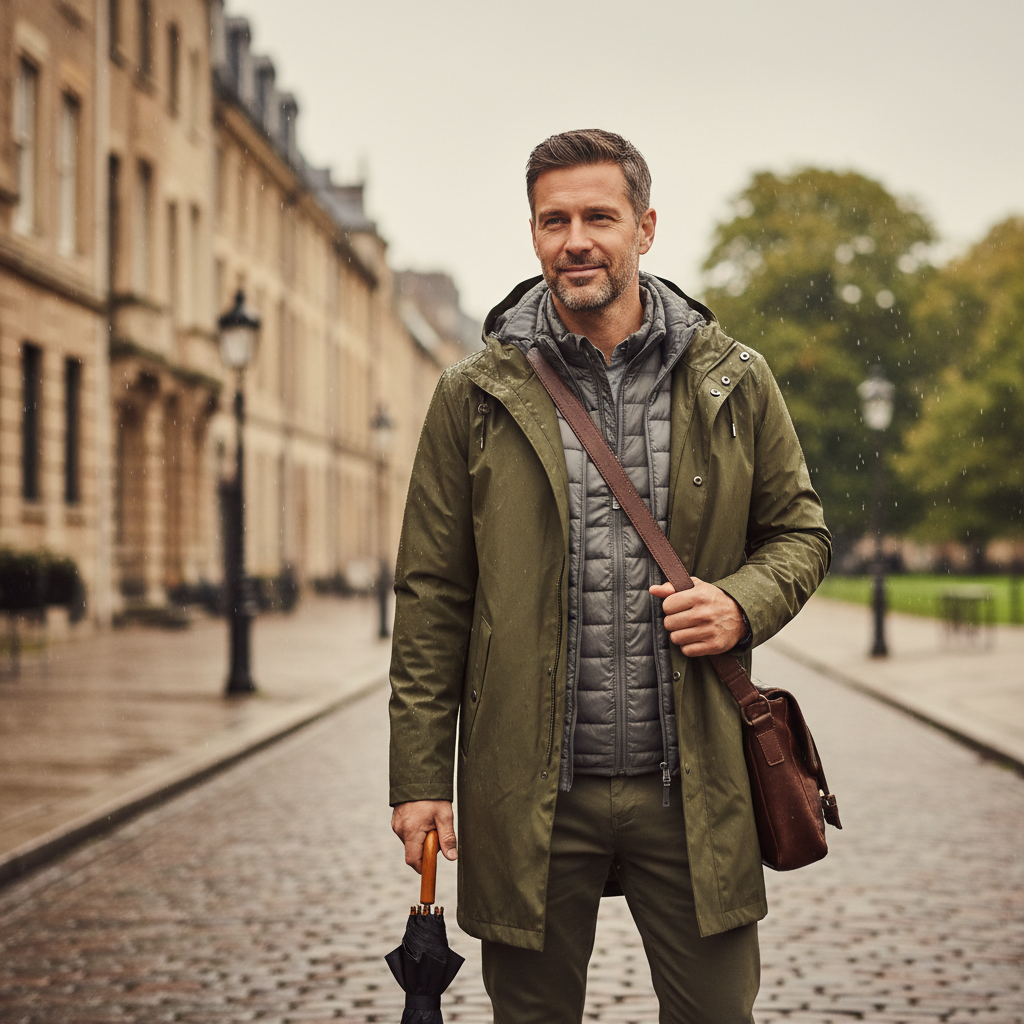
The Ultimate Guide to Choosing a Premium Mens Rain Hoodie
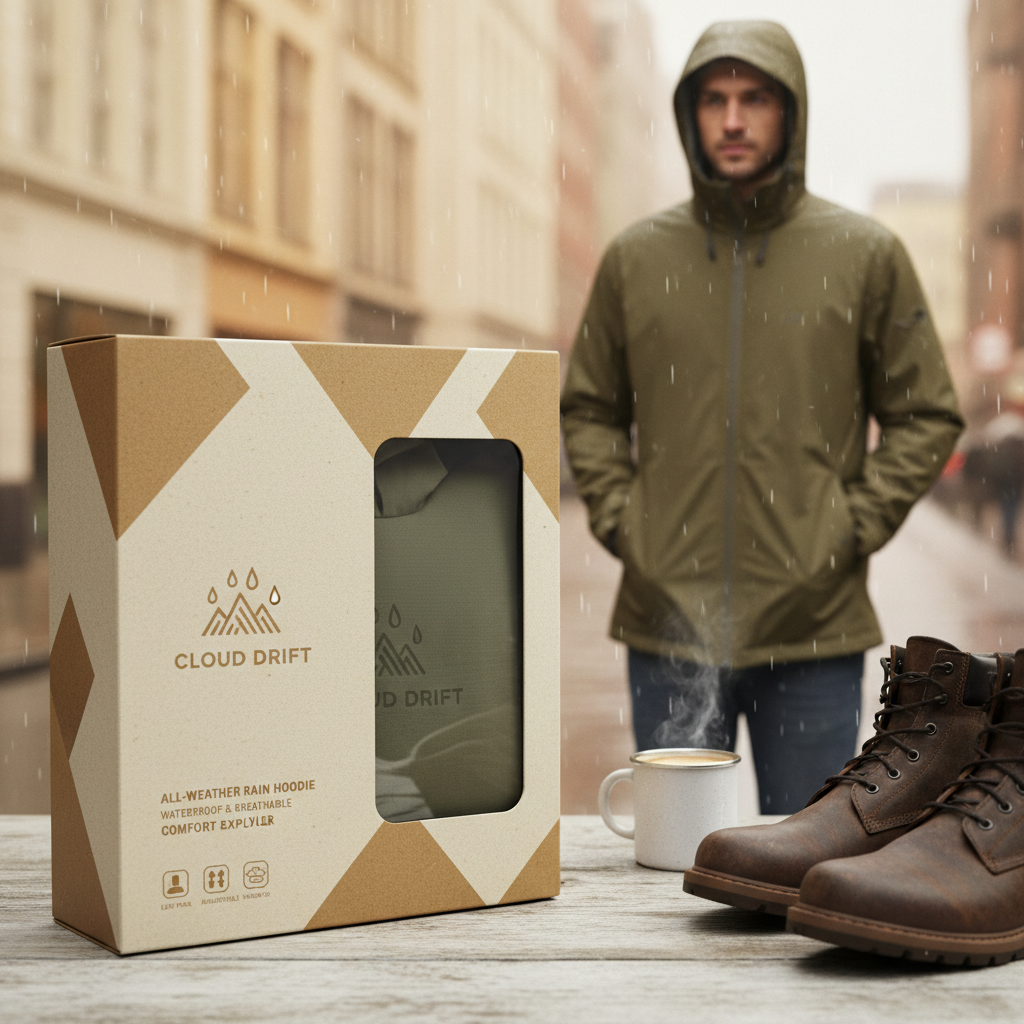
Facing unpredictable weather requires more than just a simple umbrella; it demands gear that blends functionality with modern aesthetics. A high-quality mens rain hoodie is the perfect solution for the modern man who refuses to let a downpour disrupt his day. Whether you are commuting to the office, hiking a misty trail, or running weekend errands, the right rainwear ensures you stay dry without sacrificing comfort. In this comprehensive guide, we will explore what makes a rain hoodie truly effective, from fabric technology to essential design features, helping you make an informed investment in your wardrobe.
2026-04-09 02:45:09
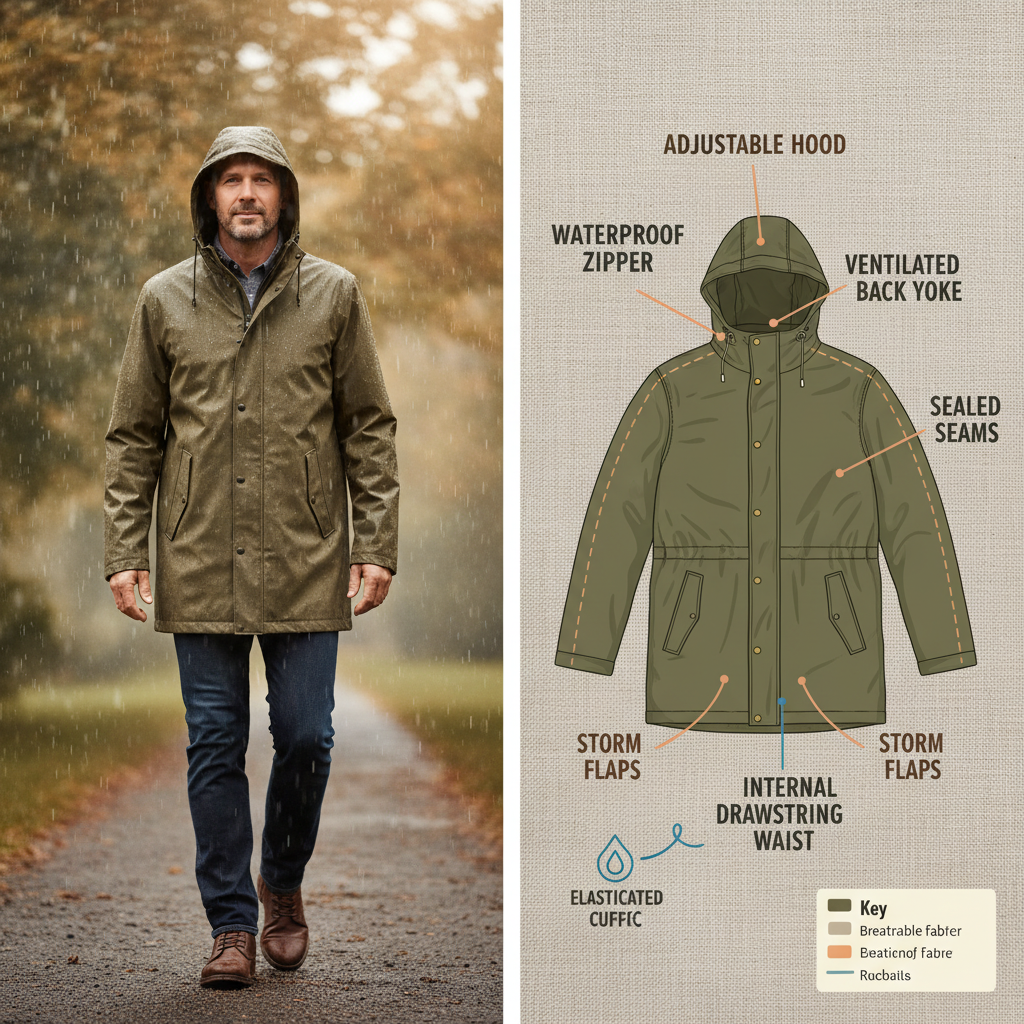
Best Mens Rain Coat with Removable Liner for All Weather Protection
Facing unpredictable weather requires a wardrobe that is as flexible as your schedule. A mens rain coat with removable liner is the gold standard for versatility, offering a 2-in-1 solution that transitions seamlessly from a light spring drizzle to a freezing winter storm. Instead of cluttering your closet with multiple heavy jackets, a modular system allows you to customize your warmth based on the temperature. In this guide, we will explore why this specific design is essential for the modern man, how to identify high-quality materials, and how to maximize your investment for years of reliable protection.
2026-04-07 02:35:18
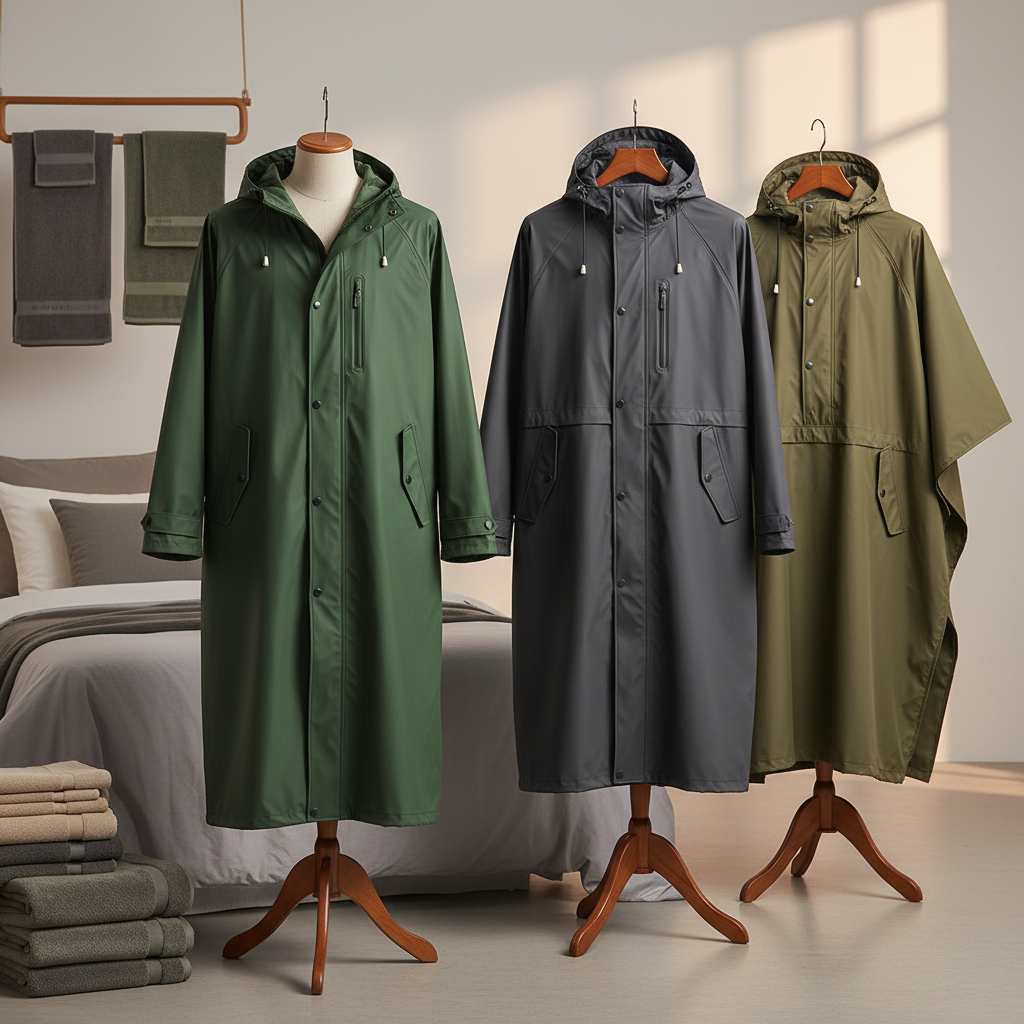
Comprehensive Guide to Selecting the Perfect Mens Rain Coat with Hood
Finding the right mens rain coat with hood is crucial for staying dry and comfortable in wet weather. Whether you're commuting to work, enjoying outdoor activities, or simply running errands, a reliable raincoat can make all the difference. This article will explore the key features, benefits, and considerations when choosing a rain coat, helping you make an informed decision. We'll cover everything from materials and waterproofing to fit and style. Choosing a high-quality raincoat is an investment in your comfort and protection.
2026-04-04 02:45:18
Comprehensive Guide to Mens Rain Coat Waterproof Options and Features
Staying dry and comfortable in wet weather is crucial, and a high-quality mens rain coat waterproof is an essential part of any outdoor wardrobe. Choosing the right raincoat can make all the difference, protecting you from the elements while offering comfort and durability. This article will cover everything you need to know about waterproof raincoats, including materials, features, and how to choose the best one for your needs. We'll also highlight why SXZY Raincoat offers exceptional quality and value.

2026-03-31 02:35:27
Stylish Mens Rain Coat Dress for Ultimate Weather Protection
When the weather turns unpredictable, a stylish and functional mens rain coat dress is an essential addition to any wardrobe. No longer just about staying dry, rain coats have evolved into fashion statements, offering a blend of practicality and elegance. This article explores the benefits, styles, and key features to look for when choosing the perfect rain coat dress, ensuring you stay comfortable and on-trend, whatever the weather. We'll also highlight how SXZY Raincoat provides quality and style in their collection.
2026-03-28 02:55:02
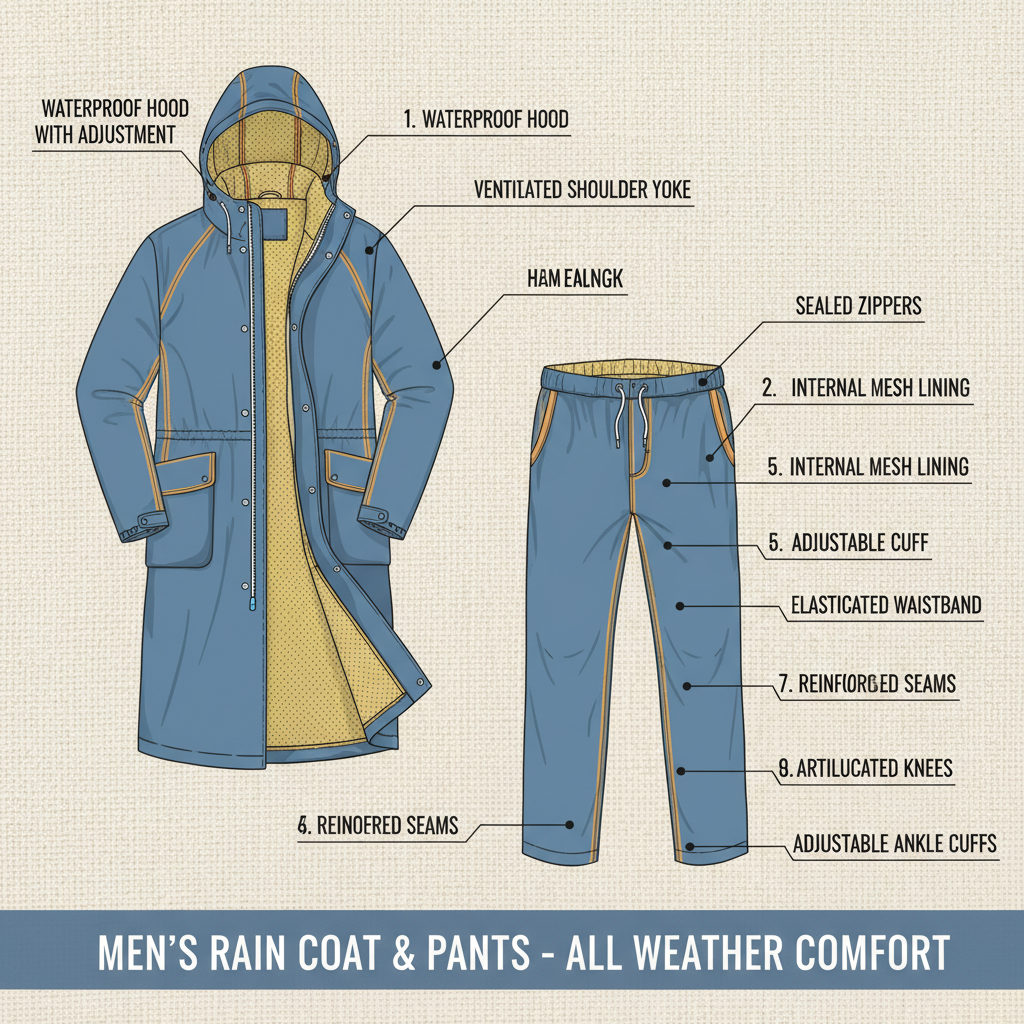
Comprehensive Guide to Mens Rain Coat and Pants for Optimal Weather Protection
Staying dry and comfortable during inclement weather is crucial, and having the right rain gear can make all the difference. Mens rain coat and pants sets offer superior protection against rain, wind, and cold. This article will explore the benefits of owning a quality rain suit, factors to consider when choosing one, and highlight the exceptional products offered by sxzyraincoat.com. Invest in a reliable rain suit to ensure you're prepared for any weather challenge.
2026-03-26 02:35:30
Choosing the Right Mens Rain Coat for Optimal Weather Protection
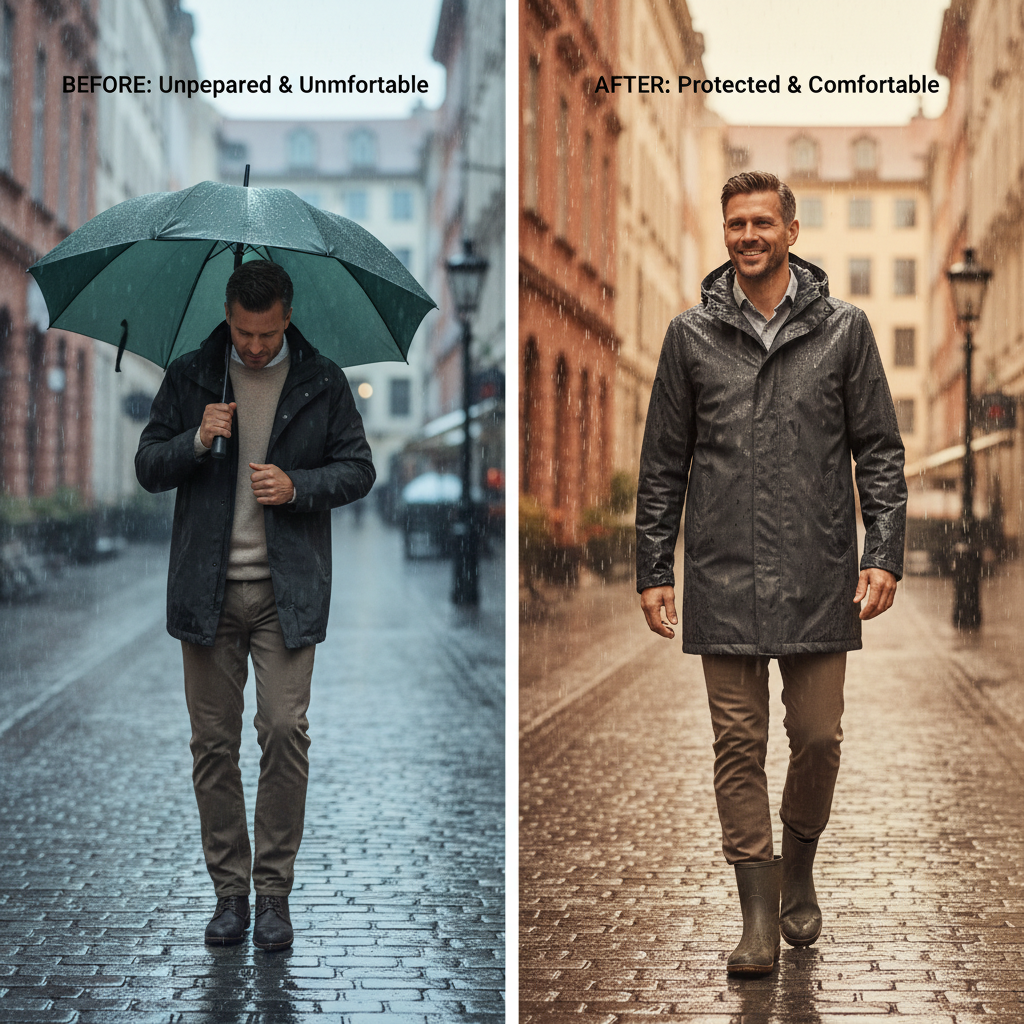
Staying dry and comfortable in inclement weather is crucial, and selecting the right mens rain coat is paramount. From everyday commutes to outdoor adventures, a quality raincoat provides essential protection. This article will explore the key features to consider when choosing a mens rain coat, different types available, and how to find the perfect fit for your needs. We'll also highlight the benefits of investing in a durable and reliable raincoat that can withstand various weather conditions. The material of a mens rain coat significantly impacts its waterproofness, breathability, and durability. Common materials include PVC, polyurethane (PU), and Gore-Tex. PVC is affordable but less breathable, leading to discomfort during strenuous activity. PU offers a good balance of waterproofness and breathability. Gore-Tex is a premium option known for its exceptional waterproofness and breathability, making it ideal for demanding conditions.
2026-03-24 02:45:24
Mens Quilted Raincoat A Comprehensive Guide to Style and Weather Protection
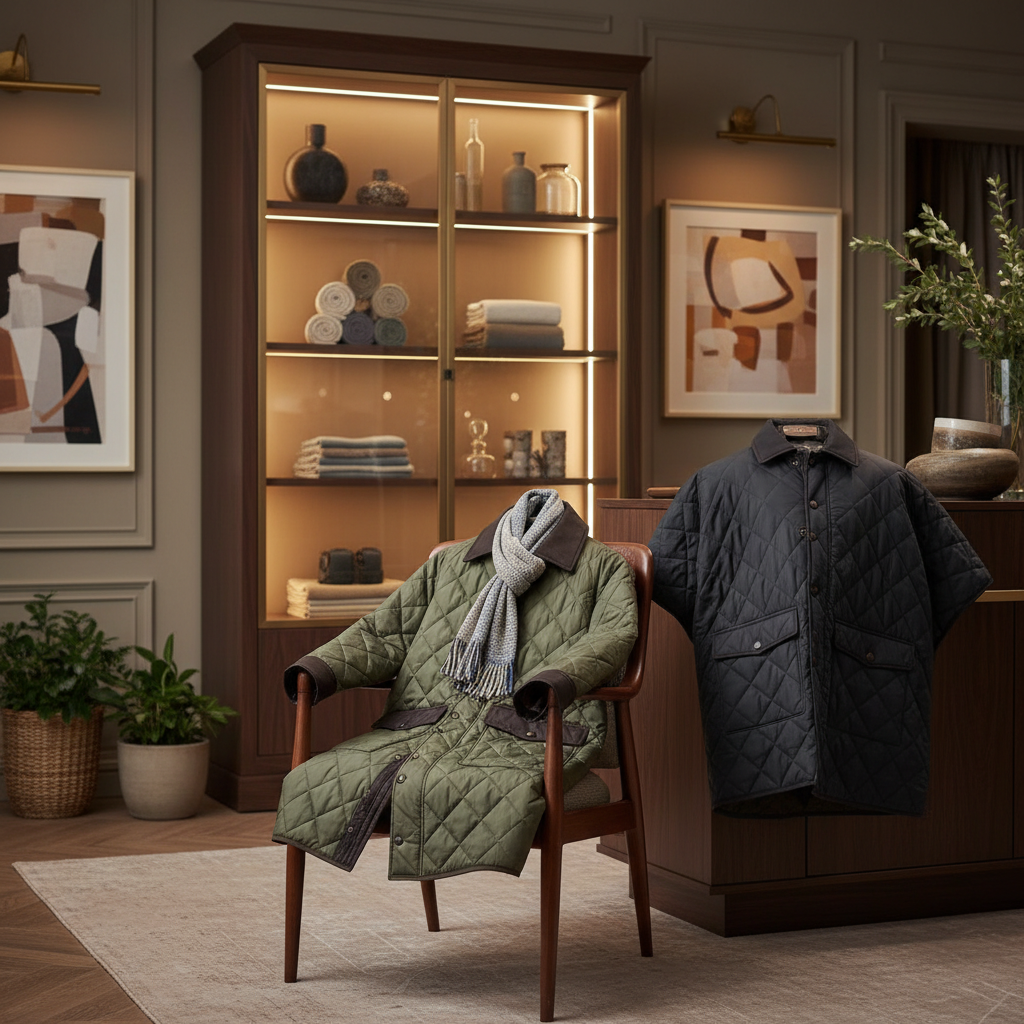
Finding the right raincoat is essential for staying dry and comfortable, especially when navigating unpredictable weather. A mens quilted raincoat offers a fantastic blend of practicality and style. This article delves into the benefits of quilted raincoats, key features to look for, how to choose the perfect fit, and care tips to ensure longevity. We'll explore why a quilted raincoat from SXZY Raincoat is an excellent investment for any weather condition. Quilted raincoats stand out due to their unique construction. The quilting process involves stitching layers of fabric together, typically with a layer of insulation in between. This not only adds a stylish aesthetic but also provides excellent warmth and comfort. Unlike standard raincoats that can feel stiff and uncomfortable, quilted versions offer a softer, more forgiving feel. The quilted design traps air, creating an insulating barrier against the cold, making them ideal for cooler, wetter climates.


