


- Afrikaans
- Albanian
- Amharic
- Arabic
- Armenian
- Azerbaijani
- Basque
- Belarusian
- Bengali
- Bosnian
- Bulgarian
- Catalan
- Cebuano
- Corsican
- Croatian
- Czech
- Danish
- Dutch
- English
- Esperanto
- Estonian
- Finnish
- French
- Frisian
- Galician
- Georgian
- German
- Greek
- Gujarati
- Haitian Creole
- hausa
- hawaiian
- Hebrew
- Hindi
- Miao
- Hungarian
- Icelandic
- igbo
- Indonesian
- irish
- Italian
- Japanese
- Javanese
- Kannada
- kazakh
- Khmer
- Rwandese
- Korean
- Kurdish
- Kyrgyz
- Lao
- Latin
- Latvian
- Lithuanian
- Luxembourgish
- Macedonian
- Malgashi
- Malay
- Malayalam
- Maltese
- Maori
- Marathi
- Mongolian
- Myanmar
- Nepali
- Norwegian
- Norwegian
- Occitan
- Pashto
- Persian
- Polish
- Portuguese
- Punjabi
- Romanian
- Russian
- Samoan
- Scottish Gaelic
- Serbian
- Sesotho
- Shona
- Sindhi
- Sinhala
- Slovak
- Slovenian
- Somali
- Spanish
- Sundanese
- Swahili
- Swedish
- Tagalog
- Tajik
- Tamil
- Tatar
- Telugu
- Thai
- Turkish
- Turkmen
- Ukrainian
- Urdu
- Uighur
- Uzbek
- Vietnamese
- Welsh
- Bantu
- Yiddish
- Yoruba

Big Raincoat for Outdoor Events

Sep . 23, 2025 14:19
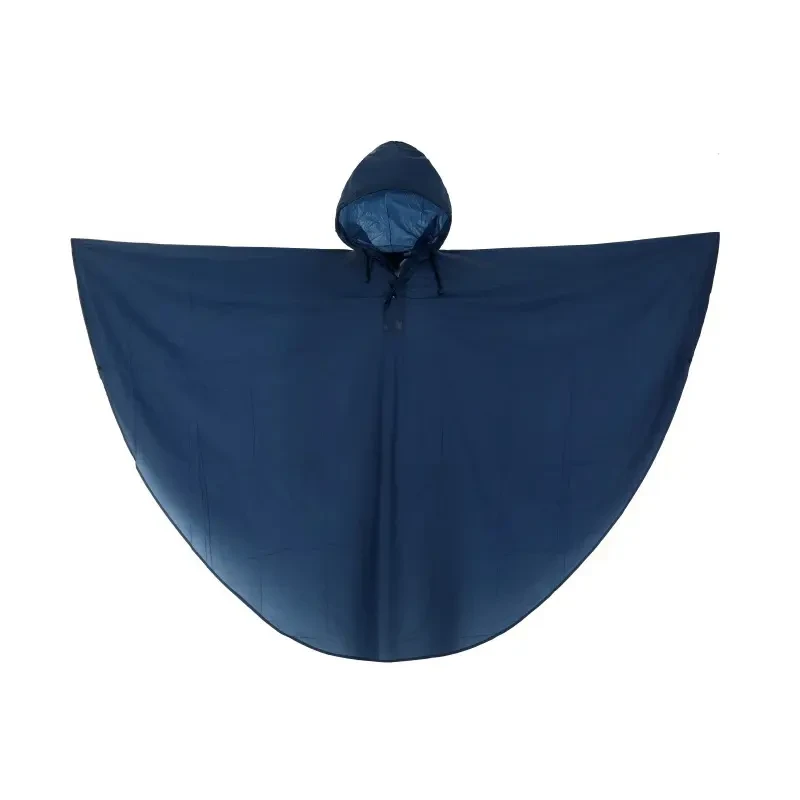
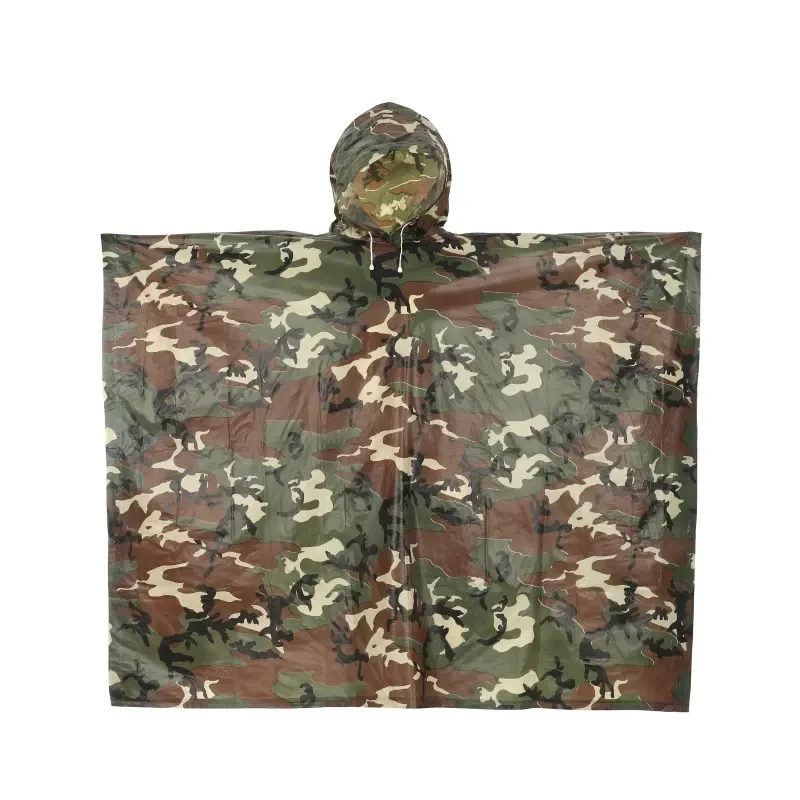
Essential Rain Protection for Outdoor Activities:When preparing for outdoor events, having reliable rain protection is crucial. A big raincoat provides full coverage, while a backpacking rain poncho offers lightweight convenience. For those needing compact storage, a bag rain coat combines portability with protection. These options ensure you stay dry during festivals, camping trips, or any outdoor adventure.

Features of a Quality Backpacking Rain Poncho
The ideal backpacking rain poncho includes:
• Ultra-lightweight material (under 12oz) for easy carrying
• Oversized design covering both body and backpack
• Reinforced grommets for secure attachment during winds
• Packable design that fits in its own pocket
• Ventilated sides to prevent condensation buildup
• Bright colors for visibility in poor weather conditions
Advantages of a Bag Rain Coat
A practical bag rain coat provides:
• Instant deployment from its carrying pouch
• Waterproof zippers and sealed seams
• Adjustable cuffs and waist for custom fit
• Reflective strips for nighttime visibility
• Breathable fabric to prevent overheating
• Multiple pockets with storm flaps
Benefits of a Big Raincoat
The big raincoat offers superior protection with:
• Extended length coverage (knee-length or longer)
• Oversized hood with adjustable drawstrings
• Roomy cut for layering over winter clothes
• Heavy-duty waterproof fabric (10,000mm+ rating)
• Reinforced stress points at shoulders and elbows
• Convertible features for ventilation control
Material Options for Outdoor Rainwear
Our outdoor rain protection uses:
• 210T ripstop nylon for backpacking rain poncho
• 3-layer laminated fabric for bag rain cover
• 500D polyester with PU coating for big raincoat
• Eco-friendly recycled materials available
• UV-resistant treatments for sunny conditions
• Anti-microbial linings for extended wear
Choosing the Right Style for Your Event
Select between:
• Hiking rain cape for hiking/music festivals
• Backpack rain cover for urban events/commuting
• Big raincoat for fishing/camping in heavy rain
• Convertible styles that adapt to changing weather
• Insulated versions for cold weather activities
• Ventilated designs for high-energy events
Care and Maintenance Tips
Preserve your rainwear with:
• Regular cleaning with specialized detergents
• Proper drying away from direct heat
• Periodic DWR treatment applications
• Careful storage in breathable bags
• Immediate repair of any seam issues
• Avoiding harsh chemicals or bleach
Backpacking Rain Poncho FAQs
Q: How does a bag rain coat differ from a regular rain cover in terms of functionality?
A: A bag rain coat is specifically designed to wrap around bags with tailored features like adjustable straps, zippered openings for accessing contents without removal, and reinforced edges to seal around handles or straps. Unlike generic rain covers, which are often one-size-fits-all and may slip, a bag rain coat contours to the bag’s shape, ensuring full coverage even during movement. It’s ideal for urban commuting or travel, where easy access to the bag’s contents (e.g., laptops, documents) is needed while keeping items dry. Many also include ventilation to prevent moisture buildup inside the bag.
Q: What makes a big raincoat suitable for extreme weather conditions?
A: A big raincoat is built for extreme weather with heavy-duty materials like 500D polyester (thicker and more tear-resistant than standard fabrics) and a PU coating for enhanced waterproofing. Its oversized design allows layering over bulky clothing (e.g., sweaters, jackets) without restricting movement, critical for cold, rainy environments. Features like a detachable hood with a visor, storm flaps over zippers, and elasticated cuffs prevent water from seeping in. Reinforced seams and durable hardware (e.g., rust-resistant zippers) ensure longevity, making it ideal for activities like fishing, camping, or industrial work in heavy rain.
Q: Is a backpacking rain poncho more practical than a rain jacket for multi-day hikes?
A: Yes, a backpacking rain poncho is often more practical for multi-day hikes. Its lightweight, packable design (fitting into a small stuff sack) saves space in backpacks, a key advantage when carrying gear for days. Unlike rain jackets, it covers both the hiker and their backpack, eliminating the need for a separate backpack cover. Most have adjustable hoods and side snaps to customize coverage, and many are made from breathable materials to reduce overheating during activity. For thru-hikes or trips where weight and versatility matter, a backpacking rain poncho offers all-in-one protection with minimal bulk.
Q: Can a bag rain coat fit different types of bags, or is it style-specific?
A: A bag rain coat is often designed to fit multiple bag styles, though some are tailored to specific types. Universal models adjust via drawstrings, elastic hems, or Velcro straps to fit backpacks, tote bags, messenger bags, or duffels of varying sizes (e.g., 20–40L capacity). Style-specific options may cater to laptop bags (with openings for handles) or hiking backpacks (with longer lengths to cover the entire pack). Most manufacturers provide size guides based on bag dimensions (height, width, depth) to ensure a snug fit. For maximum versatility, look for a bag rain coat with adjustable features to adapt to different shapes and sizes.
Q: How do I clean and maintain a big raincoat to extend its lifespan?
A: To clean and maintain a big raincoat, start by spot-cleaning dirt or stains with a damp cloth and mild soap—avoid harsh detergents or bleach, which can break down waterproof coatings. For deeper cleaning, hand wash gently in cold water, then rinse thoroughly. Never machine wash or dry, as agitation and heat can damage seams and coatings. Hang dry in a well-ventilated area away from direct sunlight to prevent fabric fading. Reapply a DWR (durable water repellent) spray annually to restore water beading, especially if water starts to soak into the fabric instead of beading off. Inspect seams and zippers regularly, and repair small tears with waterproof tape to prevent further damage.

Related Products

Related News

2026-04-16 02:35:36
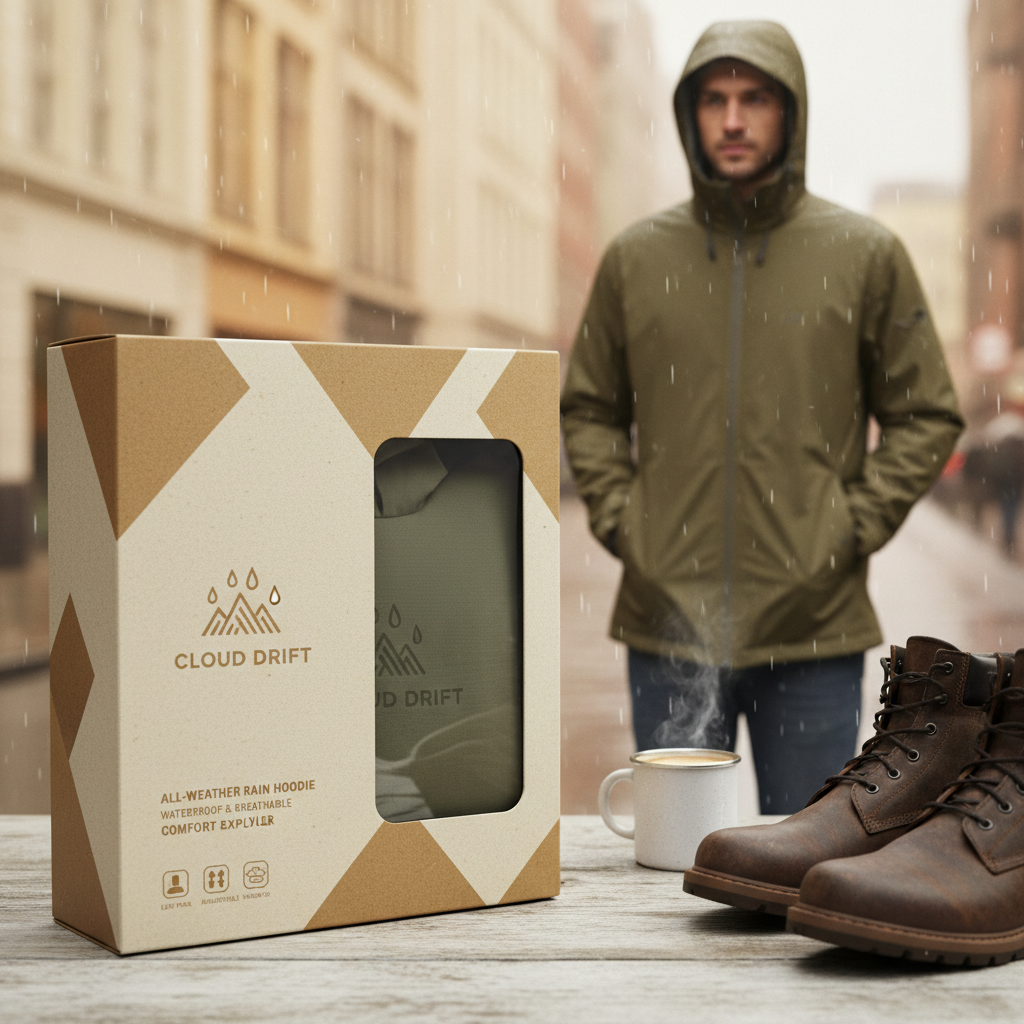
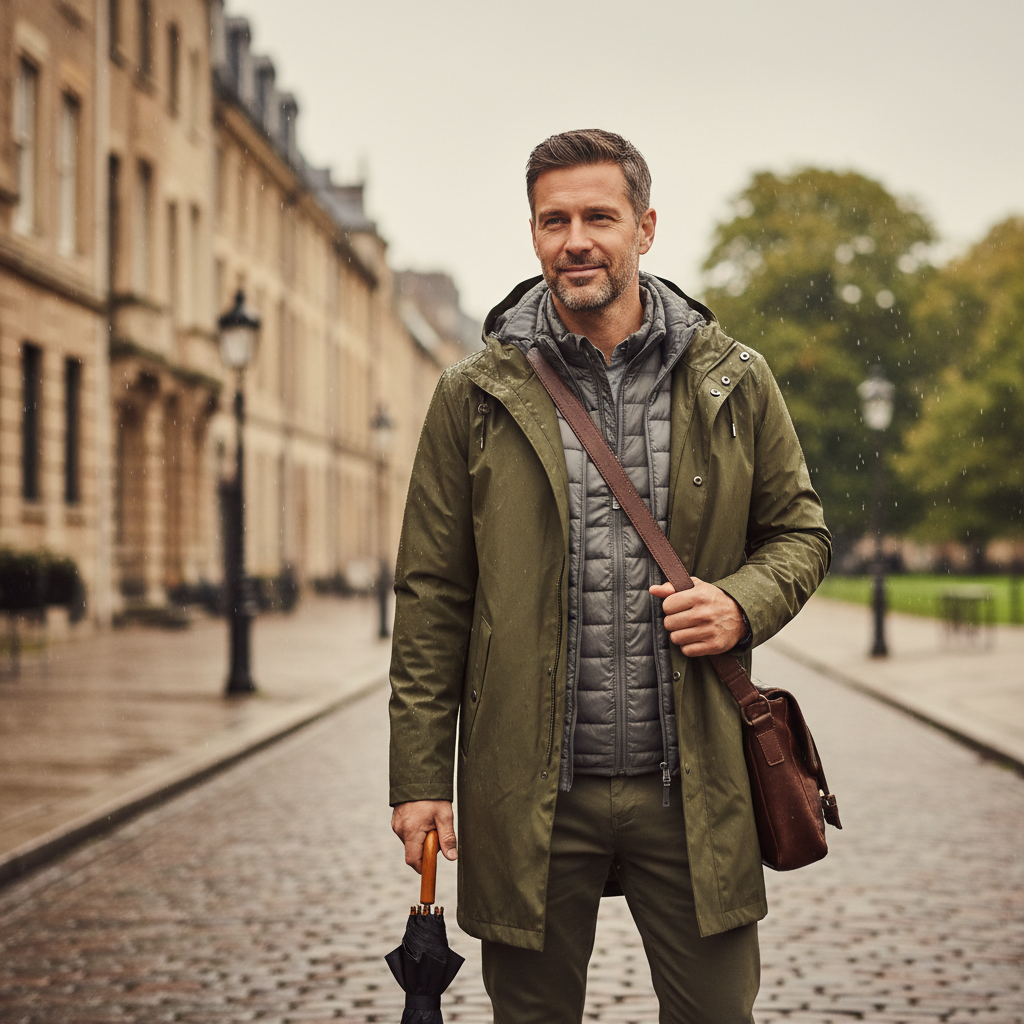
The Ultimate Guide to Choosing a Premium Mens Rain Hoodie
Facing unpredictable weather requires more than just a simple umbrella; it demands gear that blends functionality with modern aesthetics. A high-quality mens rain hoodie is the perfect solution for the modern man who refuses to let a downpour disrupt his day. Whether you are commuting to the office, hiking a misty trail, or running weekend errands, the right rainwear ensures you stay dry without sacrificing comfort. In this comprehensive guide, we will explore what makes a rain hoodie truly effective, from fabric technology to essential design features, helping you make an informed investment in your wardrobe.
2026-04-09 02:45:09
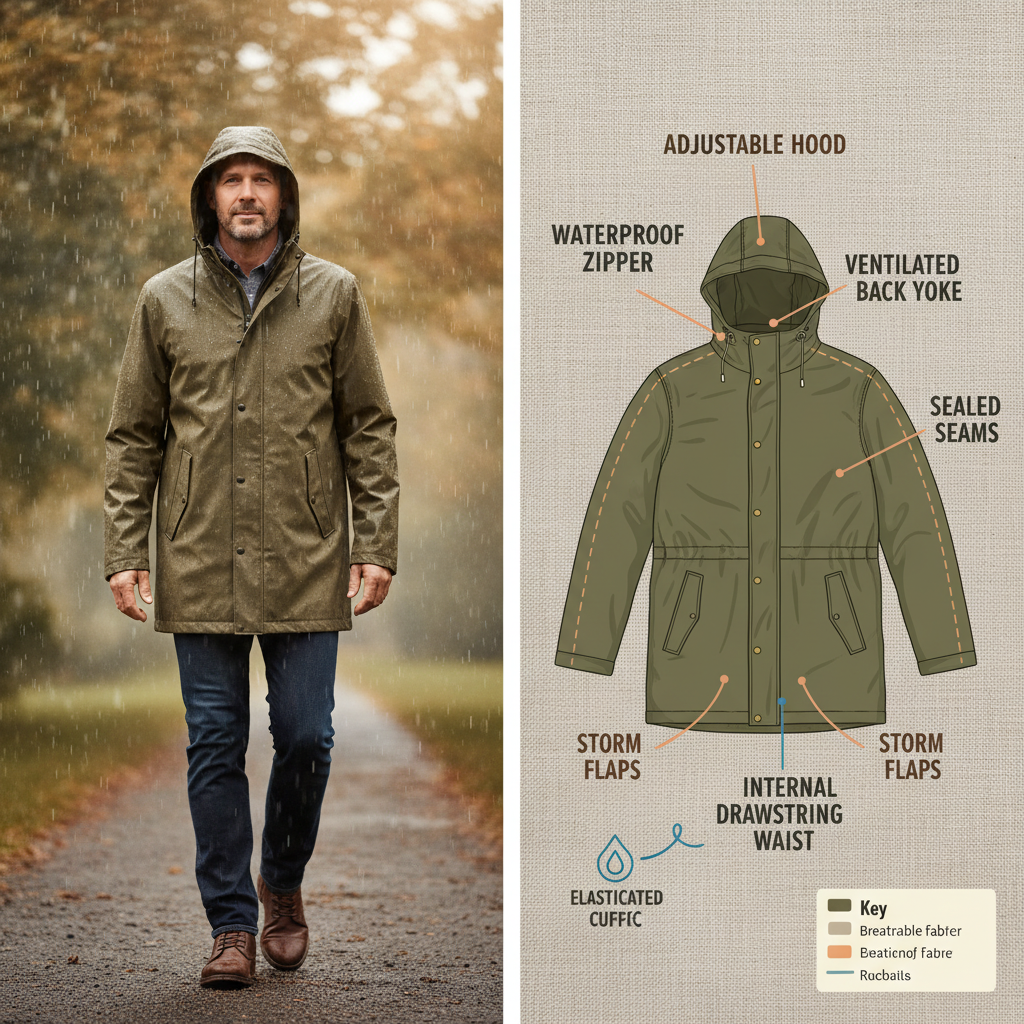
Best Mens Rain Coat with Removable Liner for All Weather Protection
Facing unpredictable weather requires a wardrobe that is as flexible as your schedule. A mens rain coat with removable liner is the gold standard for versatility, offering a 2-in-1 solution that transitions seamlessly from a light spring drizzle to a freezing winter storm. Instead of cluttering your closet with multiple heavy jackets, a modular system allows you to customize your warmth based on the temperature. In this guide, we will explore why this specific design is essential for the modern man, how to identify high-quality materials, and how to maximize your investment for years of reliable protection.
2026-04-07 02:35:18
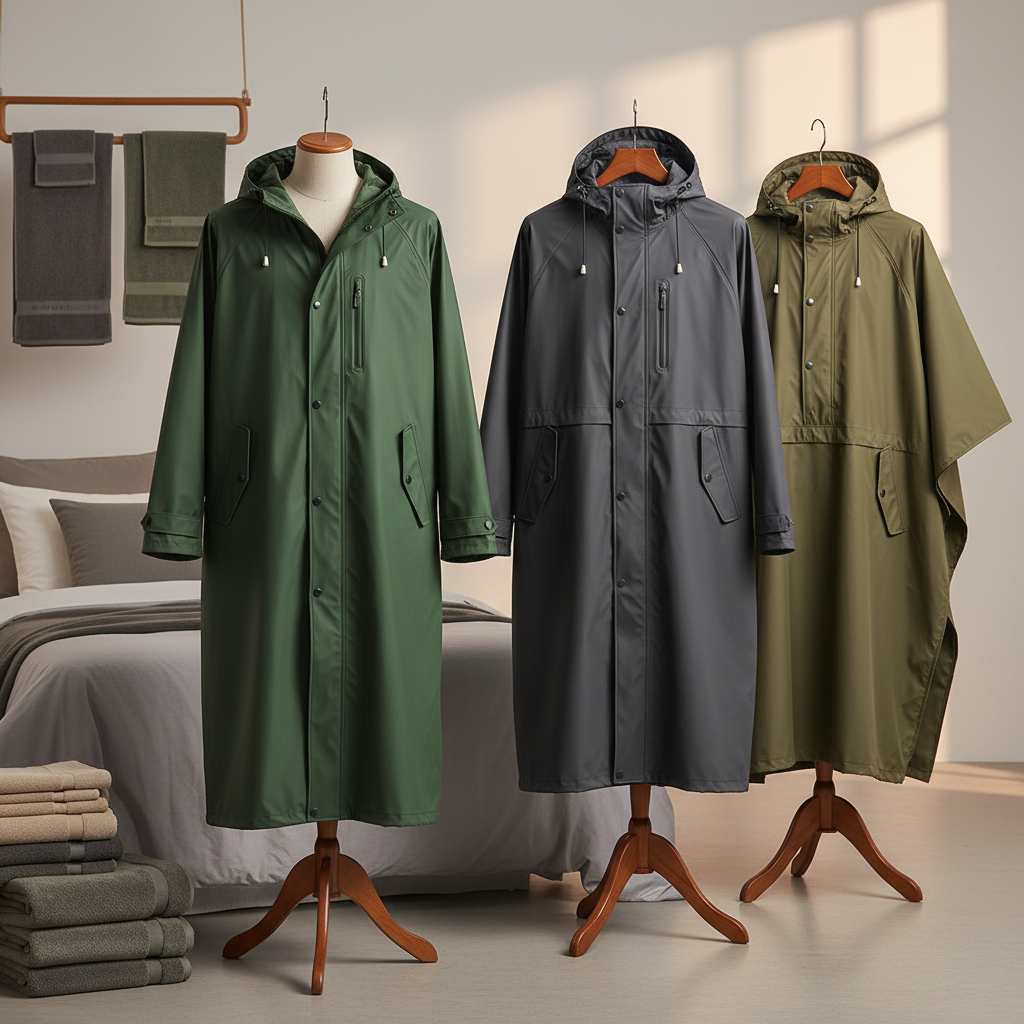
Comprehensive Guide to Selecting the Perfect Mens Rain Coat with Hood
Finding the right mens rain coat with hood is crucial for staying dry and comfortable in wet weather. Whether you're commuting to work, enjoying outdoor activities, or simply running errands, a reliable raincoat can make all the difference. This article will explore the key features, benefits, and considerations when choosing a rain coat, helping you make an informed decision. We'll cover everything from materials and waterproofing to fit and style. Choosing a high-quality raincoat is an investment in your comfort and protection.
2026-04-04 02:45:18
Comprehensive Guide to Mens Rain Coat Waterproof Options and Features
Staying dry and comfortable in wet weather is crucial, and a high-quality mens rain coat waterproof is an essential part of any outdoor wardrobe. Choosing the right raincoat can make all the difference, protecting you from the elements while offering comfort and durability. This article will cover everything you need to know about waterproof raincoats, including materials, features, and how to choose the best one for your needs. We'll also highlight why SXZY Raincoat offers exceptional quality and value.

2026-03-31 02:35:27
Stylish Mens Rain Coat Dress for Ultimate Weather Protection
When the weather turns unpredictable, a stylish and functional mens rain coat dress is an essential addition to any wardrobe. No longer just about staying dry, rain coats have evolved into fashion statements, offering a blend of practicality and elegance. This article explores the benefits, styles, and key features to look for when choosing the perfect rain coat dress, ensuring you stay comfortable and on-trend, whatever the weather. We'll also highlight how SXZY Raincoat provides quality and style in their collection.
2026-03-28 02:55:02
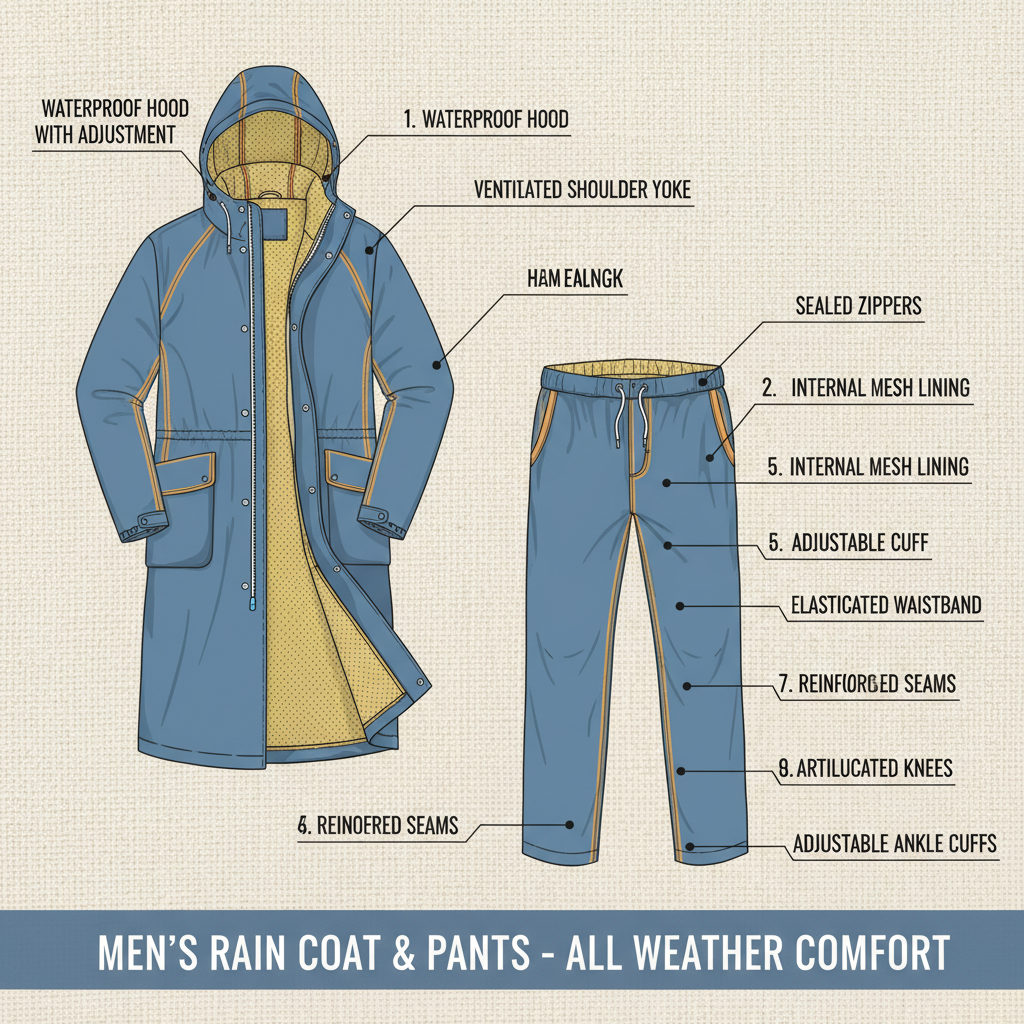
Comprehensive Guide to Mens Rain Coat and Pants for Optimal Weather Protection
Staying dry and comfortable during inclement weather is crucial, and having the right rain gear can make all the difference. Mens rain coat and pants sets offer superior protection against rain, wind, and cold. This article will explore the benefits of owning a quality rain suit, factors to consider when choosing one, and highlight the exceptional products offered by sxzyraincoat.com. Invest in a reliable rain suit to ensure you're prepared for any weather challenge.
2026-03-26 02:35:30
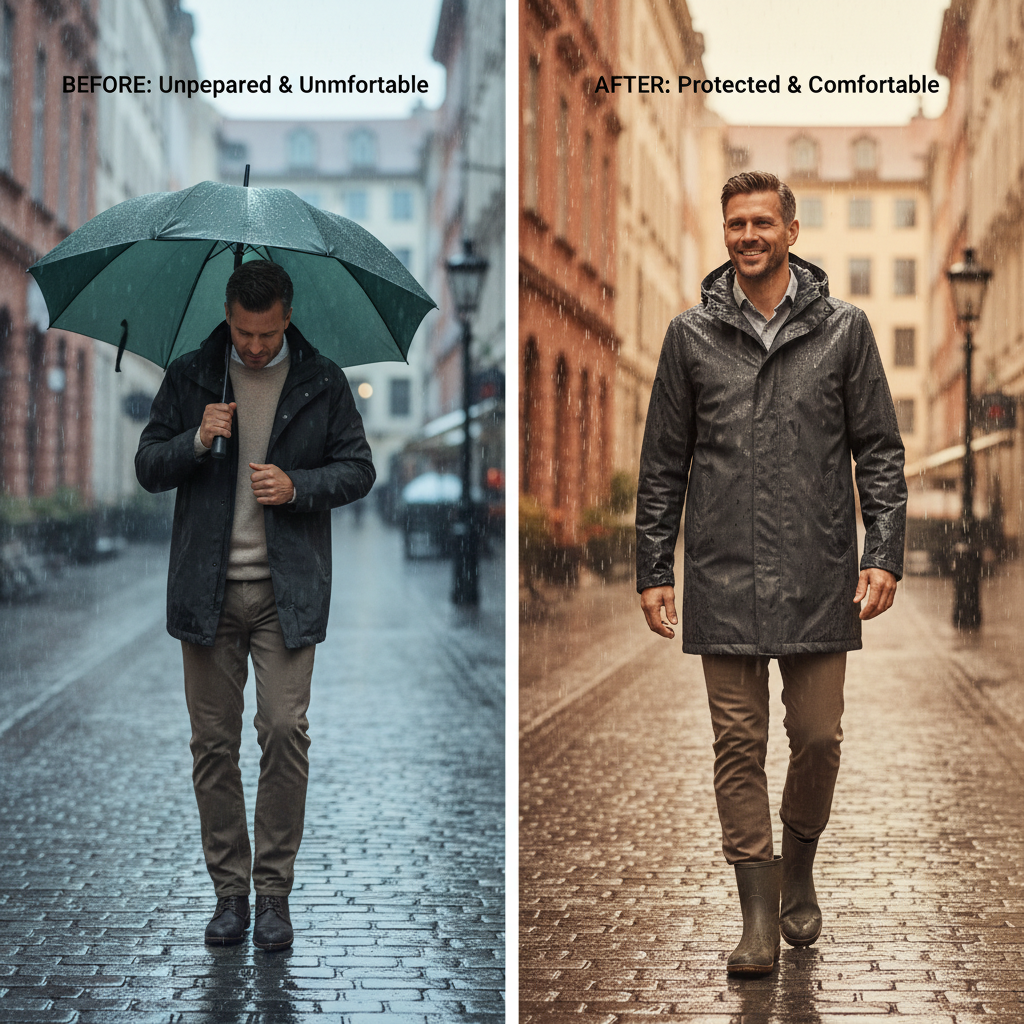
Choosing the Right Mens Rain Coat for Optimal Weather Protection
Staying dry and comfortable in inclement weather is crucial, and selecting the right mens rain coat is paramount. From everyday commutes to outdoor adventures, a quality raincoat provides essential protection. This article will explore the key features to consider when choosing a mens rain coat, different types available, and how to find the perfect fit for your needs. We'll also highlight the benefits of investing in a durable and reliable raincoat that can withstand various weather conditions. The material of a mens rain coat significantly impacts its waterproofness, breathability, and durability. Common materials include PVC, polyurethane (PU), and Gore-Tex. PVC is affordable but less breathable, leading to discomfort during strenuous activity. PU offers a good balance of waterproofness and breathability. Gore-Tex is a premium option known for its exceptional waterproofness and breathability, making it ideal for demanding conditions.
2026-03-24 02:45:24
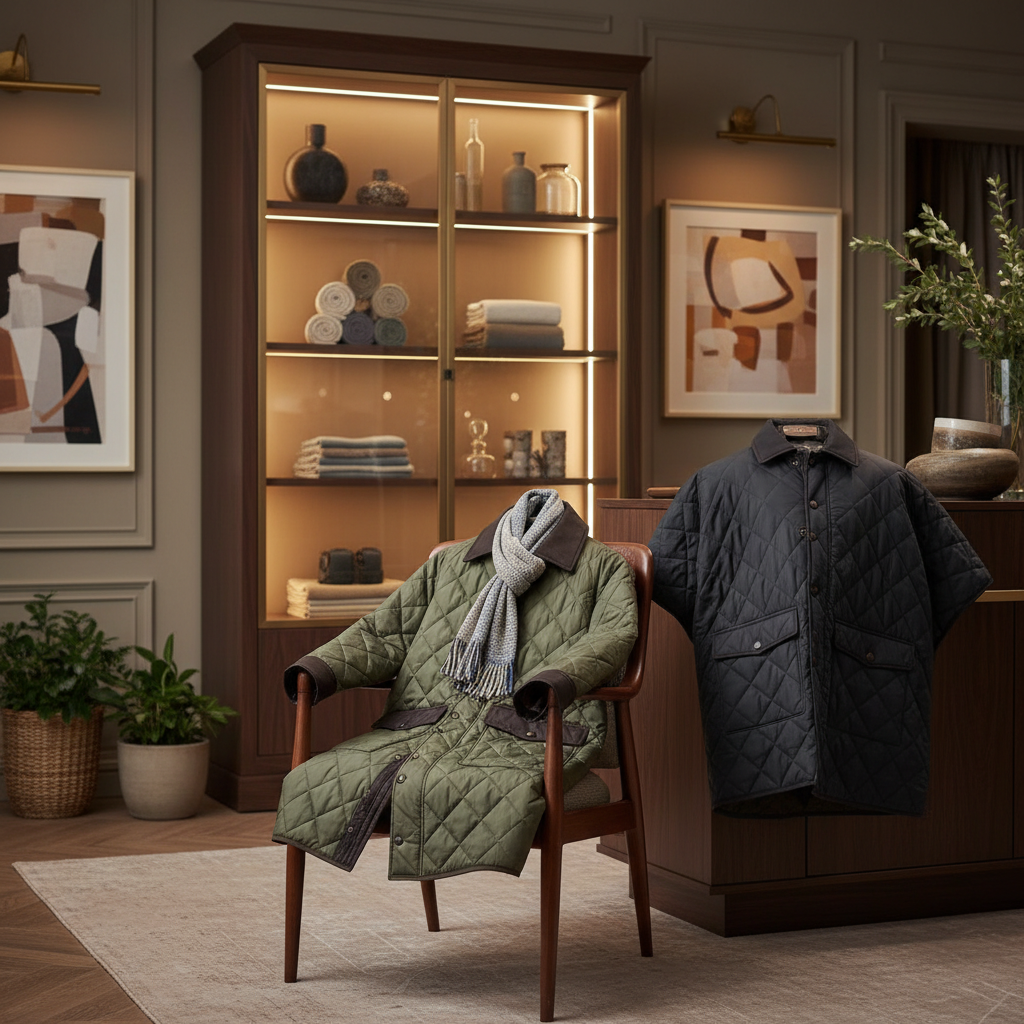
Mens Quilted Raincoat A Comprehensive Guide to Style and Weather Protection
Finding the right raincoat is essential for staying dry and comfortable, especially when navigating unpredictable weather. A mens quilted raincoat offers a fantastic blend of practicality and style. This article delves into the benefits of quilted raincoats, key features to look for, how to choose the perfect fit, and care tips to ensure longevity. We'll explore why a quilted raincoat from SXZY Raincoat is an excellent investment for any weather condition. Quilted raincoats stand out due to their unique construction. The quilting process involves stitching layers of fabric together, typically with a layer of insulation in between. This not only adds a stylish aesthetic but also provides excellent warmth and comfort. Unlike standard raincoats that can feel stiff and uncomfortable, quilted versions offer a softer, more forgiving feel. The quilted design traps air, creating an insulating barrier against the cold, making them ideal for cooler, wetter climates.


