



Durable Construction Rain Coat for Safety & Comfort | Global Workwear Solutions

Nov . 24, 2025 15:34
Why Construction Rain Coats Matter Globally: A Quick Look
Picture this: workers bustling under heavy rain, tackling infrastructure projects critical for communities. Now, what keeps them dry, safe, and productive? Enter the construction rain coat. This seemingly humble garment isn’t just about staying dry — it represents a crucial interface between safety, efficiency, and comfort in often harsh working environments worldwide.
Globally, with increasing infrastructure spending and weather unpredictability (thanks climate change, right?), construction rain coats have become indispensable. Understanding their benefits means appreciating how they help reduce downtime, prevent health risks, and even promote sustainable workwear standards.
Setting the Stage: Construction Rain Coats in a Global Context
According to the International Labour Organization (ILO), more than 270 million workplace accidents happen each year, many aggravated by weather conditions like rain or cold. Rain gear on construction sites isn’t just comfort — it’s a key safety gear. Moreover, the UN reports a global infrastructure investment required of roughly $94 trillion by 2040, a great portion happening outdoors. This spells more demand for reliable waterproof gear like construction rain coats.
Yet challenges remain: many workers in developing regions have subpar protection, increasing injury risk and project delays. Construction rain coats tackle these issues head-on, making them vital worldwide, from megacities to remote industrial zones.
What Exactly Is a Construction Rain Coat?
Simply put, a construction rain coat is a durable, waterproof garment designed specifically for outdoor workers exposed to wet weather during heavy-duty tasks. Unlike generic rainwear, these coats focus on features required on construction sites — think reinforced seams, bright visibility strips, ease of movement, and resistance to abrasion.
They bridge the gap between industrial workwear and practical weather protection, improving workers' health and safety while aligning with construction and humanitarian needs. For sectors like post-disaster reconstruction or large-scale urban developments, these coats can mean the difference between keeping momentum and costly downtime.
Breaking Down Core Features of Construction Rain Coats
Durability and Abrasion Resistance
Construction sites are harsh. Coats must withstand tears, spills, and spontaneous scrapes against concrete or steel. Quality materials like reinforced polyester or nylon blends are the usual suspects, giving garments an edge over everyday rain wear.
Waterproofing & Breathability
Seam-sealed waterproof membranes keep rain firmly out but breathe well enough to prevent overheating — a tricky balance. Membranes such as microporous PU or laminated fabrics do the trick, maintaining worker comfort and dryness over long shifts.
Visibility & Safety Features
High-visibility strips and bright colors (usually FF4 orange or safety yellow) are industry standards, ensuring workers remain seen in poor light or heavy rain, a crucial factor for accident prevention.
Ergonomic Design & Comfort
Movement matters. Stretch panels, adjustable cuffs, and articulated sleeves enhance mobility, allowing workers to perform complex tasks without struggling with cumbersome gear.
Ease of Maintenance
Rugged use leads to grime; however, these coats are typically machine washable and quick-drying, factors important for both daily turnarounds and cost efficiency.
Environmental Sustainability
Increasingly, brands use recycled fabrics and eco-friendly waterproof coatings, pitching sustainability alongside performance — a modern win-win.
Mini takeaway: At its core, a construction rain coat is about tough, clever design blending protection, comfort, and safety so workers can focus on their job, rain or shine.
Global Applications: Where and How Construction Rain Coats Make a Difference
From the monsoon-swept subcontinent to wet winter zones of Europe and North America, construction rain coats find a home worldwide. Major infrastructure projects in South East Asia depend heavily on reliable rain gear to meet their timelines.
In disaster relief scenarios — say after flooding in Mozambique — aid workers and construction teams rely on such gear to rebuild efficiently despite adverse weather. Mining operations in Australia’s rainy wet season also use specially tailored rain coats that handle the unique demands of their environment.
Even in urban megaprojects, like tunnel construction under cities prone to heavy rainfall, workers cannot afford wet gear. So, you see, these coats are everywhere — supporting billions in construction investments, protecting skilled labor, and more.
Advantages and Long-Term Value of Construction Rain Coats
- Cost-efficiency: Reduces downtime caused by rain exposure, preventing schedule slips and related financial hits.
- Worker Safety & Health: Minimizes risk of cold-related illnesses and accidents due to impaired mobility or visibility.
- Social Impact: Promotes dignity by providing reliable protective gear, important especially in developing regions.
- Environmental Benefits: Sustainable materials contribute to lowering overall carbon footprint.
- Reliability: Robust construction means longer product lifespan, less frequent replacements.
Put simply, well-designed construction rain coats enhance operational continuity while championing worker well-being and corporate responsibility.
Product Specifications Table
| Feature | Specification | Benefit |
|---|---|---|
| Material | Reinforced 300D nylon with PU coating | High tear resistance & waterproof |
| Waterproof Rating | 10,000 mm (hydrostatic head) | Keeps even heavy rain out |
| Ventilation | Underarm mesh panels | Prevents overheating |
| Visibility | Reflective 3M strips, hi-vis yellow | Enhances worker safety |
| Closure | Storm flap with Velcro & zipper | Extra protection against wind/rain |
Comparing Top Construction Rain Coat Vendors
| Vendor | Waterproof Rating | Price Range (USD) | Sustainability Focus | Key Market |
|---|---|---|---|---|
| AquaGuard Workwear | 12,000 mm | 50–90 | 50% recycled polyester | North America, Europe |
| StormShield Gear | 10,000 mm | 40–75 | Biodegradable membranes | Asia-Pacific |
| RainSafe Pro | 8,500 mm | 35–60 | Standard fabrics, non-sustainable | Global |
Looking Ahead: Future Trends in Construction Rain Coats
Innovation won’t stop at keeping us dry. Smart rain coats embedded with flexible sensors to track worker vitals and environmental conditions are emerging. Green manufacturing is pushing the envelope on using plant-based waterproof coatings instead of traditional chemicals, reducing ecological harm without sacrificing performance.
Automation in textile production also brings consistency and cost-efficiency. Digital customization allows companies to tailor rain coats to specific sites or hazards quickly, making procurement more agile.
Overcoming Challenges: What’s Holding Back Broader Adoption?
Frankly, cost is often a barrier for small contractors or in low-income regions. The tradeoff between price and quality means some workers end up with poorly fitting or less durable gear, compromising safety.
Distribution logistics in remote zones also delay timely access to appropriate rain coats — a frustrating bottleneck during emergency rebuilds or seasonal monsoon periods.
Experts suggest stronger partnership models among suppliers, governments, and NGOs could solve these issues, fostering local manufacturing and streamlined supply chains.
FAQs About Construction Rain Coats
Q1: How do construction rain coats differ from regular rain jackets?
A1: Construction rain coats are engineered specifically for heavy-duty use on job sites. They feature reinforced materials, visibility strips, and ergonomic design to withstand rugged conditions and promote safety, unlike standard rain jackets built mostly for casual use.
Q2: Can construction rain coats be customized for specific industries?
A2: Absolutely. Many manufacturers offer tailored options such as extra pockets, insulated linings, or hazard-specific colors depending on industries like mining, utilities, or emergency relief.
Q3: What’s the average lifespan of a high-quality construction rain coat?
A3: With proper care, these coats last 2–5 years on average, though durability depends on frequency of use and environmental conditions.
Q4: Are eco-friendly construction rain coats as effective as traditional ones?
A4: Innovative eco-friendly materials and coatings now provide comparable waterproofing and durability, so they’re increasingly favored by companies with sustainability goals.
Q5: Where can I find reliable suppliers of construction rain coats?
A5: Trusted vendors include companies like AquaGuard Workwear or StormShield Gear, many of which ship globally. For more options, visit construction rain coat.
Wrapping Up: Construction Rain Coats — A Small Gear With Big Impact
As tough as the environments they serve, construction rain coats blend technology, safety, and comfort. They pay back their cost many times over by protecting workers, improving efficiency, and reducing downtime. With future innovations and wider adoption on the horizon, these garments will continue supporting vital infrastructure projects spanning the globe.
If you’re responsible for outfitting teams or sourcing durable workwear, don’t underestimate the humble rain coat’s role — and if you want to explore options, visit construction rain coat for trusted products and expert guidance.
References

Related Products
Related News

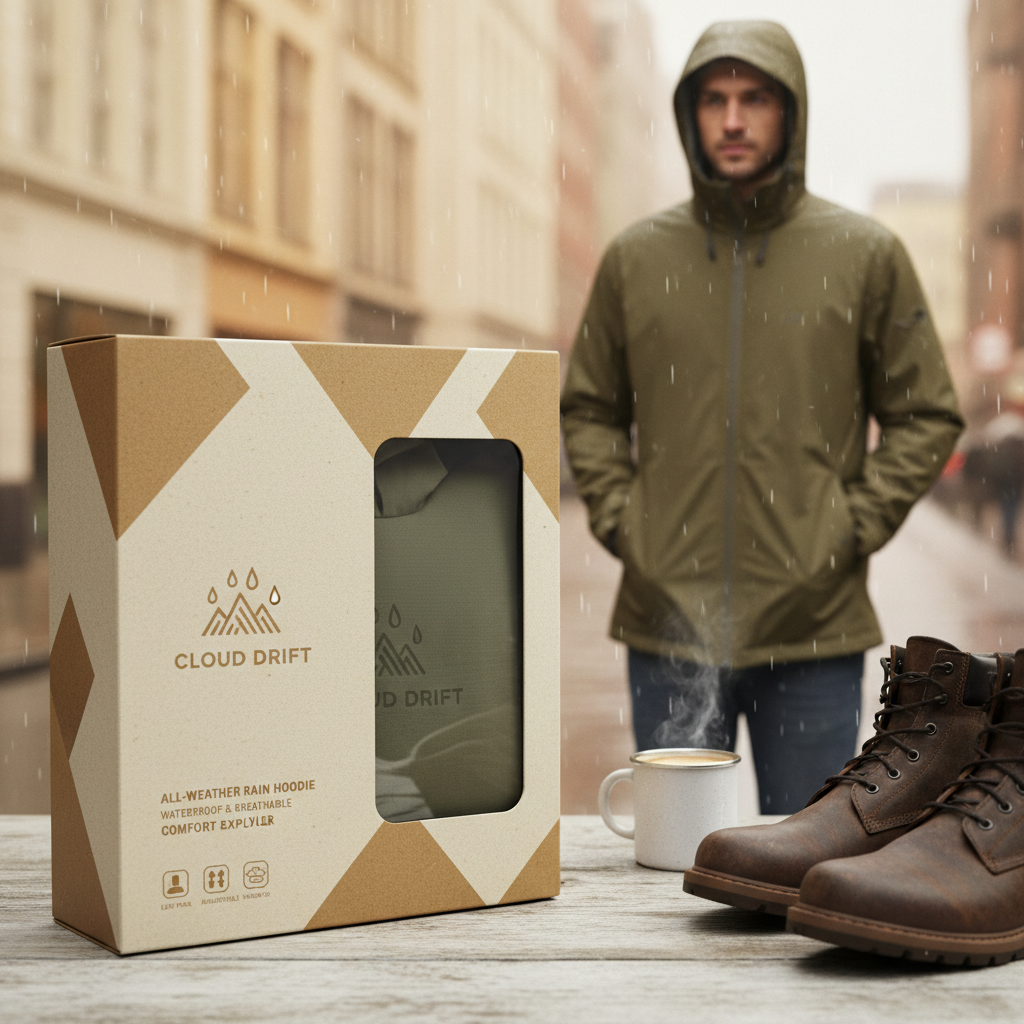
2026-04-16 02:35:36
The Ultimate Guide to Choosing a Premium Mens Rain Hoodie
Facing unpredictable weather requires more than just a simple umbrella; it demands gear that blends functionality with modern aesthetics. A high-quality mens rain hoodie is the perfect solution for the modern man who refuses to let a downpour disrupt his day. Whether you are commuting to the office, hiking a misty trail, or running weekend errands, the right rainwear ensures you stay dry without sacrificing comfort. In this comprehensive guide, we will explore what makes a rain hoodie truly effective, from fabric technology to essential design features, helping you make an informed investment in your wardrobe.
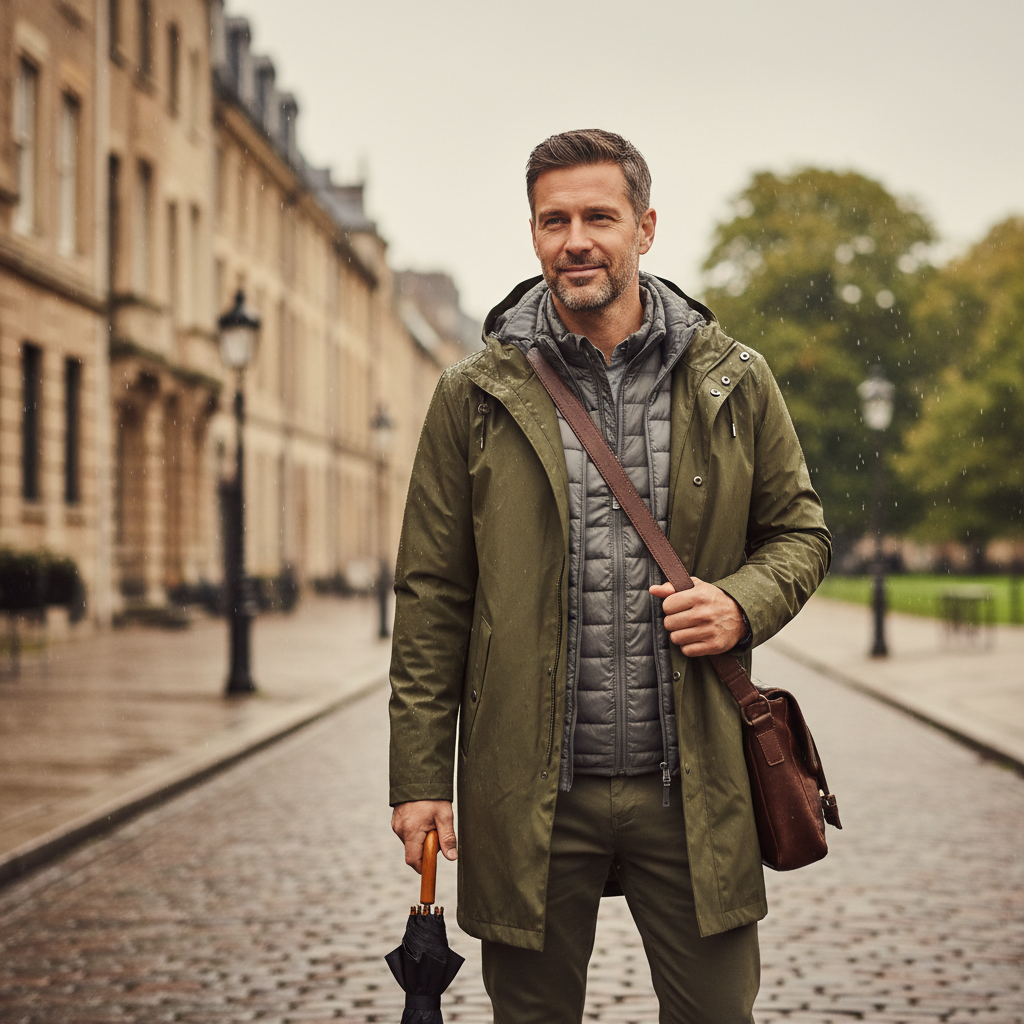
2026-04-09 02:45:09
Best Mens Rain Coat with Removable Liner for All Weather Protection
Facing unpredictable weather requires a wardrobe that is as flexible as your schedule. A mens rain coat with removable liner is the gold standard for versatility, offering a 2-in-1 solution that transitions seamlessly from a light spring drizzle to a freezing winter storm. Instead of cluttering your closet with multiple heavy jackets, a modular system allows you to customize your warmth based on the temperature. In this guide, we will explore why this specific design is essential for the modern man, how to identify high-quality materials, and how to maximize your investment for years of reliable protection.
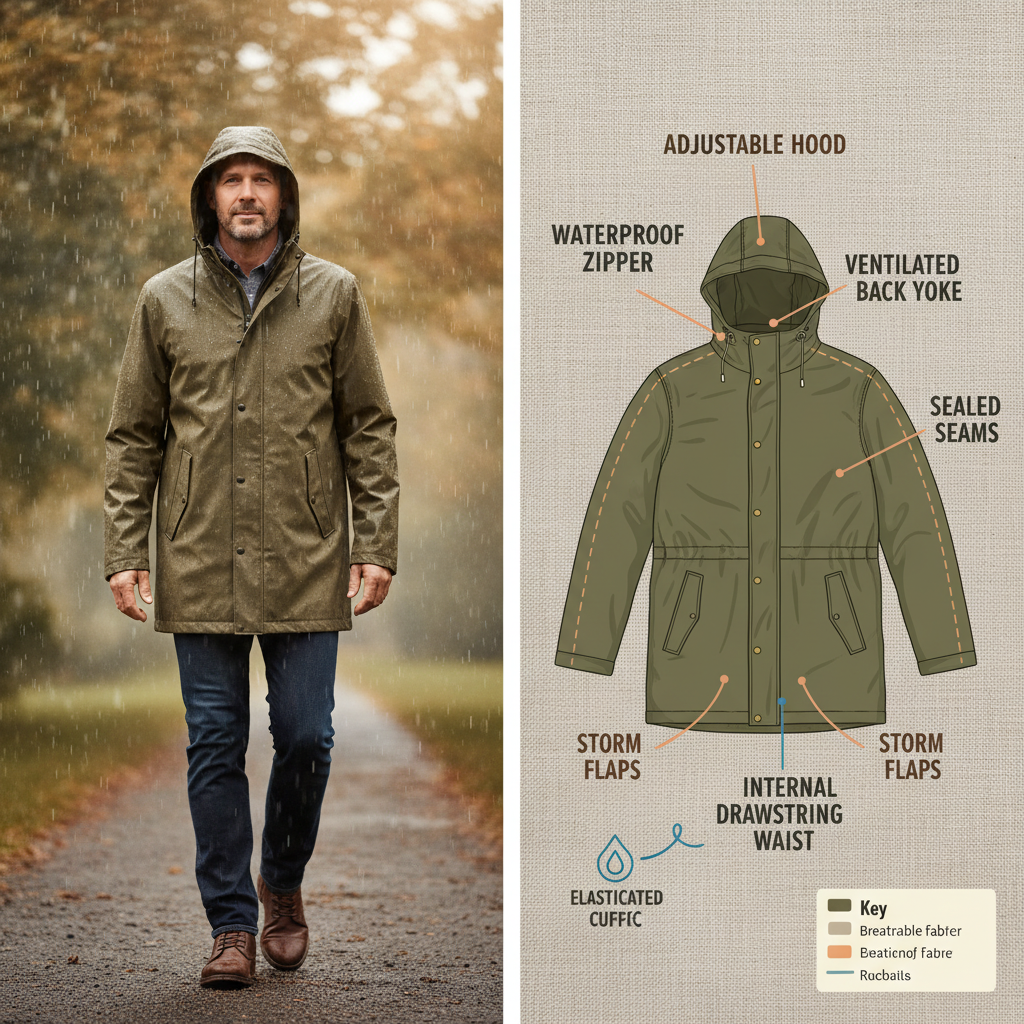
2026-04-07 02:35:18
Comprehensive Guide to Selecting the Perfect Mens Rain Coat with Hood
Finding the right mens rain coat with hood is crucial for staying dry and comfortable in wet weather. Whether you're commuting to work, enjoying outdoor activities, or simply running errands, a reliable raincoat can make all the difference. This article will explore the key features, benefits, and considerations when choosing a rain coat, helping you make an informed decision. We'll cover everything from materials and waterproofing to fit and style. Choosing a high-quality raincoat is an investment in your comfort and protection.
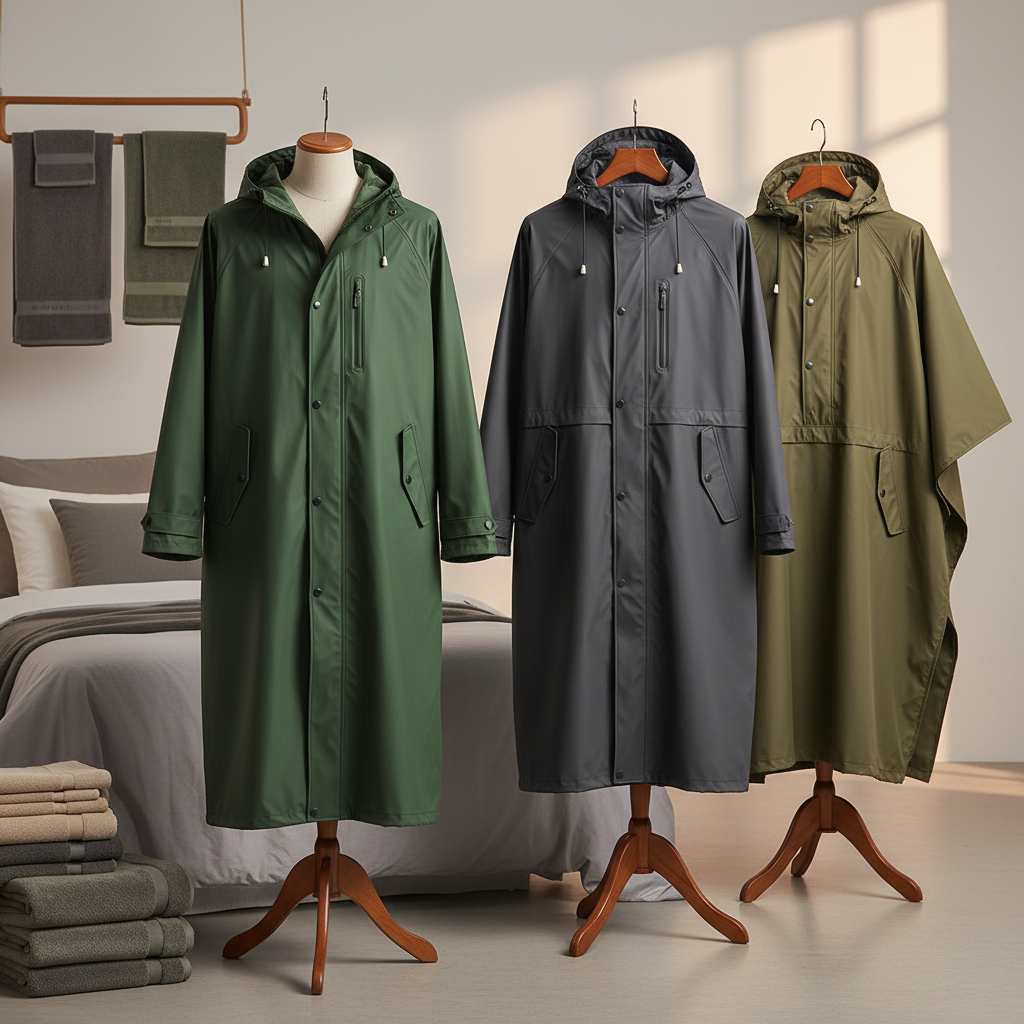
2026-04-04 02:45:18
Comprehensive Guide to Mens Rain Coat Waterproof Options and Features
Staying dry and comfortable in wet weather is crucial, and a high-quality mens rain coat waterproof is an essential part of any outdoor wardrobe. Choosing the right raincoat can make all the difference, protecting you from the elements while offering comfort and durability. This article will cover everything you need to know about waterproof raincoats, including materials, features, and how to choose the best one for your needs. We'll also highlight why SXZY Raincoat offers exceptional quality and value.

2026-03-31 02:35:27
Stylish Mens Rain Coat Dress for Ultimate Weather Protection
When the weather turns unpredictable, a stylish and functional mens rain coat dress is an essential addition to any wardrobe. No longer just about staying dry, rain coats have evolved into fashion statements, offering a blend of practicality and elegance. This article explores the benefits, styles, and key features to look for when choosing the perfect rain coat dress, ensuring you stay comfortable and on-trend, whatever the weather. We'll also highlight how SXZY Raincoat provides quality and style in their collection.
2026-03-28 02:55:02
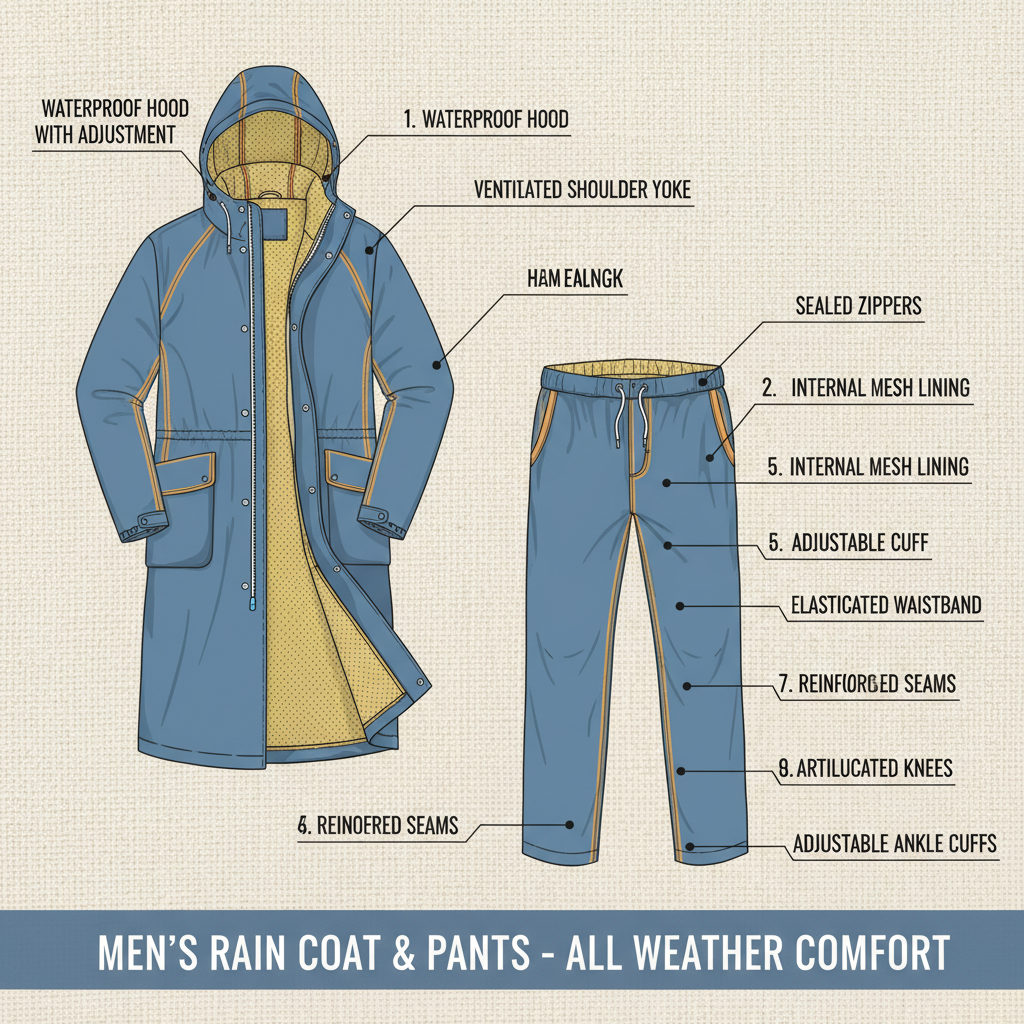
Comprehensive Guide to Mens Rain Coat and Pants for Optimal Weather Protection
Staying dry and comfortable during inclement weather is crucial, and having the right rain gear can make all the difference. Mens rain coat and pants sets offer superior protection against rain, wind, and cold. This article will explore the benefits of owning a quality rain suit, factors to consider when choosing one, and highlight the exceptional products offered by sxzyraincoat.com. Invest in a reliable rain suit to ensure you're prepared for any weather challenge.
2026-03-26 02:35:30
Choosing the Right Mens Rain Coat for Optimal Weather Protection
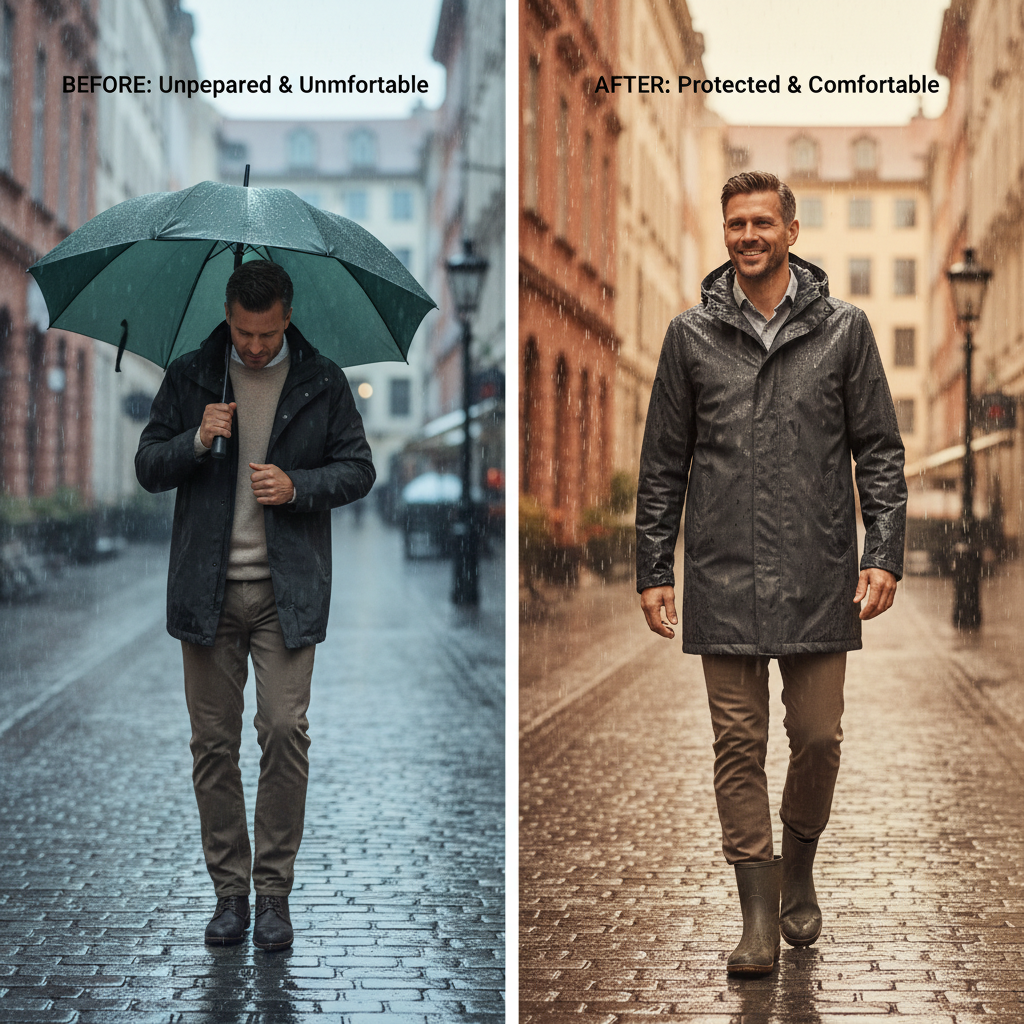
Staying dry and comfortable in inclement weather is crucial, and selecting the right mens rain coat is paramount. From everyday commutes to outdoor adventures, a quality raincoat provides essential protection. This article will explore the key features to consider when choosing a mens rain coat, different types available, and how to find the perfect fit for your needs. We'll also highlight the benefits of investing in a durable and reliable raincoat that can withstand various weather conditions. The material of a mens rain coat significantly impacts its waterproofness, breathability, and durability. Common materials include PVC, polyurethane (PU), and Gore-Tex. PVC is affordable but less breathable, leading to discomfort during strenuous activity. PU offers a good balance of waterproofness and breathability. Gore-Tex is a premium option known for its exceptional waterproofness and breathability, making it ideal for demanding conditions.
2026-03-24 02:45:24
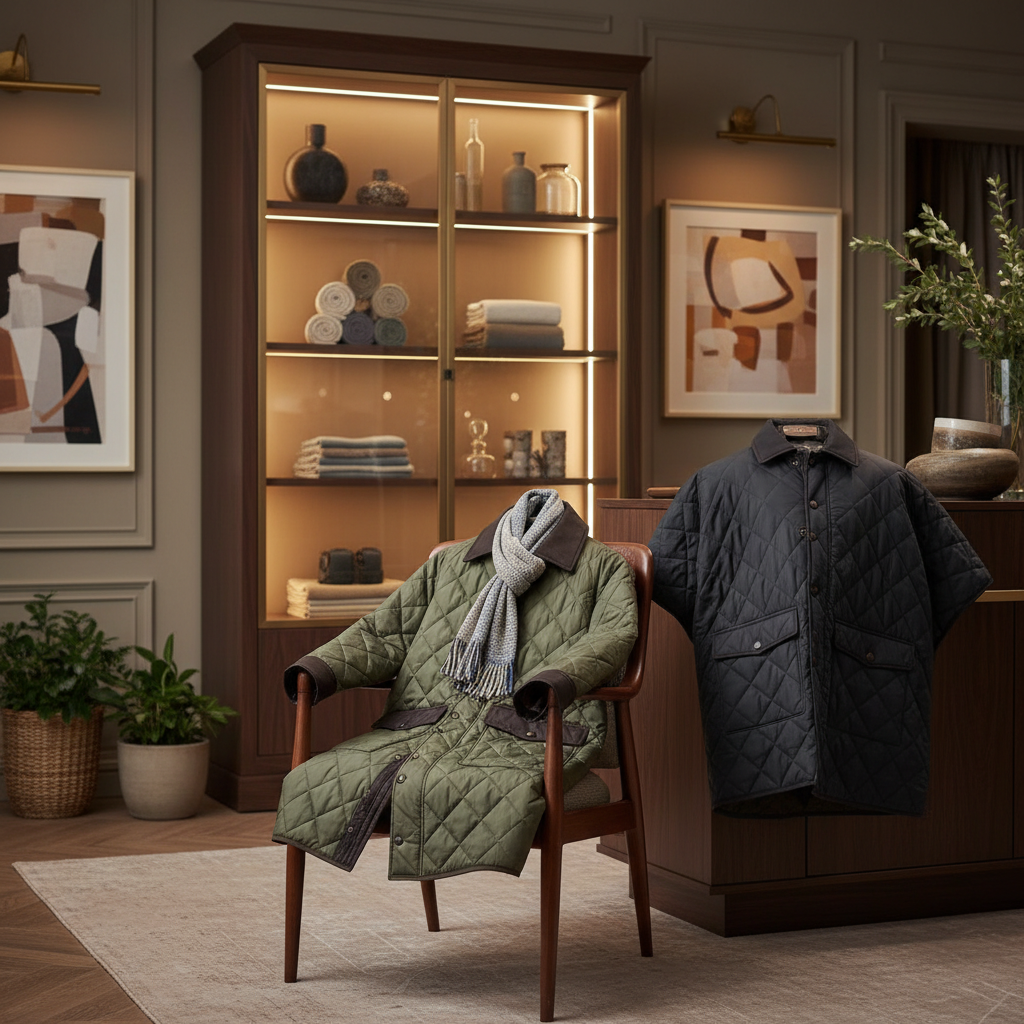
Mens Quilted Raincoat A Comprehensive Guide to Style and Weather Protection
Finding the right raincoat is essential for staying dry and comfortable, especially when navigating unpredictable weather. A mens quilted raincoat offers a fantastic blend of practicality and style. This article delves into the benefits of quilted raincoats, key features to look for, how to choose the perfect fit, and care tips to ensure longevity. We'll explore why a quilted raincoat from SXZY Raincoat is an excellent investment for any weather condition. Quilted raincoats stand out due to their unique construction. The quilting process involves stitching layers of fabric together, typically with a layer of insulation in between. This not only adds a stylish aesthetic but also provides excellent warmth and comfort. Unlike standard raincoats that can feel stiff and uncomfortable, quilted versions offer a softer, more forgiving feel. The quilted design traps air, creating an insulating barrier against the cold, making them ideal for cooler, wetter climates.


