



The Essential Guide to Coat Raincoats: Global Impact, Applications & Innovations

Nov . 24, 2025 15:37
What’s a Coat Raincoat and Why Does It Matter Globally?
At first glance, a coat raincoat might seem like just another piece of clothing—but look a little closer and you'll find it’s a cornerstone in tackling one of humanity’s oldest and most persistent challenges: staying dry in wet weather. Across the world, from tropical monsoon zones to damp, chilly cities, the right rain protection is crucial for health, productivity, and even dignity. Understanding the nuances behind raincoats, their materials, and their design can unlock benefits ranging from safeguarding vulnerable populations to improving outdoor work efficiency.
Especially in a world increasingly affected by climate change—with more unpredictable storms and heavier rainfall patterns recorded by the United Nations—rain gear isn’t just a convenience; it’s becoming an essential tool. That’s why diving into the world of coat raincoats and what makes them effective, sustainable, and widely accessible is a surprisingly rich topic.
Global Context: Rain Gear’s Role in Industry and Humanitarian Efforts
According to the World Bank, over 2 billion people live in areas with high annual rainfall exceeding 2,000 mm. For many workers, whether farmers in Southeast Asia’s wet rice fields or construction crews building infrastructure in rainy climates, basic rain protection profoundly impacts their safety and productivity.
But there’s a double challenge here. First, raincoats must be both affordable and durable for widespread distribution. Second—and less often talked about—they must accommodate diverse climates and uses. Refugee camps in flood-prone regions, for instance, have different coat raincoat needs than urban commuters in Europe.
What’s fascinating (and frustrating) is how many raincoats fail from poor materials or lack of design attention. A rundown raincoat isn’t just uncomfortable. It can lead to illness, missed work days, and in emergencies—even exacerbate hardships.
Mini takeaway:
- Raincoats are more than fashion—they are critical protective gear worldwide.
- Global rainfall trends make reliable raincoats increasingly vital.
- Distribution challenges remain especially in humanitarian contexts.
Defining Coat Raincoat: What Exactly Are We Talking About?
Simply put, a coat raincoat is an outer garment designed to repel rain, typically waterproof or water-resistant, covering the torso and often extending down to the knees or beyond. But in industrial and relief contexts, specifications vary widely based on use case.
Modern raincoats often incorporate innovative fabrics like polyurethane (PU), Gore-Tex, and more recently, recycled materials. The focus? Keep the wearer dry without sacrificing comfort or breathability.
Think of the coat raincoat as a marriage between traditional garment design and evolving technology: It has to meet weather challenges, manufacturing constraints, and user needs simultaneously.
Mini takeaway:
- Raincoats combine waterproof materials with design to enhance comfort.
- Technological improvements have made modern raincoats lighter, more breathable, and eco-friendlier.
Key Factors Behind Effective Coat Raincoats
1. Durability
Raincoats that rip or lose waterproofing after a few uses quickly become useless—especially in high-demand environments like construction or relief camps. Durable coatings and robust textiles extend wear life, reducing replacement frequency and waste.
2. Breathability
Oddly enough, the best raincoats don’t trap sweat. Materials that allow moisture vapor to escape keep the wearer comfortable, especially during physical work or long-term use.
3. Weight and Packability
Field workers and emergency responders often need rain protection on the go. Lightweight raincoats that fold compactly into bags or pockets offer real-world convenience.
4. Cost Efficiency
In mass distribution—think NGO programs in flood-prone areas—production and retail costs need balancing against quality. The trick lies in sourcing materials and manufacturing setups that maximize value.
5. Environmental Impact
Modern consumers and organizations increasingly prioritize sustainability. Brands adopting recycled or biodegradable fabrics can reduce the carbon footprint associated with raincoat production and disposal.
Mini takeaway:
- Durability and breathability keep raincoats functional and comfortable.
- Affordability and sustainability increasingly shape production choices.
How and Where Do Coat Raincoats Serve the Globe?
Applications vary from everyday urban commuters facing rain delays to emergency responders in cyclone-hit coastal regions. Regions like Bangladesh, with intense monsoon seasons, rely heavily on affordable rainwear distributed through NGOs and government programs.
In heavy industries—mining, forestry, maritime—the demand for specialized raincoats is high. For example, waterproof gear robust enough to withstand both rain and mechanical wear is critical for worker safety.
Case in point: In 2022, several European disaster relief organizations supplied modular coat raincoats to flood zones. These coats incorporated reflective trims and eco-friendly fabrics, providing better visibility and sustainability in aid efforts.
| Feature | Standard Value | Remarks |
|---|---|---|
| Waterproof Rating | >10,000 mm H2O | High resistance to heavy rain |
| Breathability (MVTR) | ≥5,000 g/m²/24h | Moisture vapor transmission rate |
| Weight | 250–400 g / coat | Light enough for portability |
| Material | Polyester with PU or TPU coating | Common waterproof laminate |
| Packability | Fits in 1L pouch | Convenient for travel & rapid deployment |
Mini takeaway:
- Coat raincoats are essential not just for cities but in challenging environments worldwide.
- Key industries and NGOs rely on careful specification to meet diverse needs.
Why Investing in a Quality Coat Raincoat Pays Off
There’s a kind of practical poetry in a well-made raincoat: the moment you slip it on, you’re shielded from the elements, empowered to keep moving forward. For organizations, that translates to fewer sick days, increased morale, and reputation for caring. For individuals, it’s about comfort, safety, and sometimes, basic dignity.
From a sustainable perspective, a longer-lasting raincoat reduces textile waste and lessens environmental impact. Some manufacturers now even offer repair services or recycled take-back programs—which feels a little like rain gear coming full circle.
And frankly? There’s also a degree of trust involved. A trustworthy raincoat means people can plan their days, commute or work in peace, and not worry about getting drenched.
Peering Ahead: Trends Shaping the Future of Raincoats
Eco-conscious materials are becoming a norm rather than a niche—recycled PET fabrics and bio-based polyurethane are popping up regularly. Digital printing techniques and new seam-sealing methods also boost efficiency and customization. Imagine a raincoat that’s perfectly sized and optimized for your exact climate.
Automation in manufacturing is slashing costs, making high-quality raincoats more accessible globally. Meanwhile, smart textiles with water-repellent properties that can be ‘recharged’ or respond to moisture levels could be next.
Mini takeaway:
- Sustainability and smart materials are the future of raincoat design.
- Manufacturing advances enable better, cheaper, more customizable options.
Challenges and Solutions in Coat Raincoat Adoption
Despite advances, challenges remain: balancing cost and quality is never straightforward. Cheap raincoats often fail fast, while premium coats may be out of reach for those who need them most.
Innovations like modular design (replaceable liners or layered shells) might bridge gaps. NGOs are also experimenting with localized manufacturing hubs to reduce shipping costs and better tailor products for regional needs.
Weather testing standards (ISO 4920, ASTM) guide quality evaluation, yet many manufacturers skip rigorous assessment to save costs. Raising industry-wide standards could spur better outcomes.
Vendor Comparison: How Market Leaders Stack Up
| Vendor | Material Quality | Price Range (USD) | Sustainability Practices | Lead Time |
|---|---|---|---|---|
| AquaShield Co. | High – Gore-Tex Laminates | $50–$120 | Recycled Polyester, Carbon Neutral | 4 weeks |
| RainGuard Intl. | Medium – PU Coated Polyester | $15–$45 | Limited Recycled Content | 2–3 weeks |
| EcoShell Apparel | Medium-High – Biodegradable TPU | $40–$80 | Compostable Fabrics | 5 weeks |
Frequently Asked Questions About Coat Raincoats
Q1: What materials make a raincoat truly waterproof?
Quality raincoats typically use laminated fabrics like Gore-Tex or polyurethane coatings. These layers create a barrier against water while allowing sweat to escape. The difference between water-resistant and waterproof lies largely in these coatings and sealed seams.
Q2: Are all raincoats suitable for heavy industrial use?
No, many fashion raincoats prioritize style over durability. Industrial raincoats usually feature reinforced fabrics and abrasion resistance. It’s important to select rainwear that meets workplace safety standards (such as ANSI or EN certifications) for hazardous environments.
Q3: How can NGOs ensure raincoats reach flood-affected populations quickly?
Partnering with local manufacturers or warehouses close to disaster zones can reduce shipping delays. Bulk purchasing, standard designs, and modular features also speed up deployment. Many NGOs work with vendors who specialize in humanitarian logistics.
Q4: What’s the average lifespan of a raincoat used daily?
Depending on material quality and care, a good-quality coat raincoat can last 1–3 years of daily use. Cheaper options can fail within months. Regular reproofing and proper storage help extend life.
Q5: Are raincoats eco-friendly?
Traditionally, rainwear materials were petroleum-based and non-biodegradable. However, newer options using recycled polyester and bio-based coatings are reducing environmental impact. Check vendor claims and certifications for sustainability.
Conclusion: Why a Coat Raincoat Remains a Smart Investment
Ultimately, a well-designed coat raincoat blends functionality, comfort, and sustainability, making it far more than just a weather accessory. Whether you’re outfitting workers, travelers, or vulnerable communities, investing in the right raincoat can transform daily life and operations, protecting health, productivity, and dignity.
If you’re interested in exploring better rainwear solutions, check out our selections at coat raincoat—where innovative design meets real-world needs.
References & Further Reading

Related Products
Related News

2026-04-16 02:35:36
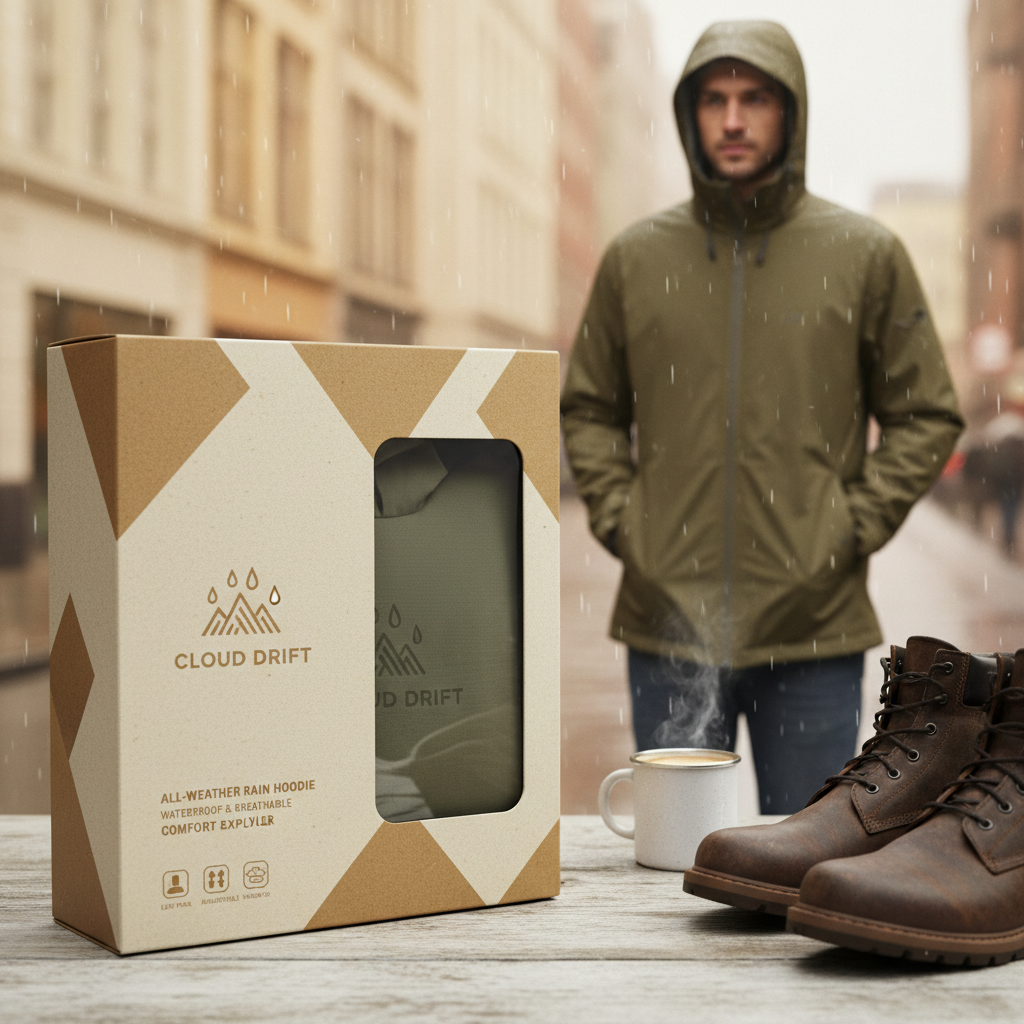
The Ultimate Guide to Choosing a Premium Mens Rain Hoodie
Facing unpredictable weather requires more than just a simple umbrella; it demands gear that blends functionality with modern aesthetics. A high-quality mens rain hoodie is the perfect solution for the modern man who refuses to let a downpour disrupt his day. Whether you are commuting to the office, hiking a misty trail, or running weekend errands, the right rainwear ensures you stay dry without sacrificing comfort. In this comprehensive guide, we will explore what makes a rain hoodie truly effective, from fabric technology to essential design features, helping you make an informed investment in your wardrobe.
2026-04-09 02:45:09
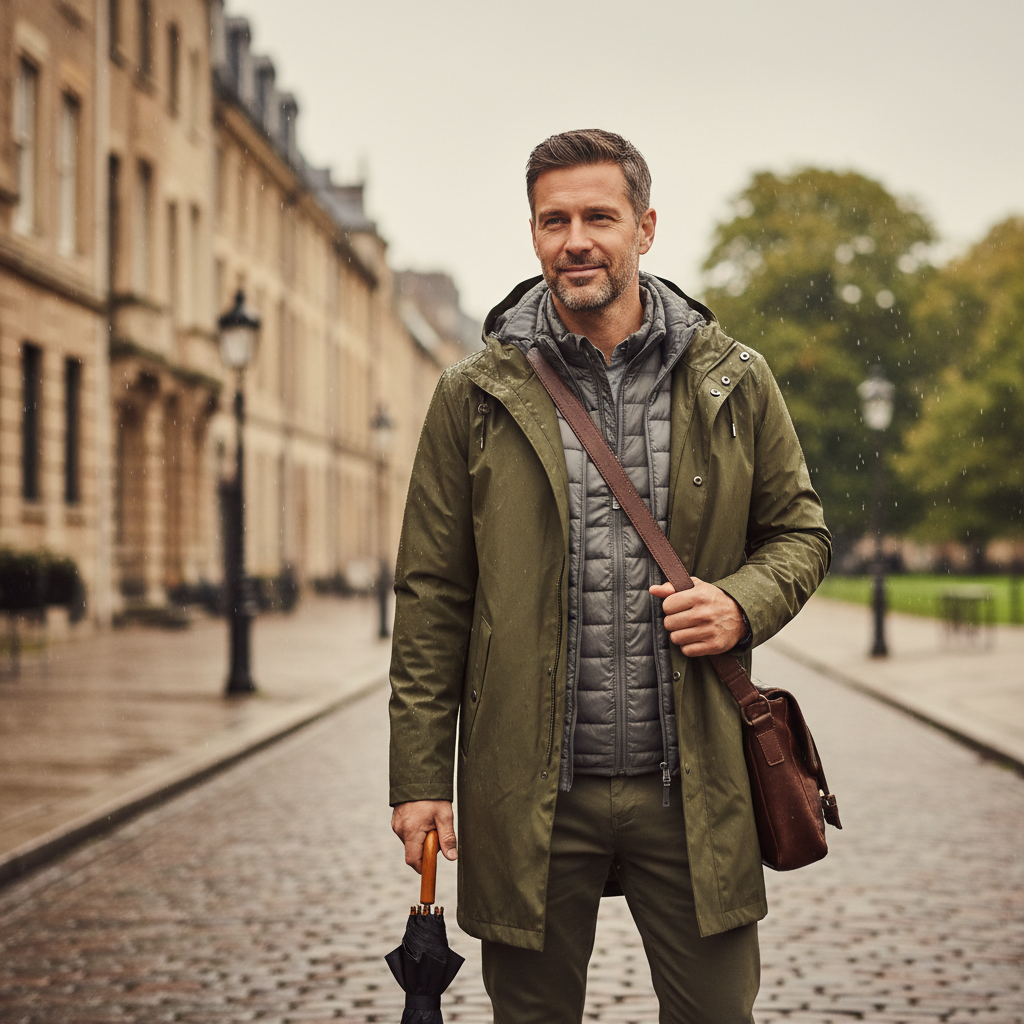
Best Mens Rain Coat with Removable Liner for All Weather Protection
Facing unpredictable weather requires a wardrobe that is as flexible as your schedule. A mens rain coat with removable liner is the gold standard for versatility, offering a 2-in-1 solution that transitions seamlessly from a light spring drizzle to a freezing winter storm. Instead of cluttering your closet with multiple heavy jackets, a modular system allows you to customize your warmth based on the temperature. In this guide, we will explore why this specific design is essential for the modern man, how to identify high-quality materials, and how to maximize your investment for years of reliable protection.
2026-04-07 02:35:18
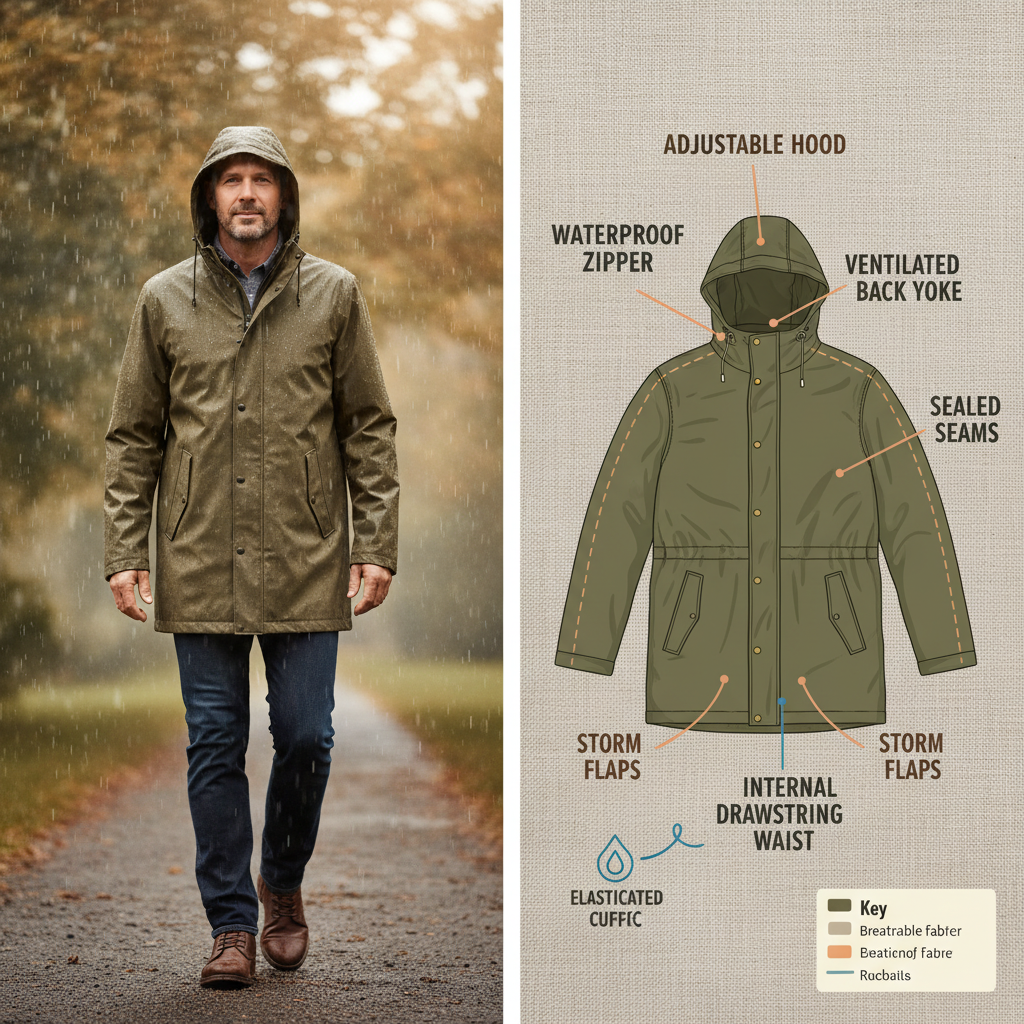
Comprehensive Guide to Selecting the Perfect Mens Rain Coat with Hood
Finding the right mens rain coat with hood is crucial for staying dry and comfortable in wet weather. Whether you're commuting to work, enjoying outdoor activities, or simply running errands, a reliable raincoat can make all the difference. This article will explore the key features, benefits, and considerations when choosing a rain coat, helping you make an informed decision. We'll cover everything from materials and waterproofing to fit and style. Choosing a high-quality raincoat is an investment in your comfort and protection.
2026-04-04 02:45:18
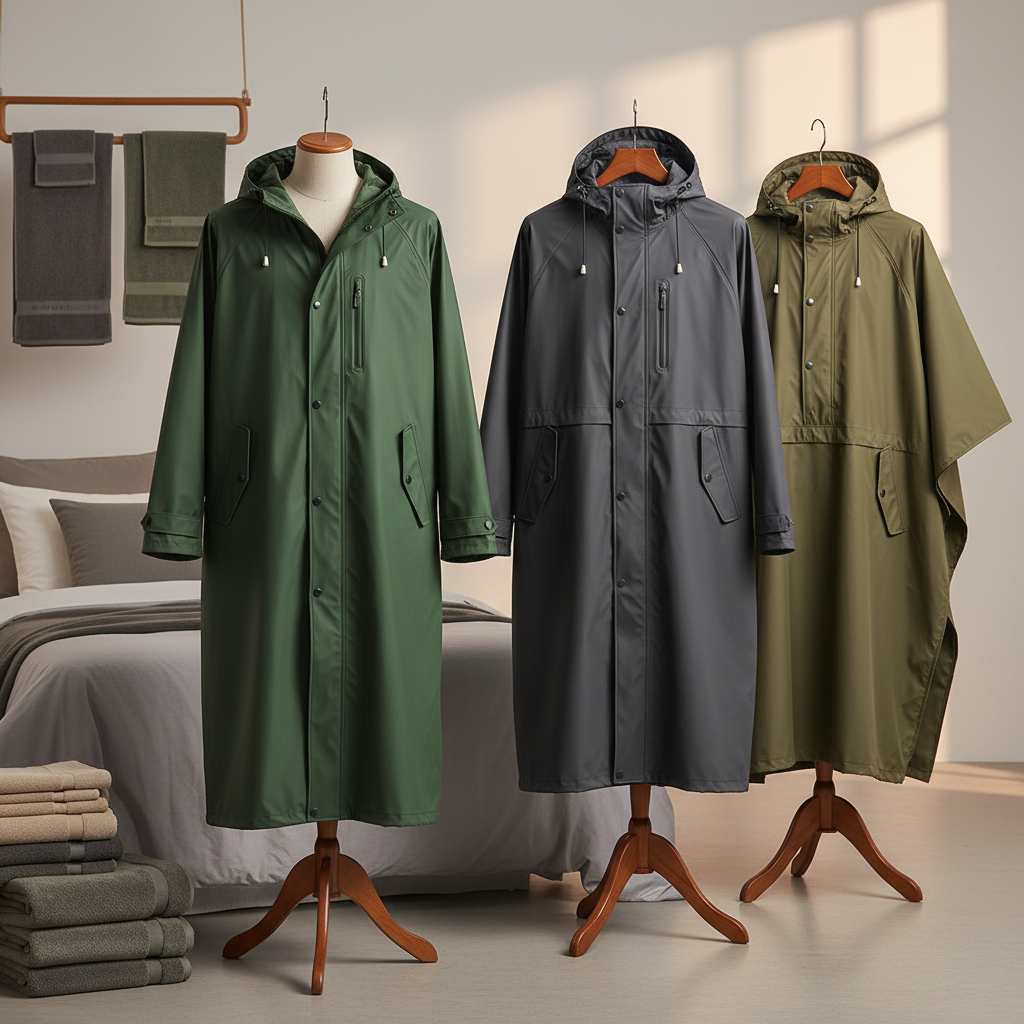
Comprehensive Guide to Mens Rain Coat Waterproof Options and Features
Staying dry and comfortable in wet weather is crucial, and a high-quality mens rain coat waterproof is an essential part of any outdoor wardrobe. Choosing the right raincoat can make all the difference, protecting you from the elements while offering comfort and durability. This article will cover everything you need to know about waterproof raincoats, including materials, features, and how to choose the best one for your needs. We'll also highlight why SXZY Raincoat offers exceptional quality and value.

2026-03-31 02:35:27
Stylish Mens Rain Coat Dress for Ultimate Weather Protection
When the weather turns unpredictable, a stylish and functional mens rain coat dress is an essential addition to any wardrobe. No longer just about staying dry, rain coats have evolved into fashion statements, offering a blend of practicality and elegance. This article explores the benefits, styles, and key features to look for when choosing the perfect rain coat dress, ensuring you stay comfortable and on-trend, whatever the weather. We'll also highlight how SXZY Raincoat provides quality and style in their collection.
2026-03-28 02:55:02
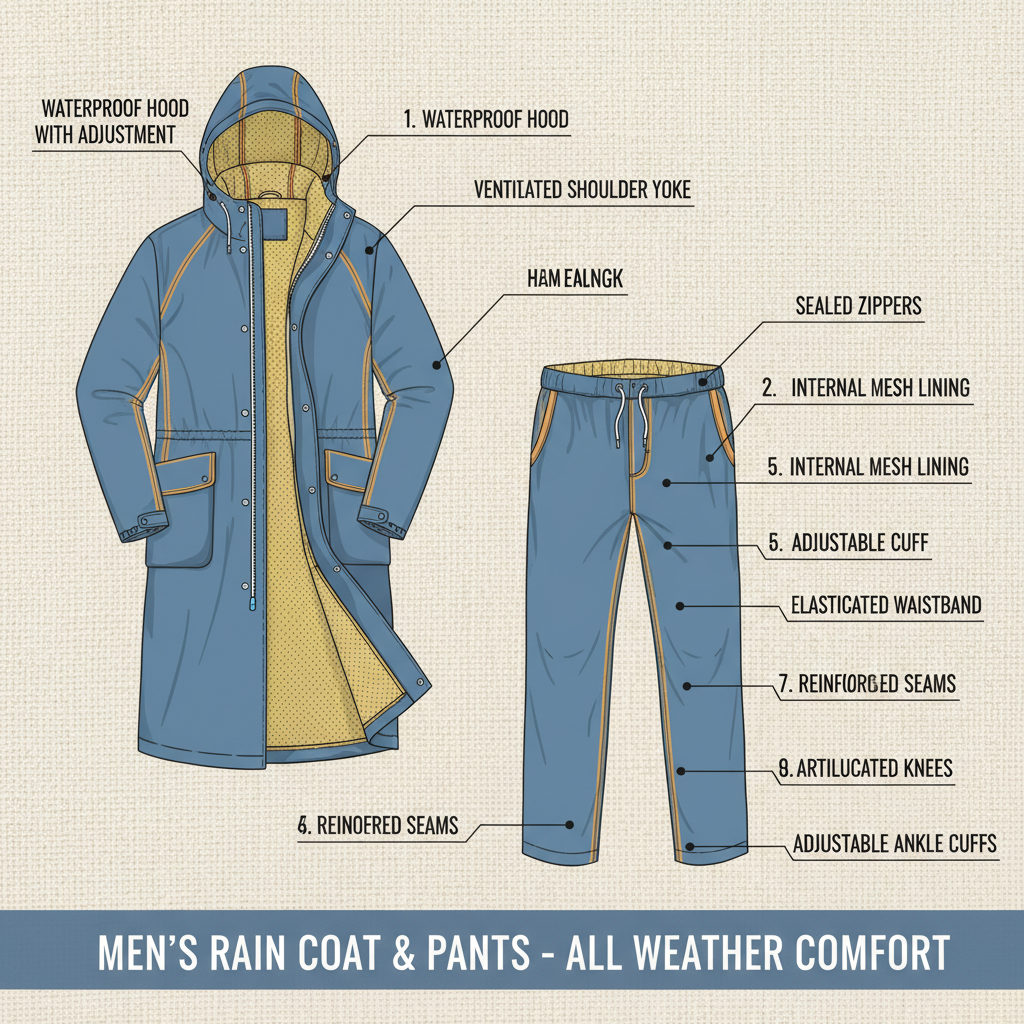
Comprehensive Guide to Mens Rain Coat and Pants for Optimal Weather Protection
Staying dry and comfortable during inclement weather is crucial, and having the right rain gear can make all the difference. Mens rain coat and pants sets offer superior protection against rain, wind, and cold. This article will explore the benefits of owning a quality rain suit, factors to consider when choosing one, and highlight the exceptional products offered by sxzyraincoat.com. Invest in a reliable rain suit to ensure you're prepared for any weather challenge.
2026-03-26 02:35:30
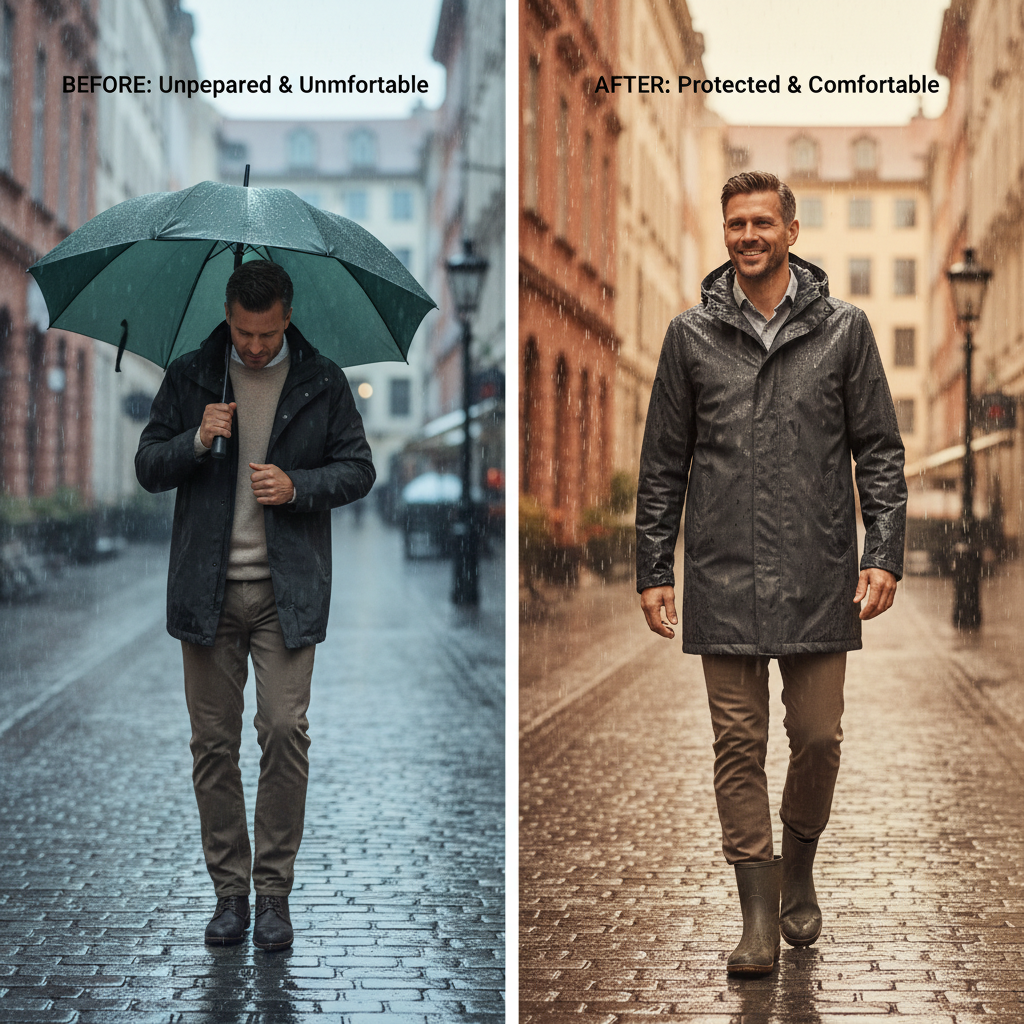
Choosing the Right Mens Rain Coat for Optimal Weather Protection
Staying dry and comfortable in inclement weather is crucial, and selecting the right mens rain coat is paramount. From everyday commutes to outdoor adventures, a quality raincoat provides essential protection. This article will explore the key features to consider when choosing a mens rain coat, different types available, and how to find the perfect fit for your needs. We'll also highlight the benefits of investing in a durable and reliable raincoat that can withstand various weather conditions. The material of a mens rain coat significantly impacts its waterproofness, breathability, and durability. Common materials include PVC, polyurethane (PU), and Gore-Tex. PVC is affordable but less breathable, leading to discomfort during strenuous activity. PU offers a good balance of waterproofness and breathability. Gore-Tex is a premium option known for its exceptional waterproofness and breathability, making it ideal for demanding conditions.
2026-03-24 02:45:24
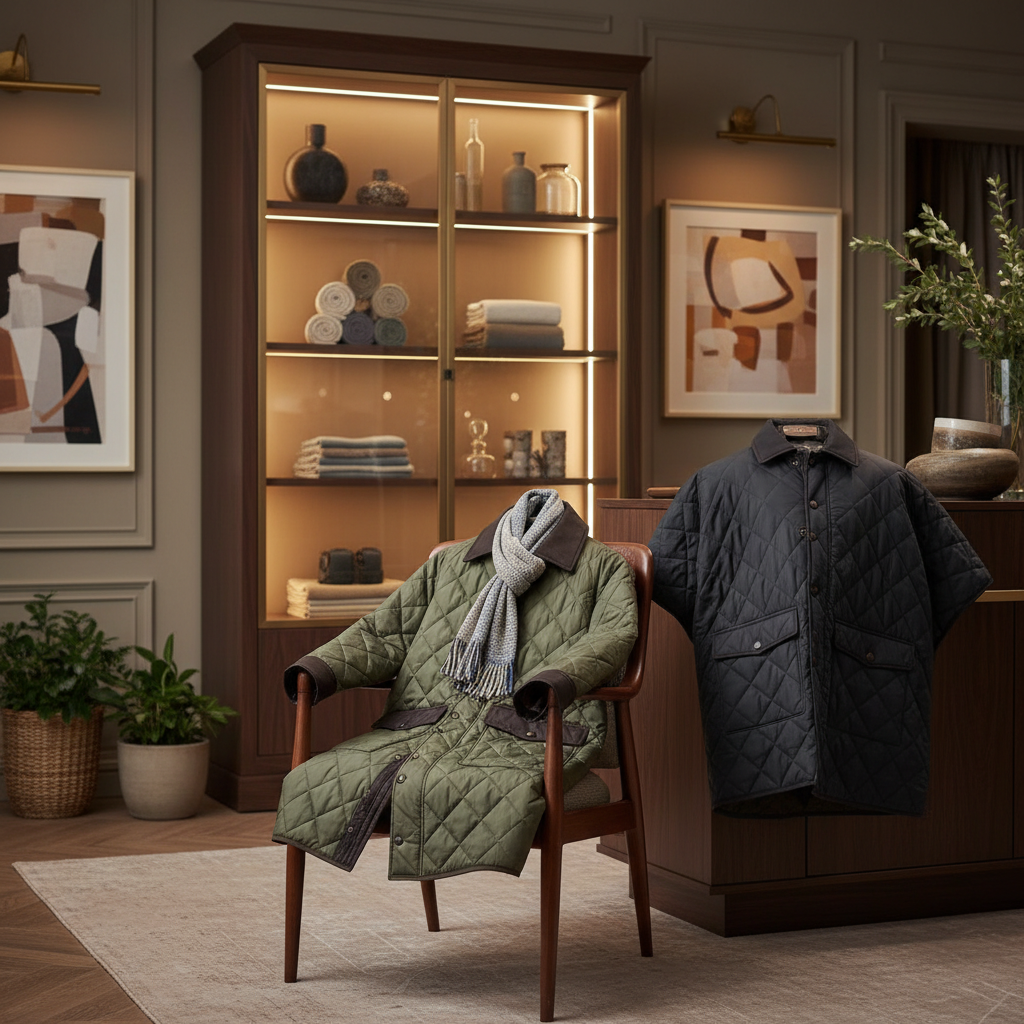
Mens Quilted Raincoat A Comprehensive Guide to Style and Weather Protection
Finding the right raincoat is essential for staying dry and comfortable, especially when navigating unpredictable weather. A mens quilted raincoat offers a fantastic blend of practicality and style. This article delves into the benefits of quilted raincoats, key features to look for, how to choose the perfect fit, and care tips to ensure longevity. We'll explore why a quilted raincoat from SXZY Raincoat is an excellent investment for any weather condition. Quilted raincoats stand out due to their unique construction. The quilting process involves stitching layers of fabric together, typically with a layer of insulation in between. This not only adds a stylish aesthetic but also provides excellent warmth and comfort. Unlike standard raincoats that can feel stiff and uncomfortable, quilted versions offer a softer, more forgiving feel. The quilted design traps air, creating an insulating barrier against the cold, making them ideal for cooler, wetter climates.


