



Durable Fisherman Raincoat for Harsh Marine Conditions | Quality Workwear

Nov . 27, 2025 10:55
The Fisherman Raincoat: More Than Just Outerwear
When you think of a fisherman raincoat, you likely picture a bright yellow, heavy-duty jacket shielding fishermen from the brutal elements at sea. But, frankly, a fisherman raincoat is much more than a simple item of clothing. Globally, these garments—designed with layers of waterproof materials and built tough to withstand harsh environments—play a crucial role in commercial fishing industries, humanitarian aid, and even extreme industrial work. Understanding the design, application, and innovations surrounding fisherman raincoats isn’t just a niche topic; it’s central to worker safety, sustainability, and even economic longevity in areas where weather threats are a constant challenge.
In fact, according to the World Meteorological Organization, over 70% of the world’s population lives near coastal areas where fishing and related marine activities are common and weather conditions can turn hazardous in minutes. That’s a big deal when you consider how many rely on reliable rainwear to stay dry, safe, and functional on the job.
Mini takeaway: Fisherman raincoats aren’t just rainwear—they’re frontline gear that supports global fishing industries and rescue operations alike.
Why Fisherman Raincoats Matter Worldwide
Globally, the fishing industry provides livelihoods for an estimated 200 million people according to the UN Food and Agriculture Organization (FAO). These workers often operate in treacherous weather—cold rain, bitter wind, near-freezing spray, and unpredictable storms. Without proper rainwear engineered for this environment, accidents and illness rates soar, productivity suffers, and economic stability falters.
It’s not just traditional fishermen who rely on these coats. Aid organizations and specialized industrial workers in regions with heavy rainfall or maritime exposure have begun adopting similar designs for protective wear. Surprisingly, the design principles of the fisherman raincoat affect even outdoor urban workwear, showcasing its impact far beyond the deck.
The main challenge addressed by these coats is simple: how to keep people dry and mobile in wet, windy, cold conditions without compromising comfort or safety. This seemingly humble garment is, in many ways, a frontline defense against environmental hazards.
What Exactly is a Fisherman Raincoat?
Simply put, a fisherman raincoat is a heavy-duty waterproof jacket traditionally made from oilcloth or modern synthetic waterproof fabrics like PVC or polyurethane. The coat typically features a lengthy silhouette for coverage, waterproof sealed seams, reinforced cuffs, high collars, and sometimes a hood or detachable hat. Designed for harsh sea conditions, it helps fishermen stay dry and warm during long hours on rough waters.
Beyond the fishing decks, these raincoats have been adapted by industries and humanitarian programs that demand durable, weather-resistant outerwear. Think about rescue teams in flood zones or workers on offshore platforms—staying dry isn’t just about comfort; it’s often about life and safety.
Core Components That Define Fisherman Raincoats
1. Durability
These raincoats are built to last—harsh saltwater, constant abrasion, and freezing cold don’t stand a chance. Reinforced stitching and multi-layer fabrics ensure long operational life, often stretching several seasons under daily use.
2. Waterproofing and Breathability
You’d think waterproof means no air circulation, but modern fisherman raincoats balance the two. Using breathable membranes or laminated synthetics, they keep water out yet reduce internal sweat build-up—a tricky balance that improves worker well-being.
3. Visibility
Safety on the water is paramount. Most coats are crafted in high-visibility colors like bright yellow or orange, often paired with reflective strips. This helps crew members be spotted easily in fog or stormy conditions.
4. Ease of Movement
Though protective, these jackets aren’t stiff or restrictive. Clever tailoring and lightweight composites mean fishermen can haul nets or maneuver gear freely—basically, these coats work with the wearer, not against them.
5. Thermal Insulation
In freezing climates, many fisherman raincoats come with removable fleece or thermal liners. This layered approach lets workers adjust depending on weather, maintaining comfort without extra bulk.
Real-World Applications of Fisherman Raincoats
In the North Atlantic fishing zones, frosty gales and salty overwash are routine—and the demand for reliable rainwear keeps manufacturers busy year-round. In Southeast Asia, where tropical storms are common, fishermen depend on lightweight waterproof shells that dry fast but shield fully.
Post-disaster relief teams in flood-ravaged areas often issue fisherman raincoats as emergency gear, noting their superior water protection compared to regular rainwear. Offshore oil rigs and wind farms—with their unique exposure to rough weather—are another big market.
Oddly enough, some urban construction workers and road crews have adopted these raincoats for their durability and safety features, proving that it’s not just about fish anymore.
| Feature | Typical Details |
|---|---|
| Material | PVC-coated polyester, PVC, or oilcloth |
| Waterproof Rating | 10,000mm+ hydrostatic head |
| Seams | When taped or welded for full waterproofing |
| Weight | 1.5 - 2.5 kg depending on size & materials |
| Visibility | Hi-vis yellow or orange, reflective stripes |
| Lining | Optional fleece or thermal removable liner |
Advantages & Long-Term Value of Quality Fisherman Raincoats
Cost-wise, investing in a quality fisherman raincoat pays off quickly. Cheap rainwear often fails mid-season, leaving workers sick or injured from exposure. A good raincoat reduces these risks, cutting down absenteeism and boosting productivity.
Socially, these raincoats enhance worker dignity. When your equipment is reliable and comfortable, it feels like the company cares—and honestly, it often does. Fishermen and workers don’t just want protection—they want to trust their gear under pressure.
Environmentally, many new raincoats incorporate eco-friendly materials and production methods. Rather than single-use plastic rainwear, durable coats reduce waste considerably over time.
Emotionally? Knowing you’re safely wrapped against nature’s worst is calming in a way that’s hard to quantify. It’s about human connection to equipment and landscape, quietly reassuring you to keep going.
Future Trends & Innovations in Fisherman Rainwear
The future is looking bright—and green, oddly enough. The industry is moving toward sustainable synthetic fabrics from recycled materials, cutting down plastic pollution in oceans long plagued by discarded nets and gear.
Advanced breathability membranes and even smart fabrics with embedded sensors are slowly making their way in. Imagine raincoats that monitor your core temperature or detect hazardous atmospheric conditions—early versions are already in trials.
Digital transformation means better-fitting designs using 3D scanning and customized tailoring, reducing waste and improving wearer comfort globally. Automation in production lines also lowers costs, making high-quality rainwear more affordable worldwide.
Common Challenges & Smart Solutions
One persistent issue is balancing waterproofing with breathability. Traditional PVC coats can trap sweat, making long shifts uncomfortable. Newer membrane technologies help but are pricier. The solution? Hybrid layering systems and modular liners that can be added or removed depending on weather.
Another challenge is fitting. Fishing gear must fit over heavy layers without restricting movement. Tailored size ranges and adjustable features address this, though smaller vendors sometimes struggle to match big-brand standards.
Finally, supply chain disruptions—especially in post-pandemic times—have impacted availability globally. Vendors who partner with reliable manufacturers and keep inventory local tend to serve the market best.
| Vendor | Material Quality | Price Range | Customization Options | Lead Time |
|---|---|---|---|---|
| OceanGuard Gear | Premium PVC & Membrane | $$$ (High) | Custom patches, sizes | 4-6 weeks |
| MarinerPro | Standard Oilcloth | $-$$ (Moderate) | Limited colors | 2-3 weeks |
| EcoSea Wear | Recycled PVC fabrics | $$ (Moderate) | Eco logos, sizing | 5-7 weeks |
FAQ: Fisherman Raincoat Insights
What makes a fisherman raincoat better than a standard rain jacket?
Fisherman raincoats are engineered for extreme marine environments. They feature reinforced seams, highly durable waterproof fabrics, and designs that protect against wind and sea spray better than everyday rain jackets. Comfort and mobility for work tasks are also optimized, making them practical for long hours outdoors.
How long can a typical fisherman raincoat last under heavy use?
With proper care, high-quality fisherman raincoats last from two to five years or more, even with intense daily use. The key is material quality and seam integrity. Some oilcloth versions may degrade faster, but PVC and membrane-coated coats hold up well over seasons.
Are fisherman raincoats environmentally friendly?
Older models often use synthetic plastics that are not biodegradable. However, the industry is shifting towards recycled fabrics and greener production methods, helping reduce the environmental footprint associated with manufacturing and disposal.
Can NGOs easily import fisherman raincoats for disaster relief?
Many vendors cater to NGOs, providing bulk orders with adjustable features. Logistics can be managed smoothly if organizations work with established suppliers who comply with import regulations and provide quality certifications.
Wrapping It Up: Why the Fisherman Raincoat Still Matters
After pondering fisherman raincoats for a while, it’s clear these coats are vital lifelines for many who brave wet, windy conditions daily. From sustaining global fisheries to aiding disaster relief teams, their role is expanding in surprising ways. Investing in quality, sustainable gear means investing in safety, dignity, and environmental conscience. So, whether you’re a seasoned mariner or outfitting a relief team, know that a fisherman raincoat is a smart, long-term ally against the elements.
Looking for reliable, well-crafted fisherman raincoats? Visit our website: fisherman raincoat to explore options that blend tradition with modern innovation.
References:
1. UN FAO, Fisheries & Aquaculture Dept., Global Aquaculture Production
2. World Meteorological Organization, Climate reports and statistics
3. ISO, Technical Standards for Protective Clothing, ISO/TC 94

Related Products
Related News


2026-04-16 02:35:36
The Ultimate Guide to Choosing a Premium Mens Rain Hoodie
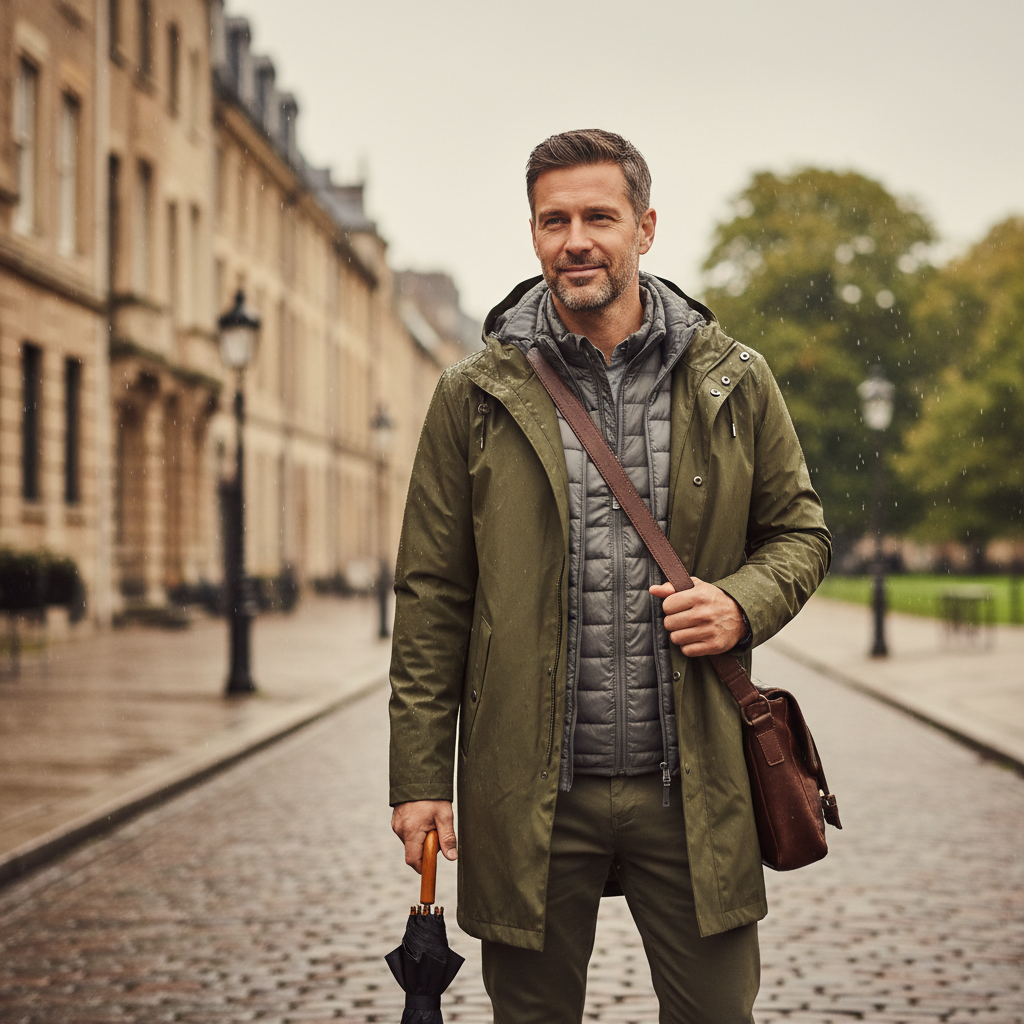
Facing unpredictable weather requires more than just a simple umbrella; it demands gear that blends functionality with modern aesthetics. A high-quality mens rain hoodie is the perfect solution for the modern man who refuses to let a downpour disrupt his day. Whether you are commuting to the office, hiking a misty trail, or running weekend errands, the right rainwear ensures you stay dry without sacrificing comfort. In this comprehensive guide, we will explore what makes a rain hoodie truly effective, from fabric technology to essential design features, helping you make an informed investment in your wardrobe.
2026-04-09 02:45:09
Best Mens Rain Coat with Removable Liner for All Weather Protection
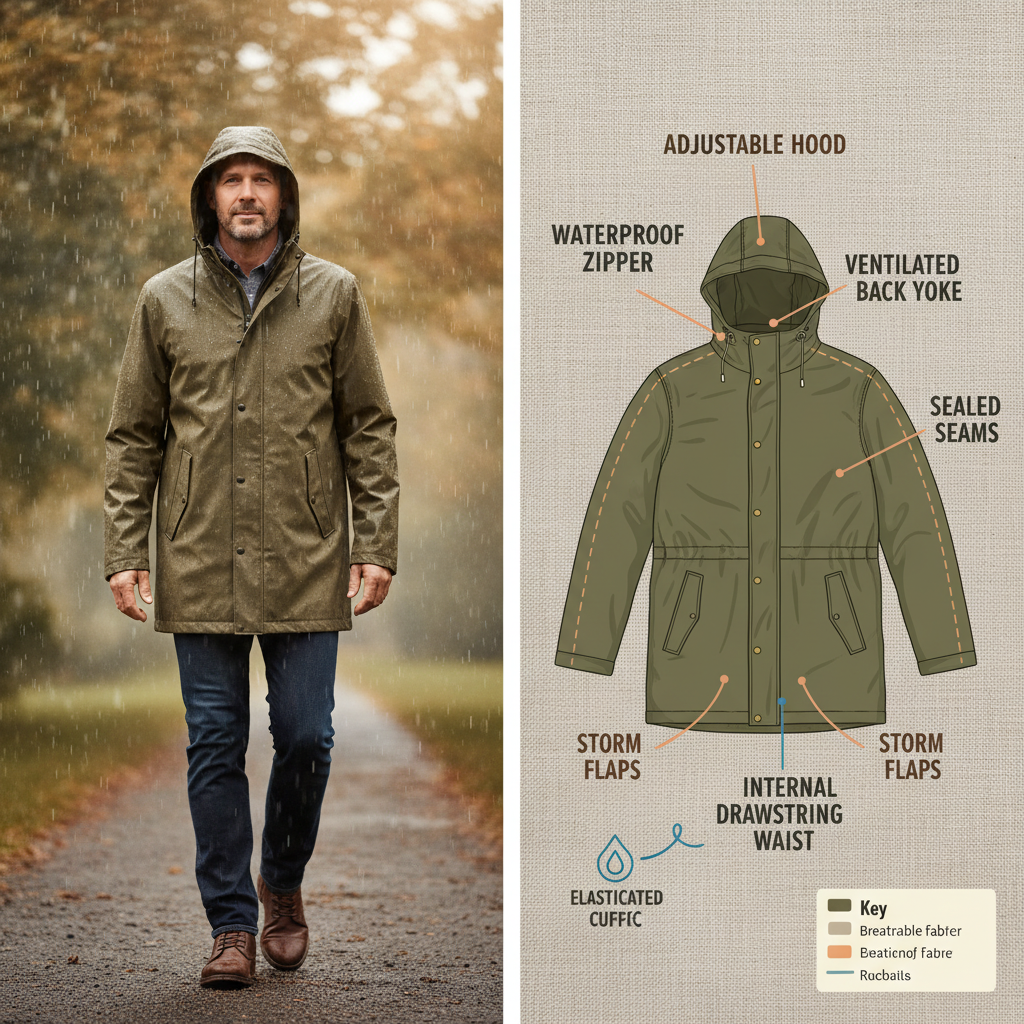
Facing unpredictable weather requires a wardrobe that is as flexible as your schedule. A mens rain coat with removable liner is the gold standard for versatility, offering a 2-in-1 solution that transitions seamlessly from a light spring drizzle to a freezing winter storm. Instead of cluttering your closet with multiple heavy jackets, a modular system allows you to customize your warmth based on the temperature. In this guide, we will explore why this specific design is essential for the modern man, how to identify high-quality materials, and how to maximize your investment for years of reliable protection.
2026-04-07 02:35:18
Comprehensive Guide to Selecting the Perfect Mens Rain Coat with Hood
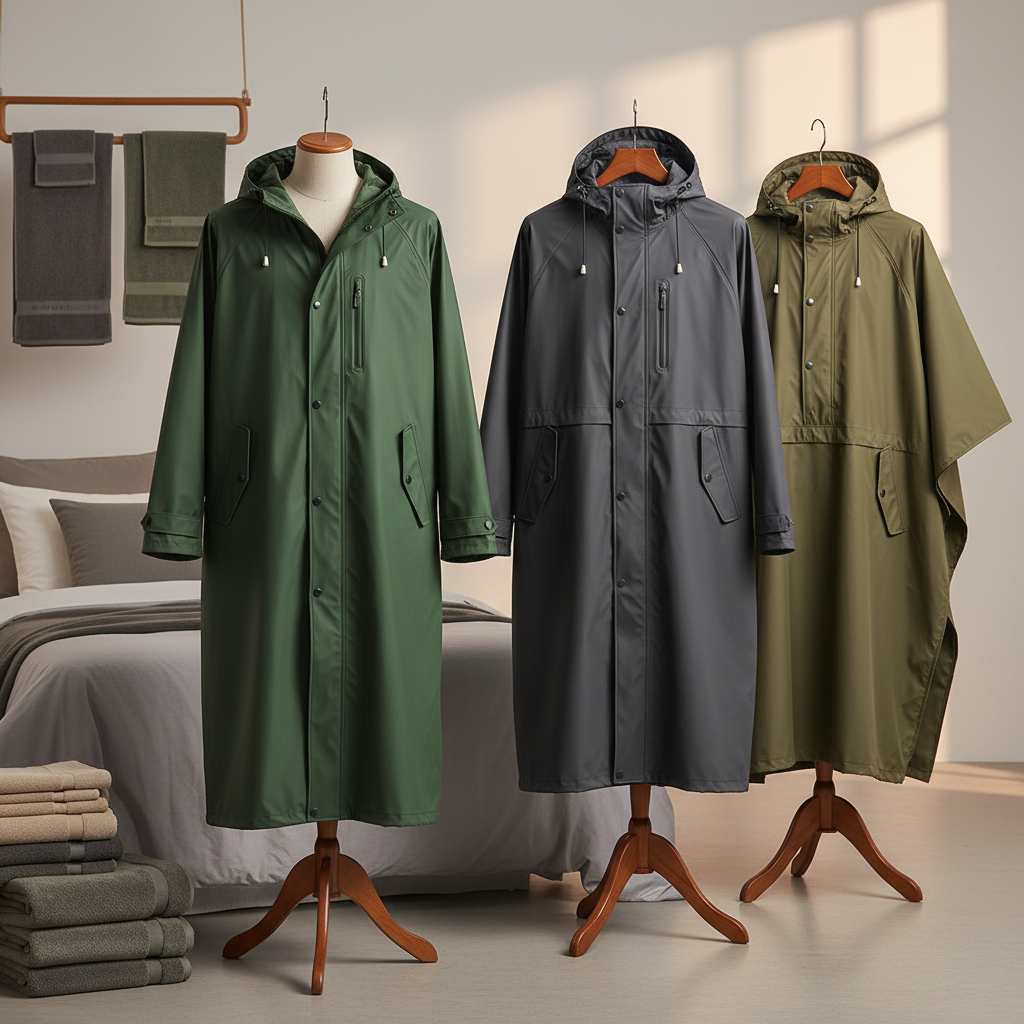
Finding the right mens rain coat with hood is crucial for staying dry and comfortable in wet weather. Whether you're commuting to work, enjoying outdoor activities, or simply running errands, a reliable raincoat can make all the difference. This article will explore the key features, benefits, and considerations when choosing a rain coat, helping you make an informed decision. We'll cover everything from materials and waterproofing to fit and style. Choosing a high-quality raincoat is an investment in your comfort and protection.
2026-04-04 02:45:18
Comprehensive Guide to Mens Rain Coat Waterproof Options and Features
Staying dry and comfortable in wet weather is crucial, and a high-quality mens rain coat waterproof is an essential part of any outdoor wardrobe. Choosing the right raincoat can make all the difference, protecting you from the elements while offering comfort and durability. This article will cover everything you need to know about waterproof raincoats, including materials, features, and how to choose the best one for your needs. We'll also highlight why SXZY Raincoat offers exceptional quality and value.

2026-03-31 02:35:27
Stylish Mens Rain Coat Dress for Ultimate Weather Protection
When the weather turns unpredictable, a stylish and functional mens rain coat dress is an essential addition to any wardrobe. No longer just about staying dry, rain coats have evolved into fashion statements, offering a blend of practicality and elegance. This article explores the benefits, styles, and key features to look for when choosing the perfect rain coat dress, ensuring you stay comfortable and on-trend, whatever the weather. We'll also highlight how SXZY Raincoat provides quality and style in their collection.
2026-03-28 02:55:02
Comprehensive Guide to Mens Rain Coat and Pants for Optimal Weather Protection
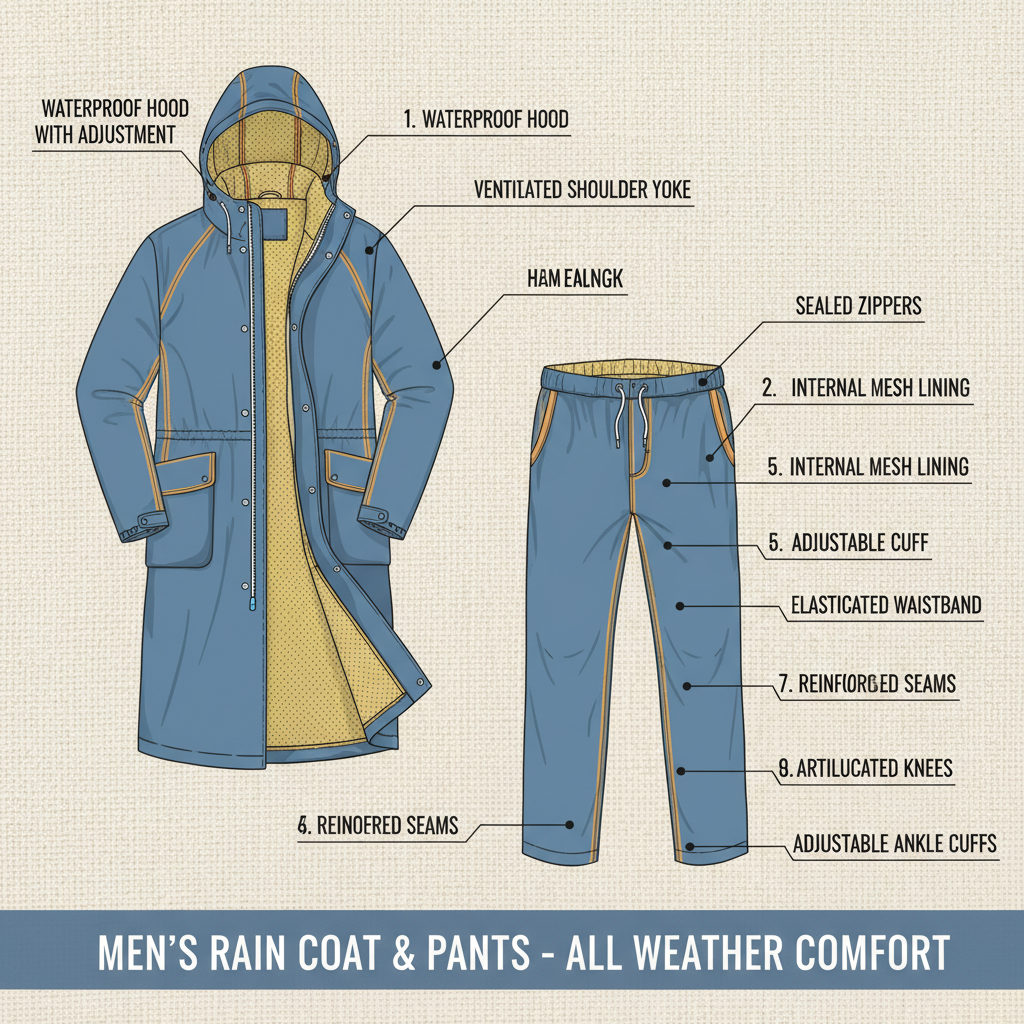
Staying dry and comfortable during inclement weather is crucial, and having the right rain gear can make all the difference. Mens rain coat and pants sets offer superior protection against rain, wind, and cold. This article will explore the benefits of owning a quality rain suit, factors to consider when choosing one, and highlight the exceptional products offered by sxzyraincoat.com. Invest in a reliable rain suit to ensure you're prepared for any weather challenge.
2026-03-26 02:35:30
Choosing the Right Mens Rain Coat for Optimal Weather Protection
Staying dry and comfortable in inclement weather is crucial, and selecting the right mens rain coat is paramount. From everyday commutes to outdoor adventures, a quality raincoat provides essential protection. This article will explore the key features to consider when choosing a mens rain coat, different types available, and how to find the perfect fit for your needs. We'll also highlight the benefits of investing in a durable and reliable raincoat that can withstand various weather conditions. The material of a mens rain coat significantly impacts its waterproofness, breathability, and durability. Common materials include PVC, polyurethane (PU), and Gore-Tex. PVC is affordable but less breathable, leading to discomfort during strenuous activity. PU offers a good balance of waterproofness and breathability. Gore-Tex is a premium option known for its exceptional waterproofness and breathability, making it ideal for demanding conditions.

2026-03-24 02:45:24
Mens Quilted Raincoat A Comprehensive Guide to Style and Weather Protection
Finding the right raincoat is essential for staying dry and comfortable, especially when navigating unpredictable weather. A mens quilted raincoat offers a fantastic blend of practicality and style. This article delves into the benefits of quilted raincoats, key features to look for, how to choose the perfect fit, and care tips to ensure longevity. We'll explore why a quilted raincoat from SXZY Raincoat is an excellent investment for any weather condition. Quilted raincoats stand out due to their unique construction. The quilting process involves stitching layers of fabric together, typically with a layer of insulation in between. This not only adds a stylish aesthetic but also provides excellent warmth and comfort. Unlike standard raincoats that can feel stiff and uncomfortable, quilted versions offer a softer, more forgiving feel. The quilted design traps air, creating an insulating barrier against the cold, making them ideal for cooler, wetter climates.


