



Durable Fisherman Yellow Raincoats for Industrial and Humanitarian Use | Practical Waterproof Protection

Nov . 27, 2025 12:45
The Practical Charm of the Fisherman Yellow Raincoat: Why It Still Matters Globally
If you imagine the classic yellow raincoat synonymous with old-school fishermen battling wild weather on cold seas, you'd be right—but that image is just scratching the surface. The fisherman yellow raincoat isn't just about vintage style or nostalgia. It's a symbol of practicality, resilience, and even safety that transcends fishing villages and dockyards, touching industries worldwide in surprising ways.
But why care about a raincoat? Globally, reliable waterproof gear like this plays a surprisingly critical role. From protecting workers in hazardous outdoor conditions to supporting humanitarian efforts in flood-prone regions, understanding the value and applications of these raincoats goes beyond fashion or mere utility. It's about safeguarding lives, boosting productivity, and even supporting sustainable manufacturing initiatives.
Global Context: How the Fisherman Yellow Raincoat Stands Out
According to the World Meteorological Organization, the frequency of extreme weather events has increased steadily by over 20% in the past decade alone, making waterproof clothing more essential than ever. Meanwhile, ISO standards increasingly emphasize personal protective equipment (PPE) compliance—precisely where trusted gear like the fisherman yellow raincoat fits in.
Industries from offshore oil rigs to emergency responders, and yes, traditional fishermen alike, rely heavily on protective outerwear. However, a common challenge is balancing cost, durability, and environmental impact—a puzzle that this iconic raincoat attempts to solve by sticking to its core purpose: dependable waterproof wearability in the face of relentless water and wind.
What is a Fisherman Yellow Raincoat, Exactly?
At its core, a fisherman yellow raincoat is a waterproof garment, typically crafted from heavy-duty PVC or rubberized fabric, designed for excellent visibility and protection. The bright yellow color isn’t just an aesthetic choice—it’s a safety feature to ensure high visibility during emergencies or poor weather conditions. Originally designed for fishermen braving grim North Atlantic storms, the design has since been refined but stays true to its rugged roots.
Today, such raincoats serve as essential PPE, making appearances in industrial worksites, humanitarian aid deliveries in disaster zones, and even recreational activities where wet and windy exposure is unavoidable.
Core Components That Make These Raincoats Tick
1. Durability and Material Strength
These raincoats are typically made from multi-layered PVC or rubberized materials, proven against tears, abrasions, and saltwater corrosion. The seams? Usually heat-sealed or welded rather than stitched, vastly improving waterproof integrity. This means a fisherman yellow raincoat often outperforms many cheaper alternatives — no small thing for those out in the elements all day.
2. Visibility and Safety Features
The bold yellow hue is paired with reflective strips in many modern versions, ensuring people are spotted easily on docks, stormy waters, or even bustling construction sites. It's such a simple but effective way to increase safety—and oddly enough, that unmistakable yellow color also adds a bit of cheer to otherwise grim working conditions.
3. Comfort and Fit
Despite their tough exterior, newer designs incorporate breathable layers and ergonomic cuts. This isn’t your grandfather’s bulky rain slicker anymore; these are lighter, more flexible, and tailored for long shifts without overheating or restricting movement.
4. Cost Efficiency
Though heavy-duty, fisherman yellow raincoats are surprisingly affordable, especially given their lifespan. Many users report their gear lasting multiple seasons—sometimes years—making them a cost-effective PPE investment especially for industries with tight safety budgets.
Mini takeaway:
- Fisherman yellow raincoats blend rugged durability with safety and cost benefits, keeping the legacy practical for today’s industrial and humanitarian applications.
Global Use Cases: More Than Just Fishing
Oddly enough, while you expect fishermen in Scandinavia or Newfoundland to be the main users, the fisherman yellow raincoat’s reach now spans far beyond. Here are some key real-world examples:
- Post-disaster relief: NGOs distributing aid in flood-ravaged Southeast Asia rely on these coats to protect volunteers and locals alike.
- Industrial workers: In offshore oil, shipyards, and construction zones worldwide—from the North Sea to the Gulf of Mexico—these raincoats are PPE staples.
- Public safety and emergency services: Coast guards, firefighters, and rescue teams often use the high-visibility yellow raincoat as part of their gear for surface rescues or during storm response duties.
- Outdoor recreation: Kayakers, sailors, and hikers opt for lighter versions when they expect wet weather—proof that the design has crossed over into everyday life.
Advantages that Keep Them in Demand
What makes the fisherman yellow raincoat a perennial choice? Let’s break it down:
- Reliability: Out in the storm, when things get rough, these raincoats keep water out, which is literally a matter of life and limb.
- Sustainability: Many manufacturers now use PVC alternatives or recycled materials, syncing with global pushes towards more eco-friendly PPE (ISO 14001 compliant, for instance).
- Social impact: Workers wearing reliable gear feel safer, which translates to higher morale and productivity—a reminder that PPE isn’t just about physical protection.
- Cost vs. value: While some ultra-light rain gear exists, few combine durability, affordability, and safety as well for industrial use.
Future Trends: What’s Next for Fisherman Yellow Raincoats?
Looking ahead, we’re seeing some interesting shifts:
- Material innovation: Textile scientists are experimenting with biodegradable coatings and nano-fabrics that repel water but breathe better.
- Digital integration: Smart safety vests and raincoats embedded with GPS trackers or hazard sensors are becoming feasible for high-risk jobs.
- Sustainability policies: As governments tighten PPE waste regulations, expect more recycled and recyclable raincoats hitting the market.
Challenges and How Industry Solves Them
Even the trusty fisherman yellow raincoat isn’t perfect. Some limitations include:
- Environmental concerns: Traditional PVC manufacturing has a heavy carbon footprint and disposal problem.
- Comfort trade-offs: Heavier materials can cause sweating and restrict movements.
- Customization limits: Not every fit or design meets every job or climate requirement.
To counter these, manufacturers are exploring sustainable materials such as thermoplastic polyurethane (TPU) and lightweight blends. Ergonomic designs and modular layering systems are increasingly standard, allowing workers to adapt to changing conditions more comfortably.
Product Specifications: Typical Fisherman Yellow Raincoat
| Feature | Specification |
|---|---|
| Material | PVC-coated polyester or rubberized fabric |
| Weight | Approx. 800–1000 grams (varies by size) |
| Waterproofing | Sealed seams, waterproof rating 10,000 mm+ |
| Visibility | High-visibility yellow, reflective strips |
| Sizes | S to XXL, customizable options |
| Certifications | ISO 20345 PPE compliance |
Vendor Comparison: Leading Fisherman Yellow Raincoat Manufacturers
| Vendor | Material Quality | Customization | Price Range | Sustainability Initiatives |
|---|---|---|---|---|
| Brand A | Premium PVC, heavy duty | Limited custom colors | $$$ | Recycling program |
| Manufacturer B | Medium grade, lightweight | Wide customization | $$ | Biodegradable coating |
| Supplier C | PVC blend, mid weight | Standard options only | $ | Minimal sustainability focus |
Common Questions About Fisherman Yellow Raincoats
Q1: Are fisherman yellow raincoats suitable for non-fishing industries?
Absolutely. Thanks to their durability and waterproofing, they’re ideal for construction, oil rigs, emergency services, and any outdoor job with wet conditions. The high-visibility color is a bonus for safety across scenarios.
Q2: How long does a typical fisherman yellow raincoat last?
With proper care, tough raincoats can serve for several years, often 3–5 years in regular industrial use. Their heavy-duty materials and sealed seams help prevent wear and leakage compared to cheaper options.
Q3: Can these raincoats be customized for specific needs?
Many manufacturers offer custom sizes, reflective strip layouts, and sometimes color variations. It depends on volume and vendor. fisherman yellow raincoat suppliers often cater to corporate clients needing bulk tailored gear.
Q4: Are fishermen’s raincoats eco-friendly?
Traditionally, production wasn’t the greenest. But newer versions increasingly use recycled materials or bio-based coatings, supporting global sustainability efforts and lowering environmental footprints.
Q5: How do I know if a raincoat meets safety standards?
Look for certifications like ISO 20345 or EN 343 compliance, which indicate waterproofing and protective quality. Trusted brands should provide these specs upfront.
Wrapping Up: Why the Fisherman Yellow Raincoat Still Holds Its Place
In a world that’s increasingly digital and climate-conscious, it’s easy to forget the simple gear that keeps workers safe from the rain, wind, and storms. The fisherman yellow raincoat blends tradition with modern improvements to offer durable, safe, sustainable protection — and frankly, it feels reassuring just to know such a stalwart exists when weather turns nasty.
If you want to explore quality options, check out trusted providers like fisherman yellow raincoat sellers specialized in industrial and humanitarian-grade gear. The right raincoat might just be your best defense against the elements.
References & Further Reading

Related Products
Related News

2026-04-16 02:35:36
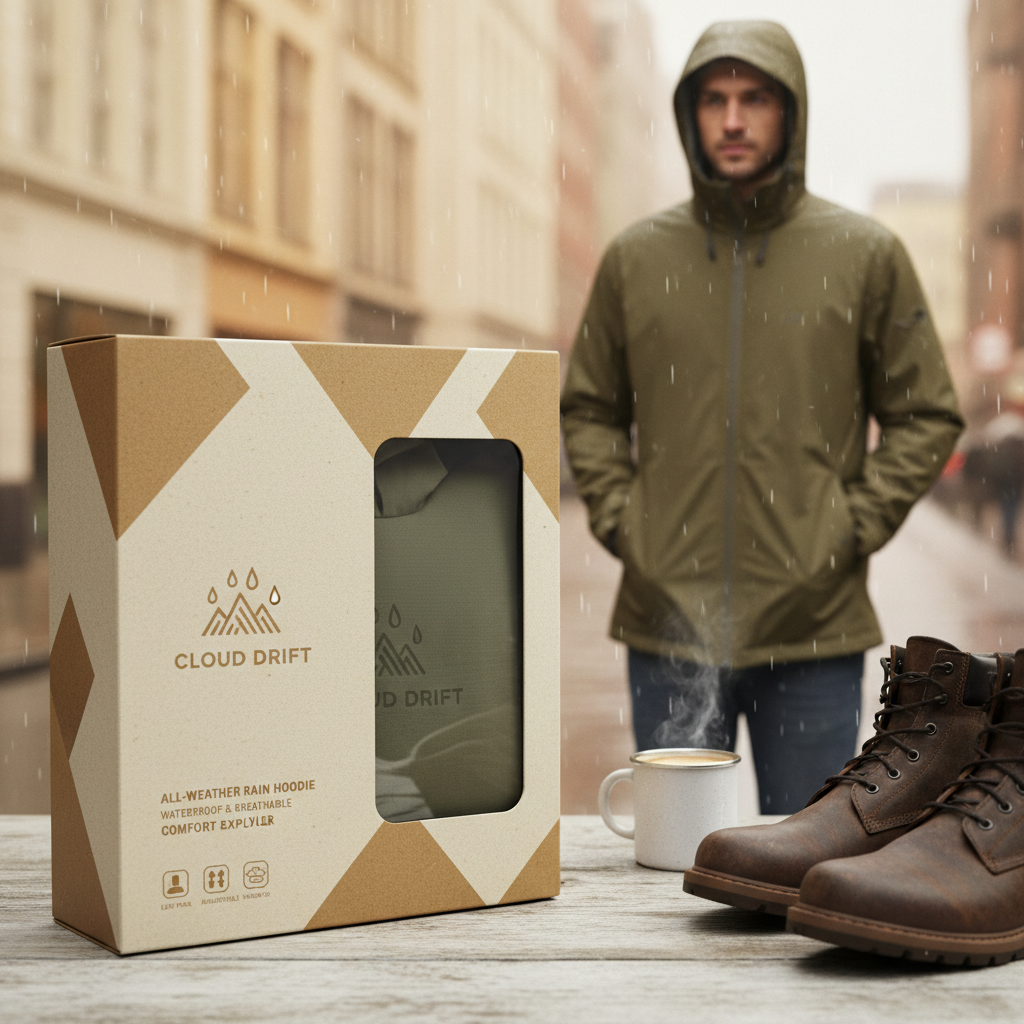
The Ultimate Guide to Choosing a Premium Mens Rain Hoodie
Facing unpredictable weather requires more than just a simple umbrella; it demands gear that blends functionality with modern aesthetics. A high-quality mens rain hoodie is the perfect solution for the modern man who refuses to let a downpour disrupt his day. Whether you are commuting to the office, hiking a misty trail, or running weekend errands, the right rainwear ensures you stay dry without sacrificing comfort. In this comprehensive guide, we will explore what makes a rain hoodie truly effective, from fabric technology to essential design features, helping you make an informed investment in your wardrobe.
2026-04-09 02:45:09
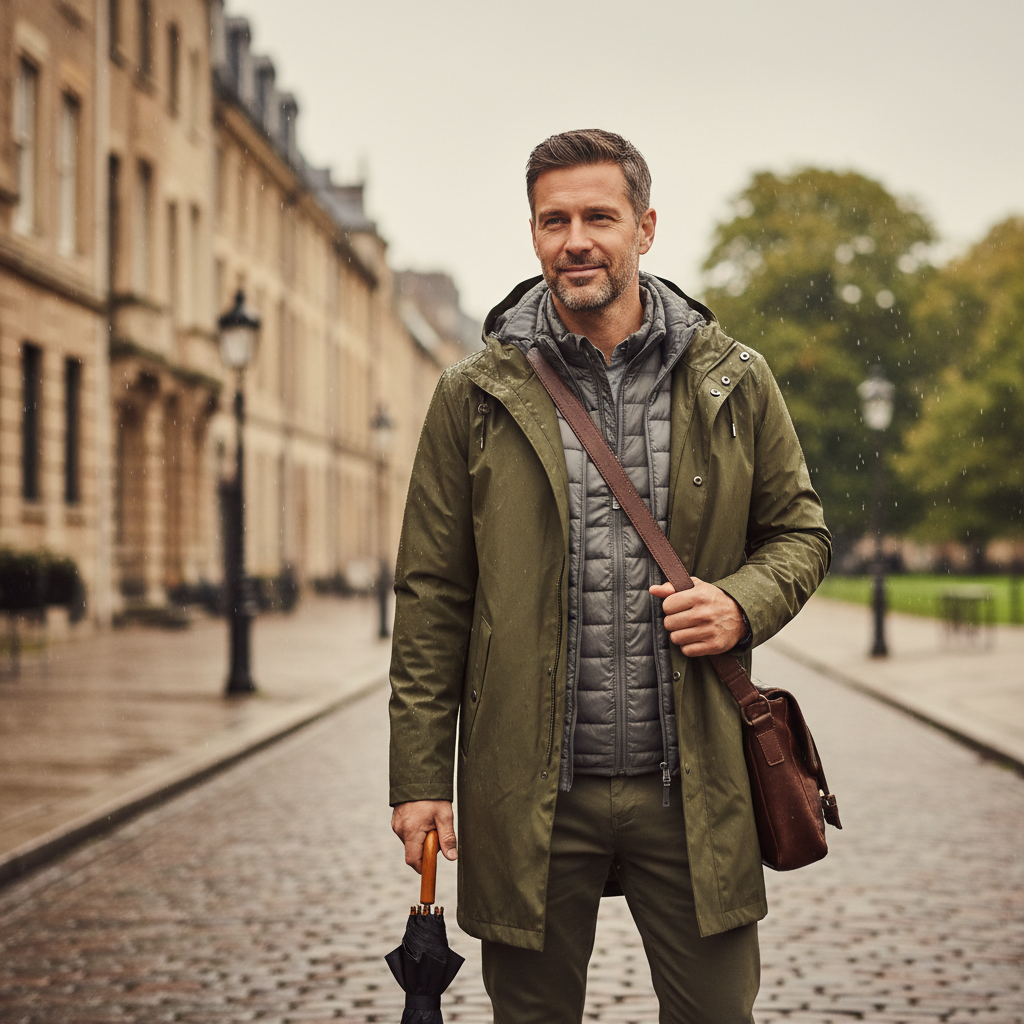
Best Mens Rain Coat with Removable Liner for All Weather Protection
Facing unpredictable weather requires a wardrobe that is as flexible as your schedule. A mens rain coat with removable liner is the gold standard for versatility, offering a 2-in-1 solution that transitions seamlessly from a light spring drizzle to a freezing winter storm. Instead of cluttering your closet with multiple heavy jackets, a modular system allows you to customize your warmth based on the temperature. In this guide, we will explore why this specific design is essential for the modern man, how to identify high-quality materials, and how to maximize your investment for years of reliable protection.
2026-04-07 02:35:18
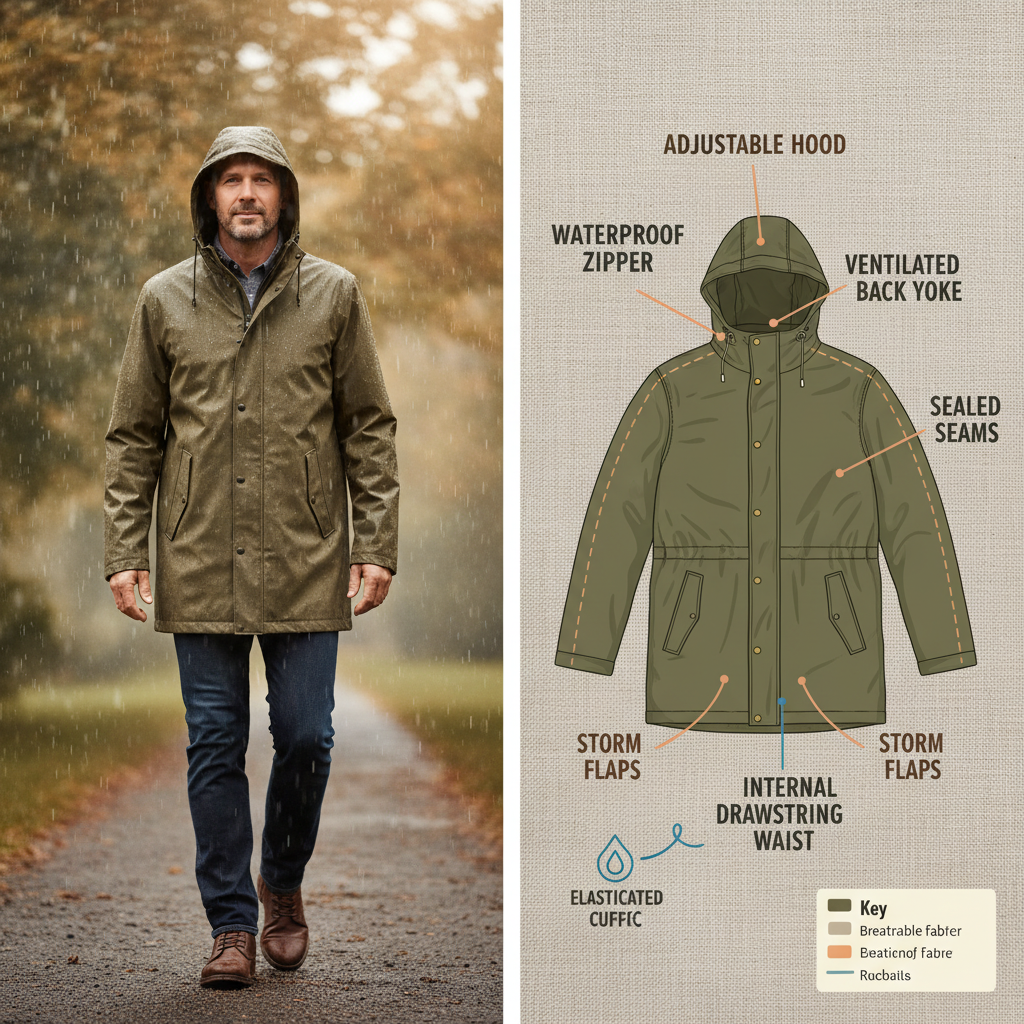
Comprehensive Guide to Selecting the Perfect Mens Rain Coat with Hood
Finding the right mens rain coat with hood is crucial for staying dry and comfortable in wet weather. Whether you're commuting to work, enjoying outdoor activities, or simply running errands, a reliable raincoat can make all the difference. This article will explore the key features, benefits, and considerations when choosing a rain coat, helping you make an informed decision. We'll cover everything from materials and waterproofing to fit and style. Choosing a high-quality raincoat is an investment in your comfort and protection.
2026-04-04 02:45:18
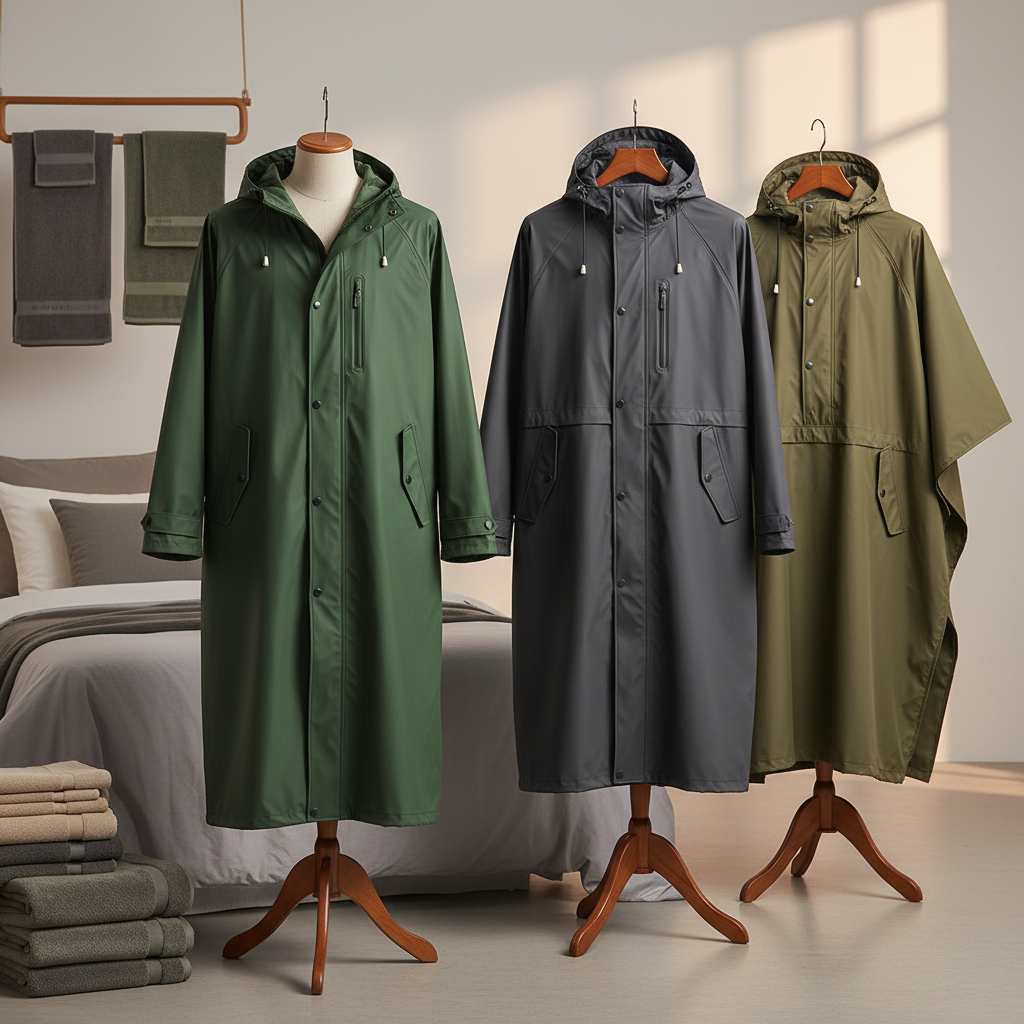
Comprehensive Guide to Mens Rain Coat Waterproof Options and Features
Staying dry and comfortable in wet weather is crucial, and a high-quality mens rain coat waterproof is an essential part of any outdoor wardrobe. Choosing the right raincoat can make all the difference, protecting you from the elements while offering comfort and durability. This article will cover everything you need to know about waterproof raincoats, including materials, features, and how to choose the best one for your needs. We'll also highlight why SXZY Raincoat offers exceptional quality and value.

2026-03-31 02:35:27
Stylish Mens Rain Coat Dress for Ultimate Weather Protection
When the weather turns unpredictable, a stylish and functional mens rain coat dress is an essential addition to any wardrobe. No longer just about staying dry, rain coats have evolved into fashion statements, offering a blend of practicality and elegance. This article explores the benefits, styles, and key features to look for when choosing the perfect rain coat dress, ensuring you stay comfortable and on-trend, whatever the weather. We'll also highlight how SXZY Raincoat provides quality and style in their collection.
2026-03-28 02:55:02
Comprehensive Guide to Mens Rain Coat and Pants for Optimal Weather Protection
Staying dry and comfortable during inclement weather is crucial, and having the right rain gear can make all the difference. Mens rain coat and pants sets offer superior protection against rain, wind, and cold. This article will explore the benefits of owning a quality rain suit, factors to consider when choosing one, and highlight the exceptional products offered by sxzyraincoat.com. Invest in a reliable rain suit to ensure you're prepared for any weather challenge.
2026-03-26 02:35:30
Choosing the Right Mens Rain Coat for Optimal Weather Protection
Staying dry and comfortable in inclement weather is crucial, and selecting the right mens rain coat is paramount. From everyday commutes to outdoor adventures, a quality raincoat provides essential protection. This article will explore the key features to consider when choosing a mens rain coat, different types available, and how to find the perfect fit for your needs. We'll also highlight the benefits of investing in a durable and reliable raincoat that can withstand various weather conditions. The material of a mens rain coat significantly impacts its waterproofness, breathability, and durability. Common materials include PVC, polyurethane (PU), and Gore-Tex. PVC is affordable but less breathable, leading to discomfort during strenuous activity. PU offers a good balance of waterproofness and breathability. Gore-Tex is a premium option known for its exceptional waterproofness and breathability, making it ideal for demanding conditions.

2026-03-24 02:45:24
Mens Quilted Raincoat A Comprehensive Guide to Style and Weather Protection
Finding the right raincoat is essential for staying dry and comfortable, especially when navigating unpredictable weather. A mens quilted raincoat offers a fantastic blend of practicality and style. This article delves into the benefits of quilted raincoats, key features to look for, how to choose the perfect fit, and care tips to ensure longevity. We'll explore why a quilted raincoat from SXZY Raincoat is an excellent investment for any weather condition. Quilted raincoats stand out due to their unique construction. The quilting process involves stitching layers of fabric together, typically with a layer of insulation in between. This not only adds a stylish aesthetic but also provides excellent warmth and comfort. Unlike standard raincoats that can feel stiff and uncomfortable, quilted versions offer a softer, more forgiving feel. The quilted design traps air, creating an insulating barrier against the cold, making them ideal for cooler, wetter climates.


