



Fishing Rain Coat – Durable, Breathable Gear for Global Fishermen

Nov . 27, 2025 14:15
Fishing Rain Coats: Essential Gear for Safety and Comfort on the Water
When you think about fishing gear, rods and baits usually jump to mind first. But if you ask seasoned anglers, they’ll quickly tell you that a reliable fishing rain coat is just as indispensable. Globally, fishing rain coats represent a vital piece of specialized outerwear designed not just to keep the rain off—but to ensure fishermen can work safely and comfortably in wet, windy, and downright miserable weather. Understanding the ins and outs of this essential apparel reveals much about global fishing industries, maritime safety, and even humanitarian needs in coastal communities.
Why Fishing Rain Coats Matter Worldwide
According to the FAO (Food and Agriculture Organization), about fishermen worldwide depend on small and commercial-scale fisheries for their livelihoods. Many of these fisheries operate in harsh, unpredictable weather where safety and protection aren't just conveniences—they are lifesavers.
One particularly striking fact: In Southeast Asia and parts of Northern Europe, over 60% of small-scale fishers reported exposures to adverse weather conditions that could cause hypothermia or dangerous falls without proper protective clothing.1 That’s more than enough reason to highlight the value of a dependable fishing rain coat.
But the problem it addresses goes beyond petty discomfort. Wet clothes not only reduce dexterity but also increase health risks, sometimes forcing fishermen out of work and compounding economic hardship in vulnerable communities.
What Exactly Is a Fishing Rain Coat?
Simply put, a fishing rain coat is a waterproof, windproof outer garment designed specifically for fishermen’s needs. Unlike generic rainwear, these coats incorporate durable fabrics, breathable membranes, and practical features to withstand harsh marine environments while allowing freedom of movement. The connection to both industry and humanitarian needs is clear: they protect fishermen working in precarious conditions and keep them safe, healthy, and productive.
Key Features That Make a Fishing Rain Coat Stand Out
Durability
Fishing rain coats face abrasion from nets, hooks, and constant exposure to saltwater. Materials like PVC-coated polyester or polyurethane blends offer the resilience needed to last entire fishing seasons without wearing through.
Waterproofing and Breathability
Staying dry isn't just about keeping rain off but managing perspiration during long hours on deck. Modern coats balance waterproof outer layers with breathable inner membranes; otherwise, you end up soaked from inside out, which kind of defeats the purpose.
Visibility and Safety
Reflective strips and bright colors help ensure fishermen are visible in bad weather or low light—something many manufacturers are now incorporating more consistently after safety watchdogs pushed for stricter standards.
Comfort and Fit
Mobility is key. These coats often include adjustable cuffs, roomy hoods, and articulated joints to allow easy movement, especially when handling heavy equipment.
Ease of Maintenance
Salt and grime build up fast. A coat that’s easy to rinse or machine-washable keeps fishermen ready to face the next day without fuss.
Mini takeaway:
In short, a great fishing rain coat is tough, breathable, safe, and comfortable. These aren’t just “raincoats” but carefully engineered gear tailored to maritime work.
How Fishing Rain Coats Are Used Around the World
Whether it’s crabbers off the chilly coasts of Alaska or artisanal fishers along the tropical shores of Vietnam, fishing rain coats see heavy use globally. In post-tsunami recovery, relief organizations have provided rainwear to displaced fishermen to restore their livelihoods quickly. In Nordic countries, fisheries often adopt high-visibility garments compliant with ISO safety standards to reduce accidents.
Even in industrial fishing — think trawlers in the North Atlantic — these coats are essential daily wear. Manufacturers tailor designs for extreme cold or tropical heat depending on geography, and some even add insulated layers for polar conditions.
Mini takeaway:
Their widespread adoption makes fishing rain coats as globally relevant as nets or life vests, bridging safety and productivity everywhere fishermen cast their nets.
Advantages and Long-Term Value of Fishing Rain Coats
- Cost Efficiency: Investing in durable rainwear reduces medical costs and downtime due to cold-related illnesses.
- Sustainability: Longer-lasting coats reduce waste compared to flimsy disposables.
- Social Impact: Safer workers mean more stable income streams in coastal communities.
- Trust and Reliability: Brands that prioritize quality foster loyalty and better user adoption.
And, frankly, the emotional relief — knowing you won’t freeze mid-trip or lose grip because your coat failed — is worth its weight in gold. It’s about dignity on the water.
Product Specification Table
| Feature | Typical Specification |
|---|---|
| Material | PVC-Coated Polyester or PU Laminated Fabric |
| Waterproof Rating | 10,000 mm (minimum) |
| Breathability | 5,000 g/m²/24hr (approx.) |
| Reflective Elements | Standard on shoulders and sleeves |
| Weight | About 800g - 1100g |
| Sizes | S to XXXL |
Comparing Leading Vendors of Fishing Rain Coats
| Vendor | Material Quality | Waterproof Rating | Price Range | Global Reach |
|---|---|---|---|---|
| North Shore Gear | High – Military Grade TPU | 15,000 mm | $$$ | Strong (Europe/APAC) |
| MarinerPro | Moderate – PU-Coated | 10,000 mm | $$ | Global |
| EcoWave Gear | High – Recycled Materials | 12,000 mm | $$$ | Growing (USA/EU) |
Looking Ahead: What’s New in Fishing Rain Coat Technology?
Technology doesn’t stand still, not even in rainwear. Materials science is pushing towards lighter, more breathable fabrics that still shrug off torrents. Nanotech coatings promise even stronger hydro-repellency without bulk. Meanwhile, sustainability trends encourage recycled polymers and vegetable-based coatings. Some companies are experimenting with smart textiles that monitor moisture and temperature, offering real-time gear feedback.
Challenges and How Manufacturers Are Addressing Them
Despite improvements, hurdles remain. For example, truly balancing waterproofing with breathability is tricky. Many users still report clamminess during heavy exertion. Salt corrosion also shortens product life, especially if maintenance is lax. Manufacturers generally recommend rinsing gear after each trip and storing it in dry conditions.
Innovative solutions include modular designs that allow replacing worn parts, or anti-microbial linings to reduce odors. I also heard from a few engineers that better user education — how to layer properly under the coat — might be equally important as the coat itself.
FAQ: Your Most Pressing Questions About Fishing Rain Coats
Q: How do fishing rain coats differ from regular rain jackets?
A: Fishing rain coats are built tougher and focus on durability against abrasions and saltwater exposure. They feature enhanced visibility and ergonomic designs specific to fishing tasks, not just generic rain protection.
Q: Can I wear a fishing rain coat year-round?
A: Many rain coats come with removable liners or come in different weights, so you can find versions suitable for cold winters or warm, rainy summers.
Q: Are fishing rain coats environmentally friendly?
A: Historically, many were made from non-biodegradable plastics, but brands are increasingly adopting sustainable materials and manufacturing methods to reduce environmental impact.
Q: How should I care for my fishing rain coat to make it last?
A: Rinse it with fresh water after saltwater exposure, avoid harsh detergents, air dry away from direct sunlight, and store it in a cool, dry place.
Q: Where can I find high-quality fishing rain coats?
A: Specialized marine and outdoor retailers are your best bet. If you want to explore more options, visit our recommended site: fishing rain coat.
A Final Thought
The unglamorous fishing rain coat quietly keeps the fishing economy afloat by protecting fishermen from the elements. As more focus is placed on worker safety, sustainability, and comfort, these garments will only grow smarter and more adaptable. So whether you’re a commercial fisher, hobbyist, or relief worker, investing in quality rainwear sometimes feels like investing in your very livelihood.
For a deeper dive into the best fishing rain coat options and to explore the latest designs, feel free to visit our page: fishing rain coat.
References

Related Products
Related News


2026-04-16 02:35:36
The Ultimate Guide to Choosing a Premium Mens Rain Hoodie
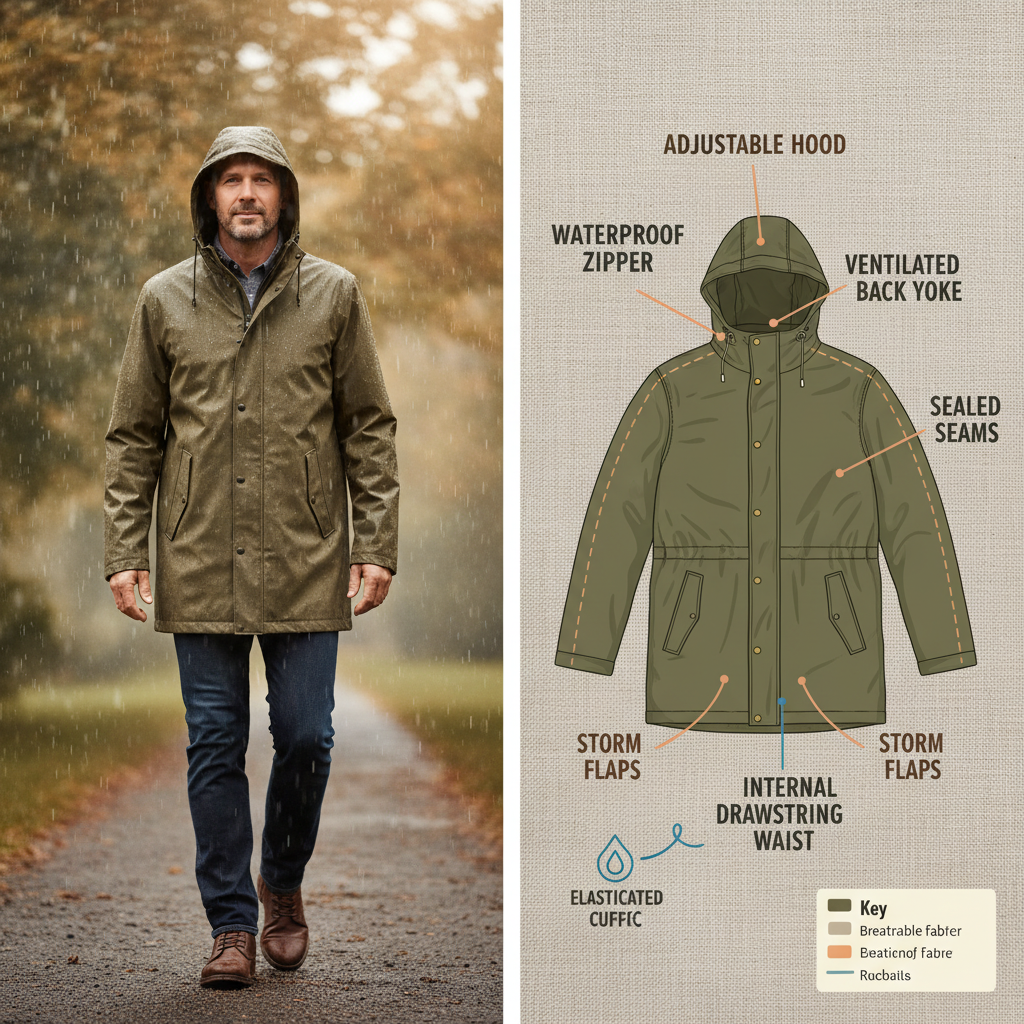
Facing unpredictable weather requires more than just a simple umbrella; it demands gear that blends functionality with modern aesthetics. A high-quality mens rain hoodie is the perfect solution for the modern man who refuses to let a downpour disrupt his day. Whether you are commuting to the office, hiking a misty trail, or running weekend errands, the right rainwear ensures you stay dry without sacrificing comfort. In this comprehensive guide, we will explore what makes a rain hoodie truly effective, from fabric technology to essential design features, helping you make an informed investment in your wardrobe.

2026-04-09 02:45:09
Best Mens Rain Coat with Removable Liner for All Weather Protection
Facing unpredictable weather requires a wardrobe that is as flexible as your schedule. A mens rain coat with removable liner is the gold standard for versatility, offering a 2-in-1 solution that transitions seamlessly from a light spring drizzle to a freezing winter storm. Instead of cluttering your closet with multiple heavy jackets, a modular system allows you to customize your warmth based on the temperature. In this guide, we will explore why this specific design is essential for the modern man, how to identify high-quality materials, and how to maximize your investment for years of reliable protection.
2026-04-07 02:35:18
Comprehensive Guide to Selecting the Perfect Mens Rain Coat with Hood
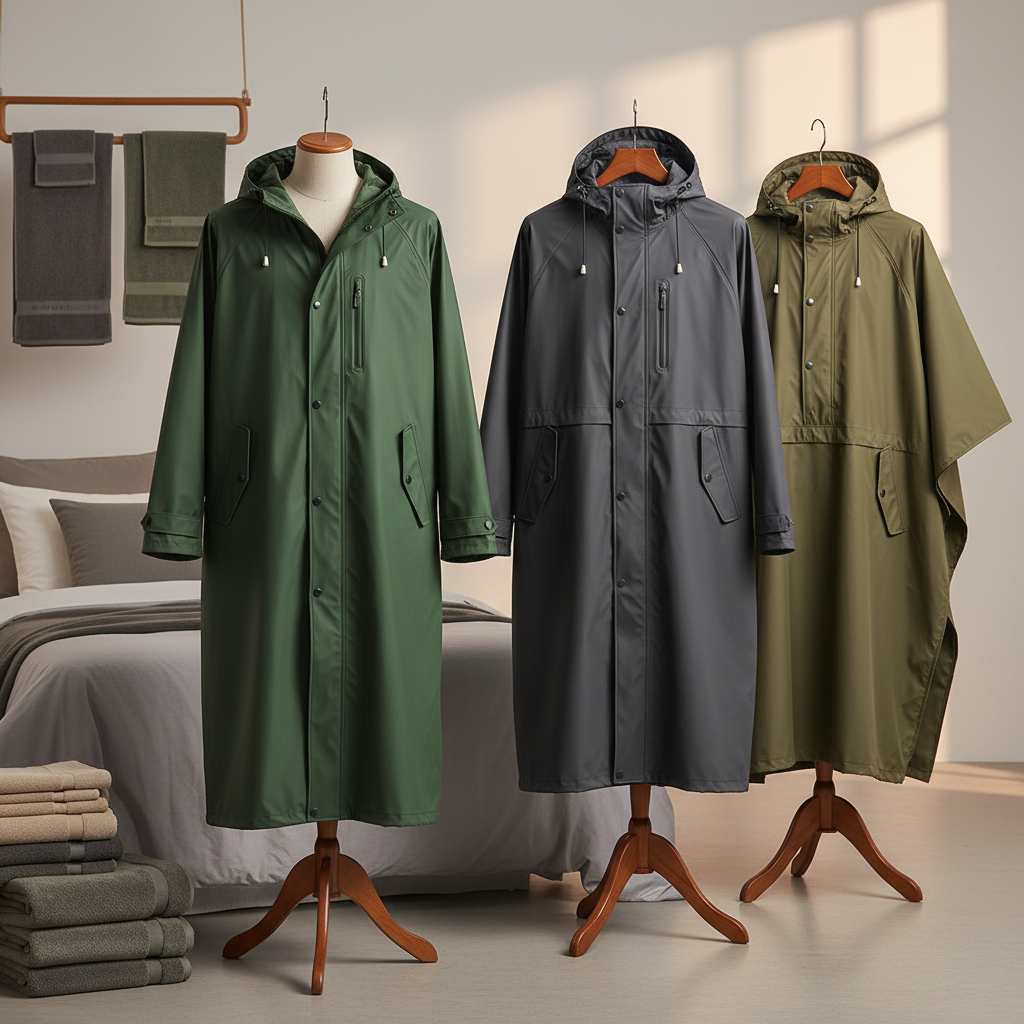
Finding the right mens rain coat with hood is crucial for staying dry and comfortable in wet weather. Whether you're commuting to work, enjoying outdoor activities, or simply running errands, a reliable raincoat can make all the difference. This article will explore the key features, benefits, and considerations when choosing a rain coat, helping you make an informed decision. We'll cover everything from materials and waterproofing to fit and style. Choosing a high-quality raincoat is an investment in your comfort and protection.
2026-04-04 02:45:18
Comprehensive Guide to Mens Rain Coat Waterproof Options and Features
Staying dry and comfortable in wet weather is crucial, and a high-quality mens rain coat waterproof is an essential part of any outdoor wardrobe. Choosing the right raincoat can make all the difference, protecting you from the elements while offering comfort and durability. This article will cover everything you need to know about waterproof raincoats, including materials, features, and how to choose the best one for your needs. We'll also highlight why SXZY Raincoat offers exceptional quality and value.

2026-03-31 02:35:27
Stylish Mens Rain Coat Dress for Ultimate Weather Protection
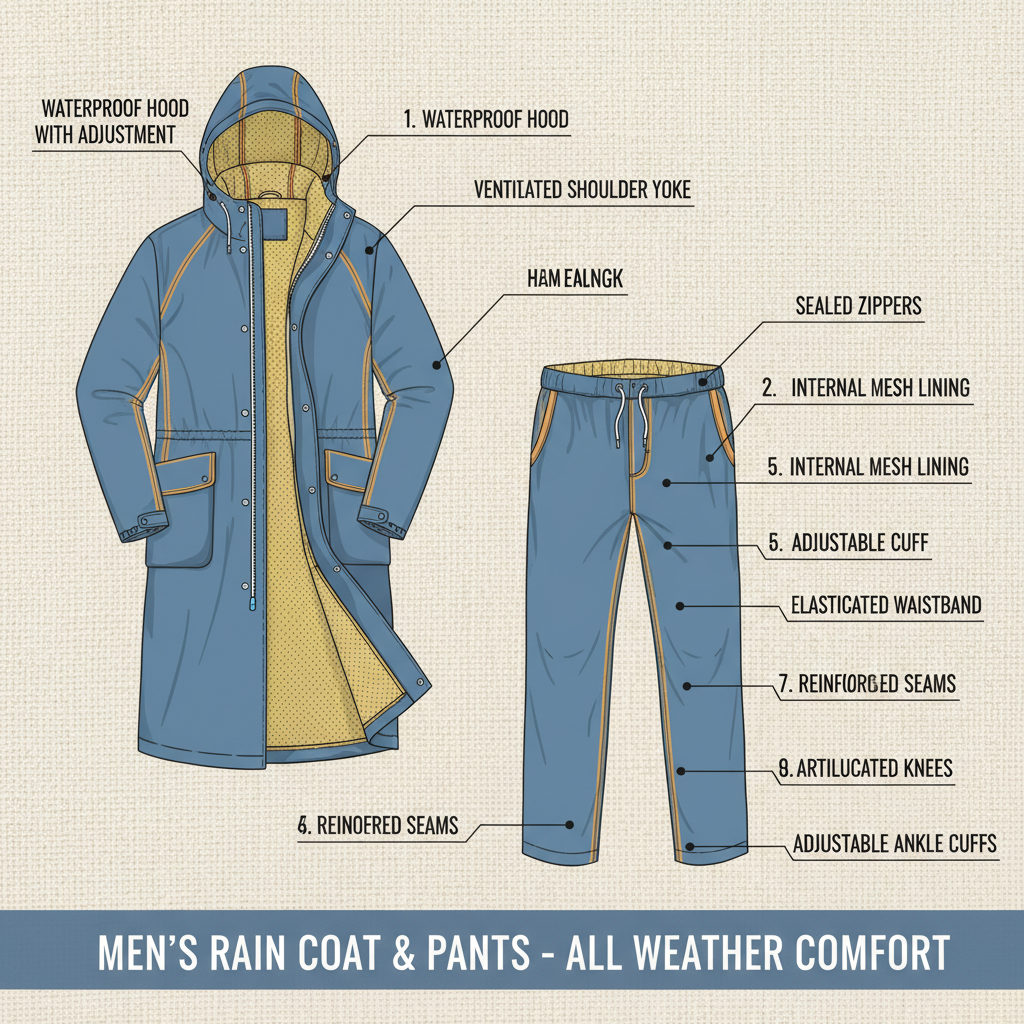
When the weather turns unpredictable, a stylish and functional mens rain coat dress is an essential addition to any wardrobe. No longer just about staying dry, rain coats have evolved into fashion statements, offering a blend of practicality and elegance. This article explores the benefits, styles, and key features to look for when choosing the perfect rain coat dress, ensuring you stay comfortable and on-trend, whatever the weather. We'll also highlight how SXZY Raincoat provides quality and style in their collection.
2026-03-28 02:55:02
Comprehensive Guide to Mens Rain Coat and Pants for Optimal Weather Protection
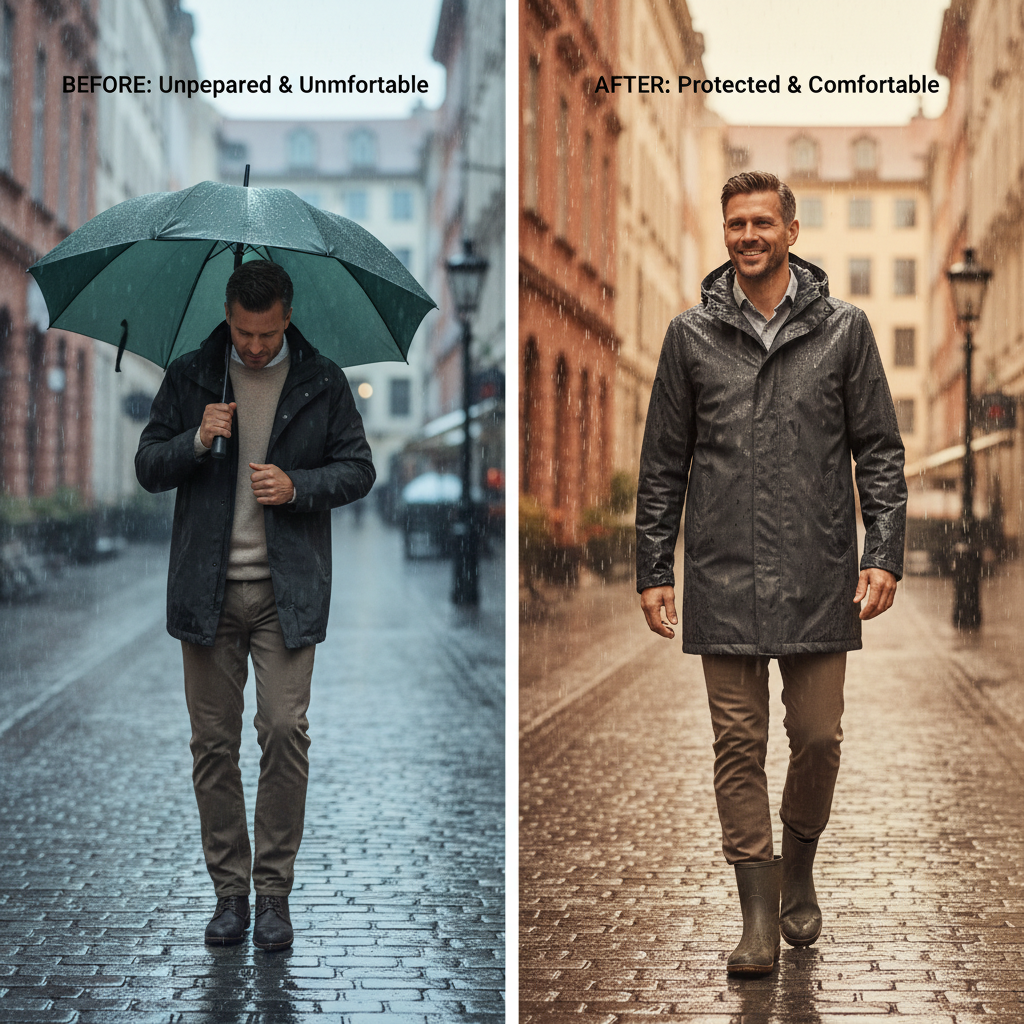
Staying dry and comfortable during inclement weather is crucial, and having the right rain gear can make all the difference. Mens rain coat and pants sets offer superior protection against rain, wind, and cold. This article will explore the benefits of owning a quality rain suit, factors to consider when choosing one, and highlight the exceptional products offered by sxzyraincoat.com. Invest in a reliable rain suit to ensure you're prepared for any weather challenge.
2026-03-26 02:35:30
Choosing the Right Mens Rain Coat for Optimal Weather Protection
Staying dry and comfortable in inclement weather is crucial, and selecting the right mens rain coat is paramount. From everyday commutes to outdoor adventures, a quality raincoat provides essential protection. This article will explore the key features to consider when choosing a mens rain coat, different types available, and how to find the perfect fit for your needs. We'll also highlight the benefits of investing in a durable and reliable raincoat that can withstand various weather conditions. The material of a mens rain coat significantly impacts its waterproofness, breathability, and durability. Common materials include PVC, polyurethane (PU), and Gore-Tex. PVC is affordable but less breathable, leading to discomfort during strenuous activity. PU offers a good balance of waterproofness and breathability. Gore-Tex is a premium option known for its exceptional waterproofness and breathability, making it ideal for demanding conditions.

2026-03-24 02:45:24
Mens Quilted Raincoat A Comprehensive Guide to Style and Weather Protection
Finding the right raincoat is essential for staying dry and comfortable, especially when navigating unpredictable weather. A mens quilted raincoat offers a fantastic blend of practicality and style. This article delves into the benefits of quilted raincoats, key features to look for, how to choose the perfect fit, and care tips to ensure longevity. We'll explore why a quilted raincoat from SXZY Raincoat is an excellent investment for any weather condition. Quilted raincoats stand out due to their unique construction. The quilting process involves stitching layers of fabric together, typically with a layer of insulation in between. This not only adds a stylish aesthetic but also provides excellent warmth and comfort. Unlike standard raincoats that can feel stiff and uncomfortable, quilted versions offer a softer, more forgiving feel. The quilted design traps air, creating an insulating barrier against the cold, making them ideal for cooler, wetter climates.


