



Durable Heavy Duty Rain Ponchos for Extreme Weather & Industrial Use

Nov . 29, 2025 23:15
Why Heavy Duty Rain Ponchos Matter Worldwide
At first glance, a heavy duty rain poncho might sound like just a simple piece of rain gear — but zoom out, and it’s actually a quiet hero in global humanitarian aid, industrial safety, and even daily commuting in wet climates. Around the world, rain and unpredictable weather are a constant challenge, causing billions in economic loss and serious health risks during floods or sudden downpours. According to the World Meteorological Organization, extreme precipitation events are on the rise—making reliable rain protection a universal need.
Understanding the features and versatility of a heavy duty rain poncho helps governments, relief organizations, and industries equip their workforce and vulnerable populations more effectively. It’s not just about staying dry; it’s about safety, dignity, and sometimes survival.
Mini takeaway: Heavy duty rain ponchos play a silent but vital role globally, especially as weather patterns grow more extreme and unpredictable.
The Global Context: Rainwear in an Ever-Wetter World
Recent data from the United Nations Office for Disaster Risk Reduction (UNDRR) reveal that rainfall-related disasters account for 40% of all weather-related calamities worldwide. Floods, storms, and flash downpours interrupt lives, undermine infrastructure, and expose millions to harsh outdoor conditions. Yet, access to reliable rain protection like heavy duty rain ponchos remains uneven—especially in developing regions.
Additionally, industries from construction in rainy climates to outdoor logistics operations demand robust weather gear to maintain productivity and worker safety. The demand for dependable, wearable solutions is growing, especially ones that offer easy deployment, durability, and cost-effective coverage.
What Exactly Is a Heavy Duty Rain Poncho?
Simply put, a heavy duty rain poncho is a loose-fitting, wearable garment designed to shield the wearer from rain and moisture, typically wider and longer than standard raincoats. What sets these apart is the emphasis on durability and material strength — they’re made to withstand prolonged, rugged use in tough outdoor environments.
Often made from industrial-grade waterproof fabrics like high-density polyethylene (HDPE), PVC-coated polyester, or reinforced nylon, these ponchos are more than just rain shields. They typically include features like sealed seams, reinforced eyelets, and oversized hoods to enable use over helmets or backpacks, meeting the practical demands of factories, emergency responders, and field workers.
Interestingly, the humanitarian sector leans heavily on these ponchos during disaster relief to rapidly outfit affected populations or volunteers without losing precious time—a wearable shelter in some respects.
Core Components to Consider in Heavy Duty Rain Ponchos
1. Durability
This is the cornerstone. Heavy duty rain ponchos must resist tears, abrasion, and repeated use. Many designs incorporate double-stitched seams and rip-stop fabrics to fend off rips from branches or rough materials encountered onsite.
2. Waterproofing
Maintaining dryness is the obvious goal. Effective ponchos are treated with high-level waterproofing coatings and use sealed seams to prevent leakage, ensuring reliability even in sustained downpours.
3. Size & Fit Flexibility
The “one size fits all” approach is popular here — a generous cut that slips over bulky workwear, backpacks, or even body armor is a plus. The option for adjustable hoods or drawstrings gives users added protection and comfort.
4. Portability
Lightweight or foldable designs ease transportation and storage, especially for emergency kits or outdoor expeditions. Some vendors include handy stuff sacks to compress and protect ponchos when not in use.
5. Breathability
While waterproofing is key, breathability helps prevent overheating and sweat buildup—critical for worksite comfort and health.
6. Environmental Considerations
Newer ponchos are increasingly manufactured from recyclable or biodegradable polymers, hinting at a future where even disposable rain gear won't contribute heavily to pollution.
Mini takeaway: These features are not just specs on paper—they’re the difference between a poncho that folds after one use and one that’s a trusted companion in emergencies and daily industrial work.
How Heavy Duty Rain Ponchos Are Used Around the World
- Disaster relief & humanitarian aid: Organizations like the Red Cross and UNHCR distribute heavy duty ponchos to displaced populations caught in floods or storms, providing immediate, lightweight protection.
- Industrial sectors: Construction, mining, and agriculture workers rely on rugged ponchos to maintain functionality during rainy seasons, especially in tropical or temperate zones.
- Outdoor recreation & travel: Hikers, cyclists, and festival-goers in wet climates favor heavy duty rain ponchos for their versatility and ease of use.
- Public safety & emergency services: Firefighters, police officers, and first responders need wearables that function over bulky gear.
- Developing countries and remote communities: With limited infrastructure, simple rain ponchos can reduce exposure-related illnesses significantly.
In places like Southeast Asia, where monsoons disrupt daily life, and in humanitarian camps after floods in Africa, the sturdy poncho remains a frontline defense against nature’s unpredictability.
Heavy Duty Rain Poncho Specification Table
| Specification | Typical Value/Feature |
|---|---|
| Material | PVC-coated polyester / HDPE |
| Waterproof Rating | ≥ 10,000 mm H₂O |
| Weight | ~300 - 450 grams |
| Dimensions (L x W) | Approx. 140 cm x 120 cm |
| Seam Type | Sealed weld / Double stitched |
| Packability | Foldable into included storage pouch |
Comparing Heavy Duty Rain Poncho Vendors
| Vendor | Material Quality | Waterproof Rating | Sustainability | Price Range | Additional Features |
|---|---|---|---|---|---|
| RainSafe Co. | Premium PVC-coated nylon | 15,000 mm H₂O | Partial recycled fabrics | $$$ | Helmet-compatible hood, reflective strips |
| StormGuard | HDPE film laminate | 12,000 mm H₂O | 100% recyclable | $$ | Compact storage pouch included |
| EcoPoncho | Biodegradable TPU | 10,000 mm H₂O | Fully biodegradable & compostable | $$$ | Vegan-certified, toxin-free |
The Real Benefits: Why Choose Heavy Duty Rain Ponchos?
Think about the situation of a volunteer thrust into flood zones or a site manager trying to keep construction workers dry during a storm. The tangible benefits of a heavy duty rain poncho are multilayered:
- Cost efficiency: Compared to heavier rain jackets or umbrellas, ponchos cover more area at a fraction of the cost, making bulk procurement more feasible.
- Sustainability: Advances in biodegradable materials reduce landfill waste.
- Reliability & safety: Waterproof, breathable, and tested for harsh conditions.
- Social impact: Providing ponchos isn’t just about staying dry; it helps preserve human dignity and health, reducing exposure-related illnesses.
There’s also an emotional element — people who feel protected tend to work better, recover faster, and engage more positively during crises and challenging outdoor operations.
Emerging Trends to Watch
Lightweight nanomaterials that repel water without compromising breathability are gaining attention. Some vendors experiment with integrating solar-charging panels onto ponchos to power small devices — handy in long-term disaster zones. Additionally, digital tracking like QR codes embedded into tags help organizations verify inventory and quality during mass distribution.
Sustainability continues to push innovation, with new bio-based polymers coming into the mix. As climate change accelerates weather extremes, these innovations could soon be the norm rather than the exception.
Challenges & How Experts Tackle Them
Despite many advances, challenges remain, such as balancing waterproofing with breathability to avoid discomfort. Low-cost ponchos sometimes sacrifice durability, leading to waste. Expert designers now focus on modular add-ons like detachable hoods and ventilation zones.
Logistical complexities in last-mile delivery during disasters also impact effectiveness — partnering with local suppliers and streamlined supply chains is crucial, as many NGOs find here.
Frequently Asked Questions About Heavy Duty Rain Ponchos
- What makes a heavy duty rain poncho better than a standard raincoat?
- Heavy duty ponchos typically offer larger coverage, enhanced durability, and are made with stronger waterproof materials. They’re designed to be quick to don, cover bulky gear, and withstand tough outdoor conditions, making them ideal for industrial or emergency use.
- How long can a heavy duty poncho last in the field?
- Depending on material and usage, a quality heavy duty rain poncho can last from months to years. For repeated use in rugged environments, polyurethane-coated fabric ponchos with sealed seams tend to perform best over time.
- Can heavy duty rain ponchos be recycled or are they eco-friendly?
- New models increasingly use recyclable or biodegradable materials. While traditional PVC ponchos are less sustainable, alternatives like TPU and biodegradable films lessen environmental impact.
- Are these ponchos suitable for cold weather or just rainy conditions?
- Primarily designed for wet weather, heavy duty ponchos are often worn over insulating layers in cold climates. However, they don’t provide insulation themselves and should be paired with warm clothing if temperatures drop.
- Can NGOs easily source heavy duty ponchos internationally?
- Yes, many manufacturers specialize in bulk export with certifications (ISO, CE). NGOs often coordinate with established suppliers who understand humanitarian logistics to ensure timely delivery into affected regions.
Wrapping Up: The Last Word on Heavy Duty Rain Ponchos
Heavy duty rain ponchos, while seemingly humble, pack a significant punch in saving costs, protecting lives, and providing comfort across the globe. They meet a unique niche where affordability meets rugged reliability, and that’s why they remain indispensable to industries and humanitarian efforts alike.
If you’re looking for proven products to keep crews safe and dry, or gearing up for outreach or travel, you really can’t go wrong by considering the many options and innovations in heavy duty rain ponchos today.
Visit our website to explore our full product range and latest offers.
References

Related Products
Related News

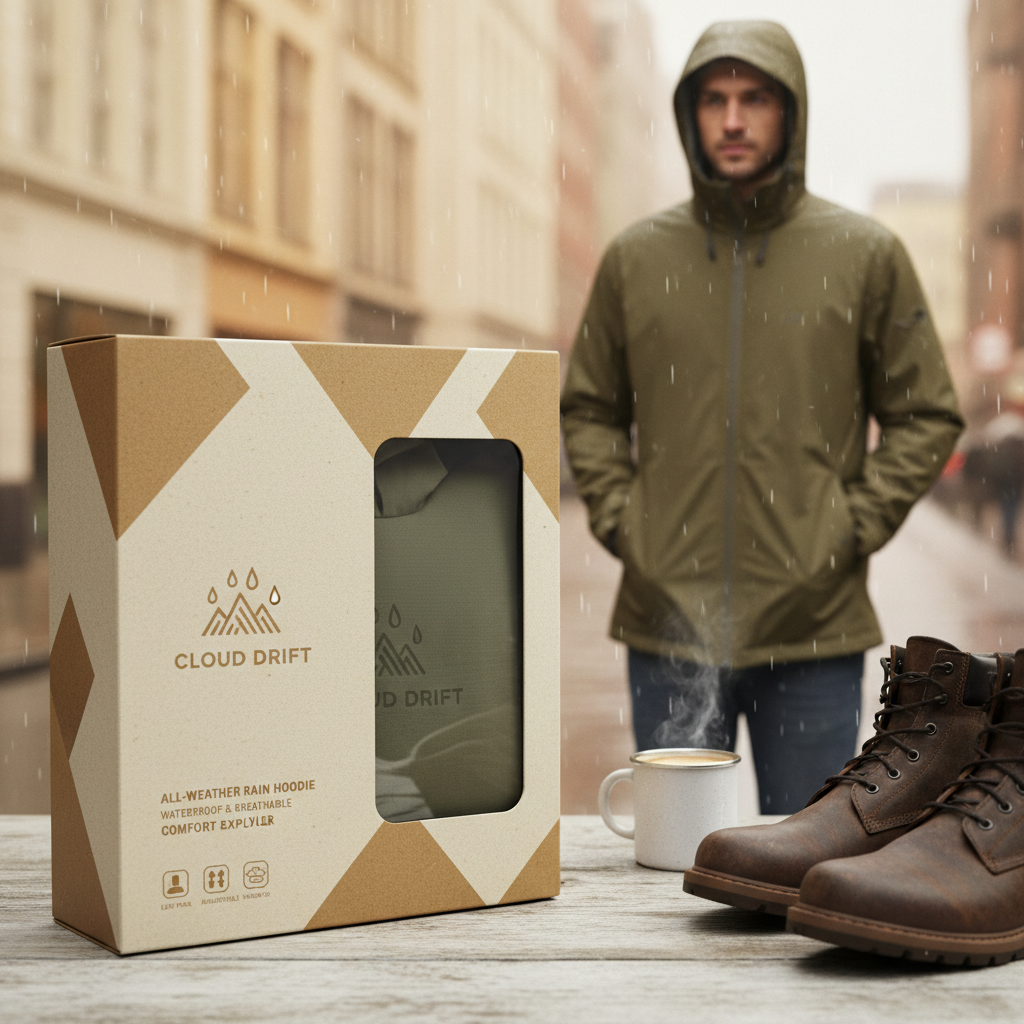
2026-04-16 02:35:36
The Ultimate Guide to Choosing a Premium Mens Rain Hoodie
Facing unpredictable weather requires more than just a simple umbrella; it demands gear that blends functionality with modern aesthetics. A high-quality mens rain hoodie is the perfect solution for the modern man who refuses to let a downpour disrupt his day. Whether you are commuting to the office, hiking a misty trail, or running weekend errands, the right rainwear ensures you stay dry without sacrificing comfort. In this comprehensive guide, we will explore what makes a rain hoodie truly effective, from fabric technology to essential design features, helping you make an informed investment in your wardrobe.
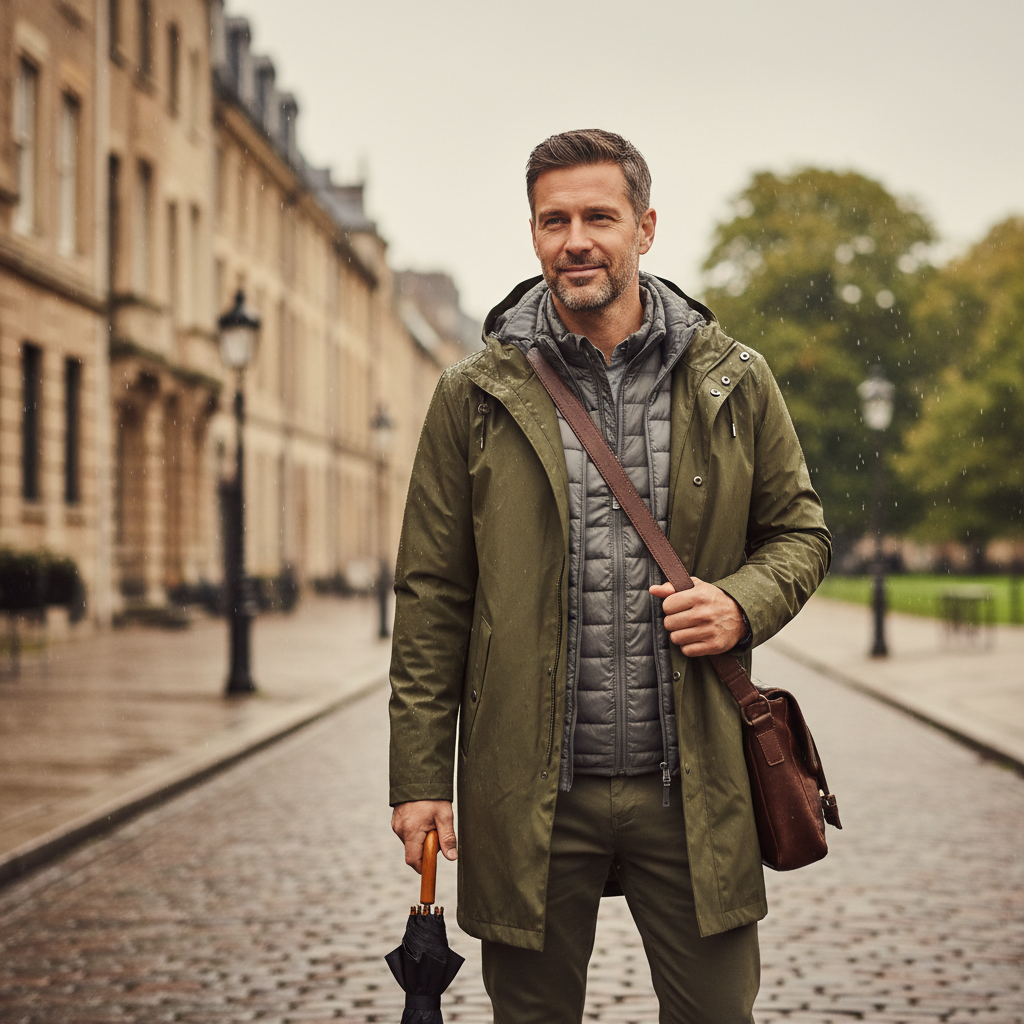
2026-04-09 02:45:09
Best Mens Rain Coat with Removable Liner for All Weather Protection
Facing unpredictable weather requires a wardrobe that is as flexible as your schedule. A mens rain coat with removable liner is the gold standard for versatility, offering a 2-in-1 solution that transitions seamlessly from a light spring drizzle to a freezing winter storm. Instead of cluttering your closet with multiple heavy jackets, a modular system allows you to customize your warmth based on the temperature. In this guide, we will explore why this specific design is essential for the modern man, how to identify high-quality materials, and how to maximize your investment for years of reliable protection.
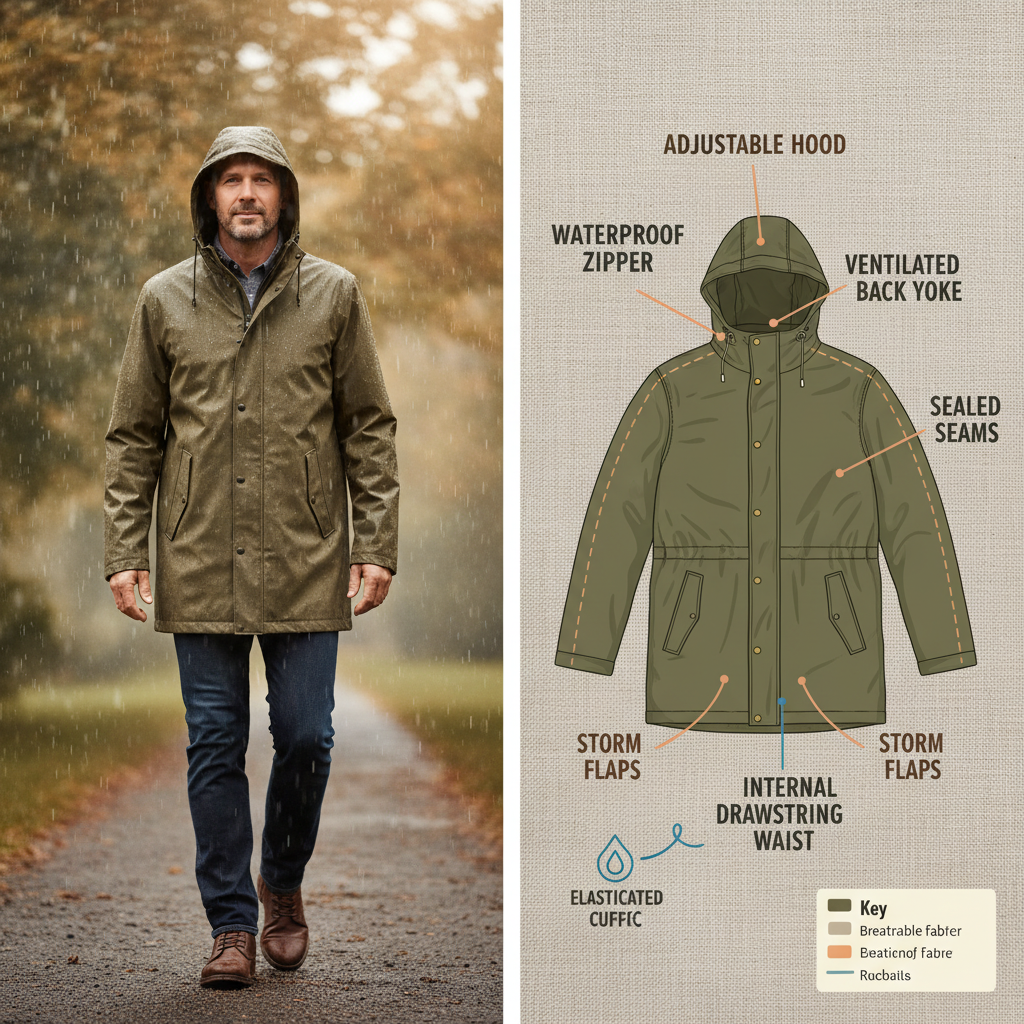
2026-04-07 02:35:18
Comprehensive Guide to Selecting the Perfect Mens Rain Coat with Hood
Finding the right mens rain coat with hood is crucial for staying dry and comfortable in wet weather. Whether you're commuting to work, enjoying outdoor activities, or simply running errands, a reliable raincoat can make all the difference. This article will explore the key features, benefits, and considerations when choosing a rain coat, helping you make an informed decision. We'll cover everything from materials and waterproofing to fit and style. Choosing a high-quality raincoat is an investment in your comfort and protection.
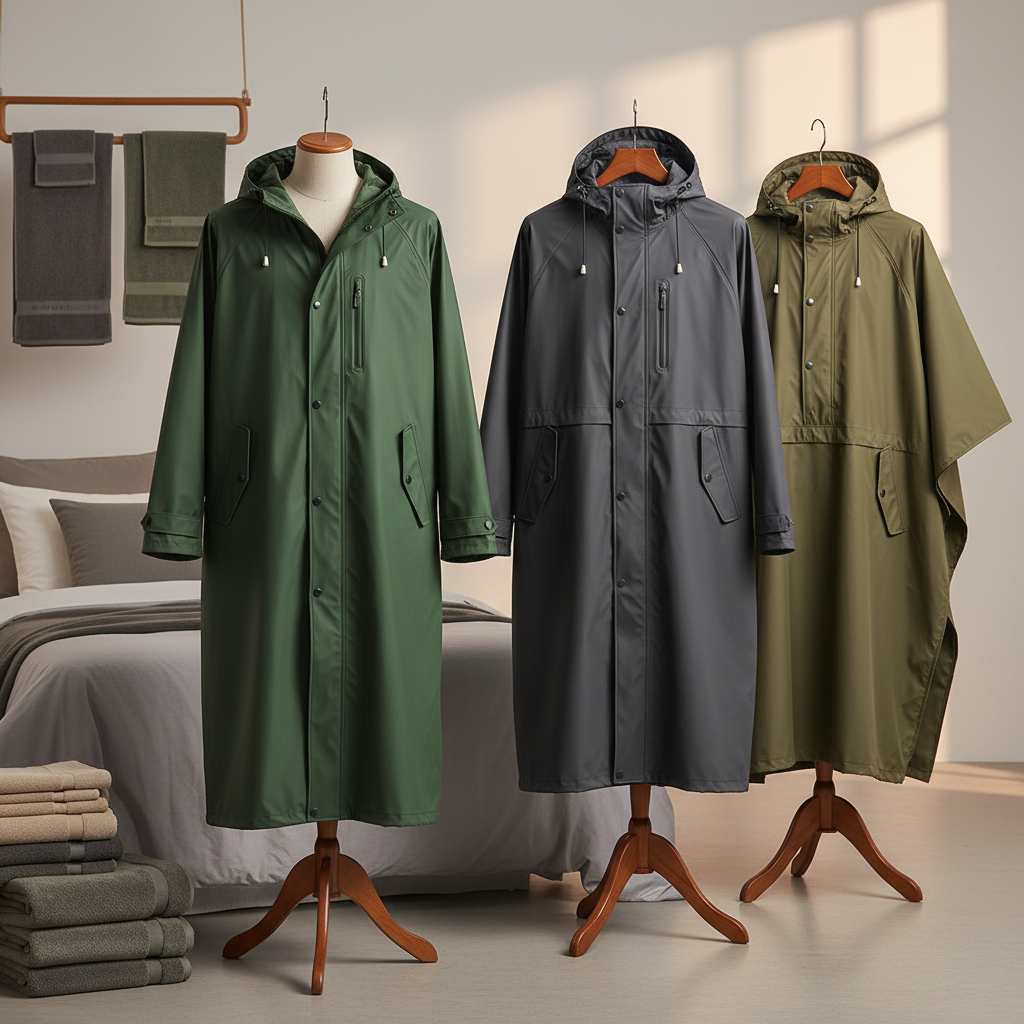
2026-04-04 02:45:18
Comprehensive Guide to Mens Rain Coat Waterproof Options and Features
Staying dry and comfortable in wet weather is crucial, and a high-quality mens rain coat waterproof is an essential part of any outdoor wardrobe. Choosing the right raincoat can make all the difference, protecting you from the elements while offering comfort and durability. This article will cover everything you need to know about waterproof raincoats, including materials, features, and how to choose the best one for your needs. We'll also highlight why SXZY Raincoat offers exceptional quality and value.

2026-03-31 02:35:27
Stylish Mens Rain Coat Dress for Ultimate Weather Protection
When the weather turns unpredictable, a stylish and functional mens rain coat dress is an essential addition to any wardrobe. No longer just about staying dry, rain coats have evolved into fashion statements, offering a blend of practicality and elegance. This article explores the benefits, styles, and key features to look for when choosing the perfect rain coat dress, ensuring you stay comfortable and on-trend, whatever the weather. We'll also highlight how SXZY Raincoat provides quality and style in their collection.
2026-03-28 02:55:02
Comprehensive Guide to Mens Rain Coat and Pants for Optimal Weather Protection
Staying dry and comfortable during inclement weather is crucial, and having the right rain gear can make all the difference. Mens rain coat and pants sets offer superior protection against rain, wind, and cold. This article will explore the benefits of owning a quality rain suit, factors to consider when choosing one, and highlight the exceptional products offered by sxzyraincoat.com. Invest in a reliable rain suit to ensure you're prepared for any weather challenge.
2026-03-26 02:35:30
Choosing the Right Mens Rain Coat for Optimal Weather Protection
Staying dry and comfortable in inclement weather is crucial, and selecting the right mens rain coat is paramount. From everyday commutes to outdoor adventures, a quality raincoat provides essential protection. This article will explore the key features to consider when choosing a mens rain coat, different types available, and how to find the perfect fit for your needs. We'll also highlight the benefits of investing in a durable and reliable raincoat that can withstand various weather conditions. The material of a mens rain coat significantly impacts its waterproofness, breathability, and durability. Common materials include PVC, polyurethane (PU), and Gore-Tex. PVC is affordable but less breathable, leading to discomfort during strenuous activity. PU offers a good balance of waterproofness and breathability. Gore-Tex is a premium option known for its exceptional waterproofness and breathability, making it ideal for demanding conditions.

2026-03-24 02:45:24
Mens Quilted Raincoat A Comprehensive Guide to Style and Weather Protection
Finding the right raincoat is essential for staying dry and comfortable, especially when navigating unpredictable weather. A mens quilted raincoat offers a fantastic blend of practicality and style. This article delves into the benefits of quilted raincoats, key features to look for, how to choose the perfect fit, and care tips to ensure longevity. We'll explore why a quilted raincoat from SXZY Raincoat is an excellent investment for any weather condition. Quilted raincoats stand out due to their unique construction. The quilting process involves stitching layers of fabric together, typically with a layer of insulation in between. This not only adds a stylish aesthetic but also provides excellent warmth and comfort. Unlike standard raincoats that can feel stiff and uncomfortable, quilted versions offer a softer, more forgiving feel. The quilted design traps air, creating an insulating barrier against the cold, making them ideal for cooler, wetter climates.


