



Heavy Duty Raincoat for Motorcycle: Durable, Safe Waterproof Gear for Riders

Nov . 30, 2025 02:40
Heavy Duty Raincoat for Motorcycle: Why It Matters Beyond the Ride
If you’ve ever been caught in a downpour on your motorcycle, you know the value of a reliable raincoat. But it’s not just about staying dry — globally, a heavy duty raincoat for motorcycle represents crucial protection, safety, and comfort for millions of riders, from urban couriers to rural commuters. Understanding these raincoats unlocks benefits like increased rider safety, longer garment lifespan, and better environmental impact.
So why is this topic worth our time? According to the World Health Organization, over 1 billion people worldwide rely on motorcycles as their primary transport, especially in developing regions. A quality raincoat isn’t just gear; it’s part of a safer, more efficient transportation ecosystem. And with climate patterns shifting to include more severe rainfall, these garments must keep up.
The Global Context: Riding Through Rain, Worldwide
Globally, the demand for heavy duty rainwear for motorcyclists is rising steadily. Motorcycle manufacturing has seen consistent growth, with Asia-Pacific markets alone accounting for nearly 70% of total production (source: International Organization of Motor Vehicle Manufacturers, 2023). In many countries, motorcycles aren’t a leisure vehicle — they’re lifelines for work, delivery, and schooling.
But here’s a problem: ordinary raincoats often fail under persistent heavy rains or rugged use. They wear down quickly, leaking or tearing, which exposes riders to risk and discomfort. This creates a real need for specialized durable solutions designed for motorcyclists operating in demanding conditions.
Mini takeaway: The intersection of rising motorcycle use and more extreme weather creates a pressing need for rugged, reliable rain protection.
What Exactly Is a Heavy Duty Raincoat for Motorcycle?
Simply put, a heavy duty raincoat for motorcycle is a specially designed outerwear garment that protects riders from rain, wind, and cold while enduring the stresses of frequent use and exposure. Unlike regular rain ponchos or light jackets, these raincoats are made with materials and construction techniques tuned for durability, weather resistance, and rider mobility.
Industrially, this kind of raincoat blends performance textiles with ergonomic designs — reinforcing joints, incorporating reflective elements, and offering sufficient ventilation. On the humanitarian side, such rainwear supports workers and riders in disaster zones or economically challenged areas where exposure to heavy precipitation is a constant hazard.
Core Components That Make These Raincoats Tick
1. Durability
Durability is king. Heavy duty raincoats are crafted from tough materials like PVC-coated nylon or TPU composites that resist abrasions and tears. Many incorporate double or triple layering to reinforce stress points, especially over shoulders and elbows. The seams are often welded or taped to prevent leaks — no stitching holes to let the rain in.
2. Water Resistance & Breathability
These coats must keep water out while allowing sweat to escape to prevent clamminess. Technologies such as microporous membranes or breathable polyurethane laminates do this balancing act. It's an art, really, making sure a rider doesn’t overheat but won't be soaked by storms.
3. Visibility and Safety Features
Most heavy duty motorcycle raincoats feature reflective strips or panels. When rain hits dusk or dawn — those tricky low-light times — these help riders be seen by cars and pedestrians. Even a simple reflective patch can be life-saving.
4. Comfort and Fit
Riding demands freedom of movement, especially when leaning into turns or stopping suddenly. These raincoats often have articulated seams, adjustable cuffs, and roomy hoods that fit over helmets without obstructing vision. Ventilation zippers are common to modulate airflow when conditions allow.
5. Cost Efficiency
While premium materials add to initial cost, investing in a robust raincoat reduces the frequency of replacements. Plus, fewer leaks translate to fewer respiratory infections or colds for frequent users, cutting down on health-related costs.
Mini takeaway:
- Durability and waterproofness keep riders protected longer.
- Comfort and safety features ensure practical usability.
- Cost-effective design means real-world savings over time.
Where These Raincoats Make a Real Difference
Applications of heavy duty raincoats for motorcycle span from Southeast Asia’s monsoon seasons to rural African communities where motorcycles deliver critical supplies. In countries like India and Vietnam, motorcycle taxis operate through heavy rains and muddy roads — needing gear that can endure constant wet and grime.
In post-disaster relief operations, such raincoats become vital for volunteers and workers who must reach affected zones regardless of weather. NGOs and emergency services often look for rugged options capable of handling unpredictable and intense exposure.
Even on the business front, courier services in cities worldwide, like Jakarta or São Paulo, rely on such raincoats to keep their staff dry and operational during rainy months — directly impacting delivery timelines and customer satisfaction.
Product Specification Table
| Specification | Details |
|---|---|
| Material | PVC-coated Nylon / TPU Laminated Fabric |
| Waterproof Rating | 20,000 mm H₂O minimum |
| Seam Type | Heat-welded / Taped |
| Reflective Elements | High-visibility reflective bands on arms/torso |
| Ventilation | Underarm zippers & back vents |
| Weight | About 550 grams (varies by size) |
Comparing Popular Vendors of Heavy Duty Motorcycle Raincoats
| Vendor | Material | Price Range (USD) | Durability | Unique Feature |
|---|---|---|---|---|
| RainShield Pro | TPU Laminated Fabric | $70-$90 | High (5+ years typical) | Helmet-compatible hood |
| StormRider | PVC-Coated Nylon | $50-$75 | Medium (3-4 years) | Reinforced elbow patches |
| MotoDry Elite | Microporous membrane | $85-$110 | High (5+ years) | Multi-zone ventilation |
Advantages and Long-Term Impact of Heavy Duty Raincoats
Besides the obvious — staying dry — these raincoats deliver lasting benefits. Practically, they lower total ownership cost due to less frequent replacements and reduce health risks linked to damp exposure. Socially, reliable rainwear empowers riders to stay on the road regardless of weather, safeguarding livelihoods.
Emotionally, there’s peace of mind knowing the gear can stand up to torrential rains, sudden squalls, or cold evenings. Many riders say “it feels like riding with armor.” That trust is invaluable.
Where Innovation Is Taking Heavy Duty Motorcycle Rainwear
Looking ahead, expect sustainability and smart textiles to reshape this market. Biodegradable fabrics, recycled materials, and non-toxic waterproof coatings are gaining attention in line with ISO environmental standards and global climate goals.
Meanwhile, digital tech will integrate sensors tracking weather conditions or rider biometrics to adapt ventilation automatically or signal hazards. Imagine raincoats that not only protect but also enhance the riding experience intelligently.
Tackling Challenges: Raincoats That Stay Dry... and Comfortable
The main gripe with heavy duty raincoats? Often, the tradeoff between waterproofness and comfort. Some riders complain of overheating or stiffness. It’s an ongoing battle among designers to balance breathability with rugged weatherproofing.
Solutions include strategic vent placement, stretch panels for mobility, and newer materials that breathe better without sacrificing rain protection. Plus, innovations in seam sealing and lamination reduce bulk and weight.
Frequently Asked Questions About Heavy Duty Raincoats for Motorcycle
- Q: How do heavy duty motorcycle raincoats differ from regular rain jackets?
- A: Heavy duty raincoats use tougher materials, reinforced seams, and design details tailored to motorcycle riding, such as helmet-compatible hoods and reflective strips, offering superior durability and safety compared to standard rain jackets.
- Q: Can these raincoats be used year-round?
- A: Many heavy duty raincoats offer ventilation and adjustable features for moderate weather use, but some may be better suited for wet seasons only due to insulation levels. Check product specifics for temperature ratings.
- Q: Are heavy duty raincoats environmentally sustainable?
- A: Increasingly, brands are incorporating recycled and eco-friendly materials. Certifications and compliance with ISO environment standards are good indicators of a coat’s greener credentials.
- Q: How should I care for my heavy duty raincoat?
- A: Generally, gentle washing with cold water, avoiding harsh detergents, and air drying extends fabric life. Re-waterproofing sprays or treatments may also help maintain performance.
- Q: Where can I buy reliable heavy duty raincoats for motorcycles?
- A: Vendors specializing in motorcycle gear or brands like RainShield Pro, StormRider, and MotoDry Elite offer proven options. For more choices, explore heavy duty raincoat for motorcycle suppliers.
Final Thoughts: Gear Up for the Unexpected
At the end of the day, investing in a quality heavy duty raincoat for motorcycle isn’t just about weatherproofing – it’s about safety, comfort, and peace of mind. The right raincoat balances technical prowess with real-world needs, proving indispensable for riders across continents and climates. Whether you deliver packages in a bustling city or commute daily through rainy seasons, the right gear makes all the difference.
Explore the options, consider your climate and riding patterns, and don’t skimp on protection. You’ll be glad when the skies open up.
Visit our website for more expert advice and purchasing options: https://www.sxzyraincoat.com
References

Related Products
Related News

2026-04-16 02:35:36
The Ultimate Guide to Choosing a Premium Mens Rain Hoodie
Facing unpredictable weather requires more than just a simple umbrella; it demands gear that blends functionality with modern aesthetics. A high-quality mens rain hoodie is the perfect solution for the modern man who refuses to let a downpour disrupt his day. Whether you are commuting to the office, hiking a misty trail, or running weekend errands, the right rainwear ensures you stay dry without sacrificing comfort. In this comprehensive guide, we will explore what makes a rain hoodie truly effective, from fabric technology to essential design features, helping you make an informed investment in your wardrobe.
2026-04-09 02:45:09
Best Mens Rain Coat with Removable Liner for All Weather Protection
Facing unpredictable weather requires a wardrobe that is as flexible as your schedule. A mens rain coat with removable liner is the gold standard for versatility, offering a 2-in-1 solution that transitions seamlessly from a light spring drizzle to a freezing winter storm. Instead of cluttering your closet with multiple heavy jackets, a modular system allows you to customize your warmth based on the temperature. In this guide, we will explore why this specific design is essential for the modern man, how to identify high-quality materials, and how to maximize your investment for years of reliable protection.
2026-04-07 02:35:18
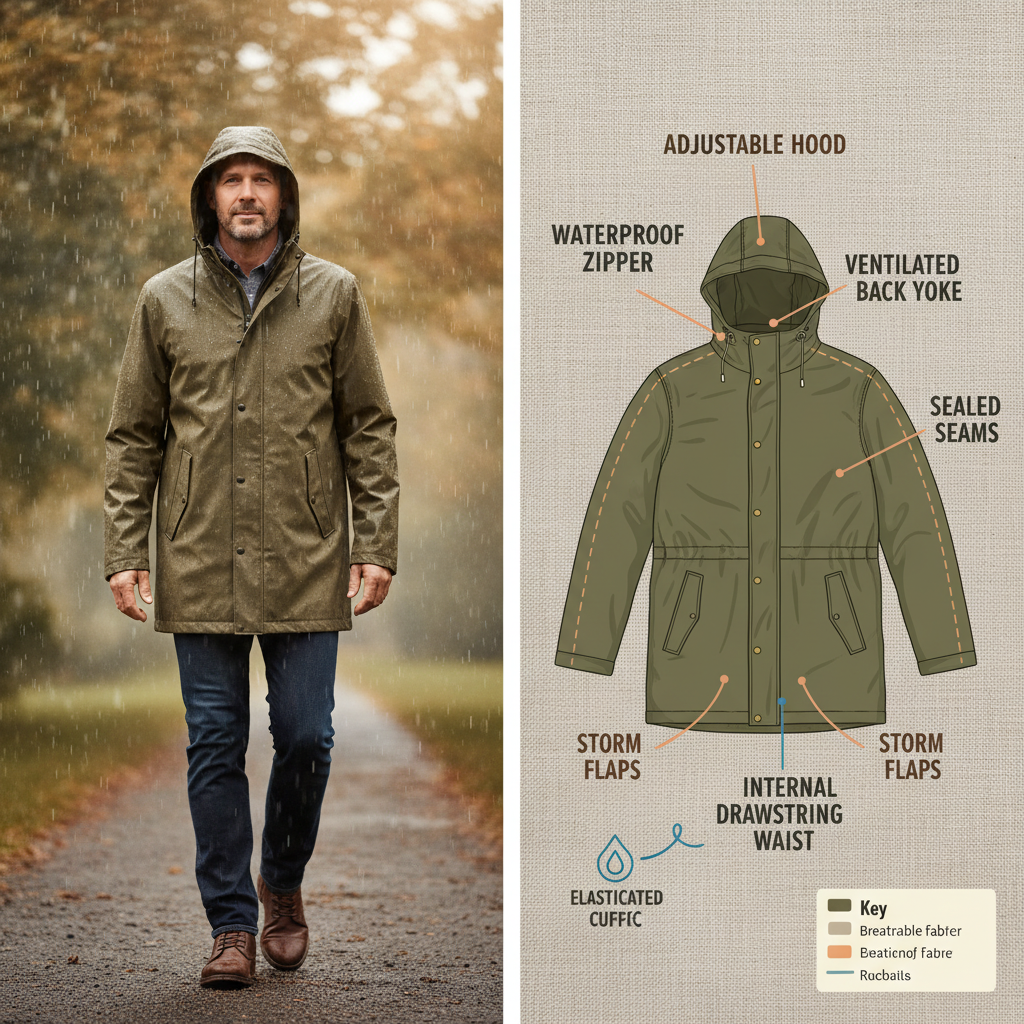
Comprehensive Guide to Selecting the Perfect Mens Rain Coat with Hood
Finding the right mens rain coat with hood is crucial for staying dry and comfortable in wet weather. Whether you're commuting to work, enjoying outdoor activities, or simply running errands, a reliable raincoat can make all the difference. This article will explore the key features, benefits, and considerations when choosing a rain coat, helping you make an informed decision. We'll cover everything from materials and waterproofing to fit and style. Choosing a high-quality raincoat is an investment in your comfort and protection.
2026-04-04 02:45:18
Comprehensive Guide to Mens Rain Coat Waterproof Options and Features
Staying dry and comfortable in wet weather is crucial, and a high-quality mens rain coat waterproof is an essential part of any outdoor wardrobe. Choosing the right raincoat can make all the difference, protecting you from the elements while offering comfort and durability. This article will cover everything you need to know about waterproof raincoats, including materials, features, and how to choose the best one for your needs. We'll also highlight why SXZY Raincoat offers exceptional quality and value.

2026-03-31 02:35:27
Stylish Mens Rain Coat Dress for Ultimate Weather Protection
When the weather turns unpredictable, a stylish and functional mens rain coat dress is an essential addition to any wardrobe. No longer just about staying dry, rain coats have evolved into fashion statements, offering a blend of practicality and elegance. This article explores the benefits, styles, and key features to look for when choosing the perfect rain coat dress, ensuring you stay comfortable and on-trend, whatever the weather. We'll also highlight how SXZY Raincoat provides quality and style in their collection.
2026-03-28 02:55:02
Comprehensive Guide to Mens Rain Coat and Pants for Optimal Weather Protection
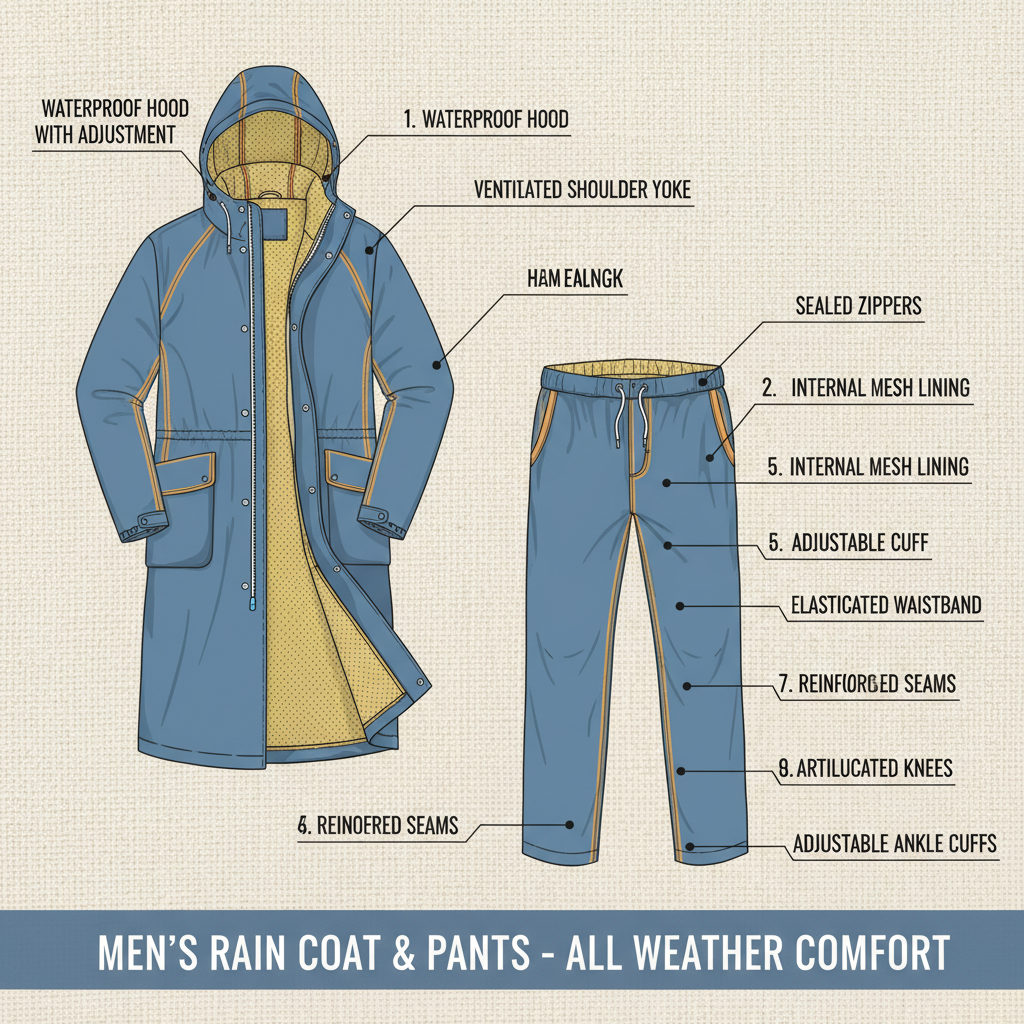
Staying dry and comfortable during inclement weather is crucial, and having the right rain gear can make all the difference. Mens rain coat and pants sets offer superior protection against rain, wind, and cold. This article will explore the benefits of owning a quality rain suit, factors to consider when choosing one, and highlight the exceptional products offered by sxzyraincoat.com. Invest in a reliable rain suit to ensure you're prepared for any weather challenge.
2026-03-26 02:35:30
Choosing the Right Mens Rain Coat for Optimal Weather Protection
Staying dry and comfortable in inclement weather is crucial, and selecting the right mens rain coat is paramount. From everyday commutes to outdoor adventures, a quality raincoat provides essential protection. This article will explore the key features to consider when choosing a mens rain coat, different types available, and how to find the perfect fit for your needs. We'll also highlight the benefits of investing in a durable and reliable raincoat that can withstand various weather conditions. The material of a mens rain coat significantly impacts its waterproofness, breathability, and durability. Common materials include PVC, polyurethane (PU), and Gore-Tex. PVC is affordable but less breathable, leading to discomfort during strenuous activity. PU offers a good balance of waterproofness and breathability. Gore-Tex is a premium option known for its exceptional waterproofness and breathability, making it ideal for demanding conditions.

2026-03-24 02:45:24
Mens Quilted Raincoat A Comprehensive Guide to Style and Weather Protection
Finding the right raincoat is essential for staying dry and comfortable, especially when navigating unpredictable weather. A mens quilted raincoat offers a fantastic blend of practicality and style. This article delves into the benefits of quilted raincoats, key features to look for, how to choose the perfect fit, and care tips to ensure longevity. We'll explore why a quilted raincoat from SXZY Raincoat is an excellent investment for any weather condition. Quilted raincoats stand out due to their unique construction. The quilting process involves stitching layers of fabric together, typically with a layer of insulation in between. This not only adds a stylish aesthetic but also provides excellent warmth and comfort. Unlike standard raincoats that can feel stiff and uncomfortable, quilted versions offer a softer, more forgiving feel. The quilted design traps air, creating an insulating barrier against the cold, making them ideal for cooler, wetter climates.


