



Heavy Rain Coat - Durable Waterproof Wear for Every Weather Challenge

Nov . 30, 2025 04:15
The Heavy Rain Coat: Protection Beyond Fashion
If you've ever been caught unprepared in an unexpected downpour, you’ll know the real value of a good heavy rain coat. But beyond the occasional inconvenience of bad weather, heavy rain gear plays an essential role globally—from safeguarding workers in harsh conditions to aiding humanitarian efforts. Understanding what makes a heavy rain coat effective can literally be a matter of comfort, safety, or even survival, depending on where you live or work.
Why the Heavy Rain Coat Matters Globally
Climate change has brought with it increasingly unpredictable and extreme weather patterns, as noted by the United Nations Climate Change reports. Floods and persistent rain seasons have become far more frequent in many parts of the world, especially in tropical and subtropical regions. In fact, the World Bank estimates that unmanaged rainy seasons affect millions of people’s livelihoods yearly, often increasing occupational hazards for outdoor workers from construction to agriculture.
In regions where infrastructure is unreliable or working outdoors is the norm, the humble heavy rain coat steps in as essential personal protective equipment. So, while it might seem like just another piece of clothing, it’s often the first line of defense against physical and economic hardship for many.
What Exactly Is a Heavy Rain Coat?
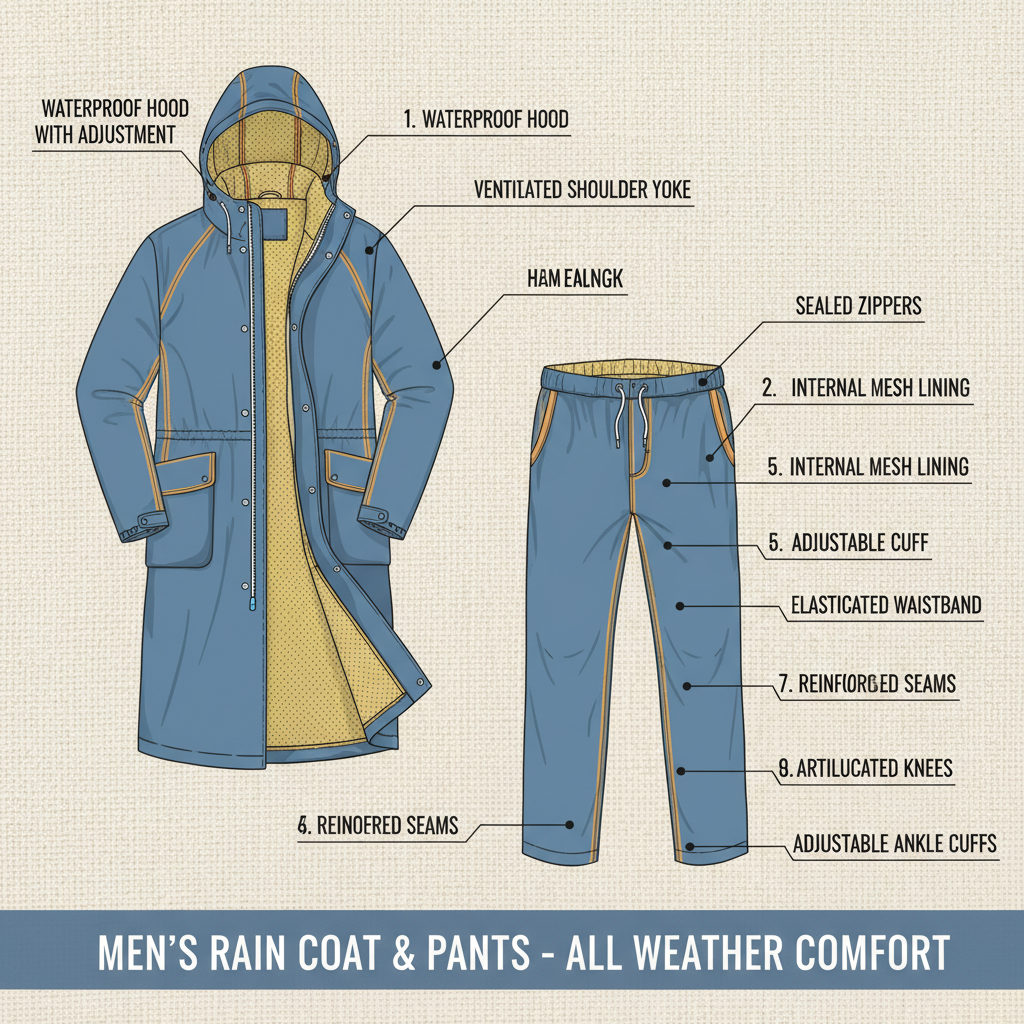
Simply put, a heavy rain coat is a durable, waterproof outer garment designed to keep the wearer dry during heavy or prolonged rain. Unlike lightweight rainwear designed mainly for light drizzles or occasional showers, heavy rain coats are built tough—often with reinforced seams, substantial waterproof materials, and features that guard against wind and cold as well.
But they’re more than just clothing; in modern industry and humanitarian work, they act as rugged gear that enables people to work efficiently in extreme weather without risking health or productivity. From NGOs delivering aid in flood zones to construction crews on a wet site, this gear is as much about reliability as it is about functionality.
Mini Takeaway:
The heavy rain coat is a specialized item designed to offer maximum protection and durability, serving critical roles in global industries and disaster relief.
What Makes a Heavy Rain Coat Work? Key Components Explained
1. Waterproof Materials
Generally made from PVC, Gore-Tex, or other treated synthetic fibers, the core of a heavy rain coat's effectiveness is how much water it keeps out. Many manufacturers use multi-layer laminates or coatings that keep water on the outside while letting sweat evaporate — key for long wear.
2. Durability
Heavy rain coats must resist tears, abrasions, and repeated use. Reinforced stitching and rugged fabric blends add to longevity, essential in industrial or rugged settings.
3. Breathability
Oddly enough, keeping dry also means keeping cool. Breathability prevents moisture buildup inside the coat, so workers stay comfortable, avoiding that sweaty, clammy feeling after hours outdoors.
4. Wind Resistance
Many rain events come with gusty winds. A heavy rain coat with a windproof design — adjustable cuffs, collars, storm flaps — helps maintain warmth and keeps water out.
5. Fit and Features
Roomy enough to layer, with adjustable hoods and ventilation options, these coats balance protection with comfort. Some even have reflective strips for safety in low visibility or nighttime work.
| Feature | Details |
|---|---|
| Material | 500D Polyester with PVC coating |
| Waterproof Rating | 20,000 mm (Hydrostatic head test) |
| Breathability | 5,000 g/m²/24h (MVTR rating) |
| Seam Construction | Double-stitched, taped seams |
| Weight | Approx. 1.2 kg |
| Additional Features | Reflective tape, adjustable hood, ventilation zippers |
Quick Recap:
Waterproof fabric, durability, breathability, and wind resistance form the backbone of an effective heavy rain coat.
Where Are Heavy Rain Coats Making an Impact?
Across continents and industries, this gear shows up in diverse places.
- Humanitarian Relief: NGOs working in flood-prone areas like South Asia and sub-Saharan Africa rely on heavy rain coats for volunteers and aid workers navigating unpredictable wet weather.
- Industrial Worksites: Mining, forestry, and oil rigs in places like northern Europe or Canada see heavy rain coats as standard wear for their crews.
- Agriculture: Farmers in temperate to tropical regions, where seasonal heavy rains dominate, need reliable rainwear to maintain productivity.
- Urban Emergency Responders: Firefighters and rescue teams often have specialized heavy rain coats for wet and cold conditions.
For example, during the 2018 Kerala floods in India, emergency teams outfitted with robust rain gear could operate efficiently in sustained heavy rainfall, saving crucial hours and lives.
Mini Takeaway:
Heavy rain coats are vital in sectors from humanitarian aid to resource extraction, enabling people to work safely and effectively despite challenging weather.
Why Invest in Heavy Rain Coats? The Advantages Explained
The benefits of premium heavy rain coats aren’t just skin-deep. Here’s why going for durable, well-designed rainwear pays off:
- Cost Savings: Fewer health-related absences and longer-lasting gear mean less money wasted on frequent replacements.
- Worker Safety: Protecting against hypothermia, illness, and discomfort supports morale and reduces accidents.
- Sustainability: Growth in eco-friendly coatings and recyclable materials means these coats aren’t just functional but greener too.
- Enhanced Productivity: Dry, comfortable workers perform better, especially outdoors in wet climates.
- Dignity and Trust: Providing quality gear signals respect and care, building workplace or organizational loyalty.
Looking Ahead: Trends in Heavy Rain Coat Innovation
The heavy rain coat market is evolving. Manufacturers are exploring:
- Advanced Eco-Materials: Biodegradable PVC alternatives and recycled fabrics reduce environmental footprint.
- Smart Textile Integration: Incorporating sensors to monitor temperature or moisture inside the coat.
- Improved Breathability: Nano-porous membranes that enhance airflow without sacrificing waterproofing.
- Customization Technologies: 3D fitting and modular features for specific occupational needs.
Frankly, it’s exciting to see something as “simple” as a rain coat set to benefit from digital transformation, sustainability drives, and material science advances all at once.
Common Challenges & How the Industry Addresses Them
There are downsides and tricky parts, naturally:
- Weight and Bulk: Heavy rain coats can be cumbersome; efforts to reduce weight without losing protection are ongoing.
- Cost Barriers: High-tech materials often come at a higher price, making affordability an issue for some regions.
- Breathability vs. Waterproofing: A tricky balance that still has room for improvement.
To tackle these, vendors are combining user feedback, advanced polymers, and scalable production methods to produce gear both affordable and performance-driven.
| Vendor | Material Quality | Price Range | Customization | Sustainability Efforts |
|---|---|---|---|---|
| StormGuard | High-grade PVC with taped seams | $$$ | Limited colors and sizes | Minimal |
| EcoRainTech | Biodegradable PVC and recycled materials | $$$$ | Fully customizable | Strong commitment |
| ProShield Gear | Gore-Tex laminates | $$$$ | Modular add-ons | Medium |
FAQs About Heavy Rain Coats
- What should I look for when buying a heavy rain coat for outdoor work?
- Focus on waterproof rating (typically above 10,000mm hydrostatic head), material durability, breathability, and added features like vents or adjustable hoods. Comfort for long wear is key.
- Can heavy rain coats be used in cold climates?
- Yes, many heavy rain coats are windproof and roomy enough to layer warm garments underneath, making them suitable for wet, cold conditions.
- Are heavy rain coats eco-friendly?
- Traditionally, no, but newer coats using recycled or biodegradable materials are becoming popular. Look for certifications or sustainability claims if this is important to you.
- How do I care for my heavy rain coat to extend its life?
- Clean it following manufacturer guidelines, usually gentle washing without harsh detergents, and reapply waterproof coatings occasionally to maintain protection.
- Is a heavy rain coat better than an umbrella for heavy rain?
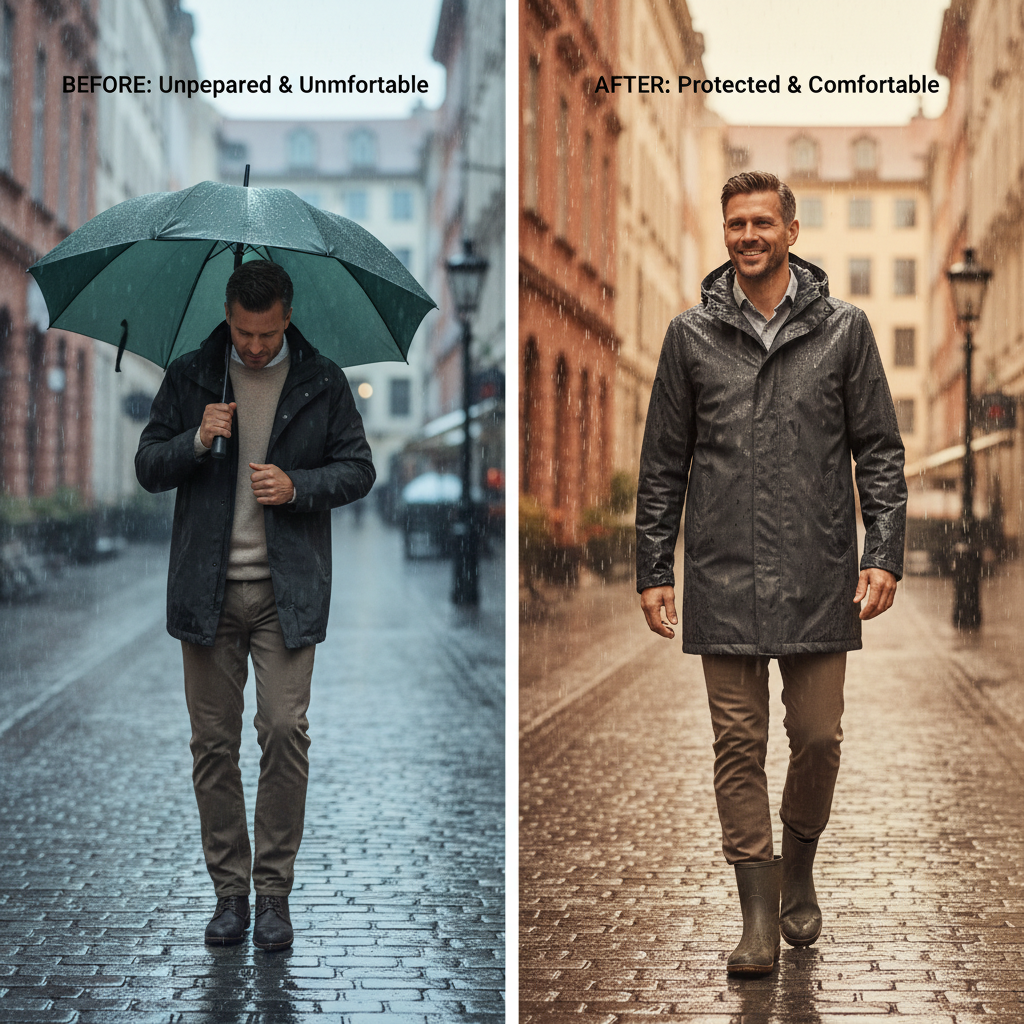
- For extended outdoor activity or work, yes. Umbrellas can be cumbersome and fail in wind, while a good rain coat offers full-body protection without needing to be held.
In Closing: Why Heavy Rain Coats Are More Than Just Rainwear
To sum it up, investing in a proper heavy rain coat is investing in safety, reliability, and productivity. Whether you’re an aid worker facing stormy terrain, a farmer battling monsoon rains, or simply someone who hates soggy clothes, the difference a quality coat makes is night and day. Given all the technological strides and materials innovation on the horizon, I feel like the raincoat’s story is far from over — it's pretty much evolving alongside the climate challenges we all face.
Curious to learn more or find just the right heavy rain coat for your needs? Visit our site to explore our range and get expert advice tailored to your environment and purpose.
References

Related Products
Related News

2026-04-16 02:35:36
The Ultimate Guide to Choosing a Premium Mens Rain Hoodie
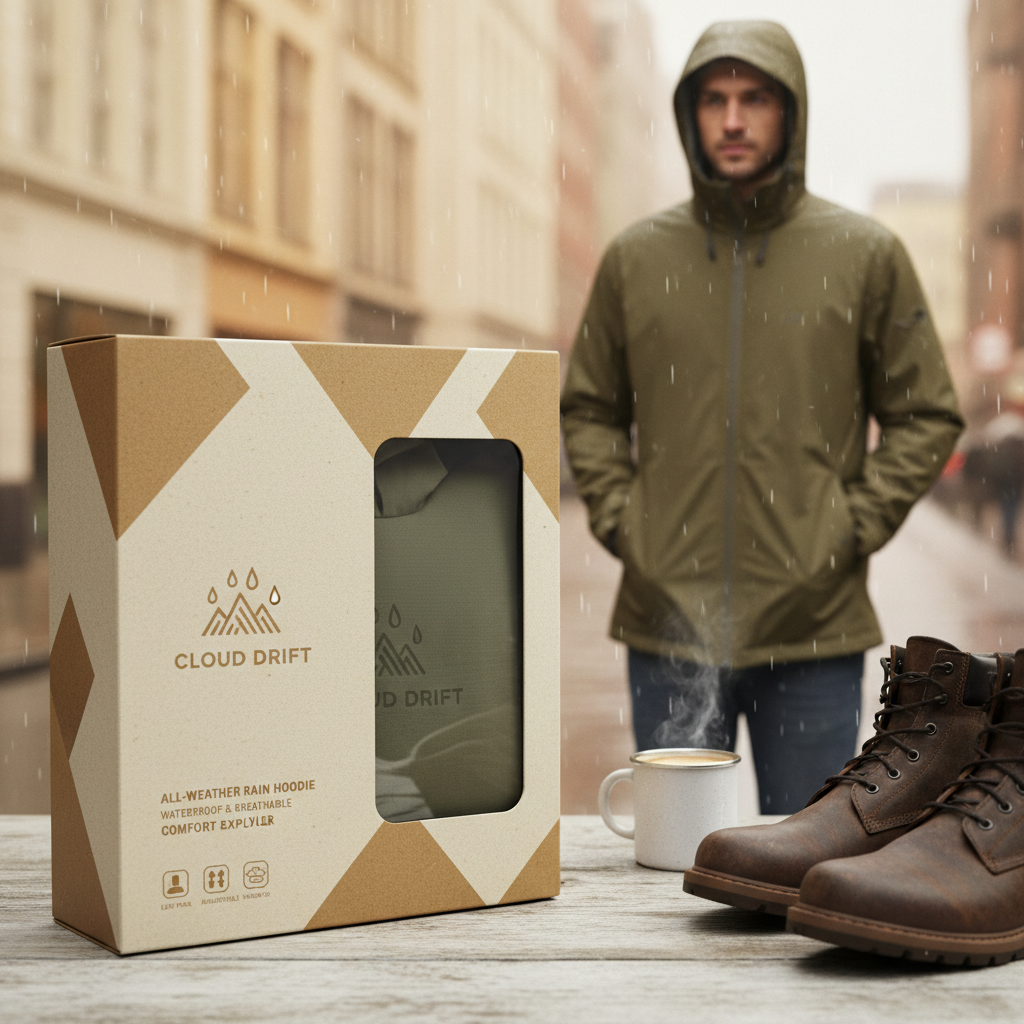
Facing unpredictable weather requires more than just a simple umbrella; it demands gear that blends functionality with modern aesthetics. A high-quality mens rain hoodie is the perfect solution for the modern man who refuses to let a downpour disrupt his day. Whether you are commuting to the office, hiking a misty trail, or running weekend errands, the right rainwear ensures you stay dry without sacrificing comfort. In this comprehensive guide, we will explore what makes a rain hoodie truly effective, from fabric technology to essential design features, helping you make an informed investment in your wardrobe.
2026-04-09 02:45:09
Best Mens Rain Coat with Removable Liner for All Weather Protection
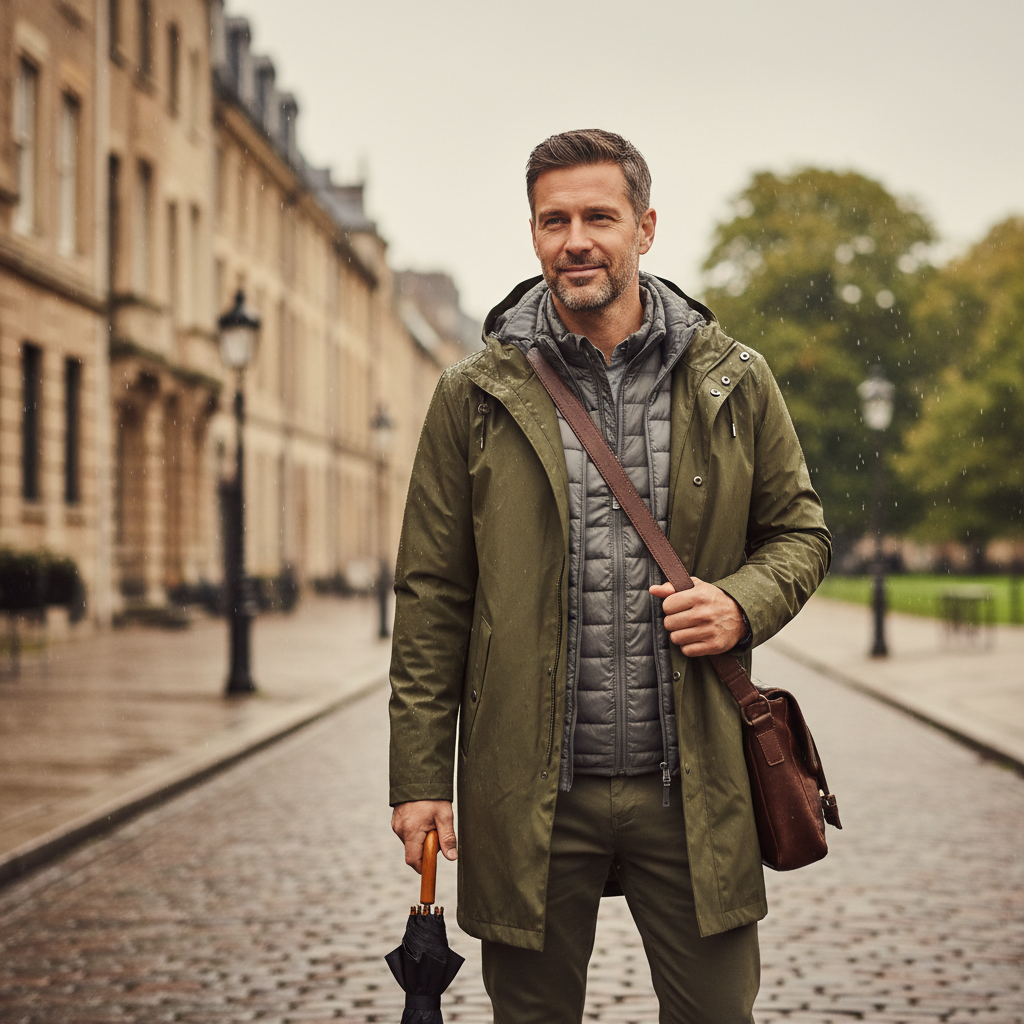
Facing unpredictable weather requires a wardrobe that is as flexible as your schedule. A mens rain coat with removable liner is the gold standard for versatility, offering a 2-in-1 solution that transitions seamlessly from a light spring drizzle to a freezing winter storm. Instead of cluttering your closet with multiple heavy jackets, a modular system allows you to customize your warmth based on the temperature. In this guide, we will explore why this specific design is essential for the modern man, how to identify high-quality materials, and how to maximize your investment for years of reliable protection.
2026-04-07 02:35:18
Comprehensive Guide to Selecting the Perfect Mens Rain Coat with Hood
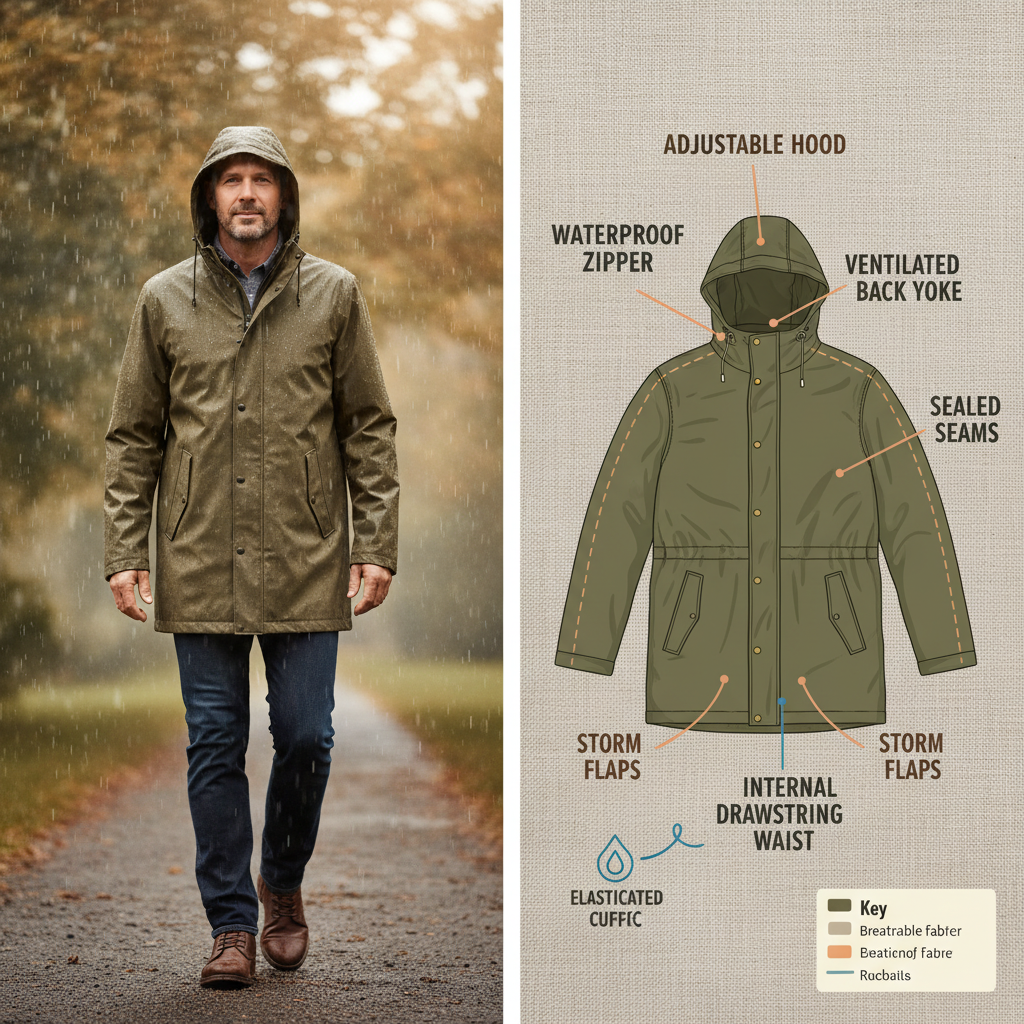
Finding the right mens rain coat with hood is crucial for staying dry and comfortable in wet weather. Whether you're commuting to work, enjoying outdoor activities, or simply running errands, a reliable raincoat can make all the difference. This article will explore the key features, benefits, and considerations when choosing a rain coat, helping you make an informed decision. We'll cover everything from materials and waterproofing to fit and style. Choosing a high-quality raincoat is an investment in your comfort and protection.
2026-04-04 02:45:18
Comprehensive Guide to Mens Rain Coat Waterproof Options and Features
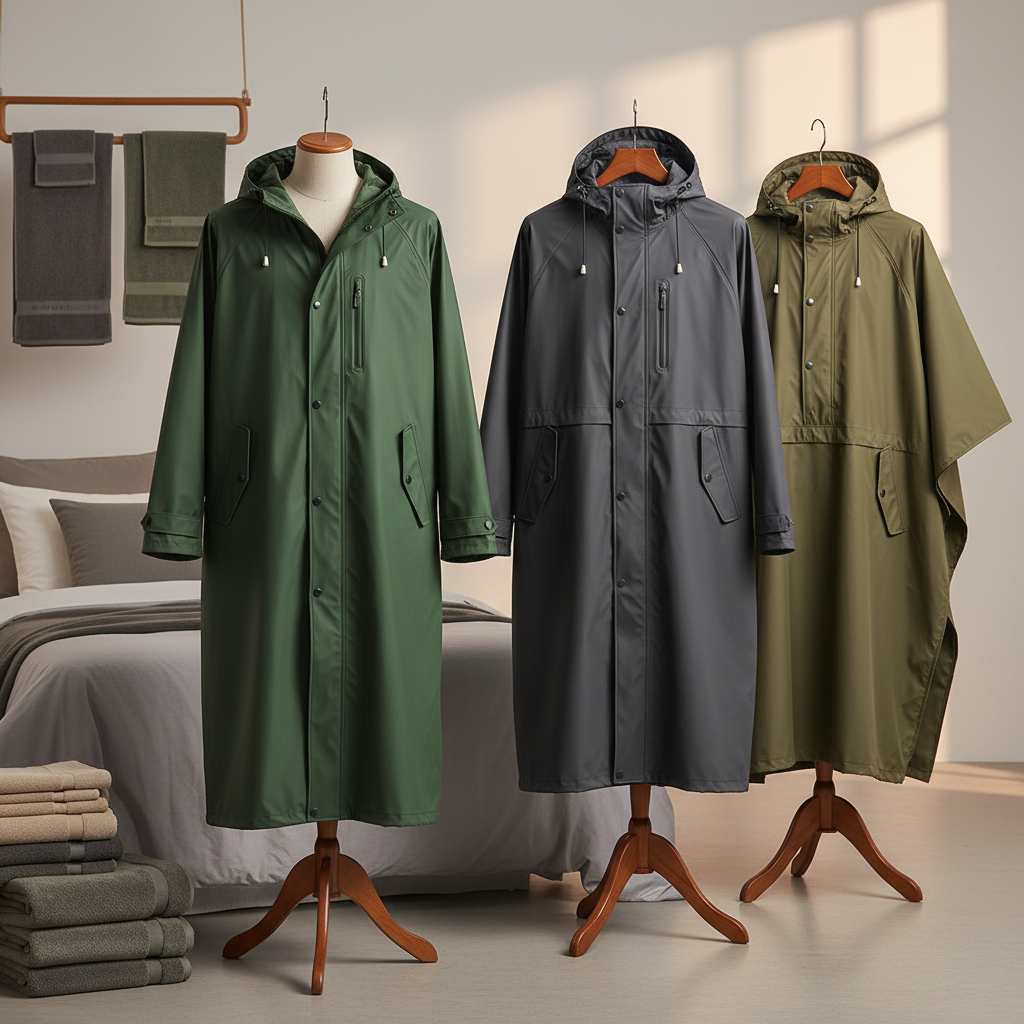
Staying dry and comfortable in wet weather is crucial, and a high-quality mens rain coat waterproof is an essential part of any outdoor wardrobe. Choosing the right raincoat can make all the difference, protecting you from the elements while offering comfort and durability. This article will cover everything you need to know about waterproof raincoats, including materials, features, and how to choose the best one for your needs. We'll also highlight why SXZY Raincoat offers exceptional quality and value.

2026-03-31 02:35:27
Stylish Mens Rain Coat Dress for Ultimate Weather Protection
When the weather turns unpredictable, a stylish and functional mens rain coat dress is an essential addition to any wardrobe. No longer just about staying dry, rain coats have evolved into fashion statements, offering a blend of practicality and elegance. This article explores the benefits, styles, and key features to look for when choosing the perfect rain coat dress, ensuring you stay comfortable and on-trend, whatever the weather. We'll also highlight how SXZY Raincoat provides quality and style in their collection.
2026-03-28 02:55:02
Comprehensive Guide to Mens Rain Coat and Pants for Optimal Weather Protection
Staying dry and comfortable during inclement weather is crucial, and having the right rain gear can make all the difference. Mens rain coat and pants sets offer superior protection against rain, wind, and cold. This article will explore the benefits of owning a quality rain suit, factors to consider when choosing one, and highlight the exceptional products offered by sxzyraincoat.com. Invest in a reliable rain suit to ensure you're prepared for any weather challenge.
2026-03-26 02:35:30
Choosing the Right Mens Rain Coat for Optimal Weather Protection
Staying dry and comfortable in inclement weather is crucial, and selecting the right mens rain coat is paramount. From everyday commutes to outdoor adventures, a quality raincoat provides essential protection. This article will explore the key features to consider when choosing a mens rain coat, different types available, and how to find the perfect fit for your needs. We'll also highlight the benefits of investing in a durable and reliable raincoat that can withstand various weather conditions. The material of a mens rain coat significantly impacts its waterproofness, breathability, and durability. Common materials include PVC, polyurethane (PU), and Gore-Tex. PVC is affordable but less breathable, leading to discomfort during strenuous activity. PU offers a good balance of waterproofness and breathability. Gore-Tex is a premium option known for its exceptional waterproofness and breathability, making it ideal for demanding conditions.

2026-03-24 02:45:24
Mens Quilted Raincoat A Comprehensive Guide to Style and Weather Protection
Finding the right raincoat is essential for staying dry and comfortable, especially when navigating unpredictable weather. A mens quilted raincoat offers a fantastic blend of practicality and style. This article delves into the benefits of quilted raincoats, key features to look for, how to choose the perfect fit, and care tips to ensure longevity. We'll explore why a quilted raincoat from SXZY Raincoat is an excellent investment for any weather condition. Quilted raincoats stand out due to their unique construction. The quilting process involves stitching layers of fabric together, typically with a layer of insulation in between. This not only adds a stylish aesthetic but also provides excellent warmth and comfort. Unlike standard raincoats that can feel stiff and uncomfortable, quilted versions offer a softer, more forgiving feel. The quilted design traps air, creating an insulating barrier against the cold, making them ideal for cooler, wetter climates.


