



Heavy Rain Poncho – Durable, Lightweight Waterproof Protection for Every Need

Nov . 30, 2025 05:50
Heavy Rain Poncho: Why It’s More Than Just a Weather Shield
If you’ve ever been caught in an unexpected downpour without cover, you know the pain of soggy clothes and chilled bones all too well. A heavy rain poncho might sound like just another piece of rain gear, but globally, it’s a simple yet powerful solution that spans industries, outdoor enthusiasts, humanitarian missions, and even urban commuters. Understanding its design, functioning, and applications isn’t just about dry clothing — it’s about comfort, safety, and operational efficiency in some of the toughest environments worldwide.
Global Context: Why Heavy Rain Ponchos Matter Today
Climate change is increasing the frequency of extreme weather events, including severe rainstorms and flooding. According to the United Nations Office for Disaster Risk Reduction, flooding affects about 250 million people globally every year (1). When communities face emergencies, having reliable, quick-to-deploy rain protection becomes critical — not just for comfort but for health and safety.
More than just a fashion or hiking accessory, heavy rain ponchos answer a worldwide need for portable, lightweight, yet durable water protection. Think about frontline workers, humanitarian teams, and even remote industry staff where shelter is limited but exposure to rain isn’t. The ability to stay dry can make a difference between continuing work or seeking refuge, which, in turn, impacts productivity and safety.
Defining the Heavy Rain Poncho
A heavy rain poncho is essentially a waterproof, loose-fitting garment designed to cover the wearer — often made from synthetic materials like PVC, nylon, or EVA with waterproof coatings. Unlike standard rain jackets, a poncho’s larger cut can fit over bulky gear and allow for ventilation. It’s easy to pack, often foldable into a tiny pouch, which is why it’s better than many raincoats for field use.
Industrially, they’re crucial for workers in construction or agriculture during monsoon seasons. In humanitarian settings, quick rain protection can protect displaced populations from hypothermia or illness, preserving dignity and health when everything else is unstable.
Core Elements of Heavy Rain Ponchos
1. Durability and Material Quality
Most heavy rain ponchos use tear-resistant fabrics with reinforced seams to prevent leaks. This is vital for withstanding rough use — say, in a disaster zone or rugged outdoor worksite. I’ve noticed some of the best ones also feature heat-sealed edges rather than stitched seams, adding an extra barrier against soaking.
2. Size and Coverage
The hallmark of a good heavy rain poncho is generous coverage — not just of the torso but also shoulders, arms, and sometimes knees. It’s essentially a wearable sheet of waterproof fabric, making it adaptable for all-sized users and bulky equipment underneath.
3. Weight and Packability
Despite the “heavy” in the name, top-tier ponchos manage a delicate balance: tough but still lightweight enough to carry around daily. Shipping companies and rescue workers often prefer models that fold into compact bundles.
4. Breathability and Ventilation
Oddly enough, a feature that can get overlooked is breathability. If a poncho traps excessive heat and moisture inside, it becomes uncomfortable fast. Some newer models add mesh vents or breathable membranes to address this.
5. Additional Features
- Hoods: Adjustable, often with drawstrings.
- Visibility: Reflective strips for nighttime use.
- Fasteners: Snap buttons or zippers to secure openings and improve fit.
Mini takeaway: The best heavy rain ponchos are thoughtfully designed to combine protection with convenience — durable, roomy, yet compact enough to bring anywhere.
Typical Heavy Rain Poncho Specifications
| Specification | Details |
|---|---|
| Material | PVC, Nylon, or EVA with waterproof coating |
| Weight | 200 – 350 grams |
| Dimensions (Unfolded) | 90" x 54" (approx.) / Suitable for all sizes |
| Seam Type | Heat-sealed or taped seams |
| Additional Features | Adjustable hood, reflective strips, snap buttons |
Where Heavy Rain Ponchos Make a Difference Globally
One of their biggest arenas is in humanitarian relief: after floods or storms, NGOs distribute ponchos to displaced families. The UNHCR and Red Cross often prioritize ponchos over heavier raincoats due to ease of transport and quick deployment.
In Southeast Asia, where monsoons can last months, rice farmers use expensive but reliable ponchos because they work while bending or crouching. Construction sites worldwide demand something similar, especially during rainy seasons when work can’t pause.
Even urban cyclists, delivery drivers, and festival-goers rely on them for lightweight, rapid rain protection. Industrial zones in remote areas like mining camps — places where shelter isn’t always accessible — also benefit incredibly.
Vendor Comparison: Popular Heavy Rain Poncho Brands
| Brand | Material | Weight | Price (USD) | Key Features |
|---|---|---|---|---|
| StormGuard Pro | PVC-coated Nylon | 320g | $24.99 | Heat-sealed seams, Reflective stripes |
| RainShield Ultra | EVA Waterproof Film | 210g | $18.50 | Adjustable hood, Lightweight |
| FlexiDry Workwear | Nylon + PU Coating | 340g | $29.99 | Snap buttons, Durable, Breathable vents |
The Enduring Advantages of Heavy Rain Ponchos
One of the things many users mention offhand is the peace of mind a reliable heavy rain poncho brings. Logically, they’re cost-effective: far cheaper than replacing soaked equipment or unhealthy sick days caused by exposure.
Environmentally, choosing reusable ponchos over disposable plastic raincoats helps reduce microplastic pollution (2). Socially, they maintain dignity during displacement, especially important during prolonged emergencies, when other clothing may be scarce.
It’s interesting — the blend of practical durability with some simple human comfort: staying dry, warm, and visible. These ponchos have quietly become staples across regions prone to heavy rainfall.
The Future: Innovations and Rising Trends in Heavy Rain Protection
Looking ahead, new materials like biodegradable waterproof coatings are under serious development, aiming to reduce environmental harm once discarded. There's also a push for integrating smart fabric tech with moisture sensors to alert wearers when conditions worsen.
Another trend? Modular ponchos with removable liners for added insulation or ventilation, useful when temperatures swing during storms. Plus, designs are becoming more ergonomic to suit specific profession needs — from forestry to urban commuting.
Common Challenges and Practical Solutions
Not all ponchos are created equal — a common complaint is bulkiness when worn for long periods or limited breathability causing discomfort. Innovations like vented designs and using lighter-yet-durable composites work to solve this.
Additionally, environmental concerns persist about the materials used. Suppliers who adopt recyclable or biodegradable fabrics are leading the charge toward a greener future.
FAQ: Your Heavy Rain Poncho Questions Answered
- Q: How long can a heavy rain poncho typically last under frequent use?
- A: With proper care, a high-quality poncho can last several years. Factors like storage, exposure to harsh sunlight, and abrasion affect lifespan, but durable coatings and heat-sealed seams significantly extend durability.
- Q: Are heavy rain ponchos suitable for extreme cold weather?
- A: They offer water protection but limited insulation. Layering underneath is key in cold climates. Some ponchos have insulated liners or can be combined with thermal garments for added warmth.
- Q: Can I customize a heavy rain poncho for my company or NGO?
- A: Absolutely. Many vendors provide options for printed logos, specific colors, or adding features like pockets and adjustable fasteners tailored to your needs.
- Q: How do heavy rain ponchos compare with rain jackets in terms of protection?
- Ponchos provide more coverage and ventilation but less tailored fit. Rain jackets are closer-fitting but may not cover bulky equipment or backpacks easily. Choice depends on activity and gear needs.
- Q: Are there eco-friendly heavy rain poncho options?
- Yes. Some manufacturers now use recycled polyester or bio-based waterproof coatings. These versions aim to reduce environmental impact while maintaining performance.
Wrapping Up: Why A Heavy Rain Poncho Should Be Your Go-To Rain Guardian
In real terms, a heavy rain poncho is the unsung hero of rain protection. Durable, versatile, and accessible, it plays a subtle but vital role in everyday life and extraordinary situations alike. Whether you’re working a muddy construction site, navigating monsoon streets, or organizing relief for flood survivors, having reliable rain defense makes all the difference.
So next time you hear the phrase heavy rain poncho, think beyond the plastic sheet — think protection, dignity, and a hardened ally against nature’s wettest moments.
Explore our full range of quality rainwear at heavy rain poncho.
References
- United Nations Office for Disaster Risk Reduction – https://www.undrr.org
- Study on Microplastic Pollution from Rainwear – Environmental Science Journal, 2022
- ISO Standards on Waterproof Fabrics (ISO 811), 2018 Edition

Related Products
Related News

2026-04-16 02:35:36
The Ultimate Guide to Choosing a Premium Mens Rain Hoodie
Facing unpredictable weather requires more than just a simple umbrella; it demands gear that blends functionality with modern aesthetics. A high-quality mens rain hoodie is the perfect solution for the modern man who refuses to let a downpour disrupt his day. Whether you are commuting to the office, hiking a misty trail, or running weekend errands, the right rainwear ensures you stay dry without sacrificing comfort. In this comprehensive guide, we will explore what makes a rain hoodie truly effective, from fabric technology to essential design features, helping you make an informed investment in your wardrobe.
2026-04-09 02:45:09
Best Mens Rain Coat with Removable Liner for All Weather Protection
Facing unpredictable weather requires a wardrobe that is as flexible as your schedule. A mens rain coat with removable liner is the gold standard for versatility, offering a 2-in-1 solution that transitions seamlessly from a light spring drizzle to a freezing winter storm. Instead of cluttering your closet with multiple heavy jackets, a modular system allows you to customize your warmth based on the temperature. In this guide, we will explore why this specific design is essential for the modern man, how to identify high-quality materials, and how to maximize your investment for years of reliable protection.
2026-04-07 02:35:18
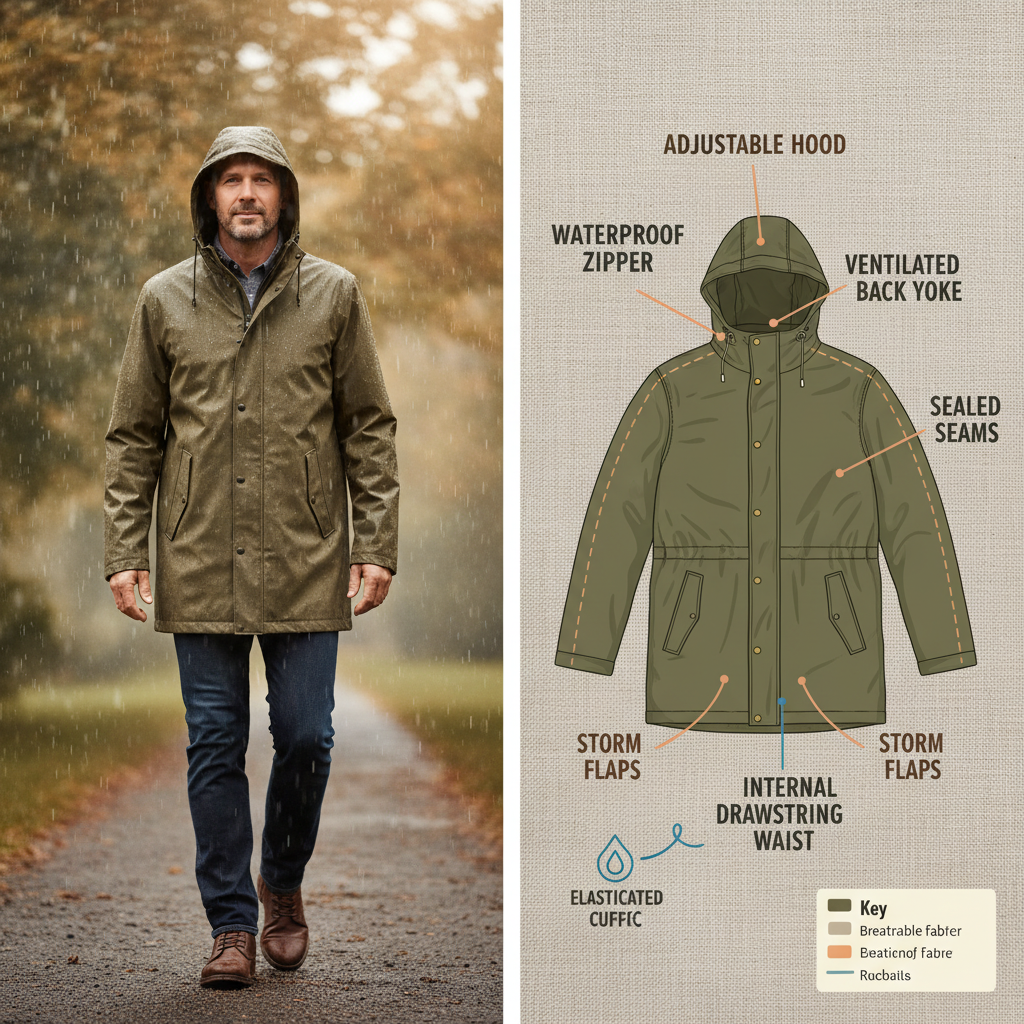
Comprehensive Guide to Selecting the Perfect Mens Rain Coat with Hood
Finding the right mens rain coat with hood is crucial for staying dry and comfortable in wet weather. Whether you're commuting to work, enjoying outdoor activities, or simply running errands, a reliable raincoat can make all the difference. This article will explore the key features, benefits, and considerations when choosing a rain coat, helping you make an informed decision. We'll cover everything from materials and waterproofing to fit and style. Choosing a high-quality raincoat is an investment in your comfort and protection.
2026-04-04 02:45:18
Comprehensive Guide to Mens Rain Coat Waterproof Options and Features
Staying dry and comfortable in wet weather is crucial, and a high-quality mens rain coat waterproof is an essential part of any outdoor wardrobe. Choosing the right raincoat can make all the difference, protecting you from the elements while offering comfort and durability. This article will cover everything you need to know about waterproof raincoats, including materials, features, and how to choose the best one for your needs. We'll also highlight why SXZY Raincoat offers exceptional quality and value.

2026-03-31 02:35:27
Stylish Mens Rain Coat Dress for Ultimate Weather Protection
When the weather turns unpredictable, a stylish and functional mens rain coat dress is an essential addition to any wardrobe. No longer just about staying dry, rain coats have evolved into fashion statements, offering a blend of practicality and elegance. This article explores the benefits, styles, and key features to look for when choosing the perfect rain coat dress, ensuring you stay comfortable and on-trend, whatever the weather. We'll also highlight how SXZY Raincoat provides quality and style in their collection.
2026-03-28 02:55:02
Comprehensive Guide to Mens Rain Coat and Pants for Optimal Weather Protection
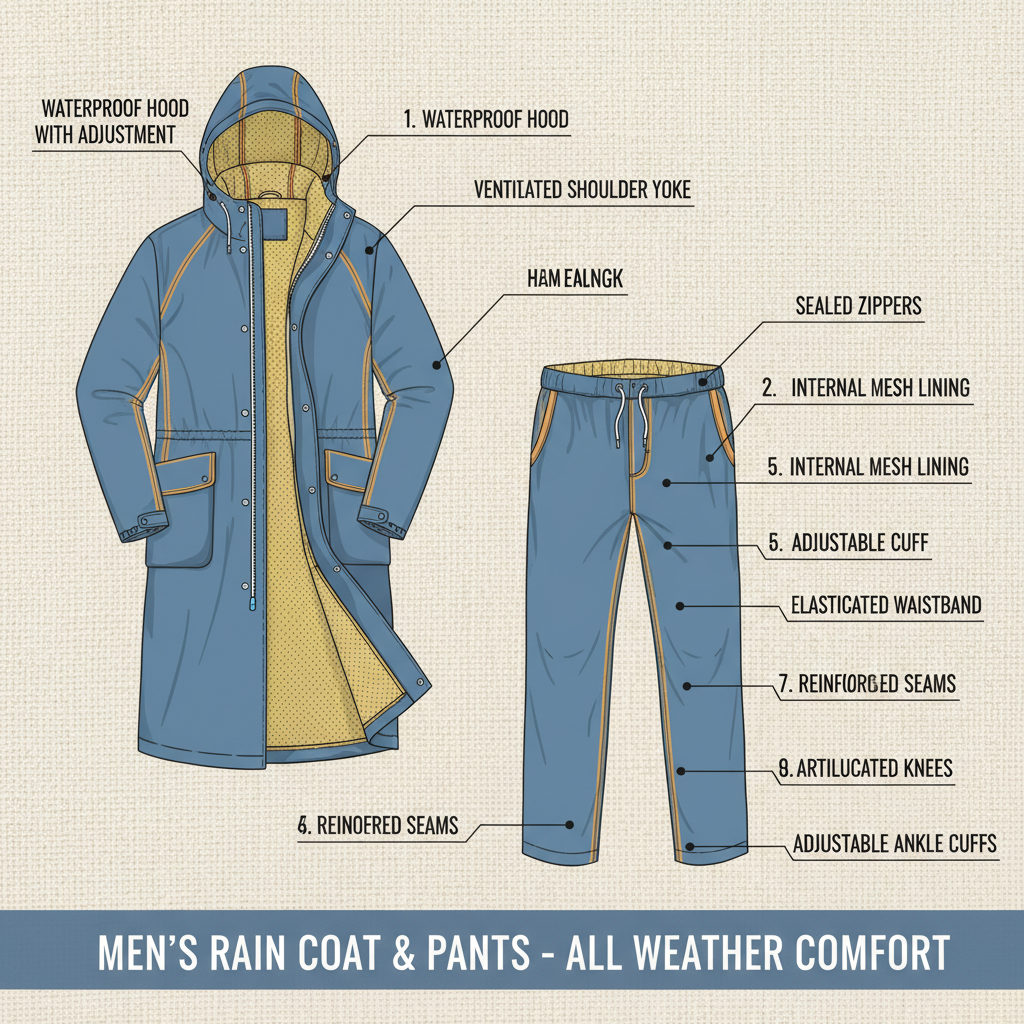
Staying dry and comfortable during inclement weather is crucial, and having the right rain gear can make all the difference. Mens rain coat and pants sets offer superior protection against rain, wind, and cold. This article will explore the benefits of owning a quality rain suit, factors to consider when choosing one, and highlight the exceptional products offered by sxzyraincoat.com. Invest in a reliable rain suit to ensure you're prepared for any weather challenge.
2026-03-26 02:35:30
Choosing the Right Mens Rain Coat for Optimal Weather Protection
Staying dry and comfortable in inclement weather is crucial, and selecting the right mens rain coat is paramount. From everyday commutes to outdoor adventures, a quality raincoat provides essential protection. This article will explore the key features to consider when choosing a mens rain coat, different types available, and how to find the perfect fit for your needs. We'll also highlight the benefits of investing in a durable and reliable raincoat that can withstand various weather conditions. The material of a mens rain coat significantly impacts its waterproofness, breathability, and durability. Common materials include PVC, polyurethane (PU), and Gore-Tex. PVC is affordable but less breathable, leading to discomfort during strenuous activity. PU offers a good balance of waterproofness and breathability. Gore-Tex is a premium option known for its exceptional waterproofness and breathability, making it ideal for demanding conditions.

2026-03-24 02:45:24
Mens Quilted Raincoat A Comprehensive Guide to Style and Weather Protection
Finding the right raincoat is essential for staying dry and comfortable, especially when navigating unpredictable weather. A mens quilted raincoat offers a fantastic blend of practicality and style. This article delves into the benefits of quilted raincoats, key features to look for, how to choose the perfect fit, and care tips to ensure longevity. We'll explore why a quilted raincoat from SXZY Raincoat is an excellent investment for any weather condition. Quilted raincoats stand out due to their unique construction. The quilting process involves stitching layers of fabric together, typically with a layer of insulation in between. This not only adds a stylish aesthetic but also provides excellent warmth and comfort. Unlike standard raincoats that can feel stiff and uncomfortable, quilted versions offer a softer, more forgiving feel. The quilted design traps air, creating an insulating barrier against the cold, making them ideal for cooler, wetter climates.


