



Heavy Raincoat Guide: Durable Protection & Global Applications

Nov . 30, 2025 07:25
Why Understanding the Heavy Raincoat Matters Worldwide
When you think of a heavy raincoat, maybe you picture the classic trench or a bulky outdoor jacket sheltering hikers against relentless downpours. Yet, beyond personal wardrobe choices, these robust weatherproof garments play a surprisingly pivotal role across the globe—from industrial workers braving harsh conditions to humanitarian teams in disaster zones. Grasping what makes a heavy raincoat genuinely effective—be it materials, design, or performance criteria—can influence safety, durability, and even sustainability on a much larger scale than you might imagine.
Here’s the scoop: as unpredictable weather patterns intensify due to climate change [1], the demand for dependable heavy rainwear is growing worldwide. And it’s not just about staying dry; it’s about protecting livelihoods, enabling work continuity, and valuing human dignity under tougher outdoor circumstances.
The Global Footprint of Heavy Raincoats
Globally, wet weather can lead to huge productivity losses—according to the International Labour Organization, outdoor workers face risks not just from rain but the cold exposure that follows [2]. Industries such as agriculture, construction, fisheries, and emergency services rely heavily on rain protection gear. The heavy raincoat is their frontline defense.
Did you know the market for waterproof workwear is expected to exceed $5 billion by 2027? That’s quite a lot of raincoats to keep people safe and working.
But not all raincoats are created equal. Weather severity, job hazards, durability demands, and cultural acceptance differ dramatically per region—so manufacturing approaches must align closely with user needs.
What Exactly is a Heavy Raincoat?
In simple terms, a heavy raincoat is a water-resistant or waterproof outer garment, typically thicker and more durable than standard rainwear, designed to protect the wearer in prolonged or intense wet weather situations. Unlike thin rain ponchos or light jackets, heavy raincoats often incorporate advanced synthetic materials like high-denier polyester, sealed seams, and reinforced closures to ensure zero leakage and added mechanical resilience.
But it’s more than fabric. Design aspects like adjustable hoods, ventilation, and ergonomic cuts mean the wearer can stay dry without overheating. In humanitarian and industrial work, these features are not just conveniences but necessities that can facilitate long shifts in rugged environments.
Quick takeaway:
- Heavy raincoats combine material tech with functional design to meet tough conditions.
- They matter for workplaces where weather is a serious hazard.
Core Components Defining Heavy Raincoats
1. Durability
Heavy raincoats need to withstand abrasion, punctures, and constant movement without failing. Many are constructed with ripstop fabrics or laminated membranes like Gore-Tex. Durability here isn’t just about lasting longer, but ensuring wearers stay protected throughout unpredictable shifts.
2. Waterproofing and Breathability
Seam sealing, waterproof zippers, and hydrophobic coatings keep water out. But lacking breathability can trap sweat and cause discomfort or even chills. Good heavy raincoats find the balance—some brands use microporous membranes allowing vapor out but blocking liquid.
3. Thermal Insulation
In cold wet environments, the jacket’s ability to insulate or layer effectively matters. Some heavy raincoats integrate removable liners or have multi-layer designs that adapt through seasons.
4. Fit and Mobility
No point in staying dry if you can’t move—many engineers say the ergonomics are critical. Features like articulated elbows, adjustable cuffs, and roomy pockets enhance usability, especially for manual labor.
5. Accessibility and Safety Features
Reflective trims, high visibility colors, and quick-release fasteners aid in workplace safety around machinery or at night.
6. Cost Effectiveness
Of course, balancing upfront cost with long-term durability is a tricky tightrope; heavy raincoats that wear out quickly end up costing more due to replacements.
Summary:
- Durability and waterproofing anchor heavy raincoat quality.
- Design for comfort and safety keeps workers productive and protected.
- Cost considerations vary by industry and use case.
Worldwide Applications of Heavy Raincoats
The uses go beyond the obvious.
- Industrial Zones: Remote mining or offshore rig workers depend on heavy raincoats to combat harsh sea spray and sudden storms.
- Post-Disaster Relief: Humanitarian teams wear them to maintain hygiene and warmth during flood rescues or camp setups.
- Agriculture: Farmers in the tropics use rugged raincoats to protect from monsoon rains without sacrificing movement.
- Outdoor Enthusiasts and Sports: Mountaineers, hunters, and fishers require durable, breathable rainwear adaptable for weather extremes.
For example, in parts of Southeast Asia where monsoon rains dominate seasonal life, the use of heavy raincoats by fishery workers helps sustain catch rates and reduce illness caused by being wet for hours on end. Oddly enough, that simple garment reduces absenteeism and protects communities’ food security indirectly.
Mini takeaway:
Heavy raincoats serve dozens of industries globally, from disaster relief to everyday labor. Their presence often means the difference between shutdown and uptime.
Advantages and Long-Term Value of Heavy Raincoats
The tangibles are easy to list:
- Protection: Keeps workers dry and healthy, preventing colds, hypothermia, or skin ailments.
- Economic Sustainability: Durable raincoats reduce frequent replacement costs.
- Safety: Visibility and design features reduce accident rates.
- Social Impact: Providing quality rainwear often boosts morale and dignity in physically demanding jobs.
Emotionally, wearing a reliable heavy raincoat can feel like a small victory—standing strong against a torrential downpour with gear that doesn’t falter builds confidence and trust. Innovation also shines here: some vendors now incorporate recycled materials, marrying ecology with protection.
Heavy Raincoat Materials and Specification Overview
| Feature | Typical Material/Spec | Value |
|---|---|---|
| Fabric | Ripstop Nylon or Polyester | > 300 denier |
| Waterproofing | PU Coating or Laminated Membrane (Gore-Tex, eVent) | 10,000+ mm water column |
| Breathability | Microporous Membrane | 5,000+ g/m²/24h |
| Weight | Varies by layers | 400 - 900 grams |
| Insulation | Optional, often synthetic fleece/removable liner | Varies seasonally |
| Safety Features | Reflective strips, bright colors | Compliant with ANSI/ISEA |
Comparing Heavy Raincoat Vendors
| Vendor | Price Range | Material Quality | Sustainability | Custom Options |
|---|---|---|---|---|
| StormGuard Co. | $$$ (Premium) | Gore-Tex laminated nylon | Recycled fabrics, bluesign certified | Yes (bulk orders) |
| RainShield Inc. | $$ (Mid-tier) | PU coated polyester | Standard, some eco-packaging | Limited |
| EcoDry Solutions | $ (Budget) | Recycled polyester blend | High emphasis on sustainability | Yes (custom colors) |
Emerging Innovations in Heavy Raincoat Technology
Technology hasn’t stood still. The latest trends include:
- Eco-Friendly Materials: Bio-based PU coatings and recycled fibers are gaining traction, reducing the carbon footprint.
- Smart Fabrics: Some manufacturers experiment with fabrics embedded with sensors to monitor temperature or moisture.
- Digital Design & Customization: 3D patterning and made-to-measure raincoats optimize fit and reduce waste.
- Enhanced Breathability: Nanotech membranes are improving moisture vapor transmission without compromising waterproofing.
In short, the future looks increasingly sustainable and user-focused—a win for workers and the planet.
Challenges and Solutions in Heavy Raincoat Use
Still, challenges persist. For one, no raincoat is truly "one size fits all." The variable climates and job demands make universal design a utopia. Plus, costs remain a barrier in developing regions where the need may be highest.
Experts suggest modular raincoat systems—where wearers can add or strip layers—as a flexible solution. Moreover, partnerships between manufacturers and NGOs facilitate bulk purchasing programs that lower costs, ensuring wider reach.
FAQs: Quick Answers About Heavy Raincoats
- Q: What makes a heavy raincoat better than a regular rain jacket?
- A: Heavy raincoats use more robust materials and construction techniques—like thicker fabrics, seam taping, and reinforced zippers—that offer superior durability and protection for long-term, heavy-duty use.
- Q: How do I choose the right heavy raincoat for extreme weather?
- A: Consider waterproof ratings (look for 10,000 mm+), breathability (5,000 g/m²/24h+), insulation needs, and safety features like high visibility and reflectivity, according to your environment.
- Q: Are heavy raincoats environmentally friendly?
- A: Increasingly, yes. Many brands now incorporate recycled materials and use eco-conscious coatings, reducing environmental impact while maintaining performance.
- Q: How long can a heavy raincoat last under frequent industrial use?
- A: With proper care, a quality heavy raincoat can last multiple years—even under daily use in harsh conditions—making it a cost-effective investment.
- Q: Can I customize a heavy raincoat for my team's specific needs?
- A: Definitely. Many suppliers offer custom options like colors, logos, extra pockets, or enhanced safety features for bulk orders.
Wrapping Up: The Heavy Raincoat and Its Enduring Value
It’s easy to dismiss a heavy raincoat as just a piece of clothing. But when you peel back the layers, it’s an intersection of material science, ergonomic design, and global need. Whether it’s keeping a fisherman dry in Southeast Asia or enabling emergency crews in temperate flood zones, these garments carry impacts beyond their fabric.
If your work or interest calls for reliable, durable, and even sustainable rainwear, heavy raincoat solutions are worth exploring. Stay dry, stay safe, and do your job without the weather winning.
References:

Related Products
Related News

2026-04-16 02:35:36
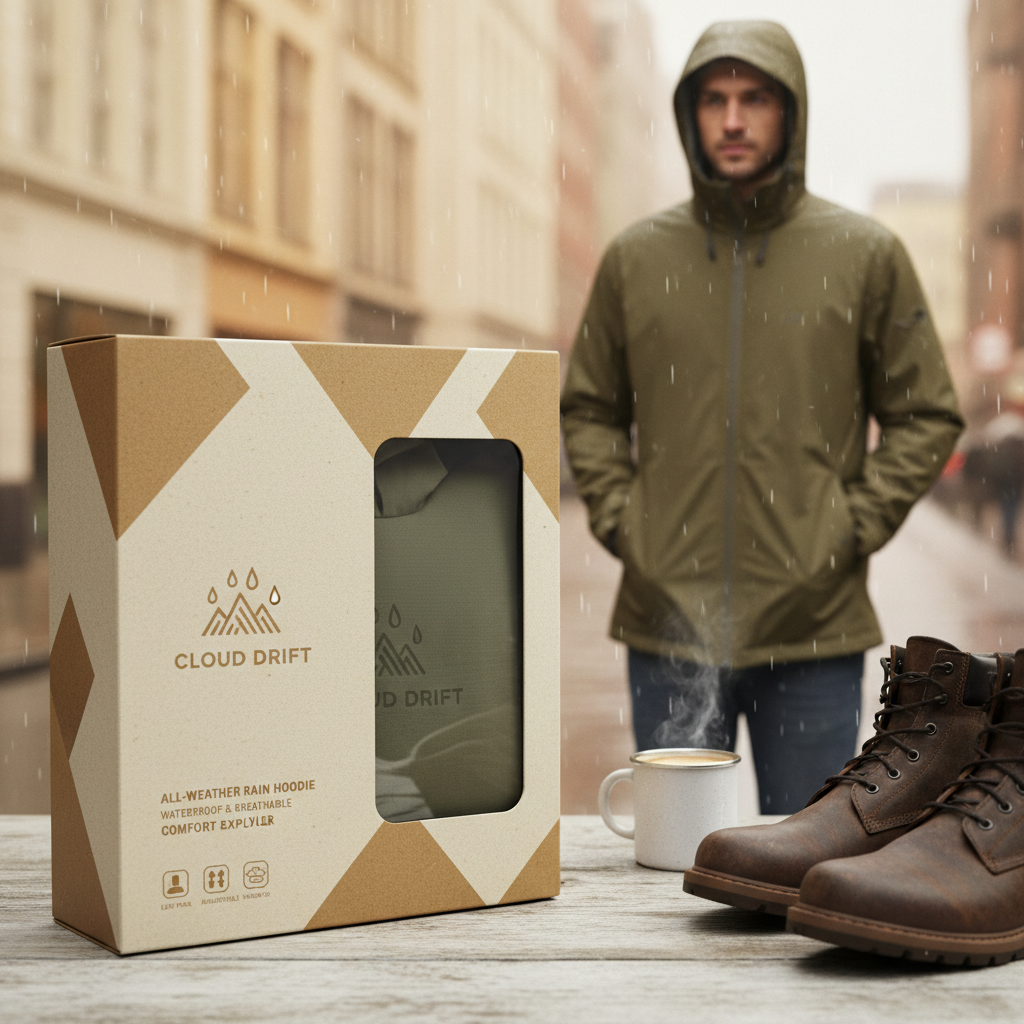
The Ultimate Guide to Choosing a Premium Mens Rain Hoodie
Facing unpredictable weather requires more than just a simple umbrella; it demands gear that blends functionality with modern aesthetics. A high-quality mens rain hoodie is the perfect solution for the modern man who refuses to let a downpour disrupt his day. Whether you are commuting to the office, hiking a misty trail, or running weekend errands, the right rainwear ensures you stay dry without sacrificing comfort. In this comprehensive guide, we will explore what makes a rain hoodie truly effective, from fabric technology to essential design features, helping you make an informed investment in your wardrobe.
2026-04-09 02:45:09
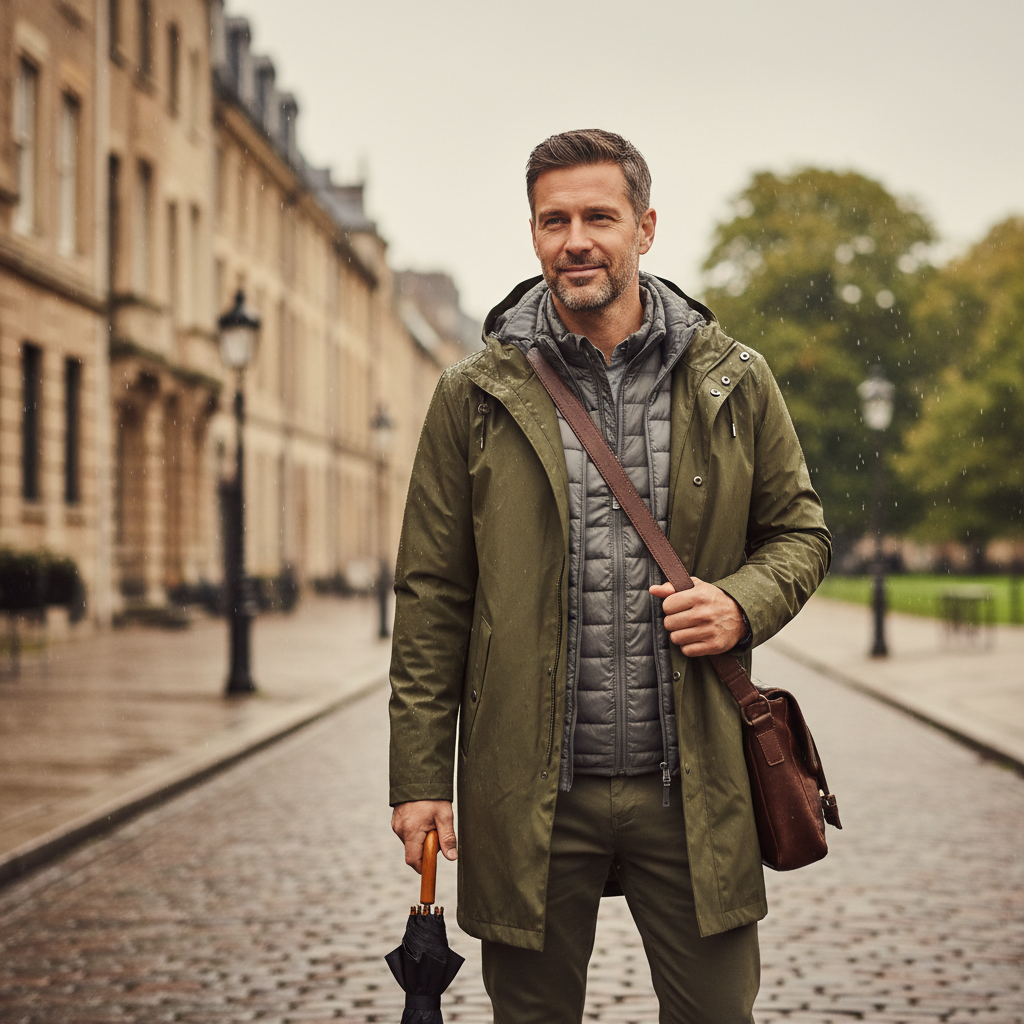
Best Mens Rain Coat with Removable Liner for All Weather Protection
Facing unpredictable weather requires a wardrobe that is as flexible as your schedule. A mens rain coat with removable liner is the gold standard for versatility, offering a 2-in-1 solution that transitions seamlessly from a light spring drizzle to a freezing winter storm. Instead of cluttering your closet with multiple heavy jackets, a modular system allows you to customize your warmth based on the temperature. In this guide, we will explore why this specific design is essential for the modern man, how to identify high-quality materials, and how to maximize your investment for years of reliable protection.
2026-04-07 02:35:18
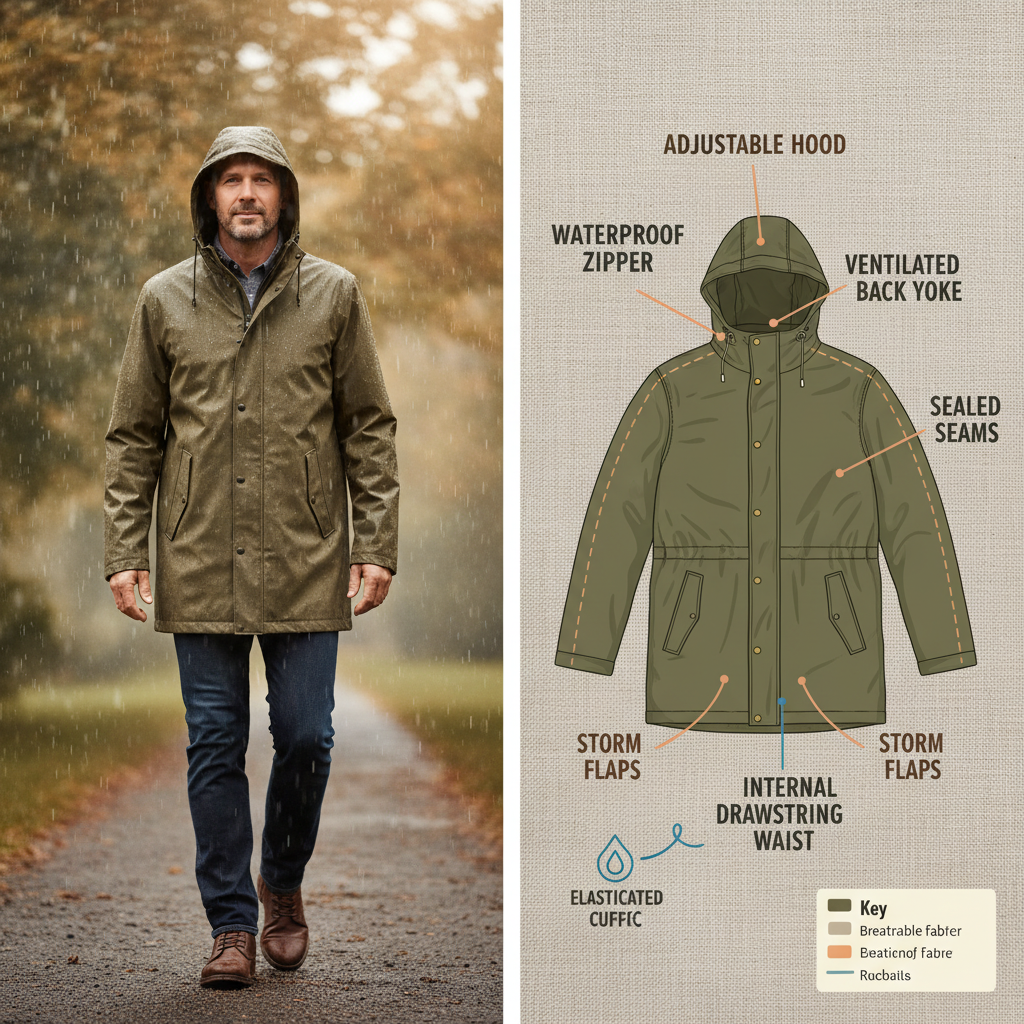
Comprehensive Guide to Selecting the Perfect Mens Rain Coat with Hood
Finding the right mens rain coat with hood is crucial for staying dry and comfortable in wet weather. Whether you're commuting to work, enjoying outdoor activities, or simply running errands, a reliable raincoat can make all the difference. This article will explore the key features, benefits, and considerations when choosing a rain coat, helping you make an informed decision. We'll cover everything from materials and waterproofing to fit and style. Choosing a high-quality raincoat is an investment in your comfort and protection.
2026-04-04 02:45:18
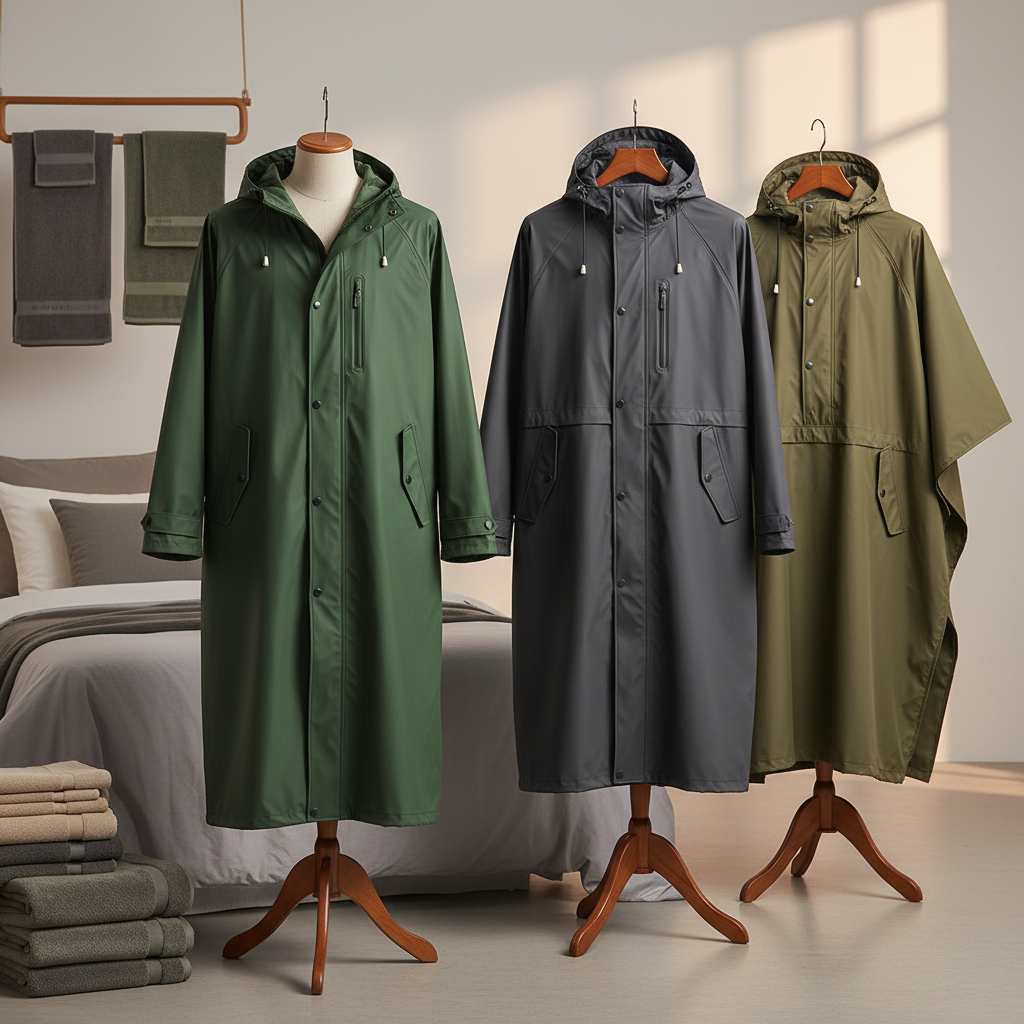
Comprehensive Guide to Mens Rain Coat Waterproof Options and Features
Staying dry and comfortable in wet weather is crucial, and a high-quality mens rain coat waterproof is an essential part of any outdoor wardrobe. Choosing the right raincoat can make all the difference, protecting you from the elements while offering comfort and durability. This article will cover everything you need to know about waterproof raincoats, including materials, features, and how to choose the best one for your needs. We'll also highlight why SXZY Raincoat offers exceptional quality and value.

2026-03-31 02:35:27
Stylish Mens Rain Coat Dress for Ultimate Weather Protection
When the weather turns unpredictable, a stylish and functional mens rain coat dress is an essential addition to any wardrobe. No longer just about staying dry, rain coats have evolved into fashion statements, offering a blend of practicality and elegance. This article explores the benefits, styles, and key features to look for when choosing the perfect rain coat dress, ensuring you stay comfortable and on-trend, whatever the weather. We'll also highlight how SXZY Raincoat provides quality and style in their collection.
2026-03-28 02:55:02
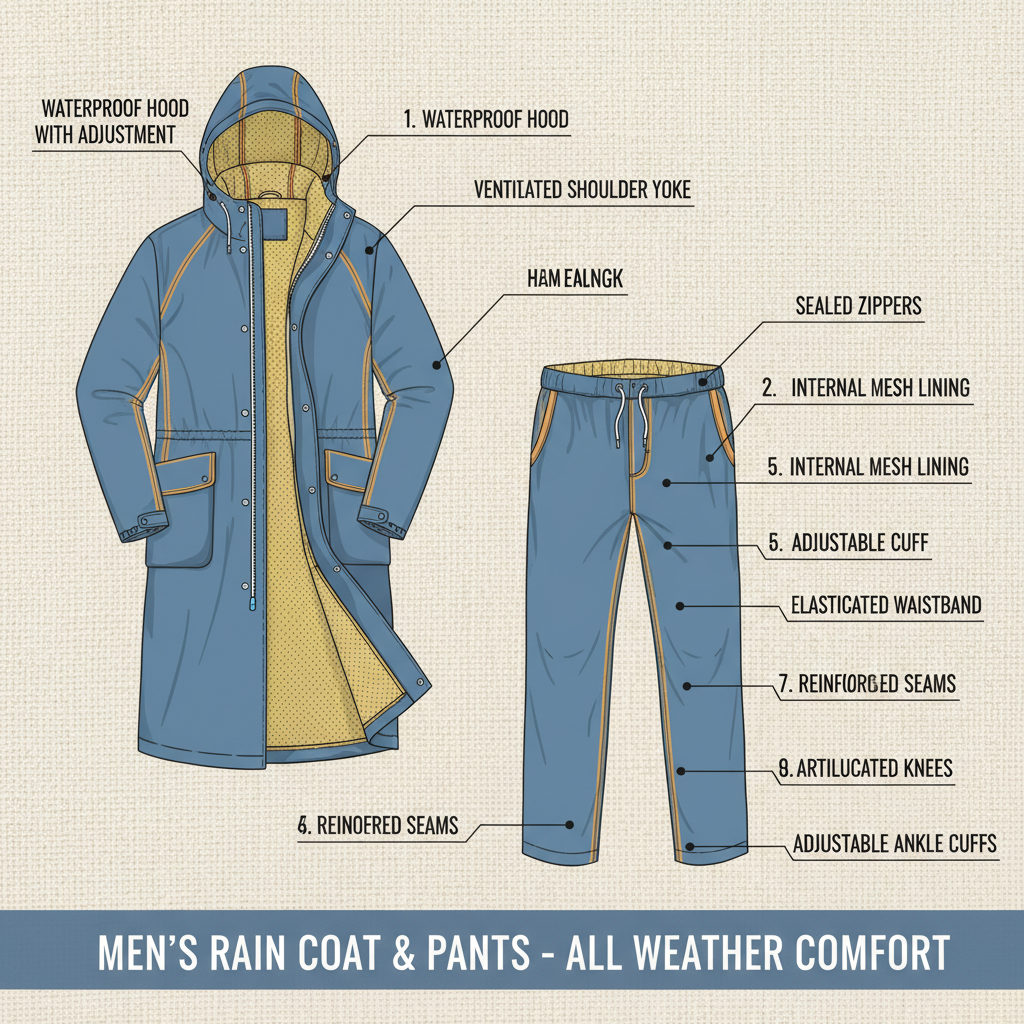
Comprehensive Guide to Mens Rain Coat and Pants for Optimal Weather Protection
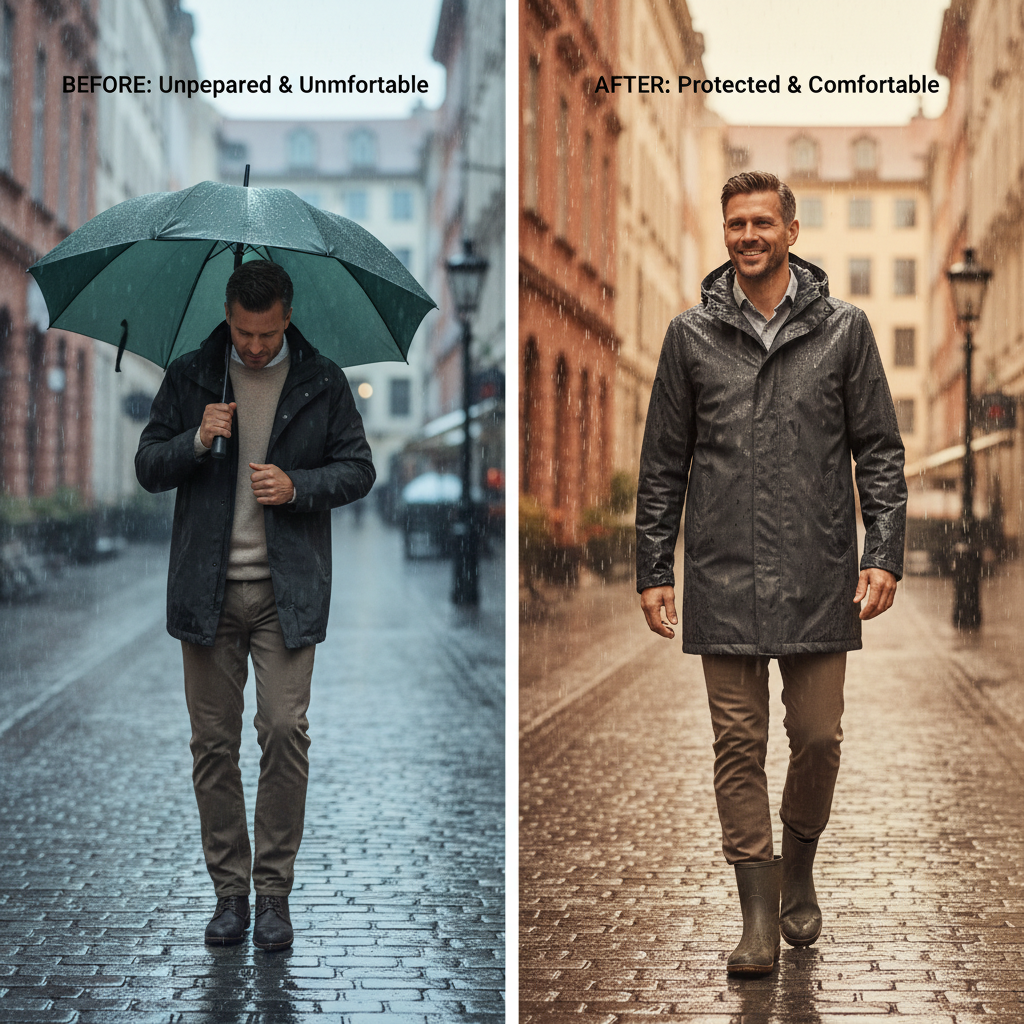
Staying dry and comfortable during inclement weather is crucial, and having the right rain gear can make all the difference. Mens rain coat and pants sets offer superior protection against rain, wind, and cold. This article will explore the benefits of owning a quality rain suit, factors to consider when choosing one, and highlight the exceptional products offered by sxzyraincoat.com. Invest in a reliable rain suit to ensure you're prepared for any weather challenge.
2026-03-26 02:35:30
Choosing the Right Mens Rain Coat for Optimal Weather Protection
Staying dry and comfortable in inclement weather is crucial, and selecting the right mens rain coat is paramount. From everyday commutes to outdoor adventures, a quality raincoat provides essential protection. This article will explore the key features to consider when choosing a mens rain coat, different types available, and how to find the perfect fit for your needs. We'll also highlight the benefits of investing in a durable and reliable raincoat that can withstand various weather conditions. The material of a mens rain coat significantly impacts its waterproofness, breathability, and durability. Common materials include PVC, polyurethane (PU), and Gore-Tex. PVC is affordable but less breathable, leading to discomfort during strenuous activity. PU offers a good balance of waterproofness and breathability. Gore-Tex is a premium option known for its exceptional waterproofness and breathability, making it ideal for demanding conditions.

2026-03-24 02:45:24
Mens Quilted Raincoat A Comprehensive Guide to Style and Weather Protection
Finding the right raincoat is essential for staying dry and comfortable, especially when navigating unpredictable weather. A mens quilted raincoat offers a fantastic blend of practicality and style. This article delves into the benefits of quilted raincoats, key features to look for, how to choose the perfect fit, and care tips to ensure longevity. We'll explore why a quilted raincoat from SXZY Raincoat is an excellent investment for any weather condition. Quilted raincoats stand out due to their unique construction. The quilting process involves stitching layers of fabric together, typically with a layer of insulation in between. This not only adds a stylish aesthetic but also provides excellent warmth and comfort. Unlike standard raincoats that can feel stiff and uncomfortable, quilted versions offer a softer, more forgiving feel. The quilted design traps air, creating an insulating barrier against the cold, making them ideal for cooler, wetter climates.


