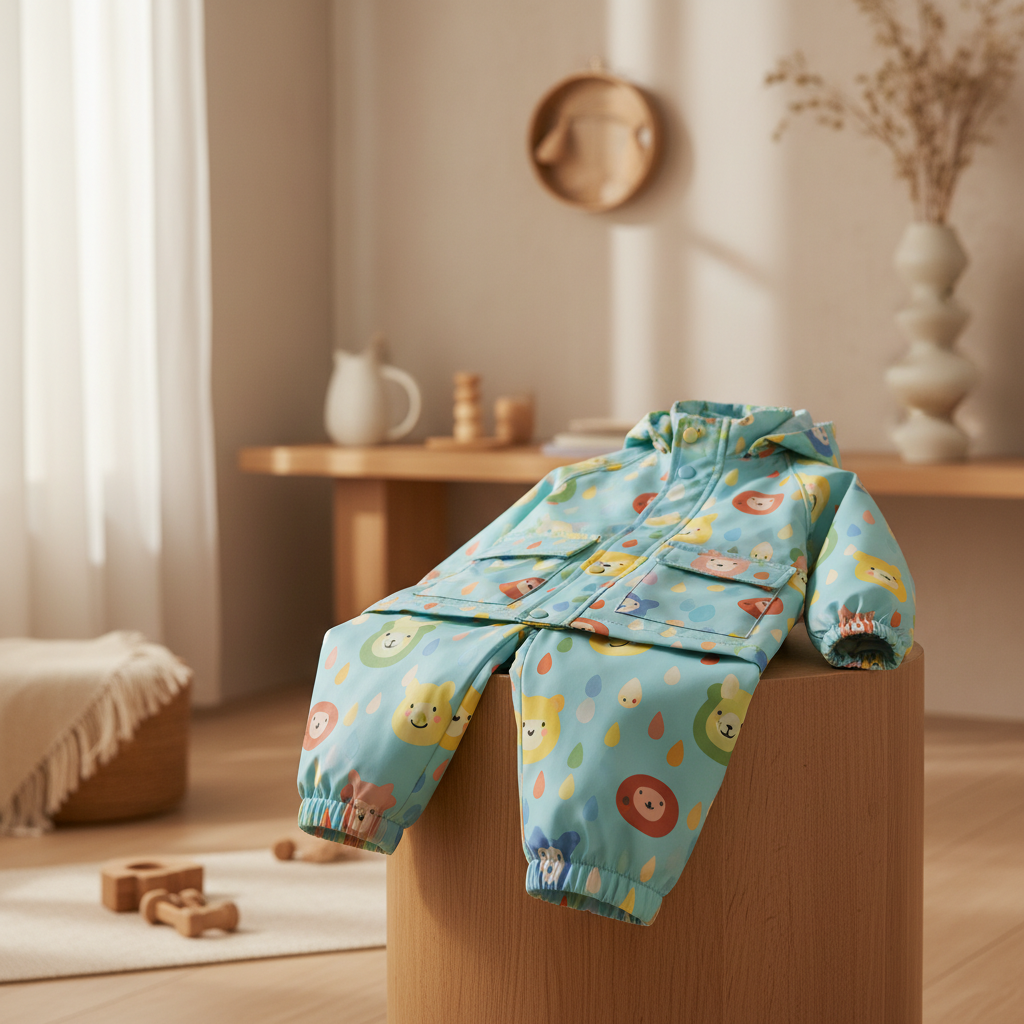
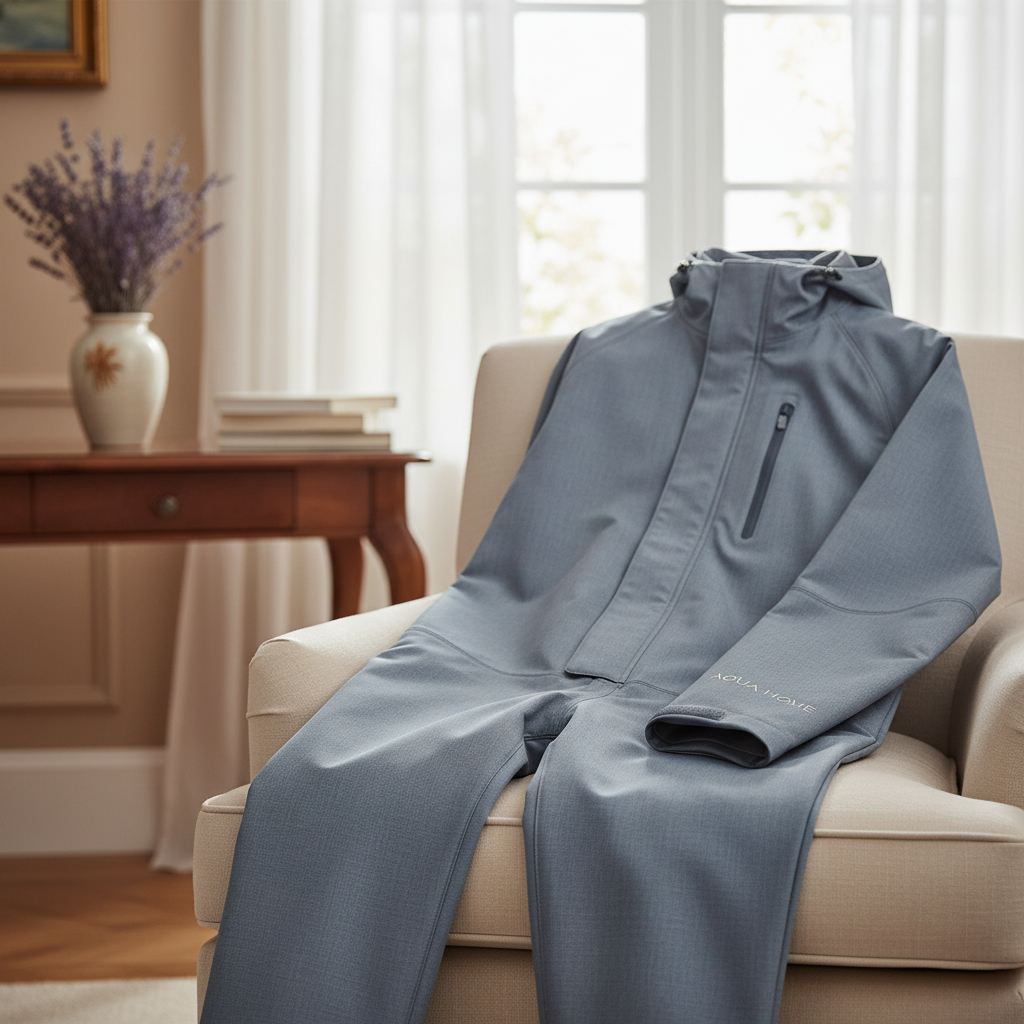
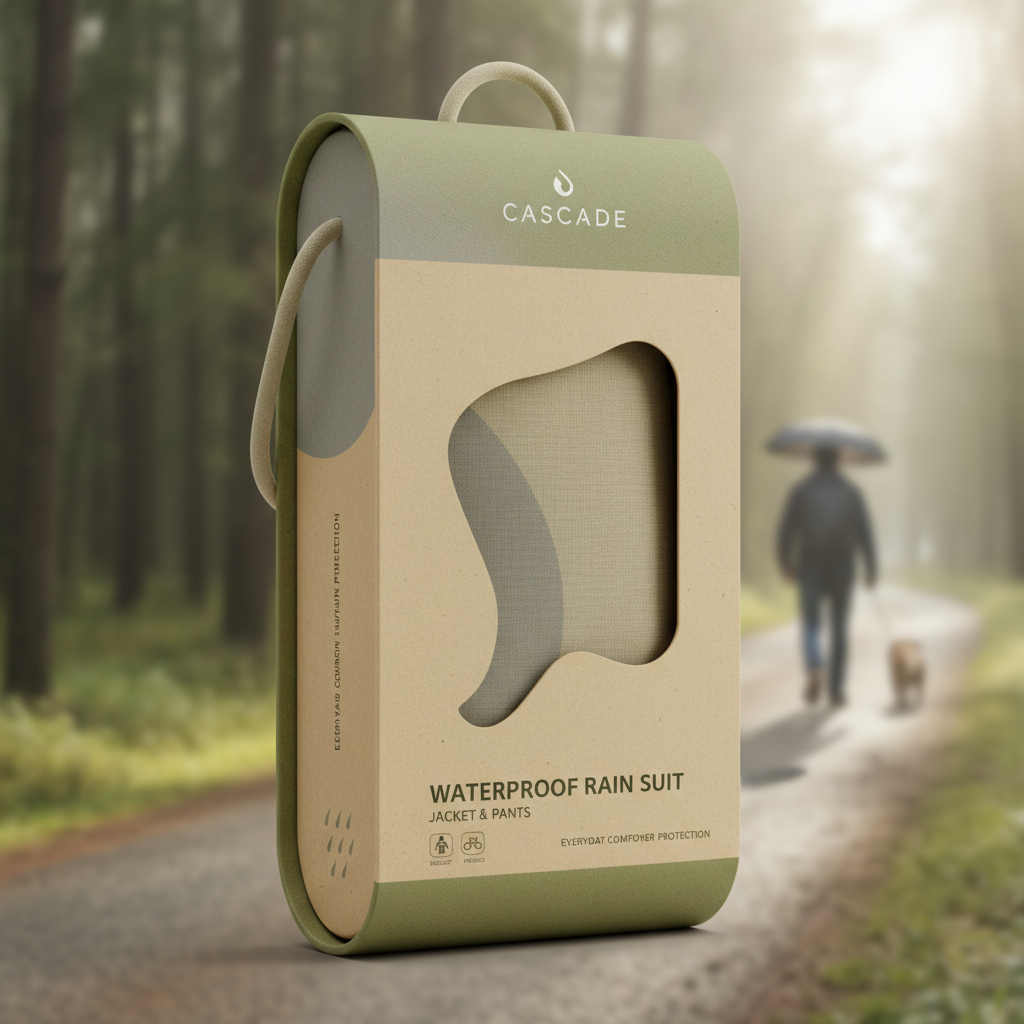
Childrens rain suits are essential protective wear, particularly in regions experiencing frequent rainfall or unpredictable weather patterns. They represent a vital component of outdoor preparedness, ensuring children remain dry, comfortable, and healthy during inclement conditions. The global market for childrens rain suits is driven by factors like increasing parental awareness of weather-related health risks and the growing demand for durable and stylish outdoor clothing.
The significance of childrens rain suits extends beyond mere convenience; they play a crucial role in enabling children to continue outdoor activities, learning, and play, even when it's raining. This contributes to their physical and mental wellbeing. Furthermore, quality childrens rain suits, often incorporating waterproof and breathable materials, can prevent hypothermia and other weather-related illnesses, particularly in colder climates.
Understanding the nuances of childrens rain suit construction, materials, and features is therefore important for parents, educators, and manufacturers alike. Choosing the right rain suit ensures optimal protection and allows children to enjoy the outdoors regardless of the weather, fostering a lifelong appreciation for nature and active lifestyles.
Introduction to Childrens Rain Suits
The fundamental purpose of a childrens rain suit is to provide a waterproof barrier against rain, keeping children dry and comfortable. However, modern childrens rain suits often incorporate features beyond basic waterproofing, such as breathable fabrics, reflective elements for safety, and durable construction to withstand active play. A quality childrens rain suit enhances a child’s ability to engage in outdoor activities regardless of the weather.
The increasing demand for childrens rain suits is linked to a greater awareness of the importance of protecting children from the elements. Furthermore, advancements in materials science have led to the development of lighter, more comfortable, and more effective waterproof fabrics, boosting the appeal and functionality of these essential garments. This has fueled a growing market with diverse options available to suit various climates and activity levels.
Defining Childrens Rain Suit Functionality
A childrens rain suit, at its core, is a protective garment designed to shield children from rain and moisture. It typically consists of a waterproof jacket and trousers, often sold as a set. Beyond simply keeping children dry, a well-designed rain suit also aims to provide comfort, freedom of movement, and visibility. Crucially, the functionality also encompasses durability—the suit should withstand the wear and tear of active play.
The modern childrens rain suit frequently utilizes materials like polyurethane (PU) or polyvinyl chloride (PVC) coatings to achieve waterproofing. However, newer technologies employ more breathable fabrics like Gore-Tex or other waterproof-breathable membranes, allowing moisture vapor to escape and preventing overheating. These advancements enhance the overall comfort and usability of the garment.
Understanding the different levels of waterproofing – measured in millimeters of water column resistance – is crucial. Higher numbers indicate greater resistance to water penetration. Similarly, breathability is often rated, indicating how well moisture vapor can escape. Selecting a childrens rain suit with appropriate ratings for the intended climate and activity level is vital for optimal performance.
Core Components of a Quality Childrens Rain Suit
Durability is paramount. A childrens rain suit designed to withstand rough play requires robust materials and reinforced seams. Look for suits made from tear-resistant fabrics and featuring taped seams to prevent water leakage. The quality of the zippers and fastenings also contributes significantly to the garment’s longevity.
Waterproofness is the fundamental attribute. Materials with a high waterproof rating (measured in mm) are essential. However, it’s equally important to consider breathability. Breathable fabrics prevent the build-up of sweat, keeping the child comfortable during activity. A balance between waterproofness and breathability is ideal for optimal performance.
Safety features are often overlooked. Reflective elements, such as strips or panels, enhance visibility in low-light conditions, increasing the child’s safety during walks or play near roads. A well-fitting hood is also crucial, providing added protection from the rain and wind. Adjustable cuffs and ankles help to create a secure seal, preventing water from entering the suit.
Real-World Applications of Childrens Rain Suits
Childrens rain suits are indispensable for outdoor education and school activities. From nature walks and field trips to playground time, these suits allow children to learn and play comfortably in wet weather, enhancing their educational experience. Many schools and nurseries now require or recommend that children have access to a suitable rain suit.
The use of childrens rain suits is prevalent in outdoor recreation, including camping, hiking, and simply playing in the backyard. They enable families to continue enjoying outdoor activities regardless of the weather, fostering a connection with nature and promoting a healthy lifestyle. A childrens rain suit extends the season for outdoor fun.
Childrens Rain Suit Performance Metrics
Advantages and Long-Term Value Proposition
A primary advantage of investing in a quality childrens rain suit is cost savings over the long term. Durable suits require less frequent replacement, reducing the overall expenditure on outerwear. Moreover, by protecting children from illness caused by exposure to rain and cold, rain suits can help minimize healthcare costs.
The sustainability aspect is also noteworthy. Choosing durable, well-made rain suits reduces the demand for fast fashion and disposable garments, lessening the environmental impact. Furthermore, many manufacturers are now incorporating recycled materials into their production processes, further enhancing the sustainability of these products.
Future Trends in Childrens Rain Suit Technology
Emerging trends include the development of biodegradable waterproof materials, reducing the environmental footprint of childrens rain suits. Research is ongoing into plant-based waterproof coatings as sustainable alternatives to traditional synthetic materials.
Another promising area is the integration of smart technologies, such as temperature-regulating fabrics and sensors that monitor a child’s moisture levels. These innovations will enhance both comfort and safety, providing parents with greater peace of mind.
We can expect to see more customization options, allowing parents to choose suits tailored to their child’s specific needs and preferences. 3D printing and on-demand manufacturing could play a role in enabling personalized designs and ensuring a perfect fit.
Challenges and Innovative Solutions
One challenge is balancing waterproofing with breathability. Highly waterproof materials can sometimes trap moisture, leading to discomfort. Innovative solutions include the development of advanced membrane technologies that offer superior waterproofing without compromising breathability.
Another concern is the environmental impact of traditional waterproof coatings like PFCs (perfluorinated chemicals). Manufacturers are actively seeking PFC-free alternatives that provide comparable performance without the harmful environmental effects. Bio-based and water-based coatings are gaining traction as sustainable options.
Ensuring a proper fit for growing children is a recurring challenge. Adjustable features, such as cuffs, ankles, and hoods, can help extend the lifespan of a rain suit. Some manufacturers are exploring growth-adjustable designs that accommodate a wider range of sizes.
Summary of Key Challenges and Solutions in Childrens Rain Suit Design
| Challenge |
Impact on Childrens Rain Suit |
Proposed Solution |
Implementation Difficulty (1-5, 5=High) |
| Waterproofing vs. Breathability |
Compromised comfort, potential for overheating. |
Advanced waterproof-breathable membranes. |
3 |
| Environmental Impact of PFCs |
Harmful chemicals entering the environment. |
PFC-free alternatives (bio-based coatings). |
4 |
| Fit for Growing Children |
Frequent replacements, increased cost. |
Adjustable features, growth-adjustable designs. |
2 |
| Durability and Tear Resistance |
Short lifespan, frequent replacements. |
Reinforced fabrics, taped seams. |
2 |
| Cost of High-Performance Materials |
Higher price point for consumers. |
Material innovation, economies of scale. |
3 |
| Visibility in Low-Light Conditions |
Increased risk of accidents. |
Reflective elements, bright colors. |
1 |
FAQS
A waterproof rating of at least 5,000mm is generally recommended for light to moderate rain. For heavier or prolonged rain, a rating of 10,000mm or higher is preferable. However, remember that breathability is equally important; a high waterproof rating alone doesn’t guarantee comfort. Look for a balance between waterproofing and breathability to ensure your child stays dry and comfortable during outdoor activities. Consider the climate and typical rainfall in your region when making your selection.
To maintain the waterproof properties of a childrens rain suit, it's crucial to follow the manufacturer’s care instructions. Generally, machine washing on a gentle cycle with mild detergent is recommended. Avoid using fabric softeners or bleach, as these can damage the waterproof coating. After washing, tumble dry on low heat or hang to dry. Regularly re-applying a waterproof treatment can help restore the water repellency of the fabric over time.
No, not all "waterproof" rain suits offer the same level of protection. The term “waterproof” can be misleading. Some suits are simply water-resistant, meaning they can repel light rain but will eventually become saturated. True waterproof suits utilize materials with a specific waterproof rating, as mentioned above. Pay attention to the materials used and the waterproof rating to ensure you’re getting a suit that will provide adequate protection for your child’s needs.
Breathability refers to a fabric's ability to allow moisture vapor to escape. During activity, children generate sweat, which can condense inside a waterproof garment. If the fabric isn’t breathable, this moisture can lead to discomfort and overheating. Breathable fabrics, such as those with a waterproof-breathable membrane, allow moisture vapor to escape, keeping your child dry and comfortable even during vigorous play.
Choosing the right size is essential for both comfort and protection. Measure your child’s chest, waist, and inseam, and consult the manufacturer’s size chart. Allow for some room for layering clothing underneath the rain suit. Look for adjustable features, such as cuffs and ankles, to customize the fit. Remember to account for growth spurts when selecting a size; it's better to err on the side of slightly larger than too small.
Yes, the demand for sustainable options is growing. Look for rain suits made from recycled materials, such as recycled polyester, or those treated with PFC-free waterproof coatings. Some manufacturers are also exploring bio-based waterproof alternatives. Choosing an eco-friendly rain suit reduces your environmental impact and supports sustainable manufacturing practices.
Conclusion
In conclusion, a well-chosen childrens rain suit is more than just a garment; it’s an investment in a child's wellbeing, enabling outdoor exploration and play regardless of the weather. The key considerations – durability, waterproofness, breathability, and safety – all contribute to a valuable piece of protective gear. Understanding these aspects empowers parents and caregivers to make informed decisions and provide optimal protection for their children.
Looking ahead, innovations in materials and design promise even more sustainable, comfortable, and functional childrens rain suits. By embracing these advancements and prioritizing quality, we can ensure that children continue to enjoy the benefits of outdoor activities while minimizing environmental impact. Visit our website at www.sxzyraincoat.com to explore our range of high-quality childrens rain suits.