In the modern era of urban mobility and unpredictable weather patterns, finding the perfect balance between professional aesthetics and absolute weather protection is a challenge for many women. long raincoats for women have evolved from simple utility wear into sophisticated wardrobe staples that ensure the wearer remains dry from shoulder to ankle, regardless of the downpour. Understanding the nuances of fabric technology and design is essential for choosing a garment that offers both longevity and comfort.
Globally, the demand for high-performance outerwear has surged as climate volatility increases, leading to a shift in how we perceive rainwear. No longer are these garments merely "plastic sheets" thrown on in a hurry; they are now engineered tools utilizing advanced polymers and breathable membranes. For the professional woman, a full-length raincoat serves as a critical barrier against the elements, protecting not only the skin but also the delicate fabrics of business attire worn underneath.
By exploring the technical specifications—from hydrostatic head ratings to seam sealing—consumers can make informed decisions that prioritize sustainability and durability. This guide delves into the intricacies of long raincoats for women, examining how textile innovation is reshaping the way we navigate rainy seasons across different global climates, from the misty streets of London to the monsoon rains of Southeast Asia.
Global Market Demand for Long Raincoats for Women
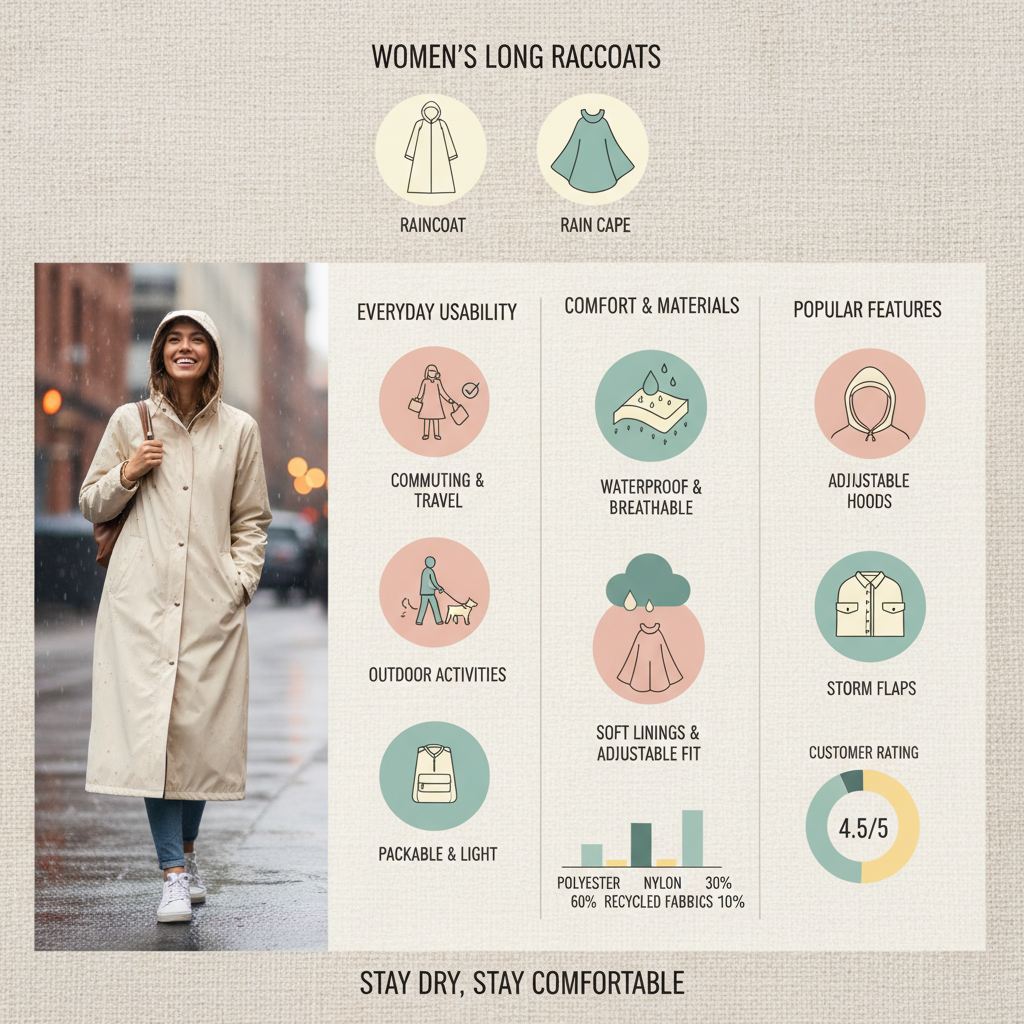
The global apparel market has seen a significant pivot toward "functional fashion," with long raincoats for women leading the charge in the protective outerwear segment. According to textile industry data and ISO standards for water-resistant clothing, there is a growing preference for extended lengths that provide comprehensive coverage, reducing the reliance on umbrellas in windy conditions. This trend is particularly evident in metropolitan hubs where commuting involves walking long distances between transit points.
This shift is not merely aesthetic; it is a response to the increasing frequency of extreme weather events. By integrating high-denier fabrics with ergonomic cuts, manufacturers are solving the age-old problem of "hem-splash"—where shorter coats leave the lower legs drenched. Consequently, the demand for long-form rainwear has expanded from niche industrial use to mainstream daily wear, blending utility with modern feminine silhouettes.
Defining Quality in Long Raincoats for Women
At its core, long raincoats for women are specialized garments designed to provide a waterproof barrier while maintaining a level of breathability that prevents the "greenhouse effect" inside the coat. Unlike standard windbreakers, a true long raincoat utilizes a dense weave or a laminated membrane that prevents water droplets from penetrating the fabric, while the extended length ensures that the lower body remains protected from road spray and wind-driven rain.
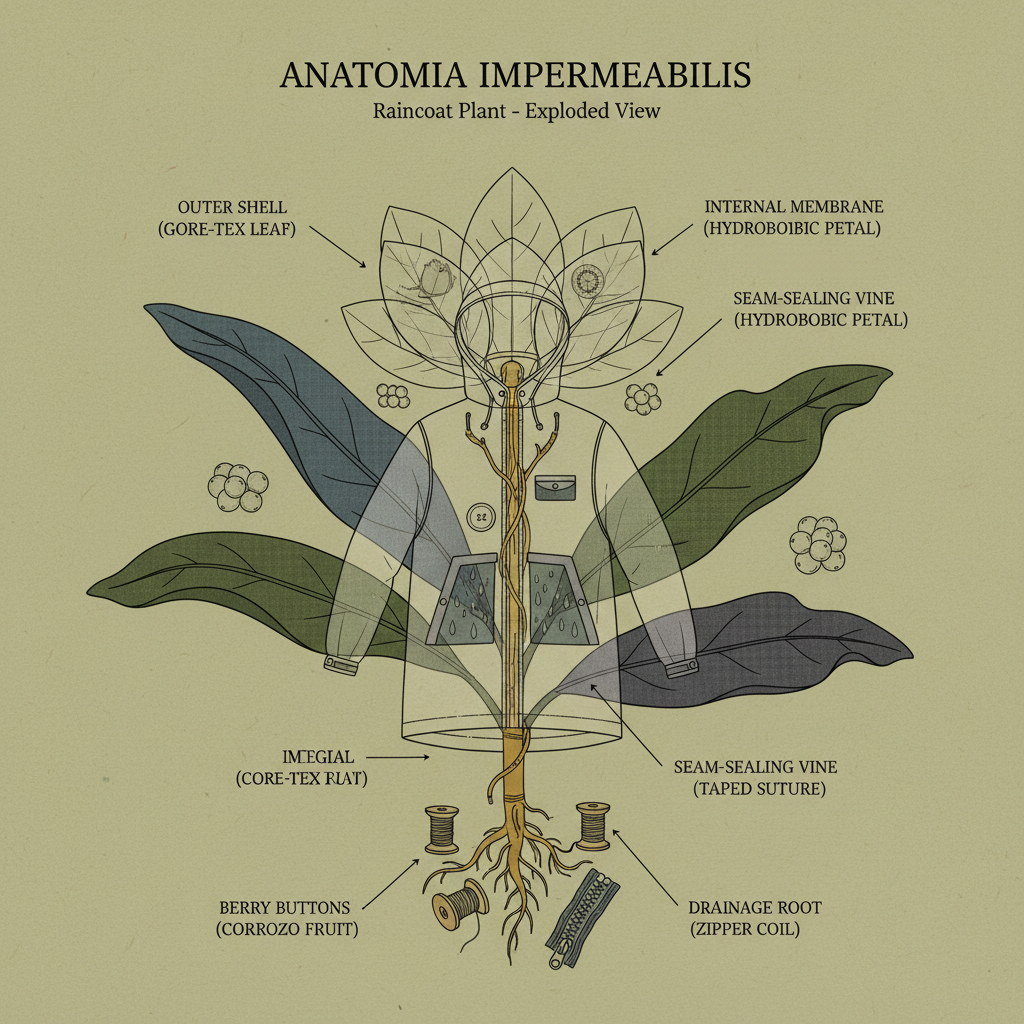
From a manufacturing perspective, quality is defined by the synergy between the outer shell, the waterproof membrane, and the finishing details. High-end options often employ PFC-free DWR (Durable Water Repellent) coatings, which allow water to bead off the surface without utilizing harmful chemicals. This technical approach ensures that the coat does not become heavy and waterlogged during prolonged exposure, maintaining its shape and protective properties.
Furthermore, the connection to modern humanitarian and industrial needs is evident in the rise of "multi-purpose" rainwear. Whether it is for a field researcher in a rainforest or a city professional in New York, the goal is the same: maximum protection with minimum bulk. The evolution of long raincoats for women reflects a broader movement toward clothing that empowers the wearer to remain active and productive regardless of external environmental stressors.
Core Components of High-Performance Rainwear
When evaluating long raincoats for women, the first critical component is Hydrostatic Pressure Rating. This measure determines how much water pressure a fabric can withstand before leaking. For a full-length coat, a higher rating is essential at the hem and cuffs, as these areas are most prone to saturation.
Another pivotal factor is Breathability (Moisture Vapor Transmission Rate). Because long raincoats for women cover a larger surface area of the body, the risk of overheating is higher. Integrating microporous membranes allows internal sweat vapor to escape while blocking external liquid water, ensuring the wearer remains comfortable.
Lastly, Seam Integrity and Closure Systems define the garment's failure points. Fully taped seams are non-negotiable for professional-grade long raincoats for women, as needle holes from stitching are the most common entry points for moisture. Coupled with storm flaps over zippers, these components create a fortress-like seal against the storm.
Practical Application and User Performance
The practical application of long raincoats for women varies significantly based on the environment. In urban settings, the emphasis is on "breathable elegance," where the coat must look professional enough for a boardroom but perform like outdoor gear. In contrast, for those in agricultural or industrial sectors, the focus shifts to abrasion resistance and chemical repellency, ensuring the long silhouette doesn't snag on equipment while providing full-body coverage.
Performance testing shows that the extended length significantly reduces the "chill factor" by preventing wind from whipping under the coat, which is a common flaw in waist-length jackets. This makes long raincoats for women an ideal choice for cold-rain climates where hypothermia is a risk during extended outdoor exposure.
Performance Comparison of Long Raincoats for Women Designs
Global Use Cases and Regional Adaptations
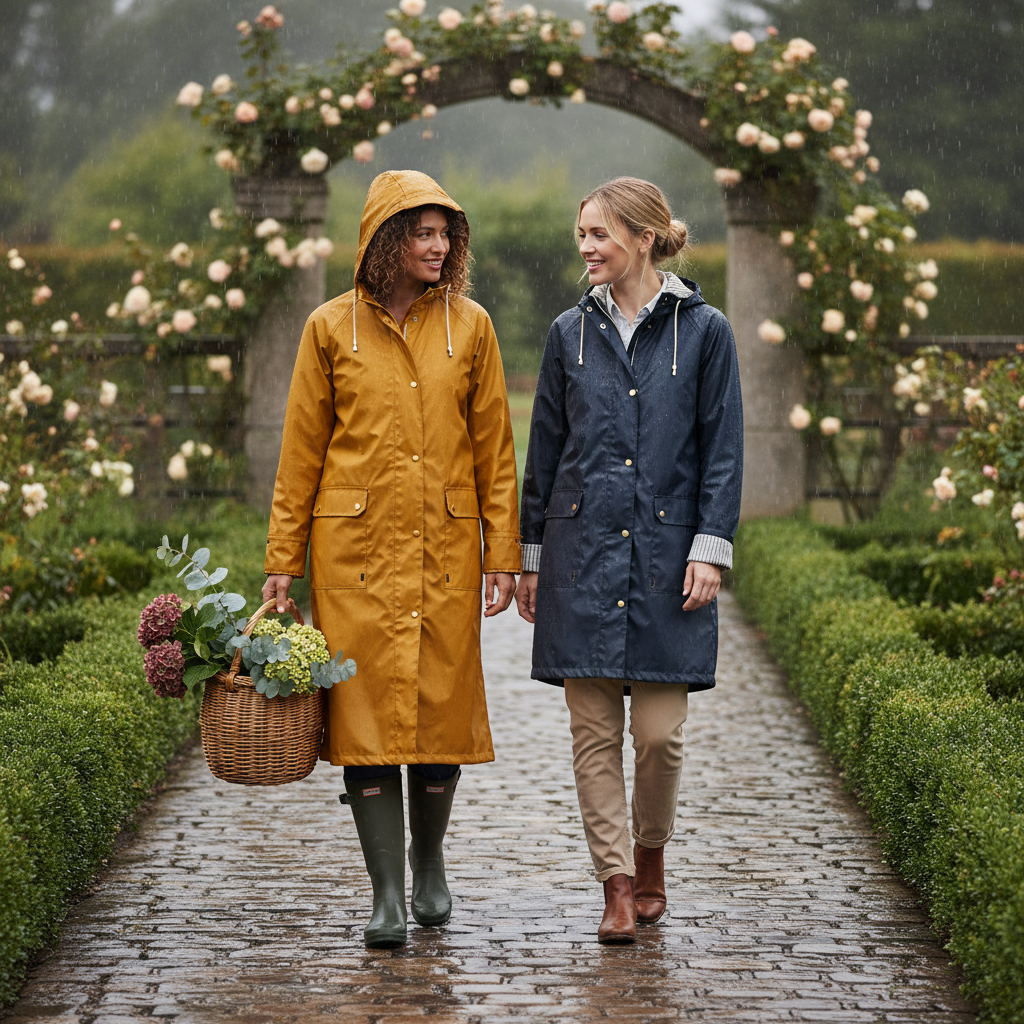
In Northern Europe and the Pacific Northwest, long raincoats for women are often designed with integrated hoods and adjustable waist-cinchers to combat wind-driven sleet. These regions prioritize heavy-duty waterproofing and thermal linings, turning the raincoat into a hybrid piece of outerwear that functions across autumn and winter.
Conversely, in Southeast Asia and South America, the focus for long raincoats for women is on lightweight, ultra-breathable materials that can withstand torrential tropical downpours without causing the wearer to overheat. In these contexts, the long length is vital for protecting clothing from the intense splashing caused by heavy rainfall on paved city streets.
Long-Term Value and Sustainability Benefits
Investing in high-quality long raincoats for women offers significant long-term economic and environmental value. Cheap, disposable rain-ponchos contribute heavily to plastic pollution and typically fail after a few uses. In contrast, a well-constructed long raincoat made from durable polymers or recycled fabrics can last for a decade, reducing the overall consumption of textile resources.
Beyond the financial aspect, there is a psychological benefit to owning reliable gear. The confidence of knowing that one's attire is impervious to the weather allows for greater freedom of movement and reduces the stress associated with commuting in inclement weather. This reliability translates to increased productivity and a sense of dignity, as professional appearance is maintained regardless of the storm.
Furthermore, the industry is moving toward a "circular economy" where long raincoats for women are designed for disassembly. By using mono-materials (making the shell, lining, and zippers from the same polymer family), manufacturers are making it possible to recycle old coats into new raw materials, ensuring that the protection of today does not become the landfill of tomorrow.
Future Innovations in Raincoat Manufacturing
The future of long raincoats for women lies in the intersection of biotechnology and nanotechnology. We are seeing the emergence of "biomimetic" surfaces—fabrics that mimic the lotus leaf's ultra-hydrophobic properties—allowing water to roll off completely without the need for chemical coatings. This will lead to coats that are naturally waterproof and completely non-toxic.
Digital transformation is also playing a role through 3D knitting and automated precision cutting. This allows for "anatomical mapping," where long raincoats for women are customized to the wearer's specific body measurements, eliminating excess fabric that can catch in the wind while ensuring the length is perfectly optimized for the wearer's height.
Moreover, the integration of smart textiles—such as phase-change materials (PCMs) that absorb and release heat—will allow long raincoats to automatically regulate internal temperature. This ensures that the wearer stays warm in a cold drizzle but remains cool during a warm summer rain, making the garment a true all-season investment.
Analysis of Material Evolution in Long Raincoats for Women
| Material Type |
Waterproof Level |
Breathability Score |
Eco-Friendliness |
| Classic PVC |
Extreme |
Low (2/10) |
Low |
| Polyester with TPU |
High |
Medium (5/10) |
Moderate |
| ePTFE Membranes |
Very High |
High (9/10) |
Moderate |
| Recycled Ocean Plastic |
High |
Medium (6/10) |
Very High |
| Bio-based Polyamide |
Medium-High |
High (8/10) |
High |
| Nano-Coated Silk |
Medium |
Extreme (10/10) |
High |
FAQS
The ideal length typically falls between the mid-calf and the ankle. For those who commute via walking or public transit, a calf-length coat offers the best balance between protection and mobility. If you live in an area with extreme flooding or mud, a full ankle-length coat is recommended, though you should ensure it has side slits or an A-line cut to allow for a natural stride without restriction.
Yes, provided you choose materials with a high Moisture Vapor Transmission Rate (MVTR). Look for "breathable" membranes like ePTFE or high-quality TPU laminates. Avoid heavy PVC or rubberized materials in summer, as these trap heat. A lightweight, vented long raincoat will keep you dry from rain while allowing your skin to breathe during humid summer storms.
To maintain the DWR (Durable Water Repellent) coating, avoid frequent washing with harsh detergents. When cleaning, use a specialized technical wash designed for waterproof gear. If you notice water has stopped beading on the surface, you can apply a spray-on DWR treatment or tumble dry the coat on low heat (if the label permits) to reactivate the factory coating.
Absolutely. Modern designs have moved away from the "industrial" look. By choosing neutral colors (navy, black, beige) and tailored silhouettes—such as trench-style belts and structured collars—long raincoats function perfectly as professional outerwear. They protect expensive suits and dresses, ensuring you arrive at your destination looking polished regardless of the weather.
'Water-resistant' means the fabric can repel light rain for a short period, but will eventually soak through. 'Waterproof' means the garment is designed to prevent water penetration even under pressure. For long raincoats for women, we recommend true waterproof garments with taped seams for maximum reliability in heavy downpours.
Yes, current innovations in recycled polyester and bio-based polymers have matched or exceeded the performance of traditional petroleum-based fabrics. Recycled PET fabrics, when properly laminated, provide identical hydrostatic pressure ratings and durability. The primary difference is the reduced carbon footprint and a commitment to removing plastic waste from the environment.
Conclusion
In summary, long raincoats for women represent the perfect marriage of technical engineering and functional fashion. From the critical importance of breathable membranes and taped seams to the environmental benefits of recycled materials, the evolution of these garments ensures that women no longer have to compromise between style and survival in the rain. By prioritizing hydrostatic ratings and ergonomic design, users can secure a garment that offers lifelong value and unparalleled protection.
Looking forward, the integration of nanotechnology and smart fabrics will likely make rainwear even more adaptive and sustainable. As we face an era of unpredictable climate patterns, investing in high-quality, full-length protective gear is not just a fashion choice, but a practical necessity for the modern, active woman. To find the perfect blend of durability and elegance, we invite you to explore our specialized collection. Visit our website: www.sxzyraincoat.com