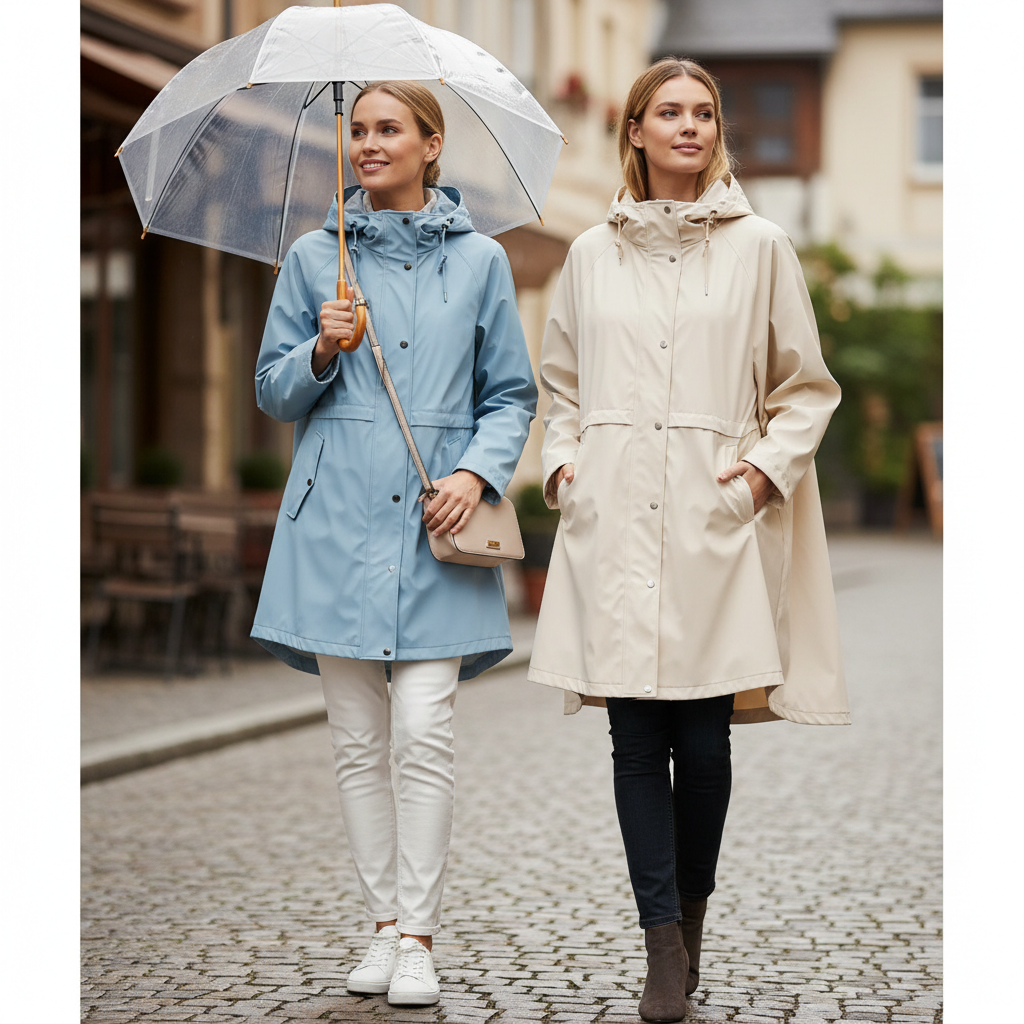
Choosing the right protective outerwear is more than a fashion statement; it is a necessity for navigating unpredictable weather while maintaining professional and personal comfort. For the modern woman, long raincoats for women with hood offer a comprehensive solution that blends maximum coverage with functional design, ensuring that neither torrential rain nor biting winds compromise one's day.
In the global textile industry, the evolution of waterproof materials has transformed these garments from heavy, rubberized coats into breathable, lightweight, and high-performance apparel. The integration of advanced polymer coatings and ergonomic tailoring allows these coats to serve various purposes, from urban commuting to outdoor explorations, making them a staple in sustainable wardrobes worldwide.
Understanding the technical specifications—such as hydrostatic head ratings and seam sealing—is crucial for consumers to make informed decisions. By focusing on quality construction and material innovation, long raincoats for women with hood provide not just dryness, but a sense of security and dignity in the face of nature's elements.
Global Demand and Industrial Context of Waterproof Outerwear
The global market for protective clothing has seen a significant surge, driven by shifting climate patterns and an increase in outdoor-centric lifestyles. According to industry analysis and trade data reflecting ISO standards for protective apparel, there is a growing requirement for garments that offer full-body protection. long raincoats for women with hood have emerged as a critical product category, addressing the need for attire that can withstand prolonged exposure to moisture without sacrificing breathability.
The primary challenge facing the industry has been the balance between waterproof efficacy and wearer comfort. For decades, traditional rainwear was often non-breathable, leading to the "sauna effect" where internal condensation became as problematic as external rain. Modern manufacturing has solved this by utilizing microporous membranes and DWR (Durable Water Repellent) finishes, ensuring that women can remain dry and comfortable regardless of the intensity of the downpour.
Defining the Technical Standards of Long Raincoats
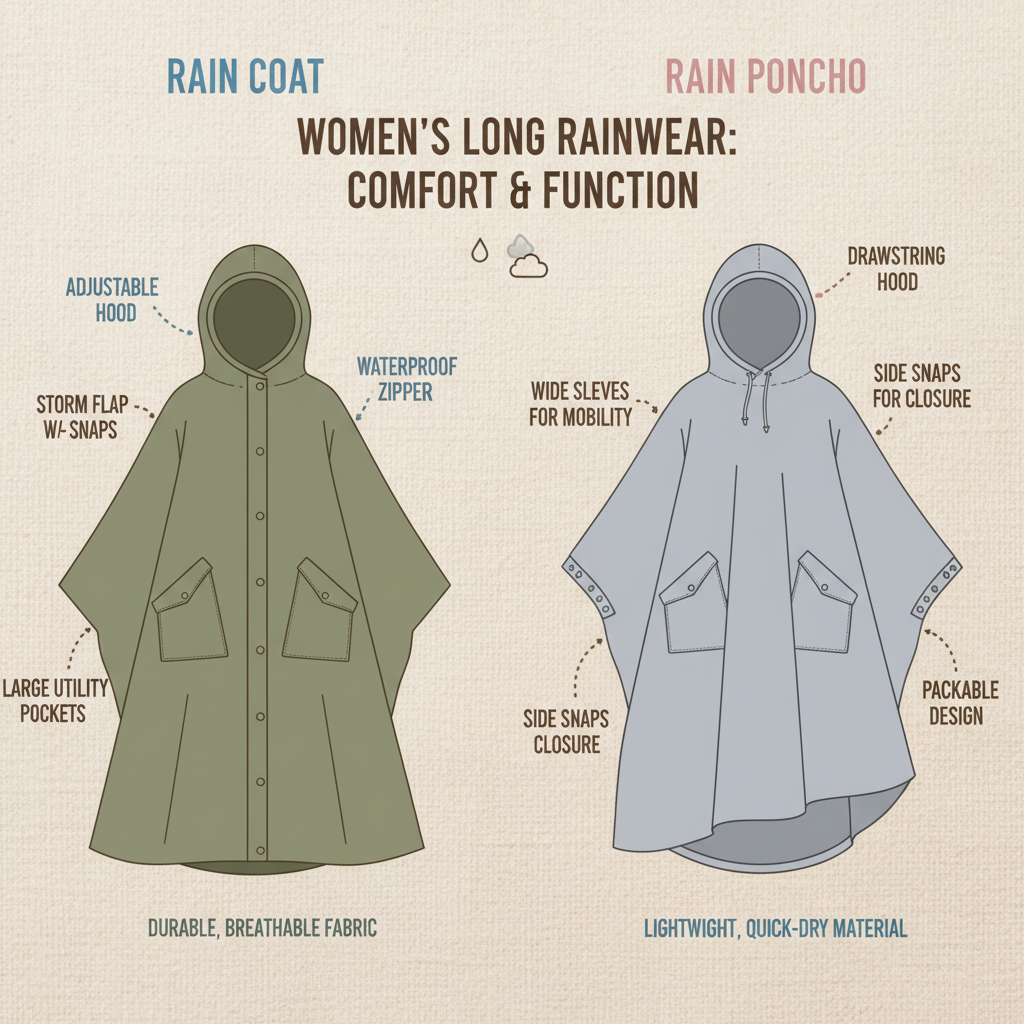
In technical terms, long raincoats for women with hood are specialized outerwear garments designed with a length that typically extends to the knees or calves, coupled with an integrated head covering. Unlike standard jackets, the "long" designation is intentional, aimed at protecting the lower body and preventing water from seeping into trousers, which is essential for those who walk or commute in wet environments.
From a manufacturing perspective, these garments are defined by their material composition—usually a blend of polyester or nylon treated with a polyurethane (PU) or polytetrafluoroethylene (PTFE) coating. The "hood" is not merely an accessory but a critical structural component, often featuring adjustable drawstrings and a brim to redirect water away from the face, embodying the fusion of ergonomic design and utility.
This definition extends beyond simple fashion; it connects to humanitarian and occupational needs. In regions with high annual rainfall or for women working in outdoor industrial zones, these raincoats serve as essential Personal Protective Equipment (PPE), safeguarding health by preventing hypothermia and maintaining dry skin, which is vital for long-term wellness in damp climates.
Core Components of High-Performance Rainwear
When evaluating long raincoats for women with hood, the first critical factor is Material Durability. High-denier fabrics ensure that the coat does not tear easily when encountering urban obstacles, while the waterproof membrane must remain intact through repeated folding and wearing cycles to maintain its integrity.
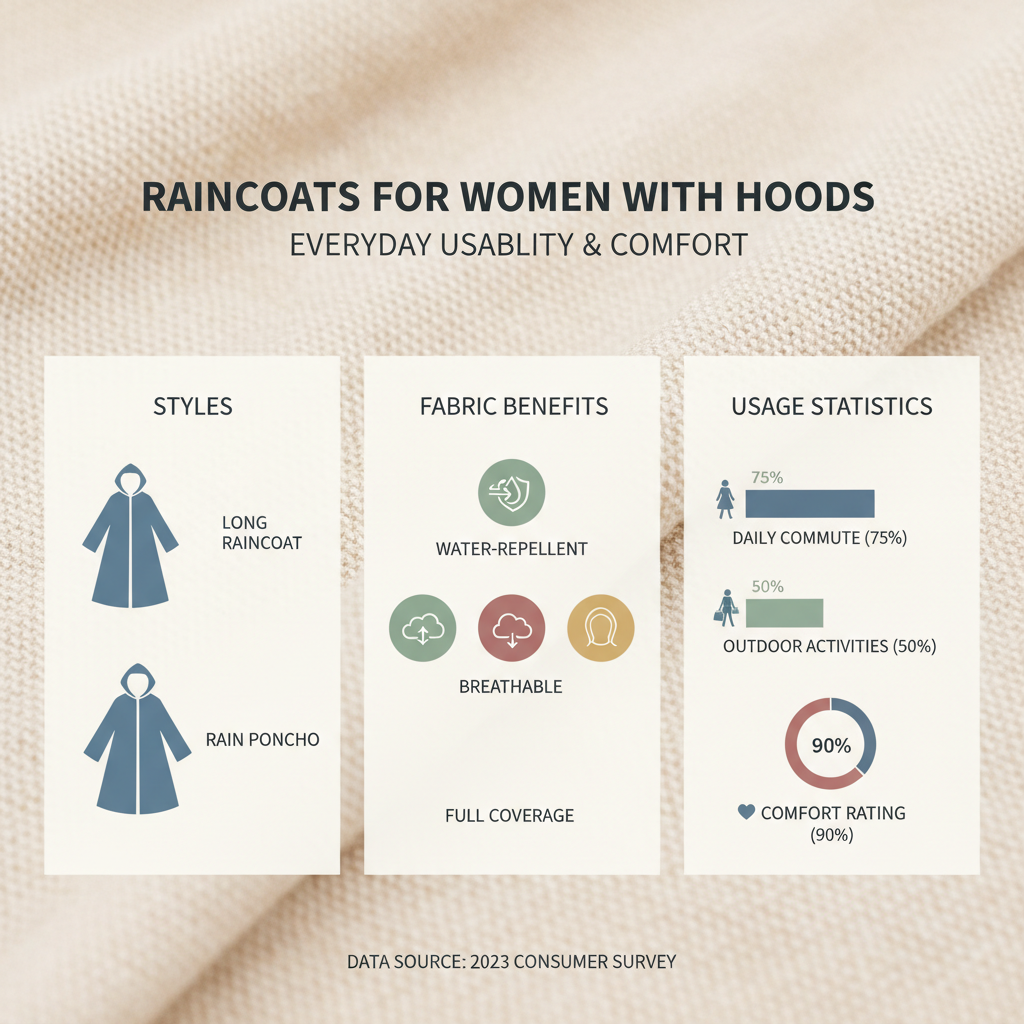
Another essential component is Breathability and Moisture Management. The most advanced long raincoats for women with hood utilize semi-permeable membranes that allow water vapor to escape from the inside while blocking liquid water from entering, effectively managing the microclimate between the skin and the fabric.
Finally, Seam Waterproofing plays a decisive role. Even the best fabric will fail if water penetrates the stitching; therefore, heat-taped seams are used to seal every needle hole. This attention to detail, combined with a secure, adjustable hood, ensures that the garment provides a total shield against the elements.
Performance Metrics and Material Efficiency
To quantify the effectiveness of long raincoats for women with hood, engineers use a variety of metrics, including the hydrostatic head test, which measures how much water pressure a fabric can withstand before leaking. Efficiency is also measured by the weight-to-protection ratio, where the goal is to provide maximum coverage with minimal bulk.
The following data represents a comparison of different material approaches used in the production of long raincoats, highlighting how different technologies impact the overall rating of the garment's performance.
Performance Comparison of Raincoat Material Technologies
Global Applications and Use Case Scenarios
The application of long raincoats for women with hood spans across diverse geographical and professional landscapes. In Northern Europe and the Pacific Northwest, these garments are essential daily wear for urban professionals who rely on walking or cycling, where the long length protects formal business attire underneath from splashes and road grime.
Beyond urban settings, these coats are indispensable in industrial sectors such as agriculture and logistics. In remote industrial zones or during field research in tropical rainforests, women utilize high-specification raincoats to maintain operational efficiency in extreme humidity and rain, proving that the garment is as much a tool for productivity as it is a piece of clothing.
Long-Term Value and Sustainable Benefits
Investing in high-quality long raincoats for women with hood offers significant long-term value by reducing the frequency of replacement. Cheap, low-quality rainwear often cracks or loses its waterproof coating within a single season, contributing to textile waste. In contrast, garments made with premium, durable materials provide years of service, promoting a more sustainable consumption model.
From an emotional and psychological perspective, the reliability of a trusted raincoat provides "weather confidence." Knowing that one is fully protected from the rain eliminates the stress of unexpected weather changes, allowing the wearer to focus on their tasks with dignity and poise. This reliability builds a trust-based relationship between the consumer and the brand.
Moreover, the shift toward PFC-free (perfluorinated chemicals) water repellents is adding a new layer of value. By removing harmful chemicals from the manufacturing process, the industry is ensuring that protecting the wearer does not come at the cost of protecting the planet, aligning commercial success with ecological responsibility.
Future Trends in Weather-Resistant Textile Technology
The future of long raincoats for women with hood is being shaped by the digital transformation of textiles. We are seeing the emergence of "smart fabrics" that can change their porosity based on the temperature and humidity of the environment, automatically increasing breathability as the wearer's body heat rises.
Sustainability remains the primary driver of innovation. The integration of bio-based polymers derived from corn or castor oil is replacing petroleum-based plastics. These biodegradable yet high-performance materials ensure that the raincoats of tomorrow will be fully circular, capable of being recycled back into raw fibers without losing their waterproof properties.
Furthermore, automation in the cutting and sewing process is allowing for more precise, 3D-tailored fits. This reduces fabric waste during production and ensures that the long length of the raincoat provides optimal coverage without hindering movement, merging high-fashion aesthetics with industrial-grade protection.
Analysis of Material Evolution in Long Raincoats
| Material Type |
Waterproof Rating |
Breathability Score |
Eco-Friendliness |
| Traditional PVC |
High |
Very Low (2/10) |
Low |
| PU Coated Polyester |
Medium-High |
Medium (5/10) |
Medium |
| ePTFE Membrane |
Extreme |
High (9/10) |
Medium-Low |
| Recycled Nylon |
Medium |
Medium (6/10) |
High |
| Bio-Based TPU |
High |
Medium-High (7/10) |
Very High |
| Nano-Ceramic Coat |
High |
High (8/10) |
High |
FAQS
Water-resistant raincoats can repel water for a short time or in light rain, but they eventually soak through. A waterproof long raincoat for women with hood is designed to withstand significant water pressure and prolonged exposure, often utilizing a membrane and taped seams to ensure no water penetrates the garment, making it suitable for heavy downpours.
The ideal length depends on your activity. For urban commuting, a knee-length coat provides a balance between protection and mobility. For those who spend hours outdoors or in extreme weather, a calf-length raincoat is recommended to protect the lower legs and prevent water from splashing up onto your clothing.
High-quality versions are designed to be breathable. By using microporous membranes, they allow sweat vapor to escape while keeping liquid water out. Always look for "breathable" or "membrane-lined" in the specifications to avoid the stuffy feeling associated with cheap PVC rainwear.
Avoid using harsh detergents or fabric softeners, as these can clog the pores of the breathable membrane and strip the DWR coating. Use a specialized technical wash and, if the water stops beading on the surface, apply a spray-on DWR treatment and tumble dry on low heat to reactivate the coating.
Yes, the hood is critical for full-body protection. An integrated hood prevents rain from entering the neckline, which is a common failure point in rainwear. A high-quality hood with an adjustable drawstring ensures it stays in place during windy conditions, protecting your hair and head from moisture.
Absolutely. Because they are windproof and waterproof, they act as an excellent outer shell. The key is layering; wearing a fleece or wool sweater underneath a long raincoat provides the necessary warmth while the raincoat protects the inner layers from becoming damp and cold.
Conclusion
In summary, long raincoats for women with hood represent the perfect intersection of industrial textile engineering and practical daily utility. By prioritizing material durability, breathability, and ergonomic design, these garments offer a comprehensive shield against the elements, ensuring that women can maintain their productivity and comfort regardless of the weather. From the use of high-performance membranes to the implementation of sustainable, PFC-free coatings, the evolution of this apparel reflects a broader commitment to quality and environmental stewardship.
Looking forward, the integration of smart textiles and circular economy principles will continue to elevate the standard of weather-resistant wear. For those seeking a reliable partner in combating the rain, investing in a technically sound, long-length raincoat is not just a purchase, but a long-term investment in personal well-being and confidence. We invite you to explore the pinnacle of waterproof technology and find your perfect fit. Visit our website: www.sxzyraincoat.com