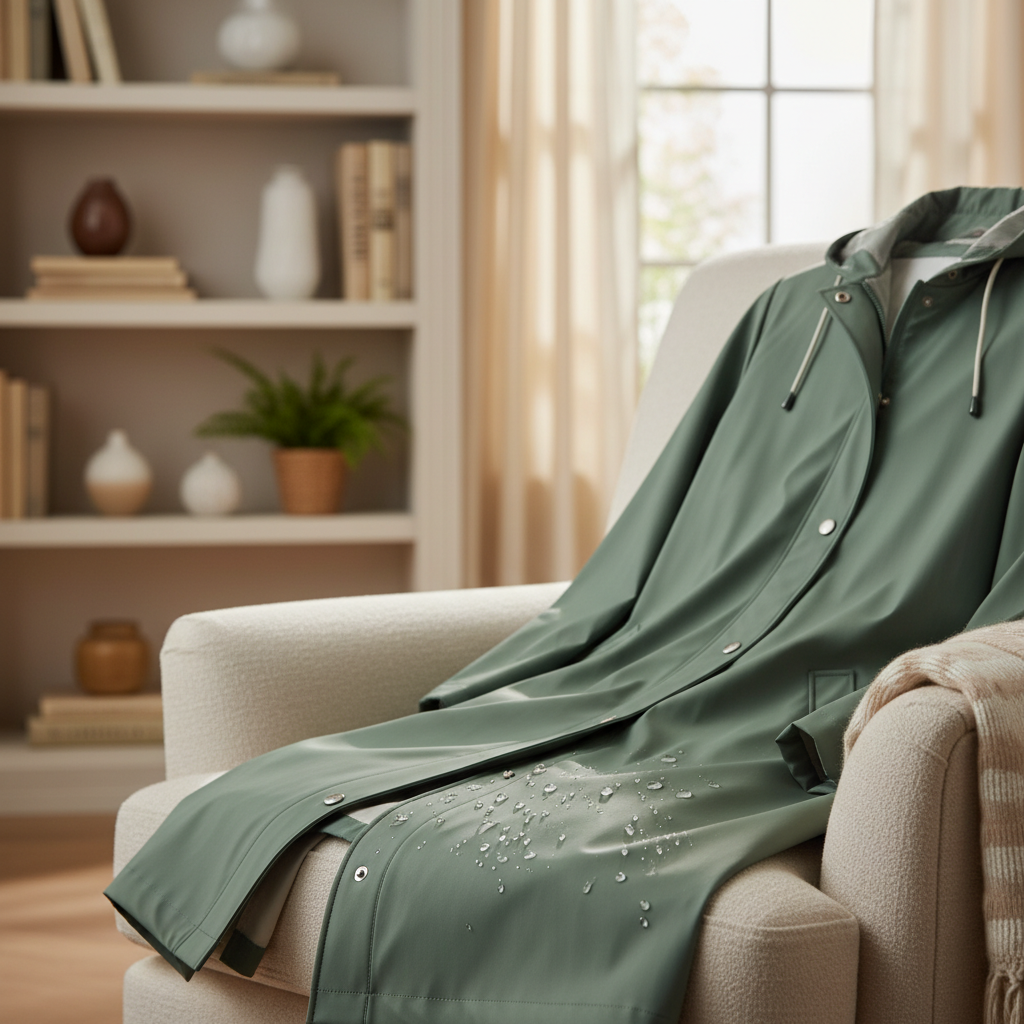
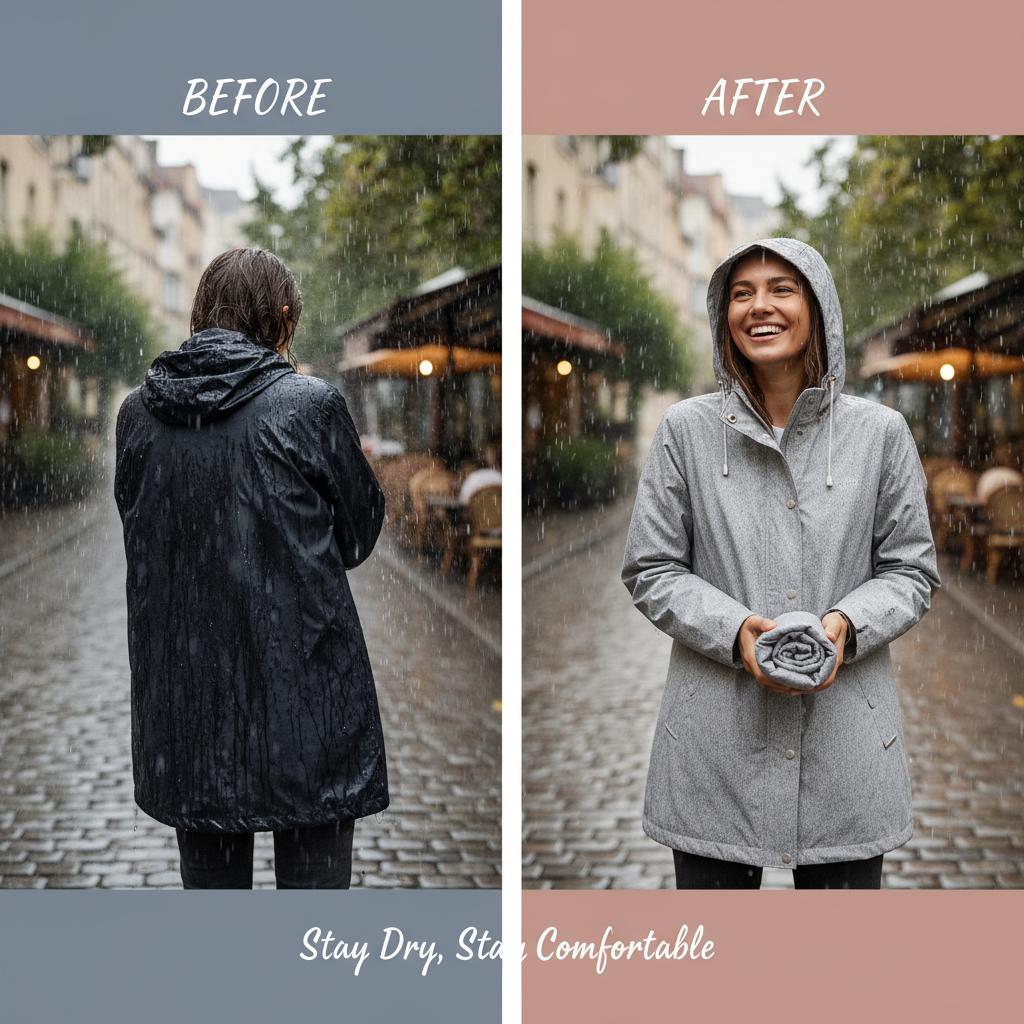
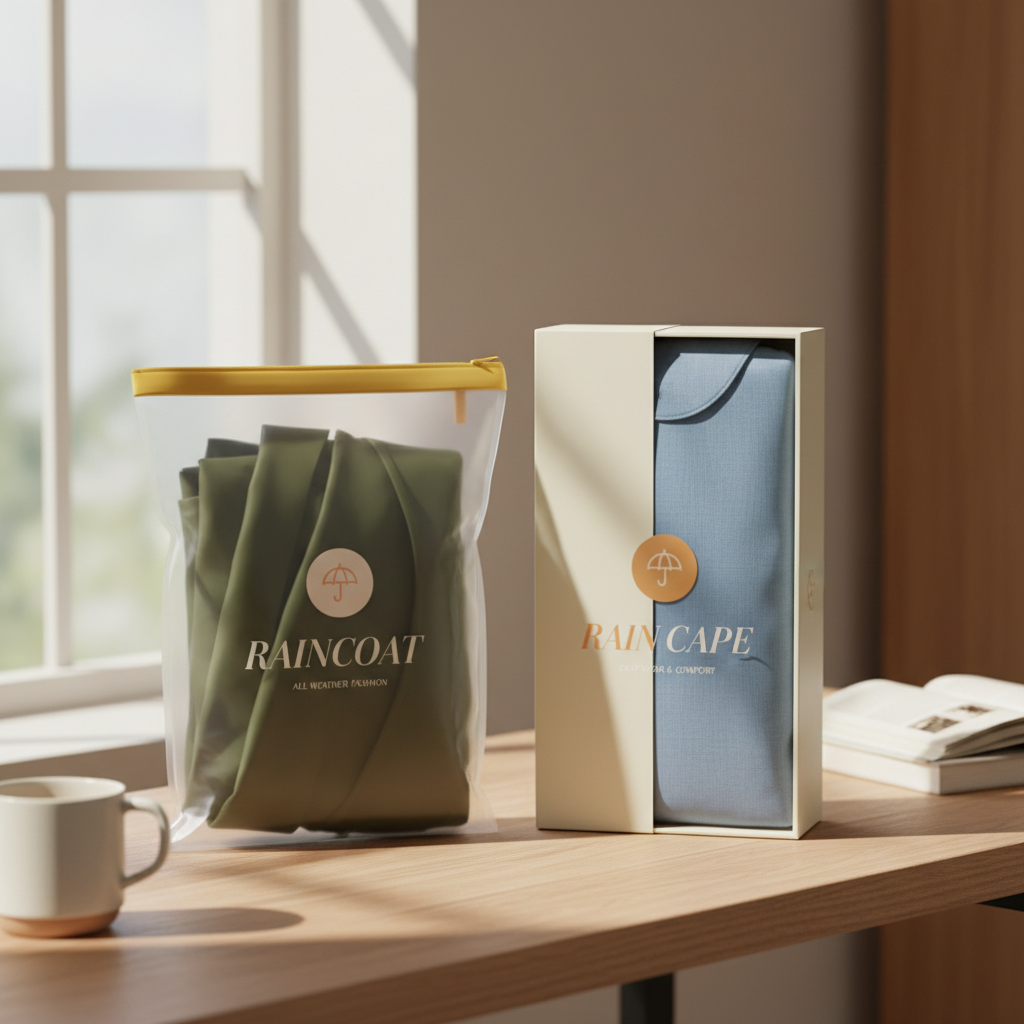
The need for reliable protection against the elements is universal, and the waterproof raincoat stands as a cornerstone of that protection. From everyday commuters shielding themselves from sudden showers to emergency responders operating in harsh conditions, the raincoat’s functionality is deeply ingrained in modern life. Understanding its construction, application, and future trends is increasingly crucial in a world facing more frequent and intense weather events.
The global market for waterproof apparel is substantial and growing, driven by factors like climate change, increasing outdoor activity, and the demand for safety and comfort. According to industry reports, the waterproof raincoat market is projected to reach billions of dollars in the coming years. This reflects not only the practical need but also the increasing sophistication of materials and design.
Beyond personal use, the efficient deployment of waterproof raincoats is critical in humanitarian efforts and disaster relief. Providing adequate protection from the elements can significantly improve outcomes for vulnerable populations, making a thorough understanding of these garments essential for aid organizations and governments alike.
The Importance of Waterproof Raincoats
The waterproof raincoat transcends a simple garment; it's a vital tool for safety, comfort, and operational efficiency. It protects individuals from hypothermia, reduces the risk of weather-related illnesses, and allows essential activities to continue regardless of rainfall. For workers in construction, agriculture, and transportation, a reliable raincoat isn’t a luxury – it’s a necessity.
The impact extends to emergency situations. First responders, search and rescue teams, and individuals affected by natural disasters rely on waterproof raincoats to maintain functionality and ensure their well-being in challenging environments. A well-designed raincoat can be the difference between effective response and compromised safety.
Defining a Waterproof Raincoat
At its most basic, a waterproof raincoat is a garment designed to prevent water penetration. However, the level of waterproofing can vary significantly, ranging from water-resistant to completely waterproof. True waterproof raincoats utilize fabrics and construction techniques that create an impermeable barrier against water, while water-resistant coats offer limited protection.
This definition is closely tied to modern industrial needs. Manufacturers increasingly rely on precise waterproofing standards, often adhering to ISO certifications, to ensure product reliability. The construction of a waterproof raincoat is a complex process, involving specialized materials, seam sealing, and design considerations.
In the humanitarian sector, a clearly defined level of waterproofing is crucial for distributing appropriate aid. Understanding the distinction between water-resistant and waterproof is paramount in ensuring that vulnerable populations receive adequate protection from the elements, particularly during prolonged exposure to heavy rainfall.
Core Components of a Waterproof Raincoat
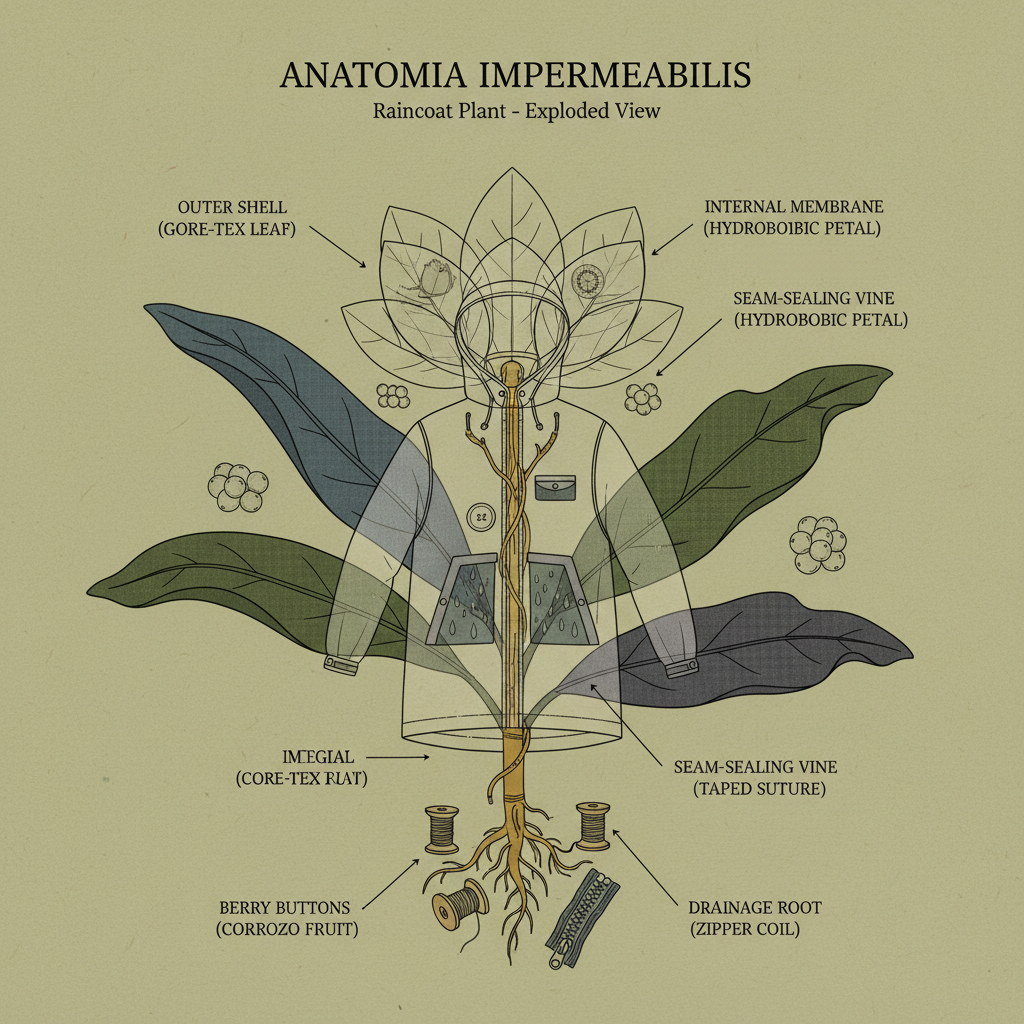
Several key factors contribute to the overall performance of a waterproof raincoat. First, the outer fabric itself is critical. Materials like polyurethane (PU), polyvinyl chloride (PVC), and more advanced options like Gore-Tex® determine the initial level of water resistance and breathability.
Seam sealing is equally important. Even waterproof fabrics can allow water to seep through stitched areas. Taping or welding seams creates a watertight barrier, preventing leakage. The quality of seam sealing directly impacts the overall waterproof integrity of the garment.
Breathability is often overlooked, but essential for comfort. A truly effective raincoat allows moisture vapor from the body to escape, preventing condensation buildup inside the garment. Features like pit zips and breathable membranes contribute to improved comfort during physical activity. Finally, design elements such as a hood, adjustable cuffs, and a storm flap further enhance protection.
Practical Applications Across Industries
The applications of the waterproof raincoat are remarkably diverse. In the construction industry, workers rely on these garments to maintain productivity and safety during inclement weather. Agriculture benefits from raincoats protecting farmworkers from prolonged exposure to rain.
Emergency services, including firefighters, paramedics, and police officers, depend on waterproof raincoats for protection during rescue operations and incident management. In remote industrial zones, such as oil rigs and mining operations, raincoats are indispensable for ensuring worker safety and operational continuity.
In post-disaster relief operations, providing waterproof raincoats to affected populations is a critical component of humanitarian assistance. Organizations like the Red Cross and Doctors Without Borders routinely distribute these garments to provide essential protection from the elements in disaster-stricken areas.
Waterproof Raincoat Performance Factors
Advantages and Long-Term Value
Investing in a high-quality waterproof raincoat offers numerous tangible benefits. From a cost perspective, a durable raincoat can eliminate the need for frequent replacements, saving money in the long run. Sustainability is another key advantage; a well-made raincoat reduces waste and minimizes the environmental impact compared to disposable alternatives.
The social impact is significant, especially in vulnerable communities. Providing access to reliable rain protection can improve health outcomes, enhance productivity, and contribute to overall well-being. Furthermore, the reliability of a waterproof raincoat builds trust – trust in the product itself and in the organization or government providing it.
Future Trends and Innovations
The future of waterproof raincoat technology is focused on enhanced performance and sustainability. Researchers are exploring new materials, such as bio-based polymers and recycled fabrics, to reduce the environmental footprint of raincoat production. Digital technologies are also playing a role, with smart raincoats incorporating sensors and connectivity features.
Breathability remains a major area of innovation. Advanced membranes and coatings are being developed to improve moisture vapor transmission without compromising waterproof integrity. Automation in manufacturing processes is streamlining production and improving quality control. These advances will lead to more effective, comfortable, and sustainable raincoats in the years to come.
Developments in nanotechnology offer the potential for self-cleaning and self-repairing raincoats, further extending their lifespan and reducing maintenance requirements. Policy changes promoting sustainable manufacturing and responsible sourcing will also drive innovation in this sector.
Challenges and Solutions in Raincoat Technology
Despite advancements, several challenges persist in waterproof raincoat technology. Maintaining breathability while ensuring complete waterproofness remains a key hurdle. The environmental impact of traditional raincoat materials, such as PVC, is also a concern. Furthermore, the cost of high-performance raincoats can be prohibitive for some consumers.
Innovative solutions are emerging to address these challenges. The development of bio-based and recycled materials offers a more sustainable alternative to traditional fabrics. Improved membrane technologies are enhancing breathability without compromising waterproof integrity. Optimizing manufacturing processes and scaling production can help reduce costs and make high-quality raincoats more accessible.
Implementing stricter environmental regulations and promoting responsible sourcing practices are essential steps toward a more sustainable raincoat industry. Investing in research and development is crucial for unlocking new materials and technologies that address the remaining challenges.
Analysis of Waterproof Raincoat Performance Parameters
| Material Type |
Waterproof Rating (mm) |
Breathability (g/m²/24h) |
Durability (Years) |
| Polyurethane (PU) |
5,000 |
3,000 |
3 |
| Polyvinyl Chloride (PVC) |
10,000 |
1,000 |
5 |
| Gore-Tex® |
20,000+ |
15,000+ |
10 |
| Recycled Polyester with PU Coating |
8,000 |
5,000 |
4 |
| Bio-Based Waterproof Fabric |
6,000 |
4,000 |
6 |
| Nylon with DWR Finish |
3,000 |
6,000 |
2 |
FAQS
For typical daily commutes and light rainfall, a waterproof rating of 5,000mm to 10,000mm is usually adequate. This provides sufficient protection from showers without sacrificing breathability. Consider the frequency and intensity of rainfall in your area when selecting a waterproof raincoat. For occasional light drizzle, a water-resistant coat might suffice, but for consistent or heavy rainfall, a fully waterproof option is recommended.
Regular cleaning is crucial. Wash your waterproof raincoat with a technical wash specifically designed for waterproof fabrics. Avoid using harsh detergents, fabric softeners, or bleach, as these can damage the waterproof coating. After washing, tumble dry on low heat to reactivate the durable water repellent (DWR) finish. Re-apply DWR treatment periodically to maintain optimal waterproofing.
Waterproof materials are completely impermeable to water, even under pressure. They typically have a high waterproof rating (e.g., 10,000mm or higher). Water-resistant materials repel water to some extent, but can become saturated with prolonged exposure. They offer limited protection in heavy rainfall. A waterproof raincoat is the better choice if you need reliable protection in all weather conditions.
Breathability is essential for comfort, especially during physical activity. A breathable waterproof raincoat allows moisture vapor to escape, preventing you from getting sweaty and uncomfortable. Look for raincoats with breathable membranes like Gore-Tex® or those with ventilation features like pit zips.
For hiking and backpacking, prioritize a lightweight, packable waterproof raincoat with excellent breathability. Features like an adjustable hood, sealed seams, and adjustable cuffs are essential. Consider a raincoat with a longer length for added protection and a hood that can accommodate a helmet.
Yes, increasingly, there are eco-friendly options available. Look for raincoats made from recycled materials, bio-based fabrics, or those that utilize PFC-free DWR treatments. Sustainable manufacturing practices are also becoming more common. Choosing an environmentally conscious waterproof raincoat helps reduce your environmental impact.
Conclusion
In conclusion, the waterproof raincoat is far more than just a simple garment; it's a critical piece of equipment for safety, comfort, and functionality in a wide range of applications. Understanding its core components, the advantages of investing in a quality product, and the future trends shaping its development is essential for individuals and organizations alike. From everyday commuters to emergency responders, a reliable raincoat can make a significant difference.
Looking ahead, continued innovation in materials, manufacturing processes, and design will drive the evolution of the waterproof raincoat. Embracing sustainable practices and prioritizing performance will ensure that these garments continue to provide reliable protection against the elements for years to come. Visit our website today to explore our range of high-quality waterproof raincoats: www.sxzyraincoat.com.