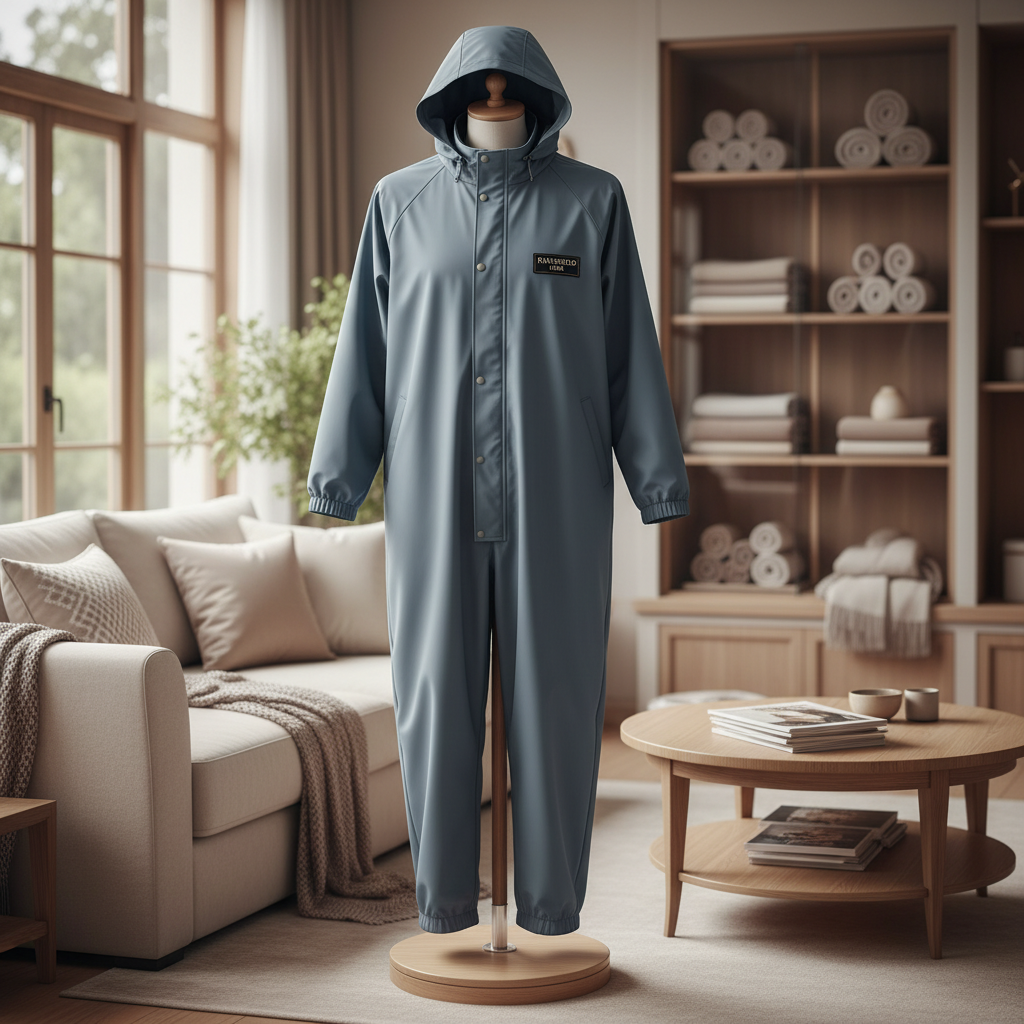
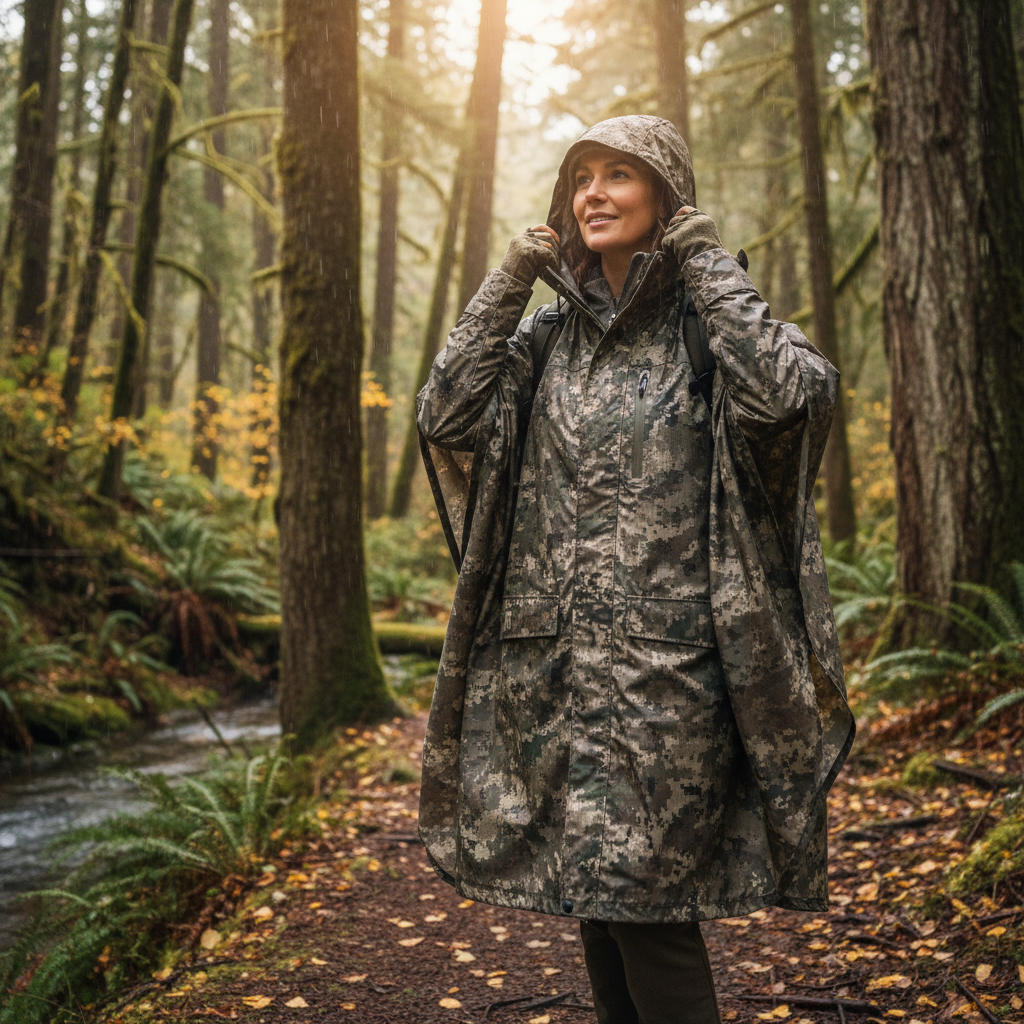
Look, I've been running around construction sites all year, getting my hands dirty, and honestly, the biggest thing I'm seeing right now is everyone scrambling for better waterproofing. Not just "waterproof," but really waterproof. Seems simple, right? It's not. It's a nightmare. Everyone's chasing these new membrane technologies, breathable fabrics... expensive stuff. But a lot of it, frankly, doesn't hold up to real-world abuse.
You wouldn't believe the corners people cut. I swear, half the “waterproof” gear out there is just marketing hype. They’ll use a fancy coating, but skimp on the seam sealing. Or they’ll use a lightweight fabric to save money, then wonder why it tears after a week. It's like they design these things in an office, never actually seeing how they're used.
And don't even get me started on the suppliers. Finding a reliable raincoat supplier is like finding a needle in a haystack. You need someone who understands the materials, not just takes your order.
The Current Landscape of Raincoat Supply
To be honest, the raincoat market’s gone crazy. Everyone wants the lightest, most breathable, most durable…it’s a balancing act, and most companies aren’t getting it right. There's a flood of cheap imports, mostly from overseas, and the quality control is… questionable. You end up with stuff that falls apart after a month. A good raincoat supplier understands these pressures and can offer solutions.
What I've noticed lately is a shift towards more sustainable materials, which is good, but they often come with a price premium. People are willing to pay for it if the quality is there, but they need to be convinced.
Design Pitfalls and Common Mistakes
Have you noticed how many raincoats have ridiculously small hoods? Seriously! What's the point of a raincoat if the rain is still going down your neck? It's a classic design flaw. And pockets… too small, poorly placed, or just plain flimsy. They think they're being clever, but they haven't spent a day actually using the thing.
Another thing: closures. Zippers are great, but they fail. Snaps break. Velcro gets clogged with dirt. It's a constant battle to find something reliable. And don’t even get me started on those fancy magnetic closures... Strangel they always seem to fail on the jobsite.
A lot of designers get hung up on aesthetics and forget about functionality. It’s all about looking good, not staying dry.
Materials: The Devil is in the Detail
Now, materials… that's where it gets really interesting. PVC? Cheap, effective for a while, but it stinks, it cracks, and it's terrible for the environment. PU coatings are better, more flexible, but they can delaminate over time. Gore-Tex, obviously, is the gold standard, but it’s expensive and needs to be treated carefully. I encountered this at a factory in Ningbo last time; they were mixing recycled PU with virgin material to cut costs, and the resulting fabric was… not great. Smelled a bit off, too.
Nylon is a workhorse, durable and relatively inexpensive, but it needs a good water-repellent finish. And that finish wears off. Polyester is similar, but a bit less durable. I really like some of the newer ripstop nylon fabrics—they're surprisingly tough. They feel… substantial, you know? Not like they're going to tear at the first sign of trouble.
And the lining! Don't underestimate the lining. A cheap, scratchy lining will ruin an otherwise good raincoat. It needs to be breathable, comfortable, and durable. Mesh linings are good for ventilation, but they can snag on things.
Real-World Testing and Performance
They do all these lab tests—water column tests, breathability tests, abrasion resistance tests—but honestly, they don't mean much in the real world. I’ve seen coats pass all the lab tests and fall apart after a week on a construction site.
What matters is how it holds up to repeated exposure to rain, mud, grime, and general abuse. We test stuff by literally just wearing it on the job, day in and day out. We throw it in the back of a truck, drag it through bushes, spill paint on it… If it can survive that, it's probably good.
Raincoat Supplier Performance Metrics
How Users Actually Use Raincoats
Anyway, I think people don’t use raincoats like they’re supposed to. They expect them to be miracle garments, impervious to everything. They wear them while welding, while climbing scaffolding, while getting soaked in mud… they treat them like disposable protective gear, and then they complain when they fall apart. They don’t bother with proper care, they just throw them in a pile with everything else.
It’s a constant education process. You have to explain to them that a raincoat is an investment, and it needs to be looked after. But let's be real, most workers just want something that works and doesn’t cost a fortune.
Advantages, Disadvantages, and Customization
A good raincoat, properly made, is a lifesaver. It keeps you dry, warm, and comfortable, which is important for safety and productivity. But the disadvantages? Well, they can be bulky, they can be hot, and they can be expensive. There’s always a trade-off.
Customization is key. We had a client who needed raincoats with specific reflective tape patterns for high-visibility safety. They also wanted reinforced elbows and shoulders for extra durability. A good raincoat supplier will be able to accommodate those requests.
A Tale from the Field: The Debacle
Last month, that small boss in Shenzhen who makes smart home devices insisted on changing the interface to on a batch of our workwear, including the raincoats. He said it was "more modern". I tried to explain that workers don’t care about , they care about something that works and is easy to use. But he wouldn't listen.
The result? A bunch of raincoats with a fancy connector that half the workers couldn't figure out. They ended up stripping the ports, breaking the cables, and generally making a mess. It cost him a fortune in replacements and lost productivity.
It's a classic example of overthinking things. Sometimes, the simplest solution is the best.
Key Material Comparison for Raincoat Construction
| Material Name |
Durability (1-10) |
Water Resistance (1-10) |
Cost (Low/Med/High) |
| PVC |
4 |
8 |
Low |
| PU Coated Nylon |
6 |
7 |
Med |
| Gore-Tex |
9 |
10 |
High |
| Ripstop Polyester |
7 |
6 |
Med |
| Nylon with DWR |
8 |
7 |
Med |
| Bio-Based PU |
5 |
6 |
High |
FAQS
Honestly, it's prioritizing style over function. They chase trends and forget that a raincoat’s job is to keep you dry and protected. Too many fancy features that just break or get in the way. They need to spend more time on construction sites and less time in design studios. A simple, well-made coat is always better than a complicated, poorly-made one.
Critical. Absolutely critical. You can have the most waterproof fabric in the world, but if the seams aren’t properly sealed, water will find a way in. It’s often the first place a raincoat fails. I’ve seen companies use cheap tape or skip sealing altogether to save money, and it always comes back to haunt them. Make sure a raincoat supplier employs high-quality seam-sealing techniques.
Forget the lab tests. Give it to a construction worker for a week. Seriously. Let them wear it while they’re doing their job. That’s the ultimate test. Look for wear and tear, check the seams, see how it holds up to mud, grime, and rough handling. That’s the only way to really know if it’s going to last.
I'm seeing a lot of interest in bio-based materials, like PU made from renewable sources. It’s still expensive, but it’s getting better. Also, improvements in recycled fabrics. We’re getting closer to having truly sustainable rainwear that doesn’t compromise on performance. But honestly, it’s a slow process.
Absolutely. We work with clients all the time who need specific features, like high-visibility tape for construction workers, or reinforced elbows for mechanics. A good raincoat supplier will have the capabilities to customize everything from the fabric and color to the closures and pockets.
Reliability, first and foremost. You need someone who can deliver on time and to your specifications. Also, look for a supplier who understands the materials and the manufacturing process. Don’t be afraid to ask questions and visit their factory if possible. And finally, make sure they have good quality control procedures in place.
Conclusion
Ultimately, the raincoat market is complex. There’s a lot of hype, a lot of cheap imports, and a lot of poorly designed products. Finding a balance between cost, durability, functionality, and sustainability is a constant challenge. But the core principles remain the same: Use quality materials, pay attention to detail, and don't compromise on seam sealing.
And let’s be honest, whether this thing works or not, the worker will know the moment he tightens the screw. That's who we build this for – the guy on the ground, getting the job done, rain or shine. Check out sxzyraincoat.com to find a raincoat supplier you can trust.