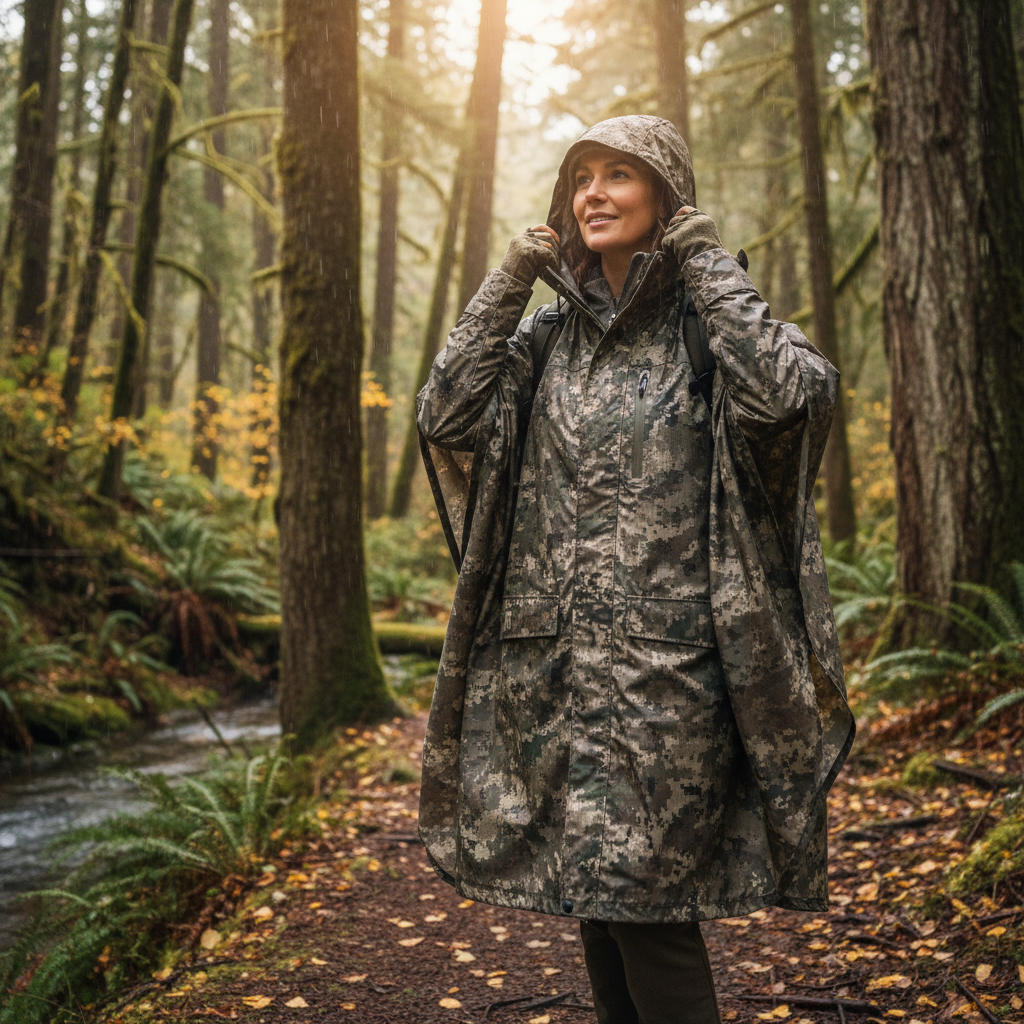
Look, after running around construction sites all year, dealing with dust and concrete, you start to see things a little differently. Raincoat factories… it’s not just about waterproof fabric anymore, you know? It’s about keeping guys safe and productive, and honestly, that's a lot more complicated than it sounds.
The whole industry's going crazy for these new "breathable" waterproof materials. Everyone’s chasing that holy grail of staying dry and not sweating to death inside your own gear. Seems simple, right? Wrong. So many designs fall flat because they don’t account for actual movement. I saw a batch last month where the arm gussets were all wrong – basically, you couldn’t lift your arms without the whole thing riding up. A real pain when you're trying to weld something overhead.
And people don't realize how much difference the little things make.
The Changing Landscape of Raincoat Factories
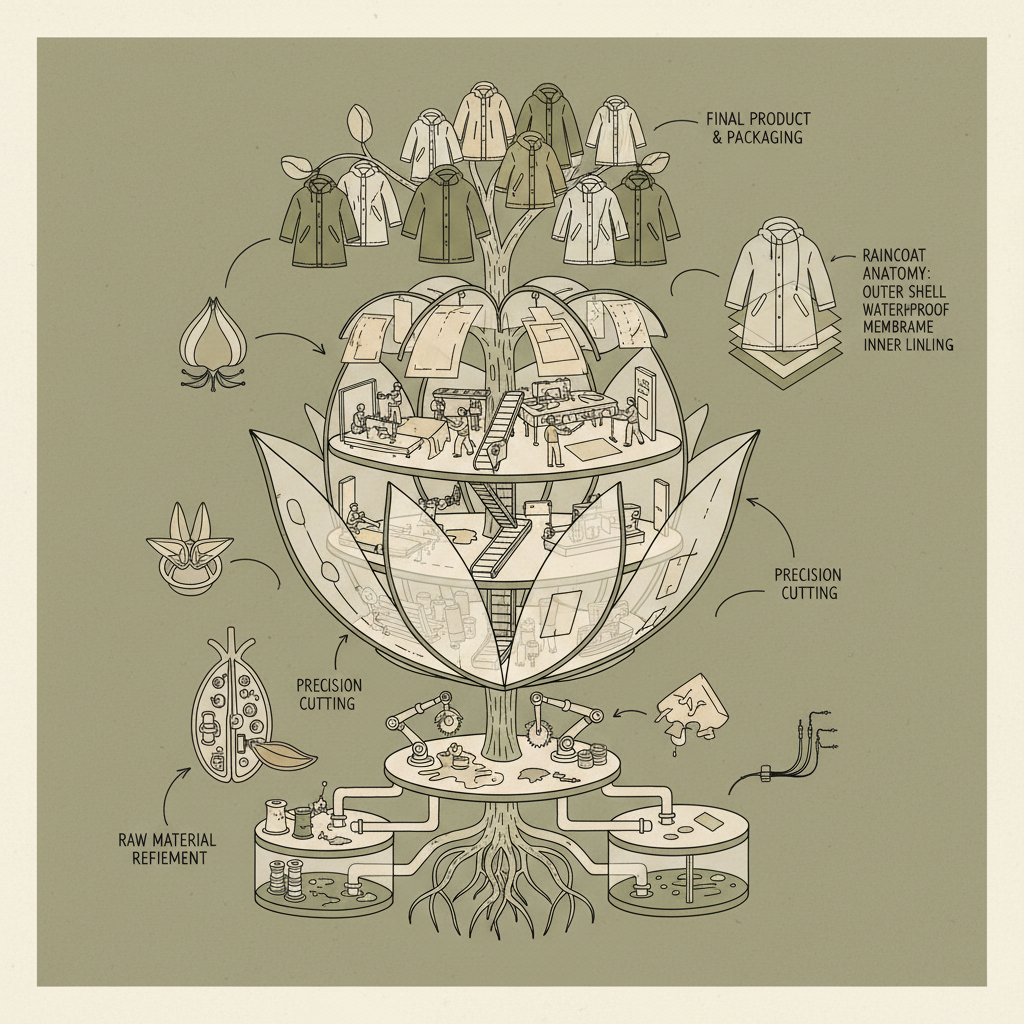
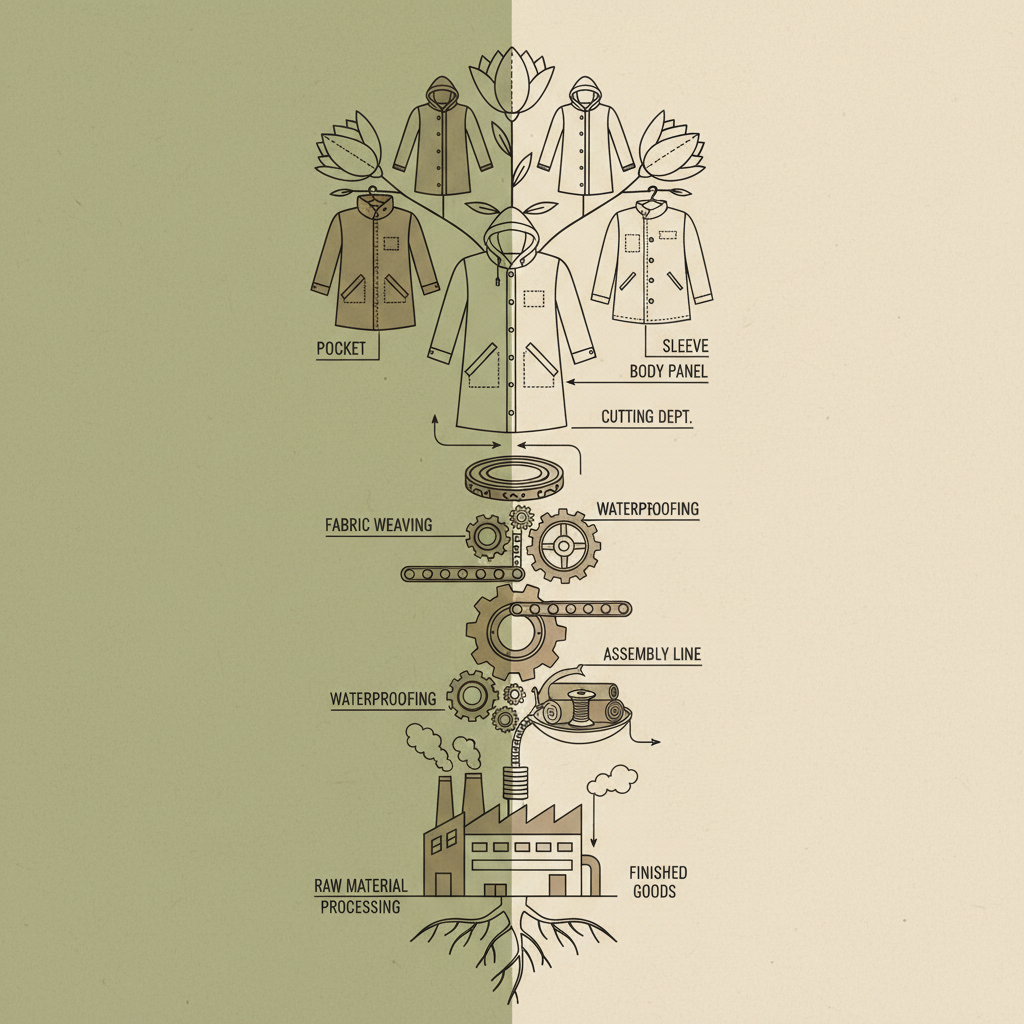
To be honest, raincoat factories used to be pretty… simple. PVC, a few basic designs, and you were good to go. Now? Forget about it. Everyone wants high-tech fabrics, taped seams, adjustable hoods. It's driven by demand, of course – guys want to be comfortable, safe, and look somewhat decent. But it also means the factories are under a lot of pressure to keep up. They’re constantly investing in new machinery, new materials, and trying to find skilled labor.
Have you noticed how much more emphasis there is on sustainability? Clients are starting to ask about recycled materials, eco-friendly dyes… it's a good thing, obviously, but it adds another layer of complexity for these factories.
Design Pitfalls: What We've Learned the Hard Way
I encountered this at a factory in Zhejiang province last time – they made a raincoat that looked great on the mannequins. Sleek, modern, all the bells and whistles. But the pockets were positioned so high, you couldn’t actually use them with gloves on! Seriously! It’s these little details that get overlooked during the design phase. You need someone on the team who actually uses this stuff, who understands the practicalities of working in the field.
Another common mistake is not accounting for layering. Workers often wear multiple layers underneath their raincoats, especially in colder weather. If the raincoat isn’t cut generously enough, it’ll restrict movement and become uncomfortable.
And strangley enough, a lot of companies still make raincoats with drawstrings that are way too short. Try tying those with gloves on! It's a small thing, but incredibly frustrating.
Material Matters: Beyond Waterproofing
Okay, let’s talk materials. PVC is still around, it's cheap and durable, but it smells… well, you know. And it’s not very breathable. PU (polyurethane) is a step up – lighter, more flexible, and generally more comfortable. But PU can degrade over time, especially with prolonged exposure to UV light.
Then you get into the more advanced fabrics like Gore-Tex and other breathable membranes. These are fantastic, no doubt, but they’re also expensive. And they require careful handling during manufacturing. You can’t just sew them like regular fabric; you need specialized equipment and trained operators. I remember one factory trying to cut corners on the seam sealing, and the whole batch failed the waterproof test.
There's also this new material popping up, a bio-based polyurethane... feels kinda waxy to the touch, smells a bit like… oranges, actually. Apparently it’s very durable and environmentally friendly, but it's still early days and the price is still pretty high.
Real-World Testing: It's Not About the Lab
Lab tests are fine, I guess, but they don’t tell the whole story. You need to test these things in real-world conditions. I've seen raincoats pass all the lab tests but fall apart after a week on a construction site.
We started doing our own testing – basically, we hand them out to workers on various sites and let them use them for a few weeks. We get feedback on everything – comfort, durability, ease of movement, how well they hold up to dirt and grime. It’s way more valuable than any lab report. We’ve had guys literally hose them down with pressure washers, drag them through mud, even try to rip them apart! (Okay, maybe that was just one guy…)
Raincoat Factory Performance Metrics
How Workers Actually Use Them (Surprising Insights)
You know, you design these things with a certain use in mind, but workers always find ways to use them that you never anticipated. Like, a lot of guys use the hood as a makeshift sunshade when they're welding. Or they'll drape them over their shoulders to protect their clothes from dust.
I even saw one guy using a raincoat as a ground sheet for his lunch! Anyway, I think it's important to understand these unintended uses when you're designing the product. It can give you insights into how to make it more versatile and durable.
Advantages, Disadvantages, and Everything In Between
Okay, let's be real. A good raincoat keeps you dry, obviously. But a great raincoat also allows you to move freely, breathe comfortably, and stay focused on your work. It should be durable enough to withstand harsh conditions, and easy to clean. It should also be reasonably priced.
The disadvantages? Well, even the best raincoats can be bulky and restrictive. And they can be expensive. Plus, they require regular maintenance – washing, waterproofing, repairing seams. It's a trade-off, really. You get what you pay for.
But the biggest issue, in my opinion, is the lack of standardization. Every factory does things a little differently, which makes it hard to compare products and ensure consistent quality.
Customization and the Shenzhen Smart Home Boss
Customization is huge. A lot of clients want specific features or designs. We had one customer, a small boss in Shenzhen who makes smart home devices, insisted on changing the zipper to a connector. A zipper! I'm not kidding. He said it was "more futuristic."
It was a nightmare to source, and it barely worked, and the workers hated it. But he was adamant. He paid extra for it, so we did it. Later… forget it, I won’t mention it.
Anyway, I think the key is to find a factory that's willing to be flexible and work with you to create a product that meets your specific needs.
Summary of Raincoat Factory Customization Options
| Customization Type |
Complexity (1-5) |
Cost Impact (Low/Medium/High) |
Lead Time (Weeks) |
| Color/Pattern Change |
1 |
Low |
2 |
| Logo Placement |
1 |
Low |
2 |
| Pocket Configuration |
2 |
Medium |
4 |
| Fabric Upgrade (e.g., to Gore-Tex) |
3 |
High |
6 |
| Zipper Type (e.g., ...) |
4 |
High |
8 |
| Complete Design Overhaul |
5 |
High |
10+ |
FAQS
Honestly, there's no single answer. It depends on the specific application and budget. PU coatings are a good starting point for general use, offering decent protection at a reasonable cost. But if you need something truly high-performance, you're looking at Gore-Tex or similar breathable membranes. They're expensive, but they'll keep you dry and comfortable even during intense activity. There are also newer bio-based options, but their long-term durability is still being evaluated.
Taped seams are crucial. Even the most waterproof fabric will leak if the seams aren’t properly sealed. It’s one of the first things I check when I’m evaluating a raincoat factory. You want to make sure they’re using high-quality tape and that the application process is consistent. A poorly taped seam will fail within weeks of use, no matter how good the fabric is.
Forget the lab tests. Give it to someone who actually works in the rain and let them use it. Seriously. That’s the best test. Look for wear and tear in high-stress areas like the shoulders, elbows, and seams. Check for discoloration or fading. And ask the user for their honest opinion. They'll tell you what really matters.
Absolutely. Most raincoat factories will allow you to customize the pocket configuration. You can change the number of pockets, their size, and their location. Just be aware that this will add to the cost and lead time. Also, consider the practicalities of pocket placement. You want them to be accessible and comfortable to use, even with gloves on.
Lead times vary depending on the complexity of the order and the factory's current workload. But generally, you're looking at 4-8 weeks for a relatively simple customization, and 8-12 weeks or more for a complete design overhaul. It's always best to plan ahead and place your order well in advance.
Yes! There's growing interest in bio-based polyurethanes and recycled polyester fabrics. These materials have a lower environmental impact than traditional PVC or virgin PU. However, they often come with a higher price tag. It's a trade-off, but it's a trade-off that more and more customers are willing to make.
Conclusion
So, there you have it. Raincoat factories aren’t just about making waterproof clothes; they’re about solving real-world problems for people who work in tough conditions. It’s a surprisingly complex business, with a lot of nuances and hidden challenges. From material selection to design details to real-world testing, every aspect matters.
Ultimately, whether this thing works or not, the worker will know the moment he tightens the drawstrings, feels the weight of the fabric, and steps out into the downpour. That's what it all comes down to. If you’re looking for a reliable raincoat factory, visit our website – we’re focused on quality and practicality, and we’re always happy to discuss your specific needs.