Selecting the right waterproof outerwear involves more than just checking a "waterproof" label; it requires an understanding of the balance between moisture exclusion and internal vapor release. For commercial buyers and distributors, the ability to source gear that prevents the "sauna effect"—where a user feels trapped in humidity—is the primary differentiator in product quality.
The global demand for specialized rainwear has shifted from basic plastic sheets to engineered garments utilizing PVC, EVA, PEVA, and TPU. This evolution is driven by a need for durability in industrial settings and aesthetic appeal in the consumer retail market, particularly for children's apparel where safety and comfort are paramount.
When evaluating rain gear manufacturers, the focus must extend beyond production capacity to include material science and quality control certifications. This guide analyzes the technical criteria and manufacturing standards necessary to ensure high-performance waterproof garments.


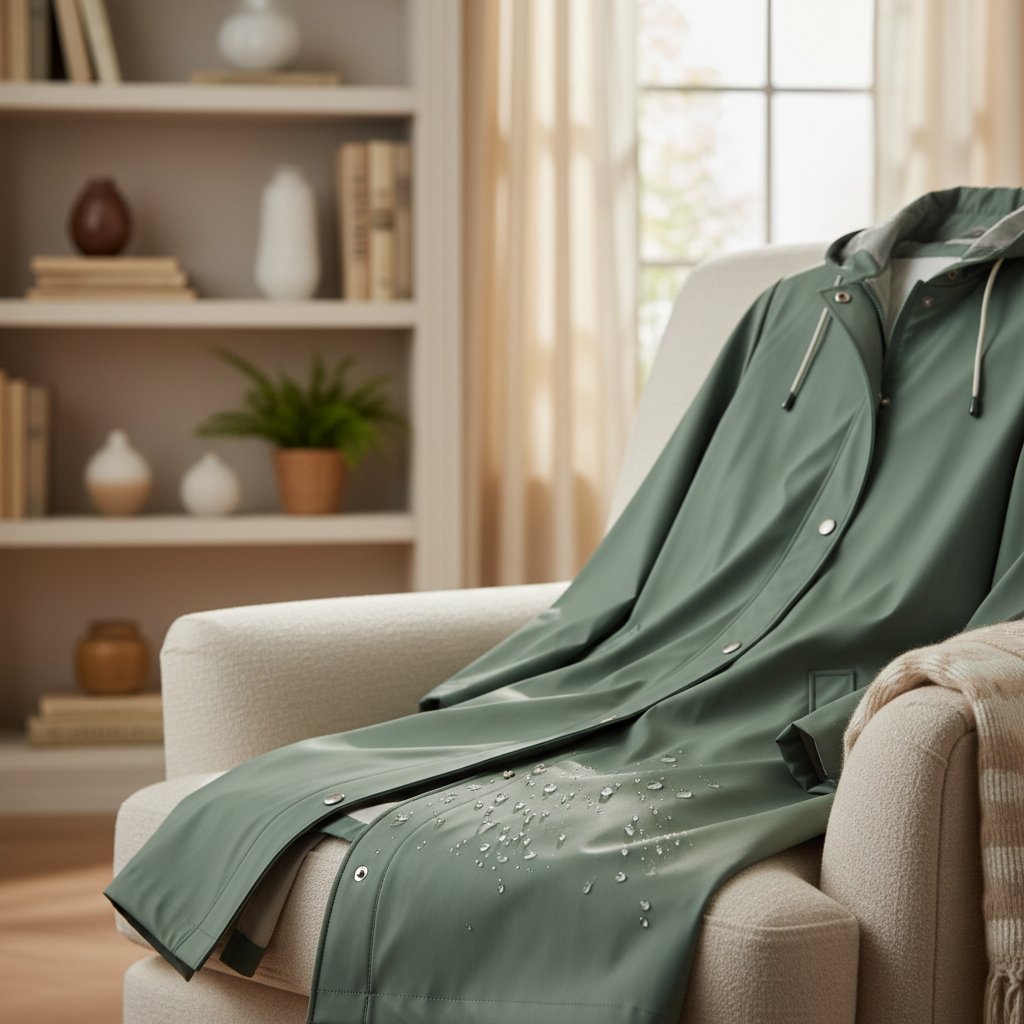
The efficacy of rain gear begins with the chemical composition of the base material. PVC (Polyvinyl Chloride) remains a staple for heavy-duty industrial use due to its extreme water resistance and cost-effectiveness. However, the industry has seen a surge in EVA (Ethylene Vinyl Acetate) and PEVA for eco-conscious and lightweight applications, as these materials are often more flexible and odorless.
TPU (Thermoplastic Polyurethane) represents the high-end spectrum, offering superior elasticity and a better balance of waterproofing and breathability. For specialized garments like aprons or painting clothes, the choice between these materials depends on the expected exposure to chemicals, the required lifespan of the garment, and the user's mobility needs.
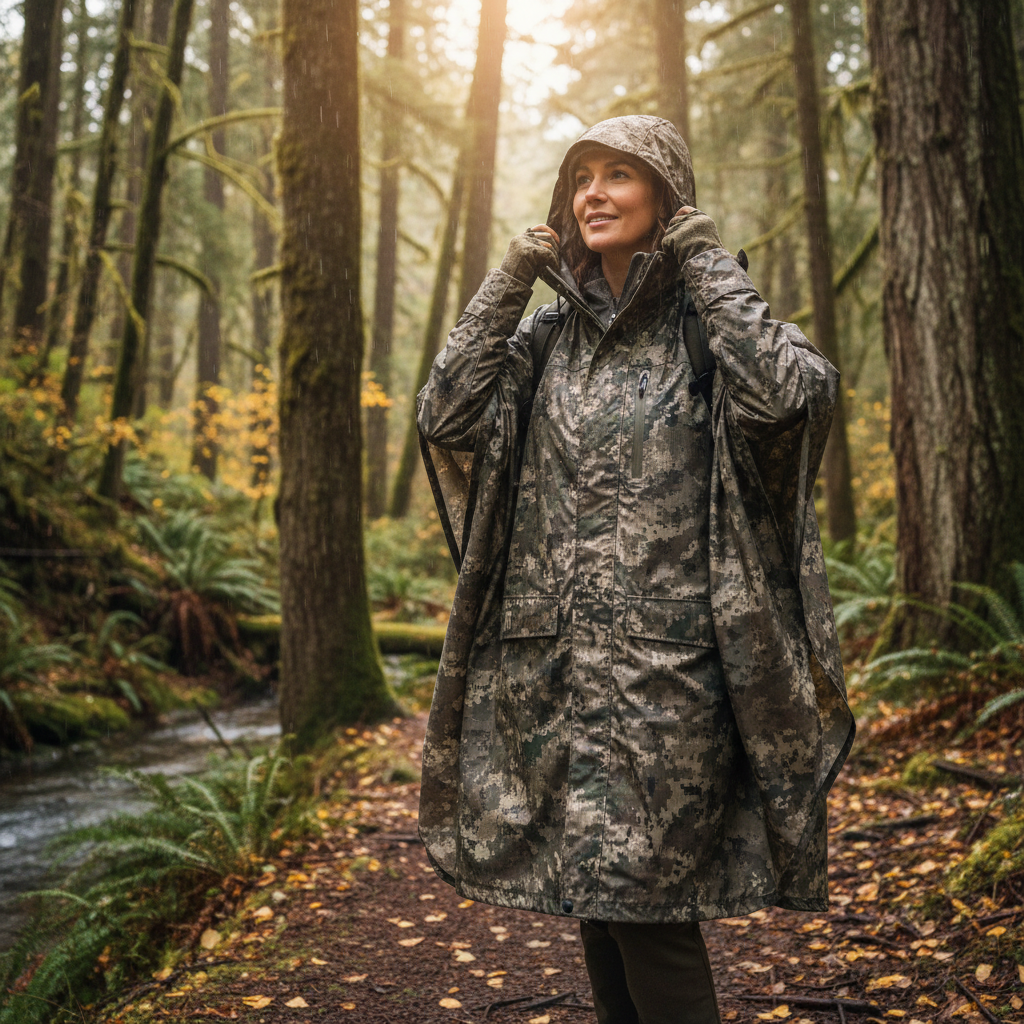
One of the most significant challenges in the garment industry is eliminating the "stuffed" feeling associated with waterproof clothing. Traditional non-breathable materials trap perspiration inside, leading to discomfort and reduced thermal regulation. Modern engineering solves this by integrating advanced breathable designs that allow water vapor to escape while preventing liquid water from entering.
This is achieved through a combination of microporous membranes and strategic venting. By optimizing the molecular structure of the fabric or implementing mechanical ventilation points, manufacturers can create a garment that remains dry on the outside and breathable on the inside. This is particularly critical for children's raincoats, where activity levels are high and temperature regulation is vital for health.
The integration of these breathable elements requires precise sewing and stapling techniques. If the seams are not handled correctly, the breathability of the fabric is negated by leak points, or conversely, the waterproofing is compromised by oversized vents. A professional production line must therefore synchronize fabric selection with advanced assembly methods.
A comprehensive quality control system is the only way to ensure consistency across large-batch orders. From the initial procurement of raw PVC or TPU to the final folding and packing, every stage must be monitored. This includes strict material testing to ensure the chemicals used meet international safety standards, especially for products exported to Europe and the United States.
Quality assurance in rainwear is not a final step but a continuous process involving cutting precision, printing adherence, and seamless stapling to ensure zero-leakage performance across all garment stress points.
Compliance with certifications like the BSCI factory inspection certificate provides external verification of a manufacturer's commitment to ethical production and quality management. When a factory employs dedicated quality inspectors and skilled workmen in a structured 2,000-square-meter workshop, the risk of defects in the finished waterproof garments is significantly reduced.
Different waterproof materials serve different functional purposes. For instance, PVC is unmatched in sheer water-blocking capability for industrial aprons, whereas TPU is the gold standard for high-performance raincoats that require flexibility. Understanding these relative strengths allows buyers to match the material to the specific environmental demands of their target market.
The following index illustrates the relative performance of common materials used by rain gear manufacturers, focusing on the trade-off between absolute waterproofing and breathable comfort.
Design logic varies drastically between industrial and consumer sectors. In industrial settings, the priority is maximum coverage and chemical resistance, leading to the production of heavy-duty aprons and painting clothes. In contrast, the consumer market—especially for children—demands a fusion of functionality and psychology. Cute cartoon designs and bright colors are not merely aesthetic choices; they are essential for gaining children's acceptance of wearing protective gear.
Furthermore, safety considerations such as high-visibility colors are critical for rain gear used in urban environments or near traffic. Manufacturers must balance these visual requirements with the structural integrity of the garment, ensuring that dyes and prints do not degrade the waterproof properties of the PVC or TPU coating.
Global distribution trends indicate a move toward "cost-effective quality." Importers in Europe and the Middle East are increasingly seeking manufacturers who can provide customized styles based on specific regional requirements without compromising on the quality of the waterproof membrane.
The ability to offer a full production line—from cutting and printing to folding and packing—allows for better price control and faster turnaround times. This vertical integration is what separates professional garment factories from simple assembly shops, as it ensures that the technical indicators of the product are maintained throughout the lifecycle.
As environmental regulations tighten, there is a growing transition toward TPU and EVA materials, which are perceived as more sustainable than traditional PVC. Manufacturers who innovate in these materials while maintaining competitive pricing are better positioned to capture future market growth in the waterproof garments sector.
When auditing potential partners, buyers should look beyond the product catalog and examine the operational infrastructure. A manufacturer with over 20 years of experience, a dedicated design team, and a structured quality inspection department is more likely to deliver consistent results.
Technical strength is proven by the variety of materials a factory can handle. A facility capable of processing PVC, EVA, PEVA, and TPU demonstrates a versatility that allows them to adapt to changing market trends and diverse product requirements, from simple raincapes to complex waterproof jackets.
The following table provides a comparative framework for evaluating rain gear options based on different application scenarios.
| Application Scenario | Recommended Material | Primary Requirement | Relative Suitability |
|---|---|---|---|
| Industrial Painting | Heavy PVC | Chemical Resistance | High |
| Children's Casual | EVA / PEVA | Lightweight & Safe | High |
| Outdoor Sports | TPU / Breathable | Vapor Release | Maximum |
| Basic Rain Shelter | Thin PVC / PEVA | Low Cost | Medium |
| Professional Workwear | TPU Coated Fabric | Durability | High |
| Eco-Friendly Lines | EVA | Non-Toxic/Recyclable | High |
PVC is generally more rigid, highly waterproof, and cost-effective, making it ideal for industrial use. TPU is more flexible, offers superior breathability, and is often considered more environmentally friendly, which makes it the preferred choice for high-end consumer rainwear and activewear.
Breathable designs use materials or construction methods that allow moisture vapor (sweat) to escape from the inside of the garment while preventing liquid water from entering from the outside. This regulates the internal microclimate and prevents condensation buildup against the skin.
Key certifications include the BSCI factory inspection certificate, which ensures social compliance and ethical manufacturing. Additionally, look for material safety certifications (such as REACH or RoHS) to ensure the waterproof coatings are non-toxic, especially for children's products.
Yes, professional manufacturers with in-house design teams can produce different styles, colors, and functional additions based on customer requirements. This includes custom printing, specific material blends, and tailored sizing for different global markets.
Beyond aesthetics, bright colors improve visibility and safety during rainy weather. Cartoon designs increase the emotional appeal for children, making them more likely to wear the protective gear consistently, which is essential for keeping them dry and healthy.
Lifespan is primarily determined by the material quality (e.g., TPU lasts longer than thin PEVA) and the quality of the seams. Proper stapling and sewing prevent leaks over time, while the UV resistance of the material prevents cracking and degradation from sun exposure.
The transition toward high-performance, breathable rainwear reflects a broader industry shift toward user-centric design. By integrating advanced materials like TPU and implementing rigorous quality control across the entire production line, manufacturers can provide garments that offer both absolute protection and long-term comfort.
For global buyers, the key to success lies in partnering with experienced rain gear manufacturers who possess the technical infrastructure and certification to meet international standards. Prioritizing material science and production transparency ensures a product that is safe, durable, and commercially viable.