

Sourcing a high-quality china rain coat requires a deep understanding of material science and manufacturing precision. In the competitive landscape of waterproof apparel, the balance between durability, breathability, and cost-effectiveness determines the commercial success of a product line, especially for distributors serving diverse climatic regions.
Many procurement managers struggle with the trade-off between low-cost PVC options and high-performance TPU or EVA fabrics. The challenge lies in identifying a manufacturer that can provide customized patterns and specific functional designs—such as children's bike-friendly ponchos—without compromising on strict quality control and international safety standards.
This analysis provides a comprehensive framework for evaluating waterproof garment specifications, comparing common material properties, and establishing a rigorous supplier selection process to ensure long-term product reliability and customer satisfaction.

Material Selection for Waterproof Garments

The effectiveness of a china rain coat starts with the substrate. PVC (Polyvinyl Chloride) is widely used for heavy-duty industrial applications due to its absolute waterproof nature and low cost. However, for consumer-grade apparel, EVA (Ethylene Vinyl Acetate) and PEVA are preferred because they are more environmentally friendly, softer, and less prone to cracking in cold temperatures.
TPU (Thermoplastic Polyurethane) represents the high-end spectrum, offering superior elasticity and breathability. When selecting materials, buyers must consider the intended use case: PVC for painting clothes or industrial aprons, and EVA or TPU for fashionable raincapes and children's ponchos where comfort and weight are critical factors.
Analyzing the Design of Functional Raincapes
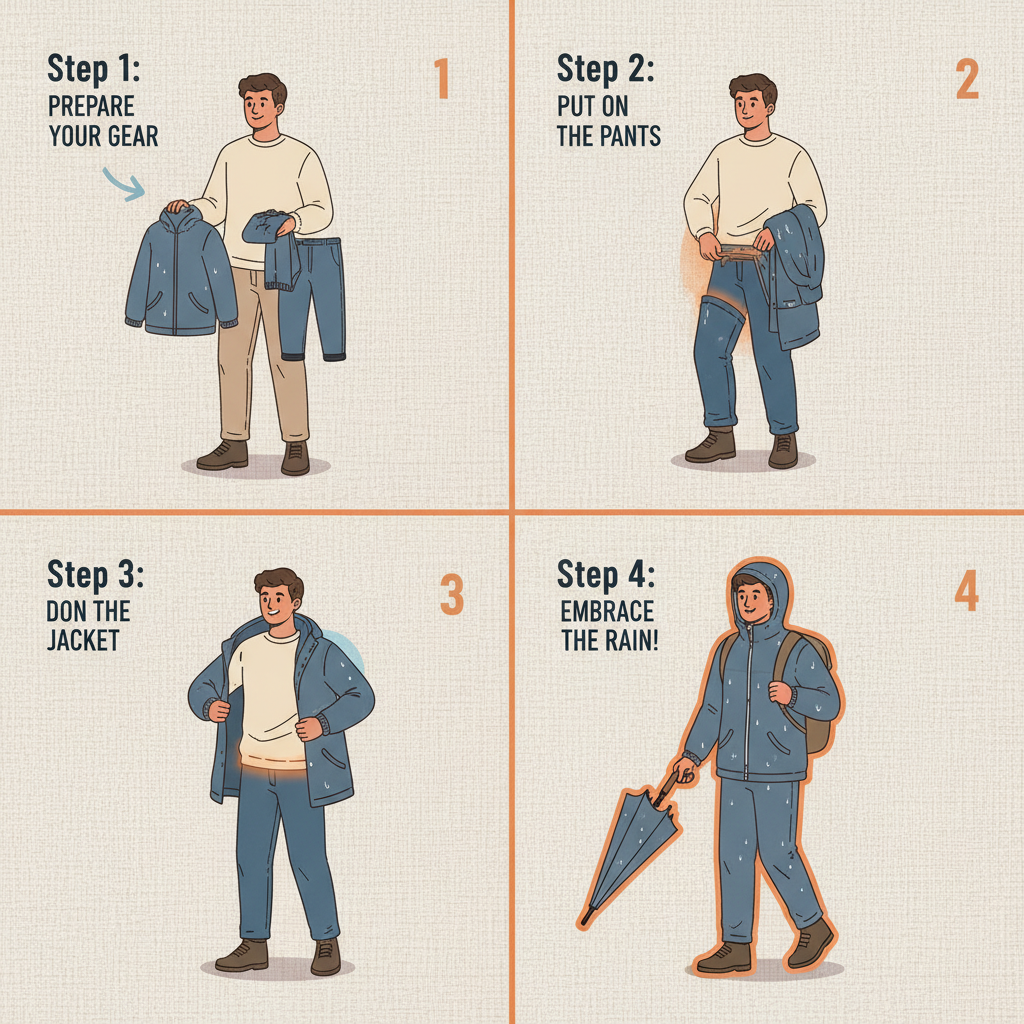
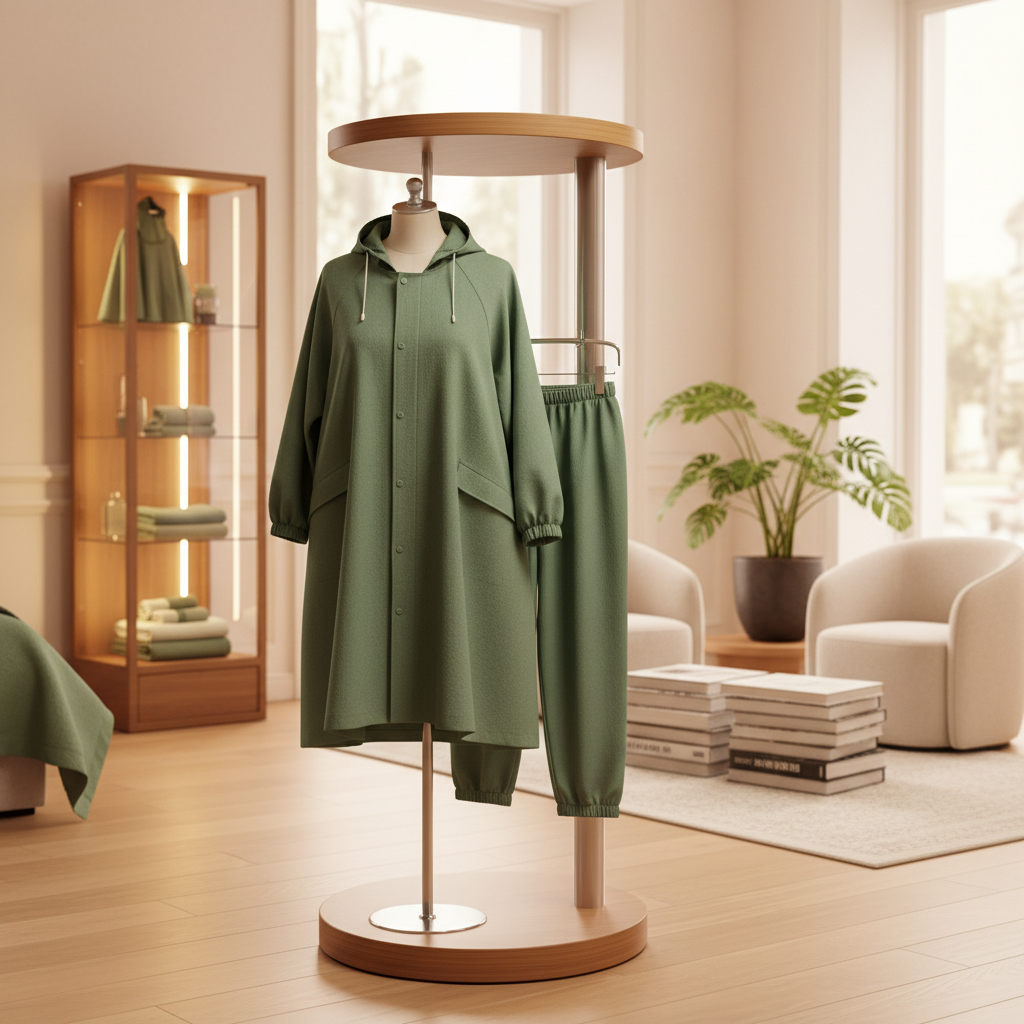
Design in waterproof apparel is not merely aesthetic; it is about operational utility. For instance, a children's poncho designed for cycling must extend beyond the torso to protect shoes and pants from splashes. This requires a specific cloak-style geometry that provides coverage without restricting the movement of the pedals.
Key design elements include three-dimensional coloring and bright hues to enhance visibility for safety, along with integrated hoods that prevent water ingress at the neckline. A well-engineered raincape balances fabric weight to ensure it is not "stuffy" during spring and autumn travel, ensuring wearer comfort over extended periods.
Manufacturing Process and Quality Control
Professional production requires a seamless integration of cutting, printing, sewing, and stapling. In a high-capacity facility, such as those established in China's garment hubs, a complete production line ensures that each seam is properly sealed. Leakage typically occurs at the seams, making the sewing and stapling phases the most critical points of failure.
Rigorous quality control involves multiple inspection stages: raw material procurement checks, in-process monitoring, and final finished product inspection. Adherence to certifications like BSCI indicates a commitment to social compliance and standardized manufacturing, which is essential for exports to European and US markets.
Performance Index of Common Raincoat Fabrics
Different materials offer varying levels of performance across several dimensions. The following illustrative framework compares normalized scores for common materials used in the manufacturing of a china rain coat, focusing on waterproofness, flexibility, eco-friendliness, and cost-efficiency.
As indicated in the conceptual comparison, while PVC excels in absolute waterproofness and cost, it lags in flexibility and eco-friendliness. TPU offers the best balance of performance and comfort, making it the ideal choice for premium apparel, whereas EVA serves as the versatile mid-range solution for mass-market raincapes.
Customization and Printing Capabilities
Commercial viability often depends on the ability to customize patterns and colors to meet specific brand requirements. High-quality fabric printing allows for vibrant, three-dimensional colors that appeal to specific demographics, such as children's wear, where bright colors are used both for aesthetic appeal and safety visibility.
Customization extends beyond prints to include structural modifications. Professional manufacturers can adjust patterns based on customer requirements, transitioning a standard poncho into a specialized cloak. This flexibility allows brands to differentiate their offerings in a saturated market by providing application-specific solutions.
Common Pitfalls in Waterproof Apparel Sourcing
A frequent mistake among buyers is prioritizing the lowest per-unit cost over material stability. For example, low-grade PVC can become brittle and crack in cold weather, leading to high return rates. Similarly, neglecting to verify the sealing quality of seams can result in garments that are "water-resistant" but not truly "waterproof."
Another risk is the lack of transparency in the supply chain. Relying on traders rather than direct manufacturers often leads to inconsistencies in fabric quality and longer lead times. Verifying the existence of a complete production line—from cutting to packing—is the only way to guarantee consistent quality across large batches.
Supplier Evaluation and Decision Matrix
When selecting a partner for the production of a china rain coat, buyers should use a weighted matrix. The ideal supplier combines decades of industry experience—such as the 20+ years of expertise found in established Hebei-based factories—with a modern facility and certified quality management systems.
| Material Type | Primary Use Case | Durability Level | Environmental Impact |
|---|---|---|---|
| PVC | Industrial/Heavy Duty | High (Rigid) | Higher |
| EVA | Consumer Raincapes | Medium | Lower |
| PEVA | Lightweight Ponchos | Medium-Low | Low |
| TPU | Premium Apparel | High (Flexible) | Low |
| Mixed Blend | Specialized Gear | Variable | Moderate |
| Coated Fabric | Fashion Cloaks | Medium-High | Moderate |
This matrix demonstrates that the "best" material depends entirely on the target market. For high-volume, low-cost distributions, EVA is the logical choice, while for high-end retail, TPU's performance justifies the higher investment cost.
Frequently Asked Questions
PVC is more rigid and absolutely waterproof, making it ideal for industrial use, but it can be heavy and less eco-friendly. EVA is softer, lighter, and more environmentally sustainable, which makes it the preferred choice for consumer raincapes and children's ponchos.
Ensure the manufacturer uses a complete production line that includes professional stapling and heat-sealing. Request a quality control report that specifically covers seam leakage tests and verify if the factory has a dedicated inspection team.
Yes, professional manufacturers can print different patterns and bright, three-dimensional colors according to customer requirements to make the garments more attractive to children and increase visibility for safety.
For cycling, a lightweight EVA or TPU material is recommended. The design should be a cloak-style poncho that provides extended coverage for the legs and shoes to prevent them from getting wet while biking.
A BSCI factory inspection certificate is a key indicator of compliance with social and ethical standards, which is often a requirement for importing goods into the European Union and the United States.
PVC and PEVA have very low breathability, which can lead to a "stuffy" feeling. TPU is significantly more breathable, making it more suitable for spring and autumn travel where moisture management is necessary.
Conclusion
The procurement of a high-performance china rain coat depends on the strategic alignment of material selection, functional design, and manufacturing rigor. By transitioning from generic sourcing to a specification-led approach—focusing on the nuances between PVC, EVA, and TPU—buyers can significantly reduce product failure rates and enhance market competitiveness.
For businesses seeking reliable manufacturing partners with over 20 years of experience in waterproof garments, detailed product specifications and customization options can be explored at www.sxzyraincoat.com to ensure your requirements are met with precision.