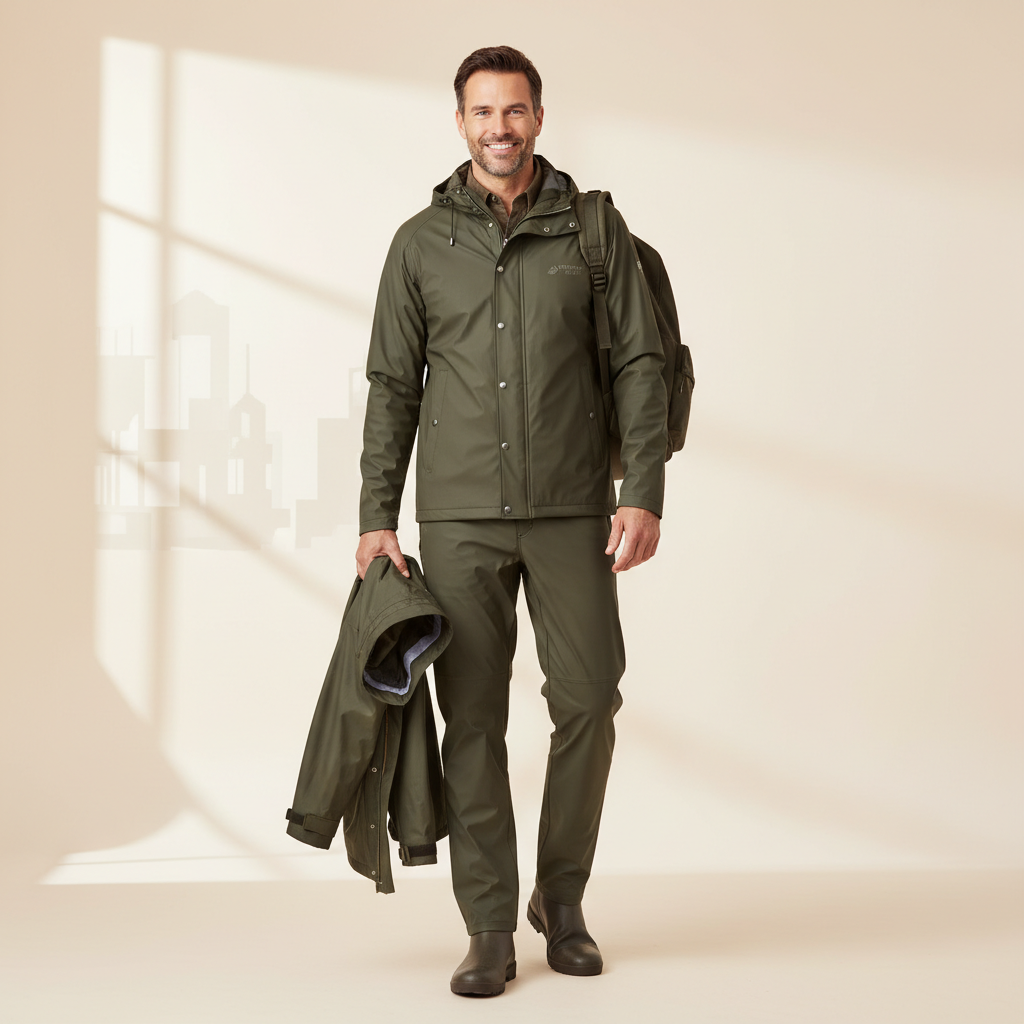


Finding a balance between budget constraints and reliable protection is a common challenge for businesses and individuals searching for cheap rain gear. The market is often flooded with disposable options that fail during the first heavy downpour, leaving users exposed to wind and moisture.
True value in waterproof apparel is not found in the lowest possible price point, but in the cost-per-use ratio. When rain gear is manufactured using durable materials like PVC, EVA, or TPU, even "affordable" options can provide long-term utility and repeated use, shifting the perspective from a disposable commodity to a strategic asset.
This guide explores the technical distinctions between different budget-friendly materials and provides a procurement framework to help buyers identify high-quality, low-cost waterproof solutions without sacrificing essential performance standards.

Understanding the Trade-off Between Price and Waterproof Performance

The term "cheap rain gear" often evokes images of thin, single-use plastic ponchos. However, in the professional garment manufacturing sector, affordability is achieved through material optimization and streamlined production rather than simply reducing thickness. The core challenge is maintaining a tight seal against wind, water, and dirt while keeping the unit cost low.
For many B2B buyers, the goal is to secure gear that is "cost-effective" rather than just "cheap." This means seeking products that utilize high-quality waterproof materials—such as specialized PVC or EVA—which allow the garment to be used repeatedly. When a product is durable enough for multiple seasons, the initial low investment yields a significantly higher return on value.
Understanding this distinction is critical. High-quality budget gear focuses on the integrity of the seams and the density of the material. By prioritizing these two factors, manufacturers can produce garments that resist tearing and leaking, ensuring that the user remains dry even in adverse weather conditions without needing a premium-priced luxury brand.
Key Material Indicators for Durable Budget Rainwear
Not all waterproof materials are created equal. When evaluating budget options, the chemical composition of the fabric determines its lifespan and flexibility. Materials like PEVA and TPU offer different breathability and durability profiles compared to traditional PVC, impacting how the gear performs in different climates.
PVC (Polyvinyl Chloride) remains a staple for budget rain gear due to its exceptional waterproofing and resistance to dirt. However, the quality depends on the additives used to prevent brittleness. EVA (Ethylene Vinyl Acetate) is often preferred for its lighter weight and better flexibility in cold temperatures, making it ideal for disposable yet sturdy raincapes.
Furthermore, the construction method—whether the garment is sewn, stapled, or heat-sealed—determines its vulnerability. Heat-sealing is generally superior for waterproof integrity, as it eliminates needle holes that could otherwise act as leak points. A budget garment that utilizes strategic sealing is far more valuable than a slightly cheaper one that relies solely on basic stitching.
Practical Application Scenarios for Cost-Effective Waterproofing
Budget-friendly waterproof gear serves a wide array of industrial and commercial applications where high-turnover or high-exposure conditions make expensive gear impractical. In these scenarios, the priority is immediate protection and ease of replacement or cleaning.
In the construction and painting industries, workers require gear that is resistant to water as well as dirt and chemical splashes. Specialized aprons and painting clothes made from PVC provide a barrier that is easy to wipe clean, reducing the need for frequent replacements. Here, the "cheap" aspect of the gear refers to the low overhead cost of maintaining a large workforce's protective apparel.
Similarly, event management and outdoor tourism rely heavily on raincapes and ponchos for large crowds. In these cases, the gear must be compact and easy to distribute, yet durable enough to withstand a full day of movement. By utilizing customized printing and colors, these garments can serve as both protective gear and promotional tools, adding a secondary layer of business value.
Analyzing Material Longevity and Performance Metrics
To quantify the value of budget rain gear, we must look at performance metrics such as water penetration resistance and material fatigue. While premium gear might offer higher breathability, budget-friendly materials often excel in absolute water blockage, which is the primary requirement for most users.
When comparing industry benchmarks for standard disposable gear against engineered budget gear, there is a noticeable gap in durability and wind resistance. Engineered gear maintains its structural integrity longer, resisting the "tearing effect" common in low-grade plastics.
cheap rain gear Performance Metrics
The data suggests that by optimizing material thickness and sealing techniques, budget gear can achieve performance levels close to mid-range products, particularly in terms of water resistance and dirt repellency, while maintaining a significantly lower cost profile.
Strategic Procurement Guidelines for Bulk Rain Gear Orders
Procuring rain gear in bulk requires a focus on specifications rather than just the final quote. Buyers should request detailed information on the material grade and the production process to ensure the "cheap" price doesn't result in unusable products.
First, verify the certification of the factory. A BSCI certificate, for example, indicates a level of operational standard and quality control that reduces the risk of receiving inconsistent batches. Second, clarify the customization options. Ability to customize printing and color without significant price hikes indicates a vertically integrated production line, which usually correlates with better quality control.
Finally, consider the total cost of ownership. A slightly higher unit price for a reusable poncho made of high-quality waterproof material is more economical than purchasing single-use plastics every few weeks. Evaluating the gear based on its "repeated use" capability is the hallmark of a professional procurement strategy.
Emerging Trends in Sustainable Low-Cost Waterproof Fabrics
The industry is moving toward materials that balance low cost with environmental responsibility. There is a growing shift toward TPU and PEVA as alternatives to traditional PVC, as these materials are often seen as more eco-friendly while maintaining high waterproof standards.
Innovation in production technology, such as improved heat-sealing and automated cutting, is allowing manufacturers to reduce waste and lower costs without thinning the material. This means that future iterations of budget rain gear may actually be more durable than the premium gear of a decade ago.
Additionally, the demand for customizable, multi-functional gear is rising. We are likely to see more low-cost garments that integrate basic visibility features (like reflective strips) as standard, merging safety requirements with budget-friendly pricing to meet stricter occupational health and safety regulations.
Comparative Analysis of Budget-Friendly Rain Gear Materials
Choosing the right material depends entirely on the intended use case. While one material may be superior for a one-day outdoor event, another is far more appropriate for a long-term industrial application. The following analysis breaks down the core trade-offs.
By comparing durability, flexibility, and cost, procurement officers can match the product to the specific environmental stressors—such as extreme cold or heavy dirt exposure—that their users will face.
| Material Type | Best Use Case | Durability Level | Key Limitation |
|---|---|---|---|
| Standard PVC | Industrial Aprons | High | Stiff in Cold |
| EVA Plastic | Event Ponchos | Medium | Lower Tear Strength |
| PEVA Fabric | Eco-friendly Capes | Medium | Moderate Cost |
| Soft TPU | Reusable Gear | Very High | Higher Unit Price |
| Light PE | Disposable Use | Low | Single Use Only |
| Reinforced PVC | Heavy Duty Raincoat | Very High | Heavy Weight |
Ultimately, the most "cost-effective" choice is the one that meets the minimum performance threshold for the specific environment while remaining within the budget. For those evaluating these options, detailed product specifications can be reviewed through www.sxzyraincoat.com.
Frequently Asked Questions
Conclusion
The search for cheap rain gear does not have to be a compromise on safety or functionality. By shifting the focus from the lowest possible price to the highest possible value—defined by material durability, seam integrity, and application suitability—buyers can secure protection that is both affordable and reliable.
Whether for industrial use or large-scale events, the key lies in understanding the technical properties of materials like PVC, EVA, and TPU. For those seeking a professional manufacturing partner capable of delivering high-quality, low-cost waterproof solutions, further information is available at www.sxzyraincoat.com.