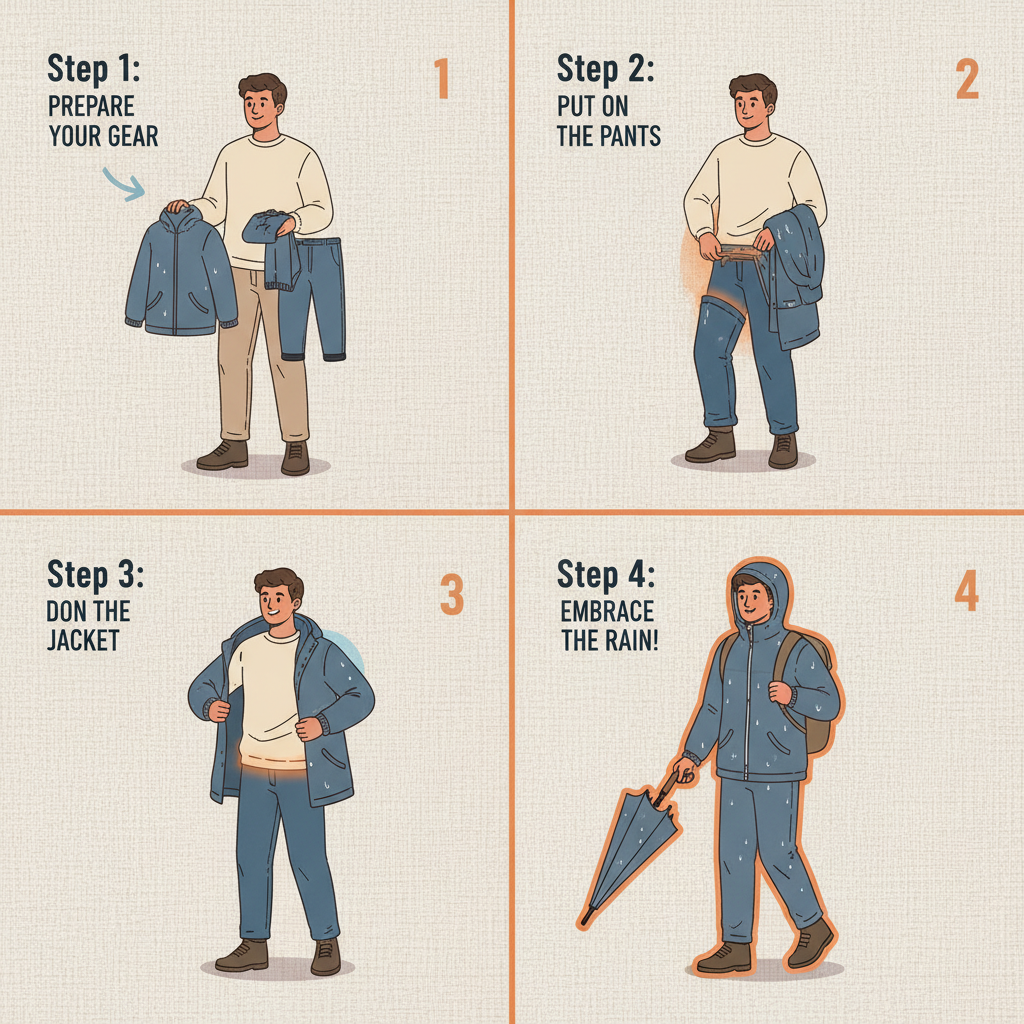


Rain poncho wholesale involves the bulk procurement of waterproof outerwear designed for wide distribution, typically targeting retail stores, event organizers, and promotional agencies. These garments are engineered to provide immediate protection against precipitation while remaining lightweight and portable, making them an essential commodity for outdoor industries and seasonal retail.
For procurement managers and business owners, the challenge lies in balancing material durability with cost-efficiency. Whether sourcing for high-traffic department stores or specialized gift shops, the choice of fabric—ranging from standard PVC to eco-friendly EVA—significantly impacts the end-user experience and the product's marketability in various climatic conditions.
This comprehensive analysis explores the critical technical specifications, material comparisons, and procurement strategies necessary to optimize your supply chain. By understanding the nuances of thickness, printing techniques, and manufacturer capabilities, businesses can secure high-quality waterproof gear that meets both regulatory standards and consumer expectations.

1Material Composition and Waterproofing Standards

The effectiveness of a wholesale rain poncho is primarily determined by its polymer base. PVC (Polyvinyl Chloride) is widely used for its exceptional water resistance and durability, while EVA (Ethylene Vinyl Acetate) offers a softer, more flexible, and environmentally friendly alternative. The choice of material dictates the garment's breathability, weight, and how it performs under varying temperatures.
Waterproofing is achieved through the non-porous nature of these plastics, ensuring that water beads off the surface immediately. In professional manufacturing, heat-sealing and precision cutting are used to eliminate leaks at the seams, which is a critical quality control point for commercial-grade rainwear.
Understanding the chemistry of the fabric is essential for compliance. For instance, EVA is often preferred for markets with strict environmental regulations due to its lack of phthalates, making it safer for children's wear and high-end promotional giveaways.
2Key Specifications for Bulk Procurement
When ordering in bulk, specifications must be precise to avoid shipment errors. Essential details include the material type (PVC/EVA/PEVA), thickness, and sizing. Standard sizing usually ranges from XS to XXXL to ensure a universal fit, which is particularly important for event-based distribution where individual measurements are unavailable.
Color customization is another vital factor. Wholesale buyers can typically request any Pantone color to match brand guidelines. The printing method, such as screen printing, allows for the application of corporate logos, which transforms a functional item into a powerful marketing tool.
Quality grades are categorized as "Commercial Grade" for general retail and "Premium Grade" for long-term use. Commercial grade is ideal for summer festivals and temporary outdoor events, whereas premium options are suited for industrial use or high-end retail.
3Application Scenarios and User Requirements
The application of wholesale ponchos varies by target audience. For department stores and gift shops, the focus is on aesthetics and packaging. In contrast, for outdoor event organizers, the priority is cost-per-unit and the speed of distribution. Each scenario requires a different balance of material thickness and design style.
In traditional outdoor rainwear applications, the poncho must provide full coverage for both the user and their immediate belongings. This requires a generous cut and a secure hood. The "Traditional" design style remains the most popular due to its reliability and ease of wear over existing clothing.
Another critical scenario is promotional branding. Companies use custom-printed ponchos at theme parks, sporting events, and music festivals. In these cases, the logo's visibility and the color's vibrancy are as important as the waterproof performance.
4Comparative Performance Metrics
Analyzing the performance of wholesale rainwear requires looking at durability, water penetration rates, and weight-to-strength ratios. High-quality PVC ponchos tend to excel in durability and absolute waterproofing, whereas EVA options provide better flexibility and skin comfort.
When comparing factory-direct sourcing to third-party distributors, the most significant differences appear in the consistency of thickness and the precision of the printing. Direct manufacturer control ensures that every piece in a 10,000-unit order maintains the same specification.
rain poncho wholesale Performance Metrics
As shown in the metrics, professional manufacturing processes significantly improve the reliability of the product. The integration of a complete production line—from cutting to final inspection—reduces the failure rate of heat-sealed seams, ensuring a superior user experience.
5Customization and Branding Implementation
Customization is the primary value-add in the wholesale market. Screen printing is the most efficient method for applying logos to PVC and EVA materials. The process involves creating a mesh stencil and applying ink that adheres strongly to the plastic surface, ensuring the logo does not peel during rain exposure.
Beyond logos, customization extends to the garment's structure. Some buyers require specific adjustments to the hood size or the addition of snap buttons for better wind protection. These modifications can be implemented during the cutting and sewing phase of production.
For high-volume orders, manufacturers can offer customized packaging, such as branded outer boxes or specific inner bagging, which simplifies the retail process for the buyer and enhances the perceived value of the product.
6Supply Chain and Lead Time Optimization
Efficient supply chain management is critical for seasonal products. Lead times for rain ponchos vary based on order volume: small batches (up to 2,000 pieces) typically take around 10 days, while larger orders (up to 10,000 pieces) require approximately 20 days.
Logistics optimization involves selecting the right shipping port and packaging method. Using a port like Tianjin allows for streamlined export to Europe, the US, and Asian markets. Proper folding and packing are essential to prevent creases that could weaken the material over time.
To ensure stability, buyers should look for manufacturers with BSCI certificates, which guarantee ethical production and quality control systems. This reduces the risk of shipment delays or quality failures that could disrupt a retail season.
7Selection Guide: PVC vs EVA vs PEVA
Choosing the right material depends on the intended use case and budget. PVC is the traditional choice for heavy-duty rainwear, while EVA is the modern standard for eco-conscious brands. PEVA serves as a middle ground, offering good waterproofing with fewer environmental concerns than standard PVC.
The following table provides a direct comparison to help procurement teams decide based on their specific business goals and customer demographics.
| Material | Durability | Eco-Friendliness | Typical Use Case |
|---|---|---|---|
| PVC | Very High | Low | Industrial / Heavy Rain |
| EVA | Medium | High | Promotions / Festivals |
| PEVA | Medium | Medium | General Retail / Gifts |
| TPU | High | Medium | Premium Apparel |
| Polyethylene | Low | Medium | Disposable / Emergency |
| Mixed Blend | Variable | Variable | Custom Specifications |
Ultimately, for most wholesale buyers focusing on a balance of cost and quality, a thickness of 0.12mm to 0.15mm in either PVC or EVA provides the best return on investment and customer satisfaction.
Frequently Asked Questions
Conclusion
Successfully sourcing rain poncho wholesale requires a strategic understanding of material science and supply chain logistics. By prioritizing the correct thickness and material—whether it be the durability of PVC or the eco-friendliness of EVA—businesses can ensure their products meet the diverse needs of their end-users while maintaining a healthy profit margin.
For procurement teams looking to secure reliable, high-quality waterproof garments with professional customization options, reviewing detailed specifications is the first step toward a successful partnership. Detailed product information and manufacturing capabilities can be explored at www.sxzyraincoat.com.