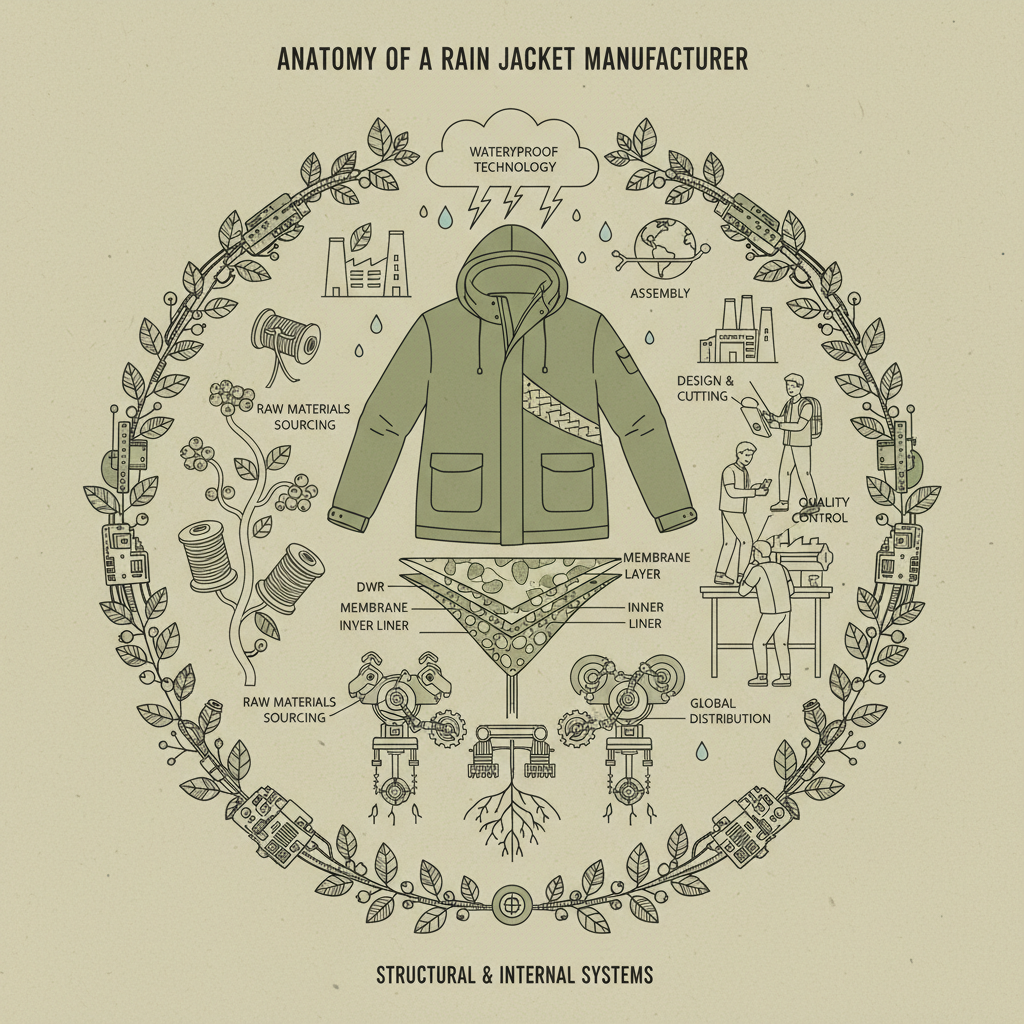
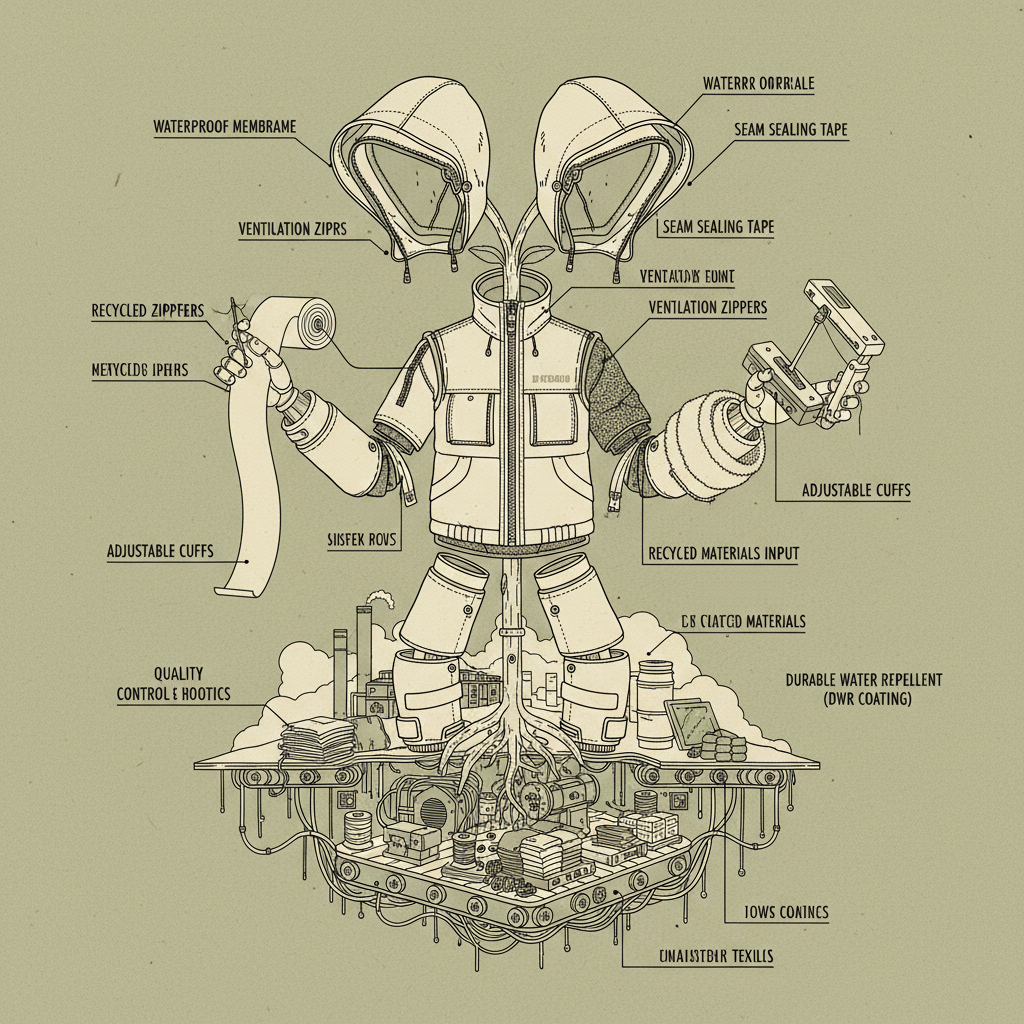
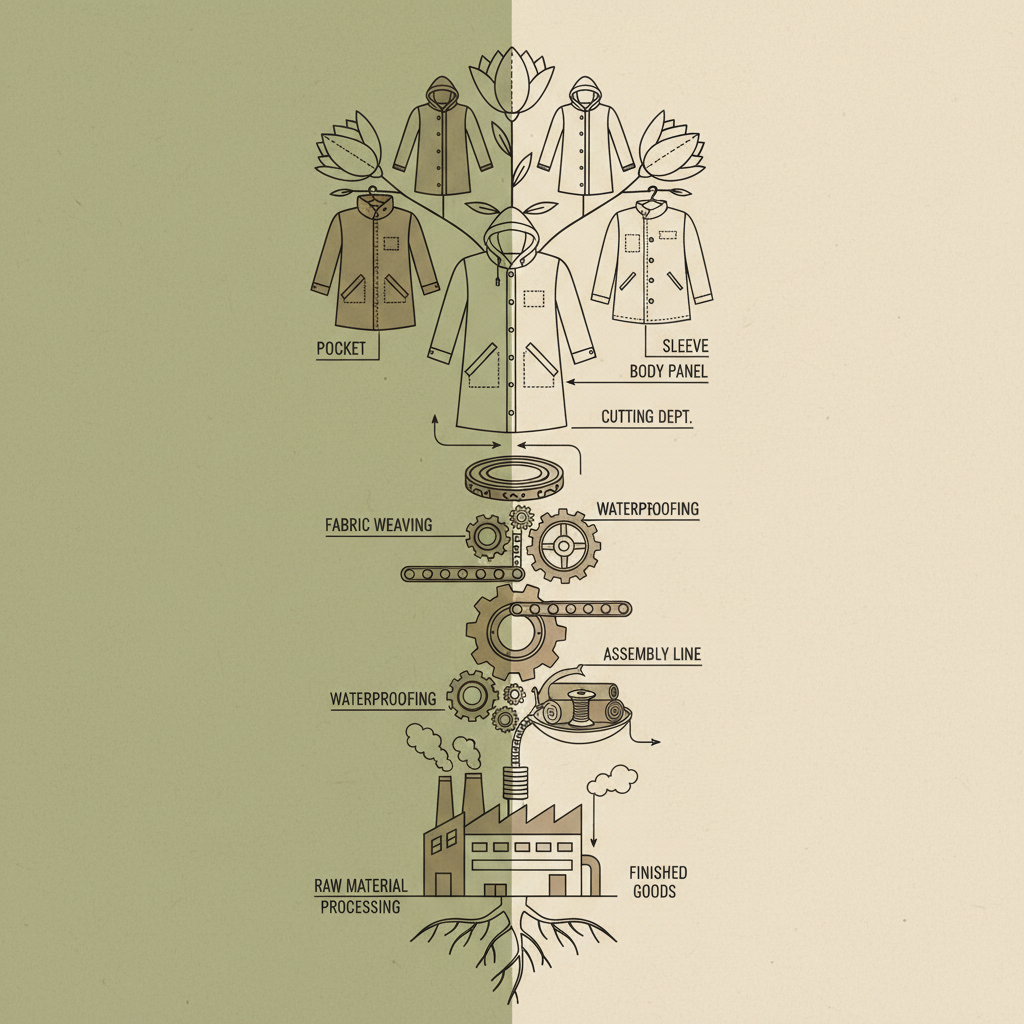
To be honest, the rain jacket manufacturing scene has been… hectic. Everybody's chasing lighter materials, better waterproofing, and sustainability, right? It's not enough to just keep people dry anymore. They want it to feel good, breathe, and not contribute to the planet's problems. It’s a lot.
Have you noticed how everyone's obsessed with these fancy new membrane technologies? PTFE, PU… they all promise the moon. But I've seen too many batches fail because of poor lamination. The membrane itself might be great, but if it’s not properly bonded to the face fabric, you’re just wasting money. And time. Lots of time.
It's a whole different ballgame from, say, five years ago. The pressure is on, you know? Everyone wants “premium” even if they’re buying budget.
The Current Landscape of Rain Jacket Manufacturers
Look, the big players are mostly in Asia, China especially. But it’s not just about low costs anymore. They're investing in R&D, tooling… they’re getting good. There’s also a growing number of smaller, boutique rain jacket manufacturers popping up, focusing on niche markets like ultra-lightweight hiking gear or sustainable materials. They tend to be more flexible but struggle with scaling.
The pressure from consumers for ethical sourcing and transparency is huge. Everyone's asking where the materials come from, how the workers are treated. It’s a good thing, honestly. But it adds complexity to the supply chain and drives up costs.
Common Design Pitfalls in Rain Jacket Manufacturing
Oh, the pitfalls… where do I even start? I encountered this at a factory in Ningbo last time. They were trying to make a super-technical jacket with a million pockets and vents. Looks great on paper, right? But it created all these weak points for water to get in. Seam sealing becomes a nightmare. It’s a classic case of over-engineering.
Another one? Ignoring the end-user. Designers get caught up in features and forget that people actually need to move in these things. A jacket that's too stiff, too restrictive… it won't sell, no matter how waterproof it is. It needs to allow for a full range of motion.
And strangely, lots of manufacturers underestimate the importance of the hood. A poorly designed hood ruins everything. It needs to be adjustable, stay put in the wind, and not block your peripheral vision. Sounds simple, but it's surprisingly difficult to get right.
Material Selection: A Hands-On Perspective
Now, materials. That’s where things get interesting. Nylon's still a workhorse – durable, relatively affordable. But it’s not very sustainable. Polyester’s everywhere, often recycled, which is good, but it doesn’t have the same feel as nylon. Feels…plasticky.
PU coatings are common for waterproofing, but they can crack and delaminate over time. PTFE membranes, like Gore-Tex, are the gold standard, but they’re expensive and have their own environmental issues. There’s a lot of research going into bio-based waterproof coatings now, but they’re not quite there yet in terms of performance and durability. I handle these materials every day, and you can tell the difference in quality, even by the smell.
The face fabrics... that's huge. You want something that’s abrasion resistant, but also soft and comfortable. I’ve been seeing more manufacturers using ripstop nylon – it’s lightweight and resists tearing. But you also need to consider the denier – a higher denier means a thicker, more durable fabric, but also heavier. It's a trade off.
Real-World Testing and Quality Control
Forget the lab tests! They're useful, sure, but nothing beats putting a jacket through its paces in the real world. We send samples to hiking guides, construction workers, even just regular people who live in rainy climates. They wear it, abuse it, and tell us what breaks.
We do hydrostatic head tests (water column resistance), but that only tells you so much. We also do seam strength tests, abrasion resistance tests, and breathability tests. But the real test is how it performs after repeated washing and wearing.
Rain Jacket Manufacturers Quality Control Metrics
How Users Actually Interact with Rain Jackets
You know, people don't always use things the way we think they will. I’ve seen folks using rain jackets as windbreakers on sunny days, wearing them while cycling in the city, even using them as makeshift picnic blankets! They aren't always battling downpours.
They prioritize convenience. They want pockets that are easy to reach, hoods that stay put, and zippers that don't snag. They also care about style, even if they won't admit it. A good-looking jacket is more likely to get worn, even if it's just for casual use.
Advantages and Disadvantages of Modern Rain Jackets
The advantages are obvious: waterproof, windproof, breathable (hopefully!). They're essential for outdoor activities, construction work, even just commuting. They’ve come a long way from the bulky plastic things we had years ago.
But they’re expensive, especially the good ones. And they require care. You can't just throw them in the washing machine. They need special detergents and a waterproofing treatment to maintain their performance. And honestly? Some of those fancy membranes feel fragile.
Anyway, I think the biggest drawback is the environmental impact. Manufacturing these jackets requires a lot of energy and resources. And most of them will end up in a landfill eventually. That’s something we need to address.
Customization Options and Recent Case Studies
Customization is huge. A lot of companies want their own branding, colors, and features. We did a run for a ski resort in Whistler last year – they wanted jackets with a specific pocket layout for ski passes and avalanche beacons. That was… interesting.
Last month, that small boss in Shenzhen who makes smart home devices insisted on changing the interface to on the jackets (for some reason - he wanted to charge his phone using the jacket!). The result was a delay, increased costs, and a jacket that nobody actually used the charging port on. Go figure.
We’re seeing a lot more demand for modular designs, where you can add or remove layers depending on the weather. And there’s a growing trend towards using recycled materials and sustainable manufacturing processes. It’s a slow process, but it’s happening.
Key Performance Indicators for Rain Jacket Manufacturers
| Material Durability (Abrasion Resistance) |
Waterproof Rating (mm) |
Breathability (g/m²/24h) |
Seam Sealing Quality (Pass/Fail) |
| High |
20,000+ |
10,000+ |
Pass |
| Medium |
10,000 - 15,000 |
5,000 - 10,000 |
Pass |
| Low |
5,000 - 10,000 |
2,000 - 5,000 |
Fail |
| Premium |
30,000+ |
15,000+ |
Pass |
| Budget |
3,000 - 5,000 |
Below 2,000 |
Fail |
| Sustainable |
15,000+ |
8,000+ |
Pass |
FAQS
For truly waterproof performance, especially in heavy and prolonged rain, you want a hydrostatic head of at least 10,000mm, but 20,000mm or higher is preferable. This indicates the fabric can withstand significant water pressure without leaking. Lower ratings (5,000mm or less) are okay for light showers but won't hold up in a downpour. It's important to remember that seam sealing also plays a crucial role – a high hydrostatic head is useless if the seams aren't properly sealed.
Breathability is hugely important, especially for active pursuits. If a jacket isn't breathable, you'll end up soaked from the inside out with sweat. Breathability is measured in g/m²/24h (grams of moisture vapor transmitted per square meter in 24 hours). A rating of 5,000 g/m²/24h is considered moderately breathable, while 10,000 g/m²/24h or higher is very breathable. Look for jackets with features like pit zips to further enhance ventilation.
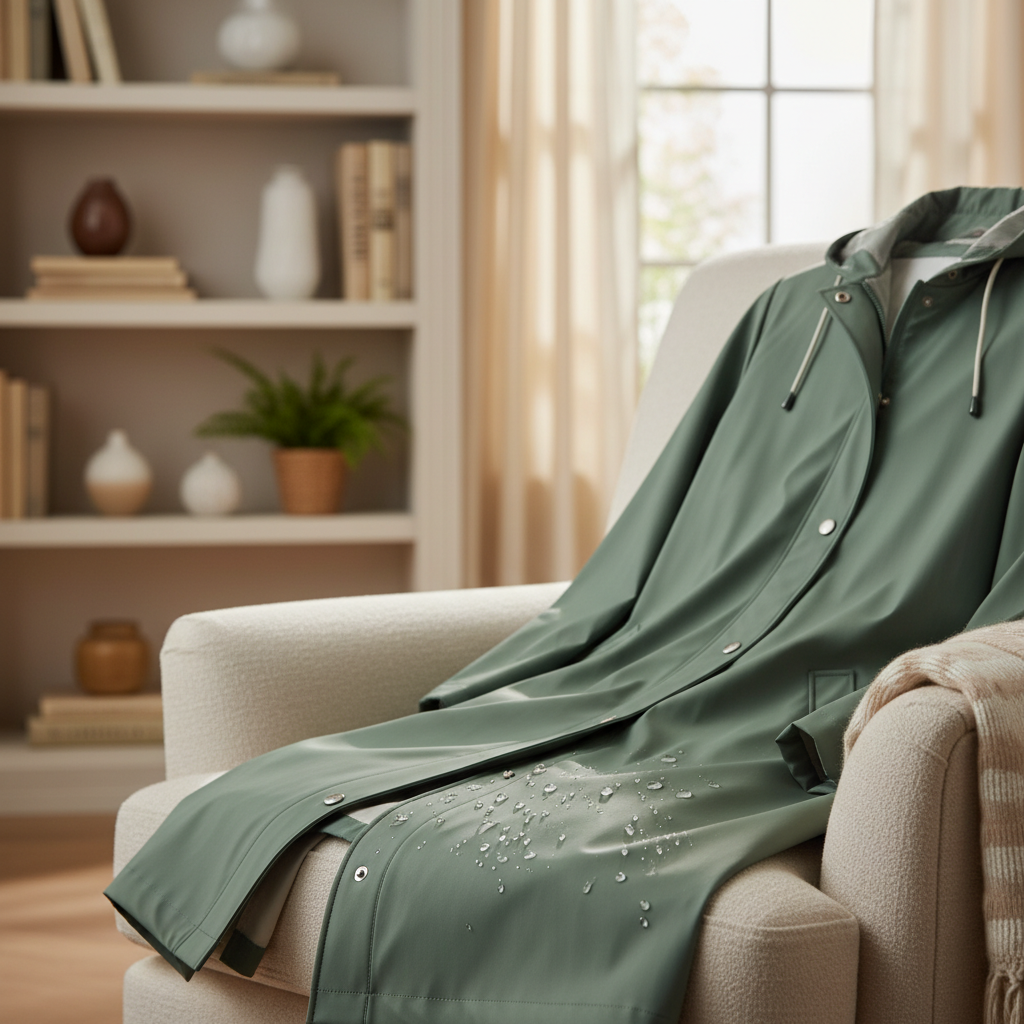
DWR (Durable Water Repellent) is a coating applied to the outer fabric that causes water to bead up and roll off. It's not waterproof on its own – it just delays water saturation. A waterproof membrane (like Gore-Tex) is a layer inside the jacket that physically prevents water from penetrating. DWR helps the membrane work more effectively by preventing the outer fabric from becoming saturated, which would reduce breathability. DWR needs to be reapplied periodically.
Seam sealing failures often occur due to poor tape adhesion, insufficient tape width, or damage during manufacturing or use. Preventing them involves using high-quality seam tape, ensuring proper application (heat and pressure), and inspecting seams carefully during quality control. Reinforcing high-stress areas (shoulders, elbows) with additional taping is also a good practice. Customers should also avoid harsh detergents and high heat when washing jackets.
Using recycled materials (like recycled polyester) can slightly reduce durability compared to virgin materials, but the difference is often negligible with modern manufacturing techniques. The primary advantage is environmental sustainability. The cost can be comparable, or even lower in some cases, depending on the availability of recycled materials and the manufacturing process. It's a win-win, really, as long as the quality control is maintained.
Proper care is essential. Always check the care label, but generally, you should wash rain jackets with a mild detergent specifically designed for technical fabrics. Avoid fabric softeners and bleach. Tumble dry on low heat (or hang to dry) to reactivate the DWR coating. Regularly reapply DWR treatment as needed to maintain water repellency. Storing the jacket properly (dry and away from direct sunlight) will also help prolong its life.
Conclusion
Ultimately, we’re talking about keeping people dry and comfortable. That sounds simple, but it's a complex process involving materials science, engineering, and a whole lot of testing. The market's demanding more – more performance, more sustainability, more style – and rain jacket manufacturers are responding.
But at the end of the day, whether this thing works or not, the worker will know the moment he tightens the screw. It’s about the details. It’s about quality control. It’s about understanding what the end-user really needs. And it's about not letting those Shenzhen bosses convince you that ports belong on a rain jacket.